
Dehumidifiers often fail prematurely because their coils are not made with corrosion-resistant materials, leading to rust and refrigerant leaks. Poor manufacturing choices, environmental factors, and lack of maintenance accelerate coil degradation, drastically shortening the appliance’s lifespan.
Key Takeaways
- Coils are prone to corrosion: Most dehumidifier coils are made from aluminum or copper without protective coatings, making them vulnerable to moisture-induced rust.
- Lack of durable materials: Manufacturers often skip advanced alloys or protective treatments to cut costs, sacrificing long-term reliability.
- Refrigerant leaks are common: Corroded coils develop pinhole leaks, causing the system to lose refrigerant and stop working efficiently.
- Environmental factors accelerate wear: High humidity, salt air, and dust increase the rate of coil degradation, especially in coastal or basement environments.
- Maintenance can extend life: Regular cleaning, proper storage, and using protective additives can slow coil corrosion and improve performance.
- Design flaws contribute to failure: Poor airflow, inadequate drainage, and undersized components stress the coils and reduce overall durability.
- Consumer awareness is low: Many users don’t realize coil failure is preventable, leading to unnecessary replacements and wasted money.
📑 Table of Contents
- Why Dehumidifiers Don’t Last: The Hidden Problem with Coils
- The Role of Coils in Dehumidifier Function
- Why Coils Are Not Made with Durable Materials
- Common Signs of Coil Failure
- How to Extend the Life of Your Dehumidifier Coils
- Are There Better Alternatives?
- The Bigger Picture: Consumer Awareness and Industry Change
- Conclusion
Why Dehumidifiers Don’t Last: The Hidden Problem with Coils
If you’ve ever owned a dehumidifier, you might have noticed that it doesn’t seem to last as long as other appliances. You plug it in, it runs for a few months—maybe even a year or two—and then suddenly, it stops working. No warning, no strange noises, just silence. You check the power, the settings, even the water tank, but everything seems fine. So why did it die?
The answer often lies in a part you can’t easily see: the coils. Specifically, the evaporator and condenser coils inside the unit. These coils are essential to the dehumidification process, but they’re also the weakest link in the system. And the reason? They’re not made with materials that can withstand the very environment they’re designed to control.
Most dehumidifiers are built with aluminum or copper coils—materials that conduct heat well but are highly susceptible to corrosion when exposed to constant moisture. Over time, this corrosion eats away at the metal, creating tiny holes that leak refrigerant. Once the refrigerant level drops, the unit can’t cool the coils properly, and the entire system fails. It’s a slow, silent breakdown that happens behind the scenes, often unnoticed until it’s too late.
This isn’t just a minor inconvenience. It’s a design flaw that affects millions of households. Whether you’re trying to keep your basement dry, protect your home from mold, or improve indoor air quality, a failing dehumidifier can throw a wrench in your plans. And replacing it every few years gets expensive fast.
But here’s the good news: understanding why dehumidifiers don’t last—especially why coils are not made with better materials—can help you make smarter choices. By knowing what to look for, how to maintain your unit, and what causes coil failure, you can extend its life and get better value from your investment.
The Role of Coils in Dehumidifier Function
Visual guide about Why Dehumidifiers Don’t Last Coils Are Not Made With
Image source: odellassoc.com
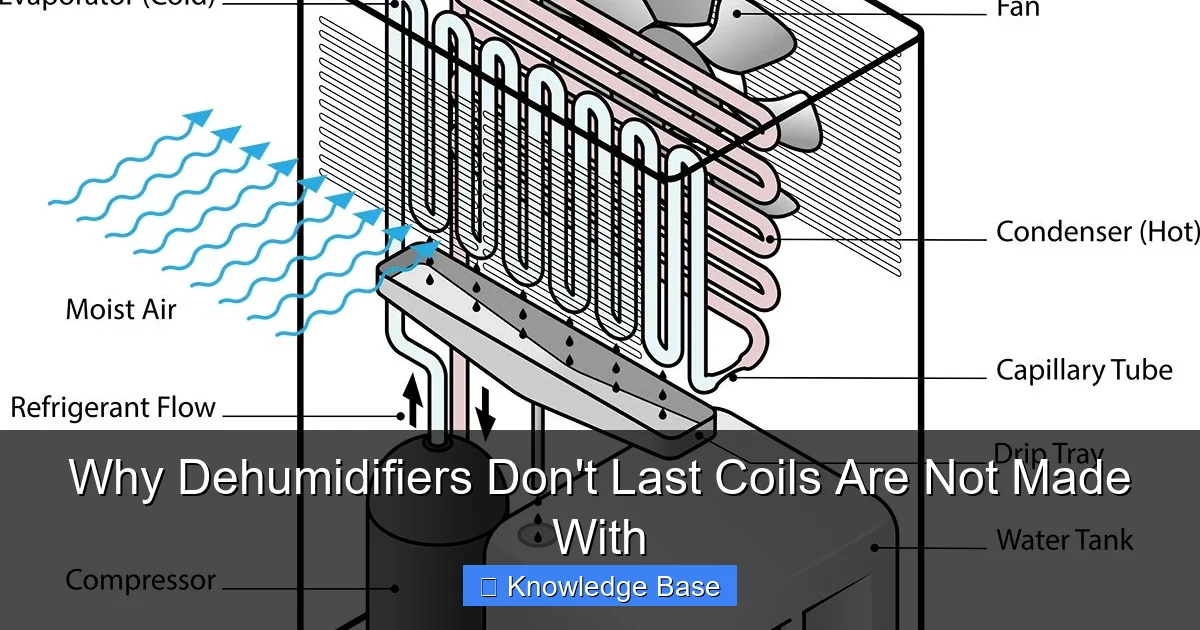
To understand why dehumidifiers fail, you first need to know how they work. At the heart of every dehumidifier is a refrigeration system that removes moisture from the air. This process relies heavily on two sets of coils: the evaporator coils and the condenser coils.
How Dehumidifier Coils Work
When air enters the dehumidifier, it passes over the cold evaporator coils. These coils are cooled by a refrigerant circulating inside them. As the warm, humid air touches the cold surface, the moisture in the air condenses into water droplets—just like how water forms on a cold glass on a hot day. This water drips into a collection tank or drains out through a hose.
Once the air is stripped of moisture, it moves over the warm condenser coils. These coils reheat the air before it’s released back into the room. This ensures the air isn’t too cold when it exits the unit, maintaining a comfortable indoor temperature.
Both sets of coils are essential. Without the evaporator coils, no moisture would be removed. Without the condenser coils, the air would come out freezing cold, which is inefficient and uncomfortable. But both are constantly exposed to moisture, temperature changes, and airflow—conditions that put immense stress on the metal.
Why Coils Are the Weakest Link
Even though coils are critical to performance, they’re often the first part to fail. Why? Because they’re made from materials that aren’t built to last in wet environments. Most manufacturers use aluminum or copper because they’re cheap, lightweight, and conduct heat well. But these metals corrode easily when exposed to water, especially in the presence of impurities like dust, salt, or chemicals in the air.
Over time, this corrosion weakens the coil structure. Tiny pits form on the surface, and eventually, these pits grow into holes. Once a hole appears, refrigerant begins to leak out. Since dehumidifiers rely on a sealed refrigerant system, even a small leak can cause the unit to lose cooling power. The compressor may keep running, but the coils won’t get cold enough to remove moisture. Eventually, the system overheats or shuts down completely.
This process can take months or even years, depending on the environment and usage. But once it starts, it’s nearly impossible to stop without replacing the entire coil assembly—which is often more expensive than buying a new unit.
Why Coils Are Not Made with Durable Materials
Visual guide about Why Dehumidifiers Don’t Last Coils Are Not Made With
Image source: dd0e7f6606.nxcli.io
So why don’t manufacturers use better materials? After all, if coils are the main point of failure, wouldn’t it make sense to build them to last?
The short answer is cost. Most dehumidifiers are mass-produced consumer appliances, and manufacturers are under constant pressure to keep prices low. Using corrosion-resistant materials like stainless steel, titanium, or coated alloys would increase production costs significantly. And since many consumers prioritize upfront price over long-term durability, companies often cut corners to stay competitive.
The Cost-Durability Trade-Off
Let’s break it down. A standard dehumidifier might use aluminum evaporator coils because aluminum is lightweight, conducts heat efficiently, and is inexpensive. Copper is also common, especially in higher-end models, because it’s an excellent conductor. But neither metal is naturally resistant to corrosion.
To protect these coils, manufacturers could apply protective coatings—like epoxy, polymer, or hydrophilic layers—that repel water and resist rust. Some premium models do include such coatings, but they’re the exception, not the rule. Most budget and mid-range units skip these treatments to save money.
Even when coatings are used, they’re often thin and can wear off over time, especially if the unit is cleaned aggressively or exposed to harsh chemicals. Once the coating is compromised, the underlying metal is exposed and vulnerable.
Environmental Factors That Accelerate Corrosion
It’s not just the materials that matter—it’s also where and how the dehumidifier is used. Coils in a damp basement, a coastal home, or a laundry room face harsher conditions than those in a dry, climate-controlled space.
For example, homes near the ocean have high levels of salt in the air. Salt is highly corrosive and can eat through aluminum and copper coils much faster than normal humidity. Similarly, basements often contain dust, mold spores, and cleaning chemicals that can settle on the coils and accelerate rust.
Even the type of water in your area can play a role. Hard water contains minerals like calcium and magnesium, which can leave deposits on the coils. These deposits trap moisture and create ideal conditions for corrosion.
All of these factors combine to shorten the lifespan of the coils—even if they were initially well-made. But because most coils aren’t designed to handle these challenges, they fail prematurely.
Common Signs of Coil Failure
One of the biggest problems with coil failure is that it often happens quietly. There’s no loud noise, no smoke, no obvious sign that something is wrong—until the unit stops working entirely. But there are usually warning signs if you know what to look for.
Reduced Moisture Removal
The first and most obvious sign is that your dehumidifier isn’t removing as much water as it used to. You might notice the tank fills up more slowly, or the humidity levels in the room stay higher than usual. This happens because the coils aren’t getting cold enough to condense moisture effectively.
At first, the difference might be subtle. But over time, the performance drop becomes more noticeable. You might find yourself emptying the tank less often, or using a hygrometer to confirm that indoor humidity is creeping up.
Ice Buildup on Coils
Another common symptom is ice forming on the evaporator coils. This happens when the coils get too cold—often because of low refrigerant levels or poor airflow. As moisture in the air freezes on the surface, it builds up into a thick layer of ice.
Ice acts as an insulator, preventing heat transfer and making the problem worse. The unit may cycle on and off frequently, or the compressor may overheat and shut down. In severe cases, the ice can block airflow entirely, causing the fan to stall or the motor to burn out.
Unusual Noises or Odors
As coils corrode, they can develop weak spots that vibrate or rattle during operation. You might hear a clicking, buzzing, or humming sound that wasn’t there before. In some cases, the corrosion process can produce a musty or metallic odor, especially if mold or bacteria are growing on the damp coils.
These signs don’t always mean the coils are failing, but they’re worth investigating. Ignoring them can lead to bigger problems down the line.
Increased Energy Bills
A failing dehumidifier often works harder to achieve the same results. The compressor runs longer, the fan spins faster, and the unit consumes more electricity. If you notice your energy bills creeping up without a clear reason, a coil problem could be the culprit.
How to Extend the Life of Your Dehumidifier Coils
While you can’t change the materials your coils are made from, you can take steps to slow down corrosion and extend the life of your dehumidifier. A little maintenance goes a long way.
Regular Cleaning
Dust and debris are major contributors to coil corrosion. Over time, they settle on the coils, trap moisture, and create a breeding ground for rust. Cleaning the coils every 3 to 6 months can make a big difference.
To clean the coils, turn off and unplug the unit. Remove the front or side panel to access the coils. Use a soft brush or vacuum with a brush attachment to gently remove dust. For stubborn grime, use a coil cleaner spray—available at hardware stores—and follow the instructions carefully. Never use water or harsh chemicals directly on the coils.
Use a Protective Additive
Some manufacturers offer coil protection additives that you can add to the water tank or drainage system. These additives create a protective film on the coils, reducing the risk of corrosion. While not a permanent solution, they can help in high-humidity or high-salt environments.
Control the Environment
Where you place your dehumidifier matters. Avoid areas with high dust, salt, or chemical exposure. If you live near the coast, consider using a dehumidifier with a corrosion-resistant coating or upgrading to a marine-grade model.
Also, make sure the unit has proper airflow. Don’t place it too close to walls or furniture, and keep the air intake and exhaust vents clear. Good airflow reduces the risk of ice buildup and helps the coils stay dry.
Empty the Tank Regularly
A full water tank can cause the unit to shut off prematurely, but it can also lead to overflow and water damage. If water leaks onto the coils or electrical components, it can accelerate corrosion and cause short circuits. Empty the tank daily, or use a continuous drainage hose to avoid this issue.
Store Properly During Off-Seasons
If you only use your dehumidifier during certain times of the year, store it properly during the off-season. Clean the coils, empty the tank, and let the unit dry completely. Store it in a cool, dry place—never in a damp garage or basement. Cover it with a breathable cloth to keep dust out.
Are There Better Alternatives?
Given the widespread issue with coil corrosion, you might be wondering: are there dehumidifiers that last longer?
The answer is yes—but they come at a higher price. Some premium models use coated coils, stainless steel components, or advanced alloys designed to resist corrosion. These units are often marketed as “marine-grade” or “commercial-grade” and are built for harsh environments.
For example, certain brands offer dehumidifiers with blue fin or gold fin coils—special coatings that repel water and resist rust. These coatings can extend the life of the coils by several years, especially in coastal or high-humidity areas.
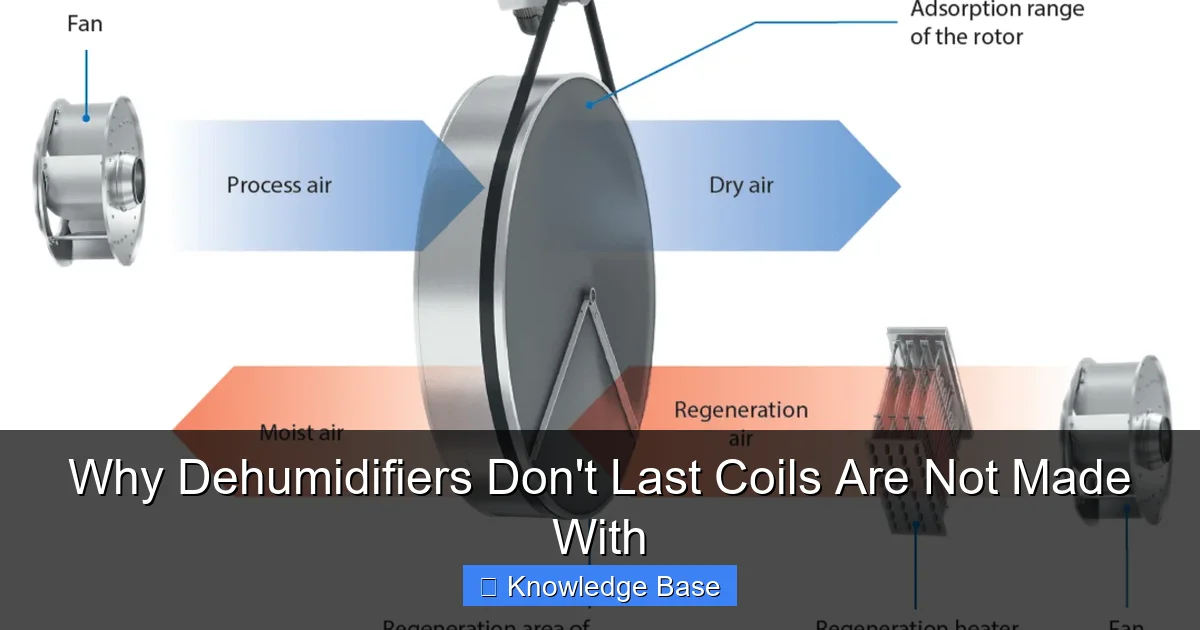
Another option is desiccant dehumidifiers, which don’t use refrigerant coils at all. Instead, they use a moisture-absorbing material (like silica gel) to remove humidity. While they’re less efficient in very humid conditions, they’re less prone to corrosion and can last longer in certain environments.
However, these alternatives are typically more expensive upfront. A standard refrigerant dehumidifier might cost $150–$300, while a coated or desiccant model can run $400–$800 or more. But if you live in a high-risk area or plan to use the unit heavily, the investment may pay off in the long run.
The Bigger Picture: Consumer Awareness and Industry Change
The fact that dehumidifiers don’t last isn’t just a product flaw—it’s a reflection of broader issues in consumer appliance design. Many manufacturers prioritize short-term affordability over long-term reliability, knowing that most consumers will replace appliances every few years anyway.
But this approach has consequences. It leads to more waste, higher long-term costs, and frustration for users who expect their appliances to last. And it’s not just dehumidifiers—similar issues exist with air conditioners, refrigerators, and washing machines, where coils and seals are often the first to fail.
The good news is that consumer awareness is growing. More people are asking questions about durability, materials, and lifecycle costs. Some companies are responding by offering longer warranties, better materials, and more transparent labeling.
As a consumer, you can drive change by choosing products that prioritize quality over price, supporting brands that offer repair services, and sharing your experiences online. The more demand there is for durable, long-lasting appliances, the more likely manufacturers are to listen.
Conclusion
So, why don’t dehumidifiers last? The answer is clear: their coils are not made with materials that can withstand the constant exposure to moisture, dust, and environmental stress. Aluminum and copper coils, while efficient and affordable, corrode over time, leading to refrigerant leaks and system failure.
This problem is worsened by cost-cutting measures, poor maintenance, and harsh operating conditions. But it’s not inevitable. With proper care, smart placement, and awareness of the signs of coil failure, you can extend the life of your dehumidifier and get better value from your purchase.
If you’re in the market for a new unit, look for models with coated coils, stainless steel components, or desiccant technology. And if you already own a dehumidifier, take the time to clean it regularly, monitor its performance, and protect it from harsh environments.
Dehumidifiers don’t have to be disposable. By understanding the role of coils and why they fail, you can make informed decisions that keep your home dry, your air clean, and your appliances running for years to come.
Frequently Asked Questions
Why do dehumidifier coils corrode so quickly?
Dehumidifier coils corrode quickly because they’re made from aluminum or copper, which are prone to rust when exposed to constant moisture. Dust, salt, and chemicals in the air accelerate the process, especially in humid or coastal environments.
Can I repair a dehumidifier with a leaking coil?
In most cases, no. Coil leaks are difficult and expensive to repair. The cost of replacing the coil assembly often exceeds the value of the unit, making replacement more practical.
How often should I clean my dehumidifier coils?
Clean the coils every 3 to 6 months, or more often if you use the unit heavily or live in a dusty or humid area. Regular cleaning helps prevent corrosion and maintains efficiency.
Are coated coils worth the extra cost?
Yes, especially if you live in a high-humidity or coastal area. Coated coils resist corrosion and can extend the life of your dehumidifier by several years, saving money in the long run.
What’s the average lifespan of a dehumidifier?
Most dehumidifiers last 3 to 5 years, but coil corrosion often causes failure before other components wear out. With proper maintenance, some units can last up to 7 or 8 years.
Can I prevent coil corrosion entirely?
You can’t prevent it completely, but you can slow it down with regular cleaning, proper storage, and using protective additives. Choosing a model with corrosion-resistant materials also helps.