

Dehumidifying your basement isn’t just about comfort—it’s a critical step in protecting your home and health. Excess moisture leads to mold, musty odors, and structural damage, but a dehumidifier can stop these problems before they start.
Key Takeaways
- Prevents mold and mildew growth: High humidity creates the perfect environment for mold, which can spread quickly and pose serious health risks.
- Protects your home’s structure: Moisture weakens wood, drywall, and insulation, leading to costly repairs over time.
- Improves indoor air quality: Damp basements release spores and allergens into the air, affecting your entire home’s air quality.
- Reduces musty odors: A dry basement smells fresher and feels more inviting, making it usable for storage or living space.
- Saves energy and money: Dry air is easier to heat and cool, reducing strain on your HVAC system and lowering utility bills.
- Preserves stored items: Clothes, books, electronics, and furniture stay safe from warping, rust, or decay in a controlled humidity environment.
- Supports overall home comfort: A dry basement means less clammy air rising into living areas, improving comfort year-round.
📑 Table of Contents
- Why Dehumidify Basement: The Hidden Dangers of Excess Moisture
- Understanding Basement Humidity: What’s Normal and What’s Not
- Health Risks of a Damp Basement
- Structural Damage Caused by Excess Moisture
- Protecting Your Belongings and Increasing Usable Space
- How to Dehumidify Your Basement Effectively
- When to Call a Professional
- Conclusion: A Dry Basement Is a Healthy Basement
Why Dehumidify Basement: The Hidden Dangers of Excess Moisture
You might think your basement is just a storage space—out of sight, out of mind. But if it’s damp, it’s quietly causing problems that can affect your entire home. From musty smells to peeling paint, the signs of excess moisture are often subtle at first. Yet, ignoring them can lead to serious consequences for your health, your belongings, and even the structural integrity of your house.
Basements are naturally prone to high humidity. They’re below ground level, surrounded by soil that holds moisture, and often poorly ventilated. Add in seasonal changes, rainfall, or even a small leak, and you’ve got the perfect recipe for a damp environment. That’s why dehumidifying your basement isn’t just a nice-to-have—it’s a necessity.
In this guide, we’ll explore the many reasons why dehumidify basement spaces should be a top priority for every homeowner. We’ll break down the risks of high humidity, explain how dehumidifiers work, and offer practical tips to keep your basement dry and healthy year-round.
Understanding Basement Humidity: What’s Normal and What’s Not
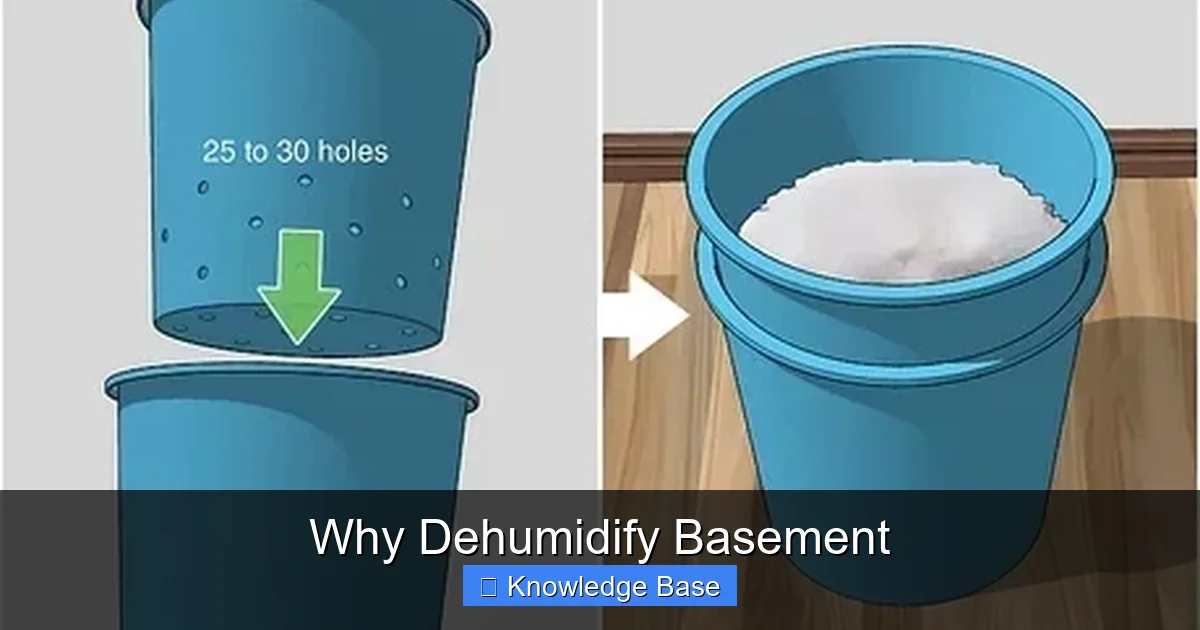
Visual guide about Why Dehumidify Basement
Image source: i1.wp.com
Before you can fix a problem, you need to understand it. So, what exactly is humidity, and why does it matter in your basement?
Humidity refers to the amount of water vapor in the air. It’s measured as a percentage, known as relative humidity (RH). Ideally, indoor humidity should stay between 30% and 50%. Anything above 60% is considered high and can lead to moisture-related issues.
Basements often have higher humidity than the rest of the house. Why? Because they’re cooler. Cool air holds less moisture than warm air, so when warm, humid air from outside enters your basement and cools down, the excess moisture condenses on cold surfaces—like walls, pipes, or concrete floors. This is called condensation, and it’s a major contributor to basement dampness.
Common Signs of High Basement Humidity
You don’t need a hygrometer to spot the signs of excess moisture. Here are some telltale clues:
- Musty or earthy smell: That “old basement” odor is often caused by mold or mildew growing in hidden corners.
- Damp or cold walls: If your basement walls feel wet or clammy to the touch, moisture is present.
- Condensation on windows or pipes: Water droplets forming on cold surfaces are a clear sign of high humidity.
- Peeling paint or wallpaper: Moisture causes paint to bubble and peel, especially on concrete or cinder block walls.
- Rust on metal items: Tools, nails, or appliances may develop rust due to constant exposure to damp air.
- Warped wood: Floor joists, shelves, or stored furniture may swell or warp over time.
If you notice any of these signs, it’s time to take action. The longer you wait, the more damage can occur.
How to Measure Basement Humidity
The best way to know your basement’s humidity level is to use a hygrometer—a small, inexpensive device that measures relative humidity. You can find digital hygrometers at most hardware stores or online for under $20.
Place the hygrometer in the center of your basement, away from vents, windows, or doors, and check it regularly. Ideally, you want to see readings between 30% and 50%. If it’s consistently above 60%, you have a humidity problem that needs addressing.
Keep in mind that humidity levels can fluctuate with the seasons. For example, summer brings warm, humid air that can seep into your basement, while winter may cause condensation due to temperature differences. Monitoring your basement year-round helps you stay ahead of issues.
Health Risks of a Damp Basement
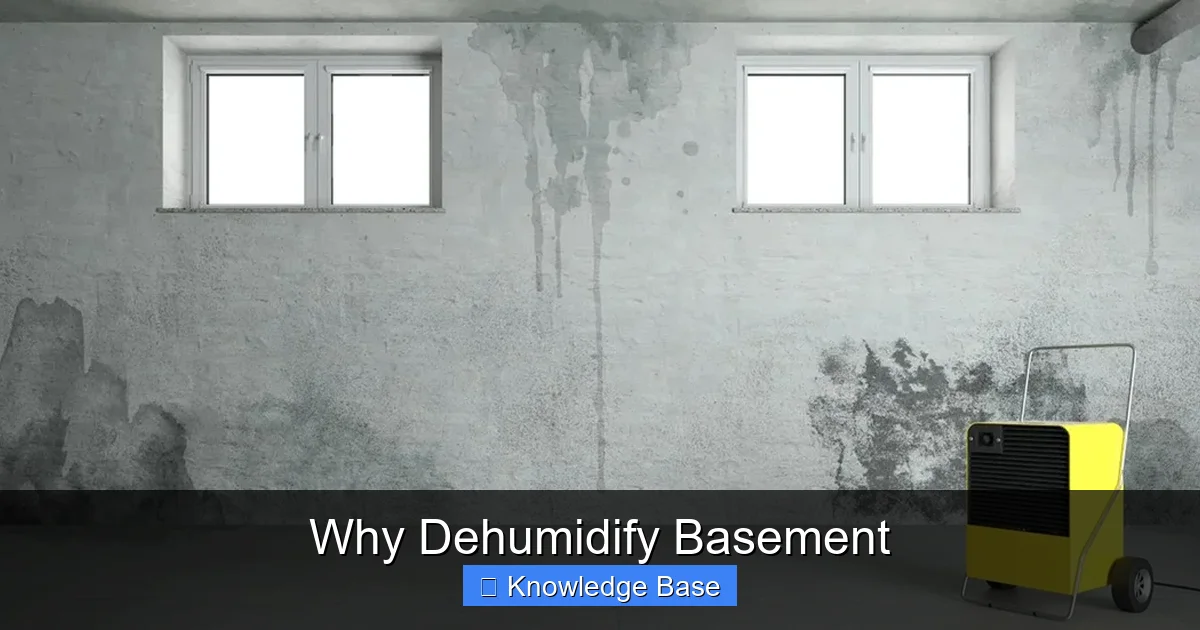
Visual guide about Why Dehumidify Basement
Image source: pomplumbing.ca
You might not spend much time in your basement, but that doesn’t mean it can’t affect your health. In fact, a damp basement can impact the air quality in your entire home—especially if you have a forced-air heating or cooling system.
Mold and Mildew: Silent Health Threats
Mold and mildew thrive in moist, dark environments—exactly like a damp basement. These fungi release tiny spores into the air, which can be inhaled by anyone in the house. For people with allergies, asthma, or weakened immune systems, this can lead to serious health problems.
Common symptoms of mold exposure include:
- Persistent coughing or sneezing
- Watery or itchy eyes
- Nasal congestion or runny nose
- Skin irritation or rashes
- Headaches or fatigue
- Worsening asthma symptoms
In severe cases, prolonged exposure to certain types of mold—like black mold (Stachybotrys chartarum)—can cause respiratory infections, neurological issues, or even organ damage. While not all mold is toxic, it’s impossible to tell just by looking. That’s why prevention is key.
Allergens and Dust Mites
High humidity doesn’t just encourage mold—it also creates a breeding ground for dust mites. These microscopic creatures feed on dead skin cells and thrive in damp environments. They’re a common trigger for allergies and asthma.
Dust mite droppings contain proteins that can cause allergic reactions when inhaled. Symptoms are similar to mold exposure and can include sneezing, itchy eyes, and difficulty breathing.
Even if you don’t have allergies, living in a home with high indoor allergens can reduce overall air quality and make you feel less comfortable. A dry basement helps keep these pests under control.
Radon and Other Gases
While not directly caused by humidity, damp basements can increase the risk of radon gas entering your home. Radon is a naturally occurring radioactive gas that seeps up from the soil. It’s the second leading cause of lung cancer in the U.S., after smoking.
Moisture in the soil can create pathways for radon to enter your basement through cracks in the foundation. While a dehumidifier won’t eliminate radon, reducing moisture can help minimize its movement. For full protection, consider a radon mitigation system.
Structural Damage Caused by Excess Moisture
Your basement isn’t just a room—it’s the foundation of your home. When moisture builds up, it can compromise the very structure that keeps your house standing.
Weakening of Building Materials
Wood, drywall, insulation, and even concrete are vulnerable to moisture. Over time, constant exposure to damp air can cause these materials to deteriorate.
For example:
- Wood rot: Floor joists, support beams, and wooden framing can soften and decay, leading to sagging floors or structural instability.
- Drywall damage: Moisture causes drywall to swell, bubble, or crumble. It can also lead to mold growth behind the walls.
- Insulation breakdown: Fiberglass or foam insulation loses its effectiveness when wet, reducing your home’s energy efficiency.
- Concrete spalling: Water seeping into concrete can freeze and expand in winter, causing cracks and flaking.
These issues don’t happen overnight, but they can become expensive to fix. Replacing structural wood or repairing foundation cracks can cost thousands of dollars. Preventing moisture damage is far more cost-effective.
Foundation Cracks and Water Intrusion
Even small cracks in your basement walls or floor can allow water to enter. Over time, this can lead to:
- Puddles or standing water: Especially after heavy rain or snowmelt.
- Efflorescence: A white, powdery substance on concrete walls caused by salt deposits left behind as water evaporates.
- Hydrostatic pressure: Water in the soil around your foundation can push against the walls, causing cracks and leaks.
While a dehumidifier won’t stop water from entering through cracks, it can help manage the moisture that does get in. For serious water intrusion, you may need to install a sump pump or exterior drainage system. But keeping the air dry reduces the risk of secondary damage.
Impact on HVAC Systems
If your furnace or air handler is in the basement, excess moisture can affect its performance. Damp air is harder to heat and cool, forcing your HVAC system to work harder. This not only increases energy bills but can also shorten the lifespan of your equipment.
Additionally, moisture can cause rust and corrosion in HVAC components, leading to breakdowns or costly repairs. A dehumidifier helps maintain a stable environment, protecting your investment.
Protecting Your Belongings and Increasing Usable Space
Many people use their basements for storage—clothes, books, holiday decorations, tools, and more. But if the space is damp, these items are at risk.
Damage to Stored Items
Moisture can ruin almost anything stored in a basement:
- Clothing and fabrics: Can develop mildew, odors, or permanent stains.
- Books and paper: Pages may warp, stick together, or grow mold.
- Electronics: Moisture can cause corrosion and short circuits.
- Furniture: Wood pieces may warp; metal parts may rust.
- Photos and memorabilia: Can be destroyed by humidity and mold.
Even items in plastic bins aren’t completely safe. If the air inside the bin is humid, condensation can form when temperatures change, leading to mold growth.
Making Your Basement Livable
A dry basement isn’t just for storage—it can become a functional part of your home. Many homeowners convert basements into:
- Home gyms
- Playrooms for kids
- Home offices
- Guest bedrooms
- Entertainment rooms
But you can’t comfortably live in a damp space. High humidity makes the air feel clammy and uncomfortable. It also increases the risk of mold, which is a major concern in living areas.
By dehumidifying your basement, you create a healthier, more inviting environment. You’ll be able to use the space year-round without worrying about odors, moisture, or health risks.
Energy Efficiency and Cost Savings
Here’s a bonus benefit: dehumidifying your basement can save you money on energy bills.
When air is dry, it feels cooler in summer and warmer in winter. This means your HVAC system doesn’t have to work as hard to maintain a comfortable temperature. In fact, the Department of Energy estimates that reducing indoor humidity by 10% can lower cooling costs by up to 5%.
Additionally, dry air helps insulation work more effectively. Wet insulation loses its R-value (thermal resistance), making your home less energy-efficient. By keeping your basement dry, you protect your insulation and reduce heat loss.
Over time, these savings can add up—especially in larger homes or regions with extreme temperatures.
How to Dehumidify Your Basement Effectively
Now that you know why dehumidify basement spaces is so important, let’s talk about how to do it right.
Choosing the Right Dehumidifier
Not all dehumidifiers are created equal. When shopping for one, consider:
- Capacity: Measured in pints per day. For a typical basement (1,000–2,000 sq. ft.), a 30–50 pint unit is usually sufficient. Larger or wetter basements may need 70+ pint models.
- Energy efficiency: Look for ENERGY STAR-certified models, which use less electricity.
- Drainage options: Some units have built-in pumps for continuous drainage; others require manual emptying.
- Humidistat: Allows you to set your desired humidity level (ideally 40–50%).
- Noise level: Important if your basement is used as a living space.
Popular brands include Frigidaire, hOmeLabs, and GE. Read reviews and compare features before buying.
Placement and Maintenance Tips
Where you place your dehumidifier matters. For best results:
- Place it in the center of the basement or near the source of moisture (e.g., near a sump pump or laundry area).
- Keep it at least 6–12 inches away from walls to allow proper airflow.
- Ensure the unit has enough space around it for air intake and exhaust.
Maintenance is also key:
- Clean the filter every 2–4 weeks to prevent dust buildup.
- Empty the water tank regularly (unless you have a hose drain).
- Check the coils and clean them annually to maintain efficiency.
- Inspect for mold or mildew inside the unit and clean with a mild detergent if needed.
Complementary Moisture Control Strategies
A dehumidifier is powerful, but it works best when combined with other moisture control methods:
- Improve ventilation: Use exhaust fans, especially in laundry or bathroom areas.
- Seal cracks: Use caulk or hydraulic cement to fill gaps in walls and floors.
- Install a sump pump: If water intrusion is a problem, a sump pump can remove standing water.
- Use a vapor barrier: Install plastic sheeting on concrete walls or floors to block moisture.
- Grade the landscape: Ensure the ground slopes away from your foundation to direct water outward.
- Clean gutters and downspouts: Clogged gutters can cause water to pool near the foundation.
These steps, combined with a dehumidifier, create a comprehensive moisture control system.
When to Call a Professional
While many basement moisture issues can be managed with DIY solutions, some problems require expert help.
Consider calling a professional if:
- You have standing water or frequent flooding.
- Mold covers a large area (more than 10 square feet).
- You suspect structural damage or foundation issues.
- Your dehumidifier runs constantly but humidity remains high.
- You detect a strong, persistent odor that won’t go away.
Professionals can perform moisture assessments, install drainage systems, or recommend specialized treatments. Don’t hesitate to seek help if the problem seems beyond your control.
Conclusion: A Dry Basement Is a Healthy Basement
Dehumidifying your basement isn’t just about comfort—it’s about protecting your home, your health, and your investment. Excess moisture leads to mold, structural damage, and poor air quality, but a good dehumidifier can stop these problems in their tracks.
By maintaining a humidity level between 30% and 50%, you create a safer, cleaner, and more usable space. Whether you use your basement for storage, a home gym, or a family room, keeping it dry ensures it remains functional and inviting.
Start by measuring your basement’s humidity, choosing the right dehumidifier, and implementing complementary moisture control strategies. With a little effort, you can enjoy a dry, healthy basement for years to come.
Remember: a dry basement isn’t a luxury—it’s a necessity. Don’t wait for mold to grow or your belongings to rot. Take action today and breathe easier tomorrow.
Frequently Asked Questions
How often should I run my basement dehumidifier?
Run your dehumidifier continuously during humid months (spring through fall) or whenever humidity levels exceed 50%. In drier months, you may only need to run it a few hours a day or use an auto-humidistat for convenience.
Can a dehumidifier help with basement odors?
Yes! Musty smells are often caused by mold or mildew growing in damp conditions. By reducing humidity, a dehumidifier prevents these odors from forming and helps your basement smell fresh.
Will a dehumidifier increase my electricity bill?
A dehumidifier does use electricity, but modern ENERGY STAR models are efficient. The energy cost is often offset by savings on HVAC usage, since dry air is easier to heat and cool.
Can I use a dehumidifier in winter?
Yes, but most dehumidifiers work best above 65°F. In colder basements, consider a cold-weather model or use it only when the space is heated. Running it in freezing temps can cause the coils to freeze.
How do I know if my dehumidifier is working properly?
Check the humidity level with a hygrometer. If it’s staying between 30% and 50%, your unit is working. Also, monitor the water tank—if it’s filling up regularly, the dehumidifier is removing moisture.
Is it safe to run a dehumidifier all the time?
Yes, as long as it’s properly sized and maintained. Many models have auto-shutoff features and humidistats to prevent over-drying. Just remember to clean the filter and empty the tank as needed.