

If your dehumidifier is freezing up, it’s usually due to low temperatures, poor airflow, or dirty filters. This common issue can reduce efficiency and damage your unit if ignored. Understanding the root causes and taking simple preventive steps can keep your dehumidifier working perfectly year-round.
Key Takeaways
- Low room temperature: Dehumidifiers are designed to work best above 65°F. In colder spaces like basements or garages, coils can freeze.
- Dirty air filters: Clogged filters restrict airflow, causing the evaporator coils to get too cold and ice up.
- Blocked vents or poor circulation: Furniture or debris blocking intake or exhaust vents reduces airflow and leads to freezing.
- Refrigerant leaks or low charge: A lack of refrigerant makes the system work harder, dropping coil temperatures and causing ice buildup.
- Faulty defrost sensor or control board: These components monitor temperature and initiate defrost cycles—when they fail, ice accumulates.
- Overworking the unit: Running a dehumidifier non-stop in high-humidity conditions without breaks can overwhelm the system.
- Improper sizing: A unit too large or too small for the space may cycle incorrectly, increasing freeze risk.
📑 Table of Contents
- Why Did My Dehumidifier Freeze Up? Understanding the Ice Problem
- How Dehumidifiers Work: The Science Behind the Ice
- Common Causes of Dehumidifier Freezing
- How to Prevent Your Dehumidifier from Freezing Up
- What to Do If Your Dehumidifier Is Already Frozen
- When to Call a Professional
- Final Thoughts: Keep Your Dehumidifier Running Smoothly
Why Did My Dehumidifier Freeze Up? Understanding the Ice Problem
You walk into your basement, expecting your dehumidifier to be quietly pulling moisture from the air. Instead, you find a block of ice covering the coils. Your first thought? “Why did my dehumidifier freeze up?” It’s a frustrating and confusing problem—especially when you’re relying on the unit to keep your home dry and comfortable.
Dehumidifiers freeze up more often than you might think, and it’s not always a sign of a broken machine. In fact, most freezing issues are preventable and fixable with a little know-how. The good news? You don’t need to be a technician to solve this. With the right information, you can diagnose the cause, take action, and get your dehumidifier back to doing its job.
This guide will walk you through the most common reasons dehumidifiers freeze, how to identify each issue, and what you can do to fix it. Whether you’re dealing with a frozen coil in your crawl space or a sluggish unit in a damp laundry room, we’ve got you covered. By the end, you’ll know exactly why your dehumidifier froze and how to stop it from happening again.
How Dehumidifiers Work: The Science Behind the Ice
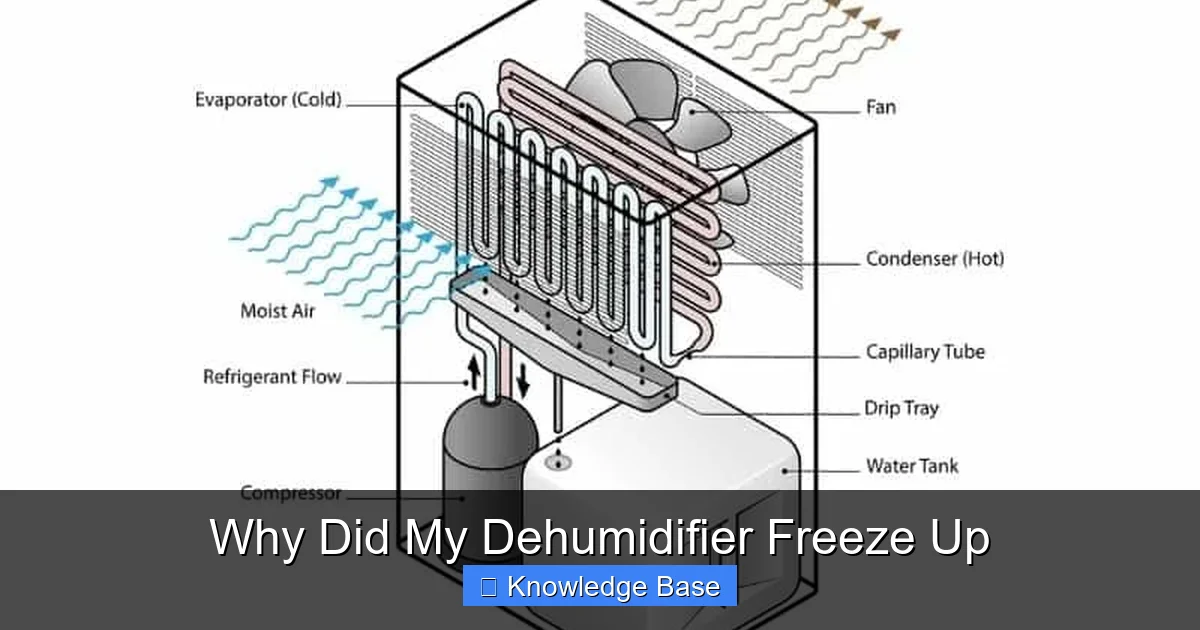
Visual guide about Why Did My Dehumidifier Freeze Up
Image source: hvac-boss.com
Before we dive into the causes of freezing, it helps to understand how a dehumidifier actually works. Most home dehumidifiers use a refrigeration cycle, similar to an air conditioner. Here’s a simple breakdown:
Warm, humid air is pulled into the unit by a fan. It passes over cold evaporator coils, where moisture condenses into water droplets. These droplets drip into a collection tank or drain hose. The now-drier air then moves over warm condenser coils, where it’s reheated and blown back into the room.
The key part here is the evaporator coils. These coils are kept cold by refrigerant circulating through them. When warm, moist air hits these cold surfaces, the moisture turns to liquid—this is the dehumidification process. But if the coils get too cold, especially below freezing, that moisture turns to ice instead.
This is where the problem starts. Once ice begins to form, it acts as an insulator. It blocks airflow, reduces efficiency, and can eventually stop the unit from working altogether. In some cases, the ice can damage internal components or cause the compressor to overheat.
Understanding this process helps explain why certain conditions—like low temperatures or poor airflow—lead to freezing. It’s not that the dehumidifier is broken; it’s that the environment or maintenance isn’t supporting proper operation.
Common Causes of Dehumidifier Freezing

Visual guide about Why Did My Dehumidifier Freeze Up
Image source: hvac-boss.com
Now that you know how dehumidifiers work, let’s look at the most common reasons they freeze up. These causes are often interconnected, so addressing one may solve multiple issues.
1. Low Room Temperature
One of the top reasons dehumidifiers freeze is simply that the room is too cold. Most residential dehumidifiers are designed to operate efficiently in temperatures between 65°F and 80°F. When the ambient temperature drops below 60°F—common in basements, garages, or crawl spaces during winter—the evaporator coils can get cold enough to freeze moisture.
Think of it like this: the coils are already cold from the refrigerant. In a chilly room, there’s less warm air to balance that cold. The result? The coils drop below freezing, and any moisture in the air turns to ice on contact.
For example, if you run a standard dehumidifier in an unheated garage during a cold snap, you’re almost guaranteed to see ice buildup. Even if the humidity is high, the cold air can’t transfer enough heat to the coils to prevent freezing.
Solution: If you need dehumidification in a cold space, consider a low-temperature dehumidifier. These models are specifically built to work in temperatures as low as 41°F. They often include automatic defrost features or use different refrigerants that perform better in the cold.
2. Dirty or Clogged Air Filters
Your dehumidifier has an air filter—usually a mesh or foam screen—that catches dust, pet hair, and other particles. Over time, this filter gets dirty. When it’s clogged, it restricts airflow into the unit.
Less airflow means less warm air reaches the evaporator coils. The coils get colder than intended, and ice begins to form. It’s a simple cause-and-effect: dirty filter → reduced airflow → colder coils → freezing.
This is one of the easiest problems to fix. Most manufacturers recommend cleaning the filter every 2–4 weeks, depending on usage and air quality. In dusty environments or homes with pets, you may need to clean it even more often.
Solution: Turn off and unplug the dehumidifier. Remove the filter (usually located behind a front or side panel), and rinse it with warm water. Let it dry completely before reinserting. If the filter is damaged or too dirty to clean, replace it with a new one.
3. Blocked Vents or Poor Air Circulation
Even with a clean filter, your dehumidifier needs good airflow to work properly. If the intake or exhaust vents are blocked, the unit can’t pull in enough air. This leads to the same problem as a dirty filter: cold coils and ice buildup.
Common culprits include furniture, boxes, or laundry piles placed too close to the dehumidifier. Some people even cover the unit with a cloth or towel to reduce noise—this is a big no-no. Blocking airflow traps cold air inside and prevents warm air from circulating.
Additionally, placing the dehumidifier in a tight corner or enclosed space can limit ventilation. The unit needs space—at least 6–12 inches—on all sides for proper airflow.
Solution: Make sure your dehumidifier has plenty of room to breathe. Keep it away from walls, furniture, and other obstructions. Never cover it. If you’re using it in a small room, consider opening a door or window slightly to improve air circulation.
4. Refrigerant Leaks or Low Charge
Refrigerant is the lifeblood of your dehumidifier’s cooling system. It absorbs heat from the air and allows the coils to get cold. If there’s a leak or the refrigerant level is low, the system can’t function properly.
A low refrigerant charge means the evaporator coils get excessively cold because the system is trying to compensate. This overcooling leads to ice formation, even in normal room temperatures.
Signs of a refrigerant issue include:
– The dehumidifier runs constantly but doesn’t remove much moisture.
– The coils are extremely cold to the touch.
– Ice forms quickly, even after defrosting.
This is not a DIY fix. Refrigerant handling requires special tools and certification. If you suspect a leak, contact a qualified HVAC technician. They can locate the leak, repair it, and recharge the system safely.
5. Faulty Defrost Sensor or Control Board
Many modern dehumidifiers have a defrost system to prevent ice buildup. This system includes a defrost sensor (or thermostat) that monitors coil temperature. When the sensor detects freezing conditions, it triggers a defrost cycle—usually by turning off the compressor and running the fan to melt the ice.
If the defrost sensor is faulty or the control board fails, the unit won’t initiate defrosting. Ice continues to build up, eventually blocking airflow and shutting down the system.
You might notice that the dehumidifier runs but doesn’t seem to be working. The fan spins, but no air comes out, or the unit shuts off unexpectedly. These are signs the defrost system isn’t functioning.
Solution: This requires professional diagnosis and repair. A technician can test the sensor and control board, replace faulty parts, and ensure the defrost cycle works correctly.
6. Overworking the Unit
Dehumidifiers are built to handle high humidity, but they’re not meant to run 24/7 without a break. In extremely damp environments—like after a flood or during a humid summer—the unit may struggle to keep up.
When a dehumidifier is overworked, it runs continuously. This constant operation can cause the coils to get too cold, especially if airflow is already restricted. The result? Ice forms faster than it can melt.
Additionally, some units have a built-in humidistat that turns the dehumidifier on and off based on humidity levels. If the humidistat is set too low or malfunctioning, the unit may run longer than necessary, increasing freeze risk.
Solution: Set your humidistat to a reasonable level—usually between 40% and 50% relative humidity. If your home is very damp, consider using a larger-capacity dehumidifier or running it in shorter cycles with breaks in between.
How to Prevent Your Dehumidifier from Freezing Up
Now that you know why dehumidifiers freeze, let’s talk about prevention. A few simple habits can go a long way in keeping your unit ice-free and efficient.
Regular Maintenance is Key
The best way to prevent freezing is consistent maintenance. Here’s a quick checklist:
– Clean the air filter every 2–4 weeks.
– Empty the water tank regularly to avoid overflow.
– Wipe down the exterior and vents to remove dust.
– Check for ice buildup daily during humid or cold weather.
Think of it like changing the oil in your car—small efforts prevent big problems.
Choose the Right Dehumidifier for Your Space
Not all dehumidifiers are created equal. If you’re using a standard model in a cold basement, you’re setting yourself up for trouble. Look for a dehumidifier rated for low temperatures (often labeled “cold climate” or “low temp”). These models can operate efficiently in environments as cold as 41°F.
Also, make sure the unit is properly sized for the room. A dehumidifier that’s too small will run constantly and overheat. One that’s too large may cycle on and off too quickly, leading to temperature swings and potential freezing.
Use a sizing guide: generally, a 30-pint unit works for small spaces (up to 500 sq ft), 50-pint for medium (up to 1,500 sq ft), and 70-pint or higher for large or very damp areas.
Monitor Room Conditions
Keep an eye on both temperature and humidity. Use a thermometer and hygrometer to track conditions in the room where your dehumidifier runs. If the temperature drops below 60°F, consider using a space heater to warm the area slightly—just enough to keep the dehumidifier in its optimal range.
Also, avoid running the dehumidifier in unheated spaces during winter unless it’s specifically designed for cold weather.
Use a Timer or Smart Features
Many modern dehumidifiers come with timers or smart controls. Use these to run the unit during the warmest part of the day or when humidity is highest. This reduces the chance of freezing and saves energy.
Some smart models can even send alerts to your phone if ice is detected or if the filter needs cleaning.
What to Do If Your Dehumidifier Is Already Frozen
If you’ve discovered ice on your dehumidifier, don’t panic. Here’s how to safely thaw and restart it.
Step 1: Turn It Off and Unplug
Safety first. Turn off the dehumidifier and unplug it from the wall. Never attempt to remove ice while the unit is running—this can damage the coils or cause electrical hazards.
Step 2: Let It Thaw Naturally
The safest way to remove ice is to let it melt on its own. Place towels or a shallow pan under the unit to catch dripping water. Depending on the amount of ice, this can take several hours.
Do not use a hair dryer, heat gun, or other heat source to speed up the process. High heat can damage plastic components or warp metal parts.
Step 3: Check for Underlying Issues
Once the ice has melted, inspect the unit:
– Is the filter dirty?
– Are the vents blocked?
– Is the room too cold?
Address any issues you find before restarting the dehumidifier.
Step 4: Restart and Monitor
Plug the unit back in and turn it on. Set the humidistat to a moderate level (around 50%). Watch it closely for the first few hours. If ice forms again quickly, there may be a deeper problem—like a refrigerant leak or faulty sensor—that requires professional help.
When to Call a Professional
While many freezing issues can be fixed at home, some problems require expert attention. Call a technician if:
– The dehumidifier freezes repeatedly despite cleaning and proper placement.
– You suspect a refrigerant leak (hissing sounds, oily residue near coils).
– The unit makes unusual noises or smells like burning.
– The defrost system doesn’t activate when it should.
Ignoring these signs can lead to permanent damage or safety hazards. A professional can diagnose and repair complex issues quickly and safely.
Final Thoughts: Keep Your Dehumidifier Running Smoothly
So, why did your dehumidifier freeze up? Most likely, it’s due to a combination of low temperatures, poor maintenance, or airflow issues. The good news is that these problems are usually easy to fix—and even easier to prevent.
By understanding how your dehumidifier works and taking a few simple steps—like cleaning the filter, ensuring good airflow, and using the right model for your space—you can avoid ice buildup and keep your home dry and comfortable.
Remember, your dehumidifier is an investment in your home’s health. It helps prevent mold, mildew, and musty odors. Treat it well, and it will serve you for years to come.
Don’t let a little ice stop you. With the right care, your dehumidifier can handle whatever the weather throws at it.
Frequently Asked Questions
Why is my dehumidifier freezing up in the summer?
Even in summer, a dehumidifier can freeze if the room is air-conditioned and too cold, or if the unit is undersized and running constantly. Check the room temperature and ensure the dehumidifier is appropriate for the space.
Can I use my dehumidifier in a cold basement?
Yes, but only if it’s a low-temperature model designed for cold environments. Standard dehumidifiers may freeze in temperatures below 65°F. Look for units rated for 41°F or lower.
How often should I clean my dehumidifier filter?
Clean the filter every 2–4 weeks, or more often if you have pets or live in a dusty area. A dirty filter restricts airflow and can cause freezing.
Is it safe to run a dehumidifier 24/7?
It’s generally safe, but not always efficient. Continuous running can lead to overworking and freezing. Use a timer or humidistat to control operation and give the unit breaks.
What does it mean if my dehumidifier is making a clicking noise?
A clicking noise could indicate the defrost cycle is activating—this is normal. However, if it’s frequent or loud, it may signal a faulty sensor or control board that needs inspection.
Can I fix a refrigerant leak myself?
No. Handling refrigerant requires special training and equipment. If you suspect a leak, contact a licensed HVAC technician for safe repair and recharge.