
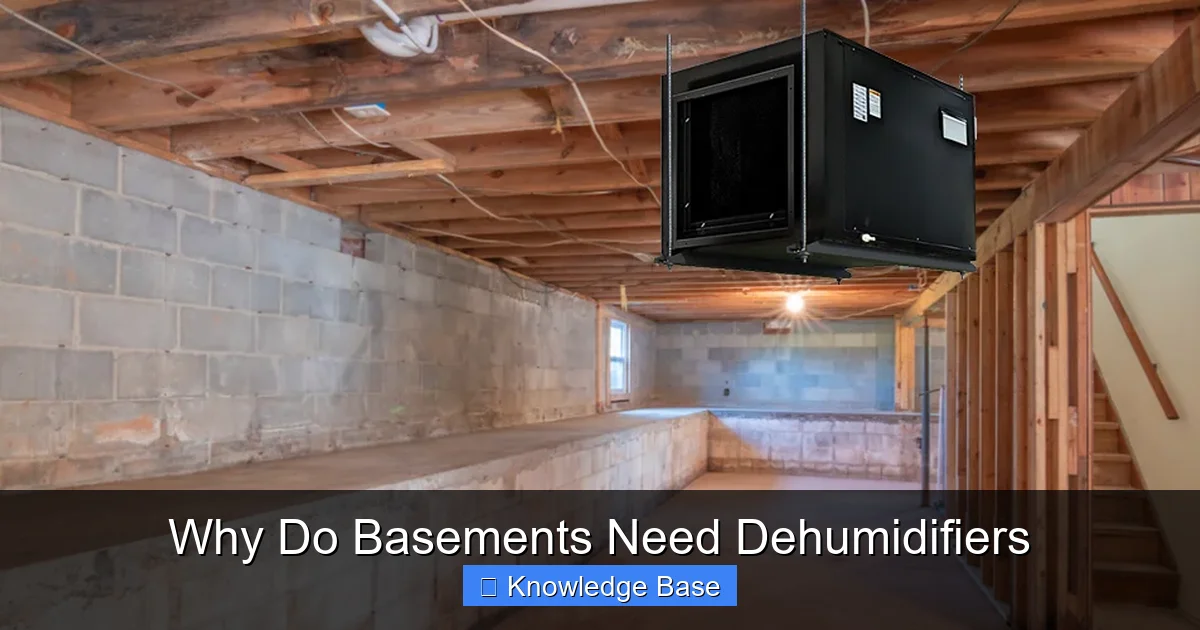
Basements are naturally damp due to poor ventilation and ground moisture, making them prone to mold, mildew, and structural decay. A dehumidifier helps maintain healthy humidity levels, protecting your home’s integrity and indoor air quality.
Key Takeaways
- High humidity promotes mold and mildew growth: Damp basement air creates the perfect environment for mold spores to thrive, leading to health risks and property damage.
- Musty odors are a sign of excess moisture: Persistent smells in basements often indicate high humidity levels that a dehumidifier can effectively reduce.
- Structural damage can result from prolonged dampness: Moisture weakens concrete, wood, and insulation, potentially leading to costly repairs over time.
- Dehumidifiers improve indoor air quality: By removing excess moisture, they reduce allergens like dust mites and mold, benefiting respiratory health.
- Energy efficiency and comfort increase: Dry air feels cooler and allows HVAC systems to work more efficiently, lowering utility bills.
- Protects stored belongings: Items like books, clothes, and electronics are safer in a dry environment free from moisture damage.
- Prevents pest infestations: Many insects and pests are attracted to damp spaces; reducing humidity discourages them from settling in.
📑 Table of Contents
Why Do Basements Need Dehumidifiers?
If you’ve ever walked into your basement and been hit with that unmistakable musty smell—like old socks and wet cardboard—you’ve experienced the telltale sign of excess moisture. It’s not just unpleasant; it’s a warning. Basements are naturally prone to high humidity levels, and without proper control, that dampness can lead to serious problems. From mold growth to structural damage, the consequences of ignoring basement humidity can be both costly and hazardous to your health.
So, why do basements need dehumidifiers? Simply put, they’re one of the most effective tools for maintaining a dry, healthy, and usable space below ground level. Unlike other areas of the home, basements are surrounded by soil and often lack proper ventilation, making them a magnet for moisture. Whether it’s groundwater seepage, condensation on cold surfaces, or humid air from upstairs, basements absorb moisture like a sponge. A dehumidifier works around the clock to pull that excess moisture from the air, keeping humidity levels in check and preventing the cascade of issues that come with dampness.
Think of a dehumidifier as your basement’s personal moisture manager. It doesn’t just improve air quality—it protects your home’s foundation, your belongings, and even your family’s well-being. Whether you use your basement for storage, a home gym, a playroom, or just as extra square footage, keeping it dry is essential. In this article, we’ll explore the science behind basement humidity, the risks of ignoring it, and how a dehumidifier can make all the difference.
The Science of Basement Humidity

Visual guide about Why Do Basements Need Dehumidifiers
Image source: img1.wsimg.com
To understand why basements need dehumidifiers, it helps to first grasp how moisture gets into these underground spaces in the first place. Basements are unique in their construction and location. They’re built below ground level, surrounded by soil that naturally contains water. This groundwater can seep through tiny cracks in the foundation walls or floor, especially during rainy seasons or in areas with high water tables.
But groundwater isn’t the only source of moisture. Condensation plays a major role, too. When warm, humid air from upstairs or outside enters the cooler basement environment, it cools down rapidly. Cool air holds less moisture than warm air, so the excess water vapor condenses on cold surfaces like concrete walls, pipes, and windows. This process is similar to how water droplets form on the outside of a cold drink on a hot day.
Another factor is poor ventilation. Unlike living areas, basements often have few windows and limited airflow. Without proper circulation, moisture gets trapped, creating a stagnant, damp environment. Even if you don’t see standing water, the air itself can be saturated with humidity—sometimes reaching 70% or higher. The ideal indoor humidity level is between 30% and 50%. Anything above that creates a breeding ground for mold, mildew, and dust mites.
Let’s break it down with an example. Imagine it’s a humid summer afternoon. You run your air conditioner upstairs, but the basement remains untouched. Warm, moist air from the upper floors slowly drifts down the stairs. When it hits the cooler basement air, condensation forms on the walls and floor. Over time, this repeated cycle leads to persistent dampness. Without intervention, that moisture will eventually lead to visible mold, warped wood, or even rust on metal fixtures.
This is where a dehumidifier steps in. It pulls in humid air, passes it over cold coils to remove moisture, and then releases dry, warm air back into the room. By maintaining a consistent humidity level, it interrupts the cycle of condensation and evaporation that fuels basement dampness. In essence, a dehumidifier doesn’t just treat the symptoms—it addresses the root cause of the problem.
Health Risks of High Basement Humidity
Visual guide about Why Do Basements Need Dehumidifiers
Image source: i.pinimg.com
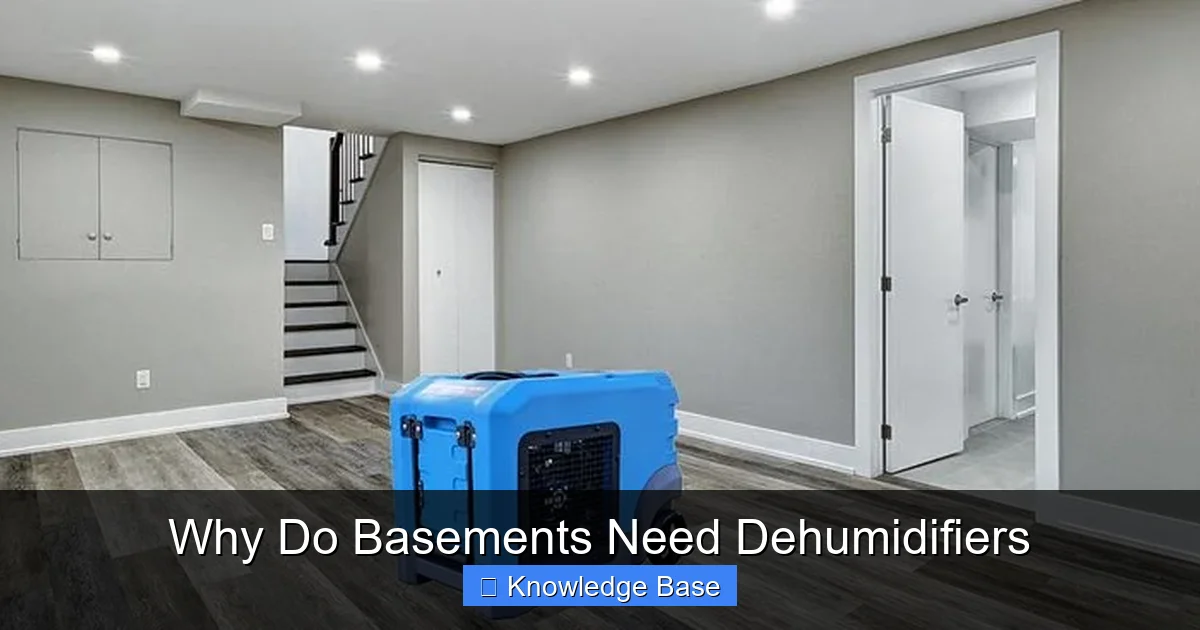
One of the most compelling reasons basements need dehumidifiers is the impact high humidity has on human health. When moisture lingers in the air, it creates an ideal environment for biological contaminants like mold, mildew, and dust mites. These aren’t just unsightly—they can trigger or worsen a range of health issues, especially for people with allergies, asthma, or compromised immune systems.
Mold is perhaps the biggest concern. Mold spores are everywhere, but they only grow when conditions are right—namely, when there’s moisture and organic material to feed on. In a damp basement, mold can develop on walls, insulation, carpeting, or even stored items like cardboard boxes. Once established, mold releases spores into the air, which can be inhaled. For sensitive individuals, this can lead to respiratory problems, coughing, sneezing, eye irritation, and skin rashes. In severe cases, prolonged exposure to certain types of mold (like black mold or Stachybotrys) has been linked to more serious health effects, including chronic fatigue and neurological symptoms.
Dust mites are another hidden hazard. These microscopic creatures thrive in humid environments and feed on dead skin cells. They don’t bite or sting, but their waste products are potent allergens. When inhaled, they can trigger asthma attacks, allergic rhinitis, and eczema flare-ups. According to the American Lung Association, dust mites are one of the most common indoor allergens, and basements with high humidity are prime real estate for them.
Even if you don’t have allergies, living in a home with a damp basement can affect your overall well-being. The constant musty odor is more than just unpleasant—it can cause headaches, fatigue, and a general sense of discomfort. Some studies suggest that prolonged exposure to moldy environments may contribute to “sick building syndrome,” a condition where occupants experience health issues linked to time spent in a particular building.
Let’s consider a real-life scenario. Sarah, a mother of two young children, noticed her son’s asthma was getting worse, especially at night. After consulting a doctor, she learned that mold in the basement could be a contributing factor. She had no idea the space was so damp—there was no visible water, but the air felt heavy and smelled faintly earthy. After installing a dehumidifier and cleaning up some minor mold growth, her son’s symptoms improved significantly. The basement no longer felt like a health hazard, and the family could finally use the space without worry.
This story highlights an important point: you don’t need to see water or mold for humidity to be a problem. Even invisible moisture can affect your health. A dehumidifier acts as a preventive measure, keeping humidity low enough to discourage mold and dust mites from taking hold. It’s not just about comfort—it’s about creating a safer, healthier home environment for everyone.
Structural Damage Caused by Excess Moisture
Beyond health concerns, one of the most serious reasons basements need dehumidifiers is the threat of structural damage. Over time, persistent moisture can compromise the integrity of your home’s foundation, walls, and support systems. What starts as a small damp spot can escalate into a major repair job if left unchecked.
Concrete, the primary material in most basement walls and floors, is porous. This means it can absorb water like a sponge, especially if there are cracks or poor waterproofing. When moisture seeps into the concrete, it can cause a range of problems. One of the most common is efflorescence—a white, powdery substance that forms on the surface when water dissolves salts in the concrete and then evaporates, leaving the salts behind. While efflorescence itself isn’t harmful, it’s a clear sign that water is penetrating the structure.
More concerning is the potential for freeze-thaw damage in colder climates. When water enters concrete and then freezes, it expands. This expansion can cause cracks to widen, leading to structural weakening over time. In extreme cases, it can even cause spalling—where chunks of concrete break off from the surface. This not only looks unsightly but can expose rebar (the steel reinforcement inside concrete), which can then rust and further degrade the structure.
Wood components in the basement—such as support beams, floor joists, or framing—are also at risk. Wood swells when it absorbs moisture and shrinks as it dries. This constant cycle of expansion and contraction can lead to warping, cracking, or rot. Rot is particularly dangerous because it weakens the wood’s structural strength. A rotted support beam could eventually fail, leading to sagging floors or, in worst-case scenarios, collapse.
Insulation is another casualty of high humidity. Many basements use fiberglass or foam board insulation, both of which can lose effectiveness when wet. Wet insulation doesn’t just fail to regulate temperature—it can also become a breeding ground for mold. Once mold takes hold in insulation, it’s nearly impossible to clean, and the entire section may need to be replaced.
Let’s look at an example. Mark bought a 1950s home with a full basement. At first, he loved the extra space, but within a year, he noticed a musty smell and saw dark spots on the concrete walls. He assumed it was just old house odor, but when he inspected further, he found soft, crumbly wood near the foundation and visible rust on metal brackets. A contractor confirmed that moisture had been slowly degrading the structure for years. The repair bill was thousands of dollars—money that could have been saved with early intervention, like installing a dehumidifier and addressing minor leaks.
This is why prevention is so important. A dehumidifier doesn’t just make the basement more comfortable—it helps preserve the long-term health of your home. By keeping humidity levels low, it reduces the risk of moisture-related damage, extending the life of your foundation, walls, and structural components. It’s a small investment that can save you from major expenses down the road.
Protecting Belongings and Improving Usability
For many homeowners, the basement is more than just a storage area—it’s a functional space used for laundry, workouts, hobbies, or even as a guest room. But when humidity runs high, that space becomes unusable. Excess moisture doesn’t just affect the structure and air quality; it also puts your belongings at risk.
Think about what you store in your basement: old photo albums, winter clothes, books, tools, electronics, and sentimental items. Many of these are vulnerable to moisture damage. Paper products like books and photos can warp, yellow, or grow mold when exposed to damp air. Clothing stored in cardboard boxes can develop mildew, leaving behind permanent stains and odors. Electronics are especially sensitive—moisture can corrode internal components, leading to malfunction or complete failure.
Even items that seem durable, like metal tools or sports equipment, aren’t safe. Rust can form on metal surfaces, weakening them over time. Leather goods, such as shoes or jackets, can develop mold or become stiff and brittle. And let’s not forget about furniture. Upholstered sofas or wooden tables stored in a damp basement can absorb moisture, leading to warping, staining, or mold growth.
The usability of the space itself also declines. High humidity makes the basement feel clammy and uncomfortable. It’s hard to enjoy a home gym or playroom when the air feels heavy and you’re constantly wiping sweat from your face. Laundry rooms become less efficient when clothes take longer to dry or come out smelling musty. And if you’re trying to convert the basement into a livable space—like a home office or bedroom—high humidity can make it feel unwelcoming and unhealthy.
A dehumidifier changes all that. By maintaining a dry environment, it protects your belongings from moisture damage and makes the space more enjoyable to use. Imagine being able to store your favorite sweaters without worrying about mildew, or setting up a home theater without fear of electronics failing. With a dehumidifier, your basement becomes a true extension of your living space—versatile, comfortable, and safe.
Take the case of Lisa, who turned her basement into a craft room. She stored fabric, yarn, and art supplies down there, but after a few months, she noticed some fabrics had developed a musty smell and a few paint cans had rusted. She installed a dehumidifier and within weeks, the air felt fresher, and her supplies stayed in perfect condition. Now, she uses the space daily without any concerns.
This is the power of moisture control. It’s not just about preventing problems—it’s about enabling you to use your basement to its full potential. Whether you’re storing valuables or creating a functional living area, a dehumidifier ensures that your space remains dry, clean, and inviting.
Energy Efficiency and HVAC Performance
You might not think of your basement when considering energy efficiency, but it plays a bigger role than you’d expect. High humidity in the basement can affect your entire home’s heating and cooling system, making it work harder and increasing your energy bills. This is another key reason why basements need dehumidifiers.
Here’s how it works: when your basement is damp, the moisture can migrate upward through the floors and walls, raising the overall humidity level in your home. Your HVAC system has to work overtime to remove that excess moisture, especially during humid summer months. Air conditioners are designed to cool the air, but they also dehumidify as a byproduct. When there’s too much moisture in the air, the system spends more energy removing water vapor instead of cooling, leading to longer run times and higher electricity usage.
In winter, the problem is reversed but equally problematic. Dry air is easier to heat, but if your basement is damp, the moisture can make the air feel colder than it actually is. This can trick you into turning up the thermostat, wasting energy and money. Additionally, damp insulation in the basement loses its R-value (thermal resistance), meaning your home loses heat more quickly, forcing your furnace to run more frequently.
A dehumidifier helps break this cycle. By removing moisture at the source—the basement—it reduces the overall humidity load on your HVAC system. This allows your air conditioner or furnace to operate more efficiently, using less energy to achieve the same level of comfort. Over time, this can lead to noticeable savings on your utility bills.
Let’s look at the numbers. According to the U.S. Department of Energy, dehumidifiers can reduce cooling costs by up to 10% in humid climates. While the savings may vary depending on your home and usage, even a small reduction can add up over a year. Plus, when your HVAC system isn’t working as hard, it experiences less wear and tear, potentially extending its lifespan and reducing the need for repairs.
Another benefit is improved comfort. Dry air feels cooler in the summer and warmer in the winter, so you’re more likely to feel comfortable at lower thermostat settings. This not only saves energy but also enhances your quality of life. No more stuffy, clammy basements or overly dry, static-filled air.
In short, a dehumidifier is a smart investment for both your wallet and your comfort. It supports your HVAC system, reduces energy consumption, and creates a more pleasant indoor environment—all while protecting your basement from moisture-related issues.
Choosing and Using a Dehumidifier Effectively
Now that you understand why basements need dehumidifiers, the next step is choosing the right one and using it properly. Not all dehumidifiers are created equal, and selecting the wrong model can lead to inefficiency or inadequate moisture control.
First, consider the size of your basement. Dehumidifiers are rated by how many pints of moisture they can remove per day. For a small, moderately damp basement (under 1,000 square feet), a 30-pint unit may be sufficient. For larger or very damp spaces, you might need a 50-pint or even 70-pint model. Check the manufacturer’s recommendations and look for units with adjustable humidity settings and automatic shut-off when the tank is full.
Placement is also important. Position the dehumidifier in a central location, away from walls and furniture, to ensure proper airflow. Avoid placing it near sources of heat or cold, like furnaces or windows. If your basement has multiple problem areas, consider using a model with a built-in pump to drain water continuously, eliminating the need to empty the tank manually.
Maintenance is key to long-term performance. Clean the air filter regularly—most models have a washable filter that should be rinsed every few weeks. Empty the water tank when full, or use a hose to connect it to a floor drain for continuous drainage. Periodically check the coils for dust buildup, as this can reduce efficiency.
Finally, monitor humidity levels with a hygrometer. This simple device measures the moisture in the air and helps you ensure your dehumidifier is maintaining the ideal range of 30% to 50%. If humidity remains high despite running the unit, you may have an underlying issue like a leak or poor ventilation that needs professional attention.
Used correctly, a dehumidifier can transform your basement from a damp, unusable space into a dry, healthy, and functional part of your home.
Conclusion
Basements need dehumidifiers because they are inherently prone to high humidity, which can lead to mold, structural damage, health risks, and wasted energy. By controlling moisture levels, a dehumidifier protects your home’s integrity, improves air quality, safeguards your belongings, and enhances comfort and efficiency. Whether you use your basement for storage, living space, or utilities, investing in a quality dehumidifier is a smart, proactive step toward a healthier, more durable home.
Frequently Asked Questions
How do I know if my basement needs a dehumidifier?
If you notice a musty smell, visible mold, condensation on walls or pipes, or feel that the air is consistently damp or clammy, your basement likely needs a dehumidifier. You can also use a hygrometer to measure humidity levels—anything above 50% indicates a problem.
Can a dehumidifier prevent mold growth?
Yes, a dehumidifier helps prevent mold by keeping humidity levels below 50%, which is the threshold where mold typically thrives. However, it should be used alongside proper ventilation and prompt repair of any leaks or water intrusion.
How often should I run my basement dehumidifier?
It’s best to run your dehumidifier continuously during humid months or whenever the basement feels damp. Many models have humidistats that automatically turn the unit on and off to maintain your desired humidity level.
Will a dehumidifier increase my electricity bill?
While dehumidifiers do use electricity, they can actually save money by improving HVAC efficiency and reducing the need for air conditioning. Energy-efficient models with ENERGY STAR ratings consume less power and offer better long-term savings.
Can I use a regular room dehumidifier in my basement?
Yes, but make sure it’s rated for basement use. Basements often have higher humidity and cooler temperatures, so choose a model designed for low-temperature operation and higher moisture removal capacity.
What if my basement still feels damp even with a dehumidifier?
If humidity remains high, there may be an underlying issue like a foundation leak, poor drainage, or inadequate ventilation. Consider having a professional inspect your basement to identify and fix the source of the moisture.