

Ceiling mounted dehumidifiers need vents to expel moist air, maintain airflow, and prevent system overheating. Without proper ventilation, these units can’t function efficiently, leading to poor humidity control and potential damage.
Key Takeaways
- Vents remove extracted moisture: Vents allow the dehumidifier to expel collected water vapor outside or into a designated drainage area, preventing re-evaporation into the space.
- Maintain proper airflow: Vents ensure continuous air circulation through the unit, which is essential for effective moisture removal and system performance.
- Prevent overheating: Dehumidifiers generate heat during operation; vents help dissipate this heat to avoid thermal shutdown or component damage.
- Improve energy efficiency: Properly vented systems operate more efficiently, reducing energy consumption and lowering utility bills.
- Protect indoor air quality: Vents help avoid stagnant air and mold growth by promoting consistent air exchange and reducing humidity levels.
- Enable condensation drainage: Some ceiling units use vents to direct condensate to a drain or pump, preventing water buildup and leaks.
- Ensure compliance with building codes: Many installations require venting for safety, fire prevention, and HVAC integration.
📑 Table of Contents
Understanding Ceiling Mounted Dehumidifiers
Ceiling mounted dehumidifiers are becoming increasingly popular in homes, basements, garages, and commercial spaces like gyms, pools, and warehouses. Unlike portable units that sit on the floor, these systems are installed directly into the ceiling, offering a sleek, space-saving solution for controlling indoor humidity. They’re especially useful in areas where floor space is limited or where aesthetics matter.
But here’s a common question many people ask: Why do ceiling mounted dehumidifiers need vents? At first glance, it might seem like these units could work in a closed loop, pulling in moist air, drying it, and releasing it back into the room. While that sounds logical, the reality is more complex. Vents play a critical role in ensuring these systems operate safely, efficiently, and effectively.
In this article, we’ll explore the science behind dehumidification, the mechanics of ceiling mounted units, and why proper ventilation isn’t just recommended—it’s essential. Whether you’re considering installing one or troubleshooting an existing system, understanding the role of vents will help you get the most out of your dehumidifier.
The Science of Dehumidification and Airflow
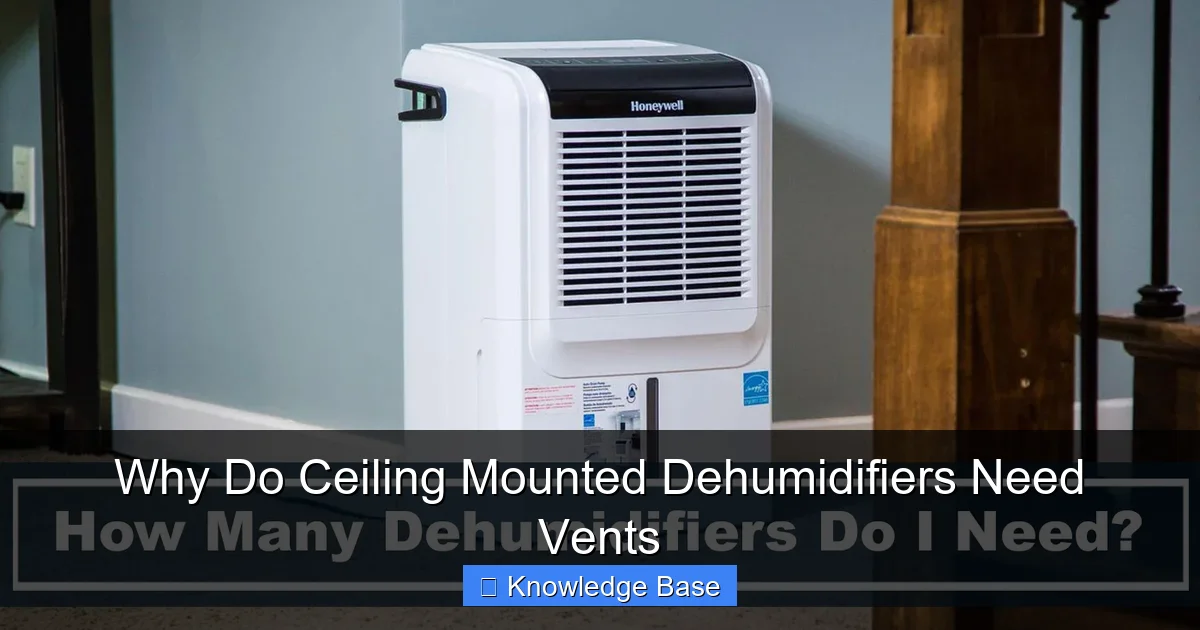
Visual guide about Why Do Ceiling Mounted Dehumidifiers Need Vents
Image source: airadvisor.org
To understand why vents are necessary, it helps to first grasp how dehumidifiers work. Most ceiling mounted dehumidifiers use a refrigeration-based system. Here’s a simplified breakdown:
Warm, moist air is drawn into the unit through an intake grille. Inside, the air passes over cold evaporator coils, causing moisture to condense into water droplets. This water collects in a drip tray or is pumped out via a condensate drain. The now-drier air then passes over warm condenser coils, where it’s reheated slightly before being released back into the room.
This process sounds straightforward, but it relies heavily on airflow. If air can’t move freely through the unit, moisture won’t be extracted efficiently. That’s where vents come in.
Why Airflow Matters
Airflow is the lifeblood of any dehumidifier. Without it, the system can’t pull in enough moist air to make a meaningful difference in humidity levels. Ceiling mounted units are often installed in tight spaces—above drop ceilings, in attics, or inside mechanical rooms—where natural airflow is limited. Vents create a pathway for air to enter and exit the unit, ensuring consistent circulation.
Imagine trying to breathe through a straw. That’s what it’s like for a dehumidifier without proper vents. The motor works harder, the coils can’t cool effectively, and moisture removal slows to a crawl.
The Role of Pressure and Air Exchange
Dehumidifiers don’t just remove moisture—they also alter air pressure within a space. As air is pulled into the unit and dried, it creates a slight negative pressure. If this air isn’t replaced, the system struggles to draw in new air. Vents help balance this by allowing fresh air to enter the room or directing processed air to a specific outlet.
In some installations, vents are connected to ductwork that routes dry air to other areas or exhausts humid air outside. This is especially common in commercial settings like indoor pools or industrial facilities, where humidity control is critical.
Moisture Removal and Ventilation
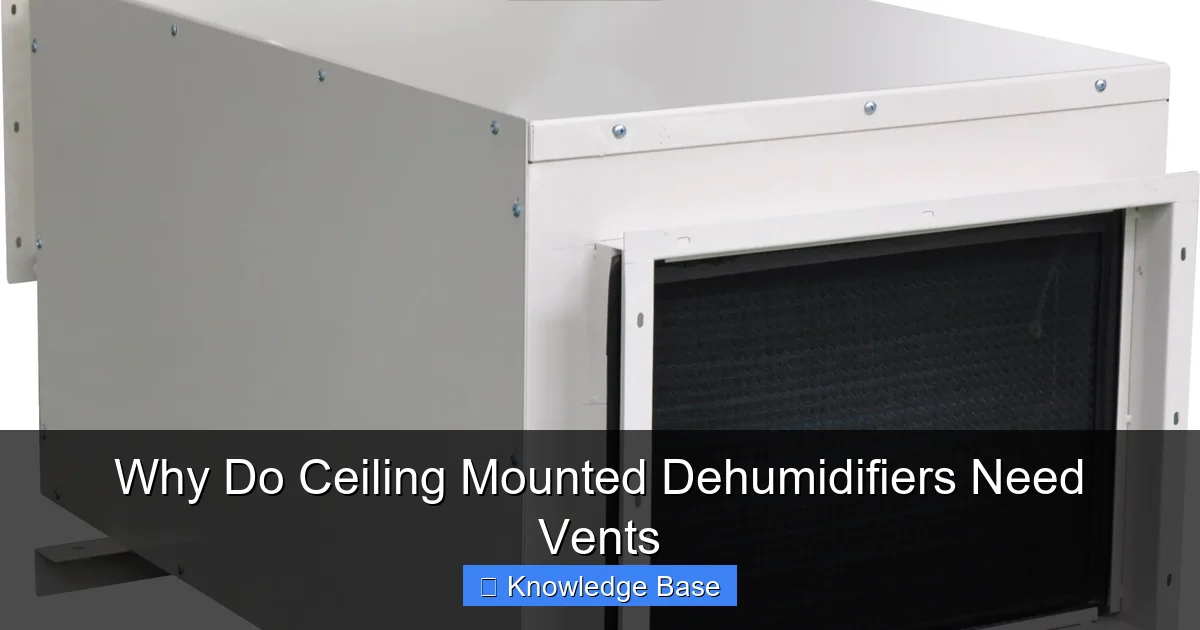
Visual guide about Why Do Ceiling Mounted Dehumidifiers Need Vents
Image source: tojje.com
One of the primary reasons ceiling mounted dehumidifiers need vents is to manage the moisture they extract. When humid air condenses inside the unit, that water has to go somewhere. In many systems, it’s collected in a tank or drained directly. But the vapor that was removed also needs to be accounted for.
Condensate Drainage and Venting
Most ceiling mounted dehumidifiers are designed with a condensate drain line. This hose carries collected water away from the unit, often to a floor drain, sump pump, or external outlet. But here’s the catch: if the drain line is clogged or improperly installed, water can back up and cause leaks or damage.
Vents help prevent this by ensuring the system maintains proper pressure balance. When air flows correctly through the unit, water drains smoothly. Without vents, pressure imbalances can cause water to pool or even be sucked back into the system.
Exhausting Humid Air
In some cases, especially in high-humidity environments, ceiling mounted dehumidifiers are configured to exhaust moist air outside rather than recirculate it. This is common in pool rooms, where humidity levels can exceed 60% or more. Vents connected to exterior walls or ducts allow this humid air to escape, preventing it from re-entering the space.
This method is more effective than recirculation because it removes moisture at the source. It also reduces the workload on the dehumidifier, extending its lifespan and improving efficiency.
Preventing Re-Evaporation
Another issue vents help avoid is re-evaporation. If moist air isn’t properly vented, it can linger near the unit or mix back into the room. This defeats the purpose of dehumidification. Vents ensure that extracted moisture is fully removed from the indoor environment, maintaining lower humidity levels over time.
Think of it like opening a window while running a dehumidifier. If humid outdoor air keeps flowing in, the unit has to work harder. Vents help create a controlled environment where moisture is consistently removed.
Heat Dissipation and System Safety
Dehumidifiers generate heat as a byproduct of their operation. The refrigeration cycle involves compressing and expanding refrigerant, which produces warmth. In a ceiling mounted unit, this heat can build up quickly, especially in enclosed spaces.
Why Overheating Is a Risk
If heat isn’t dissipated, the dehumidifier’s internal components can overheat. This leads to reduced efficiency, frequent shutdowns, or even permanent damage. Most units have thermal protection switches that turn the system off if temperatures get too high—but that means no dehumidification until it cools down.
Vents play a crucial role in cooling. By allowing air to flow through the unit, they carry away excess heat. This keeps the compressor, coils, and motor within safe operating ranges.
Vent Placement and Airflow Design
Proper vent placement is key. Intake vents should be positioned to draw in the most humid air—often near the floor or in damp areas. Exhaust vents should release dry or processed air away from the intake to avoid short-circuiting.
In commercial installations, engineers often use ductwork to route air precisely. For example, in a gym with high occupancy, vents might pull air from locker rooms and exhaust it outside, while supplying dry air to workout areas.
Fire and Safety Considerations
Overheating isn’t just a performance issue—it’s a safety hazard. Electrical components can fail, insulation can melt, and in rare cases, fires can start. Building codes often require ventilation for ceiling mounted HVAC equipment to reduce these risks.
Vents also help prevent the buildup of flammable gases in certain environments. For example, in garages or workshops where solvents or fuels are stored, proper ventilation is essential for fire prevention.
Energy Efficiency and Performance
A well-vented ceiling mounted dehumidifier doesn’t just work better—it uses less energy. When airflow is restricted, the unit has to run longer and harder to achieve the same results. This increases electricity consumption and wears out components faster.
How Vents Improve Efficiency
Vents ensure that the dehumidifier operates within its designed parameters. Air moves freely, coils stay cool, and the compressor doesn’t overwork. This translates to faster moisture removal and lower energy bills.
For example, a study by the U.S. Department of Energy found that poorly ventilated dehumidifiers can use up to 30% more energy than properly installed units. Over time, that adds up.
Smart Venting Strategies
Some advanced systems use smart vents or variable-speed fans to optimize airflow. These adjust based on humidity levels, occupancy, or time of day. For instance, a dehumidifier in a basement might run at full capacity during humid summer months but reduce airflow in winter when humidity is lower.
This not only saves energy but also extends the life of the unit. Less runtime means less wear and tear on motors, fans, and seals.
Real-World Example: Indoor Pool Room
Consider an indoor swimming pool. Humidity levels can soar above 70%, leading to mold, corrosion, and discomfort. A ceiling mounted dehumidifier with proper vents can maintain ideal conditions by:
– Drawing in humid air from the pool surface
– Removing moisture via condensation
– Exhausting dry air outside or recirculating it after reheating
– Using vents to balance pressure and prevent condensation on walls
Without vents, the system would struggle to keep up, leading to higher energy costs and potential structural damage.
Installation Best Practices and Common Mistakes
Installing a ceiling mounted dehumidifier isn’t as simple as mounting it and plugging it in. Proper venting is a critical part of the process. Here are some best practices and common pitfalls to avoid.
Choosing the Right Vent Locations
Intake vents should be placed where humidity is highest—near water sources, in basements, or in corners where air tends to stagnate. Exhaust vents should be positioned to avoid recirculation. For example, don’t place an exhaust vent directly above an intake vent.
In retrofit installations, consider using flexible ducting to route vents through walls or ceilings. Make sure ducts are insulated to prevent condensation inside the tubing.
Sealing and Insulation
Leaky ducts or unsealed vents can undermine the entire system. Moist air can leak back in, or dry air can escape. Use foil tape or mastic sealant to close gaps around vents and ducts.
Insulation is also important, especially in unconditioned spaces like attics. Cold ducts can cause condensation, leading to mold or water damage.
Common Mistakes to Avoid
– Blocking vents: Never cover intake or exhaust vents with insulation, furniture, or storage items.
– Using undersized ducts: Small ducts restrict airflow. Follow manufacturer guidelines for duct diameter.
– Ignoring condensate drainage: Ensure the drain line is sloped correctly and free of kinks.
– Overlooking maintenance: Clean vents and filters regularly to prevent clogs.
Professional vs. DIY Installation
While some homeowners may attempt DIY installation, ceiling mounted dehumidifiers often require electrical work, ducting, and structural support. Hiring a professional ensures vents are properly sized, sealed, and routed.
A qualified technician can also perform a load calculation to determine the right unit size and vent configuration for your space.
Maintenance and Troubleshooting Vented Systems
Even the best-installed system needs regular maintenance. Vents can become clogged with dust, debris, or mold, reducing airflow and efficiency.
Routine Cleaning Tips
– Inspect vents monthly for blockages.
– Clean intake and exhaust grilles with a vacuum or soft brush.
– Check ductwork for signs of mold or moisture.
– Replace or clean air filters every 1–3 months.
Signs of Venting Problems
– Reduced dehumidification performance
– Unusual noises (indicating restricted airflow)
– Water leaks near the unit
– Frequent shutdowns or error codes
If you notice any of these issues, check the vents first. A simple cleaning or duct repair can restore full functionality.
Upgrading Older Systems
If you have an older ceiling mounted dehumidifier without proper vents, consider retrofitting. Adding ductwork or external exhaust vents can dramatically improve performance. Some units even support add-on ventilation kits.
Conclusion
Ceiling mounted dehumidifiers are powerful tools for controlling indoor humidity, but they rely on proper ventilation to work effectively. Vents aren’t just an accessory—they’re a core component of the system’s design. From removing moisture and maintaining airflow to preventing overheating and improving energy efficiency, vents play a vital role in every aspect of operation.
Whether you’re installing a new unit or maintaining an existing one, never underestimate the importance of vents. Follow best practices for placement, sealing, and maintenance to ensure your dehumidifier delivers consistent, reliable performance. With the right setup, you’ll enjoy a healthier, more comfortable indoor environment—without the hassle of excess moisture or high energy bills.
Investing in proper ventilation today can save you time, money, and frustration down the road. So the next time someone asks, “Why do ceiling mounted dehumidifiers need vents?” you’ll have a clear, confident answer.
Frequently Asked Questions
Can a ceiling mounted dehumidifier work without vents?
Technically, some units can operate in recirculation mode without external vents, but this is less efficient and not recommended for high-humidity areas. Vents ensure proper airflow, moisture removal, and system safety.
Where should vents be placed on a ceiling dehumidifier?
Intake vents should draw air from the most humid areas, like basements or near water sources. Exhaust vents should release air away from intakes to prevent short-circuiting and ensure effective moisture removal.
Do all ceiling dehumidifiers require external venting?
Not all, but many do—especially in commercial or high-moisture environments. Some units recirculate air internally, but external venting improves efficiency and prevents moisture buildup.
What happens if vents get blocked?
Blocked vents restrict airflow, reduce dehumidification performance, cause overheating, and may lead to water leaks or system shutdowns. Regular cleaning is essential.
Can I install vents myself?
Simple vent cleaning or minor adjustments can be DIY, but installing or modifying ductwork often requires professional help to ensure proper sealing, sizing, and compliance with codes.
How often should I clean dehumidifier vents?
Inspect vents monthly and clean them every 1–3 months, or more often in dusty or high-humidity environments. Clogged vents reduce efficiency and can damage the unit.