
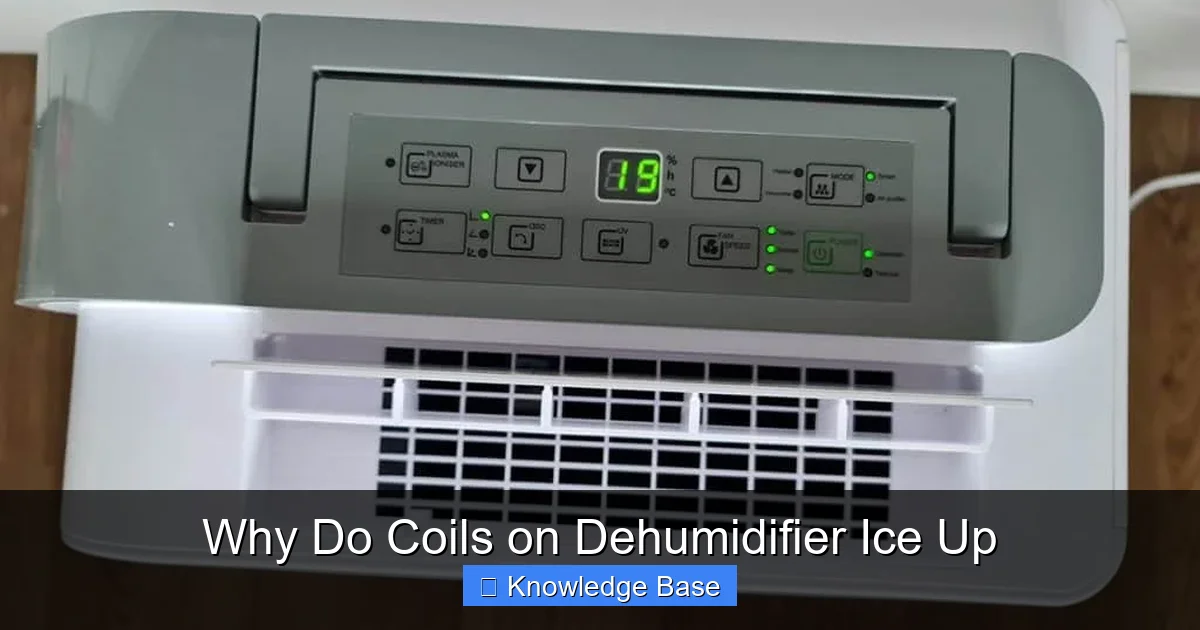
Dehumidifier coils ice up due to low temperatures, poor airflow, or refrigerant issues. This common problem reduces efficiency and can damage your unit if ignored. Regular maintenance and proper placement help prevent ice buildup.
Key Takeaways
- Low ambient temperature: Dehumidifiers struggle in cold environments (below 65°F), causing moisture to freeze on coils instead of condensing.
- Restricted airflow: Dirty filters or blocked vents limit air circulation, leading to coil overcooling and ice formation.
- Refrigerant leaks or low levels: Insufficient refrigerant reduces heat exchange efficiency, making coils too cold and prone to freezing.
- Faulty defrost sensor or timer: A malfunctioning defrost system fails to melt ice during normal operation cycles.
- Overworking the unit: Running a dehumidifier in excessively humid or large spaces without adequate capacity causes continuous cooling and icing.
- Improper placement: Placing the unit near cold walls, in unheated basements, or poorly ventilated areas increases icing risk.
- Regular maintenance is key: Cleaning filters, checking vents, and inspecting components monthly prevents most icing issues.
📑 Table of Contents
Why Do Coils on Dehumidifier Ice Up? A Complete Guide
If you’ve ever opened your dehumidifier and found a thick layer of ice covering the coils, you’re not alone. It’s one of the most common complaints among homeowners who rely on these appliances to control indoor humidity. At first glance, it might seem like your dehumidifier is broken—but in many cases, it’s simply reacting to environmental or mechanical conditions that can be fixed.
Understanding why dehumidifier coils ice up is the first step toward solving the problem. These units work by pulling moist air from the room, passing it over cold evaporator coils to remove water, and then reheating the air before releasing it back into the space. When something disrupts this process—like cold air, blocked airflow, or a mechanical fault—the coils can drop below freezing, turning condensation into ice. Left unchecked, this ice buildup reduces efficiency, increases energy use, and can eventually damage the compressor or other internal parts.
The good news? Most icing issues are preventable and often easy to fix once you know what to look for. In this guide, we’ll walk you through the main causes of coil icing, how to diagnose the problem, and practical steps you can take to keep your dehumidifier running smoothly—even in challenging conditions.
How Dehumidifiers Work: The Basics

Visual guide about Why Do Coils on Dehumidifier Ice Up
Image source: i.ytimg.com
Before diving into why coils ice up, it helps to understand how dehumidifiers function. Think of your dehumidifier as a mini air conditioner with a twist. It uses a refrigeration cycle to pull moisture from the air, but instead of cooling the room, it focuses on drying it.
Here’s a simple breakdown of the process:
First, a fan draws humid air from the room into the unit. This air passes over a set of cold evaporator coils. As the warm, moist air hits the cold surface, the moisture condenses into water droplets—just like how dew forms on a cold drink can. The collected water drips into a reservoir or drains out through a hose.
Next, the now-dry air moves over a second set of coils—the condenser coils—which are warm. This reheats the air before it’s blown back into the room. The result? Lower humidity and more comfortable indoor air.
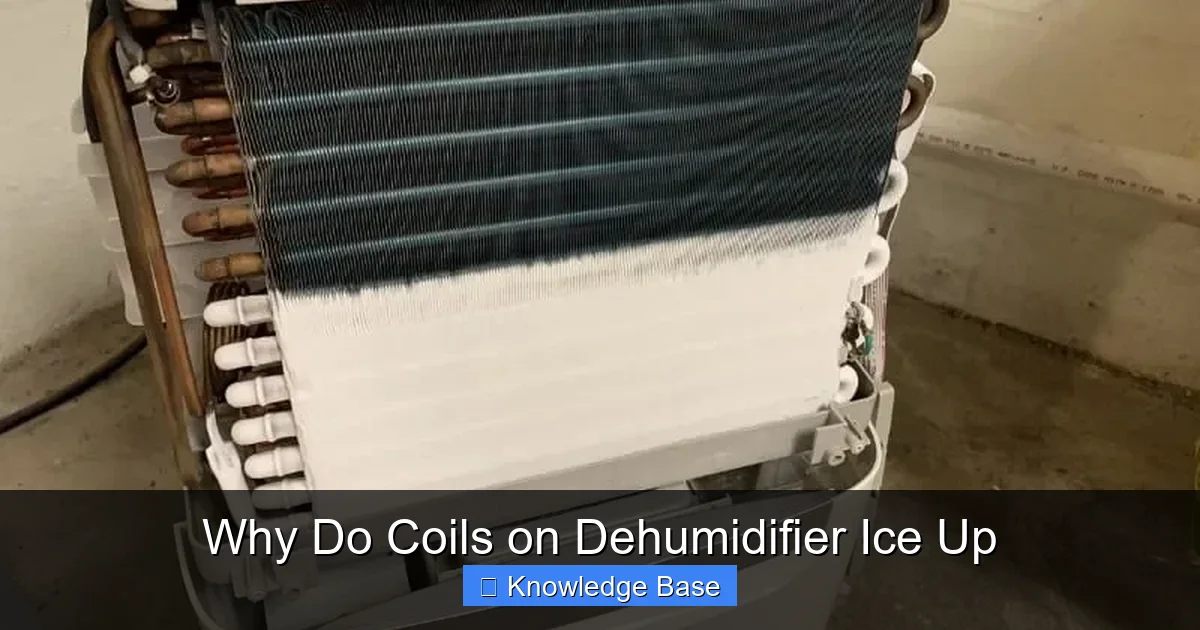
This entire process relies on a delicate balance of temperature, airflow, and refrigerant levels. If any part of the system is off—like the coils getting too cold or air not moving properly—the whole cycle can break down. And when the evaporator coils drop below 32°F (0°C), any moisture hitting them freezes instead of dripping off. That’s when you see ice forming.
Most modern dehumidifiers include a defrost system to prevent this. It periodically warms the coils to melt any ice buildup. But if the unit is constantly icing up, it’s a sign that something is wrong. The defrost cycle may not be enough to keep up, or the root cause—like low room temperature or a dirty filter—isn’t being addressed.
Common Causes of Coil Icing
Visual guide about Why Do Coils on Dehumidifier Ice Up
Image source: howtofixit.net
Now that you know how dehumidifiers work, let’s explore the most common reasons why coils ice up. Identifying the root cause is essential for fixing the problem and preventing it from happening again.
Low Room Temperature
One of the top reasons dehumidifier coils freeze is operating the unit in a cold environment. Most residential dehumidifiers are designed to work best in temperatures between 65°F and 80°F (18°C to 27°C). When the room temperature drops below 60°F (15°C), the evaporator coils can get too cold.
Here’s why: In cold air, there’s less moisture to remove, so the unit doesn’t need to run as long or as hard. But if the coils are still cooling down significantly, they can drop below freezing—even if the room feels cool but not freezing. When humid air passes over these super-cold coils, the moisture freezes instantly.
For example, if you run a dehumidifier in an unheated basement during winter, the air might be 50°F (10°C). The coils could easily fall to 25°F (-4°C), turning condensation into ice. Over time, this ice builds up, blocks airflow, and forces the unit to work harder—or shut down entirely.
Solution: Only use your dehumidifier in spaces that stay above 65°F. If you need moisture control in a cold area, consider a desiccant dehumidifier, which uses moisture-absorbing materials instead of refrigeration and works better in low temperatures.
Dirty or Clogged Air Filters
Your dehumidifier’s air filter plays a crucial role in maintaining proper airflow. It traps dust, pet hair, and other particles before they enter the internal components. But when the filter gets clogged, air can’t flow freely through the unit.
Restricted airflow means less warm air reaches the evaporator coils. With less heat transfer, the coils get colder than intended. This overcooling leads to rapid ice formation—even in rooms that aren’t particularly cold.
Imagine trying to breathe through a straw. That’s what happens inside your dehumidifier when the filter is dirty. The fan struggles to pull air in, the coils stay cold, and ice builds up faster than the defrost cycle can handle it.
Solution: Check and clean the air filter every 2–4 weeks, especially during high-use seasons like summer or rainy periods. Most filters are washable—just rinse them under warm water, let them dry completely, and reinstall. If the filter is damaged or too dirty to clean, replace it with a new one.
Blocked or Restricted Vents
Just like a clogged filter, blocked intake or exhaust vents can disrupt airflow and cause coil icing. Furniture, curtains, or storage boxes placed too close to the dehumidifier can block air from entering or exiting the unit.
For instance, if your dehumidifier is tucked into a corner with only a few inches of clearance, warm air can’t circulate properly. The unit keeps cooling the same pocket of air, causing the coils to overcool and freeze.
Similarly, if the exhaust vent is blocked, the reheated air can’t escape. This traps cold air inside, lowering the overall temperature around the coils and increasing the risk of icing.
Solution: Always leave at least 6–12 inches of space around all sides of the dehumidifier. Keep the area clear of obstacles, and avoid placing the unit in tight enclosures. If you’re using a ducted model, ensure ducts are clean and unobstructed.
Refrigerant Issues
Refrigerant is the lifeblood of your dehumidifier’s cooling system. It absorbs heat from the air and releases it elsewhere, enabling the condensation process. But if the refrigerant level is low—due to a leak or improper charging—the system can’t function properly.
Low refrigerant causes the evaporator coils to become excessively cold. Without enough refrigerant to absorb heat, the coils drop below freezing, leading to rapid ice buildup. You might also notice that the unit isn’t removing as much moisture as usual, or it’s running constantly without improving humidity levels.
Refrigerant leaks are serious and usually require professional repair. Signs include oily residue near the coils, hissing sounds, or a noticeable drop in performance. Never attempt to recharge refrigerant yourself—it’s illegal in many areas without proper certification and can be dangerous.
Solution: If you suspect a refrigerant issue, contact a qualified HVAC technician. They can inspect the system, locate leaks, and safely recharge the refrigerant if needed.
Faulty Defrost System
Most dehumidifiers have an automatic defrost feature that periodically warms the coils to melt ice. This system uses sensors, timers, or thermostats to detect when ice is forming and activate a heating element or reverse the refrigeration cycle.
But if the defrost sensor is dirty, misaligned, or broken, it won’t trigger the defrost cycle when needed. The result? Ice keeps building up until it blocks airflow or damages the unit.
Similarly, a malfunctioning defrost timer or control board can prevent the system from entering defrost mode at all. The unit keeps cooling the coils nonstop, even when ice is clearly forming.
Solution: If your dehumidifier is icing up frequently despite good airflow and warm room temperatures, the defrost system may be faulty. Check the manufacturer’s manual for troubleshooting steps. In many cases, a technician will need to inspect and replace the sensor or control board.
Overworking the Unit
Using a dehumidifier that’s too small for the space or running it in extremely humid conditions can also lead to coil icing. When the unit is constantly working at full capacity, the coils don’t get a chance to warm up between cycles.
For example, if you place a 30-pint dehumidifier in a damp, 2,000-square-foot basement after a flood, it will struggle to keep up. The coils stay cold for extended periods, and moisture freezes faster than it can be removed.
Solution: Choose a dehumidifier with the right capacity for your space. Check the manufacturer’s recommendations based on square footage and humidity level. If you’re dealing with severe moisture, consider using multiple units or a commercial-grade model.
How to Diagnose and Fix Icing Issues
Now that you know the common causes, let’s walk through how to diagnose and fix coil icing step by step. With a little troubleshooting, you can often resolve the issue without calling a repair service.
Step 1: Turn Off and Unplug the Unit
Safety first. Before inspecting or cleaning your dehumidifier, always turn it off and unplug it from the power source. This prevents electrical shock and gives the coils time to thaw if they’re heavily iced.
Let the unit sit for at least 1–2 hours to allow all ice to melt naturally. Do not use a hairdryer or other heat source to speed up the process—this can damage internal components.
Step 2: Check the Room Temperature
Use a thermometer to measure the air temperature around the dehumidifier. If it’s below 65°F (18°C), the cold environment is likely the culprit.
Move the unit to a warmer room, such as a heated basement, laundry room, or garage with insulation. If that’s not possible, consider using a space heater nearby—but keep it at a safe distance to avoid fire hazards.
Step 3: Inspect and Clean the Air Filter
Remove the air filter and hold it up to the light. If you can’t see through it, it’s time to clean or replace it.
Wash reusable filters with warm water and mild soap. Rinse thoroughly and let them air dry completely before reinstalling. For disposable filters, replace them with a new one of the same model.
Step 4: Clear Vents and Ensure Proper Airflow
Check both the intake and exhaust vents for blockages. Remove any dust, debris, or objects that might be restricting airflow.
Make sure the dehumidifier is placed at least 6–12 inches away from walls, furniture, and other obstacles. If you’re using a hose for drainage, ensure it’s not kinked or blocked.
Step 5: Look for Signs of Refrigerant Leaks
Inspect the coils and tubing for oily residue, frost patterns, or hissing sounds. These are signs of a refrigerant leak.
If you notice any of these, stop using the unit and contact a professional technician. Do not attempt to repair refrigerant lines yourself.
Step 6: Test the Defrost System
If the unit continues to ice up after cleaning and repositioning, the defrost system may be faulty.
Some models have a manual defrost button—press it to see if the coils warm up and ice melts. If not, the sensor or control board may need replacement.
Consult your user manual for model-specific troubleshooting. Many manufacturers provide diagnostic codes or LED indicators that can help pinpoint the issue.
Prevention Tips to Avoid Future Icing
Once you’ve fixed the immediate problem, take steps to prevent coil icing from happening again. A little maintenance goes a long way.
Regular Cleaning Schedule
Set a monthly reminder to clean the air filter and wipe down the exterior vents. During high-humidity seasons, check the filter every two weeks.
Also, empty the water tank regularly to prevent overflow and reduce strain on the unit.
Monitor Humidity Levels
Use a hygrometer to track indoor humidity. Aim for a range of 30% to 50%. If humidity stays high, your dehumidifier may be undersized or there could be a hidden moisture source, like a leak or poor ventilation.
Choose the Right Location
Place your dehumidifier in a central, well-ventilated area away from cold walls or drafty windows. Avoid basements with concrete floors that stay cold year-round unless they’re heated.
Upgrade When Needed
If you frequently deal with high humidity or cold environments, consider upgrading to a desiccant dehumidifier. These models use moisture-absorbing materials instead of refrigeration and perform better in low temperatures.
When to Call a Professional
While many icing issues can be resolved with basic maintenance, some problems require expert help. Call a qualified technician if:
– The unit continues to ice up after cleaning and repositioning.
– You suspect a refrigerant leak.
– The defrost system isn’t working despite troubleshooting.
– The compressor is making unusual noises or not starting.
– The unit trips the circuit breaker frequently.
Attempting complex repairs without proper training can void your warranty or cause further damage. Always consult the manufacturer or a licensed HVAC professional for internal issues.
Conclusion
Dehumidifier coils ice up for several reasons—most of which are preventable with proper care and attention. Whether it’s cold room temperatures, dirty filters, blocked vents, or a faulty defrost system, understanding the root cause helps you fix the problem quickly and avoid future issues.
By maintaining your unit, choosing the right location, and monitoring environmental conditions, you can keep your dehumidifier running efficiently year-round. Remember, a little maintenance goes a long way in extending the life of your appliance and ensuring a comfortable, healthy home.
Don’t let ice buildup slow you down. With the tips in this guide, you’re equipped to tackle coil icing head-on and keep your dehumidifier in top shape.
Frequently Asked Questions
Can I use my dehumidifier in a cold basement?
It depends on the temperature. Most refrigerant-based dehumidifiers shouldn’t be used below 65°F. If your basement stays cold, consider a desiccant model designed for low-temperature operation.
How often should I clean the air filter?
Clean the filter every 2–4 weeks during high-use seasons. If you have pets or live in a dusty area, check it more frequently to maintain proper airflow.
Will ice damage my dehumidifier?
Yes, if left unchecked. Ice blocks airflow, strains the compressor, and can lead to permanent damage. Always address icing issues promptly.
Can I manually defrost my dehumidifier?
Yes, by turning it off and letting the ice melt naturally. Do not use heat guns or sharp tools, as they can damage internal components.
Why does my dehumidifier keep icing up even after cleaning?
This could indicate a refrigerant leak, faulty defrost sensor, or undersized unit. If basic fixes don’t work, consult a technician for further diagnosis.
Is it normal for dehumidifier coils to feel cold?
Yes, the evaporator coils should feel cold during operation. But if they’re freezing or covered in ice, it’s a sign of a problem that needs attention.