
Dehumidifiers give off heat because they use a refrigeration cycle that converts moisture into water and releases warm air as a byproduct. This heat is normal and expected, but understanding why it happens can help you place and use your unit more effectively for optimal comfort and efficiency.
Key Takeaways
- Heat is a natural byproduct: Dehumidifiers generate heat as part of their refrigeration process, which is essential for removing moisture from the air.
- Compressor-based systems produce the most heat: Most residential dehumidifiers use compressors, which generate significant warmth during operation.
- Desiccant dehumidifiers also emit heat: Though quieter, desiccant models use heated air to regenerate moisture-absorbing materials, releasing warm exhaust.
- Room temperature rises slightly: A running dehumidifier can increase room temperature by 2–5°F, depending on size and environment.
- Proper placement minimizes discomfort: Positioning the unit away from seating areas and using timers can reduce the impact of heat output.
- Heat doesn’t mean inefficiency: The warmth is a sign the unit is working correctly, not a defect or energy waste.
- Seasonal use affects heat impact: In cooler months, the added warmth can be beneficial, but in summer, it may require extra cooling.
📑 Table of Contents
- Why Do Dehumidifiers Give Off Heat? The Science Explained
- How Dehumidifiers Work: The Basics of Moisture Removal
- Types of Dehumidifiers and Their Heat Output
- Does the Heat Affect Room Comfort and Energy Use?
- Practical Tips for Managing Heat from Your Dehumidifier
- Common Misconceptions About Dehumidifier Heat
- Conclusion: Embracing the Heat for Better Comfort
Why Do Dehumidifiers Give Off Heat? The Science Explained
If you’ve ever stood near a running dehumidifier, you’ve probably noticed something surprising: it blows out warm air. You might even wonder, “Wait—isn’t this thing supposed to make the room more comfortable? Why is it heating things up?” You’re not alone. Many people are confused when they feel warm air coming from a device designed to improve indoor air quality and reduce humidity.
The truth is, dehumidifiers giving off heat is completely normal—and expected. It’s not a malfunction or a sign that your unit is broken. In fact, the heat is a direct result of how these machines work. Understanding the science behind this process can help you use your dehumidifier more effectively, avoid unnecessary concerns, and even make smarter decisions about where and when to run it.
At its core, a dehumidifier’s job is to pull moisture from the air and collect it in a tank or drain it away. But to do that, it has to cool the air below its dew point—the temperature at which water vapor condenses into liquid. This cooling process requires energy, and that energy is released as heat. Think of it like a mini air conditioner: it removes moisture, but in doing so, it also generates warmth as a byproduct.
In this article, we’ll break down exactly why dehumidifiers give off heat, how different types of units compare, and what you can do to manage the warmth they produce. Whether you’re using a dehumidifier in your basement, bathroom, or living room, knowing how it works will help you get the most comfort and efficiency from your investment.
How Dehumidifiers Work: The Basics of Moisture Removal

Visual guide about Why Do Dehumidifiers Give Off Heat
Image source: temperaturemaster.com
To understand why dehumidifiers give off heat, it helps to first understand how they remove moisture from the air. Most residential dehumidifiers—especially the ones you’ll find in homes, basements, and crawl spaces—use a refrigeration-based system. This is the same basic technology used in air conditioners and refrigerators.
Here’s a simple breakdown of the process:
1. **Air Intake:** A fan pulls humid indoor air into the dehumidifier through an intake vent.
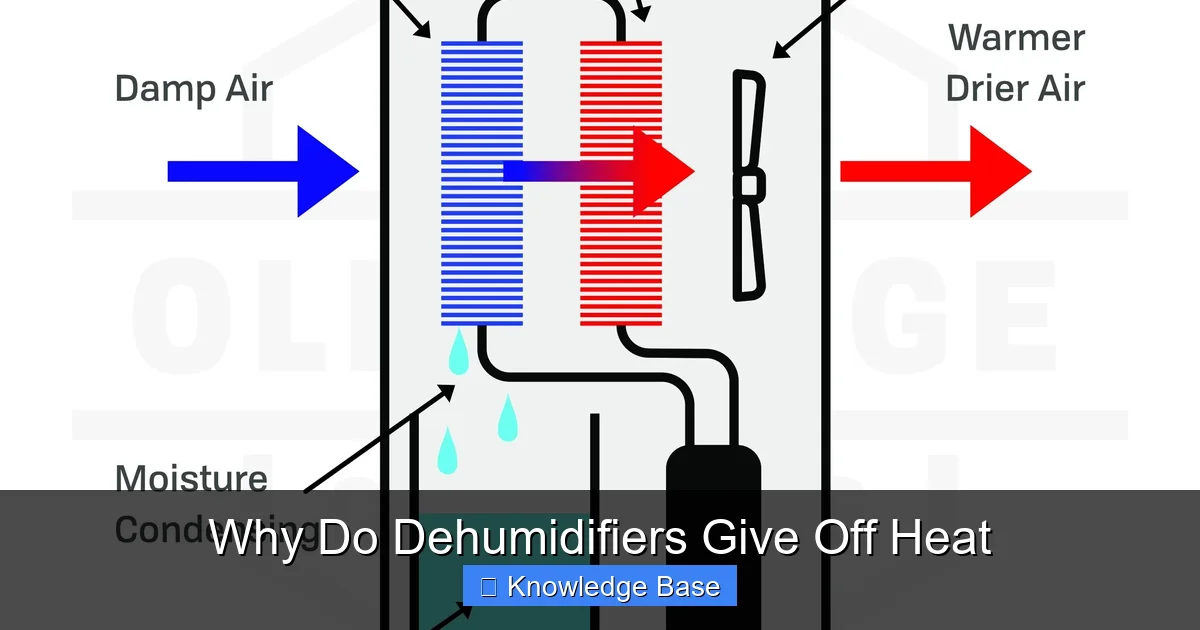
2. **Cooling Coils:** The air passes over cold evaporator coils. These coils are cooled by a refrigerant circulating inside them. As the warm, moist air touches the cold coils, the moisture in the air condenses into water droplets—just like how water forms on the outside of a cold drink on a hot day.
3. **Water Collection:** The collected water drips into a built-in bucket or is drained directly through a hose.
4. **Reheating:** Before the air exits the unit, it passes over warm condenser coils. These coils contain the same refrigerant, but now it’s in a hot, pressurized state. The air absorbs this heat and is blown back into the room as drier, warmer air.
This reheating step is crucial. Without it, the air leaving the dehumidifier would be cold and clammy—defeating the purpose of improving comfort. But because the air is reheated, the overall effect is that the room becomes less humid but slightly warmer.
It’s important to note that the heat isn’t “wasted” energy. It’s a necessary part of the cycle. The compressor—the heart of the system—does the work of pressurizing the refrigerant, and that process generates heat. Some of that heat is transferred to the air as it passes through the condenser coils. So, the warmth you feel is simply the result of physics at work.
Energy Conversion and Heat Generation
Every time energy is converted from one form to another, some of it is released as heat. This is a fundamental principle of thermodynamics. In a dehumidifier, electrical energy powers the compressor and fan. The compressor compresses the refrigerant gas, increasing its temperature and pressure. This hot gas then flows to the condenser coils, where it releases heat into the surrounding air.
Even the fan motor generates a small amount of heat as it spins. While this is minimal compared to the heat from the compressor, it adds up over time. So, when you feel warm air coming from your dehumidifier, you’re experiencing the combined effect of the refrigeration cycle and the mechanical operation of the unit.
This heat output is not unique to dehumidifiers. Air conditioners, refrigerators, and even computers do the same thing. In fact, air conditioners are designed to remove heat from indoor spaces, but they still generate heat outside the home. Dehumidifiers are similar—they remove moisture, but they don’t cool the air. Instead, they return drier, slightly warmer air to the room.
Why Reheating Is Necessary
You might be wondering: if the goal is to make the room more comfortable, why not just blow out the cold, dry air? After all, cold air feels refreshing, right?
The answer lies in comfort and efficiency. Cold, dry air can feel clammy and uncomfortable, especially if the room is already cool. It can also lead to over-dehumidification, where the air becomes too dry, causing dry skin, irritated sinuses, or static electricity.
By reheating the air before it exits, the dehumidifier ensures that the air returned to the room is at a more comfortable temperature. This also helps maintain a balanced indoor climate. The reheating process uses the waste heat from the compressor, making the system more energy-efficient than it would be if it required a separate heating element.
In short, the heat isn’t a flaw—it’s a feature. It’s what allows the dehumidifier to do its job effectively while keeping the air feeling pleasant.
Types of Dehumidifiers and Their Heat Output
Visual guide about Why Do Dehumidifiers Give Off Heat
Image source: images.squarespace-cdn.com
Not all dehumidifiers are created equal—and that includes how much heat they give off. The two main types of residential dehumidifiers are compressor-based (refrigerant) and desiccant models. Each uses a different method to remove moisture, and each produces heat in its own way.
Compressor-Based (Refrigerant) Dehumidifiers
These are the most common type of dehumidifier found in homes. They use a refrigeration cycle, as described earlier, and are highly effective in warm, humid environments—typically between 60°F and 80°F (15°C to 27°C).
Because they rely on a compressor to circulate refrigerant, they generate a noticeable amount of heat. The compressor is essentially a pump that increases the pressure and temperature of the refrigerant gas. This hot gas then releases its heat into the air via the condenser coils.
As a result, compressor-based dehumidifiers can raise the temperature of the room they’re in by 2 to 5 degrees Fahrenheit (1 to 3°C), depending on the size of the unit and the room. Larger units, like those rated for 50 or 70 pints per day, produce more heat than smaller 30-pint models.
This heat output is most noticeable in small, enclosed spaces like basements, laundry rooms, or closets. In larger living areas, the warmth may be less apparent due to better air circulation.
Desiccant Dehumidifiers
Desiccant dehumidifiers work differently. Instead of cooling the air, they use a moisture-absorbing material—usually silica gel—to trap water vapor. The air passes over this material, which absorbs the humidity. Then, to “recharge” the desiccant, the unit uses a small heating element to warm it up, releasing the trapped moisture into a separate chamber where it can be collected or drained.
Because desiccant dehumidifiers use a heating element to regenerate the desiccant material, they also give off heat. However, the heat is typically less intense than that from compressor models. Desiccant units are generally quieter and more effective in cooler temperatures—below 60°F (15°C)—making them ideal for garages, crawl spaces, or unheated areas.
One advantage of desiccant dehumidifiers is that they don’t rely on refrigerant, so they’re more environmentally friendly and don’t require periodic recharging. However, they tend to be less energy-efficient in warm, humid climates and may have higher operating costs over time.
Heat Output Comparison
So, which type gives off more heat? Generally, compressor-based dehumidifiers produce more noticeable warmth because of the high-energy compressor. Desiccant models emit heat too, but it’s often more localized and less intense.
For example, a 50-pint compressor dehumidifier running in a 500-square-foot basement might raise the temperature by 3–4°F. A desiccant model of similar capacity might only add 1–2°F of warmth, but it could feel warmer near the exhaust vent due to the direct heat from the regeneration process.
Ultimately, both types give off heat—it’s just a matter of degree and distribution. Understanding the differences can help you choose the right unit for your space and manage the heat output accordingly.
Does the Heat Affect Room Comfort and Energy Use?
Now that we know dehumidifiers give off heat, the next question is: does it matter? Does this warmth actually impact your comfort or your energy bills?
The short answer is: yes, but usually not in a bad way. In fact, in some cases, the heat can be beneficial.
Impact on Room Temperature
As mentioned earlier, a running dehumidifier can increase the temperature of a room by 2 to 5°F. This effect is most noticeable in small, poorly ventilated spaces like basements, bathrooms, or utility closets. In larger, open areas, the heat dissipates more easily and may not be felt at all.
For example, if you run a dehumidifier in a 300-square-foot basement with little airflow, you might notice the room feels warmer after a few hours. But if you’re using it in a 1,200-square-foot living room with ceiling fans and open windows, the heat will be barely noticeable.
The key factor is air circulation. Good airflow helps distribute the heat and prevents it from building up in one area. If you’re concerned about warmth, consider using a fan to help move the air around.
Seasonal Considerations
The impact of a dehumidifier’s heat output depends heavily on the season.
In **winter or cooler months**, the added warmth can actually be a plus. If you’re running a dehumidifier in a chilly basement or crawl space, the slight temperature increase can make the space more comfortable—especially if you use it as a workshop or storage area. In some cases, people even use dehumidifiers as a secondary heat source in unheated areas.
However, in **summer or hot climates**, the extra heat can be counterproductive. If you’re already running an air conditioner to cool your home, a dehumidifier adding warmth might force your AC to work harder, increasing energy consumption. This is especially true in small, enclosed spaces where the heat builds up.
To minimize this effect, consider running your dehumidifier during cooler parts of the day—like early morning or late evening—or using a timer to limit its operation during peak heat hours.
Energy Efficiency and Heat
You might worry that the heat means the dehumidifier is wasting energy. But in reality, the heat is a natural byproduct of an efficient process. Modern dehumidifiers are designed to use the waste heat from the compressor to reheat the air, which improves overall efficiency.
In fact, Energy Star-certified dehumidifiers are tested for both moisture removal and energy use. They’re designed to remove the most water per kilowatt-hour of electricity, and the heat output is factored into their performance ratings.
That said, running a dehumidifier in an already warm room can increase your cooling costs. If you’re in a hot climate and using both an AC and a dehumidifier, consider using a unit with a built-in humidistat and energy-saving mode. These features help the dehumidifier run only when needed, reducing unnecessary heat and energy use.
Practical Tips for Managing Heat from Your Dehumidifier
Now that you understand why dehumidifiers give off heat, here are some practical tips to help you manage it and get the most comfort and efficiency from your unit.
1. Choose the Right Location
Where you place your dehumidifier makes a big difference. Avoid putting it in a corner or against a wall where heat can build up. Instead, place it in an open area with good airflow. Keep at least 6–12 inches of space around the unit to allow air to circulate freely.
If you’re using it in a basement, consider placing it near a stairwell or vent to help disperse the warm air. In a laundry room, keep it away from seating areas or beds if possible.
2. Use a Timer or Smart Features
Many modern dehumidifiers come with timers or smart controls that let you schedule when the unit runs. This is especially useful in summer. Set it to run during cooler hours—like overnight—when the added heat won’t interfere with your air conditioning.
Some smart dehumidifiers can even connect to your home Wi-Fi and integrate with your thermostat or smart home system. This allows them to adjust based on humidity levels and room temperature, minimizing unnecessary operation.
3. Improve Ventilation
Good airflow helps dissipate the heat from your dehumidifier. Use fans to circulate air in the room, or open windows slightly if outdoor humidity is low. In basements, consider installing an exhaust fan or improving natural ventilation with vents or windows.
If you’re using a ducted dehumidifier (common in crawl spaces), make sure the exhaust is properly vented to avoid recirculating warm air.
4. Monitor Humidity Levels
Running a dehumidifier constantly can lead to over-drying and unnecessary heat output. Use a hygrometer to monitor indoor humidity levels. The ideal range is between 30% and 50%.
Most dehumidifiers have built-in humidistats that automatically turn the unit on and off based on humidity. Set it to your desired level and let it do the work. This not only reduces heat but also saves energy.
5. Consider the Season
Adjust your dehumidifier use based on the time of year. In winter, you might run it more often in damp areas like basements, where the heat can be a bonus. In summer, use it more selectively—perhaps only in high-moisture areas like bathrooms or laundry rooms—and avoid running it during the hottest parts of the day.
6. Maintain Your Unit
A well-maintained dehumidifier runs more efficiently and produces heat more predictably. Clean the air filter regularly—usually every 4–6 weeks—to ensure good airflow. Check the water tank and empty it before it fills up, and inspect the coils for dust or debris.
If your unit seems to be producing excessive heat or making unusual noises, it could be a sign of a problem like a failing compressor or refrigerant leak. In that case, consult the manufacturer or a professional.
Common Misconceptions About Dehumidifier Heat
Despite the science being clear, there are still some myths and misunderstandings about why dehumidifiers give off heat. Let’s clear up a few of the most common ones.
Myth: The Heat Means the Dehumidifier Is Broken
This is perhaps the biggest misconception. Many people assume that if a dehumidifier is blowing warm air, something must be wrong. But as we’ve seen, warm air is a normal and necessary part of the process. The unit is working as designed.
Unless the unit is overheating to the point of shutting down or making loud noises, the heat is not a cause for concern.
Myth: Dehumidifiers Cool the Air
Some people buy a dehumidifier thinking it will cool their home like an air conditioner. But dehumidifiers don’t lower air temperature—they only reduce humidity. In fact, they slightly increase temperature.
If you’re looking to cool a room, an air conditioner or fan is a better choice. A dehumidifier improves comfort by making the air feel less sticky, not by making it cooler.
Myth: All Dehumidifiers Give Off the Same Amount of Heat
As we’ve discussed, different types of dehumidifiers produce different levels of heat. Compressor models generally produce more warmth than desiccant units. Size, capacity, and efficiency also play a role.
A small 30-pint unit will produce less heat than a large 70-pint model. And an Energy Star-certified unit may manage heat more efficiently than an older, less efficient model.
Myth: The Heat Is Wasted Energy
While it’s true that the heat isn’t being used to cool the room, it’s not “wasted” in the traditional sense. The heat is a byproduct of an energy conversion process that’s essential for moisture removal. In fact, modern dehumidifiers are designed to use this heat to reheat the air, improving overall efficiency.
Think of it like a car engine: it produces heat as it runs, but that doesn’t mean the engine is inefficient. The heat is part of the process.
Conclusion: Embracing the Heat for Better Comfort
So, why do dehumidifiers give off heat? The answer is simple: because they’re working. The warmth you feel is a natural result of the refrigeration or desiccant process that removes moisture from the air. It’s not a flaw, a malfunction, or a waste of energy—it’s a sign that your dehumidifier is doing its job.
Understanding this process helps you use your unit more effectively. You can choose the right type for your space, place it wisely, and manage its operation to balance comfort and efficiency. Whether you’re fighting dampness in a basement or reducing humidity in a bathroom, knowing how your dehumidifier works—and why it gives off heat—empowers you to make smarter decisions.
In the end, a little warmth is a small price to pay for drier, healthier, and more comfortable indoor air. So the next time you feel that warm breeze from your dehumidifier, don’t worry—it’s just physics doing its thing.
Frequently Asked Questions
Why does my dehumidifier blow hot air?
Your dehumidifier blows hot air because it uses a refrigeration cycle to remove moisture. The compressor generates heat as it pressurizes the refrigerant, and this heat is transferred to the air as it passes through the condenser coils before being released back into the room.
Is it normal for a dehumidifier to heat up the room?
Yes, it’s completely normal. Most dehumidifiers can raise room temperature by 2–5°F, especially in small spaces. This heat is a byproduct of the moisture removal process and indicates the unit is working properly.
Can a dehumidifier be used as a heater?
While dehumidifiers do produce heat, they are not designed or efficient as primary heaters. The warmth is a side effect, not the main function. In cool, damp spaces like basements, the added heat can be a helpful bonus, but don’t rely on it for significant heating.
Do desiccant dehumidifiers give off heat too?
Yes, desiccant dehumidifiers also emit heat. They use a heating element to dry out the moisture-absorbing material, which warms the air as it exits the unit. However, the heat output is generally less intense than that of compressor-based models.
Will a dehumidifier increase my energy bill?
A dehumidifier uses electricity to run, so it will increase your energy bill slightly. However, Energy Star-certified models are designed for efficiency. Running it only when needed and maintaining proper humidity levels can help minimize costs.
How can I reduce the heat from my dehumidifier?
To reduce the impact of heat, place the dehumidifier in a well-ventilated area, use a timer to run it during cooler hours, and improve room airflow with fans. Avoid enclosing the unit in tight spaces where heat can build up.