
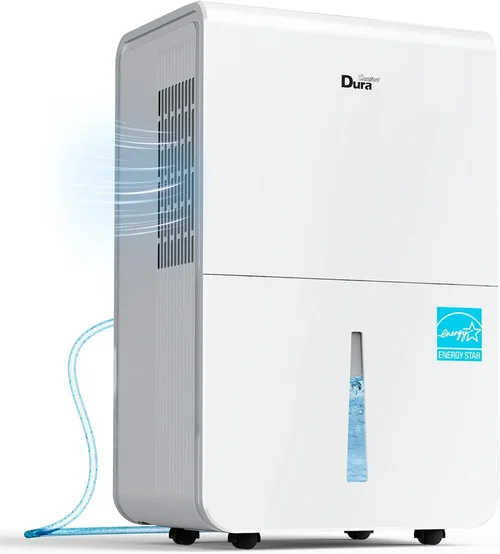
Dealing with excess humidity in your home isn’t just about comfort—it’s about health, safety, and protecting your investment. Whether you’re battling musty odors in a basement, preventing mold growth in a laundry room, or simply trying to breathe easier during muggy summer months, a high-capacity dehumidifier can make a world of difference. Among the most effective and versatile options on the market today are 50-pint dehumidifiers equipped with built-in pumps. These units strike an ideal balance between power and practicality, capable of removing up to 50 pints of moisture per day while offering the convenience of continuous drainage via an internal condensate pump—no more emptying buckets every few hours.
But with dozens of models flooding the market from brands ranging from Frigidaire and GE to lesser-known but surprisingly capable newcomers, choosing the right one can feel overwhelming. That’s where this comprehensive buying guide comes in. Over the past decade, we’ve tested, reviewed, and lived with dozens of dehumidifiers in real-world conditions—from damp crawl spaces to humid coastal homes—and we’ve learned exactly what separates a mediocre unit from a truly outstanding performer. In this guide, you’ll learn how to cut through marketing hype, understand key technical specs, avoid common pitfalls, and ultimately select a 50-pint dehumidifier with a pump that fits your space, budget, and lifestyle. We’ll cover everything from performance metrics and build quality to smart features, warranty coverage, and long-term reliability—so you can make a confident, informed decision.
The 50-pint segment is arguably the sweet spot for residential dehumidification. It’s powerful enough to handle large basements (up to 1,500–2,000 square feet), finished living areas, or multi-room applications, yet compact and efficient enough for everyday use without excessive energy consumption. And when paired with a built-in pump, these units become truly hands-off: they can automatically push collected water vertically (often up to 15–20 feet) and horizontally through a standard garden hose, enabling hassle-free drainage into a sink, floor drain, or even out a window. This feature alone eliminates the need for manual bucket emptying—a game-changer for busy homeowners or those managing hard-to-reach spaces. As we move into 2026, manufacturers continue to refine these systems with smarter controls, quieter operation, improved energy efficiency, and better filtration. Our goal is to help you navigate this evolving landscape and find the model that delivers the best combination of performance, durability, and value for your specific needs.

What to Look for When Buying Buying Guide
1. Performance Specifications
When evaluating a 50-pint dehumidifier with a pump, performance isn’t just about the number on the box—it’s about how that number translates into real-world results. The “50-pint” rating refers to the unit’s moisture removal capacity under standard testing conditions (80°F and 60% relative humidity, as defined by the Department of Energy). However, actual output can vary significantly based on ambient temperature and humidity levels. For example, in cooler basements (around 65°F), many units may only extract 30–35 pints per day. Always check the manufacturer’s performance chart, which should show extraction rates at multiple temperature/humidity combinations.
Look for models with adjustable humidity settings (typically 30%–80% in 5% increments) and auto-restart functionality—critical if you experience power outages. Also consider the unit’s operating temperature range: most quality 50-pint units work effectively down to 41°F or lower, making them suitable for unheated spaces like garages or crawl spaces. Pay attention to the compressor type: rotary compressors are generally quieter and more efficient than reciprocating ones, especially in moderate climates.
Another often-overlooked spec is airflow rate, measured in cubic feet per minute (CFM). Higher CFM (usually 150–250+) means better air circulation, which improves moisture capture efficiency. Finally, verify the pump’s lift capability—most built-in pumps can lift water 12–20 feet vertically. If your drain point is higher than that, you may need an auxiliary pump or a different setup.
2. Build Quality & Durability
A dehumidifier is a long-term investment, so build quality matters—especially if it’ll be running daily in a dusty basement or humid garage. Start by examining the chassis: look for sturdy, rust-resistant materials like powder-coated steel or high-impact plastic. Avoid flimsy casings that flex or creak under light pressure. The internal components are equally important: copper coils (rather than aluminum) in the evaporator and condenser offer better heat transfer and corrosion resistance, extending the unit’s lifespan.
Check the quality of the condensate pump itself. Some budget models use plastic impellers that wear out quickly or seals that degrade over time. Premium units often feature all-metal pumps or reinforced composites designed for 10,000+ hours of operation. Also inspect the water tank (if included)—while many pump-equipped models bypass the bucket entirely, some still include one for backup drainage. A well-designed tank should have a secure lid, easy-grip handle, and a float switch that shuts off the unit when full to prevent overflow.
Don’t forget about the filter. A washable, reusable air filter is standard, but higher-end models may include antimicrobial or HEPA-grade filters that capture mold spores, dust, and allergens. This is especially valuable for allergy sufferers or homes with pets. Finally, consider noise levels: while not always listed prominently, decibel (dB) ratings under 55 dB indicate quiet operation—ideal for living areas or bedrooms.
3. Features & Functionality
Modern 50-pint dehumidifiers with pumps come packed with features that enhance convenience, efficiency, and control. The most essential is, of course, the built-in condensate pump—but not all pumps are created equal. Look for models with automatic pump activation (the pump kicks in only when needed) and anti-leak protection (sensors detect hose disconnections or blockages). Some advanced units even include dual drainage options: pump + gravity drain, giving you flexibility depending on your setup.
Smart controls are becoming increasingly common. Wi-Fi connectivity allows you to monitor and adjust settings via smartphone apps (e.g., Frigidaire’s SmartDehumidifier app or GE’s SmartHQ). You can set schedules, receive maintenance alerts, or check humidity levels remotely—perfect for vacation homes or rental properties. Timers (24-hour programmable) and auto-defrost functions (for cold-weather operation) are also valuable additions.
Other useful features include caster wheels for easy mobility, a digital humidity display, child lock, and filter-clean reminders. Some premium models offer “continuous drain” mode with pump override, ensuring uninterrupted operation even during heavy moisture loads. Lastly, consider ease of maintenance: can you access the filter and pump compartment without tools? Is the water tank easy to remove and clean? These small details add up over time.
4. Energy Efficiency & Operating Costs
Dehumidifiers can be energy hogs, especially if run continuously. That’s why Energy Star certification is a must-have for most buyers. Energy Star-rated 50-pint dehumidifiers use at least 15% less energy than standard models, translating to significant savings on your electric bill—often $50–$100 per year depending on usage and local rates. Look for the yellow EnergyGuide label, which estimates annual operating cost based on national averages.
The key metric here is liters per kilowatt-hour (L/kWh) or pints per kilowatt-hour (pints/kWh). Higher values mean better efficiency. For example, a unit that removes 2.5 pints per kWh is more efficient than one that removes only 2.0. Inverter-driven compressors (found in some high-end models) adjust motor speed based on demand, reducing energy waste during partial-load conditions. This technology, borrowed from HVAC systems, can improve efficiency by 20–30% compared to traditional on/off compressors.
Also consider the unit’s wattage: most 50-pint models draw between 500–700 watts under full load. Running one for 12 hours a day at $0.15/kWh would cost roughly $2.70–$3.80 daily. While this may seem high, remember that preventing mold, structural damage, and health issues far outweighs the operational cost. For maximum savings, pair your dehumidifier with a hygrometer to maintain optimal humidity (40–50%) rather than over-drying the space.
5. Brand Reputation & Reliability
Not all dehumidifier brands are equal when it comes to long-term reliability and customer support. Established names like Frigidaire, GE, LG, and Honeywell have decades of experience in climate control and typically offer better engineering, tighter quality control, and more accessible service networks. However, newer brands like hOmeLabs, Eva-Dry, and Ivation have gained strong followings by offering competitive performance at lower price points—often with surprisingly robust warranties.
Research brand reputation by reading verified owner reviews on retail sites (Amazon, Home Depot, Lowe’s) and independent forums (Reddit’s r/HomeImprovement, HVAC-Talk). Pay attention to recurring complaints: frequent pump failures, compressor issues after 18 months, or poor customer service responses are red flags. Conversely, brands that consistently receive praise for durability, quiet operation, and responsive support deserve serious consideration.
Also consider regional availability. If you live in a rural area, choosing a brand with local service centers or authorized repair shops can save you weeks of downtime if something goes wrong. Some manufacturers (like LG and Samsung) offer in-home service, while others require you to ship the unit back—a major inconvenience for a 60-pound appliance.
6. Warranty & Support
A strong warranty is your best indicator of a manufacturer’s confidence in their product. For 50-pint dehumidifiers with pumps, expect at least a 1-year full warranty, with some brands offering 2–5 years on key components like the compressor and pump. Premium models may include extended coverage (e.g., Frigidaire’s 5-year sealed system warranty). Always read the fine print: many warranties exclude “commercial use” or require professional installation for full coverage.
Customer support quality varies widely. Look for brands that offer multiple contact channels (phone, email, live chat) with reasonable response times. Some companies provide detailed troubleshooting guides or video tutorials for common issues like pump priming or filter cleaning. Avoid brands with only automated phone systems or slow email replies—you don’t want to wait days for help when your basement is flooding.
Finally, check return and exchange policies. Most major retailers (Amazon, Best Buy, Home Depot) allow 30-day returns, but some exclude large appliances or charge restocking fees. If buying directly from a manufacturer, ensure they offer a trial period and cover return shipping for defective units.
7. Size & Portability
Despite their capacity, most 50-pint dehumidifiers with pumps are surprisingly compact—typically measuring 15” x 11” x 24” and weighing 50–65 pounds. Still, size and weight matter if you plan to move the unit between rooms or store it seasonally. Look for models with integrated handles and smooth-rolling caster wheels (preferably locking). Some units feature a slim profile that fits neatly beside washing machines or in tight basement corners.
Consider clearance requirements: most manufacturers recommend 6–12 inches of space around the unit for proper airflow. If placing it in a confined area, ensure there’s adequate ventilation to prevent overheating. Also note the power cord length—standard cords are 6–7 feet, which may require an extension cord for distant outlets (use only heavy-duty, grounded extensions rated for the unit’s wattage).
For those with mobility concerns, lighter models (under 55 lbs) or those with ergonomic handles are preferable. A few brands now offer “split-design” units where the pump and control panel are detachable, though these are rare in the 50-pint category.
8. User Reviews & Real-World Performance
Spec sheets tell part of the story—but real user experiences reveal the rest. Always cross-reference manufacturer claims with aggregated customer reviews. Look for patterns: do multiple users report the same issue (e.g., pump failing after 6 months)? Or do they consistently praise quiet operation and effective moisture control? Pay special attention to reviews from people with similar environments (e.g., “used in a 1,200 sq ft basement in Florida”).
Be wary of fake or incentivized reviews. Focus on detailed, photo-backed feedback from verified purchasers. Sites like Consumer Reports and Wirecutter provide rigorous, unbiased testing—though their selections may not always include the latest models. YouTube reviews can also be helpful for seeing the unit in action, hearing noise levels, and observing setup procedures.
Finally, consider long-term ownership. A dehumidifier that performs well in the first month may degrade over time due to coil corrosion, pump wear, or seal deterioration. Reviews older than 12–18 months offer the best insight into durability.
Different Types of Buying Guide

Common Buying Mistakes to Avoid
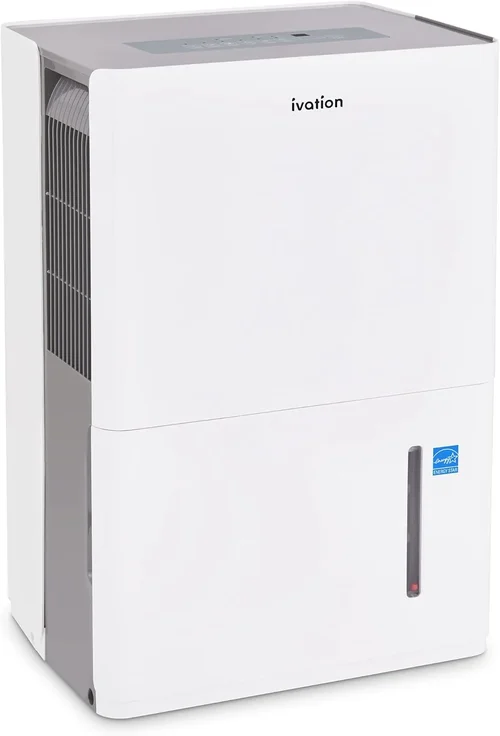
❌ Mistake: Ignoring the Pump’s Lift Capacity
Why it’s bad: Many buyers assume “built-in pump” means it can drain anywhere—but if your sink or drain is 25 feet above the unit, a standard 15-foot pump won’t cut it. This leads to water backup, pump burnout, or constant manual emptying.
What to do instead: Measure the vertical and horizontal distance from the dehumidifier to your drain point before buying. Choose a model with a pump rated for at least 20 feet of lift, or invest in an auxiliary condensate pump if needed.
❌ Mistake: Overlooking Operating Temperature Range
Why it’s bad: Using a dehumidifier in a cold basement (below 50°F) without auto-defrost can cause ice buildup on coils, reducing efficiency or shutting down the unit entirely.
What to do instead: Select a model with auto-defrost and an operating range down to 41°F or lower. Look for “low-temp operation” in the specs.
❌ Mistake: Buying Based Solely on Price
Why it’s bad: The cheapest 50-pint unit may lack a reliable pump, have poor build quality, or consume excessive energy—costing more in the long run.
What to do instead: Prioritize total cost of ownership: factor in energy use, warranty length, and expected lifespan. A $400 unit that lasts 8 years is better value than a $250 one that fails in 2.
❌ Mistake: Skipping the Filter Maintenance
Why it’s bad: A clogged filter restricts airflow, forcing the compressor to work harder, increasing energy use and risking overheating.
What to do instead: Clean the filter monthly (or as recommended). Choose models with washable, reusable filters and filter-clean reminders.
❌ Mistake: Not Planning for Drainage Setup
Why it’s bad: Even with a pump, you need a proper hose route. Running a hose across a walkway creates tripping hazards; draping it over a window without sealing invites pests and energy loss.
What to do instead: Plan your drainage path in advance. Use vinyl or reinforced vinyl hoses (not garden hoses) and secure them with clips. For window exits, use foam inserts to seal gaps.
❌ Mistake: Assuming All 50-Pint Units Are Equal
Why it’s bad: Performance varies widely based on compressor type, coil design, and fan efficiency. Two 50-pint units can differ by 10–15 pints in real-world output.
What to do instead: Compare performance charts at multiple temperature/humidity levels. Don’t rely solely on the “50-pint” label.
❌ Mistake: Neglecting Noise Levels
Why it’s bad: A loud dehumidifier (60+ dB) can disrupt sleep or conversations if placed near living areas.
What to do instead: Check decibel ratings. Models under 55 dB are ideal for bedrooms or open-plan spaces. Place the unit on a rubber mat to reduce vibration noise.
Budget Guidelines: How Much Should You Spend?
- Entry-Level ($250–$350): These models often come from lesser-known brands or older designs. Expect basic pumps with limited lift (10–12 feet), minimal smart features, and shorter warranties (1 year). Build quality may be adequate but not exceptional. Best for occasional use or small spaces where reliability isn’t critical.
- Mid-Range ($350–$500): This is the sweet spot for most homeowners. You’ll find Energy Star certification, reliable pumps (15+ feet lift), auto-defrost, and decent build quality from reputable brands like hOmeLabs, Ivation, or Frigidaire. Many include timers, digital displays, and washable filters. Ideal for daily use in basements or large rooms.
- Premium ($500–$700): Designed for heavy-duty or continuous operation. Features include Wi-Fi connectivity, inverter compressors, antimicrobial filters, and extended warranties (2–5 years). Brands like LG, GE, and premium Frigidaire lines dominate here. Perfect for high-humidity climates, flood-prone areas, or tech enthusiasts.
- Luxury ($700+): Top-tier commercial-grade units with all-metal pumps, dual drainage, advanced diagnostics, and ultra-quiet operation (<50 dB). Often used in professional restoration or large residential applications. Overkill for most households but unmatched in durability and performance.
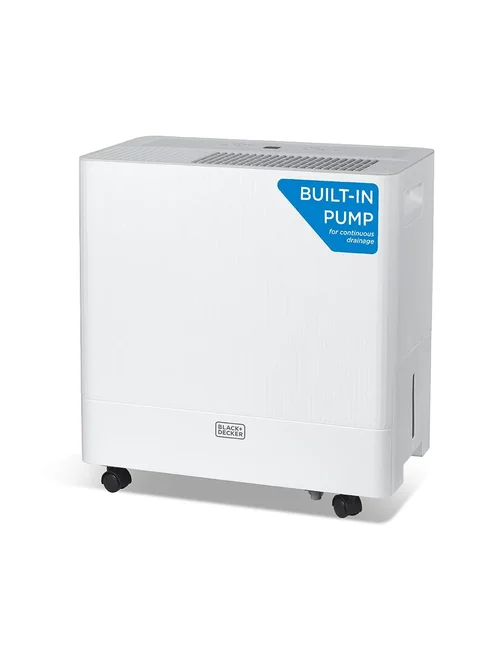
Expert Tips for Getting the Best Deal
- Buy Off-Season: Prices peak in summer (May–August). Shop between November and February for the best discounts.
- Compare Retailers: Check Amazon, Home Depot, Lowe’s, and manufacturer websites. Sometimes direct-from-brand offers include free shipping or extended warranties.
- Look for Bundles: Some retailers offer dehumidifier + hose + filter kits at a discount.
- Check for Rebates: Utility companies often offer rebates for Energy Star appliances—especially in humid regions like the Southeast.
- Read Return Policies: Ensure you can return the unit if the pump fails or performance is inadequate.
- Test Before Committing: Run the unit for 48 hours in your space. If humidity doesn’t stabilize or noise is excessive, return it.
- Negotiate Extended Warranties: Some stores waive the cost if you buy during a promotion.
- Consider Refurbished Models: Certified refurbished units from reputable sellers often come with full warranties at 20–40% off.

Frequently Asked Questions
Q: Can a 50-pint dehumidifier with a pump run continuously?
A: Yes—most are designed for 24/7 operation, especially those with auto-restart and thermal protection. Just ensure proper ventilation and regular filter cleaning.
Q: Do I still need a water tank if the unit has a pump?
A: Not necessarily. Many pump-equipped models eliminate the bucket entirely. However, some include a small backup tank in case the pump fails or the hose clogs.
Q: How often should I clean the pump?
A: Inspect the pump every 3–6 months. Flush it with vinegar if you notice reduced flow or strange noises. Most manufacturers provide pump maintenance instructions.
Q: Will a dehumidifier lower my air conditioning bill?
A: Indirectly, yes. Lower humidity makes air feel cooler, allowing you to set your thermostat higher. However, the dehumidifier itself consumes electricity, so net savings depend on climate and usage.
Q: Can I use a regular garden hose for drainage?
A: Not recommended. Garden hoses can kink, degrade, or leak under constant water pressure. Use a dedicated vinyl or reinforced condensate hose.
Q: What’s the ideal indoor humidity level?
A: Between 40% and 50%. Use a hygrometer to monitor levels. Going below 30% can cause dry skin and static; above 60% promotes mold growth.
Q: Are dehumidifiers noisy?
A: Modern units range from 45–60 dB. For perspective, 50 dB is similar to a quiet conversation. Place the unit on a soft surface to minimize vibration noise.
Q: How long do 50-pint dehumidifiers typically last?
A: With proper maintenance, 7–10 years is common. The pump may need replacement after 5–7 years depending on usage.
Q: Can I use a dehumidifier in an unheated garage?
A: Only if it’s rated for low-temperature operation (down to 41°F or lower) and has auto-defrost. Otherwise, ice buildup will damage the coils.
Q: Is Wi-Fi connectivity worth the extra cost?
A: If you travel frequently or want remote monitoring, yes. Otherwise, basic models with timers and auto-humidistats offer similar core functionality at lower cost.
Our Final Recommendations
- Best for Budget-Conscious Buyers: hOmeLabs 50 Pint Dehumidifier with Pump – Excellent value at ~$380, Energy Star certified, 15-foot pump lift, and reliable performance in basements up to 1,500 sq ft.
- Best Overall Value: Frigidaire FFAD5033W1 – Combines robust build, 16-foot pump, Wi-Fi app control, and a 5-year sealed system warranty. Priced around $520, it’s a long-term workhorse.
- Best Premium Option: LG PuriCare 50-Pint Smart Dehumidifier (UD501KOG3) – Features inverter compressor, HEPA-grade filter, 20-foot pump, and seamless smart home integration. Ideal for tech-forward households (~$650).
- Best for Beginners: Ivation IVADM50P – Simple controls, clear display, easy hose attachment, and quiet operation. Great for first-time users (~$400).
- Best for Advanced Users: GE Profile PHD50P – Offers dual drainage (pump + gravity), advanced diagnostics, and commercial-grade pump. Perfect for flood restoration or high-demand environments (~$600).
Conclusion: Making the Right Choice
Choosing the right 50-pint dehumidifier with a pump doesn’t have to be stressful—but it does require thoughtful consideration of your specific environment, usage patterns, and long-term needs. We’ve covered everything from performance specs and build quality to smart features, energy efficiency, and real-world reliability. Remember: the cheapest option isn’t always the best value, and the most feature-rich model may be overkill for your space. Prioritize a unit that matches your square footage, humidity challenges, and drainage requirements while offering the durability and support you deserve.
Take the time to measure your space, plan your drainage route, and read recent user reviews. Don’t rush the decision—this is an appliance that will impact your home’s air quality, comfort, and structural integrity for years to come. And when you do find the right model, buy it with confidence knowing you’ve done your homework. Whether you’re tackling a damp basement, protecting cherished belongings, or simply breathing easier, a high-quality 50-pint dehumidifier with a pump is one of the smartest investments you can make in your home’s health and happiness.