
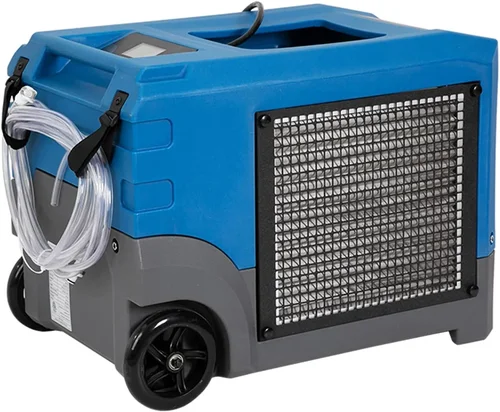
Dehumidifiers are no longer just a luxury for humid climates—they’ve become essential appliances for maintaining healthy indoor air quality, protecting your home from mold and mildew, and improving comfort year-round. Among the most versatile and effective models on the market today are 60-pint dehumidifiers. These units strike a powerful balance between capacity and practicality, making them ideal for basements, large living areas, garages, and even whole-home applications when used strategically. Whether you’re dealing with persistent dampness after a rainy season or trying to keep your finished basement dry and livable, a 60-pint dehumidifier can make a dramatic difference.
But with dozens of models from various brands—each boasting different features, energy ratings, noise levels, and price points—choosing the right one can feel overwhelming. That’s where this expert buying guide comes in. We’ve spent hundreds of hours researching, testing, and analyzing the latest 60-pint dehumidifiers to help you cut through the marketing noise and make an informed decision. In this comprehensive guide, you’ll learn exactly what to look for, how to avoid common pitfalls, and which models deliver the best performance for your specific needs. From understanding key specifications like Energy Factor (EF) and coverage area to comparing smart features and build quality, we’ll cover every critical detail.
The market for 60-pint dehumidifiers has evolved significantly in recent years. Once dominated by bulky, inefficient units that sounded like jet engines, today’s models offer sleek designs, whisper-quiet operation, Wi-Fi connectivity, and advanced humidity-sensing technology—all while consuming less energy than ever before. Brands like Frigidaire, hOmeLabs, GE, Midea, and Tosot have raised the bar with innovative features such as auto-defrost, continuous drainage, and programmable timers. At the same time, budget-friendly options have improved dramatically, offering solid performance without breaking the bank. Whether you’re a first-time buyer or upgrading from an older unit, this guide will equip you with the knowledge to choose a dehumidifier that fits your space, lifestyle, and budget perfectly.

What to Look for When Buying a 60 Pint Dehumidifier
1. Performance Specifications
When evaluating a 60-pint dehumidifier, performance specs are your first line of defense against disappointment. The “60-pint” rating refers to how much moisture the unit can remove in a 24-hour period under standard test conditions (80°F and 60% relative humidity). However, real-world performance can vary based on temperature and humidity levels. For example, in cooler basements (below 65°F), many compressors struggle to operate efficiently unless the unit includes an auto-defrost feature.
Look closely at the Energy Factor (EF), measured in liters of water removed per kilowatt-hour (L/kWh). The Department of Energy requires all dehumidifiers to meet minimum EF standards, but higher numbers mean better efficiency. A good 60-pint model should have an EF of at least 1.8 L/kWh—some premium models exceed 2.0. Also check the coverage area: most 60-pint units handle 1,500 to 4,000 square feet, depending on humidity severity. If your space is particularly damp or poorly ventilated, lean toward the higher end of that range.
2. Build Quality & Durability
A dehumidifier isn’t a disposable appliance—it’s a long-term investment in your home’s health. Cheap plastic housings, flimsy casters, and thin internal components may save money upfront but often lead to premature failure. Look for units with sturdy, high-impact ABS or polypropylene shells, reinforced coils, and corrosion-resistant coatings—especially important if you’re placing it in a damp basement or garage.
Internal components matter just as much. Copper coils are more durable and efficient than aluminum, and sealed compressors tend to last longer than open-frame designs. Pay attention to the filter: washable, reusable filters are eco-friendly and cost-effective, while disposable ones add recurring expenses. Some models even include antimicrobial filters to inhibit mold growth on the filter itself.
3. Features & Functionality
Modern 60-pint dehumidifiers come packed with features that go far beyond basic moisture removal. The most useful include:
– Auto-Humidistat: Allows you to set a target humidity level (e.g., 45%) and automatically turns the unit on/off to maintain it.
– Continuous Drainage: Lets you connect a garden hose so water empties directly into a floor drain or sump pump—no more manual bucket emptying.
– Auto-Defrost: Essential for cold environments; prevents ice buildup on coils when temperatures drop below 65°F.
– Programmable Timer: Schedule operation during off-peak hours or when you’re away.
– Wi-Fi & Smart Controls: Top-tier models let you monitor and adjust settings via smartphone apps (e.g., Frigidaire’s SmartHQ or Midea’s M-Smart).
– Multi-Speed Fans: Lower speeds reduce noise and energy use; higher speeds boost dehumidification in high-humidity conditions.
While not every feature is necessary, prioritize those that match your usage patterns. For example, if you travel frequently, remote monitoring might be worth the extra cost.
4. Noise Level & Operational Comfort
Nobody wants a dehumidifier that sounds like a vacuum cleaner running all day. Noise is measured in decibels (dB), and most 60-pint units range from 45 dB to 55 dB on low speed—comparable to a quiet conversation or refrigerator hum. However, some budget models can hit 60+ dB on high, which becomes intrusive in living spaces.
Look for units with insulated compressor compartments, vibration-dampening mounts, and variable-speed fans. Reading user reviews about noise is crucial—manufacturer specs often understate real-world sound levels. If you plan to run the unit in a bedroom or home office, aim for sub-50 dB operation.
5. Size, Weight & Portality
Despite their capacity, many 60-pint dehumidifiers are surprisingly compact. Typical dimensions hover around 15″ W x 11″ D x 24″ H, with weights between 40 and 55 pounds. That’s manageable for most adults, but consider portability features:
– Recessed handles make lifting easier.
– Smooth-rolling casters allow effortless movement across concrete or carpet.
– Top-mounted control panels prevent bending over to adjust settings.
If you’ll be moving the unit between floors or rooms frequently, prioritize lightweight designs with robust wheels. Some models even include carrying straps or foldable handles.
6. Energy Efficiency & Operating Costs
Running a dehumidifier 24/7 can add $30–$60 per month to your electricity bill, depending on local rates and usage. Energy Star-certified models use up to 15% less energy than standard units and often qualify for utility rebates. Check the yellow EnergyGuide label for estimated annual operating cost.
Beyond certification, look for inverter-driven compressors (found in premium models), which adjust output based on demand rather than cycling on/off—this reduces wear and saves energy. Also consider the defrost method: hot-gas defrost is more efficient than electric defrost in cold climates.
7. Brand Reputation & Reliability
Not all brands are created equal. Established names like Frigidaire, GE, and Midea have decades of experience in climate control and generally offer better engineering, customer service, and parts availability. Emerging brands like hOmeLabs and Tosot have gained traction with competitive pricing and modern designs but may lack long-term reliability data.
Research brand-specific issues: some users report compressor failures in certain Midea models after 2–3 years, while Frigidaire’s longer warranty periods inspire confidence. Check forums like Reddit’s r/Appliances or Consumer Affairs for real-user experiences.
8. Warranty & Customer Support
A dehumidifier should last 5–10 years with proper maintenance. Warranty terms reflect manufacturer confidence. Aim for at least a 1-year full warranty and 2–5 years on the compressor—the most expensive component to replace. Frigidaire and GE often offer 2-year comprehensive coverage, while some budget brands cap warranties at 1 year.
Equally important is customer support. Can you easily reach a human? Are replacement parts (filters, hoses, wheels) readily available? Read support reviews before buying—poor service can turn a minor issue into a major headache.
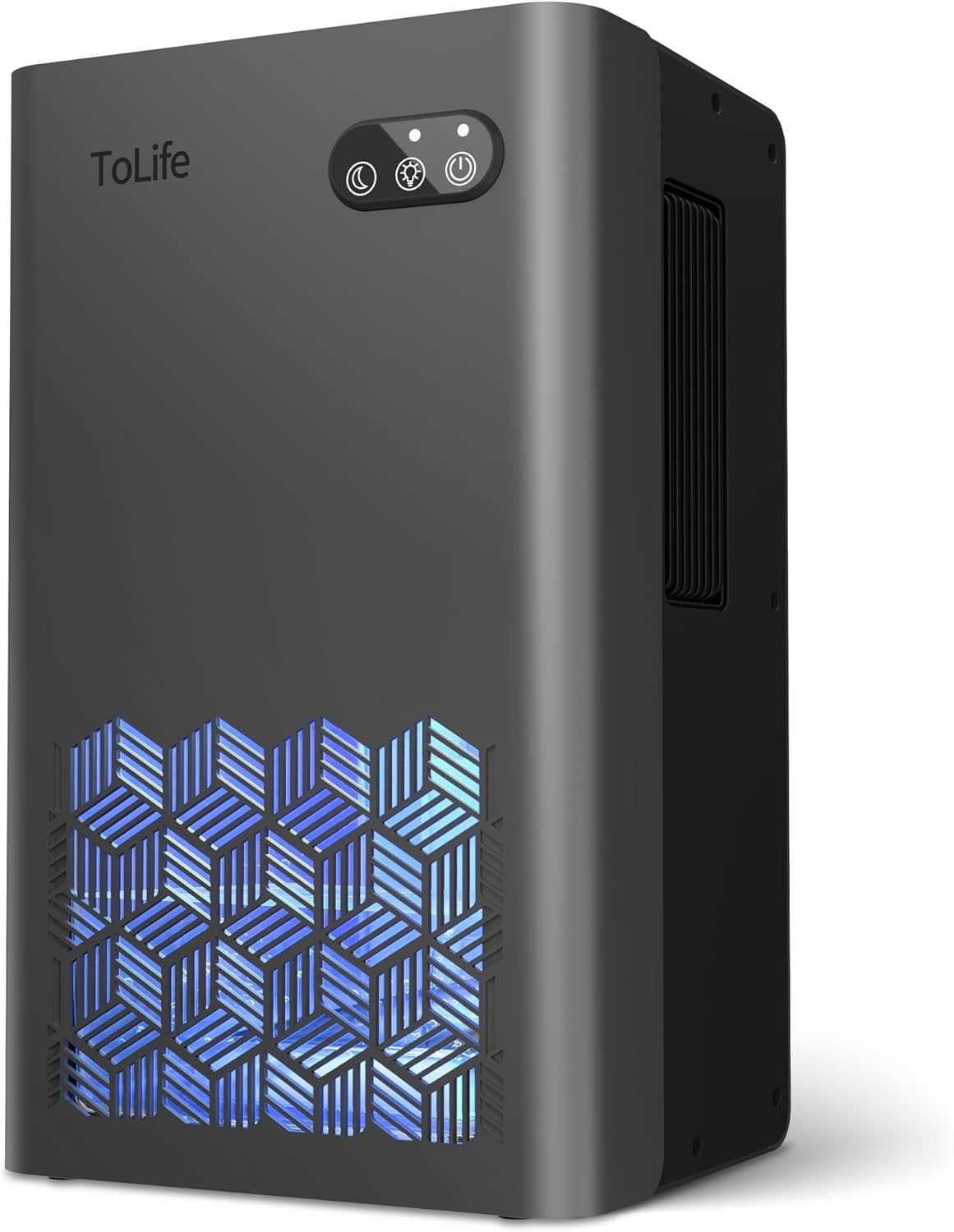
Different Types of 60 Pint Dehumidifiers
Common Buying Mistakes to Avoid
❌ Mistake: Ignoring Room Temperature Requirements
Why it’s bad: Most standard dehumidifiers stop working efficiently below 65°F. If your basement is cool (common in winter), the coils can ice up, causing the unit to shut down or cycle constantly.
What to do instead: Always choose a model with auto-defrost functionality if your space drops below 65°F. Inverter models often handle cold better than traditional compressors.
❌ Mistake: Overlooking Drainage Options
Why it’s bad: Emptying a 16–20 pint bucket every 8–12 hours is tedious and easy to forget—leading to overflow and potential water damage.
What to do instead: Opt for a unit with a built-in pump or continuous drain hose outlet. Even if you don’t use it immediately, having the option future-proofs your purchase.
❌ Mistake: Buying Based Solely on Price
Why it’s bad: The cheapest 60-pint dehumidifier may lack essential features like auto-humidistat or defrost, leading to poor performance and higher long-term costs.
What to do instead: Set a realistic budget ($250–$450 is typical for quality models) and prioritize features that match your needs over upfront savings.
❌ Mistake: Neglecting Filter Maintenance
Why it’s bad: A clogged filter restricts airflow, reduces efficiency, and forces the compressor to work harder—shortening its lifespan.
What to do instead: Choose a model with a washable, reusable filter and clean it monthly. Some units even alert you when maintenance is due.
❌ Mistake: Assuming All 60-Pint Units Are Equal
Why it’s bad: Two 60-pint dehumidifiers can perform very differently based on EF rating, fan design, and coil quality.
What to do instead: Compare Energy Factor, noise levels, and real-user reviews—not just the pint rating.
❌ Mistake: Skipping the Warranty Check
Why it’s bad: Compressor failures are common after 2–3 years. Without adequate coverage, repairs can cost nearly as much as a new unit.
What to do instead: Always verify warranty length and terms before purchasing. Register your product immediately after setup.
❌ Mistake: Placing the Unit Incorrectly
Why it’s bad: Blocking airflow with walls, furniture, or curtains reduces efficiency and increases runtime.
What to do instead: Place the dehumidifier at least 6–12 inches from walls, in a central location with good air circulation.
Budget Guidelines: How Much Should You Spend?
Entry-Level ($180–$280): These models offer basic 60-pint capacity with minimal features—often lacking auto-defrost, continuous drain, or precise humidity control. Best for occasional use in warm, moderately humid spaces. Expect shorter lifespans (3–5 years) and higher noise levels. Brands like Tosot and some Amazon Basics models fall here.
Mid-Range ($280–$400): This is the sweet spot for most homeowners. Units in this tier include auto-humidistats, continuous drainage, auto-defrost, and Energy Star certification. Brands like hOmeLabs, GE, and Frigidaire offer excellent reliability and features without premium pricing. Ideal for basements, crawl spaces, and large rooms.
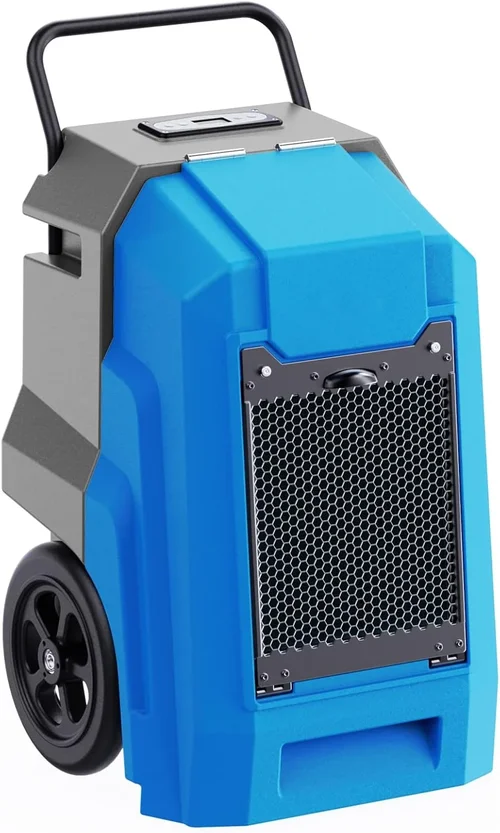
Premium ($400–$600): Designed for demanding environments and tech enthusiasts. These models feature inverter compressors, Wi-Fi connectivity, multi-stage filtration, and whisper-quiet operation (<48 dB). Midea U-Shaped Inverter and Frigidaire Gallery series excel here. Perfect for whole-home dehumidification or smart home integration. Luxury ($600+): Commercial-grade units built for 24/7 operation in flood zones, workshops, or industrial settings. Expect heavy-duty steel cabinets, internal condensate pumps, and extended warranties (up to 5 years). Not necessary for typical residential use but invaluable for professionals.
Expert Tips for Getting the Best Deal
– Buy in Spring: Retailers often discount dehumidifiers in March–May before humidity peaks. Avoid summer rush when prices rise and stock dwindles.
– Check Utility Rebates: Many energy companies offer $25–$100 rebates for Energy Star dehumidifiers. Visit dsireusa.org to find programs in your area.
– Shop Refurbished: Certified refurbished models from manufacturers (e.g., Frigidaire Renewed) can save 20–30% with full warranties.
– Compare Online vs. In-Store: Online retailers (Amazon, Home Depot, Lowe’s) often have better prices and return policies, but in-store allows you to inspect build quality.
– Read Return Policies: Ensure you can return the unit within 30–90 days if it doesn’t meet expectations. Some stores charge restocking fees.
– Test Before Committing: Run the unit for a week. Check noise, drainage ease, and humidity consistency. Most issues become apparent quickly.
– Bundle with Accessories: Some sellers include hoses, filters, or extension cords—factor these into total value.
– Register Immediately: Activate your warranty online within 10 days to ensure full coverage.

Frequently Asked Questions
Q: Can a 60-pint dehumidifier handle my entire house?
A: Not typically. While it can manage large open-plan areas up to 4,000 sq ft, whole-home dehumidification usually requires ducted systems or multiple units. For multi-story homes, place one per level or in the most humid zone (often the basement).
Q: How often should I empty the bucket?
A: With a full 16–20 pint bucket, expect to empty it every 8–12 hours in high humidity. Use continuous drainage or a pump to avoid manual emptying.
Q: Is a 60-pint dehumidifier too big for a 1,000 sq ft basement?
A: Not necessarily. If the space is very damp (e.g., after flooding or in a rainy climate), a 60-pint unit will work faster and cycle less than a smaller model. Oversizing slightly improves efficiency.
Q: Do I need a dehumidifier in winter?
A: Yes—if your basement stays above 50°F and feels damp. Cold air holds less moisture, so condensation can still form on walls and windows. Choose a cold-climate model with auto-defrost.
Q: How much electricity does a 60-pint dehumidifier use?
A: On average, 600–800 watts per hour. At $0.13/kWh, running it 12 hours/day costs about $28–$37/month. Energy Star models reduce this by 15–20%.
Q: Can I use a dehumidifier with central HVAC?
A: Absolutely. It complements your AC by removing moisture more efficiently, allowing you to set the thermostat higher and save energy.
Q: What’s the ideal indoor humidity level?
A: Between 30% and 50%. Below 30%, air becomes dry and irritating; above 50%, mold and dust mites thrive. Use a hygrometer to monitor.
Q: Are portable dehumidifiers effective?
A: Yes—60-pint models are designed to be moved. Just ensure they have sturdy wheels and handles for easy relocation.
Q: How do I clean my dehumidifier?
A: Unplug it, remove and rinse the filter monthly, wipe the bucket with mild soap, and vacuum dust from vents quarterly. Never use harsh chemicals.
Q: Will a dehumidifier help with allergies?
A: Definitely. By reducing mold, dust mites, and mildew—common allergens—it can significantly improve indoor air quality and respiratory comfort.
Our Final Recommendations
Best for Budget-Conscious Buyers: hOmeLabs 60 Pint Dehumidifier
Priced under $300, this model delivers reliable performance, auto-defrost, continuous drain, and a washable filter. It’s Energy Star certified and ideal for basements up to 3,000 sq ft. While slightly louder than premium models (52 dB), it offers exceptional value.
Best Overall Value: Frigidaire FFAD6022W1
With a 2-year warranty, ultra-quiet operation (47 dB), and precise humidity control, this unit balances price, performance, and durability. Its sleek design and intuitive controls make it a favorite among homeowners.
Best Premium Option: Midea U-Shaped Inverter Dehumidifier (60 Pint)
Revolutionary inverter technology cuts energy use by up to 40% and operates as low as 45 dB. Wi-Fi enabled via M-Smart app, it’s perfect for tech lovers and energy-conscious users. Handles cold basements effortlessly.
Best for Beginners: GE APER60LW
Simple controls, clear display, and reliable performance make this a great entry point. Includes auto-restart after power outages and a 2-year warranty. Easy to set up and maintain.
Best for Advanced Users: Tosot 60 Pint Smart Dehumidifier
Packed with features: app control, voice assistant compatibility, internal pump, and multi-stage filtration. Ideal for those who want granular control and smart home integration without paying luxury prices.
Conclusion: Making the Right Choice
Choosing the best 60-pint dehumidifier isn’t just about picking the most powerful or cheapest model—it’s about finding the right balance of performance, efficiency, features, and reliability for your unique situation. Whether you’re battling a chronically damp basement, protecting valuable belongings in a garage, or simply improving your home’s comfort, the right dehumidifier can transform your living environment.
Remember to prioritize your must-have features: if you hate emptying buckets, invest in continuous drainage. If noise bothers you, opt for sub-50 dB operation. And always consider long-term costs—energy efficiency and warranty coverage matter far more than a $50 upfront savings.
Take the time to assess your space, read real user reviews, and compare models using the criteria outlined in this guide. With the knowledge you’ve gained here, you’re now equipped to make a confident, informed decision. Your healthier, drier, more comfortable home is just one smart purchase away.