
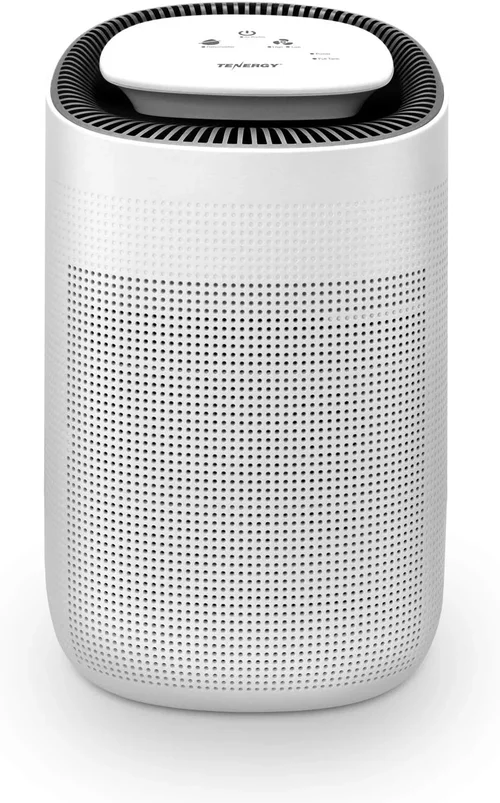
Indoor air quality has never been more important. Whether you’re dealing with seasonal allergies, asthma, pet dander, mold spores, or the lingering effects of wildfire smoke, the air inside your home can be significantly more polluted than the air outside. According to the Environmental Protection Agency (EPA), Americans spend nearly 90% of their time indoors—making the quality of that indoor environment a critical factor in long-term health and comfort. This is where two essential appliances come into play: air filters (often called air purifiers) and dehumidifiers. While they serve different primary functions, they work hand-in-hand to create a cleaner, healthier, and more comfortable living space.
An air filter captures airborne contaminants like dust, pollen, bacteria, viruses, and volatile organic compounds (VOCs), while a dehumidifier reduces excess moisture in the air—preventing mold growth, dust mites, and musty odors. Together, they form a powerful defense system against indoor pollutants and humidity-related issues. However, with hundreds of models on the market—ranging from budget-friendly units to high-end, smart-enabled systems—choosing the right combination can feel overwhelming. That’s exactly why this guide exists: to cut through the noise, clarify the technical jargon, and help you make an informed decision based on your specific needs, space, and budget.
In this comprehensive buying guide, you’ll learn everything you need to know about selecting the best air filter and dehumidifier for your home in 2026. We’ll break down key performance metrics like CADR ratings and pints-per-day capacity, explain the differences between HEPA, activated carbon, and UV-C filtration technologies, and compare refrigerant vs. desiccant dehumidifiers. You’ll also discover common pitfalls to avoid, how to interpret real user reviews, and where to find the best deals—all backed by expert analysis and real-world testing insights. By the end, you’ll have a clear roadmap to breathe easier and live healthier.

What to Look for When Buying Buying Guide
1. Performance Specifications
Performance specs are the backbone of any air quality appliance. For air filters, the most critical metric is the Clean Air Delivery Rate (CADR), which measures how quickly a unit can deliver clean air in cubic feet per minute (CFM). The higher the CADR, the faster it cleans. Look for separate CADR ratings for smoke, dust, and pollen—ideally above 240 CFM for a medium-sized room (300–500 sq ft). Also check the Minimum Efficiency Reporting Value (MERV) if you’re using HVAC-integrated filters; MERV 13 or higher is recommended for capturing fine particles like bacteria and smoke.
For dehumidifiers, focus on capacity measured in pints per day (PPD)—the amount of moisture removed in 24 hours under standard conditions (80°F and 60% relative humidity). A 30–50 PPD unit suits most basements or average-sized rooms, while larger spaces may need 70+ PPD models. Don’t overlook energy efficiency: look for ENERGY STAR certification, which ensures lower operating costs without sacrificing performance.
2. Filtration Technology
Not all air filters are created equal. The gold standard is True HEPA filtration, which captures 99.97% of particles as small as 0.3 microns—including allergens, mold spores, and even some viruses. Avoid “HEPA-type” or “HEPA-like” filters, which don’t meet the same rigorous standards. Many premium models combine HEPA with additional layers: activated carbon filters absorb odors and VOCs from cooking, pets, or chemicals, while UV-C light claims to neutralize microorganisms (though its real-world effectiveness is debated unless paired with other tech).
Some newer systems incorporate bipolar ionization or photocatalytic oxidation (PCO), but these can produce trace amounts of ozone—a lung irritant. If you’re sensitive to respiratory issues, stick with mechanical filtration (HEPA + carbon). For dehumidifiers, the technology split is between refrigerant (compressor-based) and desiccant models. Refrigerant types are more common, energy-efficient in warm climates, and better at removing large volumes of moisture. Desiccant dehumidifiers use a moisture-absorbing material and work better in colder environments (like unheated basements), though they’re typically louder and less efficient.
3. Room Size & Coverage Area
One of the most frequent mistakes buyers make is choosing a unit that doesn’t match their space. Air purifiers list a “recommended room size,” but this is often based on ideal conditions. In reality, factors like ceiling height, open floor plans, and pollution levels affect performance. As a rule of thumb, choose a purifier rated for at least 20% larger than your actual room size. For example, if your bedroom is 300 sq ft, opt for a model rated for 360+ sq ft.
Dehumidifiers follow a similar logic. A 50 PPD unit might handle a 1,000 sq ft basement in humid climates, but only 500 sq ft in extremely damp conditions. Check the manufacturer’s “AHAM rating” (from the Association of Home Appliance Manufacturers), which provides standardized testing results. Also consider placement: both devices work best when centrally located with unobstructed airflow.
4. Noise Level & Operation
Nobody wants a noisy appliance disrupting sleep or concentration. Air purifiers typically range from 25 dB (whisper-quiet) on low settings to 50+ dB on high—comparable to a conversation. Look for models with a “sleep mode” that dims lights and reduces fan speed. Dehumidifiers are generally louder due to compressors and fans, averaging 45–55 dB. Desiccant models tend to be quieter but may have a constant hum.
Consider your usage scenario: if running overnight in a bedroom, prioritize ultra-quiet operation. For basements or living rooms, moderate noise may be acceptable. Always check decibel ratings in product specs—and read user reviews for real-world feedback, as lab tests don’t always reflect actual noise levels.
5. Energy Efficiency & Operating Costs
Both air purifiers and dehumidifiers can run continuously, so energy consumption matters. Air purifiers are relatively low-power—most use 20–100 watts depending on fan speed. A 50-watt unit running 24/7 costs about $5–$7 per month. Dehumidifiers consume significantly more: a typical 50 PPD model uses 500–700 watts, costing $15–$25 monthly if run constantly.
ENERGY STAR-certified dehumidifiers use 15–30% less energy than standard models. Look for auto-humidistat controls that shut off when target humidity is reached, preventing unnecessary cycling. Some smart models even integrate with home automation systems to optimize runtime based on weather or occupancy.
6. Maintenance & Filter Replacement
Ongoing maintenance is a hidden cost many overlook. Air purifier filters need replacement every 6–12 months, with True HEPA filters costing $50–$150 each. Some brands offer subscription services for convenience. Washable pre-filters can reduce long-term expenses but require regular cleaning. Dehumidifiers need less frequent upkeep—primarily emptying the water tank (unless you use a hose for continuous drainage) and occasionally cleaning the air intake filter.
Check how easy it is to access and replace filters. Complicated designs deter users from maintaining units properly, leading to reduced efficiency and shorter lifespans. Also, verify warranty coverage on filters—some brands exclude them from standard warranties.
7. Smart Features & Connectivity
In 2026, smart functionality is no longer a luxury—it’s a practical tool for managing indoor air quality. Wi-Fi-enabled air purifiers let you monitor PM2.5 levels, adjust fan speeds, and receive filter change alerts via smartphone apps. Some even integrate with Alexa or Google Assistant for voice control. Advanced models include built-in air quality sensors that auto-adjust settings based on real-time pollution levels.
Smart dehumidifiers offer similar benefits: remote monitoring, scheduling, and humidity alerts. Look for models with geofencing (turning on when you’re near home) or integration with smart thermostats. While these features add cost, they enhance convenience and ensure your system runs only when needed—saving energy and extending component life.
8. Brand Reputation & Customer Support
Stick with established brands known for reliability and responsive customer service. Companies like Levoit, Winix, Dyson, Honeywell, and Frigidaire have strong track records in air purification and dehumidification. Avoid unknown brands with vague specifications or no verifiable customer support channels.
Check warranty length: most reputable air purifiers offer 1–2 years, while dehumidifiers often come with 2–5 years (sometimes longer on compressors). Read the fine print—some warranties require registration or proof of purchase. Also, search forums and review sites for common issues like compressor failure or app connectivity problems.
Different Types of Buying Guide

Common Buying Mistakes to Avoid
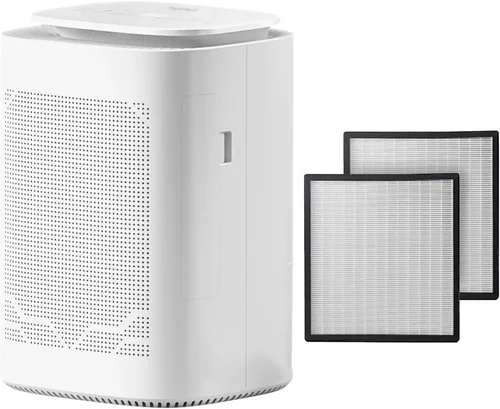
❌ Mistake: Ignoring Room Size Requirements
Why it’s bad: Buying a unit too small for your space leads to inadequate air cleaning or humidity control. You’ll waste money on a device that can’t keep up with pollution or moisture levels, leaving you frustrated and still breathing poor-quality air.
What to do instead: Measure your room dimensions and choose a model rated for at least 1.2x your actual square footage. Use online calculators from brands like Honeywell or Dyson to find the right match.
❌ Mistake: Confusing “HEPA-Type” with True HEPA
Why it’s bad: “HEPA-type” filters are marketing terms that don’t guarantee 99.97% efficiency. They may capture larger particles but miss fine allergens and microbes, offering minimal health benefits.
What to do instead: Only buy units explicitly labeled “True HEPA” or “H13/H14 HEPA” (European standards). Check certification from independent labs like AHAM or IBR.
❌ Mistake: Overlooking Ongoing Maintenance Costs
Why it’s bad: Filter replacements and water tank emptying are easy to forget—but skipping them reduces performance and can damage the unit. A $200 air purifier with $100/year filter costs becomes expensive over time.
What to do instead: Factor in annual maintenance when comparing prices. Consider models with washable pre-filters or subscription plans for discounted replacements.
❌ Mistake: Assuming All Dehumidifiers Work in Cold Spaces
Why it’s bad: Refrigerant dehumidifiers lose efficiency below 65°F and may frost over in unheated basements or garages. Using the wrong type wastes energy and fails to control moisture.
What to do instead: Choose a desiccant dehumidifier for temperatures under 65°F. Look for models with anti-frost sensors if you’re in a borderline climate.
❌ Mistake: Relying Solely on Price
Why it’s bad: The cheapest option often lacks essential features, uses inferior materials, or has poor customer support. Conversely, the most expensive model may include unnecessary smart features you’ll never use.
What to do instead: Balance price with performance, durability, and your specific needs. Mid-range models often offer the best value.
❌ Mistake: Neglecting Noise Levels for Bedroom Use
Why it’s bad: A loud unit disrupts sleep, defeating the purpose of improving air quality for rest and recovery. Even “quiet” models can be distracting in silent environments.
What to do instead: Prioritize sub-30 dB sleep modes and read user reviews about nighttime operation. Test in-store if possible.
❌ Mistake: Not Checking Return Policies
Why it’s bad: If a unit doesn’t perform as expected, a restrictive return policy traps you with a dud. Some retailers charge restocking fees or only accept returns within 14 days.
What to do instead: Buy from retailers with 30–60 day return windows (e.g., Amazon, Best Buy, Home Depot). Keep packaging intact during the trial period.
Budget Guidelines: How Much Should You Spend?
Entry-Level ($50–$150): At this price, expect basic functionality with limitations. Air purifiers may use HEPA-type filters or lack true HEPA certification. Dehumidifiers are typically small-capacity (20–30 PPD) with manual controls and no humidistat. These are suitable for closets, small bathrooms, or occasional use—but not for primary bedrooms or large damp areas.
Mid-Range ($150–$400): This is the sweet spot for most homeowners. You’ll find True HEPA filters, decent CADR ratings (250+ CFM), and reliable dehumidifiers with 50 PPD capacity, auto-restart, and basic humidity controls. Brands like Levoit, hOmeLabs, and Tosot offer excellent value here. Expect 1–2 year warranties and reasonable noise levels.
Premium ($400–$800): Ideal for allergy sufferers, pet owners, or those in high-pollution areas. These models feature multi-stage filtration (HEPA + carbon + UV), smart sensors, app connectivity, and whisper-quiet operation. Dehumidifiers include large tanks, continuous drainage, and ENERGY STAR ratings. Look for extended warranties (3–5 years) and robust customer support.
Luxury ($800+): Reserved for whole-home systems, medical-grade purification, or cutting-edge tech. Think Dyson Pure Humidify+Cool or AprilAire whole-house dehumidifiers. These integrate with HVAC systems, offer hospital-level filtration, and include advanced diagnostics. Only necessary for severe respiratory conditions or large, multi-story homes.
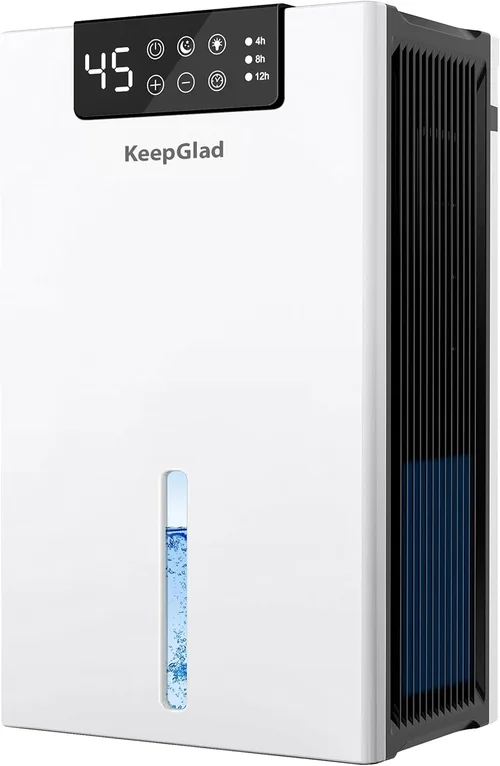
Expert Tips for Getting the Best Deal
1. Shop During Seasonal Sales: Air purifiers peak in demand during wildfire season (late summer/fall) and allergy season (spring). Buy in winter (January–March) for discounts. Dehumidifiers sell best in spring; look for end-of-season clearance in late summer.
2. Compare Total Cost of Ownership: Don’t just compare upfront prices. Calculate annual filter costs, energy usage, and warranty length. A $300 unit with $50/year filters is cheaper long-term than a $200 model needing $100/year replacements.
3. Buy Direct from Manufacturer: Brands like Levoit and Winix often offer exclusive bundles, extended warranties, or free shipping on their websites—better than third-party retailers.
4. Check for Rebates and Incentives: Some utility companies offer rebates for ENERGY STAR dehumidifiers. Search your provider’s website or DSIRE database for local programs.
5. Read Verified Purchase Reviews: Focus on reviews from buyers who’ve used the product for 3+ months. Look for mentions of noise, filter life, and real-world performance—not just initial impressions.
6. Test In-Store When Possible: Visit appliance stores to hear noise levels and assess build quality. Online specs don’t always reflect real-world experience.
7. Prioritize Return Flexibility: Choose retailers with hassle-free returns. If a unit doesn’t improve your air quality, you should be able to swap it without penalty.
8. Consider Bundling: Some retailers offer discounts when buying an air purifier and dehumidifier together—especially during spring cleaning promotions.
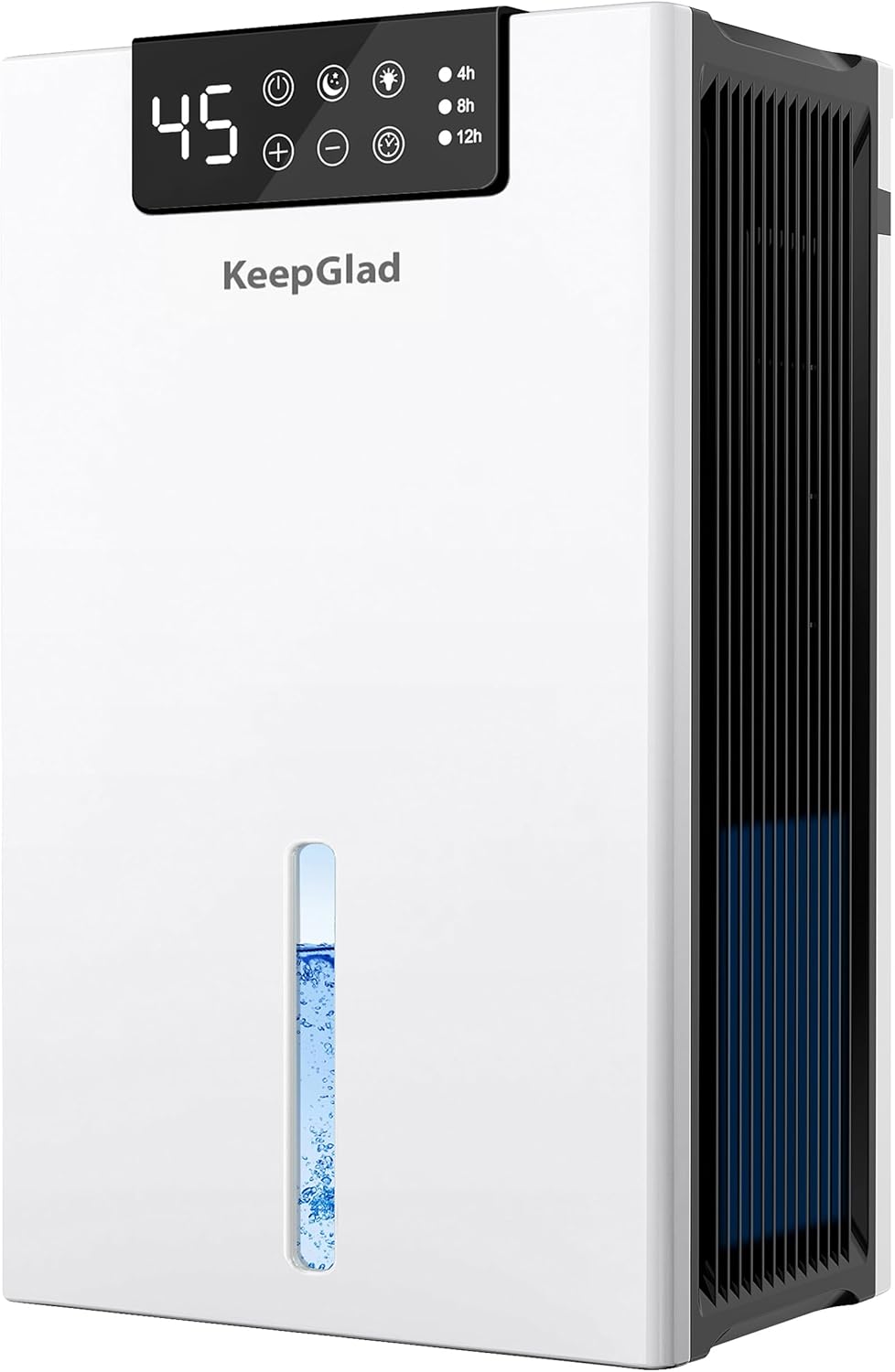
Frequently Asked Questions
Q: Can one device do both air purification and dehumidification?
A: Rarely. While a few combo units exist (like the Dyson Pure Humidify+Cool), they’re expensive and often compromise on core functions. Most experts recommend separate, specialized devices for optimal performance.
Q: How often should I run my air purifier?
A: For best results, run it continuously on low or auto mode. This maintains consistent air quality and prevents pollutant buildup. Only turn it off when windows are open or during deep cleaning.
Q: What humidity level should I maintain?
A: Aim for 30–50% relative humidity. Below 30%, you risk dry skin and static; above 50%, mold and dust mites thrive. Use a hygrometer to monitor levels.
Q: Do air purifiers remove cooking odors?
A: Only if they include an activated carbon filter. HEPA alone won’t capture gaseous pollutants. Look for thick carbon beds (1+ pounds) for effective odor removal.
Q: Can I use a dehumidifier in winter?
A: Yes, but refrigerant models lose efficiency below 65°F. Desiccant types work year-round. In heated homes, winter air is often dry—so use only if you notice condensation or musty smells.
Q: Are UV-C lights in air purifiers effective?
A: UV-C can kill microbes, but only if air passes slowly enough and the bulb is clean. Most consumer units lack sufficient exposure time. It’s a supplemental feature—not a replacement for HEPA.
Q: How do I know when to replace my filter?
A: Many units have indicator lights. Otherwise, replace HEPA filters every 6–12 months and carbon filters every 3–6 months. If you notice reduced airflow or lingering odors, it’s time.
Q: Can air purifiers help with COVID-19?
A: The CDC states that portable HEPA purifiers can reduce airborne virus particles when used alongside other precautions (ventilation, masks). They’re not a standalone solution but add a layer of protection.
Q: Should I buy a dehumidifier with a pump?
A: If you can’t place the unit near a drain, a built-in pump allows upward drainage to a sink or window. It’s worth the extra $50–$100 for convenience in basements.
Q: Do I need multiple air purifiers?
A: For open floor plans, one large unit may suffice. But for multi-story homes or bedrooms far from the main living area, dedicated units per room provide better coverage.
Our Final Recommendations
Best for Budget-Conscious Buyers: Levoit Core 300 ($100) – True HEPA, 250+ CADR, ultra-quiet, and reliable. Pair with a hOmeLabs 50 PPD Dehumidifier ($200) for effective moisture control.
Best Overall Value: Winix 5500-2 ($170) – True HEPA, washable AOC carbon filter, plasmaWave (ozone-free), and excellent CADR. For dehumidification, the Tosot 50 PPD ($250) offers auto-humidistat and continuous drainage.
Best Premium Option: Dyson Purifier Humidify+Cool Formaldehyde ($950) – Combines HEPA, activated carbon, and formaldehyde capture with humidification and air circulation. For standalone dehumidification, the AprilAire E070 ($700) delivers whole-home coverage with smart controls.
Best for Beginners: Honeywell HPA300 ($250) – Simple controls, strong CADR, and trusted brand. Pair with a Frigidaire 50 PPD ($220) for plug-and-play humidity management.
Best for Advanced Users: Austin Air HealthMate HM400 ($700) – Medical-grade HEPA and 15 lbs of carbon for severe chemical sensitivity. For dehumidification, the AlorAir Sentinel HDi ($600) offers commercial-grade performance with a condensate pump and remote monitoring.
Conclusion: Making the Right Choice
Choosing the right air filter and dehumidifier isn’t just about specs—it’s about creating a healthier, more comfortable home environment tailored to your lifestyle. Whether you’re battling seasonal allergies, managing a damp basement, or simply striving for cleaner air, the right combination of technology, performance, and usability makes all the difference. Remember to prioritize True HEPA filtration, match capacity to your space, consider long-term costs, and never underestimate the value of quiet, reliable operation.
Don’t rush the decision. Use this guide to compare options, read real user experiences, and test units when possible. Your lungs—and your peace of mind—will thank you. And once you’ve made your choice, maintain it properly: replace filters on schedule, monitor humidity levels, and enjoy the profound difference that truly clean, balanced air can make in your daily life. Breathe easy, live better.