
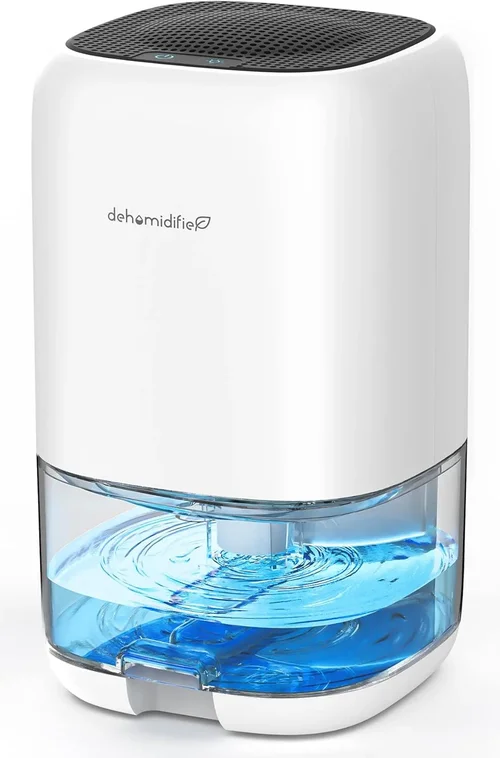
If you’ve ever walked into a basement that smells like old socks, noticed mold creeping along bathroom walls, or felt that sticky, heavy air that makes summer feel unbearable—you already know why dehumidifiers matter. These unassuming appliances do more than just pull moisture from the air; they protect your home, improve indoor air quality, and can even help lower energy bills by making your HVAC system work more efficiently. But with so many models flooding the market in 2026—from compact under-$100 units to smart-enabled, whole-home systems costing over $1,000—choosing the right one can feel overwhelming. That’s exactly why this guide exists: to cut through the noise, clarify the jargon, and help you find the most economical and effective dehumidifier for your specific needs.
In this comprehensive buying guide, you’ll learn how to evaluate dehumidifiers based on real-world performance, not just flashy marketing claims. We’ll break down the key factors that actually impact efficiency and value—like pint capacity, energy consumption, noise levels, and smart features—and show you how to match those specs to your space and lifestyle. Whether you’re tackling a damp crawl space, managing humidity in a humid climate, or simply trying to breathe easier at home, we’ve got you covered. You’ll also discover common pitfalls to avoid, budget-friendly options that don’t sacrifice quality, and expert-backed tips to get the best deal. By the end, you won’t just know which dehumidifier to buy—you’ll understand why it’s the right choice for you.
The dehumidifier market in 2026 is more diverse than ever. Traditional refrigerant (compressor-based) models dominate the mid-to-low price range, while desiccant dehumidifiers are gaining traction for their quiet operation and effectiveness in cooler temperatures. Smart connectivity, auto-defrost functions, and eco-friendly refrigerants are now standard even in budget units. Meanwhile, whole-home integrated systems are becoming more accessible for homeowners looking to solve humidity issues at the source. With rising concerns about indoor air quality, mold prevention, and energy efficiency, investing in a reliable dehumidifier isn’t just a luxury—it’s a smart, long-term decision for health and home preservation.

What to Look for When Buying Buying Guide
1. Pint Capacity & Coverage Area
Pint capacity refers to how much moisture a dehumidifier can remove from the air in 24 hours under standard testing conditions (typically 60% relative humidity at 80°F). This number is crucial because it directly correlates with the size of the space the unit can effectively manage. For example, a 30-pint model is generally suitable for areas up to 1,500 square feet, while a 50-pint unit can handle up to 3,000 square feet. However, don’t rely solely on manufacturer claims—real-world performance often varies based on temperature, humidity levels, and airflow.
When evaluating capacity, consider both the square footage of your space and the severity of the moisture problem. A damp basement with standing water or frequent condensation will need a higher-capacity unit than a mildly humid bathroom. Also, note that “pints per day” ratings are often measured under ideal lab conditions. In cooler environments (below 65°F), compressor-based dehumidifiers lose efficiency, so you may need to size up. Always check the product’s coverage area specification and cross-reference it with user reviews to see if it performs as advertised in real homes.
2. Energy Efficiency & Operating Cost
Since dehumidifiers run for hours—or even continuously—in many homes, energy consumption directly impacts long-term cost. Look for models with the ENERGY STAR® certification, which indicates they meet strict efficiency guidelines set by the U.S. Environmental Protection Agency. ENERGY STAR dehumidifiers use 15–30% less energy than standard models, which can save you $20–$50 per year on electricity, depending on usage and local rates.
The Energy Factor (EF) rating, measured in liters of water removed per kilowatt-hour (L/kWh), is another useful metric. Higher EF values mean better efficiency. For instance, a unit with an EF of 1.8 is more efficient than one with 1.5. Also, consider features like auto-humidistat controls, which turn the unit off when the desired humidity level is reached, preventing unnecessary runtime. Some advanced models even include timers and sleep modes to further reduce energy use. Over a 5–10 year lifespan, these small efficiencies add up to significant savings.
3. Noise Level & Placement Flexibility
Dehumidifiers aren’t exactly silent. Compressor-based models typically produce 45–55 decibels (dB) of noise—comparable to a quiet conversation or a refrigerator hum. Desiccant models are quieter, often running at 35–45 dB, making them better suited for bedrooms, offices, or living areas. If you plan to place the unit in a frequently used room, prioritize low-noise operation.
Placement also affects performance. Most dehumidifiers need at least 6–12 inches of clearance on all sides for proper airflow. Some models are designed for wall mounting or under-sink installation, which can save floor space. Portable units with built-in handles and casters offer flexibility, allowing you to move the dehumidifier between rooms as needed. However, frequent moving can strain hoses and connectors, so consider a model with a durable, kink-resistant drain hose if you plan to relocate it often.
4. Drainage Options & Maintenance
Emptying a full water tank every day is tedious and impractical for continuous operation. That’s why drainage options are a critical factor. Most dehumidifiers come with a removable bucket (typically 1–2 gallons) that needs manual emptying. However, many models also offer continuous drainage via a built-in pump or gravity-fed hose. A built-in pump allows you to drain water vertically (e.g., from a basement to a sink upstairs), while a gravity hose requires the unit to be positioned above a floor drain or sink.
Maintenance is another consideration. Look for models with washable or reusable air filters that can be cleaned monthly to maintain airflow and efficiency. Some units include filter cleaning indicators or auto-shutoff when the filter is clogged. Desiccant wheels in desiccant dehumidifiers also require occasional cleaning but rarely need replacement. Avoid models with proprietary filters that are expensive or hard to find.
5. Humidity Control & Smart Features
Precise humidity control is essential for comfort and mold prevention. The ideal indoor humidity level is between 30% and 50%. Most modern dehumidifiers include a built-in humidistat that lets you set your target humidity level. Once reached, the unit cycles on and off to maintain it. Look for models with digital displays and ±5% accuracy for reliable readings.
Smart features are increasingly common and can enhance convenience and efficiency. Wi-Fi-enabled models allow you to monitor and control humidity remotely via smartphone apps. Some integrate with smart home systems like Alexa, Google Assistant, or Apple HomeKit. Features like leak detection, filter change alerts, and usage reports add value. While not essential, these tools can help you optimize performance and catch issues early. Just ensure the app is user-friendly and doesn’t require a subscription for basic functions.
6. Build Quality & Durability
A dehumidifier is a long-term investment, so build quality matters. Look for sturdy plastic housings, reinforced seams, and corrosion-resistant components, especially if the unit will be used in damp environments like basements or garages. Metal coils and rust-proof coatings on internal parts can extend lifespan. Check the weight—lighter units may feel flimsy, while heavier ones often indicate better construction.
Warranty length is a strong indicator of durability. Most reputable brands offer 1–2 years of coverage, with some premium models providing up to 5 years. Pay attention to what’s covered: compressor failures, leaks, and electrical issues should be included. Avoid brands with vague warranty terms or those that require registration within 30 days to qualify. Reading customer reviews can also reveal common failure points, such as pump malfunctions or control board issues.
7. Brand Reputation & Customer Support
Not all dehumidifier brands are created equal. Established names like Frigidaire, Honeywell, GE, and AprilAire have decades of experience and reliable customer service networks. Lesser-known brands may offer lower prices, but they often lack technical support, spare parts availability, or consistent quality control.
Before buying, research the brand’s reputation on trusted review sites like Consumer Reports, Wirecutter, or Amazon. Look for patterns in user feedback—consistent complaints about noise, leaks, or poor customer service are red flags. Also, check if the company offers live chat, phone support, or local service centers. A responsive support team can save you hours of frustration if something goes wrong.
8. Portability & Design
Even if you plan to keep your dehumidifier in one place, portability features can make setup and maintenance easier. Built-in handles, recessed grips, and smooth-rolling casters allow for easy movement. Some models are compact enough to fit under sinks or in closets, ideal for small spaces like RVs, boats, or apartments.
Design also affects usability. A front-loading water tank is easier to remove than a top-loading one. Clear water level indicators help you know when to empty the bucket. Cord storage compartments keep things tidy. While aesthetics shouldn’t be the primary factor, a well-designed unit is more likely to be used consistently—and that’s what delivers results.
Different Types of Buying Guide

Common Buying Mistakes to Avoid
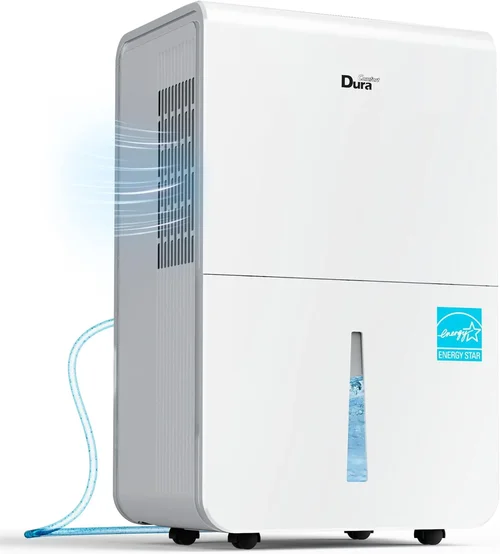
❌ Mistake: Buying Based Solely on Pint Rating
Why it’s bad: A higher pint rating doesn’t always mean better performance. Some manufacturers inflate numbers using non-standard testing methods. A 50-pint unit may only remove 30 pints in a cool basement, leaving you with inadequate moisture control.
What to do instead: Match the pint capacity to your space size and humidity level. Use online calculators or consult HVAC professionals. Prioritize models with real-world user reviews confirming performance in similar conditions.
❌ Mistake: Ignoring Energy Efficiency
Why it’s bad: A cheap dehumidifier that consumes excessive power can cost more in electricity over time than a slightly pricier, efficient model. This is especially true if you run it daily.
What to do instead: Look for ENERGY STAR certification and check the Energy Factor (EF). Calculate annual operating costs using your local electricity rate and estimated runtime. A $50 upfront savings could cost you $200 in energy over five years.
❌ Mistake: Overlooking Drainage Needs
Why it’s bad: If you can’t set up continuous drainage, you’ll be emptying the bucket daily—or the unit will shut off when full, defeating its purpose.
What to do instead: Assess your setup. Can you run a hose to a drain? Is there a floor sink? If not, choose a model with a large tank (1.5+ gallons) and auto-restart after emptying. For basements, a built-in pump is worth the extra cost.
❌ Mistake: Choosing the Wrong Type for Your Climate
Why it’s bad: Refrigerant dehumidifiers struggle below 60°F, while desiccant models are less efficient in hot, humid climates. Using the wrong type leads to poor performance and wasted money.
What to do instead: Match the technology to your environment. Use refrigerant models in warm, damp areas (like living rooms or attics) and desiccant units in cool spaces (basements, garages, or northern climates).
❌ Mistake: Skipping the Warranty Check
Why it’s bad: Dehumidifiers have complex components like compressors and pumps that can fail within the first year. A short or unclear warranty leaves you paying for repairs.
What to do instead: Choose brands with at least a 2-year warranty covering major parts. Register your product promptly and keep receipts. Avoid “as-is” or refurbished units unless backed by a solid warranty.
❌ Mistake: Buying the Cheapest Option Available
Why it’s bad: Ultra-budget models often use low-quality materials, lack essential features, and fail prematurely. You may end up replacing them within 1–2 years.
What to do instead: Aim for the mid-range sweet spot ($150–$300). These models offer the best balance of performance, durability, and features. Read reviews to ensure reliability.
❌ Mistake: Not Considering Noise Levels
Why it’s bad: A noisy dehumidifier in a bedroom or office can disrupt sleep and concentration, leading to it being turned off—and humidity problems returning.
What to do instead: Check decibel ratings and user feedback on noise. Desiccant models or units with “quiet mode” are better for living spaces. Place the unit away from sleeping areas when possible.
Budget Guidelines: How Much Should You Spend?
Entry-Level ($50 – $120): These are typically mini or compact desiccant dehumidifiers ideal for small spaces like closets, RVs, or bathrooms under 500 sq ft. They remove 5–15 pints per day and often lack advanced features like humidistats or continuous drainage. While affordable, they’re not suitable for whole-room dehumidification and may require frequent emptying. Best for mild moisture issues or supplemental use.
Mid-Range ($120 – $300): This is the sweet spot for most homeowners. These refrigerant-based models offer 20–50 pint capacities, digital controls, auto-defrost, and ENERGY STAR efficiency. Many include continuous drainage options, washable filters, and quiet operation. Brands like Frigidaire, hOmeLabs, and Tosot dominate this range with reliable performance and strong warranties. Ideal for basements, laundry rooms, and medium-sized living areas.
Premium ($300 – $600): Designed for demanding environments, these units feature larger tanks (2+ gallons), built-in pumps, Wi-Fi connectivity, and advanced humidity sensors. They’re built with durable materials and often include smart alerts, scheduling, and integration with home automation systems. Perfect for large basements, high-humidity climates, or users who want minimal maintenance and maximum control.
Luxury ($600+): Whole-home dehumidifiers and high-end smart systems fall into this tier. These are professionally installed, integrate with HVAC systems, and provide consistent humidity control throughout the entire house. They use advanced filtration, variable-speed compressors, and remote monitoring. While expensive, they offer the most comprehensive solution for severe moisture problems, allergies, or luxury homes where air quality is a priority.
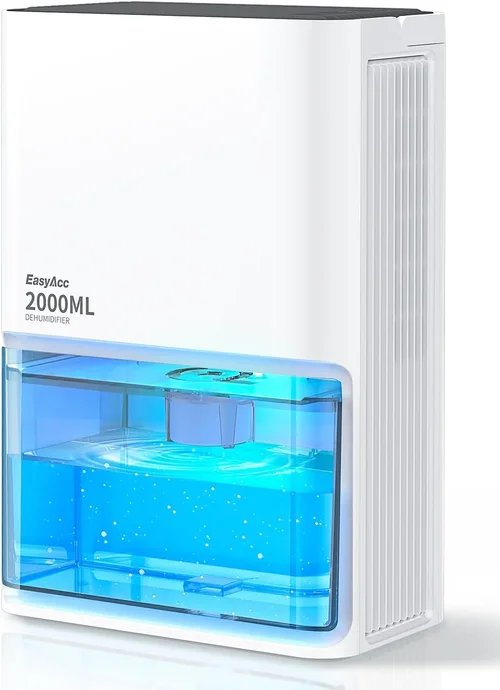
Expert Tips for Getting the Best Deal
1. Buy During Off-Season Sales: Dehumidifiers are in highest demand during summer. Shop in late fall or winter (October–February) when retailers offer discounts to clear inventory. Black Friday, Cyber Monday, and post-holiday sales often feature 20–40% off top models.
2. Compare Prices Across Retailers: Don’t settle for the first price you see. Check Amazon, Home Depot, Lowe’s, Costco, and specialty appliance stores. Use price-tracking tools like Honey or CamelCamelCamel to monitor fluctuations and get alerts when prices drop.
3. Look for Bundled Deals: Some retailers offer free shipping, extended warranties, or accessory bundles (like extra filters or drain hoses) with purchase. These add-ons can save you $30–$50 in the long run.
4. Consider Refurbished or Open-Box Units: Certified refurbished models from reputable sellers (like Amazon Renewed or manufacturer outlets) often come with full warranties and sell for 20–30% less. Just ensure they’re tested and include all original parts.
5. Read the Fine Print on Returns: Make sure the retailer offers at least a 30-day return window. Some stores charge restocking fees or require original packaging. Avoid sellers with strict no-return policies.
6. Test Before Committing: If buying in-store, inspect the unit for build quality, noise level, and ease of use. Check the control panel, tank removal, and hose connections. Online, watch unboxing and review videos to see real-world operation.
7. Register for Manufacturer Rebates: Some brands offer mail-in rebates or instant discounts for new purchases. These can reduce the effective price by $20–$50. Keep your receipt and serial number handy.
8. Join Loyalty Programs: Stores like Home Depot and Lowe’s offer member-exclusive discounts, early access to sales, and free delivery. Signing up is free and can lead to significant savings over time.
Frequently Asked Questions
Q: How do I know what size dehumidifier I need?
A: Start by measuring your space in square feet. Then assess the moisture level: mildly damp spaces (like a bathroom) need 10–20 pints; moderately damp areas (laundry rooms) require 20–30 pints; severely damp or flooded basements may need 50+ pints. Use online sizing guides or consult the manufacturer’s recommendations. When in doubt, size up slightly for better performance.
Q: Can a dehumidifier help with allergies?
A: Yes. By reducing indoor humidity below 50%, dehumidifiers inhibit the growth of mold, dust mites, and mildew—common allergens. This can significantly improve respiratory symptoms for people with asthma or allergies. Pair your dehumidifier with a HEPA air purifier for maximum benefit.
Q: Should I run my dehumidifier all the time?
A: Not necessarily. Most models have auto modes that cycle on and off to maintain your set humidity level. Running it continuously is only needed in extremely damp conditions or during remediation after water damage. Use a timer or smart features to optimize runtime and save energy.
Q: Can I use a dehumidifier in winter?
A: It depends on the type. Refrigerant models lose efficiency below 60°F and may ice up. Desiccant dehumidifiers work well in cold temperatures and are ideal for winter use in basements or garages. Always check the operating temperature range before purchasing.
Q: How often should I clean the filter?
A: Clean the air filter every 4–6 weeks during heavy use, or monthly if running daily. A clogged filter restricts airflow, reduces efficiency, and can cause the unit to overheat. Most filters are washable—just rinse with water and let dry completely before reinstalling.
Q: Is it safe to leave a dehumidifier on overnight?
A: Yes, as long as the unit is in good condition and placed on a stable, level surface. Modern dehumidifiers have safety features like auto-shutoff when the tank is full, overheat protection, and tip-over switches. Avoid placing it near flammable materials or in high-traffic areas where it could be knocked over.
Q: Can I connect a dehumidifier to my HVAC system?
A: Only whole-home dehumidifiers are designed for HVAC integration. Portable units cannot be connected directly. If you want centralized control, consult an HVAC professional to install a ducted system that works with your furnace or air handler.
Q: Do dehumidifiers produce heat?
A: Yes, especially refrigerant models. They release heat as a byproduct of the condensation process, which can slightly raise room temperature. This is usually negligible in large spaces but may be noticeable in small, enclosed areas.
Q: How long do dehumidifiers last?
A: With proper maintenance, most dehumidifiers last 5–10 years. Compressor units tend to have longer lifespans than desiccant models. Regular filter cleaning, avoiding overuse, and protecting from dust and debris can extend longevity.
Q: Are there eco-friendly dehumidifiers?
A: Yes. Look for models using R-32 or R-290 refrigerants, which have lower global warming potential than older chemicals. ENERGY STAR units are also more environmentally friendly due to reduced energy consumption. Some brands offer recyclable packaging and take-back programs.
Our Final Recommendations
Best for Budget-Conscious Buyers: hOmeLabs 30 Pint Dehumidifier – At around $150, this ENERGY STAR-certified model offers excellent value with a 1.8-gallon tank, continuous drainage, and quiet operation. It’s ideal for small to medium basements and includes a washable filter and auto-restart function.
Best Overall Value: Frigidaire FFAD5033W1 50 Pint – Priced under $250, this reliable workhorse removes up to 50 pints per day, features a built-in pump, and has a sleek design with easy-to-use controls. It’s perfect for large damp spaces and comes with a 1-year warranty.
Best Premium Option: AprilAire E080 Whole-Home Dehumidifier – For $1,200+, this professionally installed system integrates with your HVAC to maintain ideal humidity throughout your entire home. It’s energy-efficient, low-maintenance, and backed by a 5-year warranty—ideal for serious moisture control.
Best for Beginners: Tosot 30 Pint Smart Dehumidifier – With Wi-Fi connectivity, app control, and simple setup, this model is user-friendly and packed with features. It’s great for first-time buyers who want smart functionality without complexity.
Best for Advanced Users: AlorAir Sentinel HDi90 – Designed for contractors and homeowners with severe moisture issues, this heavy-duty unit includes a built-in pump, remote monitoring, and a rugged build. It’s overkill for most but unmatched in performance.
Conclusion: Making the Right Choice
Choosing the best and most economical dehumidifier in 2026 doesn’t have to be a daunting task. By focusing on your specific needs—space size, humidity level, climate, and budget—you can narrow down the options and find a unit that delivers real value. Remember, the cheapest model isn’t always the most cost-effective, and the most expensive one isn’t necessarily the best fit. Prioritize energy efficiency, reliable drainage, and build quality to ensure long-term satisfaction.
Use the factors outlined in this guide to compare models objectively, avoid common pitfalls, and take advantage of seasonal deals. Whether you’re fighting mold in a basement, improving air quality for health reasons, or simply seeking comfort, the right dehumidifier can make a noticeable difference in your home environment. Don’t wait until the next rainy season or humidity spike—invest wisely today, and enjoy drier, healthier air for years to come.