
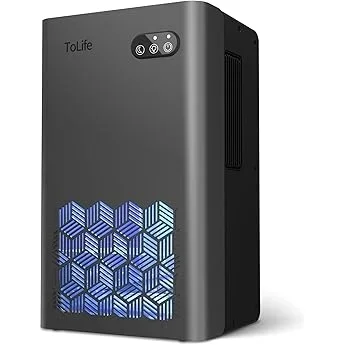
Dealing with excess moisture in your home isn’t just about comfort—it’s about protecting your health, your belongings, and the structural integrity of your living space. Whether you’re battling musty odors in a basement, preventing mold growth in a bathroom, or simply trying to breathe easier during humid summer months, an automatic dehumidifier can be a game-changer. But with so many models on the market—ranging from compact units under $100 to high-capacity, smart-enabled machines costing over $500—it’s easy to feel overwhelmed. That’s why this comprehensive buying guide exists: to cut through the noise and help you make an informed decision that fits your specific needs, budget, and lifestyle.
In this guide, you’ll learn exactly what to look for when shopping for the best automatic dehumidifier in 2026. We’ll break down the most important factors—from performance specs and energy efficiency to smart features and long-term reliability. You’ll also get a clear comparison of different types of dehumidifiers, avoid common purchasing pitfalls, understand how much you should realistically spend, and receive expert-backed tips to ensure you get the best value. By the end, you’ll have everything you need to confidently choose a unit that keeps your home dry, healthy, and comfortable year-round.
The dehumidifier market has evolved significantly in recent years. Traditional compressor-based units now share shelf space with newer thermoelectric (Peltier) models, while Wi-Fi connectivity, app controls, and advanced humidity sensors have become standard even in mid-tier options. Brands like Frigidaire, hOmeLabs, GE, and Midea continue to dominate, but emerging players are introducing innovative designs focused on quiet operation, eco-friendliness, and seamless integration into smart homes. With climate change contributing to more extreme weather patterns—including prolonged periods of high humidity—the demand for reliable, automatic dehumidification has never been higher.
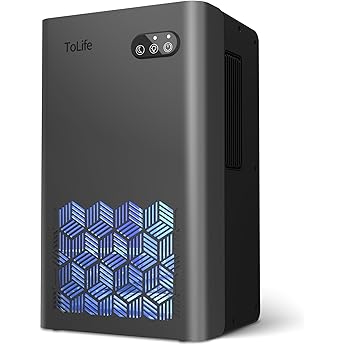
What to Look for When Buying Buying Guide
1. Capacity (Pints per Day)
The single most important specification when choosing a dehumidifier is its capacity, measured in pints of moisture removed per day (PPD). This number directly correlates with the size of the space it can effectively treat. A unit rated for 20 PPD might work fine in a small bathroom or closet, but it will struggle in a damp 1,500-square-foot basement. Most manufacturers provide room size recommendations based on PPD ratings, but these can be misleading if they don’t account for humidity levels. For example, a “moderately damp” basement may require a 30–50 PPD unit, while a “very wet” space could need 70+ PPD.
To determine your ideal capacity, consider both square footage and moisture severity. Use this rule of thumb:
- Up to 500 sq. ft., slightly damp: 20–30 PPD
- 500–1,000 sq. ft., moderately damp: 30–50 PPD
- 1,000–2,000 sq. ft., very wet or flooded: 50–70+ PPD
Keep in mind that larger-capacity units typically cost more and consume more electricity, so avoid oversizing unless you have a consistently wet environment. Oversized units may cycle on and off too frequently, reducing efficiency and lifespan.
2. Energy Efficiency & Operating Costs
Dehumidifiers run continuously in many homes, especially in humid climates or during rainy seasons, so energy efficiency directly impacts your utility bill. Look for models with the ENERGY STAR® certification, which indicates they meet strict efficiency guidelines set by the U.S. Environmental Protection Agency. ENERGY STAR dehumidifiers use 15–30% less energy than standard models, translating to significant savings over time—especially if you run yours 8–12 hours daily.
Check the unit’s energy factor (EF), measured in liters of water removed per kilowatt-hour (L/kWh). Higher EF values mean better efficiency. For example, a model with an EF of 1.8 is more efficient than one with 1.2. Also, consider the wattage: a 300-watt unit will cost less to operate than a 700-watt model, even if both remove the same amount of moisture. Use online calculators to estimate monthly operating costs based on local electricity rates.
3. Automatic Features & Smart Controls
Modern automatic dehumidifiers go far beyond simple on/off switches. Key automation features include:
- Humidistat: Allows you to set a target humidity level (ideally 30–50%). The unit turns on/off automatically to maintain that level.
- Auto-Defrost: Prevents ice buildup on coils in cold environments (below 65°F), ensuring continuous operation in basements or garages.
- Auto-Restart: Resumes operation after a power outage without manual intervention.
- Full Tank Alert & Auto Shut-Off: Stops the unit when the water tank is full to prevent spills.
- Continuous Drain Option: Lets you connect a hose for hands-free drainage—ideal for unattended operation.
Smart models take this further with Wi-Fi connectivity, allowing remote control via smartphone apps (e.g., Frigidaire’s SmartDehumidifier app or GE’s SmartHQ). You can monitor humidity levels, adjust settings, receive alerts, and even integrate with voice assistants like Alexa or Google Assistant. While not essential, these features add convenience and peace of mind, especially if you travel frequently or manage multiple properties.
4. Noise Level & Placement Flexibility
Dehumidifiers use fans and compressors, which generate noise—typically ranging from 45 to 65 decibels (dB). For context, 45 dB is similar to a quiet library, while 65 dB resembles normal conversation. If you plan to place the unit in a bedroom, living room, or home office, opt for a model rated below 55 dB. Many manufacturers now highlight “ultra-quiet” or “whisper-quiet” operation in their marketing, but always verify actual dB ratings in product specs or third-party reviews.
Placement also affects noise perception. Units placed on carpet may vibrate more than those on hard flooring. Some models include anti-vibration pads or rubber feet to minimize disturbance. Additionally, consider the unit’s dimensions and weight if you need to move it between rooms. Look for built-in handles and caster wheels for easier mobility. A compact footprint is useful for tight spaces like crawl spaces or under sinks, but ensure there’s adequate airflow around all sides (usually 6–12 inches of clearance).
5. Build Quality & Durability
A dehumidifier is a long-term investment, so durability matters. High-quality units feature:
- Stainless steel or coated coils: Resist corrosion from moisture and extend lifespan.
- Reinforced plastic housing: Withstands bumps and drops during transport.
- Sealed compressor systems: Reduce wear and prevent refrigerant leaks.
- Washable or reusable air filters: Easy to clean and replace, maintaining airflow and efficiency.
Avoid cheaply made models with flimsy casings or non-removable filters. Check user reviews for reports of premature failures, especially within the first 1–2 years. Reputable brands often use better components and offer longer warranties as a result. Also, consider where the unit is manufactured—units made in countries with strict quality control standards (e.g., Germany, Japan, or the U.S.) tend to be more reliable.
6. Maintenance Requirements
Even the best automatic dehumidifiers require regular maintenance to function optimally. The most common tasks include:
- Emptying the water tank: Most tanks hold 1–2 gallons. Larger tanks reduce emptying frequency but add bulk.
- Cleaning the filter: Every 2–4 weeks, depending on usage and air quality. Clogged filters restrict airflow and reduce efficiency.
- Inspecting coils and drainage: Ensure no ice buildup (in cold climates) or mineral deposits (in hard water areas).
- Wiping down the exterior: Prevents dust accumulation and mold growth on surfaces.
Models with removable, dishwasher-safe filters and easy-access tanks simplify upkeep. Some premium units even include filter-cleaning reminders or self-diagnostic alerts. If you’re prone to forgetting maintenance, choose a model with a large tank and continuous drain capability to minimize daily chores.
7. Brand Reputation & Customer Support
Not all dehumidifier brands are created equal. Established names like Frigidaire, hOmeLabs, GE, and Midea have decades of experience and robust customer service networks. They offer comprehensive warranties (typically 1–2 years), readily available replacement parts, and responsive support teams. In contrast, lesser-known brands may cut corners on quality or disappear after a few years, leaving you stranded if something breaks.
Before buying, research the brand’s reputation on trusted review sites (e.g., Consumer Reports, Wirecutter) and check the BBB rating. Read customer service experiences on forums like Reddit or Amazon Q&A sections. A brand that honors warranties promptly and provides clear troubleshooting guides adds significant value beyond the product itself.
8. Warranty & Return Policy
A solid warranty protects your investment and reflects the manufacturer’s confidence in their product. Most reputable dehumidifiers come with a 1-year limited warranty, covering defects in materials and workmanship. Premium models may offer 2–5 years, sometimes with extended coverage on key components like the compressor. Always read the fine print: some warranties exclude normal wear, improper use, or commercial applications.
Pair the warranty with a generous return policy. Reputable retailers (e.g., Amazon, Home Depot, Lowe’s) typically allow 30-day returns, sometimes longer during holiday seasons. This gives you time to test the unit in your actual environment and ensure it meets your expectations. Avoid sellers with restocking fees or short return windows unless you’re certain about the model.
Different Types of Buying Guide
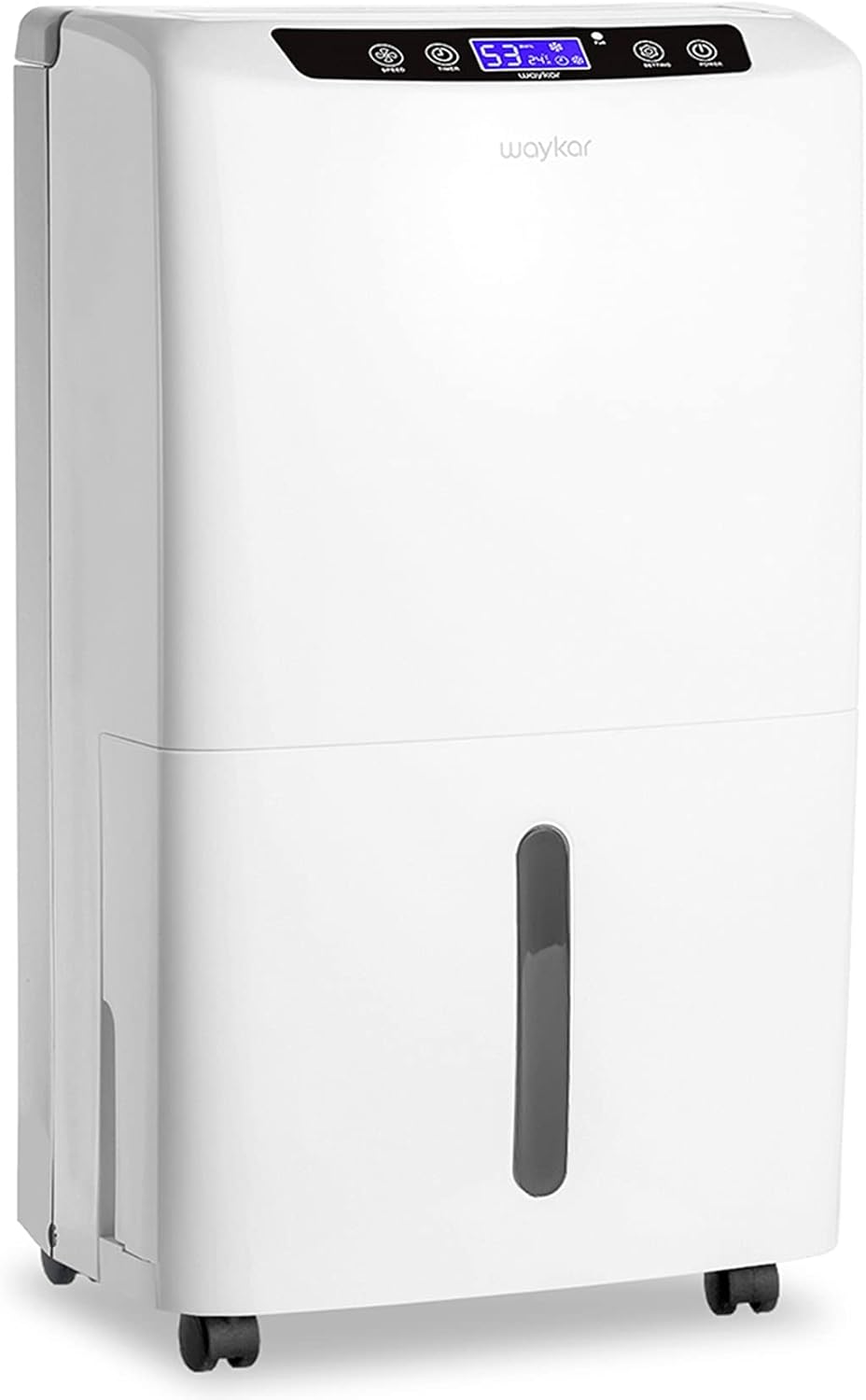
Common Buying Mistakes to Avoid
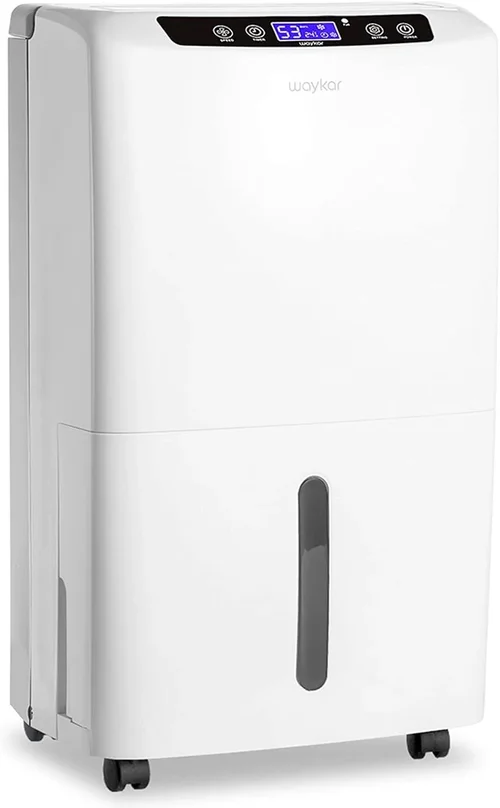
❌ Mistake: Choosing Based Solely on Price
Why it’s bad: The cheapest dehumidifier often lacks essential features like a humidistat, auto-shutoff, or durable build. It may also be inefficient, noisy, or fail within a year, costing more in replacements and energy bills.
What to do instead: Focus on total cost of ownership—not just upfront price. A $250 ENERGY STAR model that lasts 8 years and saves $50/year on electricity is better value than a $100 unit that dies in 2 years.
❌ Mistake: Ignoring Room Conditions
Why it’s bad: A dehumidifier sized for a “slightly damp” room will constantly run and still fail in a “very wet” basement, leading to frustration and wasted money.
What to do instead: Assess your space honestly. Use a hygrometer to measure actual humidity levels. If you see standing water, mold, or condensation, invest in a higher-capacity unit with robust drainage options.
❌ Mistake: Overlooking Drainage Options
Why it’s bad: Units without continuous drain capability require daily tank emptying—a hassle if you’re away or forgetful. Overflow can cause water damage.
What to do instead: Choose a model with a built-in pump or gravity drain hose outlet. Even if you don’t use it immediately, having the option future-proofs your purchase.
❌ Mistake: Buying Without Testing Noise Levels
Why it’s bad: A loud dehumidifier can disrupt sleep, work, or relaxation—especially in open-plan homes or studios.
What to do instead: Check decibel ratings and read user reviews mentioning noise. If possible, test the unit in-store or buy from a retailer with a good return policy.
❌ Mistake: Skipping the Filter Maintenance
Why it’s bad: A dirty filter reduces airflow by up to 50%, forcing the unit to work harder, consume more energy, and wear out faster.
What to do instead: Set calendar reminders to clean the filter monthly. Choose models with washable filters and easy-access panels.
❌ Mistake: Assuming All “Smart” Features Are Useful
Why it’s bad: Some Wi-Fi dehumidifiers have buggy apps, limited functionality, or require subscriptions for basic features.
What to do instead: Research app reviews separately. Ensure core automation (humidistat, auto-restart) works offline. Prioritize reliability over gimmicks.
❌ Mistake: Not Checking Warranty Terms
Why it’s bad: A “1-year warranty” might exclude the compressor—the most expensive part to repair—leaving you with a costly repair bill.
What to do instead: Read the warranty document before buying. Look for coverage on major components and confirm how to file claims.
Budget Guidelines: How Much Should You Spend?
Dehumidifiers span a wide price range, but your budget should align with your needs, not just your wallet. Here’s a realistic breakdown for 2026:
Entry-Level ($50–$150): These are typically mini thermoelectric units or basic compressor models under 30 PPD. Best for small spaces like closets, RVs, or bathrooms. Expect limited features—no humidistat, small tanks, higher noise levels, and shorter lifespans (2–3 years). Ideal for occasional use or temporary solutions.
Mid-Range ($150–$350): This is the sweet spot for most homeowners. Units in this range offer 30–50 PPD capacity, ENERGY STAR efficiency, full automation (humidistat, auto-shutoff, defrost), and decent build quality. Brands like hOmeLabs, Tosot, and GE shine here. Expect 5–7 year lifespans with proper maintenance.
Premium ($350–$600): Designed for large, persistently wet areas like basements or crawl spaces. These feature 50–70+ PPD capacity, advanced controls (Wi-Fi, app integration), ultra-quiet operation (<50 dB), and robust construction. Models from Frigidaire, AprilAire, and EcoDry excel here. Many include built-in pumps for upward drainage.
Luxury ($600+): Whole-house dehumidifiers or commercial-grade units. These integrate with HVAC systems, offer 70+ PPD, and include professional installation support. Best for large homes, historic properties, or allergy sufferers needing precise humidity control. Expect 10+ year lifespans and comprehensive service plans.
Expert Tips for Getting the Best Deal
- Buy in late winter or early spring: Retailers discount dehumidifiers before humid summer months. Look for Presidents’ Day or Memorial Day sales.
- Shop at big-box stores with price-matching: Home Depot, Lowe’s, and Costco often match online prices and offer in-store pickup.
- Check refurbished or open-box deals: Certified refurbished units from manufacturers (e.g., Frigidaire Renewed) come with warranties and save 20–40%.
- Use cashback and rebate programs: Rakuten, Honey, or utility company rebates can add 5–15% savings.
- Read return policies carefully: Ensure you can return if the unit doesn’t perform as expected in your specific environment.
- Test before committing: Run the dehumidifier for a week. Monitor humidity levels, noise, and ease of use. If it’s not right, return it.
- Consider bundling: Some HVAC companies offer discounts when installing a whole-house dehumidifier with other services.
- Join brand newsletters: Sign up for alerts from Frigidaire, GE, or hOmeLabs for exclusive promo codes and flash sales.
Frequently Asked Questions
Q: How do I know if I need a dehumidifier?
A: Signs include persistent musty odors, visible mold or mildew, condensation on windows, peeling paint, or a sticky feeling in the air. Use a hygrometer to measure indoor humidity—if it’s consistently above 60%, a dehumidifier is recommended.
Q: Can I run a dehumidifier all the time?
A: Yes, especially if you have high humidity or live in a damp climate. Modern automatic units are designed for continuous operation and will cycle on/off as needed to maintain your set humidity level.
Q: Should I get a dehumidifier with a built-in pump?
A: If you plan to drain into a sink, upstairs, or over long distances, a built-in pump is essential. Gravity drainage only works downward and requires frequent hose repositioning.
Q: Are dehumidifiers safe to leave unattended?
A: Yes, as long as the unit has auto-shutoff, overflow protection, and is placed on a stable, level surface. Avoid blocking vents or placing near flammable materials.
Q: Do dehumidifiers cool the air?
A: Not significantly. They remove moisture, which can make the air feel more comfortable, but they don’t lower temperature like an air conditioner. In fact, they slightly warm the air as a byproduct of operation.
Q: How often should I clean the filter?
A: Every 2–4 weeks during heavy use, or monthly otherwise. A clogged filter reduces efficiency and can cause the unit to overheat.
Q: Can I use a dehumidifier in winter?
A: Only if the room stays above 65°F. Compressor units may ice up in colder temperatures. For winter use, choose a desiccant dehumidifier designed for low-temperature operation.
Q: Will a dehumidifier help with allergies?
A: Absolutely. By reducing humidity below 50%, you inhibit mold, dust mites, and mildew—common allergens. Many allergy sufferers report significant symptom relief.
Q: Is it worth buying a smart dehumidifier?
A: If you value remote monitoring, scheduling, or integration with smart home systems, yes. But if you just need basic automation, a non-smart model with a humidistat offers the same core functionality at a lower price.
Q: How long do dehumidifiers last?
A: Quality units last 5–10 years with proper maintenance. Compressor lifespan is the main limiting factor. Regular filter cleaning and coil inspection extend longevity.
Our Final Recommendations
Best for Budget-Conscious Buyers: hOmeLabs 30 Pint Dehumidifier – Reliable performance, ENERGY STAR certified, and priced under $200. Great for small to medium rooms with moderate dampness.
Best Overall Value: Frigidaire FFAD7033R1 70 Pint Dehumidifier – Excellent capacity, quiet operation, built-in pump, and robust build. Priced around $350, it’s a workhorse for basements and large spaces.
Best Premium Option: AprilAire E080 Pro 80 Pint Whole-House Dehumidifier – Professional-grade, integrates with HVAC, and offers precise humidity control. Ideal for large homes or severe moisture issues. ($1,200+)
Best for Beginners: GE APER50LZ 50 Pint Dehumidifier – Simple controls, clear display, and reliable performance. Easy to set up and maintain, perfect for first-time buyers.
Best for Advanced Users: Tosot Smart Dehumidifier with Wi-Fi – App-controlled, energy-efficient, and packed with automation features. Great for tech-savvy users who want full remote oversight.
Conclusion: Making the Right Choice
Choosing the best automatic dehumidifier isn’t about finding the most expensive or feature-packed model—it’s about matching the right tool to your specific environment, needs, and budget. By focusing on capacity, efficiency, automation, and build quality, you’ll avoid common pitfalls and invest in a solution that delivers lasting comfort and protection. Remember: a well-chosen dehumidifier doesn’t just remove moisture—it improves air quality, prevents damage, and creates a healthier home.
Take the time to assess your space honestly, read real user reviews, and prioritize features that matter most to you. Whether you’re tackling a chronically damp basement or simply aiming for better indoor air, the right dehumidifier will pay dividends in comfort, savings, and peace of mind. Use this guide as your roadmap, and you’ll make a confident, informed decision that stands the test of time.