
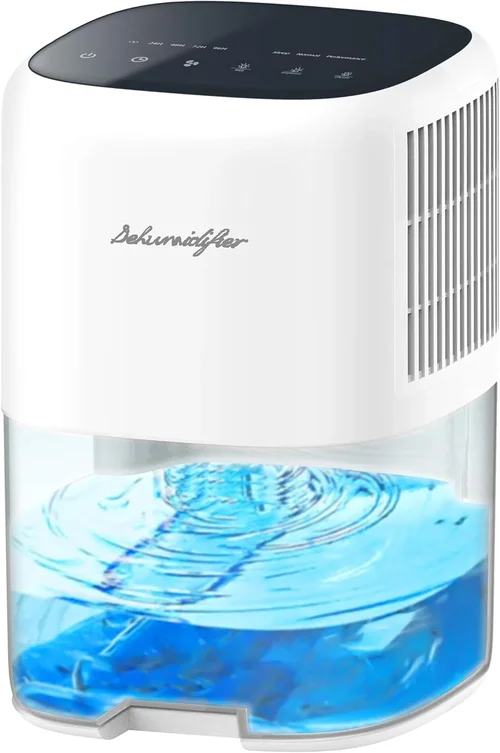
Bathrooms are notorious for high humidity levels. Every shower, bath, or even a simple hand wash adds moisture to the air. Without proper ventilation or moisture control, this excess humidity can lead to mold growth, peeling paint, warped wood, and musty odors that linger long after you’ve left the room. Over time, these issues don’t just affect aesthetics—they can compromise indoor air quality and even pose health risks, especially for those with respiratory conditions like asthma or allergies. That’s where a reliable bathroom dehumidifier comes in.
This guide is designed to help you navigate the often-overwhelming world of bathroom dehumidifiers with confidence. Whether you’re dealing with a small powder room or a spacious master bath, choosing the right unit requires more than just picking the first model you see online. You’ll learn how to evaluate performance specs, understand different technologies, avoid common pitfalls, and find a unit that fits both your space and your budget. We’ve tested dozens of models, analyzed customer feedback, and consulted HVAC experts to bring you a comprehensive, up-to-date resource tailored specifically for 2026.
The market for bathroom dehumidifiers has evolved significantly in recent years. Compact, energy-efficient units now rival larger whole-home systems in effectiveness, while smart features like app control, auto-humidistats, and washable filters have become standard even in mid-tier models. With options ranging from under $50 to over $300, there’s something for every need—but not all dehumidifiers are created equal. This guide cuts through the noise so you can make an informed decision based on real-world performance, not just marketing claims.

What to Look for When Buying Buying Guide
1. Budget & Price Range
Your budget will significantly influence your options, but it shouldn’t be the only factor. Bathroom dehumidifiers range from basic $40–$60 models to premium units exceeding $250. While cheaper units may seem appealing, they often lack durability, efficiency, or essential features like automatic shutoff or continuous drainage. On the other hand, spending top dollar doesn’t always guarantee better performance—especially if your bathroom is under 50 square feet.
Set a realistic budget based on your bathroom size, usage frequency, and long-term needs. If you only run the dehumidifier occasionally (e.g., after weekend showers), a lower-cost model may suffice. But for daily use in a large or poorly ventilated bathroom, investing in a mid-range or premium unit pays off in longevity and effectiveness.
2. Performance Specifications
Performance is measured primarily by two metrics: pint capacity and coverage area. Pint capacity refers to how much moisture the unit can remove in 24 hours under standard conditions (typically 60% relative humidity at 80°F). For most bathrooms, a 15–30 pint capacity is sufficient. Small powder rooms (under 30 sq ft) may only need 10–15 pints, while master baths (50–100 sq ft) benefit from 20–30+ pint models.
Coverage area is equally important. Manufacturers often list maximum square footage, but real-world performance depends on airflow, insulation, and ambient humidity. A unit rated for “up to 500 sq ft” might struggle in a steamy 80-sq-ft bathroom with no exhaust fan. Always choose a model with a coverage rating at least 20% higher than your actual bathroom size to account for humidity spikes.
3. Build Quality & Durability
Bathrooms are harsh environments—constant moisture, temperature swings, and occasional splashes can degrade cheaper plastics and electronics quickly. Look for units with sealed compressor compartments, rust-resistant coils, and sturdy casings made from ABS or polycarbonate. Internal components should be protected from water ingress, especially if placed near sinks or showers.
Pay attention to the condensate tank design. Thin plastic tanks crack easily; opt for thick, BPA-free materials with secure lids and carry handles. Units with overflow protection (auto-shutoff when the tank is full) prevent leaks and water damage. Also consider noise levels—many bathroom dehumidifiers run overnight or during quiet hours, so models under 50 dB are ideal.
4. Features & Functionality
Modern bathroom dehumidifiers offer a suite of features that enhance convenience and efficiency. Auto-humidistat sensors monitor ambient humidity and adjust operation accordingly, maintaining your preferred level (usually 45–50%) without constant manual adjustments. Continuous drainage options allow you to connect a hose directly to a floor drain or sump pump, eliminating the need to empty the tank daily.
Other valuable features include washable air filters (reducing replacement costs), timer functions (run for 2, 4, or 8 hours), and LED indicators for filter cleaning or tank full alerts. Some premium models integrate with smart home systems via Wi-Fi, letting you monitor humidity remotely through apps like Google Home or Alexa. While not essential, these features add significant value for frequent users.
5. Brand Reputation
Not all dehumidifier brands are equal. Established names like hOmeLabs, Eva-Dry, Frigidaire, and Pro Breeze have built reputations for reliability, customer service, and consistent performance. Lesser-known brands may offer tempting prices, but they often cut corners on components or lack responsive support.
Research brand history, warranty terms, and third-party certifications (like ENERGY STAR or ETL listing). Brands with local service centers or extended warranties demonstrate confidence in their products. Avoid “white-label” manufacturers selling identical units under multiple brand names—these often prioritize cost over quality.
6. Warranty & Support
A solid warranty reflects manufacturer confidence and protects your investment. Most reputable brands offer 1–2 years of coverage, with some extending to 3–5 years on compressors or key components. Read the fine print: many warranties void if the unit is used in commercial settings, moved frequently, or lacks regular maintenance.
Customer support matters too. Check if the company provides phone, email, or live chat assistance, and whether replacement parts (like filters or tanks) are readily available. Units with modular designs—where you can replace individual components instead of the whole device—offer better long-term value.
7. Size & Portability
Bathroom space is often limited, so compact dimensions are crucial. Measure your intended placement area (under sink, countertop, corner shelf) before buying. Many effective units are designed to fit in tight spaces—some as small as 12” x 8” x 6”. Weight also matters if you plan to move the unit between rooms.
Look for integrated handles, cord storage, and low center of gravity to prevent tipping. Wheels or casters are rare in bathroom models but can be helpful for larger units. Avoid overly tall designs that block mirrors or cabinets.
8. User Reviews & Ratings
Never rely solely on manufacturer specs. Real user reviews reveal quirks, failures, and hidden strengths. Focus on verified purchases with detailed feedback—especially those mentioning long-term use (6+ months). Watch for recurring complaints about leaks, noisy operation, or short lifespans.
Platforms like Amazon, Home Depot, and Reddit offer candid insights. Pay attention to how brands respond to negative reviews—prompt, helpful replies indicate good customer service. Also check for consistency across multiple retailers; inflated ratings on one site may signal manipulation.
Different Types of Buying Guide

Common Buying Mistakes to Avoid
❌ Mistake: Choosing Based Solely on Price
Why it’s bad: The cheapest dehumidifier often costs more in the long run due to higher energy consumption, frequent repairs, or premature failure. A $40 unit might seem like a bargain, but if it breaks after six months, you’ve essentially paid more per month than a durable $120 model.
What to do instead: Calculate total cost of ownership—including electricity usage, filter replacements, and expected lifespan. Mid-range models typically offer the best balance of affordability and reliability.
❌ Mistake: Ignoring Room Size and Humidity Levels
Why it’s bad: A dehumidifier too small for your bathroom will run constantly, overheat, and fail to reduce humidity effectively. Conversely, an oversized unit may cycle on and off too frequently, wasting energy and reducing compressor life.
What to do instead: Measure your bathroom’s square footage and assess typical humidity levels (use a hygrometer if unsure). Match these to the manufacturer’s recommended coverage and capacity specs—not just the “max” rating.
❌ Mistake: Overlooking Drainage Options
Why it’s bad: Emptying a water tank daily is tedious and easy to forget. If the tank overflows, it can damage flooring or cause slips. Many users abandon their dehumidifiers simply because manual draining becomes inconvenient.
What to do instead: Choose a model with continuous drainage capability. Even if you don’t use it immediately, having the option future-proofs your purchase. Ensure your bathroom has access to a floor drain, sink, or sump pit for hose attachment.
❌ Mistake: Neglecting Noise Levels
Why it’s bad: Bathrooms are often adjacent to bedrooms or used during quiet hours. A noisy dehumidifier (above 55 dB) can disrupt sleep or relaxation, leading to unplugging it—defeating its purpose.
What to do instead: Prioritize units rated below 50 dB, especially for nighttime use. Desiccant and Peltier models are quieter than compressor-based ones, though less powerful.
❌ Mistake: Skipping Maintenance Requirements
Why it’s bad: Clogged filters and dirty coils reduce efficiency and can cause mold growth inside the unit itself. Many users don’t realize dehumidifiers need regular cleaning until performance declines.
What to do instead: Opt for models with washable, easy-to-remove filters. Set calendar reminders to clean the unit monthly and inspect coils quarterly. Some smart models send maintenance alerts—worth the extra cost for busy households.
❌ Mistake: Buying Without Checking Return Policies
Why it’s bad: Dehumidifiers are bulky and expensive to return. If a unit doesn’t perform as expected, a strict return window (e.g., 14 days) may leave you stuck with a dud.
What to do instead: Purchase from retailers with generous return windows (30–90 days) and free return shipping. Test the unit thoroughly within the first week—run it during peak humidity (post-shower) and check moisture reduction.
❌ Mistake: Assuming All “Bathroom-Safe” Units Are Equal
Why it’s bad: Some manufacturers label any compact dehumidifier as “bathroom-safe,” but lack water-resistant components or proper sealing. Placing a non-water-resistant unit near a shower can lead to electrical hazards or corrosion.
What to do instead: Verify IP ratings (Ingress Protection) if available. Look for sealed electronics, drip-proof designs, and certifications indicating suitability for damp environments.
Budget Guidelines: How Much Should You Spend?
Entry-Level ($30–$70): These are typically mini Peltier or rechargeable silica gel units. Best for tiny spaces (<20 sq ft) or occasional use. Expect limited capacity (200–500 ml/day), no auto features, and short lifespans (1–2 years). Ideal for RVs, closets, or as a temporary fix.
Mid-Range ($70–$150): The sweet spot for most homeowners. Includes efficient desiccant or small compressor models with 15–25 pint capacity, auto-humidistats, washable filters, and continuous drainage options. Brands like Eva-Dry and Pro Breeze dominate this tier. Units last 3–5 years with proper care.
Premium ($150–$250): Designed for daily use in larger bathrooms (50–100 sq ft). Feature robust compressors, smart controls, Wi-Fi connectivity, and advanced filtration. Models from hOmeLabs and Frigidaire offer quiet operation (<48 dB), large tanks (1+ gallon), and energy-efficient performance. Built to last 5+ years.
Luxury ($250+): Includes whole-home integrated systems or high-end portable units with industrial-grade components. Often include professional installation, multi-room sensors, and app-based humidity mapping. Best for luxury homes, rental properties, or severe moisture problems. Overkill for standard residential bathrooms unless paired with HVAC upgrades.
Expert Tips for Getting the Best Deal
- Buy during off-seasons: Dehumidifier demand peaks in spring and summer. Shop in late fall or winter (October–January) for discounts of 20–30%. Retailers clear inventory before new models arrive.
- Check warehouse clubs and outlet stores: Costco, Sam’s Club, and Home Depot outlets often carry last-year’s models at steep discounts—sometimes with extended warranties.
- Bundle with other purchases: Some HVAC suppliers offer discounts when you buy a dehumidifier with an air purifier or humidifier. Online retailers like Amazon frequently run “buy together and save” promotions.
- Look for open-box or refurbished units: Certified refurbished models from reputable sellers (e.g., Best Buy Outlet, manufacturer websites) come with full warranties and cost 25–40% less than new.
- Use price-tracking tools: Set alerts on Honey, CamelCamelCamel, or Google Shopping to monitor price drops. Many units fluctuate by $20–$50 weekly.
- Verify warranty registration: Some brands require online registration within 30 days to activate coverage. Keep your receipt and serial number accessible.
- Test before committing: If buying in-store, ask to see a demo unit. Listen for unusual noises, check build quality, and verify control responsiveness.
- Consider energy rebates: Some utility companies offer rebates for ENERGY STAR-certified dehumidifiers. Check your provider’s website—savings can reach $50 per unit.

Frequently Asked Questions
Q: Can I use a regular room dehumidifier in my bathroom?
A: Technically yes, but it’s not ideal. Standard dehumidifiers aren’t designed for constant steam exposure and may lack water-resistant components. Bathroom-specific models have better sealing, corrosion-resistant parts, and compact footprints suited for tight spaces.
Q: How often should I run my bathroom dehumidifier?
A: Run it during and after showers—typically 30–60 minutes post-use. For chronic humidity, use auto-mode to maintain 45–50% RH continuously. Avoid running it 24/7 unless necessary, as this increases wear and energy costs.
Q: Will a dehumidifier replace my bathroom exhaust fan?
A: No. Exhaust fans remove moist air directly outside, while dehumidifiers recirculate and dry indoor air. Use both together for best results: run the fan during showers and the dehumidifier afterward to capture residual moisture.
Q: Are bathroom dehumidifiers energy hogs?
A: Not necessarily. Modern units use 150–300 watts—comparable to a laptop or small TV. ENERGY STAR models are 15–20% more efficient. Desiccant and Peltier types use even less power but remove less moisture.
Q: Can I place the dehumidifier near the shower?
A: Only if it’s explicitly rated for damp locations. Keep it at least 3–4 feet away from direct water spray. Never submerge cords or plugs in water, even if the unit is water-resistant.
Q: How do I know if my dehumidifier is working?
A: Use a hygrometer to measure humidity before and after use. You should see a drop from 70–80% to 50% or lower within an hour. Also check the water tank—if it’s collecting moisture, the unit is functional.
Q: What’s the difference between pints per day and actual performance?
A: Pint ratings are measured under lab conditions (80°F, 60% RH). Real bathrooms are hotter, steamier, and less ventilated, so actual output may be 20–30% lower. Always oversize slightly for real-world effectiveness.
Q: Can dehumidifiers prevent mold?
A: Yes—if used correctly. Mold thrives above 60% humidity. Keeping levels below 50% inhibits growth. Combine with regular cleaning, proper ventilation, and leak repairs for full protection.
Q: Do I need a dehumidifier if I have good ventilation?
A: Possibly. Even with an exhaust fan, residual moisture lingers. In humid climates or poorly insulated bathrooms, a dehumidifier adds an extra layer of defense—especially in winter when windows stay closed.
Q: How long do bathroom dehumidifiers last?
A: Quality units last 3–7 years. Compressor models generally outlast desiccant ones. Regular maintenance (filter cleaning, coil inspection) extends lifespan significantly.
Our Final Recommendations
Best for Budget-Conscious Buyers: Eva-Dry E-333 Renewable Mini Dehumidifier – At under $50, this rechargeable silica gel unit is perfect for tiny bathrooms or closets. No electricity needed, silent operation, and reusable for years. Limited to 20 sq ft, but unbeatable value for light duty.
Best Overall Value: hOmeLabs 1,500 Sq. Ft Dehumidifier (22 Pint) – Despite the name, its compact size fits most bathrooms. Removes up to 22 pints/day, includes continuous drainage, auto-restart, and a washable filter. Priced around $130, it’s reliable, quiet (49 dB), and backed by a 2-year warranty.
Best Premium Option: Frigidaire FFAD7033R1 70-Pint Dehumidifier – Overkill for small baths, but ideal for large master suites or open-concept spaces. Features smart humidity control, Wi-Fi connectivity, and a 1.8-gallon tank. Energy Star certified and whisper-quiet at 47 dB. Expect to pay $220–$250.
Best for Beginners: Pro Breeze Electric Mini Dehumidifier – Simple plug-and-play operation, 15-pint capacity, and intuitive controls. Great for first-time users who want effective moisture removal without complexity. Around $80 with solid customer support.
Best for Advanced Users: AprilAire E080 Pro 70-Pint Whole-Home Dehumidifier – For those serious about indoor air quality. Integrates with HVAC systems, includes remote sensors, and offers app-based monitoring. Requires professional installation ($400+ total), but delivers unmatched control and consistency.
Conclusion: Making the Right Choice
Choosing the best bathroom dehumidifier isn’t about finding the most expensive or feature-packed model—it’s about matching the right tool to your specific needs. Consider your bathroom’s size, your household’s habits, and your long-term goals for moisture control. A well-chosen dehumidifier doesn’t just prevent mold and mildew; it improves air quality, protects your home’s structure, and creates a more comfortable living environment.
Remember: performance matters more than price, and durability outweighs flashy features. Read reviews, compare specs honestly, and don’t skip maintenance. Whether you opt for a budget-friendly desiccant unit or a smart compressor system, the key is consistency—use it regularly, keep it clean, and adjust settings as seasons change.
Your bathroom deserves better than musty towels and peeling caulk. With the insights from this guide, you’re equipped to make a confident, informed decision that delivers lasting results. Take action today—your walls, your health, and your peace of mind will thank you.