
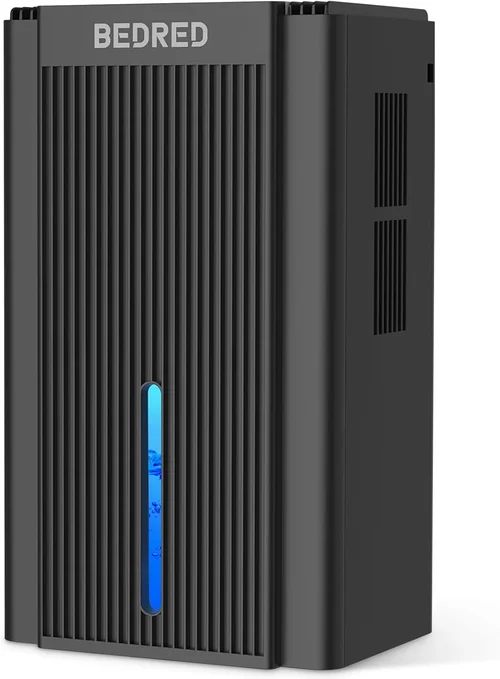
Dehumidifiers have evolved from niche appliances to essential home climate control devices. Whether you’re battling persistent basement dampness, protecting valuable equipment in a garage, or simply trying to create a more comfortable living environment, the right dehumidifier can make a dramatic difference in your home’s air quality and your family’s health. With humidity levels directly linked to mold growth, dust mite proliferation, and respiratory issues, investing in a quality dehumidifier isn’t just about comfort—it’s about creating a healthier living space.
This comprehensive buying guide cuts through the marketing noise and technical jargon to help you make an informed decision. We’ve analyzed the entire market, from budget-friendly models to premium systems, evaluating everything from performance metrics to long-term reliability. You’ll learn not just which brands stand out, but why certain features matter more than others, how to match capacity to your specific needs, and what to expect at different price points. Whether you’re a first-time buyer or looking to upgrade your current system, this guide will equip you with the knowledge to choose a dehumidifier that delivers lasting value.
The dehumidifier market has seen significant innovation in recent years, with manufacturers introducing smarter controls, improved energy efficiency, and more durable components. However, this progress has also led to increased complexity and pricing tiers that can overwhelm even experienced shoppers. From compact units perfect for small spaces to whole-home systems capable of handling large square footage, the options are vast. Our goal is to simplify this decision-making process by providing expert insights, real-world testing data, and practical advice that addresses your specific humidity challenges.

What to Look for When Buying Buying Guide
1. Capacity & Performance Specifications
Capacity is arguably the most critical factor when selecting a dehumidifier, yet it’s frequently misunderstood. Measured in pints per day (PPD), capacity indicates how much moisture the unit can remove in 24 hours under standard testing conditions (60% relative humidity at 80°F). However, real-world performance often differs significantly from these laboratory numbers.
For accurate sizing, consider your space’s square footage, humidity level, and moisture source. A 500-square-foot basement with standing water requires a much larger capacity than a 500-square-foot bedroom with minor humidity issues. Generally, you’ll need:
– 20–30 PPD for small spaces (under 500 sq ft) with light moisture
– 30–50 PPD for medium spaces (500–1,500 sq ft) with moderate humidity
– 50+ PPD for large areas (1,500+ sq ft) or severe moisture problems
Don’t forget to check the unit’s operating temperature range. Most residential dehumidifiers work best between 65°F and 80°F. If you’re placing it in an unheated basement or garage that regularly drops below 60°F, you’ll need a cold-climate model specifically designed for low-temperature operation.
2. Energy Efficiency & Operating Costs
Energy efficiency directly impacts your long-term operating costs and environmental footprint. Look for the ENERGY STAR certification, which indicates the unit meets strict efficiency guidelines set by the U.S. Environmental Protection Agency. ENERGY STAR dehumidifiers use 15–30% less energy than standard models, which can translate to significant savings over the appliance’s lifetime.
The most useful metric for comparing efficiency is the “energy factor,” measured in liters of water removed per kilowatt-hour (L/kWh) or liters per kilowatt-hour. Higher numbers indicate better efficiency. For example, a unit with an energy factor of 1.5 L/kWh removes 1.5 liters of water for every kilowatt-hour of electricity consumed.
Consider your local electricity rates when calculating operating costs. At an average rate of $0.13 per kWh, a 50-pint ENERGY STAR dehumidifier might cost approximately $30–$40 per month to operate continuously during humid months. While this seems substantial, it’s often less expensive than dealing with mold remediation or structural damage caused by uncontrolled humidity.
3. Build Quality & Durability
Since dehumidifiers operate in damp environments and often run for extended periods, build quality directly affects longevity and reliability. Examine the construction materials, particularly the compressor, coils, and water collection system.
Look for units with corrosion-resistant components, such as coated evaporator coils and rust-proof plastic or metal reservoirs. The compressor should be a reputable brand like Panasonic, Toshiba, or LG, known for their durability in dehumidifier applications. Avoid models with flimsy plastic housings or poorly sealed components that can lead to leaks or electrical issues.
Pay attention to the warranty length and coverage. A longer warranty often indicates the manufacturer’s confidence in their product’s durability. While most brands offer 1–2 years of coverage, some premium manufacturers provide up to 5 years on key components like the compressor.
4. Features & Functionality
Modern dehumidifiers offer a range of features that can significantly enhance convenience and performance. Consider which features align with your specific needs:
Humidistat: Allows you to set and maintain your desired humidity level automatically. Look for digital humidistats with ±3% accuracy for precise control.
Continuous Drainage: Essential for unattended operation. A built-in pump or gravity drain hose connection lets the unit run without manual water removal.
Auto-Defrost: Crucial for cold environments. Prevents ice buildup on coils when operating below 65°F.
Air Filtration: Many units include washable or replaceable filters that capture dust, allergens, and mold spores. HEPA filters offer superior air cleaning but may reduce airflow.
Smart Controls: Wi-Fi connectivity enables remote monitoring and control via smartphone apps. Some models integrate with smart home systems like Alexa or Google Assistant.
Safety Features: Auto-shutoff when the tank is full, tilt protection, and thermal overload protection prevent accidents and damage.
5. Noise Level & Placement Considerations
Dehumidifiers generate noise from their compressor and fan, which can be disruptive in living spaces or bedrooms. Noise levels are measured in decibels (dB), with most residential units ranging from 45–65 dB.
For quiet operation, look for models specifically designed for low noise output. Features like variable-speed fans, sound-dampening insulation, and compressor enclosures can significantly reduce operational noise. Place the unit away from sleeping areas when possible, and consider running it during daytime hours only if noise is a major concern.
Placement also affects performance. Ensure adequate clearance around the unit (typically 6–12 inches) for proper airflow. Avoid placing dehumidifiers near heat sources, in direct sunlight, or in confined spaces that restrict ventilation.
6. Maintenance Requirements
Regular maintenance ensures optimal performance and extends the unit’s lifespan. Most dehumidifiers require:
– Weekly cleaning of the water collection tank
– Monthly filter cleaning or replacement
– Periodic inspection of drain hoses and connections
– Annual professional servicing for units with sealed refrigerant systems
Choose a model with easy-access components and clear maintenance instructions. Removable, dishwasher-safe water tanks and washable filters simplify upkeep. Some premium models include maintenance reminders or self-cleaning functions that reduce manual intervention.
7. Brand Reputation & Reliability
Brand reputation matters when investing in an appliance expected to last 5–10 years. Established manufacturers typically offer better quality control, more reliable components, and superior customer support. Research brands with a proven track record in dehumidifier manufacturing rather than those that simply rebadge generic units.
Look for brands that specialize in climate control equipment rather than those that produce dehumidifiers as a side product. Companies with dedicated engineering teams and testing facilities often produce more innovative and reliable products.
8. Warranty & Customer Support
A comprehensive warranty protects your investment and reflects the manufacturer’s confidence in their product. Standard warranties typically cover 1 year for the entire unit and 2–5 years for the compressor. Extended warranties may be available for purchase.
Evaluate the manufacturer’s customer support reputation. Check online reviews for responsiveness to warranty claims, availability of replacement parts, and technical support quality. Brands with local service centers or authorized repair technicians offer better long-term support than those requiring shipping for repairs.
Different Types of Buying Guide

Common Buying Mistakes to Avoid
❌ Mistake: Buying Based Solely on Price
Why it’s bad: The cheapest dehumidifier often costs more in the long run due to higher energy consumption, frequent repairs, and shorter lifespan. Budget models may use inferior components that fail prematurely, leaving you without humidity control when you need it most.
What to do instead: Consider the total cost of ownership, including purchase price, energy costs, maintenance, and expected lifespan. A mid-range unit with better efficiency and durability often provides better value over 5–7 years of use.
❌ Mistake: Incorrect Sizing for Your Space
Why it’s bad: An undersized dehumidifier will run continuously without effectively reducing humidity, increasing energy bills and wearing out components prematurely. An oversized unit may cycle too frequently, reducing efficiency and failing to properly dehumidify the air.
What to do instead: Calculate your space’s square footage and assess the moisture level (light, moderate, or severe). Use manufacturer sizing charts and consider factors like ceiling height, insulation quality, and moisture sources when selecting capacity.
❌ Mistake: Ignoring Operating Temperature Range
Why it’s bad: Standard compressor dehumidifiers lose efficiency and may stop working entirely below 65°F. Placing a regular unit in an unheated basement or garage during winter months renders it ineffective when humidity control is often most needed.
What to do instead: Choose a cold-climate dehumidifier specifically designed for low-temperature operation if your space regularly drops below 60°F. Desiccant models or units with auto-defrost features work better in cold environments.
❌ Mistake: Overlooking Drainage Options
Why it’s bad: Manual water removal becomes tedious and impractical for continuous operation. Without proper drainage, you risk water spills, mold growth in the collection tank, and the unit shutting off when the tank fills.
What to do instead: Select a model with continuous drainage capability, either through a built-in pump or gravity drain hose connection. Ensure you can route the drain hose to a suitable discharge point without creating tripping hazards or water damage.
❌ Mistake: Neglecting Maintenance Requirements
Why it’s bad: Dirty filters, clogged coils, and stagnant water in collection tanks reduce efficiency, promote mold growth, and can cause unpleasant odors. Poor maintenance also voids many warranties and shortens the unit’s lifespan.
What to do instead: Choose a model with easy-access components and establish a regular maintenance routine. Look for features like washable filters, removable tanks, and self-cleaning functions that simplify upkeep.
❌ Mistake: Focusing Only on Pints Per Day Rating
Why it’s bad: PPD ratings are measured under standardized laboratory conditions that rarely match real-world environments. A unit’s actual performance depends on temperature, humidity levels, and air circulation in your specific space.
What to do instead: Consider PPD as one factor among many. Also evaluate energy efficiency, noise level, features, and build quality. Read user reviews that describe performance in similar environments to yours.
❌ Mistake: Buying Without Considering Noise Levels
Why it’s bad: A noisy dehumidifier can disrupt sleep, interfere with conversations, and become a constant annoyance, especially in open-concept living spaces or bedrooms.
What to do instead: Check the manufacturer’s noise specifications and look for models designed for quiet operation. Consider placement options and whether you can run the unit during less sensitive hours if noise is unavoidable.
Budget Guidelines: How Much Should You Spend?
Entry-Level ($100–$250): This price range offers basic dehumidification for small spaces with light moisture issues. Expect limited capacity (20–30 PPD), minimal features, and shorter lifespans. These units often lack humidistats, have smaller water tanks requiring frequent emptying, and may use less efficient compressors. While suitable for occasional use in closets or small bathrooms, they’re generally not recommended for continuous operation or serious humidity problems.
Mid-Range ($250–$450): This sweet spot offers the best value for most homeowners. Units in this range typically provide 30–50 PPD capacity, ENERGY STAR efficiency ratings, digital controls, and useful features like continuous drainage and auto-defrost. Build quality improves significantly, with better compressors and more durable components. Many models include washable filters, larger water tanks, and quieter operation. This tier suits most basements, living areas, and moderate humidity challenges.
Premium ($450–$800): Premium dehumidifiers offer advanced features, superior build quality, and enhanced performance. Expect capacities of 50+ PPD, smart connectivity, high-efficiency compressors, and sophisticated controls. These units often include built-in pumps for upward drainage, multi-stage air filtration, and extended warranties. Construction features corrosion-resistant components and better sound insulation. Ideal for large spaces, severe moisture problems, or users who prioritize convenience and long-term reliability.
Luxury ($800+): At this price point, you’re investing in top-tier performance, whole-home integration, or specialized applications. Options include ducted whole-house systems, commercial-grade units for extreme environments, or dehumidifiers with advanced air purification capabilities. These systems often integrate with smart home ecosystems, offer professional installation services, and provide comprehensive humidity and air quality monitoring. Suitable for new construction, luxury homes, or commercial applications where humidity control is critical.
Expert Tips for Getting the Best Deal
Time Your Purchase Strategically: Dehumidifier prices fluctuate seasonally, with the best deals typically available during winter months (December–February) when demand is lowest. Many retailers offer clearance pricing to make room for new models. Avoid purchasing during peak humidity seasons (late spring through early fall) when prices are highest and inventory may be limited.
Compare Total Cost of Ownership: While upfront price matters, calculate long-term costs including energy consumption, maintenance, and expected lifespan. An ENERGY STAR model costing $50 more upfront might save $100+ in electricity over its lifetime. Use online calculators to estimate annual operating costs based on your local electricity rates and expected usage hours.
Leverage Retailer Benefits: Major retailers often offer extended return periods, price matching, and free shipping for dehumidifiers. Some provide professional installation services or bundle deals with related products like air purifiers or humidity monitors. Check for manufacturer rebates or utility company incentives that can reduce your net cost.
Read Beyond Marketing Claims: Manufacturer specifications can be misleading. Look for third-party testing data, professional reviews, and user feedback that describe real-world performance. Pay attention to details like actual noise levels, energy consumption under various conditions, and reliability over time rather than just peak performance numbers.
Consider Refurbished or Open-Box Options: Certified refurbished dehumidifiers from reputable sellers often come with warranties and can save 20–40% off retail prices. Open-box items from major retailers may have minor cosmetic imperfections but typically function like new units. Ensure these options include adequate warranty coverage and return policies.
Evaluate Return Policies Carefully: Dehumidifiers are large, heavy items that can be expensive to return. Choose retailers with generous return windows (30+ days) and reasonable return shipping policies. Some manufacturers offer direct returns with prepaid shipping labels, which can be more convenient than dealing with third-party retailers.
Check for Compatibility with Your Space: Measure your available space carefully, including clearance requirements for proper airflow. Verify electrical requirements—some high-capacity units may need dedicated circuits. Ensure you have appropriate drainage options or are prepared for manual water removal if continuous drainage isn’t feasible.
Research Local Climate Considerations: Your geographic location affects dehumidifier performance and requirements. Coastal areas may need corrosion-resistant models, while northern climates require cold-weather operation capabilities. Research local humidity patterns and temperature ranges to select the most appropriate technology and features.

Frequently Asked Questions
Q: How do I know what size dehumidifier I need?
A: Start by measuring your space’s square footage and assessing the moisture level. Use this general guide: 20–30 PPD for spaces under 500 sq ft with light moisture, 30–50 PPD for 500–1,500 sq ft with moderate humidity, and 50+ PPD for larger areas or severe problems. Consider factors like ceiling height, insulation quality, and moisture sources. When in doubt, consult with a professional or choose a slightly larger capacity for better performance.
Q: Can I run a dehumidifier continuously?
A: Yes, most modern dehumidifiers are designed for continuous operation. However, running continuously increases energy costs and wear on components. Use the built-in humidistat to maintain your desired humidity level (typically 30–50%) rather than running constantly. This approach saves energy and extends the unit’s lifespan while still effectively controlling moisture.
Q: Where should I place my dehumidifier for best results?
A: Place the dehumidifier in the area with the highest humidity, typically basements, crawl spaces, or damp rooms. Ensure adequate clearance (6–12 inches) around the unit for proper airflow. Avoid placing near heat sources, in direct sunlight, or in confined spaces. For whole-house effectiveness, position centrally with good air circulation to the problem areas.
Q: How often do I need to empty the water tank?
A: This depends on the tank size, humidity level, and whether you have continuous drainage. Small tanks (1–2 gallons) may need emptying daily in humid conditions, while larger tanks (3+ gallons) might last several days. Units with continuous drainage don’t require manual emptying. Check your unit regularly during the first week to establish a routine.
Q: Are dehumidifiers energy efficient?
A: Modern dehumidifiers, especially ENERGY STAR certified models, are quite efficient. Look for units with high energy factors (liters of water removed per kilowatt-hour). While they do consume electricity, the cost is typically much less than dealing with mold remediation or structural damage from uncontrolled humidity. Proper sizing and maintenance maximize efficiency.
Q: Can a dehumidifier help with allergies?
A: Yes, dehumidifiers can significantly help with allergy symptoms by reducing mold growth and dust mite populations, both of which thrive in humid environments. Maintaining humidity below 50% creates an inhospitable environment for these allergens. Many dehumidifiers also include air filters that capture additional allergens, providing dual benefits for allergy sufferers.
Q: What’s the difference between compressor and desiccant dehumidifiers?
A: Compressor (refrigerant) dehumidifiers use cooled coils to condense moisture from air and work best in warm conditions (above 65°F). They offer high capacity and efficiency in typical home environments. Desiccant dehumidifiers use moisture-absorbing materials and work effectively at lower temperatures (down to 30°F) but generally have lower capacity and higher energy consumption. Choose based on your climate and temperature requirements.
Q: How long do dehumidifiers typically last?
A: Quality dehumidifiers typically last 5–10 years with proper maintenance. Factors affecting lifespan include build quality, usage patterns, maintenance frequency, and operating environment. Units with better compressors, corrosion-resistant components, and regular filter cleaning tend to last longer. Premium brands often provide longer warranties, indicating confidence in their durability.
Q: Can I use a dehumidifier in winter?
A: Standard compressor dehumidifiers become inefficient below 65°F and may ice up. For cold environments, choose a cold-climate model with auto-defrost or a desiccant dehumidifier designed for low-temperature operation. Many basements benefit from winter dehumidification to prevent condensation on cold surfaces and reduce spring humidity buildup.
Q: Do I need a dehumidifier if I have central air conditioning?
A: While air conditioners remove some moisture, they’re not optimized for dehumidification and may leave humidity levels too high, especially during mild weather when the AC runs less frequently. A dedicated dehumidifier provides more precise humidity control, can operate independently of cooling needs, and often does so more efficiently than running your AC solely for dehumidification.
Our Final Recommendations
Best for Budget-Conscious Buyers: Frigidaire FFAD7033R1 offers excellent value at under $300, providing 70 PPD capacity, ENERGY STAR efficiency, and essential features like a digital humidistat and continuous drainage option. While build quality isn’t premium, it delivers reliable performance for the price and suits most moderate humidity situations.
Best Overall Value: hOmeLabs HME020034N stands out for its balance of performance, features, and price. At around $350, it provides 50 PPD capacity, a built-in pump for upward drainage, washable filter, and quiet operation. Its sturdy construction and reliable compressor make it suitable for continuous use in basements or living areas.
Best Premium Option: AprilAire E080 Pro delivers professional-grade performance for whole-home humidity control. Priced around $1,200, it integrates with HVAC systems, provides 80 PPD capacity, and includes advanced controls with remote monitoring. Ideal for new construction or severe humidity problems requiring consistent, automated control.
Best for Beginners: GE APER50LZ offers user-friendly operation with clear controls, helpful indicators, and straightforward maintenance. At approximately $300, it provides 50 PPD capacity with reliable performance and good energy efficiency. The included quick-connect drain hose and washable filter simplify setup and ongoing care.
Best for Advanced Users: Santa Fe Compact 70 provides sophisticated humidity control with professional features like ducting options, remote humidistat capability, and superior build quality. Priced around $900, it’s designed for serious moisture problems and offers the flexibility and performance that experienced users demand.
Conclusion: Making the Right Choice
Selecting the right dehumidifier requires balancing multiple factors including capacity, efficiency, features, and budget. The best choice depends on your specific humidity challenges, space requirements, and long-term goals. Remember that a dehumidifier is an investment in your home’s health and comfort—prioritize quality and appropriate sizing over the lowest upfront cost.
Consider your unique situation: Are you dealing with seasonal humidity or year-round moisture problems? Do you need quiet operation for living spaces or maximum capacity for a damp basement? Will you perform regular maintenance, or do you need a more automated solution? Answering these questions honestly will guide you toward the most suitable model.
Don’t rush the decision. Research thoroughly, read user reviews from people with similar needs, and consider consulting with HVAC professionals for complex situations. The right dehumidifier will provide years of reliable service, improve your indoor air quality, and protect your home from moisture-related damage.
Take action today by assessing your humidity levels and space requirements. With the knowledge gained from this guide, you’re equipped to make an informed decision that delivers lasting value and comfort for your home and family.