
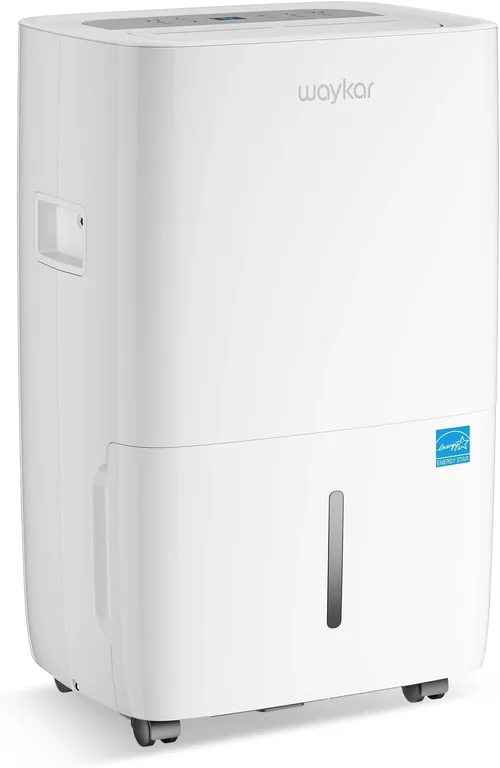
If you’ve ever stepped into a basement and immediately felt that damp, musty chill—or worse, noticed mold creeping along the baseboards—you already know why a dehumidifier isn’t just a nice-to-have, it’s essential. Basements are notorious for high humidity, poor ventilation, and temperature fluctuations, all of which create the perfect breeding ground for mold, mildew, dust mites, and structural damage. Over time, unchecked moisture can warp wood, corrode metal fixtures, and even compromise your home’s foundation. That’s where a reliable dehumidifier comes in: it pulls excess moisture from the air, restoring balance and protecting both your health and your property.
But here’s the catch—not all dehumidifiers are created equal, especially when you’re working with a tight budget. The market is flooded with options ranging from flimsy $50 units that barely make a dent in humidity to high-end models that cost more than some refrigerators. Navigating this landscape can be overwhelming, particularly if you’re unsure what features truly matter versus which ones are just marketing fluff. That’s exactly why this guide exists. Whether you’re a first-time buyer, a renter looking to improve air quality, or a homeowner trying to prevent long-term damage, we’ll walk you through everything you need to know to make a smart, informed decision—without overspending.
In this comprehensive buying guide, you’ll learn how to evaluate dehumidifiers based on real-world performance, not just flashy specs. We’ll break down the key factors that separate a decent budget unit from a disappointing one, compare different types of dehumidifiers suited for basement use, highlight common pitfalls to avoid, and share expert tips to help you get the best value for your money. By the end, you’ll have a clear roadmap to choose a dehumidifier that fits your space, your needs, and your wallet—so you can finally say goodbye to that basement funk for good.

What to Look for When Buying Buying Guide
1. Budget & Price Range
When shopping for a basement dehumidifier on a budget, it’s tempting to go for the cheapest option available—but that often leads to frustration down the line. While you don’t need to spend hundreds to get effective moisture control, understanding what your money actually buys is crucial. Budget dehumidifiers typically range from $80 to $200, and within this range, you’ll find significant differences in capacity, efficiency, durability, and features. A sub-$100 model might work fine in a small, mildly damp space, but it will likely struggle in a large or chronically wet basement. Conversely, spending closer to $150–$200 often gets you a unit with better build quality, larger water tanks, auto-shutoff, and improved energy efficiency—features that save you time, hassle, and electricity over time.
The key is to align your budget with your basement’s specific conditions. If your basement is under 500 square feet and only slightly humid, a lower-cost model may suffice. But if you’re dealing with standing water, condensation on walls, or frequent musty odors, investing a bit more upfront pays off in performance and longevity. Remember: a dehumidifier isn’t a one-and-done purchase—it’s a long-term appliance that should serve you for years. Spending wisely now means fewer replacements, lower repair costs, and consistent air quality later.
2. Performance Specifications
Performance isn’t just about how much water a dehumidifier can remove—it’s about doing so efficiently, quietly, and consistently under real-world conditions. The most important spec to check is the pint capacity, which indicates how many pints of moisture the unit can extract from the air in 24 hours. For basements, look for at least 30–50 pints per day (pint/day). A 30-pint model works well for moderately damp spaces up to 1,000 sq ft, while 50-pint units are better for larger or wetter areas. However, don’t rely solely on manufacturer claims—some brands inflate numbers based on ideal lab conditions (80°F and 60% RH), which rarely match your chilly, damp basement.
Another critical spec is the operating temperature range. Many budget dehumidifiers stop working efficiently below 65°F, which is problematic since basements often hover between 50°F and 60°F. Look for units labeled as “low-temperature operation” or “cold-climate capable,” which use specialized compressors or refrigerant blends to function effectively in cooler environments. Energy efficiency matters too—check the Energy Factor (EF), measured in liters of water removed per kilowatt-hour (L/kWh). A higher EF means lower electricity bills. Aim for at least 1.5 L/kWh; anything above 2.0 is excellent for a budget unit.
3. Build Quality & Durability
A dehumidifier that breaks after six months isn’t saving you money—it’s costing you. Build quality directly impacts how long your unit will last and how well it performs under daily use. Start by examining the materials: a sturdy plastic housing with reinforced corners and seams resists cracking better than thin, brittle alternatives. Check the compressor type—rotary compressors are generally quieter and more durable than reciprocating ones, though they’re less common in ultra-budget models. The evaporator and condenser coils should be coated (often with anti-corrosion epoxy) to prevent rust, especially in humid environments.
Pay attention to the water tank design. A poorly designed tank can leak, crack, or be difficult to remove and empty. Look for a tank with a secure handle, smooth edges, and a capacity of at least 1–1.5 gallons—anything less means frequent trips to the sink. Also consider whether the unit has a built-in pump or hose connection for continuous drainage. While not essential, this feature eliminates the need to manually empty the tank, which is a huge convenience in hard-to-reach basements. Finally, inspect the control panel: buttons should feel responsive, and displays (if present) should be clear and easy to read—even in dim lighting.
4. Features & Functionality
Modern budget dehumidifiers come packed with features that were once reserved for premium models. While you don’t need every bell and whistle, certain functionalities significantly enhance usability and effectiveness. Auto-humidistat is a must-have—it allows you to set your desired humidity level (ideally 30–50% for basements), and the unit will cycle on and off to maintain it automatically. Without this, you’re stuck guessing when to turn it on or off, which wastes energy and risks over-drying or under-dehumidifying.
Auto-restart is another valuable feature, especially during power outages. If the power cuts out and comes back on, the dehumidifier resumes its last setting without you having to reset it manually. Similarly, auto-defrost prevents ice buildup on the coils in cold basements—a common issue that can shut down cheaper units. Timer functions let you schedule operation during off-peak hours or when you’re away, saving energy. Some models even include washable filters, which reduce maintenance costs compared to disposable ones.
5. Brand Reputation
Not all budget brands are equal. Some companies specialize in affordable appliances with solid engineering, while others churn out low-cost units with minimal testing and support. Stick with reputable brands known for reliability in the dehumidifier space, such as Frigidaire, hOmeLabs, Keystone, GE, and Tosot. These brands consistently receive positive feedback for performance, customer service, and longevity—even in their entry-level models. Avoid unknown or generic brands sold exclusively through third-party online retailers unless they have extensive verified reviews and transparent specifications.
Research customer experiences beyond star ratings. Read detailed reviews that mention real-world performance, noise levels, durability, and customer support responsiveness. A brand with a strong reputation often stands behind its products with better warranties and accessible replacement parts. Additionally, established brands are more likely to comply with safety standards (like UL certification) and provide accurate product information, reducing the risk of buying a lemon.
6. Warranty & Support
A good warranty is a strong indicator of a manufacturer’s confidence in their product—and your protection if something goes wrong. Most budget dehumidifiers come with a 1-year limited warranty, which covers defects in materials and workmanship. However, some brands offer extended coverage (up to 2 years) or include additional perks like free filter replacements or troubleshooting support. Always read the fine print: many warranties exclude damage from improper use, lack of maintenance, or commercial applications.
Customer support matters just as much as the warranty length. Can you easily reach a human being via phone or chat? Are replacement parts (like filters or tanks) readily available? Do they offer troubleshooting guides or video tutorials? Brands with responsive support teams can save you hours of frustration if your unit malfunctions. Before buying, check the company’s support page and read user comments about their service experience. A little research upfront can prevent major headaches later.
7. Size & Portability
Basements aren’t always easy to access, so portability is a practical concern. Look for a dehumidifier that’s compact enough to fit in tight spaces but robust enough to handle the workload. Most basement units weigh between 30 and 50 pounds—light enough to move with wheels or recessed handles, but heavy enough to stay stable during operation. Integrated caster wheels are a huge plus, allowing you to roll the unit from one area to another without straining your back.
Consider the footprint: a tall, narrow design fits better in corners or beside furniture than a wide, boxy model. Cord length also matters—aim for at least 6 feet to reach outlets without relying on extension cords, which can be a fire hazard. Some models include a cord wrap or storage compartment, keeping the basement tidy. If you plan to move the dehumidifier seasonally (e.g., from basement to crawl space), prioritize lightweight designs with ergonomic handles.
8. User Reviews & Ratings
Spec sheets tell you what a dehumidifier should do—user reviews tell you what it actually does. Always check verified purchase reviews on trusted platforms like Amazon, Home Depot, or Consumer Reports. Look for patterns: if multiple users mention the same issue (e.g., “stopped working after 3 months” or “loud compressor”), it’s likely a real flaw. Conversely, consistent praise for quiet operation, easy tank removal, or effective moisture control signals a reliable product.
Pay attention to reviews from people with similar basement conditions—size, humidity level, temperature, and usage frequency. A unit that works great in a dry garage might fail in a flooded basement. Also note how recent the reviews are; older models may have been discontinued or updated. Finally, don’t dismiss critical reviews outright—they often reveal important limitations that specs alone won’t show.
Different Types of Buying Guide

Common Buying Mistakes to Avoid
❌ Mistake: Buying Based Solely on Pint Capacity
Why it’s bad: A higher pint rating doesn’t always mean better performance—especially if the unit can’t handle your basement’s temperature or humidity level. Some manufacturers exaggerate capacity under unrealistic conditions, leading to disappointment when the unit struggles in real-world use.
What to do instead: Match pint capacity to your basement size and moisture severity. Use online calculators or consult sizing guides from reputable sources. Also verify low-temperature performance and Energy Factor.
❌ Mistake: Ignoring Operating Temperature Range
Why it’s bad: Most standard dehumidifiers shut down or lose efficiency below 65°F. If your basement is cool (common in winter or northern climates), the unit may stop working entirely, leaving your space vulnerable to mold growth.
What to do instead: Choose a model specifically designed for cold environments. Look for “low-temp operation” or “cold-climate” labels, and confirm the minimum operating temperature (ideally 41°F or lower).
❌ Mistake: Overlooking Drainage Options
Why it’s bad: Emptying a full water tank every few days is tedious and easy to forget. If you skip it, the unit stops working, and humidity rebounds quickly.
What to do instead: Opt for a model with a continuous drainage option—either a hose hookup or an internal pump. Even budget units now offer this feature, and it’s worth the small price increase for convenience.
❌ Mistake: Choosing the Cheapest Model Without Checking Build Quality
Why it’s bad: Ultra-low-cost units often use flimsy materials, weak compressors, and uncoated coils that rust quickly. They may last only a season or two, costing more in replacements than a slightly pricier, durable model.
What to do instead: Spend a little extra for reinforced housing, coated coils, and a reputable brand. Read reviews focusing on longevity and reliability.
❌ Mistake: Not Setting a Realistic Budget
Why it’s bad: Trying to squeeze too much performance into a $70 budget often results in a unit that’s underpowered, noisy, or short-lived. Conversely, overspending on features you don’t need wastes money.
What to do instead: Set a budget between $120 and $180—this range typically offers the best value for basement dehumidifiers with essential features and decent durability.
❌ Mistake: Skipping User Reviews
Why it’s bad: Marketing materials highlight strengths but hide weaknesses. Without real-user feedback, you might miss critical flaws like leaking tanks, poor customer service, or inaccurate humidity readings.
What to do instead: Spend 15 minutes reading detailed reviews from verified buyers. Focus on comments about performance in similar conditions to yours.
❌ Mistake: Forgetting About Energy Efficiency
Why it’s bad: A cheap dehumidifier with high energy consumption can cost you more in electricity over a year than the savings on the purchase price.
What to do instead: Check the Energy Factor (EF) and look for ENERGY STAR certification if possible. Even small differences in efficiency add up over time.
Budget Guidelines: How Much Should You Spend?
– Entry-Level ($80–$120): What to expect… Basic functionality with limited features. These units often lack auto-humidistats, have small tanks (under 1 gallon), and may not operate well in cold basements. Best for very small, mildly damp spaces or occasional use. Expect shorter lifespans and higher maintenance.
– Mid-Range ($120–$180): Sweet spot for most buyers… You’ll find reliable performance, larger tanks (1–1.5 gallons), auto-defrost, auto-restart, and decent energy efficiency. Many include continuous drainage options and operate down to 50°F. This tier offers the best balance of price, features, and durability for typical basement needs.
– Premium ($180–$250): For enthusiasts and professionals… Enhanced build quality, larger capacities (50+ pints), internal pumps, smart controls, and superior cold-weather performance. Ideal for large, wet basements or users who want minimal maintenance and maximum automation.
– Luxury ($250+): Top-tier features… Commercial-grade components, Wi-Fi connectivity, advanced filtration, and extended warranties. While overkill for most homeowners, these are worth considering if you have severe moisture issues or plan to use the unit year-round in extreme conditions.
Expert Tips for Getting the Best Deal
– Buy during off-season sales: Dehumidifiers are in highest demand during summer. Shop in late fall or winter (October–February) for discounts of 20–30% as retailers clear inventory.
– Check retailer return policies: Choose stores with generous return windows (30–90 days) so you can test the unit in your basement and return it if it underperforms.
– Look for bundle deals: Some retailers offer free shipping, extended warranties, or accessory kits (like hoses or filters) with purchase—these add value without increasing the base price.
– Compare total cost of ownership: Factor in energy usage, filter replacements, and potential repair costs—not just the sticker price. A slightly more expensive efficient model may save money long-term.
– Sign up for price alerts: Use tools like Honey, CamelCamelCamel, or Google Shopping to track price drops on specific models.
– Consider refurbished or open-box units: Certified refurbished models from reputable sellers often come with warranties and cost 20–40% less than new ones.
– Test before committing: If buying in-store, inspect the build quality, tank design, and control layout. Online, watch unboxing or review videos to see the unit in action.
– Prioritize warranty length: A 2-year warranty signals confidence in the product. Avoid brands that offer only 90-day coverage unless heavily discounted.

Frequently Asked Questions
Q: How do I know what size dehumidifier I need for my basement?
A: Start by measuring your basement’s square footage. Then assess moisture severity: slightly damp (30–40 pints), moderately damp (40–50 pints), or very wet (50+ pints). Use online sizing charts from brands like Frigidaire or hOmeLabs, which account for both size and humidity level.
Q: Can a dehumidifier run 24/7?
A: Yes—most modern units are designed for continuous operation. However, set a target humidity (30–50%) and use the auto-humidistat so it cycles on and off as needed. This saves energy and reduces wear.
Q: Will a dehumidifier lower my electricity bill?
A: Not directly—but by reducing humidity, your HVAC system doesn’t have to work as hard to cool your home, which can lower overall energy use. Choose an ENERGY STAR model for maximum savings.
Q: Should I use a dehumidifier in winter?
A: Only if your basement remains damp or you notice condensation. In very cold, dry winters, it may not be necessary. Use a hygrometer to monitor humidity levels.
Q: How often should I clean the filter?
A: Every 2–4 weeks during heavy use. A clogged filter reduces airflow and efficiency. Most filters are washable—rinse with warm water and let dry completely before reinstalling.
Q: Can I drain the dehumidifier directly into a sump pump?
A: Yes, if the pump has an inlet or you can route a hose to it. Ensure the connection is secure to prevent leaks. Some units include a built-in pump for this purpose.
Q: Why is my dehumidifier freezing up?
A: This usually happens in cold basements (<55°F) with standard refrigerant units. Switch to a low-temperature model or move the unit to a warmer area if possible.
Q: Do I need a dehumidifier if I have a sump pump?
A: Absolutely. A sump pump removes standing water but doesn’t control airborne moisture. You still need a dehumidifier to prevent mold and musty odors.
Q: How long do budget dehumidifiers typically last?
A: With proper maintenance, most last 3–5 years. Higher-quality mid-range models can reach 5–7 years. Clean filters regularly and avoid operating in extreme temperatures.
Q: Are smart dehumidifiers worth the extra cost?
A: Only if you value remote monitoring, alerts, or integration with smart home systems. For basic moisture control, a standard model with auto-humidistat is sufficient.
Our Final Recommendations
– Best for Budget-Conscious Buyers: hOmeLabs 30 Pint Dehumidifier – Reliable performance, compact design, and excellent reviews under $130. Great for small to medium basements with mild dampness.
– Best Overall Value: Frigidaire FFAD5033W1 50 Pint – Robust build, low-temperature operation, large tank, and continuous drainage option. Priced around $170, it’s a workhorse for most basement needs.
– Best Premium Option: Tosot 50 Pint Smart Dehumidifier – Wi-Fi enabled, internal pump, and quiet operation. Ideal for tech-savvy users who want hands-off moisture control.
– Best for Beginners: Keystone 30 Pint Dehumidifier – Simple controls, lightweight, and easy to maintain. Perfect for first-time buyers or renters.
– Best for Advanced Users: GE 50 Pint with Pump – High capacity, durable construction, and versatile drainage options. Suited for large, challenging basements.
Conclusion: Making the Right Choice
Choosing the right budget dehumidifier for your basement doesn’t have to be overwhelming—or expensive. By focusing on key factors like performance specs, build quality, temperature range, and essential features, you can find a unit that delivers real results without breaking the bank. Remember, the goal isn’t to buy the cheapest option, but the one that best matches your space, climate, and usage habits. A well-chosen dehumidifier will protect your home from mold, improve air quality, and give you peace of mind for years to come.
Don’t rush the decision. Take time to compare models, read honest reviews, and consider long-term value over upfront cost. And if you’re unsure, start with a mid-range unit from a trusted brand—it’s the sweet spot where affordability meets reliability. Your basement (and your lungs) will thank you. Ready to breathe easier? Start shopping with confidence today.