
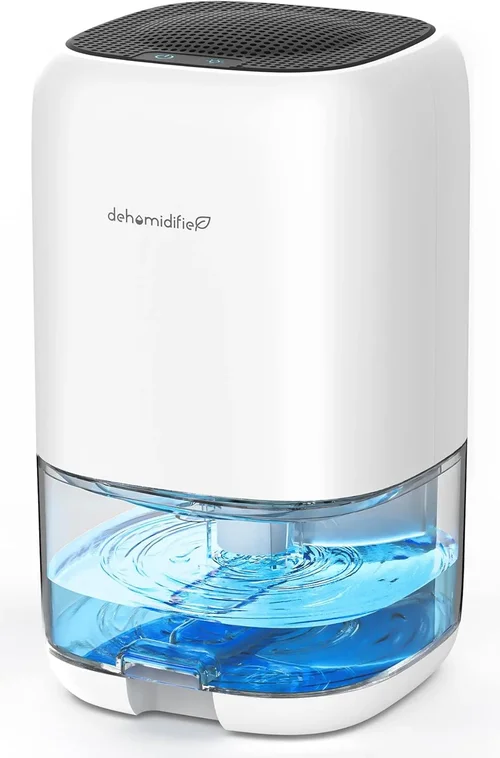
If you’ve ever woken up to condensation dripping down your bedroom window, spotted mould creeping along the corners of your wardrobe, or noticed that damp, musty smell lingering in your home—especially during the colder months—you already know how disruptive excess moisture can be. In the UK, where damp weather is practically a national pastime, controlling indoor humidity isn’t just about comfort; it’s a necessity for health, home preservation, and peace of mind. High humidity levels can trigger or worsen respiratory issues like asthma, encourage dust mite proliferation, and damage furniture, walls, and electronics. That’s where a dehumidifier comes in—not as a luxury, but as a practical, long-term investment in your living environment.
But here’s the catch: not everyone wants—or needs—to spend hundreds of pounds on a high-end model. Whether you’re renting a flat in Manchester, managing a small flat in London, or simply looking to improve air quality without breaking the bank, budget dehumidifiers offer a smart, accessible solution. This comprehensive buying guide is designed specifically for UK households seeking reliable, affordable moisture control. You’ll learn exactly what to look for, how to avoid common pitfalls, and which models deliver the best performance per pound. We’ll break down everything from technical specs to real-world usability, so you can make an informed decision—even if you’ve never bought a dehumidifier before.
The UK market for budget dehumidifiers has evolved significantly in recent years. With rising energy costs and growing awareness of indoor air quality, manufacturers have responded with more efficient, feature-rich models at lower price points. From compact refrigerant units ideal for single rooms to portable desiccant models perfect for caravans or bathrooms, there’s now a wider range of options than ever before. However, this abundance also means it’s easier to get overwhelmed or misled by flashy marketing claims. Our goal is to cut through the noise and give you the tools to choose wisely—so you get lasting value, not just a cheap price tag.

What to Look for When Buying Buying Guide
1. Budget & Price Range
When shopping for a budget dehumidifier in the UK, it’s essential to define your spending limit upfront—but also understand what that budget buys you. Most “budget” models fall between £50 and £150, with the sweet spot typically around £80–£120. At this range, you can expect solid performance for small to medium-sized spaces (up to 20m²), basic controls, and reliable moisture removal without premium extras like Wi-Fi connectivity or advanced filtration. Going below £50 often means sacrificing build quality, capacity, or efficiency, while spending over £150 usually enters mid-range territory with better energy ratings and smarter features.
Ask yourself: What problem am I solving? If you’re dealing with occasional condensation in a single room, a £60–£80 unit may suffice. But if you have persistent damp, mould, or a larger open-plan space, investing closer to £120 could save you money long-term by preventing costly repairs. Remember, the cheapest option isn’t always the most cost-effective—especially when factoring in electricity usage and durability.
2. Performance Specifications
Performance isn’t just about how much water a dehumidifier can extract—it’s about doing so efficiently, quietly, and consistently. The two key metrics to focus on are extraction rate (measured in litres per day, or L/day) and tank capacity (in litres). For most UK homes, a 10–12L/day extraction rate is sufficient for a standard living room or bedroom. Larger spaces (like open-plan kitchens or basements) may require 15L+, but these often exceed true “budget” pricing.
Tank capacity matters too. A 2–3L tank is typical for budget models and needs emptying every 8–12 hours in high-humidity conditions. If you don’t want to be constantly checking and emptying the tank, look for auto-shutoff and continuous drainage options—even at lower price points, some models include a hose attachment for gravity drainage into a sink or floor drain.
Also consider the operating temperature range. Refrigerant dehumidifiers (the most common type) work best above 15°C, making them ideal for heated homes in winter. Desiccant models perform better in colder spaces (like garages or unheated rooms) but tend to use more energy. Always match the unit’s specs to your room’s typical conditions.
3. Build Quality & Durability
A dehumidifier is a mechanical appliance that runs for hours—sometimes days—at a time. Cheap plastic casings, flimsy control panels, or weak compressors can lead to premature failure, especially if you’re using it daily. Look for sturdy construction with reinforced handles, secure tank latches, and well-sealed components. Check user reviews for mentions of leaks, rattling noises, or compressor issues after a few months of use.
Pay attention to the filter system too. A washable, reusable air filter is a big plus—it reduces ongoing costs and maintenance hassle. Some budget models skimp here with non-removable or low-quality filters that clog quickly, reducing airflow and efficiency. A good filter should trap dust, pet dander, and mould spores without needing replacement every few weeks.
4. Features & Functionality
You don’t need all the bells and whistles to get effective dehumidification, but certain features can dramatically improve usability. Essential functions include:
– Humidity sensor and auto mode: Automatically adjusts fan speed to maintain your target humidity (usually 40–60%).
– Timer function: Lets you set run times (e.g., 2, 4, or 8 hours) to save energy.
– Continuous drainage option: Allows use of a hose for unattended operation.
– Laundry drying mode: Boosts fan speed to speed up drying clothes indoors—a huge winter lifesaver in the UK.
Avoid models that only offer “on/off” or fixed-speed settings—they’re inefficient and noisy. Even in budget ranges, many brands now include digital displays, child locks, and quiet night modes. Prioritise features that align with your lifestyle: if you dry clothes inside often, laundry mode is worth paying a little extra for.
5. Brand Reputation
Stick with established brands that have a track record in the UK market. Names like Meaco, EcoAir, Pro Breeze, and Duronic consistently receive positive feedback for reliability and customer service. While lesser-known brands might offer tempting prices, they often lack spare parts, local support, or consistent quality control.
Check if the brand offers UK-based customer service and whether spare filters or tanks are readily available. A reputable brand also typically provides clearer manuals, better warranty terms, and more transparent specifications—no vague “high efficiency” claims without data to back them up.
6. Warranty & Support
A solid warranty is a strong indicator of a manufacturer’s confidence in their product. Most reputable budget dehumidifiers come with a 1–2 year warranty. Avoid anything less than 12 months—especially if it’s a “manufacturer-only” warranty with no retailer backup.
Read the fine print: Does the warranty cover labour and parts? Is it valid only if registered within 30 days? Can you get support via phone, email, or live chat? In the UK, consumer rights under the Consumer Rights Act 2015 mean you’re entitled to a repair, replacement, or refund if the product is faulty—but having a responsive brand makes the process much smoother.
7. Size & Portability
Even budget dehumidifiers should be easy to move. Look for units under 10kg with integrated handles and smooth-rolling wheels (if intended for multi-room use). Compact dimensions (ideally under 40cm tall and 30cm wide) make storage easier when not in use.
Consider where you’ll place it: under a worktop, in a corner, or near a window? Ensure there’s adequate airflow (at least 15cm clearance on all sides) and that the power cord is long enough (most are 1.5–2m). Some models are designed to sit discreetly in living areas, while others are bulkier but more powerful—choose based on your space constraints.
8. User Reviews & Ratings
Never rely solely on manufacturer specs. Real-world user reviews—especially on trusted UK retailers like Amazon UK, Argos, Currys, or John Lewis—reveal how a dehumidifier performs over weeks and months. Look for patterns: Do multiple users report leaks? Is the noise level acceptable for nighttime use? Does it actually reduce mould?
Pay special attention to reviews from people in similar climates or housing types (e.g., Victorian terraces, modern flats, rural cottages). A model that works well in a dry Scottish home might struggle in a damp Cornish cottage. Also check recent reviews—product quality can change with new production batches.
Different Types of Buying Guide
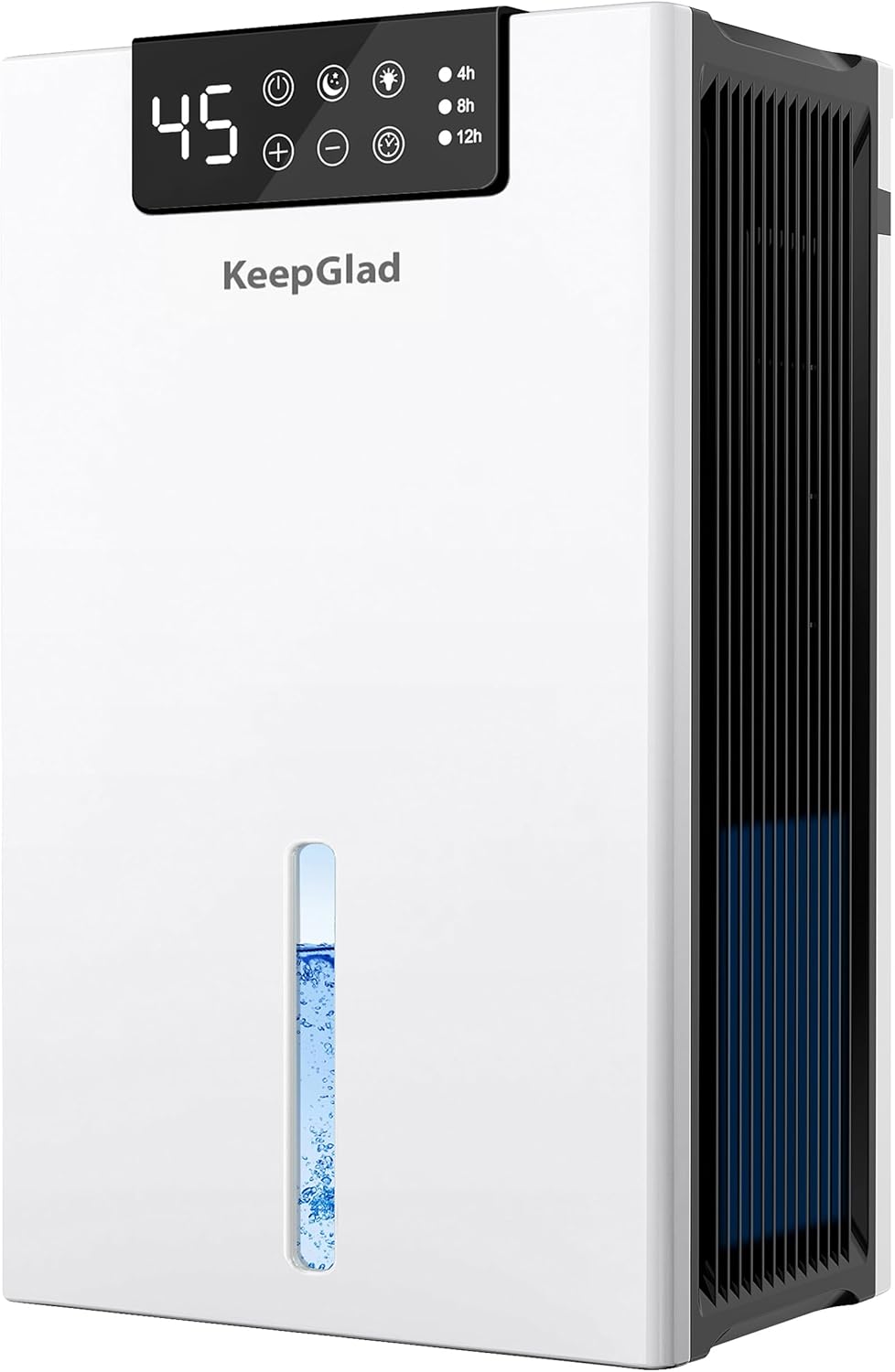
Common Buying Mistakes to Avoid
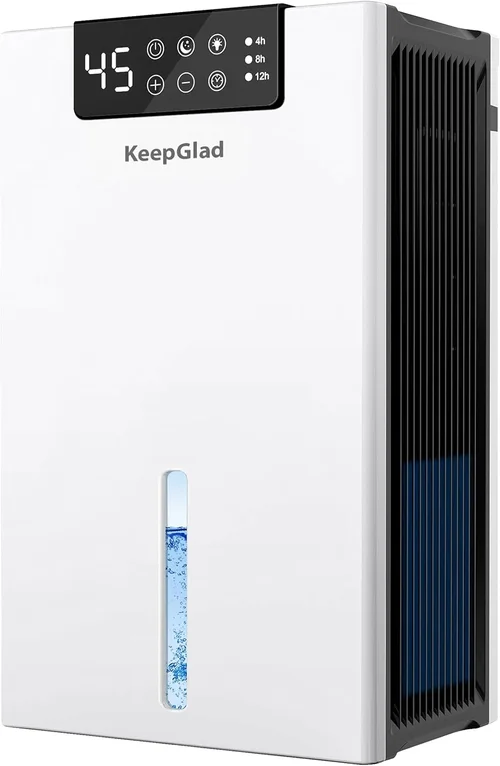
❌ Mistake: Choosing Based Solely on Price
Why it’s bad: The cheapest dehumidifier often lacks essential features like auto-humidity control, has a tiny tank, or uses inefficient technology that costs more to run. You might end up buying a second unit within a year.
What to do instead: Set a realistic budget (£80–£120 is ideal for most) and compare value—not just upfront cost. Factor in energy consumption, tank size, and included features.
❌ Mistake: Ignoring Room Size and Humidity Level
Why it’s bad: A 5L/day unit will struggle in a damp 30m² living room, leading to constant running, high bills, and ineffective moisture control.
What to do instead: Measure your space and assess humidity severity. Use a hygrometer (often built into dehumidifiers) to check levels. Match the unit’s extraction rate to your needs—10–12L/day for moderate damp in 15–20m².
❌ Mistake: Overlooking Noise Levels
Why it’s bad: Many budget models exceed 50dB—loud enough to disrupt sleep or TV watching. Desiccant units can be especially noisy due to high-speed fans.
What to do instead: Check decibel ratings (look for <45dB for bedrooms). Read user reviews mentioning noise. Consider placing the unit in a hallway or utility room if silence is critical.
❌ Mistake: Not Planning for Tank Emptying
Why it’s bad: If you forget to empty a full tank, the unit shuts off and humidity builds up again—defeating the purpose.
What to do instead: Choose a model with auto-shutoff and consider continuous drainage if you’ll run it overnight or while away. A 3L+ tank reduces emptying frequency.
❌ Mistake: Buying Without Checking Warranty or Support
Why it’s bad: Faulty units from unknown brands may be impossible to repair or return, leaving you stuck with a broken appliance.
What to do instead: Only buy from retailers with clear return policies and choose brands offering at least a 1-year warranty with UK support.
❌ Mistake: Assuming All “Energy Efficient” Models Are Equal
Why it’s bad: Some units claim efficiency but lack proper certification or run at high wattage (e.g., 300W+), increasing running costs.
What to do instead: Look for the official EU Energy Label (A–G rating) and check wattage. Aim for <250W for 10–12L/day models.
❌ Mistake: Skipping User Reviews
Why it’s bad: Marketing photos and specs don’t reveal real-world issues like leaks, poor build quality, or misleading capacity claims.
What to do instead: Spend 10 minutes reading 10+ recent reviews from verified buyers. Focus on long-term users (3+ months) for reliability insights.
Budget Guidelines: How Much Should You Spend?
– Entry-Level (£30–£60): These are typically Peltier or very basic refrigerant units. Best for tiny spaces (wardrobes, cupboards) or occasional use. Expect small tanks (0.5–1.5L), low extraction (1–3L/day), and minimal features. Not suitable for whole-room dehumidification.
– Mid-Range (£80–£120): The sweet spot for most UK households. You’ll find reliable refrigerant models with 10–12L/day extraction, 2–3L tanks, auto-humidity control, timers, and decent build quality. Ideal for bedrooms, living rooms, or small flats.
– Premium (£130–£180): For those willing to stretch slightly beyond “budget,” these offer better energy efficiency (A+ rated), larger tanks (3–4L), quieter operation (<42dB), and advanced features like laundry mode or air purification. Great for larger homes or chronic damp issues. - Luxury (£200+): Top-tier models with Wi-Fi, app control, HEPA filters, and industrial-grade components. While excellent, they’re overkill for typical budget buyers and better suited for professionals or severe mould remediation.
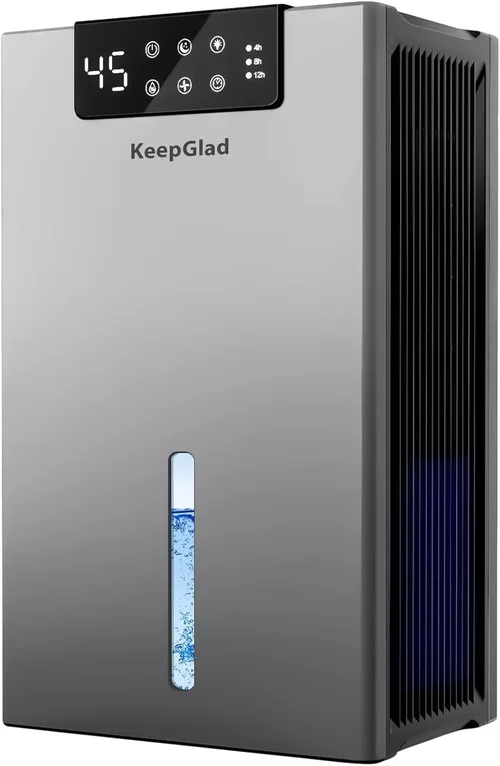
Expert Tips for Getting the Best Deal
– Buy in late summer or early autumn: Retailers often discount dehumidifiers before winter demand peaks. August–September is ideal for snagging deals.
– Shop during Black Friday or January sales: Major UK retailers slash prices on home appliances during these periods. Sign up for newsletters to get early alerts.
– Compare across multiple retailers: Prices vary significantly between Amazon, Argos, Currys, John Lewis, and specialist sites like AirconDirect. Use price-tracking tools like Keepa or CamelCamelCamel.
– Check for bundled offers: Some sellers include free filters, extension hoses, or hygrometers—adding value without raising the price.
– Read the return policy carefully: Ensure you can return the unit within 30 days if it doesn’t meet expectations. Avoid sellers with restocking fees.
– Test before committing long-term: Run the dehumidifier for a week in your problem area. If humidity drops and mould stops spreading, you’ve made a good choice.
– Register your warranty immediately: Many brands require registration within 14–30 days to activate coverage.
– Consider running costs: Calculate annual electricity use: (Watts ÷ 1000) × hours used per day × 365 × £0.28 (average UK kWh rate). A 200W unit running 8 hours/day costs about £165/year.

Frequently Asked Questions
Q: Do I really need a dehumidifier in the UK?
A: If you experience condensation, mould, musty smells, or damp patches—especially in winter—yes. The UK’s cool, wet climate creates ideal conditions for excess indoor moisture, particularly in poorly ventilated homes.
Q: Can a dehumidifier help with asthma or allergies?
A: Absolutely. By reducing humidity below 60%, dehumidifiers inhibit dust mites and mould growth—two major triggers for respiratory issues. Many users report fewer symptoms within weeks of regular use.
Q: How often should I empty the water tank?
A: It depends on humidity levels and tank size. In high-moisture conditions, a 2L tank may need emptying twice daily. Use auto-shutoff models and consider continuous drainage for convenience.
Q: Are budget dehumidifiers noisy?
A: Most modern budget units operate between 40–50dB—similar to a quiet conversation. Avoid desiccant models if noise is a concern, as their fans are louder than compressor-based units.
Q: Can I use a dehumidifier in an unheated room?
A: Only if it’s a desiccant model. Refrigerant dehumidifiers lose efficiency below 15°C and may ice up. For garages or sheds, choose a desiccant unit rated for low temperatures.
Q: Will a dehumidifier increase my electricity bill?
A: Yes, but moderately. A typical 200W unit running 8 hours/day adds about £165/year at current UK rates. However, this is often offset by reduced heating costs (dry air feels warmer) and prevention of mould damage.
Q: How do I know if my dehumidifier is working?
A: Check the water tank—it should collect water daily in damp conditions. Also, use a hygrometer to monitor humidity; it should stabilise between 40–60%. If mould stops spreading, it’s working.
Q: Can I leave a dehumidifier on all night?
A: Yes, as long as it has auto-shutoff and is placed safely away from flammable materials. Choose a quiet model (<45dB) for bedroom use.
Q: What’s the difference between a dehumidifier and an air purifier?
A: A dehumidifier removes moisture; an air purifier removes pollutants like pollen, smoke, and bacteria. Some models combine both functions, but they serve different purposes.
Q: How long do budget dehumidifiers last?
A: With proper care (regular cleaning, filter maintenance), most last 3–5 years. Higher-quality budget models from reputable brands often exceed this.
Our Final Recommendations
– Best for Budget-Conscious Buyers: Pro Breeze 12L/Day Dehumidifier (£89) – Excellent balance of price, performance, and features. Includes auto-humidity control, 2.5L tank, and quiet operation. Highly rated on Amazon UK.
– Best Overall Value: MeacoDry Arete One 10L (£119) – Slightly above strict budget range but worth every penny. A+ energy rated, ultra-quiet (38dB), with laundry mode and robust build. Ideal for daily use.
– Best Premium Option (Under £150): EcoAir DC18 Compact Dehumidifier (£139) – Powerful 18L/day extraction, 3.8L tank, and advanced filtration. Perfect for larger rooms or severe damp.
– Best for Beginners: Duronic DMD10 Dehumidifier (£75) – Simple controls, reliable performance, and easy maintenance. Great first dehumidifier with clear instructions and UK support.
– Best for Advanced Users: Meaco DD8L Zambezi (£149) – Desiccant technology for cold rooms, precise humidity control, and low energy use. Ideal for tech-savvy users needing versatility.
Conclusion: Making the Right Choice
Choosing the right budget dehumidifier doesn’t have to be overwhelming. By focusing on your specific needs—room size, humidity level, noise tolerance, and must-have features—you can find a model that delivers real value without overspending. Remember, the goal isn’t just to remove water from the air, but to create a healthier, more comfortable home environment that lasts.
Prioritise energy efficiency, build quality, and user feedback over flashy marketing. Invest in a reputable brand with solid warranty support, and don’t shy away from spending a little more for features that matter to you—like auto-humidity control or continuous drainage. And always test your choice in real-world conditions before deciding it’s the right fit.
With the insights from this guide, you’re now equipped to navigate the crowded market with confidence. Whether you’re tackling winter condensation, preventing mould, or simply improving indoor air quality, the right budget dehumidifier can make a dramatic difference—without costing a fortune. Take action today, and breathe easier tomorrow.