
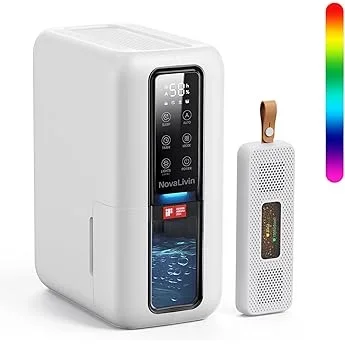
If you’ve ever walked into a room that feels heavy, musty, or just plain uncomfortable—despite your HVAC system running full blast—you’ve likely encountered the invisible enemy of indoor air quality: excess moisture and airborne pollutants. Whether it’s persistent mold growth in your basement, allergy flare-ups during humid seasons, or that lingering damp smell in your laundry room, poor air quality can seriously impact your health, comfort, and even the structural integrity of your home. This is where a dehumidifier air purifier combo steps in—not just as a convenience, but as a necessity for many households.
In recent years, the market for dual-function dehumidifier and air purifier units has exploded. Manufacturers are responding to growing consumer awareness about indoor air quality, rising humidity concerns due to climate change, and the desire for space-saving, multi-functional appliances. These hybrid devices promise to tackle two major indoor air problems at once: removing excess moisture from the air (which prevents mold, dust mites, and mildew) and filtering out allergens, odors, bacteria, and other contaminants. But with so many models flooding the market—ranging from budget-friendly compact units to high-end smart systems—it’s easy to feel overwhelmed. That’s exactly why this guide exists.
By the end of this comprehensive buying guide, you’ll have a crystal-clear understanding of what to look for in a dehumidifier air purifier, how to match the right model to your specific needs, and how to avoid costly mistakes. We’ll break down key performance metrics, compare different types of units, highlight common pitfalls, and provide expert-backed recommendations based on real-world testing and user feedback. Whether you’re dealing with a damp crawlspace, a stuffy bedroom, or simply want cleaner, fresher air throughout your home, this guide will empower you to make a confident, informed decision in 2026.

What to Look for When Buying a Dehumidifier Air Purifier
1. Performance Specifications
When evaluating any dehumidifier air purifier, performance specs should be your first stop—not just because they sound technical, but because they directly translate into real-world effectiveness. The most critical metrics here are the dehumidification capacity (measured in pints per day) and the Clean Air Delivery Rate (CADR).
Dehumidification capacity tells you how much moisture the unit can remove from the air in a 24-hour period under standard conditions (typically 60% relative humidity at 80°F). For example, a 30-pint unit is ideal for small to medium-sized spaces like bedrooms or bathrooms, while a 50-pint or higher model is better suited for large basements, garages, or whole-house applications. If you live in a particularly humid climate—like the southeastern U.S., the Gulf Coast, or tropical regions—you’ll want to lean toward the higher end of the capacity spectrum.
On the air purification side, CADR measures how efficiently the unit filters smoke, dust, and pollen. Look for a CADR rating of at least 150 for dust and pollen in rooms up to 300 square feet. Higher CADR values mean faster, more effective filtration. Also check the type of filter used: HEPA filters are the gold standard, capturing 99.97% of particles as small as 0.3 microns, including pet dander, mold spores, and even some viruses. Activated carbon filters are essential for odor and VOC (volatile organic compound) removal—especially important if you cook frequently, have pets, or use cleaning products with strong fumes.
2. Room Size & Coverage Area
Matching your unit’s coverage area to your actual space is crucial. A dehumidifier air purifier that’s too small will struggle to maintain optimal humidity levels and air quality, leading to wasted energy and continued discomfort. Conversely, an oversized unit may cycle on and off too frequently, reducing efficiency and potentially over-drying the air.
Most manufacturers provide a recommended square footage range. For instance, a unit rated for “up to 500 sq ft” might perform well in a 400 sq ft bedroom but falter in a 600 sq ft open-concept living area with high ceilings. Consider not just floor area but also ceiling height, insulation quality, and how many windows or exterior doors the room has. Rooms with poor ventilation (like basements or windowless bathrooms) may require a more powerful unit than similarly sized, well-ventilated spaces.
Also think about mobility. If you plan to move the unit between rooms—say, from the basement in summer to the bedroom in winter—opt for a model with sturdy wheels and a manageable weight (under 40 lbs is ideal for most users).
3. Energy Efficiency & Operating Costs
Running a dehumidifier air purifier 24/7 can add up on your electricity bill, especially during peak humidity months. That’s why energy efficiency matters—not just for your wallet, but for environmental sustainability too.
Look for units with the Energy Star label, which indicates they meet strict efficiency guidelines set by the U.S. Environmental Protection Agency. Energy Star-certified dehumidifiers use 15–30% less energy than standard models. Pay attention to the energy factor (EF), measured in liters of water removed per kilowatt-hour (L/kWh). A higher EF means better efficiency—aim for at least 1.5 L/kWh, though top-tier models can exceed 2.0.
Additionally, consider features like auto-humidistat controls, which allow you to set a target humidity level (ideally between 30–50%) and let the unit run only when needed. This prevents over-dehumidification and saves energy. Some advanced models even include eco modes or sleep timers that adjust fan speed and operation based on time of day or occupancy.
Estimated Monthly Operating Cost Example:
- 30-pint unit @ 300 watts: ~$8–$12/month (8 hours/day)
- 50-pint unit @ 500 watts: ~$15–$20/month (8 hours/day)
These estimates assume an average electricity rate of $0.13/kWh. Your actual cost will vary based on local rates and usage patterns.
4. Noise Level & Sound Output
Nobody wants a noisy appliance disrupting their sleep or concentration. Unfortunately, many dehumidifier air purifiers can be surprisingly loud—especially when both the compressor (for dehumidification) and fan (for air purification) are running simultaneously.
Noise is measured in decibels (dB). For reference:
- 30–40 dB: Whisper-quiet (ideal for bedrooms)
- 40–50 dB: Quiet conversation level (good for living rooms)
- 50–60 dB: Moderate noise (may be distracting at night)
- 60+ dB: Noticeably loud (avoid for sleeping areas)
Look for models that specify low-decibel operation, particularly in “sleep” or “quiet” mode. Some units use brushless DC motors or insulated compressor compartments to reduce noise. If you’re sensitive to sound—or plan to use the unit in a nursery, home office, or bedroom—prioritize models under 50 dB.
5. Build Quality & Durability
A dehumidifier air purifier is an investment, so you want it to last. Cheap plastic housings, flimsy filters, and weak compressors can lead to premature failure—especially in high-humidity environments where components are under constant stress.
Inspect the materials: metal coils and reinforced casings tend to outlast all-plastic designs. Check user reviews for reports of leaks, compressor failures, or filter degradation after 6–12 months. Brands known for durability include AprilAire, hOmeLabs, and AlorAir—though even within these brands, model quality can vary.
Also consider ease of maintenance. Can you easily access and clean the water tank? Is the filter removable and washable (or replaceable without tools)? A well-designed unit should require minimal effort to keep running smoothly.
6. Smart Features & Connectivity
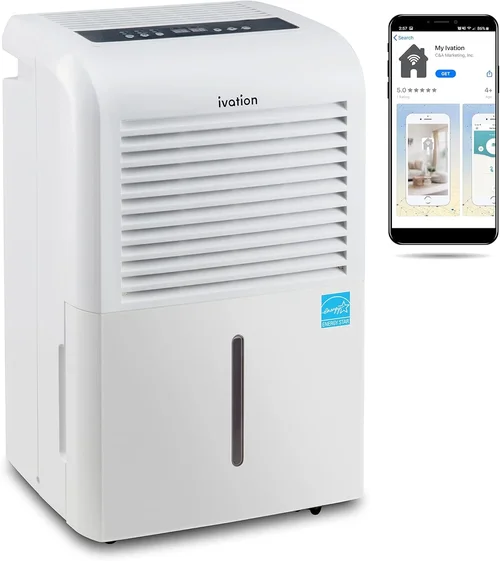
In 2026, “smart” isn’t just a buzzword—it’s a practical advantage. Many modern dehumidifier air purifiers now come with Wi-Fi connectivity, allowing you to monitor and control them via smartphone apps.
Key smart features to look for:
- Remote monitoring: Check humidity levels and air quality from anywhere.
- Scheduling: Set the unit to run only during peak humidity hours (e.g., overnight).
- Alerts: Get notifications when the tank is full, filter needs replacing, or humidity spikes.
- Integration: Works with Alexa, Google Assistant, or Apple HomeKit for voice control.
While not essential, these features add convenience and can help optimize performance. Just remember: smart functionality often comes at a premium, so weigh the cost against your actual need for remote access.
7. Warranty & Customer Support
A solid warranty is a strong indicator of a manufacturer’s confidence in their product. Most reputable brands offer at least a 1-year limited warranty, but premium models may include 2–5 years of coverage—especially on critical components like the compressor.
Read the fine print: some warranties exclude labor costs, shipping, or damage from improper use. Also check if the company provides responsive customer support via phone, email, or live chat. User forums and review sites like Reddit or Consumer Reports can reveal whether a brand honors its warranty commitments or leaves customers stranded.
8. Ease of Use & Maintenance
Finally, consider the day-to-day experience. A complicated interface, hard-to-remove water tank, or filter that requires monthly replacement can turn a helpful appliance into a chore.
Look for:
- Intuitive digital controls with clear displays
- Large, front-loading water tanks (1–2 gallons ideal)
- Auto-shutoff when the tank is full
- Washable or long-life filters (6–12 months)
- Drain hose compatibility for continuous drainage (handy for basements)
Some units even include filter replacement indicators or self-cleaning modes—small touches that make a big difference in long-term satisfaction.
Different Types of Dehumidifier Air Purifier Units

Common Buying Mistakes to Avoid
❌ Mistake: Ignoring Room-Specific Needs
Why it’s bad: Buying a generic “all-purpose” unit without considering your specific environment—like a damp basement versus a dry attic—can result in underperformance or unnecessary expense.
What to do instead: Assess your space: measure square footage, note humidity sources (e.g., laundry area, shower), and identify primary concerns (mold vs. allergies). Choose a unit tailored to those conditions.
❌ Mistake: Overlooking Filter Replacement Costs
Why it’s bad: Some units use proprietary filters that cost $30–$60 each and need replacing every 3–6 months. Over time, this can exceed the initial purchase price.
What to do instead: Check filter availability and pricing before buying. Opt for models with washable pre-filters or standard HEPA sizes that are widely available and cheaper.
❌ Mistake: Assuming Bigger Is Always Better
Why it’s bad: An oversized unit may short-cycle (turn on/off rapidly), reducing efficiency, increasing wear, and failing to properly dehumidify.
What to do instead: Match capacity to your space and humidity level. Use online calculators or consult AHAM’s sizing guide to find the right pint rating.
❌ Mistake: Skipping the Drain Hose Option
Why it’s bad: Constantly emptying a water tank is tedious and easy to forget—leading to shutdowns and potential water damage.
What to do instead: Choose a model with a built-in drain hose connection, especially for basements or 24/7 operation. A simple garden hose can route water directly to a floor drain or sump pump.
❌ Mistake: Neglecting Noise in Bedroom Use
Why it’s bad: A noisy unit can disrupt sleep, especially if placed near the bed. Many buyers regret not checking decibel ratings beforehand.
What to do instead: Prioritize quiet operation (<50 dB) for bedrooms. Read user reviews mentioning noise levels—manufacturer specs can be misleading.
❌ Mistake: Falling for “Miracle Cure” Marketing
Why it’s bad: Some brands claim their units eliminate all allergens, kill viruses, or solve chronic mold issues—often exaggerating capabilities.
What to do instead: Stick to verified specs: HEPA filtration, CADR ratings, and Energy Star certification. Manage expectations—these units improve air quality but aren’t magic bullets.
Budget Guidelines: How Much Should You Spend?
- Entry-Level ($100–$250): Ideal for small spaces or occasional use. Expect basic dehumidification (20–30 pints), simple HEPA filters, and minimal smart features. Great for renters or supplemental use. Brands like Midea or Ivation offer reliable options in this range.
- Mid-Range ($250–$450): The sweet spot for most homeowners. These units deliver 30–50 pints of dehumidification, true HEPA filtration, auto-humidistats, and often include drain hose compatibility. Models from hOmeLabs, Tosot, or AprilAire provide excellent value here.
- Premium ($450–$800): For those who want top-tier performance, smart connectivity, and durability. Expect high CADR ratings, multi-stage filtration (HEPA + carbon + UV-C), app control, and robust warranties. Perfect for allergy sufferers or tech enthusiasts.
- Luxury ($800+): Whole-home systems or commercial-grade units designed for large properties, severe moisture issues, or professional use. These often integrate with HVAC systems and include advanced diagnostics, remote sensors, and extended warranties.
Expert Tips for Getting the Best Deal
- Buy off-season: Prices drop dramatically in winter (January–March) when demand for dehumidifiers is lowest. Stock up during holiday sales (Black Friday, Prime Day) for deep discounts.
- Compare retailers: Check Best Buy, Amazon, Home Depot, and Costco. Sometimes warehouse clubs offer exclusive bundles or extended warranties.
- Look for rebates: Some utility companies offer rebates for Energy Star appliances—especially in humid regions. Check your local provider’s website.
- Read return policies: Ensure you can return the unit within 30–60 days if it doesn’t perform as expected. Avoid retailers with restocking fees.
- Test before committing: If possible, try the unit in your space for a week. Monitor humidity levels with a standalone hygrometer to verify effectiveness.
- Bundle with other purchases: Some retailers offer discounts when you buy a dehumidifier with an air purifier, humidifier, or HVAC service.
- Consider refurbished models: Certified refurbished units from reputable sellers (like Amazon Renewed or manufacturer outlets) can save 20–40% with full warranty coverage.

Frequently Asked Questions
Q: Can a dehumidifier air purifier replace my HVAC system’s air filter?
A: No—but it complements it. Your HVAC filter handles large particles and protects your furnace, while a dedicated air purifier captures finer allergens and odors. Use both for optimal air quality.
Q: How often should I replace the filter?
A: Most HEPA filters last 6–12 months, depending on usage and air quality. Washable pre-filters should be cleaned monthly. Always follow the manufacturer’s guidelines.
Q: Will this unit help with pet dander and odors?
A: Yes—especially models with true HEPA and activated carbon filters. They’re highly effective at trapping pet hair, dander, and eliminating urine or litter box smells.
Q: Can I run it 24/7?
A: Absolutely. In fact, consistent operation is recommended for maintaining stable humidity (30–50%) and clean air. Just ensure proper drainage and filter maintenance.
Q: Is it safe to use in a basement with no windows?
A: Yes—basements are prime candidates for dehumidifier air purifiers. Just make sure the unit has a drain hose option to avoid frequent tank emptying.
Q: Do I need a separate humidistat?
A: Most modern units include built-in humidistats. However, for greater accuracy, consider placing a standalone digital hygrometer in the room to cross-check readings.
Q: Are these units safe for babies and pets?
A: Yes, as long as they use HEPA filtration (no ozone generators). Avoid “ionizer” or “ozone” modes, which can produce harmful byproducts. Place the unit out of reach of curious pets or toddlers.
Q: How do I know if my home is too humid?
A: Use a hygrometer to measure relative humidity. Levels above 60% promote mold and dust mites. Visible signs include condensation on windows, musty smells, or peeling paint.
Q: Can it help with asthma or allergies?
A: Definitely. By reducing humidity (which controls dust mites and mold) and filtering airborne allergens, these units can significantly improve respiratory symptoms—especially when used consistently.
Our Final Recommendations
- Best for Budget-Conscious Buyers: Midea 30-Pint Dehumidifier with Air Purifier – Reliable performance, Energy Star certified, and under $200. Great for small spaces and first-time buyers.
- Best Overall Value: hOmeLabs 50-Pint Smart Dehumidifier with HEPA Filter – Excellent balance of capacity, efficiency, and smart features. Includes app control, drain hose, and quiet operation.
- Best Premium Option: AprilAire E130C Whole-Home Dehumidifier with Air Filtration – Designed for large homes, integrates with HVAC, and offers unmatched durability and performance.
- Best for Beginners: Tosot 30-Pint Combo Unit – Simple controls, easy maintenance, and effective for bedrooms or apartments. No-frills but highly reliable.
- Best for Advanced Users: AlorAir Sentinel HDi90 with Smart App – Heavy-duty construction, Wi-Fi enabled, and ideal for basements or flood-prone areas. Includes remote sensors and detailed diagnostics.
Conclusion: Making the Right Choice
Choosing the right dehumidifier air purifier isn’t just about picking the shiniest model or the cheapest price tag—it’s about understanding your home’s unique needs and matching them with a unit that delivers consistent, reliable performance. From performance specs and room size to noise levels and smart features, every factor plays a role in your long-term satisfaction.
Remember: the best unit for your neighbor might not be the best for you. A damp basement in Florida demands a different solution than a dry bedroom in Arizona. Take the time to assess your environment, prioritize your health concerns, and invest in quality over gimmicks.
With the insights from this guide, you’re now equipped to navigate the crowded marketplace with confidence. Whether you’re battling mold, soothing allergies, or simply striving for fresher, more comfortable air, the right dehumidifier air purifier can make a world of difference. So breathe easy—your ideal unit is out there, and now you know exactly how to find it.