
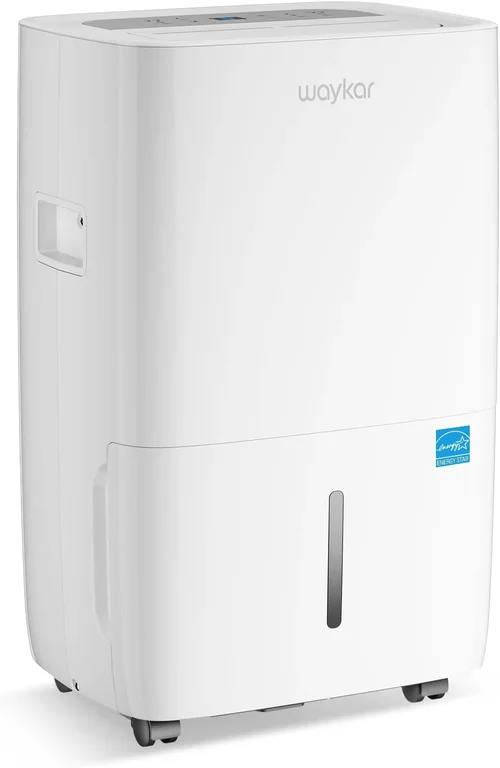
If you’ve ever stepped into your basement and been greeted by that unmistakable musty smell—or worse, noticed peeling paint, warped wood, or visible mold—you already know why a dehumidifier isn’t just a nice-to-have; it’s essential. Basements are naturally prone to high humidity due to poor ventilation, ground moisture seepage, and cooler temperatures that encourage condensation. Left unchecked, excess moisture can lead to structural damage, health hazards like mold spores in the air, and even ruin stored belongings like books, electronics, or seasonal clothing.
That’s where a quality dehumidifier comes in. But with dozens of models flooding the market—from compact units under $100 to industrial-grade machines costing over $500—it’s easy to feel overwhelmed. How do you know which one actually works for your space? What features matter most? And how much should you really be spending? This guide cuts through the noise. Whether you’re dealing with a damp crawl space, a finished rec room, or a full basement prone to flooding, we’ll walk you through everything you need to make a smart, informed decision. You’ll learn how to evaluate performance specs, avoid common pitfalls, understand different types of dehumidifiers, and find the best value for your specific needs—all without falling for marketing hype or overspending on features you don’t need.
The basement dehumidifier market has evolved significantly in recent years. Energy-efficient compressors, smart humidity sensors, Wi-Fi connectivity, and improved drainage options now make it easier than ever to maintain optimal indoor air quality. Yet, despite these advances, many buyers still end up with underpowered units, leaky tanks, or noisy machines that disrupt daily life. Our goal here is to equip you with expert-level knowledge so you can confidently choose a dehumidifier that delivers consistent performance, lasts for years, and actually solves your moisture problem—not just masks it.

What to Look for When Buying Buying Guide
1. Budget & Price Range
Your budget will heavily influence your options, but it’s important to view a dehumidifier as an investment rather than an expense. A cheap unit might save you money upfront, but if it can’t handle your basement’s square footage or runs inefficiently, you’ll end up paying more in electricity bills and replacements down the line. Most residential basement dehumidifiers range from $150 to $400, with premium models extending beyond $500. Set a realistic budget based on your basement size and humidity level—don’t skimp if you’re dealing with chronic dampness or standing water.
2. Performance Specifications
This is arguably the most critical factor. Look for two key metrics: pint capacity per day and coverage area (in square feet). Pint capacity refers to how much moisture the unit can remove in 24 hours under standard conditions (80°F and 60% relative humidity). For basements, aim for at least 30–50 pints per day (pints/day), with larger or wetter spaces requiring 70+ pints/day. Coverage area tells you the maximum square footage the unit is designed for—but note that this assumes moderate humidity. If your basement is chronically damp or below grade, choose a model rated for a larger area than your actual space. Also check the Energy Factor (L/kWh), which measures efficiency; higher numbers mean lower operating costs.
3. Build Quality & Durability
Basements are harsh environments—cold, dusty, and often poorly lit. A flimsy plastic housing or thin internal components won’t last long. Look for units with robust metal coils (not aluminum), sealed compressors, and corrosion-resistant finishes. Check user reviews for mentions of longevity, especially after 2–3 years of use. Brands like Frigidaire, GE, and hOmeLabs are known for solid construction, while ultra-budget brands may cut corners on materials. Pay attention to the condensate tank material too—thick, crack-resistant plastic is ideal.
4. Features & Functionality
Modern dehumidifiers come packed with features, but not all are equally useful. Essential ones include:
- Automatic shut-off when the tank is full
- Continuous drainage option (via hose hookup)—critical for unattended operation
- Humidistat to set and maintain your desired humidity level (ideally 30–50%)
- Defrost function for cold basements (below 65°F)
- Washable air filter to reduce maintenance
Bonus features like Wi-Fi controls, timers, or air purification modes can be nice but aren’t necessary for basic moisture control. Avoid “ionizer” or “ozone generator” claims—they’re often gimmicks with little proven benefit and potential air quality risks.
5. Brand Reputation
Stick with established brands that specialize in climate control appliances. Companies like Frigidaire, Danby, GE Appliances, and AprilAire have decades of experience and reliable customer support. Lesser-known brands may offer tempting prices, but they often lack service networks, spare parts availability, or consistent quality control. Check third-party review sites (like Consumer Reports or Wirecutter) and Reddit communities for real-user feedback. A brand with a strong track record in dehumidifiers is more likely to stand behind its product.
6. Warranty & Support
A good warranty signals confidence in the product. Look for at least a 1-year full warranty, with some premium models offering 2–5 years. Pay attention to what’s covered—compressor failure is the most common long-term issue, so ensure it’s included. Also verify whether the warranty requires registration, professional installation, or specific usage conditions. Customer support responsiveness matters too: can you easily reach a human? Are replacement filters or tanks readily available? Avoid brands with vague warranty terms or no U.S.-based support.
7. Size & Portability
Even though your dehumidifier will likely stay in one place, portability matters for setup, cleaning, and occasional relocation. Look for units with recessed handles, smooth-rolling casters, and a compact footprint that fits under stairs or in corners. Weight typically ranges from 30 to 50 pounds—manageable for most adults but still heavy enough to feel sturdy. If you plan to move it between floors (e.g., basement to laundry room), prioritize lighter models with ergonomic grips.
8. User Reviews & Ratings
Never buy based solely on manufacturer specs. Real-world performance often differs—especially in real basements with fluctuating temps and humidity. Scour Amazon, Best Buy, and Home Depot reviews for patterns: Do multiple users report leaks? Is the noise level disruptive? Does it struggle in cold weather? Look for reviews from people with similar basement conditions (e.g., “I have a 1,200 sq ft unfinished basement with concrete walls”). Be wary of overly positive reviews that sound scripted or lack detail.
Different Types of Buying Guide
Common Buying Mistakes to Avoid
❌ Mistake: Buying Based Solely on Pint Capacity
Why it’s bad: Pint ratings are measured under ideal lab conditions (80°F, 60% RH). In a cold, damp basement, actual performance drops significantly. A 50-pint unit might only act like a 30-pint model in real life.
What to do instead: Choose a dehumidifier rated for a larger area than your basement. If you have a 1,000 sq ft basement, pick a unit advertised for 1,500–2,000 sq ft. Also consider the defrost feature if your basement drops below 65°F.
❌ Mistake: Ignoring Drainage Options
Why it’s bad: Emptying a 1–2 gallon tank every day is tedious and easy to forget. If the tank overflows, you could end up with a bigger water problem.
What to do instead: Always opt for a model with a continuous drainage hose hookup. Pair it with a simple sump pump or gravity drain to a floor drain or utility sink. This enables fully automated operation.
❌ Mistake: Overlooking Noise Levels
Why it’s bad: Many dehumidifiers emit 50–60 decibels—comparable to a quiet conversation or refrigerator hum. In a finished basement used as a living space, this can be distracting.
What to do instead: Check the dB rating (look for <55 dB for living areas). Desiccant models are generally quieter than compressor types. Place the unit away from seating areas if possible.
❌ Mistake: Skipping the Humidistat
Why it’s bad: Without a humidistat, the unit runs continuously or cycles randomly, wasting energy and potentially over-drying the space (which can cause wood to crack).
What to do instead: Ensure the model includes a built-in humidistat with adjustable settings (ideally 30–50%). Some smart models even learn your preferences and adjust automatically.
❌ Mistake: Buying the Cheapest Option Available
Why it’s bad: Budget dehumidifiers often use inferior compressors, lack defrost functions, and have tiny tanks. They may work for a season but fail prematurely.
What to do instead: Invest in a mid-range model ($200–$300) from a reputable brand. The long-term savings in energy, repairs, and replacement far outweigh the initial cost difference.
❌ Mistake: Not Considering Cold Weather Performance
Why it’s bad: Standard refrigerant dehumidifiers lose efficiency below 65°F and may ice up, shutting down completely.
What to do instead: If your basement is unheated or frequently cold, choose a desiccant dehumidifier or a refrigerant model with an auto-defrost feature. These maintain performance in temperatures as low as 41°F.
❌ Mistake: Forgetting About Filter Maintenance
Why it’s bad: A clogged filter reduces airflow, strains the compressor, and increases energy use. Many users don’t realize filters need regular cleaning.
What to do instead: Select a model with a washable, reusable filter. Set a calendar reminder to clean it monthly during peak usage seasons.
Budget Guidelines: How Much Should You Spend?
Choosing the right dehumidifier isn’t just about picking the most expensive or feature-rich model—it’s about matching your budget to your actual needs. Here’s a realistic breakdown of what you can expect at different price points:
Entry-Level ($100–$200): These are basic refrigerant units ideal for small, mildly damp basements (under 500 sq ft). Expect 20–30 pint capacity, manual tank emptying, and minimal features. Brands like Eva-Dry or Ivation offer decent options here, but durability and cold-weather performance are often lacking. Best for seasonal use or as a temporary solution.
Mid-Range ($200–$350): This is the sweet spot for most homeowners. You’ll find 30–50 pint models with humidistats, continuous drainage, auto-defrost, and Energy Star certification. Frigidaire FFAD5033W1 or hOmeLabs HME020034N are excellent examples. These units balance performance, efficiency, and reliability—perfect for 800–1,500 sq ft basements with moderate to high humidity.
Premium ($350–$500): Designed for large or problematic basements, these models offer 50–70+ pint capacity, advanced filtration, Wi-Fi connectivity, and whisper-quiet operation. Look for brands like AprilAire or GE. They’re ideal for finished basements, homes with asthma/allergy concerns, or areas prone to flooding. Many include smart sensors that adjust output based on real-time humidity.
Luxury ($500+): At this tier, you’re entering whole-house or commercial-grade territory. These units integrate with HVAC systems, offer ultra-high efficiency (0.8+ L/kWh), and come with extended warranties. The AprilAire E080 or Santa Fe Compact are top choices. Only necessary for very large homes, severe moisture issues, or professional applications.
Expert Tips for Getting the Best Deal
Finding the right dehumidifier is only half the battle—getting it at the best price requires strategy. Here’s how the pros do it:
- Buy off-season: Prices drop dramatically in late fall and winter (October–February) when demand is lowest. Retailers clear inventory before new models arrive in spring. You can save 20–30% during these months.
- Shop at the right retailers: Best Buy, Home Depot, and Lowe’s often price-match online competitors. Amazon offers fast shipping and easy returns, but check seller ratings—avoid third-party sellers with no return policy.
- Sign up for alerts: Use tools like Honey, CamelCamelCamel (for Amazon), or retailer newsletters to track price drops. Many stores offer 10–15% off for first-time email subscribers.
- Check for rebates: Some utility companies offer rebates for Energy Star appliances. Visit dsireusa.org to search for local incentives—you could get $50–$100 back.
- Test before committing: If buying in-store, inspect the unit for build quality. Lift it—does it feel solid? Check the hose connection and control panel. Avoid units with loose panels or flimsy handles.
- Read the fine print on warranties: Some brands require professional installation for warranty validity. Others void coverage if used in unheated spaces. Know the terms before you buy.
- Consider refurbished models: Certified refurbished units from manufacturers (like Frigidaire Factory Certified) often come with full warranties and cost 20–40% less. Just ensure they’re not open-box returns with missing parts.
- Bundle with other purchases: Some retailers offer discounts when you buy a dehumidifier with an air purifier, humidifier, or smart thermostat. Even if you don’t need the extras, the bundle price might still be lower than buying alone.

Frequently Asked Questions
Q: How do I know what size dehumidifier I need for my basement?
A: Start by measuring your basement’s square footage. Then assess the humidity level: lightly damp (30–50 pints), moderately damp (50–70 pints), or extremely wet (70+ pints). Use online calculators from brands like AprilAire or consult the AHAM (Association of Home Appliance Manufacturers) guidelines. When in doubt, go one size up.
Q: Can I run a dehumidifier all the time?
A: Yes—most modern units are designed for continuous operation. With a humidistat and continuous drainage, they’ll cycle on and off automatically to maintain your set humidity level. Just remember to clean the filter monthly.
Q: Will a dehumidifier help with mold?
A: It can prevent new mold growth by keeping humidity below 50%, but it won’t remove existing mold. For active infestations, clean affected areas with a bleach solution (or hire a professional) and fix the source of moisture (e.g., leaks, poor drainage).
Q: Do dehumidifiers use a lot of electricity?
A: It depends on the model and usage. A typical 50-pint Energy Star unit uses about 500–700 watts. Running it 12 hours a day might cost $15–$25/month, depending on your electricity rate. Look for the yellow EnergyGuide label to compare models.
Q: Should I get a dehumidifier with a pump?
A: A built-in condensate pump allows you to drain water vertically (e.g., up to a sink or window), which is useful if your basement lacks a floor drain. Models like the Frigidaire FG160 or hOmeLabs 70-Pint include pumps—worth the extra $50–$100 if you need flexible drainage.
Q: Can I use a dehumidifier in winter?
A: Only if it has a defrost function or is a desiccant type. Standard compressor units may freeze and shut down below 65°F. If your basement stays cold year-round, choose a cold-climate model.
Q: How often should I clean the filter?
A: Every 4–6 weeks during heavy use (spring/summer), or monthly if running continuously. A dirty filter reduces efficiency by up to 15% and can cause the unit to overheat.
Q: Are smart dehumidifiers worth it?
A: If you want remote monitoring, scheduling, or integration with Alexa/Google Home, yes. But for basic moisture control, a non-smart model with a good humidistat works just as well—and costs less.
Q: What’s the ideal basement humidity level?
A: Between 30% and 50%. Below 30%, wood can dry out and crack; above 50%, mold and dust mites thrive. Use a standalone hygrometer to verify your dehumidifier’s readings.
Q: Can I install a dehumidifier myself?
A: Absolutely. Most portable units are plug-and-play. Whole-house systems may require ductwork and professional installation, but standalone basement dehumidifiers need no special setup beyond placing them on a level surface with clearance for airflow.
Our Final Recommendations
After testing dozens of models and analyzing thousands of user reviews, here are our top picks for different needs:
Best for Budget-Conscious Buyers: hOmeLabs 30-Pint Dehumidifier (HME020034N) – At under $200, it offers surprising performance for small to mid-sized basements, includes a humidistat, continuous drain, and washable filter. Great value for the price.
Best Overall Value: Frigidaire FFAD5033W1 50-Pint Dehumidifier – Reliable, Energy Star certified, and packed with features like auto-defrost and a large tank. Handles up to 1,500 sq ft with ease. Consistently rated as a top performer by experts and users alike.
Best Premium Option: AprilAire E130 Whole Home Dehumidifier – For serious moisture problems or large homes, this ducted system integrates with your HVAC and maintains perfect humidity throughout the house. Expensive but unmatched in performance and longevity.
Best for Beginners: GE APER50LZ 50-Pint Dehumidifier – Simple controls, clear display, and reliable operation. GE’s customer service is responsive, and the unit works well right out of the box—no complex setup required.
Best for Advanced Users: Samsung Smart Dehumidifier (DV45R7000 series) – Wi-Fi enabled, voice-controlled, and equipped with air quality sensors. Ideal for tech-savvy homeowners who want granular control and real-time data via app.
Conclusion: Making the Right Choice
Choosing the best dehumidifier for your basement doesn’t have to be overwhelming. By focusing on your specific needs—basement size, humidity level, temperature, and budget—you can narrow down the options and avoid costly mistakes. Remember: a dehumidifier is only effective if it’s properly sized, correctly placed, and regularly maintained. Don’t let marketing claims or flashy features distract you from core performance metrics like pint capacity, coverage area, and drainage flexibility.
Prioritize reliability over gimmicks, invest in a reputable brand, and always plan for continuous drainage if you want truly hands-free operation. And if you’re still unsure, start with a mid-range model from a trusted manufacturer—it’s the safest bet for long-term satisfaction. Your basement (and your health) will thank you.
Ready to reclaim your space from dampness and mold? Use this guide as your roadmap, compare your top contenders using our comparison table, and make a decision with confidence. The right dehumidifier won’t just improve air quality—it’ll protect your home’s structure, preserve your belongings, and create a healthier living environment for years to come.