
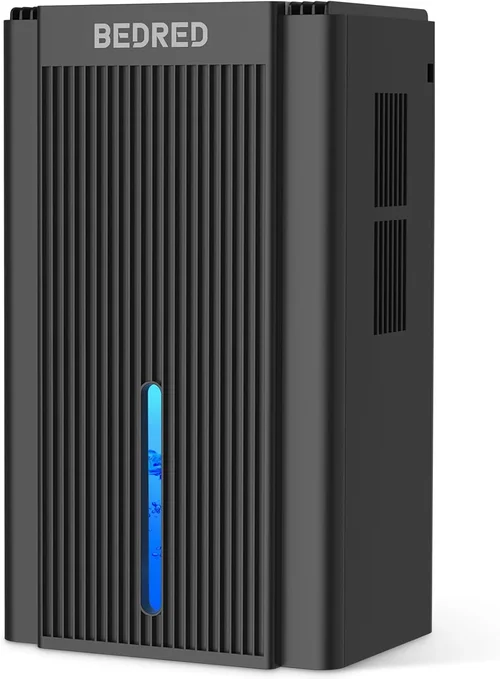
If you’ve ever walked into your basement and been greeted by that unmistakable musty smell—like old books and damp concrete—you know how quickly moisture can turn a usable space into a neglected, mold-prone zone. Basements are naturally prone to high humidity due to poor ventilation, ground moisture seepage, and lack of sunlight. Over time, this excess moisture doesn’t just create unpleasant odors; it can damage stored belongings, encourage mold and mildew growth, and even compromise your home’s structural integrity. That’s where a dehumidifier comes in. But here’s the catch: not all dehumidifiers are created equal, and finding one that balances performance, reliability, and affordability can feel overwhelming.
This comprehensive buying guide is designed to cut through the noise and help you find the best cheap dehumidifier for your basement—without sacrificing quality or long-term value. Whether you’re dealing with a small crawl space or a full-sized finished basement, we’ll walk you through everything you need to know to make a smart, informed decision. From understanding key performance specs to avoiding common purchasing pitfalls, this guide covers it all. By the end, you’ll have a clear roadmap to choosing a budget-friendly dehumidifier that actually works, lasts, and keeps your basement dry and healthy.
The market for dehumidifiers has exploded in recent years, with dozens of brands offering models at nearly every price point. While premium units from names like AprilAire or Santa Fe deliver industrial-grade performance, they often come with price tags well over $500—far beyond what most homeowners need or can afford. Fortunately, there’s a growing segment of affordable, effective dehumidifiers designed specifically for residential basements. These units typically range from $100 to $300 and offer solid moisture removal capabilities, user-friendly controls, and reliable operation. Our goal is to help you navigate this crowded landscape, identify the features that truly matter, and avoid overspending on unnecessary bells and whistles—or worse, buying a cheap unit that fails within months.

What to Look for When Buying Buying Guide
1. Budget & Price Range
When shopping for a cheap dehumidifier, it’s easy to get tempted by rock-bottom prices—but remember: you often get what you pay for. A dehumidifier priced under $80 may seem like a steal, but these ultra-budget models often lack essential features, use lower-quality components, and struggle in real-world basement conditions. On the other hand, spending $400+ on a residential unit is usually overkill unless you have extreme humidity issues or a very large space.
For most basements (up to 1,500 square feet), a price range of $120 to $250 strikes the ideal balance between affordability and performance. In this range, you’ll find units from reputable brands like hOmeLabs, Frigidaire, Vremi, and Tosot that offer reliable moisture removal, decent build quality, and useful features like auto-shutoff and washable filters. Always consider the total cost of ownership—including energy efficiency and expected lifespan—not just the upfront sticker price.
2. Performance Specifications
The most critical performance metric for any dehumidifier is its pint capacity—the amount of moisture it can remove in 24 hours under standard conditions (typically 60% relative humidity at 80°F). For basements, which tend to be cooler and damper than living areas, you’ll want a unit rated for “basement use” or one that performs well in low temperatures.
Here’s a quick guide based on basement size and humidity level:
- Small basements (up to 500 sq ft), mild dampness: 20–30 pint capacity
- Medium basements (500–1,000 sq ft), moderate humidity: 30–50 pint capacity
- Large or very damp basements (1,000+ sq ft): 50+ pint capacity
Don’t just rely on the manufacturer’s pint rating—check if it’s based on AHAM (Association of Home Appliance Manufacturers) standards. AHAM-rated capacities are tested under controlled conditions and are more reliable than non-standard claims. Also, pay attention to the operating temperature range. Many cheap compressors stop working below 65°F, but basements often hover around 50–60°F. Look for units with “low-temp operation” or “cold climate” modes, which use specialized coils or defrost systems to keep running efficiently in cooler environments.
3. Build Quality & Durability
A dehumidifier is a long-term investment, so skimping on build quality can lead to frequent breakdowns, leaks, or compressor failure. When evaluating durability, focus on three key areas: the housing material, internal components, and warranty coverage.
Cheap plastic housings may crack or warp over time, especially in humid environments. Look for models with reinforced ABS or polypropylene shells that resist moisture and impact. Internally, check if the evaporator and condenser coils are coated (e.g., with epoxy or hydrophilic coatings) to prevent corrosion—a common cause of premature failure in damp basements. Also, inspect the water tank: a sturdy, easy-to-remove bucket with a handle and splash guard makes emptying much less messy.
While no dehumidifier is indestructible, units from established brands typically undergo more rigorous testing and use higher-grade parts. Avoid no-name brands sold exclusively through third-party Amazon sellers unless they have thousands of verified reviews and a solid return policy.
4. Features & Functionality
Even budget dehumidifiers now come with a surprising array of features that enhance convenience and efficiency. Here are the most useful ones to look for:
- Auto-shutoff: Stops the unit when the water tank is full—essential if you can’t empty it daily.
- Continuous drainage: Allows you to connect a garden hose for hands-free operation (ideal for unattended basements).
- Humidistat: Lets you set a target humidity level (e.g., 45–50%) and automatically maintains it.
- Defrost function: Prevents ice buildup on coils in cold basements.
- Washable air filter: Reduces allergens and extends coil life—easy to clean with soap and water.
- Timer & sleep mode: Useful for scheduling operation during off-peak hours or reducing noise at night.
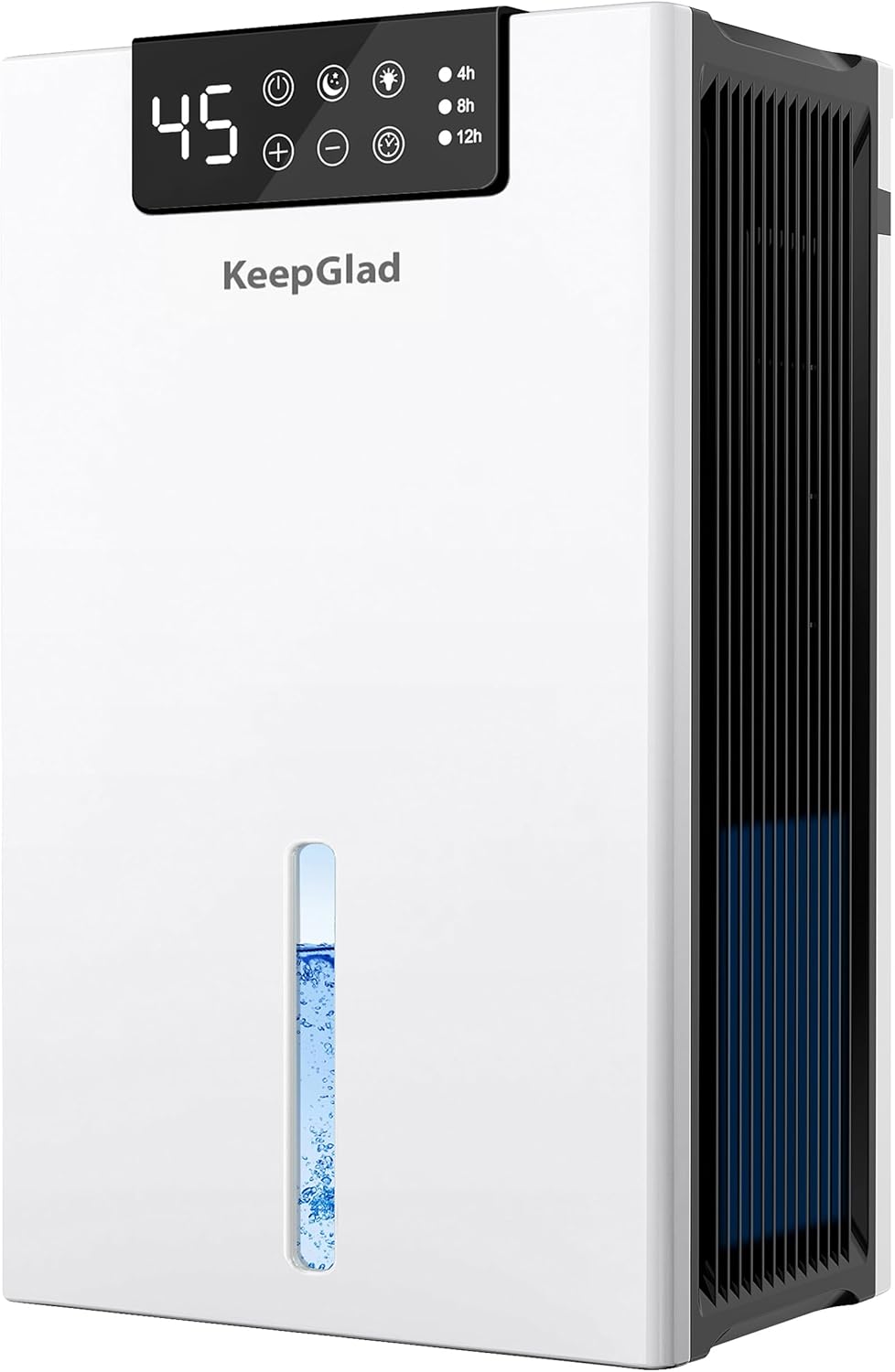
Some models also include digital displays, remote controls, or smartphone apps—but these are rarely worth the extra cost on budget units. Stick to core functionality unless you have specific automation needs.
5. Brand Reputation
Brand matters more than you might think. Established manufacturers like Frigidaire, GE, hOmeLabs, and Tosot have invested in R&D, customer support, and quality control. They’re also more likely to honor warranties and provide replacement parts years down the line.
That said, some lesser-known brands (like Vremi or Eva-Dry) have carved out niches by offering solid performance at lower prices. The key is to verify reputation through third-party reviews, not just marketing claims. Check Trustpilot, Consumer Reports, and Reddit forums like r/HomeImprovement for real user experiences. A brand with consistent praise for reliability and customer service is worth prioritizing—even if it’s not a household name.
6. Warranty & Support
A good warranty is a strong indicator of a manufacturer’s confidence in their product. Most budget dehumidifiers come with a 1-year limited warranty, which covers defects in materials and workmanship. However, some brands offer extended coverage:
- hOmeLabs: 2-year warranty on select models
- Frigidaire: 1-year full + 5-year sealed system warranty
- Tosot: 1-year comprehensive coverage
Always read the fine print: many warranties exclude damage from improper use, lack of maintenance, or commercial applications. Also, confirm that the brand offers U.S.-based customer support—not just email-only service from overseas. A responsive support team can save you hours of frustration if something goes wrong.
7. Size & Portability
Basements often have tight spaces, so consider the physical dimensions of the unit. Most compact dehumidifiers measure around 12″ x 16″ x 24″ and weigh 30–40 pounds—light enough to move with built-in handles and caster wheels. If you plan to shift the unit between rooms or store it seasonally, portability becomes crucial.
Also, think about noise level. Compressor-based dehumidifiers typically run at 50–60 decibels—about as loud as a quiet conversation. If your basement doubles as a home gym or media room, look for models advertised as “quiet” or “low-noise.” Desiccant dehumidifiers (more on those below) are generally quieter but less efficient in large spaces.
8. User Reviews & Ratings
Never buy a dehumidifier based solely on specs or ads. Real-world performance often differs from lab tests. Scour Amazon, Walmart, and Home Depot reviews for patterns:
- Do multiple users report leaks or compressor failure within 6 months?
- Is the actual moisture removal close to the claimed pint rating?
- Are the controls intuitive, or is the interface confusing?
- Does the unit handle cold basement temps without freezing up?
Pay special attention to reviews from buyers with similar basement conditions (size, humidity level, temperature). A unit that works great in a Florida garage may struggle in a Minnesota basement. Also, be wary of fake reviews—look for detailed, verified purchases with photos or videos.
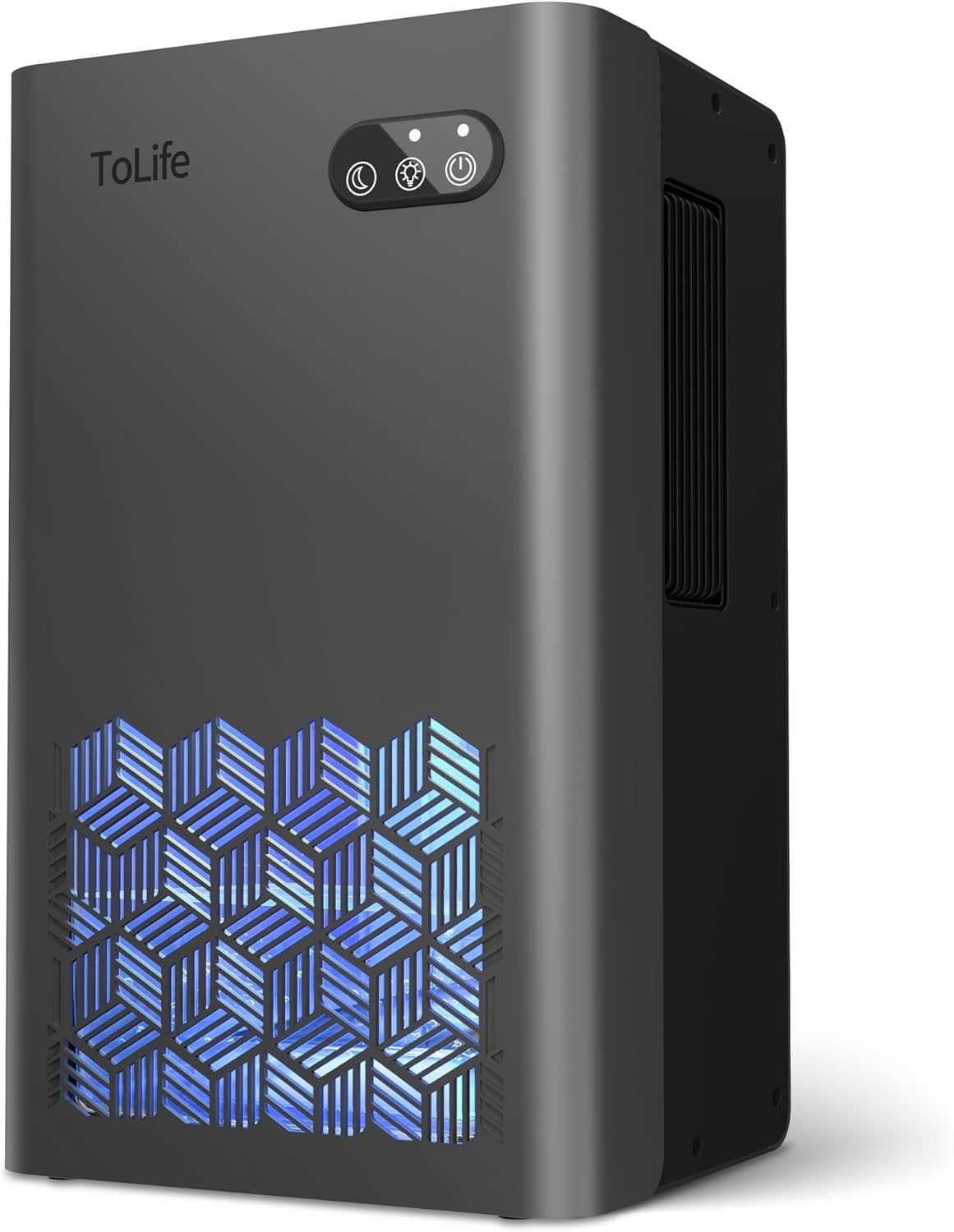
Different Types of Buying Guide
Common Buying Mistakes to Avoid
❌ Mistake: Choosing Based Solely on Pint Rating
Why it’s bad: A 50-pint dehumidifier sounds powerful—but if it’s not AHAM-rated or designed for cold basements, it may remove far less moisture than advertised. Some manufacturers inflate numbers using non-standard testing.
What to do instead: Always verify AHAM certification and read user reviews about real-world performance. Match the unit to your basement’s actual size and humidity level, not the biggest number on the box.
❌ Mistake: Ignoring Operating Temperature Range
Why it’s bad: Most compressor dehumidifiers shut down below 65°F. If your basement stays cool year-round, the unit will freeze up and stop working—leaving you with a useless appliance.
What to do instead: Look for “low-temp operation” or “auto-defrost” features. Desiccant models are better for consistently cold spaces, though they cost more to run.
❌ Mistake: Skipping the Drain Hose Option
Why it’s bad: Emptying a water tank every day is tedious and easy to forget. If you miss it, the unit shuts off and humidity builds back up.
What to do instead: Choose a model with a continuous drain port. Pair it with a simple garden hose routed to a floor drain or sump pump—set it and forget it.
❌ Mistake: Buying the Cheapest Model Available
Why it’s bad: Sub-$100 units often use flimsy parts, lack safety features, and fail within months. You’ll end up replacing them sooner, costing more long-term.
What to do instead: Invest in a mid-tier model ($150–$250) from a reputable brand. The extra $50 buys better coils, a humidistat, and a longer lifespan.
❌ Mistake: Overlooking Energy Efficiency
Why it’s bad: Dehumidifiers run constantly in basements. An inefficient model can add $50–$100 per year to your electric bill.
What to do instead: Prioritize Energy Star-certified models. Check the “Energy Factor” (liters of water removed per kilowatt-hour)—higher is better.
❌ Mistake: Not Checking Return Policies
Why it’s bad: If the unit doesn’t perform as expected, you could be stuck with a dud. Some retailers charge restocking fees or have short return windows.
What to do instead: Buy from retailers with generous return policies (e.g., Amazon, Home Depot, Walmart). Test the unit within the first week to ensure it’s working properly.
❌ Mistake: Assuming All Brands Are Equal
Why it’s bad: No-name brands may copy popular designs but use inferior components. Warranty claims can be denied, and parts are hard to find.
What to do instead: Stick to brands with proven track records and U.S.-based support. Even budget lines from Frigidaire or GE are safer bets than unknown imports.
Budget Guidelines: How Much Should You Spend?
- Entry-Level ($80–$120): These are basic compressor or Peltier units best suited for very small, mildly damp spaces. Expect minimal features, no humidistat, and limited durability. Only consider if you have a tiny crawl space or seasonal use.
- Mid-Range ($120–$250): This is the sweet spot for most basement owners. You’ll find reliable 30–50 pint compressor models with auto-shutoff, washable filters, continuous drainage, and decent build quality. Brands like hOmeLabs and Vremi excel here.
- Premium ($250–$400): For larger or extremely damp basements, these units offer higher pint capacities (50+), advanced controls, quieter operation, and better cold-weather performance. Ideal if you want near-set-and-forget reliability.
- Luxury ($400+): Whole-house or professional-grade dehumidifiers with smart connectivity, ultra-high efficiency, and 5+ year warranties. Only necessary for massive basements, rental properties, or severe moisture problems.
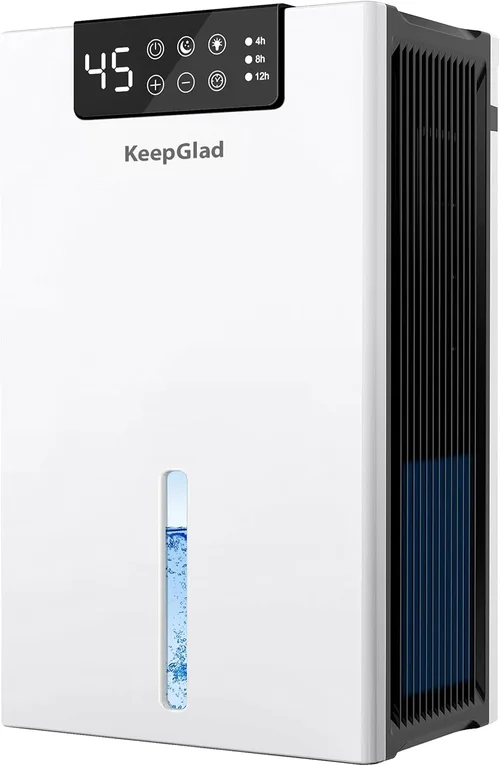
Expert Tips for Getting the Best Deal
- Buy in Spring: Retailers often discount dehumidifiers in March–May before humid summer months. You’ll find better deals than in peak summer or winter.
- Shop Major Retailers: Amazon, Home Depot, Lowe’s, and Walmart frequently run promotions and offer free shipping. Check their “open-box” or “refurbished” sections for near-new units at 20–30% off.
- Use Price Tracking Tools: Set alerts on CamelCamelCamel (for Amazon) or Honey to notify you when prices drop on specific models.
- Check for Rebates: Some utility companies offer rebates for Energy Star appliances. Visit dsireusa.org to search for local incentives.
- Read the Warranty Fine Print: Ensure the warranty covers the compressor and sealed system—not just the electronics. A 1-year warranty on the whole unit is better than 5 years on just the cabinet.
- Test Immediately: Run the dehumidifier for 24–48 hours upon arrival. Verify it reaches your target humidity, doesn’t leak, and operates quietly. This gives you time to return it if needed.
- Consider Refurbished Units: Certified refurbished models from the manufacturer (not third parties) often come with full warranties and cost 20–40% less.
- Avoid “As Seen on TV” Brands: Flashy infomercial dehumidifiers often overpromise and underdeliver. Stick to established appliance brands.
Frequently Asked Questions
Q: How do I know if my basement needs a dehumidifier?
A: Signs include persistent musty odors, condensation on walls or windows, visible mold or mildew, warped wood, or a sticky feeling in the air. You can also use a hygrometer ($10–$20) to measure humidity—ideally, it should stay between 30% and 50%.
Q: Can I use a dehumidifier in winter?
A: Yes, but only if it’s designed for low temperatures. Most compressor units won’t work below 65°F. If your basement stays cold in winter, choose a desiccant model or one with auto-defrost.
Q: Should I run the dehumidifier continuously?
A: Not necessarily. Use the humidistat to set a target (e.g., 45%). The unit will cycle on and off as needed, saving energy and reducing wear.
Q: How often should I empty the water tank?
A: It depends on humidity levels and tank size (typically 1–2 gallons). In very damp conditions, you may need to empty it daily. Use continuous drainage to avoid this hassle.
Q: Will a dehumidifier help with mold?
A: Yes—by reducing moisture, it prevents new mold growth. However, it won’t remove existing mold. Clean visible mold with a bleach solution and fix any water intrusion sources first.
Q: Are desiccant dehumidifiers better for basements?
A: They’re better for cold basements but less efficient in warm, humid conditions. Compressor models remove more moisture per dollar in typical basement environments.
Q: How much electricity does a dehumidifier use?
A: Most 50-pint units use 500–700 watts. Running 12 hours/day costs roughly $60–$100 annually, depending on local electricity rates.
Q: Can I place the dehumidifier anywhere in the basement?
A: Place it at least 6–12 inches from walls and furniture for proper airflow. Avoid corners or enclosed spaces. Central placement works best for even humidity control.
Q: Do I need a dehumidifier if I have a sump pump?
A: Yes. A sump pump removes standing water but doesn’t address airborne moisture. A dehumidifier tackles the root cause of humidity-related problems.
Q: How long do cheap dehumidifiers last?
A: With proper maintenance (cleaning filters, emptying tanks), a quality budget unit should last 3–5 years. Premium models can last 7–10 years.
Our Final Recommendations
- Best for Budget-Conscious Buyers: hOmeLabs 30 Pint Dehumidifier – At around $150, it offers excellent value with a humidistat, auto-shutoff, continuous drain, and Energy Star rating. Ideal for small to medium basements.
- Best Overall Value: Frigidaire FFAD5033W1 50 Pint – Priced near $220, this AHAM-certified unit handles large basements, operates down to 41°F, and includes a washable filter and electronic controls.
- Best Premium Option: Tosot 50 Pint Smart Dehumidifier – Around $280, it features app control, ultra-quiet operation, and a robust build. Perfect for tech-savvy users with high humidity.
- Best for Beginners: Vremi 30 Pint Dehumidifier – Simple controls, lightweight design, and reliable performance make this a great first dehumidifier for new homeowners.
- Best for Advanced Users: Eva-Dry Edv-1100 Electric Petite Dehumidifier – A desiccant model ideal for cold basements or those who want silent, maintenance-free operation (though it’s smaller and pricier per pint).
Conclusion: Making the Right Choice
Choosing the right cheap dehumidifier for your basement doesn’t have to be stressful—or expensive. By focusing on key factors like pint capacity, temperature range, build quality, and essential features, you can find a unit that delivers real results without breaking the bank. Remember, the goal isn’t to buy the cheapest model, but the one that offers the best long-term value for your specific needs.
Avoid common pitfalls like ignoring operating temperatures or skipping the drain hose option. Instead, invest in a reputable brand with solid reviews and a decent warranty. And don’t forget to maintain your unit: clean the filter monthly, check for ice buildup in winter, and ensure proper airflow around the machine.
Your basement is more than just storage space—it’s part of your home’s ecosystem. Keeping it dry protects your belongings, improves air quality, and prevents costly structural damage. With the insights from this guide, you’re now equipped to make a confident, informed decision. So take action today: measure your space, set your budget, and choose a dehumidifier that will keep your basement fresh, healthy, and usable for years to come.