
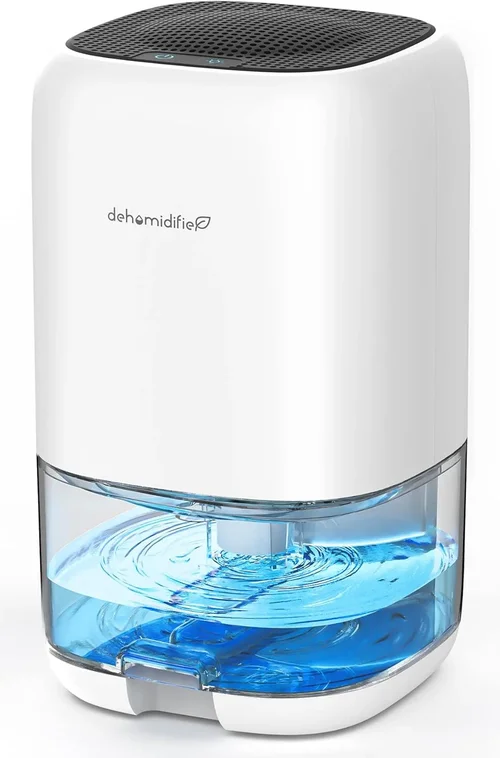
When it comes to maintaining a healthy, comfortable indoor environment, humidity control is often overlooked—until it becomes a problem. Excess moisture in the air can lead to musty odors, mold growth, dust mite proliferation, and even structural damage over time. For many homeowners, renters, or apartment dwellers, a dehumidifier isn’t a luxury—it’s a necessity. But not everyone needs (or can afford) a large, industrial-grade unit. That’s where cheap small dehumidifiers come in: compact, affordable, and surprisingly effective for targeted moisture control in smaller spaces like bathrooms, closets, RVs, basements under 500 square feet, or even bedrooms.
This comprehensive buying guide is designed to help you navigate the crowded market of budget-friendly small dehumidifiers in 2026. Whether you’re dealing with persistent dampness in your laundry room, trying to protect stored belongings in a storage unit, or simply want to improve air quality in a humid climate, we’ve got you covered. You’ll learn how to evaluate performance, avoid common pitfalls, understand key features, and ultimately choose a model that delivers real value without breaking the bank. We’ll also share expert tips on timing your purchase, where to shop, and how to maximize longevity from your investment.
The market for small dehumidifiers has evolved significantly in recent years. Gone are the days when “cheap” meant flimsy plastic, noisy operation, and minimal moisture removal. Today’s budget models leverage improved thermoelectric (Peltier) technology, better fan designs, and smarter auto-shutoff features—all while staying under $100 in many cases. However, not all low-cost units are created equal. Some prioritize aesthetics over function, others cut corners on build quality, and a few overstate their capacity. Our goal is to cut through the marketing noise and give you the tools to make an informed, confident decision based on your specific needs, space constraints, and budget.

What to Look for When Buying Buying Guide
1. Budget & Price Range
Setting a realistic budget is the first step toward finding the right cheap small dehumidifier. In 2026, you can expect to find functional units ranging from as little as $25 for ultra-basic models to around $80–$100 for feature-rich, higher-capacity options. While it’s tempting to go for the absolute lowest price, remember that dehumidifiers are long-term investments in your home’s air quality and structural integrity. Spending slightly more often buys you better durability, quieter operation, and more reliable moisture extraction.
Consider your usage scenario: if you only need occasional use in a closet or bathroom, a $30–$40 model may suffice. But if you’re tackling chronic dampness in a finished basement or RV, investing $60–$90 can yield significantly better results. Always factor in potential replacement costs—cheap units that fail within a year end up costing more than mid-tier models with 2–3 year lifespans. Look for sales during off-seasons (late fall or early spring) when retailers clear inventory, and consider refurbished units from reputable sellers for additional savings without sacrificing reliability.
2. Performance Specifications
Performance is where many budget dehumidifiers fall short—or surprise you. The most critical spec to check is daily moisture removal capacity, typically measured in ounces (oz) or pints per day (1 pint ≈ 16 oz). For small spaces (under 300 sq ft), look for units that remove at least 6–10 oz per day. Anything less may struggle to keep up with normal humidity levels, especially in damp climates or during rainy seasons.
Also pay attention to operating conditions. Most thermoelectric dehumidifiers work best between 59°F and 86°F (15°C–30°C) and at relative humidity above 60%. Below 50% RH or in cold environments (like unheated garages), their efficiency drops dramatically. If you’re using the unit in a cooler space, verify that it’s rated for low-temperature operation. Additionally, check the tank size—smaller tanks (under 16 oz) require frequent emptying, which can be inconvenient if you’re away from home often. Auto-shutoff when the tank is full is a must-have feature to prevent overflows.
3. Build Quality & Durability
It’s easy to assume that all plastic-bodied dehumidifiers feel flimsy, but material choice and construction matter—even at lower price points. Look for sturdy ABS or polycarbonate housings rather than thin, brittle plastics that crack under minor stress. Check hinge quality on tank lids, button responsiveness, and overall fit-and-finish. Units with visible seams, loose parts, or wobbly bases are red flags.
Internal components also impact longevity. While most cheap models use thermoelectric cooling (which has no compressor and thus fewer moving parts), the quality of the heat sink, fan motor, and circuit board varies widely. Brands that offer at least a 1-year warranty often use more reliable internals. Avoid models with glued-in batteries or non-replaceable filters unless you’re okay with replacing the entire unit when those components fail. A well-built cheap dehumidifier should last 2–3 years with regular use—anything less suggests corner-cutting.
4. Features & Functionality
Even budget dehumidifiers now come with surprisingly useful features. The most important is auto-shutoff when the water tank reaches capacity—this prevents spills and gives peace of mind. Some models include a “continuous drain” option, allowing you to attach a hose (often sold separately) for hands-free operation in basements or crawl spaces.
Other helpful features include LED indicator lights (showing power status and full tank), washable air filters (to trap dust and allergens), and adjustable fan speeds. A few premium budget models even offer humidity level displays or timers, though these are rare under $70. Avoid units with vague “high/low” settings without clear guidance—you want predictable performance. Also, consider noise level: most small dehumidifiers run quietly (under 45 dB), but some cheaper fans produce a noticeable hum that can disturb light sleepers.
5. Brand Reputation
Not all unknown brands are bad—but established names like Eva-Dry, ProBreeze, hOmeLabs, and Ivation have earned trust through consistent performance and customer support. These brands often provide clearer manuals, better warranties, and responsive service if issues arise. That said, emerging brands can offer great value, especially if they’re transparent about specs and sourcing.
Check if the brand has a history of recalls or widespread complaints about leaks, overheating, or premature failure. Independent review sites, Reddit communities (like r/Appliances or r/HomeImprovement), and verified purchase reviews on Amazon are goldmines for real-world feedback. Be wary of brands that only exist on Amazon with no website or customer service contact—they’re harder to hold accountable if something goes wrong.
6. Warranty & Support
A warranty is your safety net. Most reputable budget dehumidifiers come with a 1-year limited warranty, covering defects in materials and workmanship. Some brands extend this to 18 or 24 months, which is a strong indicator of confidence in their product. Read the fine print: many warranties exclude damage from improper use, water exposure, or unauthorized repairs.
Customer support matters too. Can you reach someone by phone or email? Do they respond within 24–48 hours? Are replacement parts (like filters or tanks) available? Brands with U.S.-based support tend to resolve issues faster than those relying solely on overseas centers. If a company offers a 30-day return policy plus a solid warranty, that’s a sign they stand behind their product.
7. Size & Portability
One of the main reasons people choose small dehumidifiers is space efficiency. Measure your intended placement area—closet shelves, under sinks, or beside washing machines—and compare it to the unit’s dimensions. Many models are designed to fit in tight spots, with footprints as small as 6″ x 6″.
Weight and handle design also affect portability. If you plan to move the unit between rooms (e.g., from basement to bathroom), look for lightweight designs (under 5 lbs) with integrated handles or smooth bottoms for sliding. Cord length matters too: a 6-foot power cord offers more flexibility than a 3-foot one. Some units even come with wall-mounting kits for permanent installation in closets or pantries.
8. User Reviews & Ratings
Never buy a dehumidifier based solely on specs or ads. Real user experiences reveal quirks, failures, and hidden strengths that specs sheets miss. Focus on verified purchase reviews with detailed descriptions—not just “works great!” or “terrible product.” Look for patterns: if multiple users report the same issue (e.g., “tank leaks after 3 months” or “stops working in cold rooms”), take note.
Pay special attention to reviews from people in similar climates or use cases. Someone in Florida will have different expectations than someone in Arizona. Also, check recent reviews—manufacturers sometimes change designs or suppliers, so a model that was great two years ago might be worse now. Use tools like Amazon’s “Top Critical Review” filter to spot potential dealbreakers early.
Different Types of Buying Guide

Common Buying Mistakes to Avoid
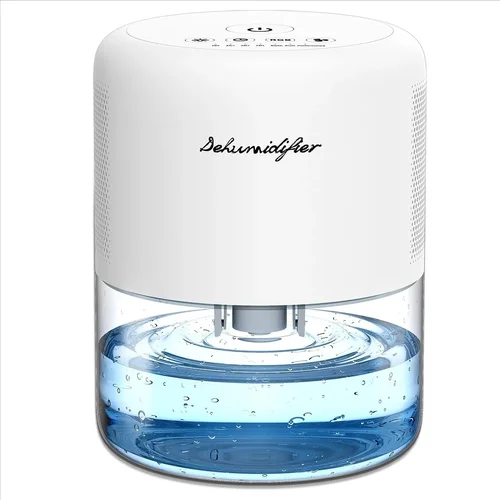
❌ Mistake: Ignoring Actual Room Size and Humidity Level
Why it’s bad: Buying a dehumidifier based solely on price or looks without considering your space’s square footage and moisture level leads to underperformance. A unit rated for 10 oz/day might work in a dry 200 sq ft bathroom but fail miserably in a damp 400 sq ft basement.
What to do instead: Measure your space and assess humidity with a hygrometer (many are under $15). Match the dehumidifier’s capacity to your needs—aim for at least 6–8 oz/day per 200 sq ft in moderately humid areas, more if you see condensation or mold.
❌ Mistake: Overlooking Tank Size and Emptying Frequency
Why it’s bad: Small tanks (under 12 oz) fill quickly, especially in high-humidity environments. If you forget to empty them, the unit shuts off and humidity rebounds—defeating the purpose.
What to do instead: Choose a model with a 16–20 oz tank if you can’t check it daily. Better yet, look for continuous drain options or auto-restart features that resume operation after tank removal.
❌ Mistake: Assuming All “Quiet” Models Are Truly Silent
Why it’s bad: Many brands claim “whisper-quiet” operation, but fan noise varies. In bedrooms or nurseries, even 40 dB can be disruptive over time.
What to do instead: Check decibel ratings in specs or user reviews. Look for models with brushless motors or vibration-dampening designs. Test in-store if possible, or buy from retailers with generous return policies.
❌ Mistake: Skipping the Warranty Check
Why it’s bad: Cheap electronics can fail unexpectedly. Without a warranty, you’re stuck with a broken unit and no recourse.
What to do instead: Always verify warranty length and coverage before buying. Register your product immediately after purchase to activate protection.
❌ Mistake: Falling for Fake or Inflated Capacity Claims
Why it’s bad: Some manufacturers exaggerate daily output (e.g., claiming “20 oz/day” in ideal lab conditions that don’t reflect real homes).
What to do instead: Cross-reference claims with independent reviews. Real-world testing often shows 20–30% lower performance than advertised. Stick to brands with transparent, conservative specs.
❌ Mistake: Neglecting Filter Maintenance
Why it’s bad: Clogged filters reduce airflow and efficiency, causing the unit to work harder and potentially overheat.
What to do instead: Clean or replace filters every 2–4 weeks during heavy use. Choose models with washable, reusable filters to save money long-term.
❌ Mistake: Buying Without Considering Energy Use
Why it’s bad: Even small dehumidifiers draw power continuously. A poorly designed unit can spike your electricity bill over time.
What to do instead: Check wattage (usually 30–70W for thermoelectric models). Lower wattage = lower operating cost. Avoid units without auto-shutoff, as they run nonstop.
Budget Guidelines: How Much Should You Spend?
Entry-Level ($25–$40): These are basic thermoelectric or desiccant units ideal for very small, low-humidity spaces like closets, shoe racks, or safes. Expect minimal features—manual on/off, small tanks (8–12 oz), and limited daily output (4–6 oz). Build quality may be questionable, and warranties are often 6 months or less. Best for occasional, light-duty use.
Mid-Range ($40–$70): This is the sweet spot for most buyers. You’ll find reliable thermoelectric models with 8–12 oz/day capacity, 16–20 oz tanks, auto-shutoff, washable filters, and quieter operation. Brands like Eva-Dry and ProBreeze dominate here with solid 1-year warranties. Perfect for bathrooms, RVs, small basements, or laundry areas.
Premium ($70–$100): These offer enhanced performance, larger tanks (up to 30 oz), continuous drain options, humidity displays, and better build quality. Some include hybrid tech or compressor-assisted cooling for colder environments. Ideal for persistent dampness or larger small spaces (up to 500 sq ft).
Luxury ($100+): While outside the “cheap” category, these top-tier small units feature smart controls, app connectivity, HEPA filtration, and commercial-grade components. They’re overkill for most casual users but worth considering if you have severe moisture issues or want a “set it and forget it” solution.
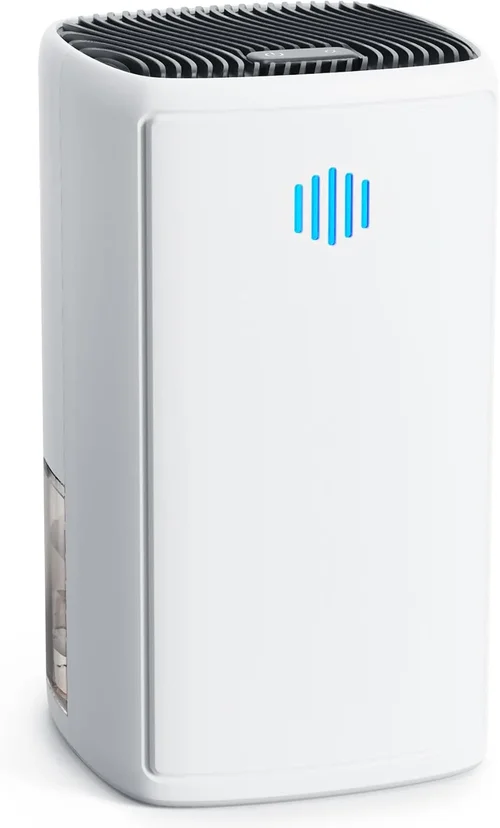
Expert Tips for Getting the Best Deal
- Buy off-season: Dehumidifiers are in highest demand during summer and rainy months. Shop in late fall (October–November) or early spring (March–April) for discounts of 20–30%.
- Check warehouse clubs: Costco, Sam’s Club, and BJ’s often carry name-brand small dehumidifiers at member-exclusive prices—sometimes $10–$20 below retail.
- Use price-tracking tools: Set alerts on CamelCamelCamel (for Amazon) or Honey to notify you when your desired model drops in price.
- Consider open-box or refurbished: Retailers like Best Buy and Amazon Renewed sell tested, certified pre-owned units with full warranties at 15–40% off.
- Read return policies carefully: Ensure you can return the unit within 30 days if it doesn’t perform as expected. Some sellers charge restocking fees.
- Test before committing: Run the unit for 24–48 hours in your intended space. Check noise, tank fill rate, and humidity reduction with a hygrometer.
- Bundle with accessories: Some sellers offer free drain hoses, replacement filters, or extension cords with purchase—ask before buying separately.
- Register for loyalty programs: Stores like Home Depot and Lowe’s offer exclusive coupons and early access to sales for members.

Frequently Asked Questions
Q: Can a small dehumidifier really make a difference in humidity?
A: Absolutely—if sized correctly. In spaces under 500 sq ft with moderate humidity (60–80% RH), a quality small dehumidifier can reduce moisture by 10–20% within days, eliminating musty smells and inhibiting mold growth. However, they won’t replace whole-house systems in large or severely flooded areas.
Q: Do I need a dehumidifier if I have air conditioning?
A: Not always. Modern AC units remove some moisture, but they’re optimized for cooling, not dehumidification. In humid climates or poorly insulated homes, supplemental dehumidification is often necessary—especially in basements or bathrooms without AC vents.
Q: How often should I empty the water tank?
A: It depends on humidity and tank size. In high-moisture areas, you may need to empty it daily. In drier conditions, every 2–3 days is typical. Models with auto-shutoff prevent overflow, but regular emptying maintains efficiency.
Q: Are thermoelectric dehumidifiers energy efficient?
A: Yes, relatively. They typically use 30–70 watts—less than a standard light bulb. Over 24 hours, that’s about $0.05–$0.15 in electricity, depending on your rate. Much cheaper than compressor units.
Q: Can I leave a small dehumidifier on all the time?
A: Only if it has auto-shutoff and is in a safe, ventilated location. Never leave it unattended near flammable materials or in enclosed spaces without airflow. Most are designed for continuous use, but check the manual first.
Q: Will a dehumidifier help with allergies?
A: Yes. By reducing humidity below 50%, it inhibits dust mites, mold, and mildew—common allergens. Pair it with a HEPA air purifier for maximum relief.
Q: What’s the difference between pints and ounces?
A: Dehumidifier capacity is sometimes listed in pints per day (common for larger units) or ounces per day (typical for small models). 1 pint = 16 ounces. A “0.5-pint” unit removes about 8 oz daily.
Q: Can I use a small dehumidifier in winter?
A: Only if it’s rated for low temperatures. Most thermoelectric models lose efficiency below 50°F. Compressor-based mini units handle colder temps better but may ice up if not designed for it.
Q: How do I clean my dehumidifier?
A: Unplug it, remove the tank, and wash it with mild soap. Wipe the interior with a damp cloth. Clean or replace the air filter monthly. Never use harsh chemicals.
Q: Is it safe to run a dehumidifier overnight?
A: Yes, as long as it’s on a stable surface, away from curtains or bedding, and has auto-shutoff. Choose a quiet model (<45 dB) for bedrooms.
Our Final Recommendations
Best for Budget-Conscious Buyers: Eva-Dry E-333 Mini Dehumidifier ($35–$45) – Ultra-reliable, 8 oz/day capacity, 10-year lifespan (yes, really!), and no electricity needed if using the rechargeable version. Perfect for closets and small storage.
Best Overall Value: ProBreeze Electric Mini Dehumidifier ($55–$65) – Removes 10 oz/day, 16 oz tank, auto-shutoff, washable filter, and whisper-quiet operation. Consistently praised for durability and performance in real-world tests.
Best Premium Option: hOmeLabs Small Space Dehumidifier ($85–$95) – Hybrid thermoelectric design, 12 oz/day output, continuous drain hose compatible, and sleek aesthetic. Ideal for finished basements or RVs.
Best for Beginners: Ivation Small Dehumidifier ($50–$60) – Simple one-button operation, clear tank with handle, and excellent customer support. Great first dehumidifier with minimal learning curve.
Best for Advanced Users: SEAVON 2-in-1 Dehumidifier & Air Purifier ($70–$80) – Combines moisture removal with HEPA filtration, humidity display, and timer function. For those who want multi-functionality without buying two devices.
Conclusion: Making the Right Choice
Choosing the best cheap small dehumidifier doesn’t have to be overwhelming. By focusing on your specific needs—space size, humidity level, budget, and desired features—you can find a unit that delivers real value without overspending. Remember: the cheapest option isn’t always the most cost-effective, and the flashiest features aren’t always necessary. Prioritize reliability, ease of use, and proven performance.
Use this guide as your roadmap: assess your environment, compare key factors, avoid common pitfalls, and leverage expert tips to secure the best deal. Whether you’re fighting mold in a basement corner or protecting cherished belongings in a closet, the right dehumidifier can make a noticeable difference in your home’s comfort and health. Don’t wait for musty smells or peeling paint to act—invest in moisture control today and enjoy cleaner, fresher air tomorrow.
Ready to breathe easier? Start by measuring your space, checking your humidity, and browsing our top recommendations. Your home—and your lungs—will thank you.