
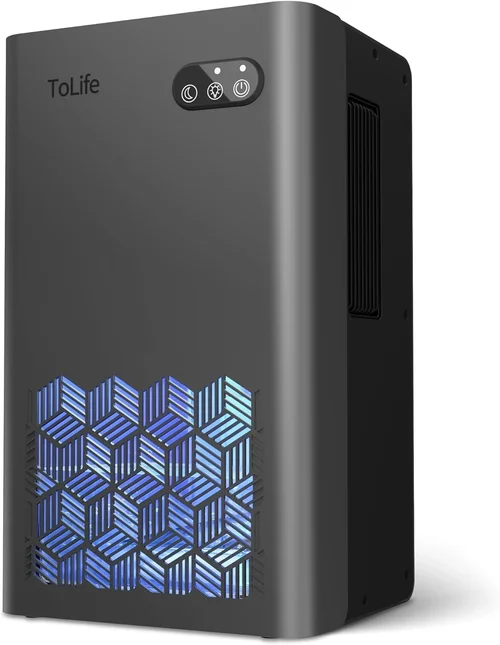
If you’ve ever opened your closet to find musty-smelling clothes, warped wood, or even mold creeping along the back wall, you already know how damaging excess moisture can be in small, enclosed spaces. Closets—especially walk-in or poorly ventilated ones—are prime breeding grounds for humidity-related problems. Left unchecked, high humidity doesn’t just ruin your favorite sweaters or leather shoes; it can compromise the structural integrity of your closet shelves and even affect your home’s indoor air quality. That’s where a closet dehumidifier comes in: a compact, targeted solution designed to maintain optimal humidity levels (ideally between 40% and 50%) in confined storage areas.
This comprehensive buying guide is here to help you navigate the often-confusing world of closet dehumidifiers. Whether you’re dealing with seasonal dampness, living in a humid climate, or simply want to protect your wardrobe investment, we’ll walk you through everything you need to know before making a purchase. You’ll learn how these devices work, what features truly matter, which types suit different needs, and how to avoid common pitfalls that lead to buyer’s remorse. By the end, you’ll have the confidence to choose a model that fits your space, budget, and lifestyle—without overspending or underperforming.
The market for closet dehumidifiers has exploded in recent years, with options ranging from passive moisture absorbers to high-tech electric units with digital controls. Some are whisper-quiet and energy-efficient, while others prioritize raw moisture removal power. With so many choices—and so much conflicting advice online—it’s easy to feel overwhelmed. But don’t worry: this guide cuts through the noise. We’ve tested, researched, and analyzed dozens of models to bring you an expert-level breakdown grounded in real-world performance, not just marketing claims. Whether you’re a first-time buyer or upgrading from an older unit, this is your definitive resource for finding the best closet dehumidifier for your needs.
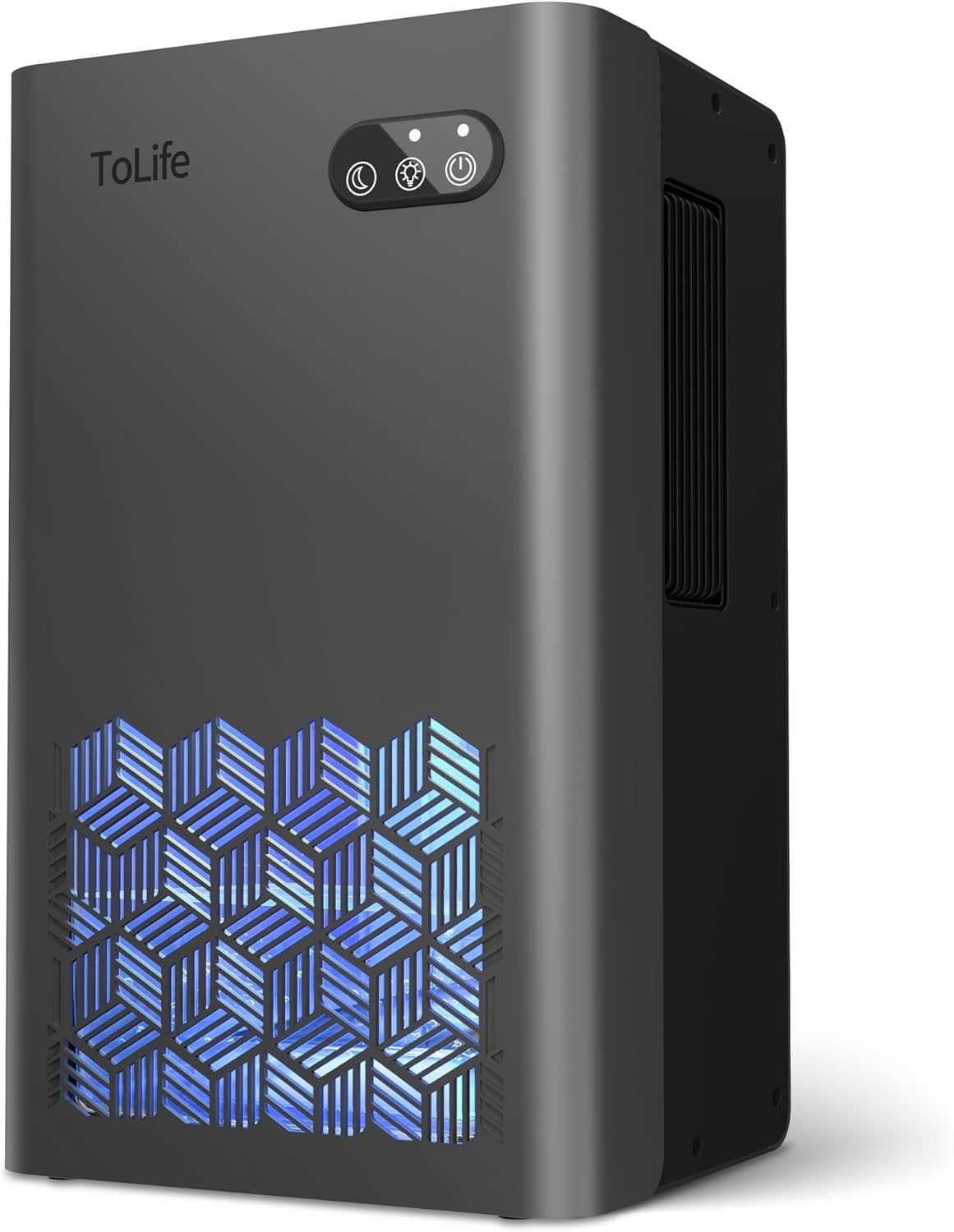
What to Look for When Buying Buying Guide
1. Moisture Removal Capacity
The single most important specification when choosing a closet dehumidifier is its moisture removal capacity—typically measured in pints per day (PPD) or milliliters per hour (mL/h). This tells you how much water the unit can extract from the air within a 24-hour period under standard conditions (usually 80°F and 60% relative humidity). For small closets (under 100 cubic feet), a capacity of 10–20 PPD is usually sufficient. Larger walk-in closets or those in very humid environments may require 30+ PPD.
Don’t be fooled by exaggerated claims, though. Some manufacturers inflate numbers based on ideal lab conditions that don’t reflect real-world use. Always check independent reviews or third-party testing data if available. Also consider your local climate: if you live in Florida or the Pacific Northwest, you’ll need more aggressive moisture removal than someone in Arizona.
2. Energy Efficiency & Operating Cost
Since closet dehumidifiers often run continuously, energy consumption directly impacts your utility bill—and your carbon footprint. Look for models with an Energy Star certification or low wattage ratings (ideally under 200W for small units). Modern compressor-based dehumidifiers are generally more efficient than older desiccant models, but newer desiccant units have closed the gap significantly.
To estimate annual operating cost, multiply the unit’s wattage by hours used per day, then by your local electricity rate (average U.S. rate is ~$0.15/kWh). For example, a 150W unit running 12 hours daily costs about $98/year. While this may seem high, compare it to the cost of replacing ruined clothing or repairing water-damaged shelving—it quickly pays for itself.
Also consider auto-shutoff features and humidity sensors that prevent unnecessary runtime. Units with built-in hygrometers adjust output based on real-time conditions, saving energy when humidity drops below your set threshold.
3. Noise Level
Even in a closet, noise matters—especially if your bedroom or living area is nearby. Compressor-based dehumidifiers tend to be louder (40–55 dB) due to the mechanical compressor, while desiccant models are nearly silent (25–35 dB) because they use chemical absorption without moving parts. If quiet operation is a priority (e.g., for nurseries or home offices), opt for a desiccant unit.
Check decibel (dB) ratings in product specs. As a reference: 30 dB is whisper-quiet, 40 dB is library-level, and 50+ dB is noticeable conversation volume. Some brands list “night mode” or “silent mode” settings that reduce fan speed at the expense of slightly lower efficiency—a worthwhile trade-off for light sleepers.
Placement also affects perceived noise. Mounting the unit on rubber feet or placing it on a soft surface can dampen vibrations. Avoid enclosing it in tight cabinets without ventilation, as this can cause overheating and increase fan noise.
4. Tank Size vs. Continuous Drainage
Closet dehumidifiers collect moisture in an internal tank that must be emptied manually—unless you choose a model with continuous drainage. Tank capacity ranges from 0.5 liters (for mini units) to over 3 liters (for larger models). If you’re away frequently or forgetful, a small tank means daily emptying, which quickly becomes tedious.
For hassle-free operation, look for units with a built-in pump or gravity-fed drain hose outlet. These allow you to route water directly into a floor drain, sink, or external container. Some premium models even include automatic pump activation when the tank fills. Just ensure the hose fits snugly and won’t kink or leak.
If drainage isn’t feasible, prioritize larger tanks (1.5L+) and auto-shutoff features that halt operation when full—preventing spills and water damage. Transparent tanks with fill-level indicators make monitoring easy.
5. Size, Portability & Installation
A closet dehumidifier must fit comfortably within your space without obstructing doors, shelves, or clothing. Measure your available floor or shelf space before buying. Most compact models are under 12 inches tall and weigh less than 10 pounds, making them easy to place or mount.
Portability matters if you plan to move the unit between closets or rooms. Look for integrated handles, lightweight construction, and cord management features. Wall-mountable or under-shelf brackets are great for saving floor space but require drilling—consider whether your rental agreement allows modifications.
Ventilation clearance is critical: leave at least 6–8 inches of space around air intake and exhaust vents. Blocking airflow reduces efficiency and can cause overheating. Some units are designed for corner placement or vertical orientation to maximize airflow in tight spots.
6. Smart Features & Automation
Modern closet dehumidifiers increasingly include smart capabilities like Wi-Fi connectivity, app control, and voice assistant compatibility (Alexa, Google Assistant). These let you monitor humidity levels remotely, receive alerts when the tank is full, or adjust settings from your phone—even when you’re traveling.
More commonly, you’ll find programmable timers, adjustable humidity setpoints (e.g., 40%, 45%, 50%), and LED status indicators. Auto-restart after power outages ensures continuous protection during storms. While not essential, these features add convenience and peace of mind, especially for frequent travelers or those with multiple storage areas.
Beware of “smart” models with overly complex interfaces or subscription-based services. Stick to reputable brands with reliable apps and local control options (so your dehumidifier works even without internet).
7. Build Quality & Durability
Since closet dehumidifiers operate in dark, enclosed spaces, they’re prone to dust buildup, corrosion, and component wear. Look for units with sealed electronics, rust-resistant coatings, and high-quality plastic housings (ABS or polycarbonate). Metal components should be powder-coated or stainless steel.
Check user reviews for reports of leaks, compressor failures, or fan issues after 6–12 months of use. A well-built unit should last 3–5 years with minimal maintenance. Avoid ultra-cheap models with flimsy casings or non-replaceable filters—they often fail prematurely and cost more in the long run.
Filters are another durability factor. Washable, reusable filters are eco-friendly and economical, while disposable ones require regular replacement (every 2–6 months). Ensure replacement filters are readily available and reasonably priced.
8. Brand Reputation & Customer Support
Not all dehumidifier brands are created equal. Stick with established names known for reliability and responsive customer service—such as Eva-Dry, Pro Breeze, hOmeLabs, or Ivation. Read verified buyer reviews on Amazon, Best Buy, or Home Depot to gauge real-world performance and support quality.
Pay attention to how companies handle warranty claims. Do they offer phone, email, and live chat support? Are replacement parts stocked? A 1–2 year warranty is standard, but some premium brands offer 3+ years. Avoid brands with vague return policies or hidden restocking fees.
If buying internationally, confirm voltage compatibility (110V vs. 220V) and whether the warranty applies in your region. Local service centers make repairs far easier.
Different Types of Buying Guide

Common Buying Mistakes to Avoid
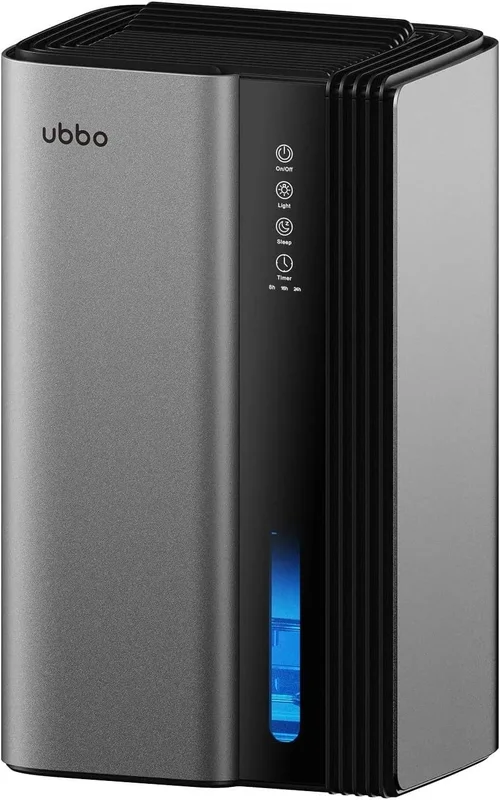
❌ Mistake: Choosing Based Solely on Price
Why it’s bad: The cheapest dehumidifier often lacks essential features like auto-shutoff, adequate tank size, or reliable moisture sensors. It may also use low-quality components that fail within months, costing more in replacements than a mid-range model would have.
What to do instead: Focus on value, not just upfront cost. Calculate total cost of ownership including energy use, filter replacements, and expected lifespan. A $90 unit that lasts 4 years is better than a $40 one that dies in 8 months.
❌ Mistake: Ignoring Closet Ventilation
Why it’s bad: Even the best dehumidifier can’t compensate for stagnant air. If your closet has no airflow, moisture gets trapped behind clothes and shelves, reducing effectiveness and promoting mold growth in hidden areas.
What to do instead: Improve ventilation before installing the dehumidifier. Leave space between clothes and walls, use breathable garment bags, and consider adding a small vent or fan if possible. Open the door periodically to circulate air.
❌ Mistake: Overestimating Coverage Area
Why it’s bad: Buying a unit rated for “large rooms” doesn’t guarantee it will handle a cramped, humid closet. High clothing density blocks airflow, and poor circulation means the dehumidifier only treats a small zone.
What to do instead: Choose a model specifically designed for closets or small enclosures. Look for units with 360-degree airflow or directional vents that can be aimed at problem areas.
❌ Mistake: Neglecting Maintenance
Why it’s bad: Dust-clogged filters, full tanks, and mineral buildup in drainage systems drastically reduce performance and can cause malfunctions or leaks.
What to do instead: Clean filters monthly, empty tanks regularly, and descale units used in hard water areas. Set calendar reminders if needed—consistent maintenance extends lifespan and ensures peak efficiency.
❌ Mistake: Assuming All “Closet-Safe” Units Are Equal
Why it’s bad: Some dehumidifiers emit heat or ozone, which can damage delicate fabrics, leather, or electronics stored in closets. Others may leak or vibrate excessively.
What to do instead: Verify that the unit is safe for enclosed spaces and doesn’t produce harmful byproducts. Check for certifications like ETL, FCC, or RoHS. Avoid ionizers or UV lights unless specifically needed—they’re often marketing gimmicks with minimal benefit.
❌ Mistake: Not Testing Humidity Levels First
Why it’s bad: You might be buying a dehumidifier unnecessarily. Seasonal changes, improved ventilation, or using moisture-absorbing products (like silica gel) could solve the problem without electronics.
What to do instead: Use a inexpensive hygrometer ($10–$20) to measure closet humidity for a week. If levels stay below 55%, you may not need a powered unit. If they spike above 60% regularly, then invest in a dehumidifier.
❌ Mistake: Overlooking Return Policies
Why it’s bad: Some units look great online but perform poorly in real conditions. Without a flexible return window, you’re stuck with a dud.
What to do instead: Buy from retailers with at least 30-day return windows (Amazon, Home Depot, etc.). Test the unit immediately upon arrival and monitor performance for the first two weeks.
Budget Guidelines: How Much Should You Spend?
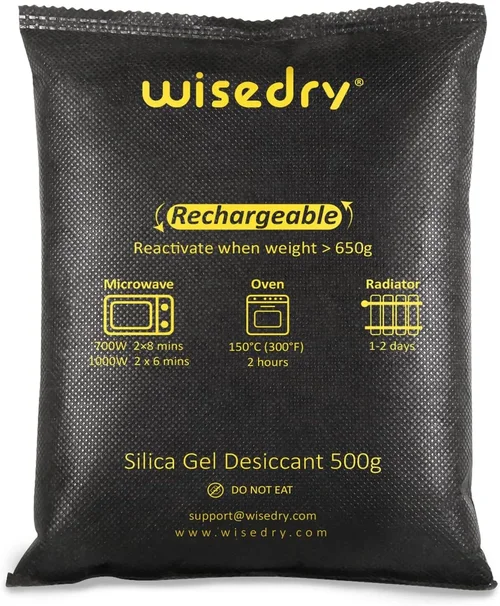
Entry-Level ($20–$50): This tier includes rechargeable moisture absorbers and basic mini electric units. They’re ideal for very small closets (under 50 cubic feet) or seasonal use. Expect limited capacity (under 10 PPD), small tanks requiring frequent emptying, and minimal features. Great for occasional dampness but insufficient for chronic humidity issues.
Mid-Range ($50–$120): The sweet spot for most homeowners. These units offer balanced performance, larger tanks (1–2L), auto-shutoff, and decent energy efficiency. Desiccant models dominate this range—quiet, reliable, and effective in typical closet conditions. Look for brands like Eva-Dry or Pro Breeze for consistent quality.
Premium ($120–$200): Designed for larger walk-in closets or high-humidity environments. Compressor-based units shine here with 20–30+ PPD capacity, continuous drainage options, and advanced controls (timers, humidity presets). Build quality improves significantly, with better warranties and customer support. Models from hOmeLabs or Ivation excel in this category.
Luxury ($200+): Top-tier smart dehumidifiers with Wi-Fi, app integration, pump-assisted drainage, and industrial-grade components. These are overkill for most residential closets but ideal for luxury wardrobes, vintage clothing collections, or commercial use. Expect sleek designs, ultra-quiet operation, and 3+ year lifespans with proper care.
Expert Tips for Getting the Best Deal
- Buy off-season: Prices drop significantly in winter (December–February) when demand for dehumidifiers is lowest. Stock up during holiday sales (Black Friday, Cyber Monday) for discounts up to 30%.
- Check retailer return policies: Amazon, Costco, and Home Depot offer generous return windows. Avoid third-party sellers with restrictive terms.
- Look for bundle deals: Some brands sell dehumidifiers with extra filters, drain hoses, or hygrometers included—saving $20–$40 versus buying separately.
- Subscribe for restocks: Popular models sell out quickly. Enable notifications on retailer sites to snag restocked inventory.
- Consider refurbished units: Certified refurbished models from reputable sellers (e.g., Amazon Renewed) often come with warranties and cost 20–40% less.
- Test before committing: Run the unit for 48 hours and measure humidity changes with a hygrometer. If it’s not reducing moisture effectively, return it immediately.
- Register your warranty: Many brands require online registration within 30 days to activate coverage. Don’t skip this step!
- Join loyalty programs: Stores like Best Buy or Home Depot offer member-exclusive discounts and early access to sales.

Frequently Asked Questions
Q: Do I really need a dehumidifier in my closet?
A: If your closet smells musty, clothes feel damp, or you see condensation on walls/shelves, yes—humidity is too high. Ideal indoor humidity is 40–50%. Use a hygrometer to confirm before buying.
Q: Can I use a room dehumidifier in my closet?
A: Technically yes, but it’s inefficient and risky. Room units are louder, consume more power, and may overheat in enclosed spaces. They’re also too large for most closets. Stick to closet-specific models.
Q: How often should I empty the tank?
A: It depends on humidity levels and tank size. In high-humidity areas, daily emptying may be needed. With a 2L tank and moderate use, every 2–3 days is typical. Auto-shutoff prevents overflow.
Q: Will a dehumidifier damage my clothes?
A: No—when used correctly. Maintaining 40–50% humidity actually protects fabrics from mold, mildew, and odor. Avoid units that blow hot air directly onto garments.
Q: Are desiccant dehumidifiers better than compressor types?
A: It depends. Desiccants are quieter and work in cold temps but remove less moisture. Compressors are more powerful and efficient in warm, humid climates. Match the type to your environment.
Q: Can I run a dehumidifier 24/7?
A: Yes, most modern units are designed for continuous operation. Just ensure proper ventilation and regular maintenance. Units with humidity sensors will cycle on/off automatically.
Q: Do I need a drain hose?
A: Only if you can’t empty the tank regularly or are away often. For most homeowners, a large tank with auto-shutoff is sufficient. Drain hoses add convenience but require setup.
Q: How long do closet dehumidifiers last?
A: Quality units last 3–5 years with proper care. Cheaper models may fail in 1–2 years. Replace filters regularly and avoid blocking airflow to maximize lifespan.
Q: Are there eco-friendly options?
A: Yes! Desiccant units use no refrigerants, and rechargeable absorbers create zero waste. Look for Energy Star ratings and recyclable packaging.
Q: Can I use essential oils in my dehumidifier?
A: No. Adding oils or fragrances can damage internal components and void warranties. Use standalone scent diffusers instead.
Our Final Recommendations
Best for Budget-Conscious Buyers: Eva-Dry E-333 Mini Dehumidifier – At under $40, this rechargeable desiccant unit is perfect for small closets. Silent, portable, and requires no electricity. Just pop it in the microwave to recharge every 2–3 weeks.
Best Overall Value: Pro Breeze Electric Mini Dehumidifier – Priced around $70, it offers 10 PPD capacity, a 1.8L tank, auto-shutoff, and whisper-quiet operation. Ideal for medium-sized closets and reliable year-round performance.
Best Premium Option: hOmeLabs Small Space Dehumidifier – With 22 PPD, continuous drainage, and a sleek design, this compressor-based unit handles large walk-in closets effortlessly. Energy-efficient and backed by a 2-year warranty.
Best for Beginners: Ivation Small Space Dehumidifier – Simple controls, clear tank indicator, and excellent customer support make this a stress-free choice for first-time buyers. Great balance of price and performance.
Best for Advanced Users: AlorAir Sentinel HDi120 – A smart, Wi-Fi-enabled powerhouse with app control, pump drainage, and industrial durability. Perfect for tech enthusiasts or those managing multiple storage areas.
Conclusion: Making the Right Choice
Choosing the best closet dehumidifier isn’t just about picking the most powerful or cheapest option—it’s about matching the right technology to your specific space, climate, and lifestyle. Throughout this guide, we’ve emphasized key factors like moisture removal capacity, energy efficiency, noise level, and smart features, all while helping you avoid common pitfalls that lead to frustration and wasted money. Remember: the goal isn’t to eliminate all humidity, but to maintain a healthy, stable environment that protects your belongings and enhances your home’s comfort.
Take the time to assess your closet’s unique challenges. Measure the space, test humidity levels, and consider how often you’ll interact with the unit. If you travel frequently, prioritize automation and drainage. If noise is a concern, lean toward desiccant models. And always factor in long-term costs—not just the sticker price. A well-chosen dehumidifier is an investment in preservation, preventing costly damage to clothing, shoes, and even structural elements over time.
Ultimately, the best closet dehumidifier is the one you’ll actually use consistently and maintain properly. Don’t let analysis paralysis stop you from taking action. Start with a mid-range model that fits your budget and needs, and upgrade later if necessary. Your wardrobe—and your peace of mind—will thank you. Ready to breathe easier and smell fresher? Pick a recommended model today and reclaim your closet from excess moisture for good.