
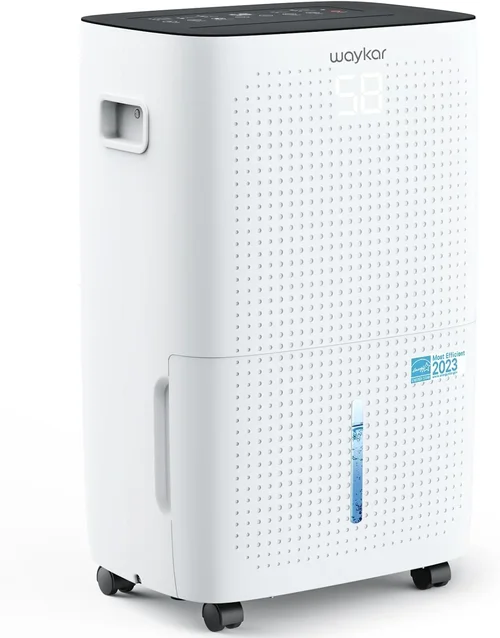
If you’ve ever stepped into your basement and been greeted by that musty, damp smell—or worse, noticed mold creeping along the walls or water pooling near the foundation—you already know why a reliable dehumidifier isn’t just a nice-to-have, it’s a necessity. Basements are naturally prone to high humidity due to their below-ground location, poor ventilation, and exposure to moisture from soil, groundwater, or seasonal weather changes. Left unchecked, excess humidity can lead to structural damage, ruined belongings, and serious health risks like respiratory issues and allergies. That’s where a commercial-grade dehumidifier comes in: it’s not just about comfort—it’s about protection.
This comprehensive buying guide is designed to help you cut through the noise and make an informed decision when choosing the best commercial dehumidifier for your basement. Whether you’re dealing with a small crawl space or a sprawling finished basement, we’ll walk you through every critical factor—from performance specs and build quality to budget considerations and long-term reliability. You’ll learn how to match the right unit to your specific needs, avoid common pitfalls, and ultimately invest in a solution that delivers lasting results. The market today offers a wide range of options, from compact residential models to heavy-duty industrial units capable of handling thousands of square feet. Our goal is to equip you with the knowledge to navigate this landscape confidently and select a dehumidifier that performs consistently, lasts for years, and fits within your budget.

What to Look for When Buying Buying Guide
1. Performance Specifications
When evaluating any commercial dehumidifier, performance specs are the foundation of your decision. The most important metric is the pint-per-day (PPD) rating, which indicates how much moisture the unit can remove in 24 hours under standardized conditions (typically 80°F and 60% relative humidity). For basements, you’ll generally want a unit rated between 50 and 100+ PPD, depending on square footage and moisture severity. A 50–70 PPD model may suffice for a dry, well-insulated 1,000 sq ft basement, while a flooded or chronically damp 2,500+ sq ft space might require a 90–120 PPD commercial-grade unit.
Beyond PPD, pay attention to the operating temperature range. Most residential dehumidifiers stop working efficiently below 65°F, but basements often hover between 50°F and 60°F—especially in winter. Look for models specifically rated for low-temperature operation (down to 41°F or lower), as these use specialized compressors and defrost cycles to maintain performance in colder environments. Also consider the airflow rate (measured in CFM—cubic feet per minute); higher CFM means faster air circulation, which improves moisture extraction efficiency across larger areas.
2. Coverage Area & Sizing
Choosing a dehumidifier that’s too small for your basement is one of the most common—and costly—mistakes. An undersized unit will run constantly, struggle to maintain target humidity levels, and wear out prematurely. To size correctly, start by measuring your basement’s total square footage. Then assess the moisture level: Is it dry with occasional dampness? Moderately damp with visible condensation? Or severely wet with standing water or mold?
As a rule of thumb:
– Light moisture (dry basement, occasional humidity): 30–50 PPD for up to 1,500 sq ft
– Moderate moisture (damp smell, condensation on walls): 50–70 PPD for 1,500–2,500 sq ft
– Heavy moisture (standing water, mold, flooding history): 70–120+ PPD for 2,500+ sq ft
Many manufacturers provide coverage charts, but don’t rely solely on them—real-world conditions vary. If your basement has poor insulation, exterior walls, or a history of leaks, err on the side of a larger capacity. Oversizing slightly is far better than undersizing.
3. Build Quality & Durability
Commercial dehumidifiers are built to withstand continuous operation in harsh environments—something residential units aren’t designed for. Look for heavy-gauge steel cabinets, powder-coated finishes to resist rust and corrosion, and sealed components that protect internal electronics from dust and moisture. Internal parts matter too: rotary compressors are more durable and efficient than piston types, and epoxy-coated coils prevent corrosion from prolonged exposure to humid air.
Check the fan motor type—permanent split capacitor (PSC) motors are common and reliable, but electronically commutated motors (ECMs) offer better energy efficiency and longer lifespans. Also inspect the condensate pump (if included): a robust, quiet pump with a high lift capacity (20+ feet) ensures reliable drainage even when the unit is placed far from a floor drain.
4. Features & Functionality
Modern commercial dehumidifiers come packed with features that enhance usability, efficiency, and automation. A built-in humidistat is essential—it allows you to set your desired humidity level (ideally 30–50% for basements) and automatically cycles the unit on/off to maintain it. Digital controls with clear displays make adjustments easy, while programmable timers let you run the unit during off-peak hours to save energy.
Look for auto-defrost functionality if your basement gets cold—this prevents ice buildup on coils during winter months. Continuous drainage is another must-have: instead of relying on a small bucket that needs emptying every few hours, a hose connection lets gravity or a condensate pump send water directly to a floor drain, sump pit, or outside. Some premium models include remote sensors that monitor humidity in multiple zones, ensuring even coverage throughout large basements.
Wi-Fi connectivity and smartphone apps are becoming more common, allowing remote monitoring and control—a huge plus if you’re away from home frequently. However, don’t prioritize “smart” features over core performance unless they genuinely add value for your use case.
5. Energy Efficiency & Operating Costs
Dehumidifiers can be energy hogs, especially commercial units running 24/7. Check the Energy Factor (EF), measured in liters of water removed per kilowatt-hour (L/kWh). Higher EF values mean greater efficiency. ENERGY STAR-certified models meet strict efficiency guidelines and can reduce operating costs by 15–30% compared to standard units.
Calculate your estimated monthly cost using this formula:
(Power in watts ÷ 1,000) × hours used per day × local electricity rate ($/kWh) × 30
For example, a 700-watt unit running 12 hours/day at $0.12/kWh costs about $30/month. While upfront price matters, long-term energy use can significantly impact total cost of ownership—especially in humid climates where the unit runs constantly.
6. Noise Level
Basements are often used as living spaces, home gyms, or workshops, so noise matters. Commercial dehumidifiers typically range from 50 to 65 decibels (dB)—comparable to a quiet conversation or moderate rainfall. Lower-end models may hit 60–65 dB, which can be disruptive in quiet environments. Look for units with insulated cabinets, vibration-dampening mounts, and variable-speed fans that reduce noise during low-load operation.
If your basement doubles as a bedroom or media room, prioritize models under 55 dB. Some manufacturers publish sound ratings; if not listed, check user reviews for real-world feedback on noise.
7. Portability & Installation
Even commercial units should be reasonably portable. Look for integrated handles, recessed wheels, and a compact footprint that allows easy movement through doors and down stairs. Weight matters too—many commercial dehumidifiers weigh 60–100+ pounds, so ensure you can safely maneuver them.
Installation should be straightforward: most units require only a power outlet and drainage setup. However, some heavy-duty models may need dedicated 20-amp circuits or hardwired electrical connections—check your home’s wiring before purchasing. If you plan to move the unit between basement and garage or workshop, confirm it’s designed for multi-location use.
8. Brand Reputation & Warranty
Stick with established brands known for reliability in commercial and industrial applications. Names like AprilAire, Santa Fe, Dri-Eaz, AlorAir, and Therma-Stor have proven track records in moisture control. Avoid unknown brands with vague specifications or no customer support presence.
Warranty length and coverage are strong indicators of build quality. A reputable commercial dehumidifier should come with at least a 2–5 year warranty on parts and labor, with some offering extended coverage on compressors (up to 10 years). Read the fine print: some warranties require professional installation or annual maintenance to remain valid.
Different Types of Buying Guide

Common Buying Mistakes to Avoid
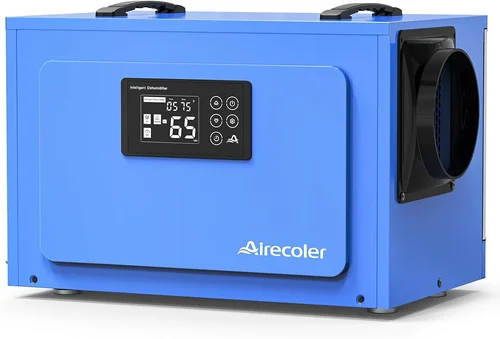
❌ Mistake: Buying Based Solely on Price
Why it’s bad: The cheapest dehumidifier often lacks the capacity, durability, or features needed for basement use. It may fail within a year, costing more in replacements and repairs than a mid-range unit would have.
What to do instead: Focus on total cost of ownership—including energy use, maintenance, and lifespan—not just upfront price. Invest in a unit that matches your basement’s size and moisture level.
❌ Mistake: Ignoring Drainage Options
Why it’s bad: Without continuous drainage, you’ll be emptying a bucket every 6–12 hours—a tedious chore that defeats the purpose of automation. In high-moisture situations, a full bucket can overflow and cause water damage.
What to do instead: Choose a model with a built-in condensate pump or gravity drain hose compatibility. Ensure your basement has a nearby floor drain, sump pit, or exterior access for hose routing.
❌ Mistake: Overlooking Low-Temperature Performance
Why it’s bad: Most basements drop below 65°F in winter. Standard dehumidifiers freeze up and stop working, allowing humidity—and mold—to return.
What to do instead: Select a unit specifically rated for operation down to 41°F or lower. Look for auto-defrost and cold-climate certifications.
❌ Mistake: Assuming All “Commercial” Labels Are Equal
Why it’s bad: Some manufacturers slap “commercial” on residential units with minor upgrades. These may not withstand 24/7 operation or harsh basement conditions.
What to do instead: Verify specs like compressor type, cabinet material, warranty length, and user reviews from verified buyers. True commercial units are built for duty cycles of 80–100%.
❌ Mistake: Neglecting Regular Maintenance
Why it’s bad: Dust-clogged filters, corroded coils, and frozen components reduce efficiency and shorten lifespan. Many buyers assume dehumidifiers are “set and forget.”
What to do instead: Clean the air filter monthly, inspect coils quarterly, and follow the manufacturer’s maintenance schedule. A well-maintained unit lasts 8–12 years.
❌ Mistake: Not Checking Electrical Requirements
Why it’s bad: High-capacity units may draw 10–15 amps. Plugging into a standard 15-amp circuit with other devices can trip breakers or create fire hazards.
What to do instead: Verify the unit’s amperage and ensure your basement has a dedicated circuit or sufficient capacity. Consult an electrician if unsure.
Budget Guidelines: How Much Should You Spend?
Entry-Level ($200–$500): These are typically upgraded residential models with 30–50 PPD capacity. Suitable for small, dry basements with minimal moisture. Expect basic features, plastic components, and shorter lifespans (3–5 years). Brands like hOmeLabs and Ivation offer decent options here, but don’t expect heavy-duty performance.
Mid-Range ($600–$1,200): This is the sweet spot for most homeowners. Units in this range offer 50–90 PPD, steel cabinets, continuous drainage, auto-defrost, and 3–5 year warranties. Models from AlorAir, AprilAire, and BaseAire deliver reliable performance for medium to large basements with moderate to high humidity. Expect 7–10 year lifespans with proper care.
Premium ($1,200–$2,500): Designed for serious moisture problems, these commercial-grade units handle 90–120+ PPD, operate in extreme temperatures, and include advanced features like remote sensors, Wi-Fi, and condensate pumps. Ideal for flood-prone areas, large finished basements, or rental properties. Brands like Santa Fe and Dri-Eaz dominate this tier.
Luxury ($2,500+): Reserved for industrial applications or whole-house integration, these systems offer desiccant technology, ultra-quiet operation, and smart home compatibility. They’re overkill for typical homes but invaluable for property managers, restoration professionals, or those with complex HVAC needs.
Expert Tips for Getting the Best Deal
– Buy in Spring: Demand peaks in summer, so prices drop in spring (March–May). Retailers often run promotions before the humid season hits.
– Shop Online for Selection, In-Store for Support: Online retailers (Amazon, Home Depot, Sylvane) offer wider selections and reviews, but local HVAC suppliers provide expert advice and faster service.
– Look for Bundles: Some sellers include hoses, filters, or installation kits at no extra cost—especially during sales events.
– Check Return Policies: Ensure you have at least 30 days to test the unit. If it can’t maintain humidity levels, you’ll want to swap it hassle-free.
– Negotiate on Premium Models: High-end units often have room for negotiation, especially if buying from a local dealer or during slow seasons.
– Verify Warranty Registration: Some brands require online registration within 30 days of purchase to activate full coverage.
– Test Before Committing: Run the unit for 48–72 hours and monitor humidity with a separate hygrometer. If levels don’t stabilize, the unit may be undersized.

Frequently Asked Questions
Q: Can I use a regular dehumidifier in my basement?
A: You can, but it’s not ideal. Residential units aren’t built for continuous operation, lack low-temperature capabilities, and often have smaller tanks. For anything beyond a tiny, dry basement, a commercial-grade model is strongly recommended.
Q: How do I know if my basement needs a dehumidifier?
A: Signs include musty odors, condensation on walls or windows, peeling paint, rust on metal surfaces, or visible mold. Use a hygrometer: if humidity consistently exceeds 50%, a dehumidifier is needed.
Q: Should I run my dehumidifier year-round?
A: Yes—especially in humid climates. Basements retain moisture even in winter. Set it to maintain 30–50% humidity and let it run automatically.
Q: Can a dehumidifier help with radon or pests?
A: Indirectly, yes. Lower humidity reduces mold (which attracts insects) and makes basements less hospitable to pests like silverfish and centipedes. However, it doesn’t mitigate radon—that requires specialized ventilation systems.
Q: How often should I clean my dehumidifier?
A: Clean the air filter every 4–6 weeks during heavy use. Wipe down the exterior monthly and inspect coils annually. Replace filters as recommended by the manufacturer.
Q: Will a dehumidifier lower my energy bill?
A: Not directly—it consumes electricity. But by reducing humidity, your HVAC system works more efficiently (since moist air feels warmer), potentially lowering cooling costs in summer.
Q: Can I install a dehumidifier myself?
A: Absolutely. Most units are plug-and-play. Just ensure proper drainage, ventilation, and electrical safety. For whole-house systems, hire a licensed HVAC technician.
Q: What’s the difference between refrigerant and desiccant dehumidifiers?
A: Refrigerant models (most common) cool air to condense moisture—best for warm, humid spaces. Desiccant units use moisture-absorbing materials and work better in cold or very dry conditions, but cost more to operate.
Our Final Recommendations
Best for Budget-Conscious Buyers: AlorAir Storm LGR 70 – At around $650, this 70 PPD unit offers steel construction, auto-defrost, and continuous drainage. Perfect for 1,500–2,000 sq ft basements with moderate moisture.
Best Overall Value: AprilAire E080 Pro – Priced near $1,100, this 80 PPD powerhouse covers up to 3,000 sq ft, includes a built-in pump, and integrates with HVAC systems. Exceptional build quality and 5-year warranty.
Best Premium Option: Santa Fe Compact 70 – A top-tier 70 PPD unit ($1,400+) designed for extreme conditions. Features a high-efficiency compressor, epoxy-coated coils, and whisper-quiet operation—ideal for large, cold basements.
Best for Beginners: BaseAire Galaxy 55 – Simple controls, 55 PPD capacity, and reliable performance under $500. Great for first-time buyers with smaller basements.
Best for Advanced Users: Dri-Eaz F500 – A professional 100+ PPD desiccant dehumidifier ($3,000+) for flood restoration or industrial use. Remote monitoring, ultra-low temp operation, and unmatched durability.
Conclusion: Making the Right Choice
Choosing the right commercial dehumidifier for your basement isn’t just about picking the strongest or most expensive model—it’s about finding the perfect balance of performance, durability, and value for your unique situation. By understanding key factors like capacity, coverage, build quality, and energy efficiency, you can avoid costly mistakes and invest in a solution that protects your home, health, and belongings for years to come.
Remember: your basement is more than just storage—it’s part of your living space. Don’t let hidden moisture compromise its integrity. Prioritize your needs, do your research, and don’t hesitate to consult a professional if you’re dealing with severe water intrusion. With the right dehumidifier in place, you’ll enjoy a drier, healthier, and more comfortable basement—no matter the season. Take action today, and breathe easier tomorrow.