
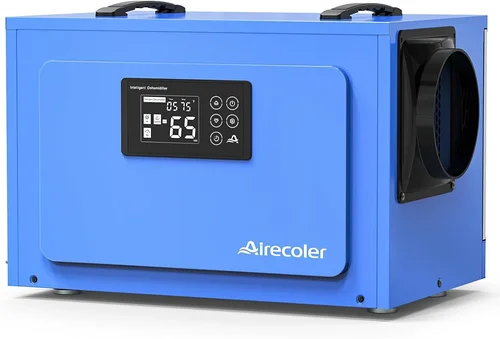
Maintaining the ideal environment in a grow room is one of the most critical—and often overlooked—aspects of successful indoor cultivation. Whether you’re growing cannabis, herbs, vegetables, or ornamental plants, humidity levels directly influence plant health, growth rates, yield quality, and susceptibility to mold, mildew, and pests. Too much moisture in the air creates a breeding ground for pathogens like powdery mildew and botrytis, which can devastate an entire crop in days. On the other hand, air that’s too dry can stress plants, reduce transpiration, and hinder nutrient uptake. This is where a high-performance commercial dehumidifier becomes not just helpful, but essential.
In recent years, the demand for reliable, industrial-grade dehumidifiers designed specifically for grow rooms has surged alongside the expansion of legal cannabis markets and the rise of home-based hydroponic farming. As a result, the market is flooded with options—ranging from compact residential units repurposed for grow tents to heavy-duty commercial systems capable of managing multi-thousand-square-foot facilities. With so many choices, it’s easy to feel overwhelmed. That’s why this comprehensive buying guide exists: to cut through the noise, clarify technical jargon, and help you make an informed decision based on your specific needs, budget, and scale of operation.
By the end of this guide, you’ll understand exactly what to look for in a commercial dehumidifier for your grow room. We’ll walk you through the most important performance metrics, explain how different technologies compare, highlight common pitfalls to avoid, and provide actionable tips to get the best value for your investment. Whether you’re setting up your first 10’x10’ tent or managing a large-scale cultivation facility, this guide will equip you with the knowledge to choose a dehumidifier that protects your plants, maximizes yields, and operates efficiently over the long term.

What to Look for When Buying Buying Guide
1. Moisture Removal Capacity (Pints per Day)
The single most important specification when selecting a commercial dehumidifier for a grow room is its moisture removal capacity, typically measured in pints per day (PPD). This number tells you how much water vapor the unit can extract from the air in a 24-hour period under standard conditions (usually 80°F and 60% relative humidity). For grow rooms, especially those using hydroponic systems or high-intensity lighting, moisture output from plants through transpiration can be substantial—often exceeding 10–20 gallons per day in larger setups.
To determine the right capacity, consider your room size, number of plants, lighting type (HPS, LED, etc.), watering method, and ventilation rate. A general rule of thumb is to aim for a dehumidifier that can remove at least 1 pint of moisture per 10 square feet of grow space during peak flowering stages. However, this varies widely. For example, a 4’x4’ tent with four plants under LED lights may only need a 30–50 PPD unit, while a 20’x30’ facility with 200 plants under high-pressure sodium lights might require a system rated at 200+ PPD. Always oversize slightly—running a dehumidifier at full capacity 24/7 is inefficient and shortens its lifespan. Instead, choose a unit that can maintain target humidity (typically 40–60% RH during veg, 40–50% during flower) without constant cycling.
2. Energy Efficiency & Operating Costs
Commercial dehumidifiers are workhorses—they often run continuously for weeks or months during critical growth phases. As such, energy consumption directly impacts your bottom line. Look for units with high energy efficiency ratios (EER) or those certified by ENERGY STAR. These models use advanced compressor technology, variable-speed fans, and smart sensors to minimize power draw while maintaining performance.
For context, a standard 70-pint dehumidifier might consume around 700–800 watts per hour. Running it 12 hours a day at $0.15/kWh would cost roughly $38 per month. Multiply that by multiple units in a large facility, and energy costs quickly add up. More efficient models may cost more upfront but can save hundreds of dollars annually in electricity. Additionally, some commercial units feature hot-gas defrost systems that allow them to operate efficiently even in cooler temperatures (down to 41°F), which is crucial if your grow room experiences temperature swings.
3. Build Quality & Durability
Grow rooms are harsh environments—high humidity, constant moisture exposure, and sometimes corrosive nutrients or cleaning chemicals. A dehumidifier built with cheap plastic components or thin-gauge metal will degrade quickly, leading to leaks, electrical faults, or compressor failure. Opt for units constructed with rust-resistant coatings, powder-coated steel cabinets, and sealed electrical components.
Industrial-grade dehumidifiers often feature heavy-duty compressors (like rotary or scroll types), which are more reliable and quieter than piston compressors found in residential models. Look for reinforced coils, protective grilles, and IP-rated enclosures if you’re operating in damp or washdown-prone areas. Brands like Quest, AprilAire, and Santa Fe specialize in rugged, long-lasting designs built for commercial horticulture. A well-built unit should last 5–10 years with proper maintenance—don’t skimp on durability for short-term savings.
4. Humidity Control Precision & Automation
Manual dehumidifiers require constant monitoring and adjustment—a impractical task in busy grow operations. Modern commercial units come equipped with digital hygrostats that allow you to set precise target humidity levels (e.g., 45% RH ±2%). Once set, the unit automatically turns on and off to maintain that range, reducing wear and tear and ensuring consistent conditions.
Advanced models offer programmable timers, remote monitoring via smartphone apps, and integration with environmental control systems (like Priva or Argus). Some even feature dual-humidity settings—one for vegetative growth and another for flowering—that switch automatically based on a schedule. This level of automation not only improves plant health but also frees up your time for other tasks. Avoid units with analog dials or basic on/off switches; they lack the precision needed for optimal cultivation.
5. Noise Level & Operational Quietness
While noise may seem like a minor concern, it becomes significant in residential grow spaces, shared buildings, or facilities near living areas. Compressor-based dehumidifiers inherently produce sound—typically ranging from 50 to 65 decibels (dB). For reference, 50 dB is comparable to a quiet conversation, while 65 dB resembles normal office noise.
If noise is a priority (e.g., urban grows or stealth setups), look for units with insulated cabinets, vibration-dampening mounts, and low-RPM fans. Desiccant dehumidifiers, though less common in large-scale applications, are generally quieter than refrigerant models because they don’t use compressors. However, they’re less energy-efficient for high-moisture environments. Always check manufacturer specs for dB ratings, and consider placing the unit on a rubber mat or in a separate mechanical room to further reduce noise transmission.
6. Drainage Options & Maintenance Requirements
Continuous operation means continuous water collection. Most dehumidifiers include a built-in condensate tank (usually 1–2 gallons), but these require manual emptying every few days—impractical for unattended grows. Instead, prioritize models with gravity drain outlets or pump-assisted drainage.
A gravity drain hose (¼” or ⅜” tubing) allows water to flow directly into a floor drain, sump pump, or external reservoir. For elevated units or facilities without floor drains, look for models with built-in condensate pumps that can push water vertically up to 15–20 feet. This feature is indispensable in commercial settings where automation and reliability are paramount.
Maintenance should also be straightforward. Removable air filters (preferably washable) prevent dust and plant debris from clogging coils. Coil cleaning should be easy—some units feature access panels or tool-less designs. Avoid models with sealed systems that require professional servicing for basic upkeep.
7. Brand Reputation & Industry Experience
Not all dehumidifier brands are created equal—especially when it comes to horticultural applications. Some manufacturers design products specifically for grow rooms, incorporating feedback from cultivators and testing in real-world conditions. Others simply rebadge generic residential units with “grow room” stickers.
Established brands like Quest Hydroponics, AprilAire, and Santa Fe have decades of experience in commercial dehumidification and offer models tailored to cannabis and greenhouse cultivation. They provide detailed spec sheets, application guides, and technical support from experts who understand plant physiology. Lesser-known or off-brand units may save money initially but often lack reliability, spare parts availability, or proper documentation. Always research brand history, read user testimonials from other growers, and verify warranty coverage before purchasing.
8. Warranty & Customer Support
A dehumidifier is a long-term investment, and a strong warranty reflects manufacturer confidence in their product. Commercial-grade units typically come with 2–5 year warranties covering parts and labor, with some offering extended coverage on compressors (up to 10 years). Residential models often have only 1-year warranties and may void coverage if used in commercial or high-humidity environments.
Check what the warranty includes: Does it cover shipping? On-site service? Replacement units? Also evaluate customer support responsiveness—can you reach a real person quickly? Are troubleshooting guides available? Brands with dedicated horticulture support teams (like Quest’s Grower Support) can save you hours of frustration during critical grow phases. Avoid sellers who only offer email support or have no U.S.-based service centers.
Different Types of Buying Guide

Common Buying Mistakes to Avoid
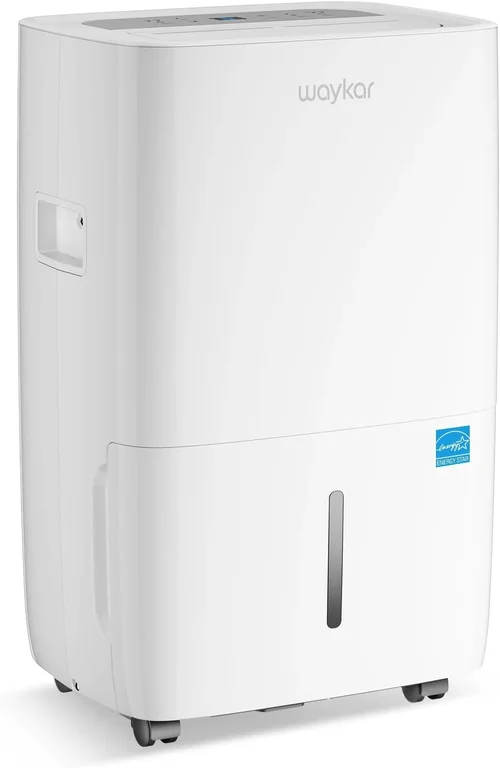
❌ Mistake: Buying a Residential Dehumidifier for a Grow Room
Why it’s bad: Residential units are not designed for the extreme humidity loads and continuous operation required in grow rooms. They often lack proper drainage, have weaker compressors, and may overheat or fail within weeks under horticultural conditions. Additionally, many void warranties if used commercially.
What to do instead: Invest in a purpose-built commercial dehumidifier with robust construction, high PPD ratings, and features like pump drainage and digital controls.
❌ Mistake: Undersizing the Unit
Why it’s bad: A dehumidifier that’s too small will run nonstop, struggle to maintain target humidity, and wear out prematurely. This leads to higher energy bills, inconsistent environments, and increased risk of mold outbreaks.
What to do instead: Calculate your peak moisture load based on plant count, lighting, and room volume. Always choose a unit rated for 20–30% more capacity than your estimated need.
❌ Mistake: Ignoring Drainage Logistics
Why it’s bad: Without proper drainage, you’ll be manually emptying buckets daily—or worse, dealing with overflow and water damage. In automated grows, this is a dealbreaker.
What to do instead: Ensure your chosen model supports continuous drainage via hose or pump. Plan your plumbing layout before installation.
❌ Mistake: Overlooking Energy Efficiency
Why it’s bad: A cheap, inefficient unit may save money upfront but cost significantly more in electricity over time—especially in large-scale operations.
What to do instead: Compare wattage and EER ratings. Look for ENERGY STAR certification or horticulture-specific efficiency benchmarks.
❌ Mistake: Skipping the Warranty Check
Why it’s bad: If your unit fails during flowering, you need fast replacement—not a 6-week RMA process. Weak warranties leave you vulnerable.
What to do instead: Choose brands with strong, clear warranties and responsive customer service. Verify coverage terms before buying.
❌ Mistake: Not Considering Noise in Residential Areas
Why it’s bad: Loud dehumidifiers can disturb neighbors, violate noise ordinances, or disrupt your own sleep if the grow is near living spaces.
What to do instead: Check dB ratings and consider sound-dampening enclosures or remote placement in a utility closet.
❌ Mistake: Failing to Monitor After Installation
Why it’s bad: Even the best dehumidifier can malfunction or become less efficient over time due to clogged filters or refrigerant leaks.
What to do instead: Use a high-quality hygrometer and log humidity data daily. Schedule regular maintenance every 1–2 months.
Budget Guidelines: How Much Should You Spend?
Entry-Level ($600–$1,200): This tier includes basic portable commercial units suitable for small tents or closets (up to 5’x5’). Expect 30–70 PPD capacity, manual or simple digital controls, and limited drainage options. Brands like hOmeLabs or AlorAir offer decent entry points, but build quality and longevity may be compromised. Ideal for beginners or low-stakes grows.
Mid-Range ($1,200–$3,000): The sweet spot for most serious home growers and small commercial operations. These units (e.g., Quest 205, AprilAire E080) deliver 80–200 PPD, feature pump drainage, precise hygrostats, and durable construction. Energy efficiency is significantly better, and warranties typically span 2–3 years. Perfect for 10’x10’ to 20’x20’ rooms.
Premium ($3,000–$6,000): Designed for professional cultivators and mid-sized facilities. Expect 200–400+ PPD, advanced automation, remote monitoring, and integration with environmental controllers. Models like the Santa Fe Ultra or Quest Dual 450 offer exceptional reliability and efficiency. Built to last 7–10 years with minimal downtime.
Luxury ($6,000+): Top-tier systems for large-scale commercial grows (500+ PPD). These include ductable whole-room units, hybrid refrigerant-desiccant combos, and custom-engineered solutions. Often sold through specialized HVAC distributors, they come with full-service support, extended warranties, and scalability for future expansion. Only necessary for enterprise-level operations.
Expert Tips for Getting the Best Deal
– Buy during off-seasons: Demand peaks in spring and summer. Purchase in late fall or winter for discounts and better inventory availability.
– Shop directly from manufacturers: Brands like Quest and AprilAire often run promotions, bundle deals (e.g., dehumidifier + filter), or offer grower-specific pricing not available on Amazon.
– Check for rebates: Some utility companies offer energy-efficiency rebates for commercial dehumidifiers—especially ENERGY STAR models. Contact your provider before buying.
– Negotiate for bulk orders: If you need multiple units, ask for a volume discount. Many suppliers offer 5–15% off for 3+ units.
– Read real grower reviews: Look beyond star ratings. Forums like GrowWeedEasy, Reddit’s r/MarijuanaGrow, and Leafly have detailed user experiences with specific models.
– Inspect return policies: Ensure you can return or exchange the unit within 30–60 days if it doesn’t meet your needs. Avoid sellers with restocking fees.
– Test before committing: If possible, rent a unit for a week to evaluate performance in your actual environment.
– Factor in installation costs: Ductable systems may require professional HVAC installation—budget $500–$2,000 extra.

Frequently Asked Questions
Q: Can I use a regular home dehumidifier in my grow tent?
A: Technically yes, but it’s not recommended. Home units lack the capacity, durability, and features needed for consistent grow room performance. They often overheat, lack pump drainage, and void warranties when used commercially.
Q: How often should I clean my dehumidifier?
A: Clean the air filter every 2–4 weeks and inspect coils monthly. In dusty or high-pollen environments, increase frequency. Use mild soap and water—never harsh chemicals.
Q: What humidity level should I maintain in my grow room?
A: During vegetative growth, aim for 50–60% RH. During flowering, lower to 40–50% to prevent mold. Seedlings and clones prefer higher humidity (65–70%).
Q: Do I need a dehumidifier if I have good ventilation?
A: Yes. Ventilation removes stale air but doesn’t actively extract moisture. In humid climates or dense grows, passive airflow isn’t enough—active dehumidification is essential.
Q: Can a dehumidifier replace an air conditioner?
A: No. While dehumidifiers slightly cool air as a byproduct, they’re not designed for temperature control. Use them alongside AC or HVAC systems.
Q: How do I know if my dehumidifier is working properly?
A: Monitor humidity with a calibrated hygrometer. If levels remain stable within your target range and the unit cycles on/off appropriately, it’s functioning correctly.
Q: Are desiccant dehumidifiers better for cold grows?
A: Yes. Unlike refrigerant units, desiccant models work efficiently in temperatures as low as 32°F, making them ideal for basement or unheated grow spaces.
Q: Should I run my dehumidifier 24/7?
A: Only if needed to maintain target humidity. Most units with digital controls will auto-cycle, reducing runtime and saving energy.
Q: What’s the difference between pints per day and liters per day?
A: 1 pint ≈ 0.47 liters. Always check units—some international specs use liters. Convert for accurate comparisons.
Q: Can I duct a portable dehumidifier?
A: Some models support ducting kits (intake or discharge), but not all. Check manufacturer specs—ducting improves efficiency in large rooms.
Our Final Recommendations
Best for Budget-Conscious Buyers: AlorAir Sentinel HDi90 – At around $1,100, this 90-pint unit offers excellent value with pump drainage, digital controls, and a 5-year warranty. Great for 8’x8’ to 12’x12’ grows.
Best Overall Value: Quest 205 – Priced near $2,200, the Quest 205 removes 205 pints/day, features a built-in pump, and is renowned for reliability in commercial cannabis grows. Energy-efficient and backed by stellar support.
Best Premium Option: Santa Fe Ultra-Aire 70H – At $3,500+, this ductable powerhouse handles 70 pints efficiently in cold temps and integrates seamlessly with HVAC systems. Ideal for professional facilities.
Best for Beginners: hOmeLabs 70-Pint Commercial Dehumidifier – Simple setup, affordable ($700–$900), and effective for small tents. Lacks advanced features but gets the job done for new growers.
Best for Advanced Users: Quest Dual 450 – With 450 PPD, dual compressors, and smart controls, this $4,500+ unit is built for large-scale, high-yield operations requiring precision and redundancy.
Conclusion: Making the Right Choice
Choosing the right commercial dehumidifier for your grow room isn’t just about picking the biggest or most expensive unit—it’s about matching the right tool to your specific environment, scale, and goals. From understanding moisture removal capacity and energy efficiency to avoiding common pitfalls like undersizing or poor drainage, every decision impacts your plants’ health and your operational success. Remember: a reliable dehumidifier is not an expense—it’s an investment in yield quality, disease prevention, and long-term sustainability.
Take the time to assess your needs honestly. Measure your space, calculate your moisture load, and prioritize features that align with your workflow. Don’t be swayed by flashy marketing or rock-bottom prices. Instead, focus on durability, precision, and support. Whether you’re nurturing a few plants in a closet or managing a multi-room facility, the right dehumidifier will work quietly in the background, ensuring your grow thrives.
Now that you’re equipped with expert knowledge, it’s time to act. Review our recommendations, compare models using the criteria outlined, and make a confident purchase. Your plants—and your future harvests—will thank you.