
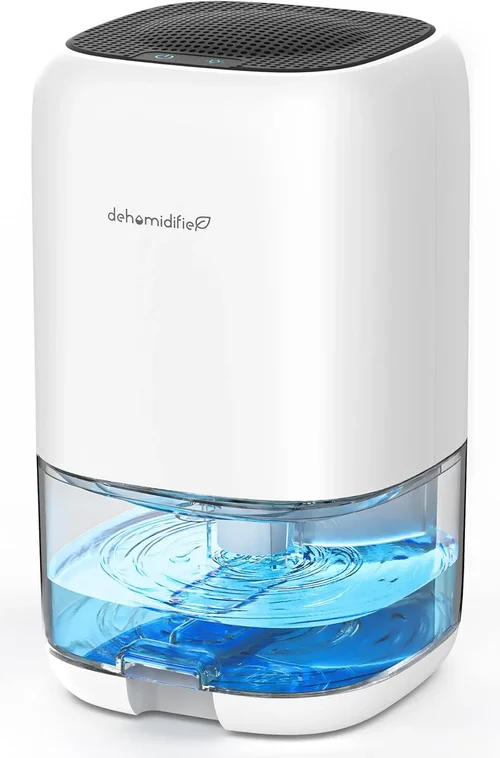
Bathrooms are notorious for trapping moisture. Every shower, bath, or even just running hot water creates steam that clings to walls, mirrors, and ceilings. Over time, this excess humidity doesn’t just cause foggy mirrors—it leads to mold, mildew, peeling paint, warped wood, and that musty smell no air freshener can truly eliminate. If you’ve ever opened a bathroom cabinet to find black spots growing inside or noticed your towels staying damp for days, you already know the problem. A compact dehumidifier designed specifically for bathrooms offers a simple, effective solution. But with so many models on the market—ranging from tiny USB-powered units to more robust compressor-based systems—choosing the right one can feel overwhelming.
This comprehensive buying guide is here to cut through the confusion. Whether you live in a humid climate, have poor bathroom ventilation, or simply want to protect your home from long-term moisture damage, we’ll walk you through everything you need to know. You’ll learn how to evaluate performance specs, understand different technologies, avoid common pitfalls, and find a model that fits your space, budget, and lifestyle. By the end, you’ll be equipped to make a confident, informed decision—no guesswork required.
The compact dehumidifier market has evolved significantly in recent years. Once limited to bulky, noisy machines meant for basements or whole-house use, today’s bathroom-specific units are sleek, energy-efficient, and surprisingly powerful for their size. From thermoelectric (Peltier) models ideal for small spaces to mini compressor units capable of handling larger bathrooms, there’s now an option for nearly every scenario. Brands like Eva-Dry, Pro Breeze, hOmeLabs, and Afloia have introduced innovative designs focused on quiet operation, automatic shut-off, and low power consumption. With this guide, you’ll navigate that landscape like a pro.

What to Look for When Buying a Compact Dehumidifier for Your Bathroom
1. Moisture Removal Capacity (Pints per Day)
The most critical spec when choosing a compact dehumidifier is its moisture removal rate, typically measured in pints per day (PPD). This tells you how much water the unit can extract from the air in 24 hours under standard conditions (usually 60–80% relative humidity at 80°F). For bathrooms, which are smaller and experience short bursts of high humidity rather than constant dampness, you don’t need industrial-level capacity—but you do need enough to make a real difference.
Most compact bathroom dehumidifiers range from 0.5 to 3 pints per day. A unit rated for 1–2 PPD is usually sufficient for a standard 5′ x 8′ bathroom with moderate use. However, if your bathroom lacks an exhaust fan, has poor airflow, or you take long, steamy showers daily, aim for the higher end of that range. Keep in mind that manufacturer claims can be optimistic; real-world performance often falls 20–30% below lab ratings. Always check independent reviews for verified output.
2. Tank Size vs. Continuous Drainage
All compact dehumidifiers collect moisture in an internal tank, but tank size varies widely—from as little as 200ml (about 0.2 pints) to over 1 liter (roughly 2 pints). Smaller tanks mean more frequent emptying, which can be annoying if you forget or are away from home. For example, a 300ml tank might fill up after just one long shower, requiring daily attention.
Consider your routine: if you only use the dehumidifier occasionally or have a very small space, a smaller tank may suffice. But for daily use—especially in humid climates—opt for at least a 500ml to 1L tank. Better yet, choose a model with a continuous drainage port. These let you connect a standard garden hose (often included) to divert water straight into a nearby drain, eliminating the need to empty the tank altogether. This feature is especially valuable in windowless bathrooms or rentals where plumbing access isn’t possible.
3. Noise Level (Decibel Rating)
Bathrooms are often adjacent to bedrooms or used during quiet hours, so noise matters. Compact dehumidifiers vary significantly in sound output. Thermoelectric (Peltier) models are nearly silent—typically under 40 dB—making them ideal for nighttime use or light sleepers. Mini compressor units, while more powerful, produce more noise, usually between 45–55 dB (comparable to a quiet conversation or refrigerator hum).
If you plan to run the dehumidifier while sleeping or during work calls, prioritize low-decibel models. Check product specs for “noise level” or “sound output.” Some brands advertise “whisper-quiet” operation—but verify this with user reviews, as marketing claims can be exaggerated. Also, note that noise can increase as the unit works harder in high-humidity conditions.
4. Energy Efficiency & Power Consumption
Since bathroom dehumidifiers often run for several hours a day, energy use adds up. Most compact units draw between 20–70 watts, depending on technology. Thermoelectric models are generally more energy-efficient for light-duty use, consuming around 25–40 watts. Compressor-based mini dehumidifiers use more power (50–70 watts) but remove moisture faster and perform better in cooler temperatures.
Look for ENERGY STAR certification if available—though it’s rare for ultra-compact units. Instead, check the wattage listed in the product manual or spec sheet. To estimate annual cost, multiply watts by hours used per day, then by your local electricity rate. For example, a 40W unit running 6 hours daily at $0.15/kWh costs about $13 per year. While not huge, this is worth considering if you’re eco-conscious or on a tight utility budget.
5. Size, Weight, and Placement Flexibility
Bathrooms rarely have spare counter or floor space, so dimensions matter. Most compact dehumidifiers measure between 6″ x 6″ x 10″ and 8″ x 8″ x 12″, weighing 2–6 pounds. Consider where you’ll place it: on a vanity, shelf, windowsill, or mounted under a cabinet. Some models include adhesive pads or mounting kits for wall installation.
Portability is also key if you move the unit between rooms (e.g., bathroom to closet during humid seasons). Lightweight designs with ergonomic handles make this easier. Avoid overly tall or wide units that block mirrors, outlets, or towel racks. Also, ensure there’s at least 6 inches of clearance around the air intake and exhaust for proper airflow—crowding reduces efficiency.
6. Smart Features and Automation
Modern compact dehumidifiers increasingly include smart features that enhance convenience and effectiveness. Common options include:
– Auto shut-off: Stops the unit when the tank is full to prevent spills.
– Humidity sensor with auto mode: Monitors ambient humidity and adjusts fan speed or turns on/off to maintain a target level (e.g., 50% RH).
– Timer function: Lets you set run times (e.g., 2, 4, or 8 hours) to match your routine.
– LED indicator lights: Show power status, full tank, or filter needs cleaning.
– Washable air filter: Captures dust and mold spores; easy to rinse and reuse.
These features aren’t just gimmicks—they improve usability and prevent damage. For instance, auto shut-off is essential if you’re not home to empty the tank. Auto mode saves energy by only running when needed. While basic models lack these, they’re common in mid-range and premium units and well worth the small price bump.
7. Build Quality and Durability
Bathrooms are harsh environments: high humidity, temperature swings, and occasional splashes. A flimsy plastic casing or weak seals can lead to cracks, leaks, or electrical issues over time. Look for units made from high-grade ABS plastic with reinforced joints and water-resistant components. The water tank should have a secure lid and non-slip base.
Check customer reviews for mentions of longevity—some budget models fail within months due to overheating or pump failure. Also, consider whether the unit feels sturdy when handled. A well-built dehumidifier may cost more upfront but saves money and frustration in the long run by avoiding replacements.
8. Brand Reputation and Customer Support
Not all dehumidifier brands are created equal. Established names like Eva-Dry, Pro Breeze, and Afloia have proven track records for reliability and responsive customer service. Lesser-known brands may offer tempting prices but often lack warranty support or replacement parts.
Research brands before buying. Read verified purchaser reviews on Amazon, Best Buy, or Home Depot. Pay attention to how companies handle complaints—do they offer quick replacements? Are warranties honored without hassle? A reputable brand with strong support gives peace of mind, especially if something goes wrong after purchase.
Different Types of Compact Dehumidifiers for Bathrooms
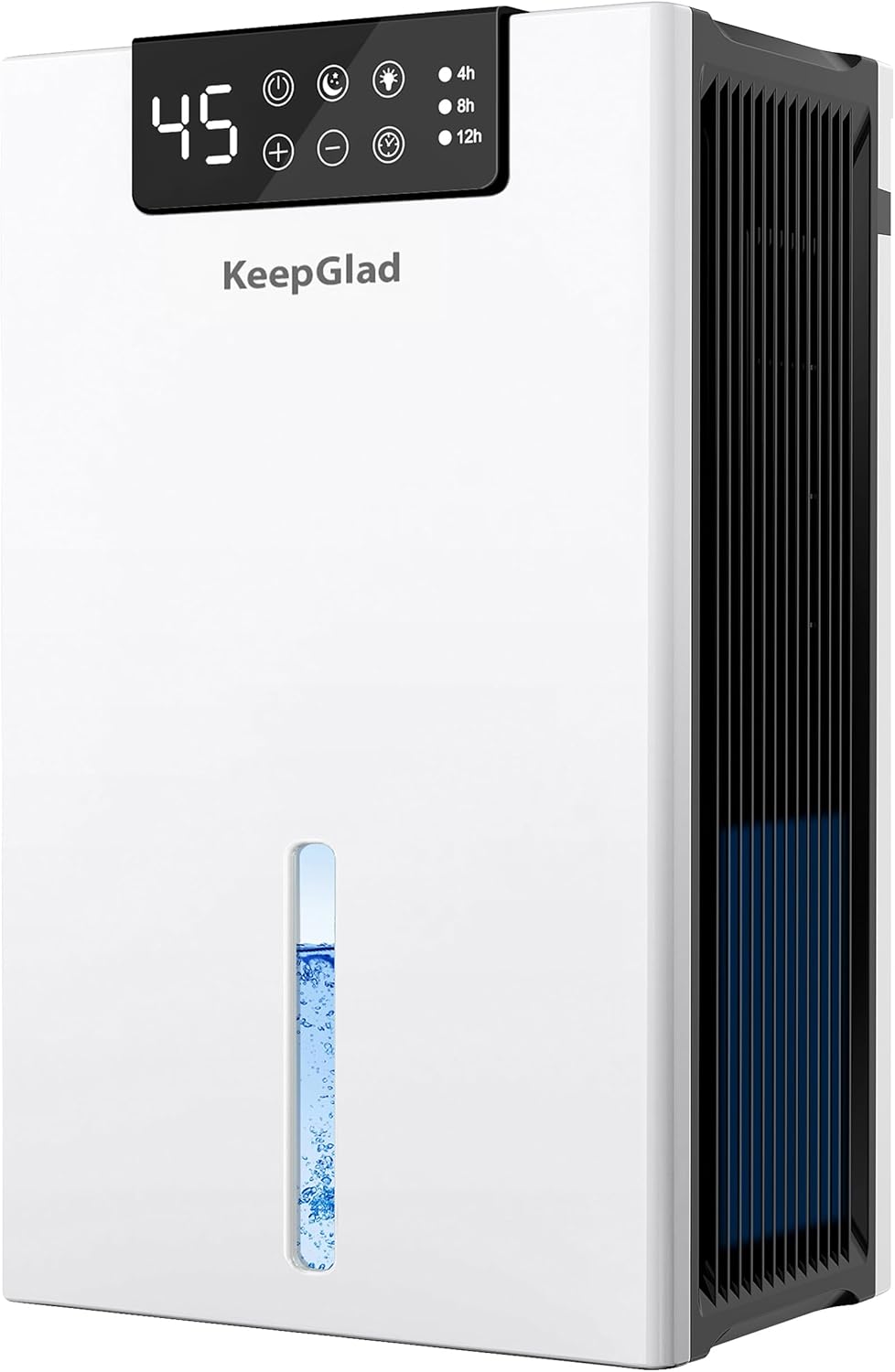
Each type has distinct strengths. Thermoelectric units are perfect for light, quiet duty but struggle in very humid or cool conditions. Mini compressors deliver stronger performance and work well even when bathroom temps drop below 65°F—common in winter months. Desiccant models are essentially passive moisture absorbers (like large DampRid packs) and require periodic recharging in a microwave or oven. Hybrid systems, though pricier, offer adaptive performance by switching between technologies based on conditions.
Choose based on your bathroom’s size, climate, and usage patterns. If you live in Florida or the Pacific Northwest, a mini compressor is likely worth the investment. For a guest bathroom used once a week, a thermoelectric or desiccant unit will suffice.
Common Buying Mistakes to Avoid
❌ Mistake: Buying Based Solely on Price
Why it’s bad: The cheapest dehumidifiers often use low-quality components, have tiny tanks, and lack safety features like auto shut-off. They may stop working within months or even pose fire risks due to overheating.
What to do instead: Set a reasonable budget ($50–$100 for most users) and prioritize value over rock-bottom cost. A slightly more expensive model with better build quality and features will last years longer and perform more reliably.
❌ Mistake: Ignoring Real-World Performance Claims
Why it’s bad: Manufacturers often test dehumidifiers in ideal lab conditions (80°F, 80% RH). Your bathroom might be cooler or less humid, reducing actual output. Relying on advertised pints/day without verification leads to disappointment.
What to do instead: Read third-party reviews from sites like Wirecutter, Consumer Reports, or YouTube unboxings. Look for phrases like “in real bathroom use” or “tested over 30 days.” Real user feedback reveals how a unit performs outside the lab.
❌ Mistake: Overlooking Drainage Options
Why it’s bad: A small tank that fills in hours becomes a chore to empty daily. Without continuous drainage, you risk overflow, water damage, or simply giving up on using the unit.
What to do instead: Always check if the model supports hose drainage. Even if you don’t plan to use it now, having the option future-proofs your purchase. Many mid-range units include a drain port—don’t settle for tank-only models unless your usage is minimal.
❌ Mistake: Choosing the Wrong Technology for Your Climate
Why it’s bad: Thermoelectric dehumidifiers lose efficiency below 65°F. If your bathroom gets chilly (common in older homes or winter), a Peltier unit may barely work—while a mini compressor thrives.
What to do instead: Match the technology to your environment. Use thermoelectric for warm, consistently humid spaces. Opt for compressor-based units if temperatures fluctuate or drop frequently.
❌ Mistake: Neglecting Maintenance Requirements
Why it’s bad: Filters clog, tanks develop bacteria, and coils collect dust—all reducing performance and creating odors. Ignoring maintenance turns a helpful device into a mold factory.
What to do instead: Choose models with washable filters and easy-access tanks. Clean the filter monthly and rinse the tank weekly with vinegar to prevent biofilm buildup. Set calendar reminders if needed.
❌ Mistake: Assuming All “Bathroom-Safe” Units Are Equal
Why it’s bad: Some dehumidifiers aren’t designed for splash zones or high-moisture exposure. Water ingress can damage electronics or void warranties.
What to do instead: Verify IP ratings (Ingress Protection) if available. While most compact units aren’t fully waterproof, look for water-resistant seals and elevated circuitry. Avoid placing directly under showers unless specified.
Budget Guidelines: How Much Should You Spend?
– Entry-Level ($25–$50): Ideal for very small spaces or occasional use. Expect thermoelectric or desiccant models with basic features, small tanks (200–400ml), and limited moisture removal (0.5–1 PPD). Best for powder rooms, RVs, or seasonal use. Brands: Eva-Dry E-333, Afloia Galaxy.
– Mid-Range ($50–$100): The sweet spot for most homeowners. Includes mini compressor or enhanced thermoelectric units with larger tanks (500ml–1L), auto shut-off, timers, and better build quality. Handles daily use in standard bathrooms effectively. Brands: Pro Breeze PB-02, hOmeLabs HME-01.
– Premium ($100–$150): For larger bathrooms, high humidity, or smart-home integration. Features continuous drainage, humidity sensors, washable filters, and quieter operation. Often hybrid or advanced compressor designs. Brands: Afloia Q10, Ivation IVADM35.
– Luxury ($150+): Top-tier performance with app control, multi-room capability, or industrial-grade components. Rarely needed for typical bathrooms but useful for luxury homes, steam rooms, or commercial settings. Brands: Dri-Eaz, AprilAire (compact line).
Most buyers will find excellent value in the $60–$90 range. Spending less risks poor performance; spending more offers diminishing returns unless you have specific needs.
Expert Tips for Getting the Best Deal
– Buy off-season: Dehumidifiers are in highest demand during summer. Shop in late fall or winter (October–February) for discounts of 20–30%. Retailers clear inventory before new models arrive.
– Check warehouse clubs: Costco, Sam’s Club, and BJ’s often carry name-brand compact dehumidifiers at lower prices than Amazon or big-box stores—sometimes with extended warranties.
– Use price-tracking tools: Set alerts on CamelCamelCamel (for Amazon) or Honey to notify you when prices drop. Many models fluctuate by $10–$20 weekly.
– Bundle with other purchases: Some retailers offer free shipping or discounts when buying multiple home appliances together (e.g., dehumidifier + air purifier).
– Read return policies carefully: Ensure you can return the unit within 30–60 days if it doesn’t perform as expected. Avoid sellers with restocking fees or short windows.
– Test before committing: Run the dehumidifier for a week during your heaviest usage (e.g., after daily showers). Check if mirrors stay clear, towels dry faster, and musty smells fade.
– Register your warranty: Do this immediately after purchase. Some brands require registration within 14 days to activate coverage.
– Consider refurbished units: Certified refurbished models from reputable sellers (e.g., Amazon Renewed, manufacturer websites) often come with full warranties and cost 20–40% less.

Frequently Asked Questions
Q: Can a compact dehumidifier replace a bathroom exhaust fan?
A: No—but it complements one. Exhaust fans remove moist air directly at the source (during/after showers), while dehumidifiers clean the air afterward. For best results, use both: run the fan during showers and the dehumidifier afterward to catch residual moisture.
Q: Will a dehumidifier increase my electricity bill significantly?
A: Not usually. Most compact units use 25–70 watts. Running one 6 hours daily costs roughly $10–$20 per year, depending on your electricity rate. That’s far less than the cost of mold remediation or repainting.
Q: How often should I empty the water tank?
A: It depends on humidity and tank size. In high-humidity areas, check daily. With a 1L tank and moderate use, every 2–3 days is typical. Enable auto shut-off to avoid overflow.
Q: Can I leave a compact dehumidifier on all the time?
A: Yes, if it has auto shut-off and/or continuous drainage. However, most experts recommend running it 4–8 hours post-shower rather than 24/7 to save energy and extend motor life.
Q: Do I need a dehumidifier if I already have a window in my bathroom?
A: Possibly. Windows help, but unless you open them consistently (and outdoor air isn’t humid), moisture still lingers. A dehumidifier ensures consistent indoor air quality regardless of weather.
Q: Are USB-powered dehumidifiers effective?
A: Only for tiny spaces like closets or shoe cabinets. USB units (typically 5W) remove minimal moisture—useless for full bathrooms. Save them for niche applications.
Q: How do I clean my dehumidifier?
A: Unplug it first. Wash the tank with warm soapy water and vinegar monthly. Rinse the filter weekly and let air-dry. Wipe the exterior with a damp cloth. Never submerge electrical parts.
Q: Will a dehumidifier help with allergies?
A: Yes—indirectly. By reducing mold and dust mite growth (both thrive above 50% humidity), it creates a healthier environment for allergy sufferers. Pair with an air purifier for best results.
Our Final Recommendations
– Best for Budget-Conscious Buyers: Eva-Dry E-333 Renewable Mini Dehumidifier ($25–$35). Silent, no cords, recharges in the microwave. Perfect for tiny bathrooms or as a secondary unit.
– Best Overall Value: Pro Breeze PB-02 Mini Dehumidifier ($65–$80). 1L tank, auto shut-off, continuous drain option, and reliable compressor performance. Handles daily use with ease.
– Best Premium Option: Afloia Q10 Smart Dehumidifier ($120–$140). Humidity sensor, app control, 1.8L tank, and whisper-quiet operation. Ideal for tech-savvy users or larger bathrooms.
– Best for Beginners: hOmeLabs HME-01 Compact Dehumidifier ($70–$90). Simple controls, clear tank indicator, and sturdy build. Great first-time buyer choice with minimal learning curve.
– Best for Advanced Users: Ivation IVADM35 Small Compressor Dehumidifier ($130–$150). Continuous drainage, programmable timer, and high extraction rate. For those who want maximum control and performance.
Conclusion: Making the Right Choice
Choosing the best compact dehumidifier for your bathroom isn’t about finding the most expensive or flashiest model—it’s about matching the right tool to your specific needs. Consider your bathroom’s size, your local climate, how often you shower, and whether you value silence over raw power. Prioritize features like auto shut-off, drainage options, and energy efficiency, and always verify performance through real user reviews.
Remember, a good dehumidifier doesn’t just clear foggy mirrors—it protects your home’s structural integrity, improves air quality, and creates a more comfortable living space. With the insights from this guide, you’re now equipped to cut through the marketing noise and select a unit that delivers lasting value.
Don’t wait until mold appears or your towels stay damp for days. Invest in a quality compact dehumidifier today, and enjoy a fresher, healthier bathroom tomorrow. Your home—and your lungs—will thank you.