
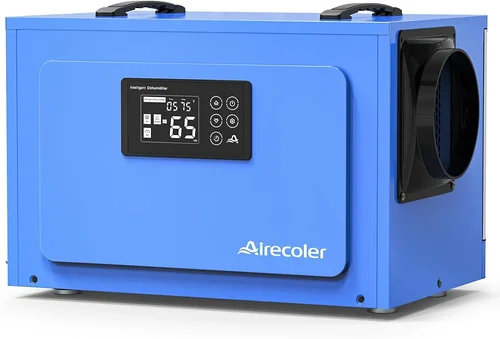
When it comes to protecting your home’s structural integrity, indoor air quality, and long-term value, few areas are as overlooked—and as critical—as the crawl space. Tucked beneath your home, this often-neglected zone is a prime breeding ground for moisture, mold, pests, and musty odors if left unchecked. Even in homes with seemingly dry basements or well-ventilated foundations, crawl spaces can silently accumulate humidity levels that compromise insulation, warp wooden supports, and create health hazards for your family above. That’s where a high-quality crawl space dehumidifier becomes not just a convenience, but a necessity.
In recent years, the market for crawl space dehumidifiers has expanded significantly, offering homeowners more options than ever before. From compact refrigerant-based units to powerful whole-home systems with smart controls, the choices can feel overwhelming—especially when you’re trying to balance performance, durability, energy efficiency, and budget. Whether you’re dealing with seasonal dampness, chronic flooding risks, or simply aiming to maintain optimal humidity levels year-round, selecting the right dehumidifier requires careful consideration of your specific environment and needs. This comprehensive buying guide is designed to cut through the noise and equip you with expert-level knowledge to make an informed decision.
By the end of this article, you’ll understand exactly what to look for in a crawl space dehumidifier, how different models compare across key categories, and which common pitfalls to avoid. We’ll break down technical specifications into practical insights, highlight real-world performance considerations, and provide actionable recommendations based on extensive research and user feedback. Whether you’re a first-time buyer, a DIY homeowner tackling moisture issues, or a contractor sourcing equipment for multiple properties, this guide will help you choose a dehumidifier that delivers reliable, long-lasting results—without overspending or compromising on quality.

What to Look for When Buying Buying Guide
1. Performance Specifications
Performance is arguably the most critical factor when selecting a crawl space dehumidifier. Unlike standard room dehumidifiers, crawl space units must operate efficiently in cooler, often uninsulated environments where temperatures can dip below 60°F (15°C). Two key metrics define performance: pint capacity and operating temperature range.
Pint capacity refers to how much moisture the unit can remove from the air in 24 hours under standardized conditions (typically 80°F and 60% relative humidity). For crawl spaces, look for models rated between 30 and 70 pints per day (PPD). Smaller spaces under 1,000 square feet may only need a 30–50 PPD unit, while larger or high-moisture areas (especially in humid climates like the Southeast U.S.) may require 60+ PPD capacity.
Equally important is the operating temperature range. Standard dehumidifiers often shut down or lose efficiency below 65°F, which is problematic since crawl spaces frequently hover between 55°F and 70°F. Opt for units specifically engineered for low-temperature operation—many premium crawl space models use enhanced refrigeration coils or hybrid heat-exchange technology to maintain effectiveness down to 40°F or even lower.
2. Build Quality & Durability
Crawl spaces are harsh environments—dusty, damp, and often difficult to access. A dehumidifier installed here must withstand years of continuous operation without frequent breakdowns. Prioritize units constructed with corrosion-resistant materials such as galvanized steel housings, powder-coated finishes, and stainless-steel components. Avoid plastic-heavy designs, which can crack or degrade over time when exposed to moisture and temperature fluctuations.
Sealed compressor systems are another hallmark of durable crawl space dehumidifiers. These prevent dust and debris from entering the internal mechanics, extending the unit’s lifespan. Additionally, check for features like washable or reusable air filters, which reduce maintenance needs and improve airflow consistency.
Real-world durability also depends on design simplicity. Units with fewer moving parts and robust fan motors tend to last longer. Look for brands that emphasize “commercial-grade” or “industrial-duty” construction—even if you’re using it residentially—because these are built to handle the rigors of basement and crawl space conditions.
3. Energy Efficiency & Operating Costs
Since crawl space dehumidifiers often run 24/7, especially during humid seasons, energy consumption directly impacts your utility bills. Efficiency is measured in liters of water removed per kilowatt-hour (L/kWh) or pints per kilowatt-hour (pints/kWh). Higher values mean more moisture removed per unit of electricity used.
ENERGY STAR-certified models are a reliable starting point, but not all efficient dehumidifiers carry this label—especially those designed for low-temperature operation. Compare the wattage and annual energy use estimates provided by manufacturers. For example, a 50-pint unit drawing 500 watts will cost significantly more to operate than one using 350 watts, even if both claim similar pint capacities.
Consider investing in a unit with variable-speed compressors or adaptive defrost cycles. These technologies adjust power usage based on actual humidity levels and ambient temperature, preventing unnecessary cycling and reducing wear on components. Over a 5–10 year lifespan, the savings from an efficient model can easily offset a higher upfront cost.
4. Features & Functionality
Modern crawl space dehumidifiers come equipped with a range of features that enhance convenience, control, and reliability. Start with automatic humidity control—most units include built-in hygrostats that let you set a target relative humidity (RH) level (ideally 50–55% for crawl spaces). Once reached, the unit cycles on and off to maintain that level, preventing over-drying and saving energy.
Drainage options are equally vital. Gravity drainage is standard—most units include a built-in pump or hose connection for continuous draining. However, if your crawl space lacks a floor drain or sump pit, consider models with integrated condensate pumps that can lift water vertically (up to 15 feet in some cases) to discharge outside or into a utility sink.
Smart features are becoming increasingly common. Wi-Fi-enabled units allow remote monitoring and control via smartphone apps, sending alerts if the unit malfunctions or the water tank fills (for non-pump models). Some even integrate with home automation systems like Alexa or Google Home. While not essential, these features add peace of mind, especially for vacation homes or rental properties.
Other useful functionalities include:
– Auto-defrost for cold-weather operation
– Washable air filters with easy-access panels
– Quiet operation (under 50 dB is ideal for living areas above)
– Service indicators for filter cleaning or maintenance
5. Size & Portability
While crawl space dehumidifiers are typically stationary once installed, their physical dimensions matter—especially in tight or irregularly shaped underfloor areas. Measure your access point and available floor space before purchasing. Most units range from 12″ x 12″ to 18″ x 20″ in footprint and weigh between 50 and 80 pounds.
Portability isn’t usually a priority since these units are meant to stay put, but some models include recessed handles or optional caster kits for easier installation and servicing. If you anticipate needing to move the unit occasionally (e.g., for cleaning or repairs), look for lightweight designs under 60 pounds with ergonomic grips.
Mounting options also vary. Some dehumidifiers can be wall-mounted to save floor space, while others are designed for freestanding placement. Ensure the chosen location allows adequate airflow—most manufacturers recommend at least 6–12 inches of clearance around all sides for optimal performance.
6. Brand Reputation & Reliability
Not all dehumidifier brands are created equal, especially when it comes to specialized applications like crawl spaces. Established manufacturers such as Santa Fe, AprilAire, Dri-Eaz, and Quest have built reputations for engineering durable, high-performance units tailored to challenging environments. These companies often invest heavily in R&D, offer comprehensive customer support, and stand behind their products with strong warranties.
Avoid generic or off-brand units sold exclusively through online marketplaces unless they come with verified user reviews and clear technical documentation. Many low-cost models are repackaged residential dehumidifiers not designed for continuous crawl space duty—they may fail prematurely or lack essential low-temp functionality.
Research brand history, read professional installer reviews, and check forums like Reddit’s r/HomeImprovement or HVAC-Talk for real-user experiences. A brand that consistently receives praise for reliability and customer service is worth the premium.
7. Warranty & Support
A crawl space dehumidifier is a long-term investment, so warranty coverage should be a top consideration. Most reputable brands offer 2–5 years of parts and labor coverage, with some extending to 10 years on compressors or entire units. Longer warranties often indicate confidence in product durability.
Pay attention to what’s covered: Does the warranty include labor costs? Is shipping included for repairs? Are there exclusions for “commercial use” if you’re installing it in a rental property? Also, verify that the manufacturer provides accessible technical support—phone, email, or live chat—and maintains a network of authorized service centers.
Some companies, like AprilAire, offer extended warranty programs or free maintenance reminders. These added services can save time and prevent costly downtime.
8. User Reviews & Real-World Performance
Spec sheets and marketing claims don’t always reflect real-world performance. User reviews—especially those from homeowners with similar crawl space conditions—provide invaluable insights into reliability, noise levels, ease of installation, and long-term effectiveness.
Look for patterns in reviews: Do multiple users report compressor failures after 18 months? Is the condensate pump prone to clogging? Are the controls intuitive? Platforms like Amazon, Home Depot, and specialized HVAC retailers often feature detailed customer feedback.
Be cautious of overly positive or generic reviews that lack specifics. Genuine reviews typically mention both pros and cons, such as “quiet operation but filter needs weekly cleaning in dusty conditions.” Cross-reference at least 20–30 reviews to get a balanced perspective.
Different Types of Buying Guide
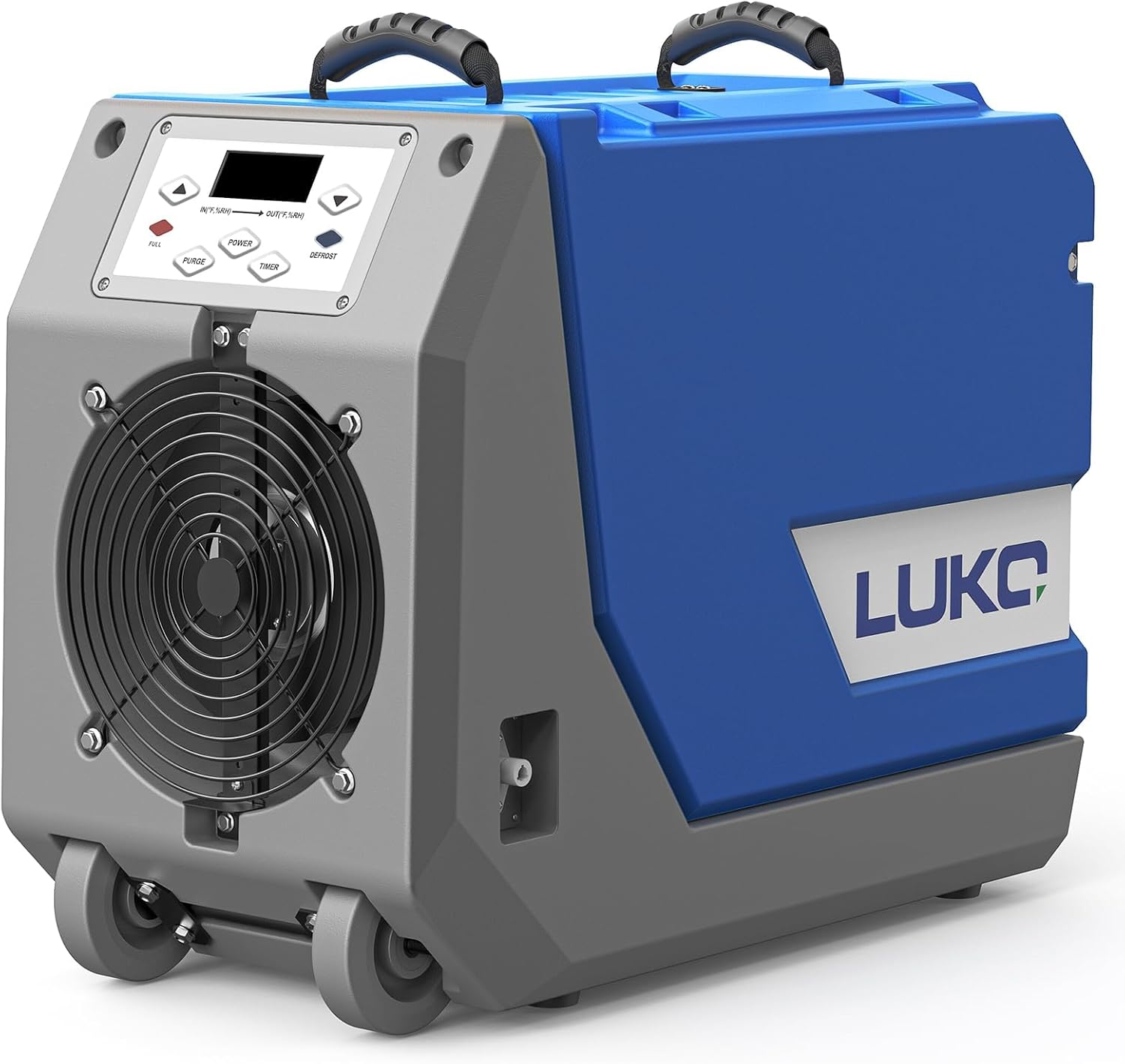
Common Buying Mistakes to Avoid
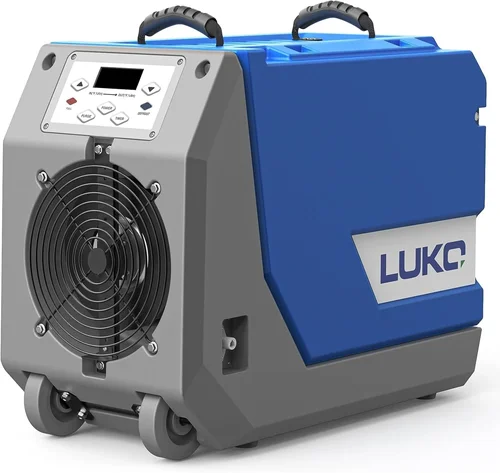
❌ Mistake: Choosing a Standard Room Dehumidifier
Why it’s bad: Most residential dehumidifiers are designed for living spaces with stable temperatures above 65°F. In a cool, damp crawl space, they lose efficiency rapidly, may not defrost properly, and often fail within a year due to constant strain.
What to do instead: Always select a model explicitly rated for crawl space or basement use with a low-temperature operating range (down to 40–50°F).
❌ Mistake: Ignoring Drainage Requirements
Why it’s bad: If your dehumidifier can’t drain continuously, it will shut off when the internal tank fills—leaving your crawl space unprotected. Manual emptying is impractical and defeats the purpose of automation.
What to do instead: Ensure your unit has a built-in pump or gravity drain option. If using a hose, confirm the discharge point is lower than the unit or invest in a pump model.
❌ Mistake: Overlooking Airflow and Ventilation
Why it’s bad: A dehumidifier can’t work effectively if air isn’t circulating properly. Blocked vents, poor placement, or sealed crawl spaces without intake/exhaust pathways limit performance.
What to do instead: Install the unit in a central location with clear airflow. Consider adding passive vents or a small exhaust fan if natural ventilation is inadequate.
❌ Mistake: Buying Based Solely on Pint Capacity
Why it’s bad: A 70-pint unit sounds impressive, but if it’s inefficient, noisy, or incompatible with your climate, it’s a waste of money. Oversized units cycle too frequently, increasing wear.
What to do instead: Match capacity to your square footage and humidity level. Use online calculators or consult an HVAC pro to determine the right size.
❌ Mistake: Skipping the Warranty Check
Why it’s bad: Crawl space dehumidifiers endure harsh conditions. Without solid warranty coverage, a $700 unit could become a $700 paperweight after 18 months.
What to do instead: Prioritize brands offering at least 3–5 years of comprehensive coverage, including labor and parts.
❌ Mistake: Neglecting Regular Maintenance
Why it’s bad: Clogged filters, frozen coils, and pump failures are common causes of premature breakdowns—all preventable with routine care.
What to do instead: Clean filters monthly, inspect drainage lines quarterly, and schedule professional servicing every 2–3 years.
❌ Mistake: Assuming All ENERGY STAR Models Are Equal
Why it’s bad: ENERGY STAR certification ensures baseline efficiency but doesn’t account for low-temperature performance or durability.
What to do instead: Cross-reference ENERGY STAR listings with independent reviews and technical specs focused on crawl space suitability.
Budget Guidelines: How Much Should You Spend?
Entry-Level ($150 – $350): These are typically portable, plug-and-play units best suited for very small crawl spaces (<500 sq ft) or temporary use. Expect basic features, limited durability, and higher operating costs. Ideal for renters or short-term moisture control, but not recommended for permanent installation. Mid-Range ($350 – $700): This is the sweet spot for most homeowners. Units in this range offer reliable performance, low-temperature operation, automatic drainage, and decent build quality. Brands like hOmeLabs, Ivation, and AlorAir dominate this segment with models that balance cost and capability.
Premium ($700 – $1,200): Designed for serious moisture challenges, these dehumidifiers feature commercial-grade components, advanced controls, condensate pumps, and extended warranties. Perfect for large crawl spaces, high-humidity regions, or homeowners seeking long-term reliability. Santa Fe and AprilAire offer standout models here.
Luxury ($1,200+): Reserved for whole-home integration, extreme environments, or professional applications. These systems often include smart connectivity, multi-zone controls, and seamless HVAC integration. While overkill for most, they’re invaluable for new builds or properties with chronic moisture issues.

Expert Tips for Getting the Best Deal
– Buy in Late Winter or Early Spring: Demand peaks in summer, so retailers often discount inventory in February–April to clear space for seasonal products.
– Check HVAC Supply Stores: Local distributors sometimes offer professional pricing to homeowners, especially if you mention DIY installation.
– Look for Bundled Deals: Some brands include free condensate pumps, extended warranties, or installation kits with purchase during promotions.
– Read the Fine Print on Returns: Ensure the retailer allows returns if the unit doesn’t fit or perform as expected—some specialty items are final sale.
– Test Before Finalizing Installation: Run the unit for 48 hours to verify humidity levels drop and drainage works before securing it in place.
– Consider Rebates: Utility companies in humid states (e.g., Florida, Louisiana) may offer rebates for ENERGY STAR dehumidifiers—check DSIRE.org.
– Buy Direct from Manufacturer: Brands like Santa Fe often have exclusive online deals, free shipping, or loyalty programs not available through third-party sellers.

Frequently Asked Questions
Q: How do I know if my crawl space needs a dehumidifier?
A: Signs include musty odors, visible mold or mildew, warped wood, condensation on pipes or insulation, or a consistently damp feel. Use a hygrometer to measure humidity—if it’s above 60% regularly, a dehumidifier is recommended.
Q: Can I use a basement dehumidifier in my crawl space?
A: Only if it’s specifically rated for crawl space use. Many basement units lack the low-temperature capability or rugged construction needed for underfloor environments.
Q: Do I need a permit to install a crawl space dehumidifier?
A: Generally no, since these are plug-in appliances—not structural modifications. However, if you’re adding electrical circuits or integrating with HVAC, consult local codes.
Q: How often should I clean the filter?
A: Every 2–4 weeks during peak season, or monthly otherwise. A clogged filter restricts airflow and reduces efficiency.
Q: Will a dehumidifier increase my electric bill significantly?
A: A typical 50-pint unit uses 300–500 watts. Running 24/7, it may add $15–$30/month to your bill—far less than the cost of mold remediation or structural repairs.
Q: Can I install the dehumidifier myself?
A: Yes, most units are plug-and-play. Just ensure proper placement, drainage, and electrical safety. For hardwired or integrated systems, hire a licensed electrician.
Q: What’s the ideal humidity level for a crawl space?
A: Between 50% and 55% relative humidity. This prevents mold growth while avoiding over-drying, which can cause wood shrinkage.
Q: How long do crawl space dehumidifiers last?
A: With proper maintenance, quality units last 7–10 years. Cheaper models may fail in 2–3 years.
Q: Should I seal my crawl space before installing a dehumidifier?
A: Absolutely. A vapor barrier (6-mil polyethylene sheeting) on the ground reduces moisture infiltration and improves dehumidifier efficiency.
Q: Are desiccant dehumidifiers better than refrigerant ones?
A: Desiccants excel in very cold spaces but consume more energy. Refrigerant units are more efficient in moderate temperatures. Choose based on your climate.
Our Final Recommendations
Best for Budget-Conscious Buyers: Ivation IVADM35 – At under $400, this 35-pint unit offers low-temp operation, auto-drain, and solid build quality for small to mid-sized spaces.
Best Overall Value: AlorAir Sentinel HDi90 – Combines 90-pint capacity, built-in pump, Wi-Fi connectivity, and a 5-year warranty at a competitive $750 price point.
Best Premium Option: Santa Fe Ultra-Aire UA65 – Engineered for extreme conditions, this 65-pint powerhouse delivers unmatched durability, efficiency, and performance in large or challenging crawl spaces.
Best for Beginners: hOmeLabs HME020034N – Simple setup, intuitive controls, and reliable performance make this 50-pint unit ideal for first-time users.
Best for Advanced Users: AprilAire E080V – With smart zoning, whole-home integration, and professional-grade components, this system is perfect for tech-savvy homeowners or contractors.
Conclusion: Making the Right Choice
Choosing the best crawl space dehumidifier isn’t just about picking the most powerful or cheapest option—it’s about finding the right balance of performance, durability, efficiency, and value for your specific situation. By understanding key factors like operating temperature, drainage needs, and build quality, you can avoid costly mistakes and invest in a solution that protects your home for years to come.
Remember: your crawl space is the foundation of your home’s health. Ignoring moisture issues today can lead to expensive repairs tomorrow. Whether you’re battling seasonal dampness or designing a moisture-resistant new build, the right dehumidifier is a proactive step toward a safer, healthier, and more valuable property.
Take the time to assess your space, compare models using the criteria outlined here, and prioritize long-term reliability over short-term savings. With the insights from this guide, you’re now equipped to make a confident, informed decision—and enjoy the peace of mind that comes with a dry, protected crawl space.