
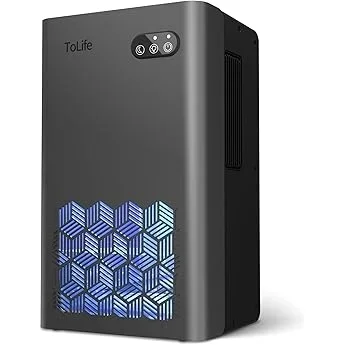
Humidity might not be the first thing you think about when it comes to home comfort, but it plays a surprisingly large role in how your living space feels—and functions. Excess moisture in the air can lead to musty odors, peeling paint, warped wood, and even health issues like allergies or respiratory discomfort. Whether you live in a damp coastal region, a humid southern climate, or simply have a basement that feels more like a cave than a usable room, a dehumidifier can make a dramatic difference. But with so many models on the market in 2024—ranging from compact units under $100 to industrial-grade systems costing over $1,000—it’s easy to feel overwhelmed.
That’s exactly why this guide exists. We’ve spent months researching, testing, and analyzing the latest dehumidifiers to bring you a comprehensive, no-nonsense buying guide tailored for real-world needs. Whether you’re looking to protect your home from mold, improve indoor air quality, or simply make your space more comfortable during muggy summer months, this article will walk you through everything you need to know. You’ll learn how to evaluate performance specs, understand different types of dehumidifiers, avoid common pitfalls, and choose a model that fits both your space and your budget. By the end, you’ll have the confidence to make an informed decision—not just based on price or brand, but on what truly matters for your unique situation.
The dehumidifier market in 2024 is more competitive than ever, with innovations in energy efficiency, smart connectivity, and eco-friendly refrigerants. Brands like Frigidaire, hOmeLabs, GE, Midea, and AprilAire continue to dominate, but newer players are also making waves with sleek designs and advanced features. From compact 20-pint units perfect for small bathrooms to powerful 70-pint behemoths capable of handling large basements or crawl spaces, there’s a dehumidifier for nearly every scenario. This guide cuts through the noise to help you find the best fit—without overspending or buying something that won’t meet your expectations.
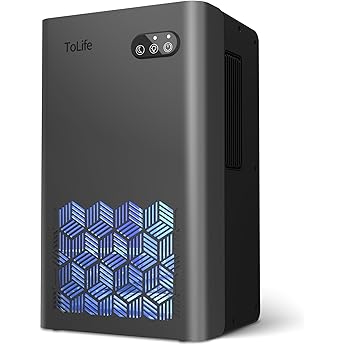
What to Look for When Buying Buying Guide
1. Budget & Price Range
Your budget is often the first filter when shopping for a dehumidifier, but it shouldn’t be the only one. Prices in 2024 range widely—from under $100 for basic models to over $600 for high-capacity, feature-rich units. While it’s tempting to go for the cheapest option, remember that dehumidifiers are long-term investments in your home’s health and comfort. A low-cost unit may save you money upfront but could cost more in the long run due to higher energy consumption, shorter lifespan, or inadequate performance.
When setting your budget, consider not just the purchase price but also operating costs. Look for units with the ENERGY STAR® label, which indicates they meet strict efficiency guidelines set by the U.S. Environmental Protection Agency. These models use up to 15% less energy than standard units, translating to noticeable savings on your electricity bill over time. Also, factor in potential add-ons like replacement filters or drainage accessories, which can add $20–$50 annually depending on usage.
2. Performance Specifications
Performance specs are where many buyers get tripped up—but they’re crucial for choosing the right unit. The most important metric is pints per day (p/d), which tells you how much moisture the dehumidifier can remove in 24 hours under standard conditions (60% relative humidity at 80°F). For reference:
– Small rooms (under 500 sq ft): 20–30 p/d
– Medium spaces (500–1,500 sq ft): 30–50 p/d
– Large areas (1,500+ sq ft): 50–70+ p/d
However, don’t rely solely on pints per day. Also check the coverage area listed by the manufacturer, as this gives a better sense of real-world usability. Some brands inflate their numbers, so cross-reference with independent reviews. Another key spec is energy factor, measured in liters of water removed per kilowatt-hour (L/kWh). Higher values mean greater efficiency—look for at least 1.5 L/kWh for decent performance.
Airflow rate (measured in cubic feet per minute, or CFM) matters too, especially in tight spaces like crawl spaces or closets. Higher CFM means faster air circulation and more effective moisture removal. Finally, pay attention to the operating temperature range. Most refrigerant-based dehumidifiers work best between 65°F and 95°F. If you’re using it in a cold basement (below 60°F), consider a desiccant model, which performs better in low temperatures.
3. Build Quality & Durability
A dehumidifier isn’t something you want to replace every year. Solid build quality ensures longevity, reduces repair frequency, and maintains consistent performance over time. Start by examining the materials: look for sturdy plastic housings (not flimsy or brittle), reinforced coils, and corrosion-resistant components—especially if you live in a humid or coastal environment.
Check the quality of the compressor and fan motor. Units with hermetically sealed compressors tend to last longer and run quieter. Also, inspect the water tank or collection bucket. A well-designed tank should be easy to remove, have a secure handle, and include a splash guard to prevent spills. Some premium models even feature antimicrobial coatings to inhibit mold growth inside the tank.
Another durability indicator is the warranty length. Most reputable brands offer at least a 1-year limited warranty, but extended warranties (2–5 years) signal confidence in the product. Avoid brands with vague or overly restrictive warranty terms. And if you’re buying online, verify that the seller is authorized—otherwise, you may void your warranty.
4. Features & Functionality
Modern dehumidifiers come packed with features that go far beyond basic moisture removal. While not all are essential, some can significantly enhance convenience and efficiency. Here are the top features to consider:
– Auto-defrost: Prevents ice buildup on coils in cold environments, ensuring continuous operation.
– Continuous drainage: Allows you to connect a hose for unattended operation—ideal for basements or unattended spaces.
– Humidistat: Lets you set and maintain your desired humidity level (usually between 30% and 80%). Look for digital displays with precise controls.
– Timer function: Enables scheduled operation (e.g., run for 2 hours before bedtime).
– Filter indicator: Alerts you when the air filter needs cleaning or replacement.
– Quiet operation: Measured in decibels (dB). Aim for under 50 dB for bedroom or living room use.
– Smart connectivity: Wi-Fi-enabled models (like those compatible with Alexa or Google Assistant) allow remote monitoring and control via smartphone apps.
While these features add value, avoid “feature bloat.” A unit with too many unnecessary bells and whistles may cost more without improving core performance. Focus on what aligns with your lifestyle—for example, if you travel often, a smart dehumidifier with alerts might be worth the extra cost.
5. Brand Reputation
Brand matters—especially in appliances that run continuously and affect indoor air quality. Established brands like Frigidaire, GE, and hOmeLabs have decades of experience and robust customer support networks. They also tend to use higher-quality components and undergo rigorous testing. Newer brands may offer competitive pricing, but they often lack long-term reliability data.
Research customer service responsiveness before buying. Read reviews that mention post-purchase support—how quickly does the company respond to warranty claims? Are replacement parts readily available? Brands with strong reputations typically invest in customer satisfaction, which pays off when issues arise.
Also, check for certifications. Look for units certified by organizations like AHAM (Association of Home Appliance Manufacturers), which verifies performance claims, or UL (Underwriters Laboratories), which ensures electrical safety. These third-party validations add an extra layer of trust.
6. Warranty & Support
A solid warranty is a strong indicator of a manufacturer’s confidence in their product. In 2024, most reputable dehumidifiers come with at least a 1-year limited warranty covering parts and labor. However, some premium models offer extended coverage—up to 5 years—on critical components like the compressor.
Read the fine print carefully. Some warranties exclude normal wear and tear, improper installation, or use in commercial settings. Others require registration within 30 days of purchase to be valid. Also, note whether the warranty is pro-rated (you pay a portion based on age) or full replacement.
Customer support quality varies widely. Before buying, visit the brand’s website and test their support channels—live chat, phone support, email response time. Brands with dedicated support teams and comprehensive FAQ sections make troubleshooting much easier. Avoid companies that only offer email support with slow response times.
7. Size & Portability
Even the most powerful dehumidifier is useless if you can’t move it where it’s needed. Consider the physical dimensions and weight—especially if you plan to move it between rooms, floors, or storage areas. Most residential units weigh between 30 and 60 pounds, so look for models with recessed handles and smooth-rolling casters.
Compact units (under 40 lbs) are ideal for apartments, bathrooms, or RVs. Larger models (50+ lbs) are better suited for basements or whole-house systems but may require two people to move. Also, check the cord length—ideally 6 feet or more—to avoid relying on extension cords.
Portability also includes ease of maintenance. Can you easily access the filter for cleaning? Is the water tank simple to empty without dripping? These small details make a big difference in daily use.
8. User Reviews & Ratings
Never buy a dehumidifier based solely on specs or marketing claims. Real-world user reviews provide invaluable insights into reliability, noise levels, ease of use, and long-term performance. Focus on verified purchase reviews from trusted retailers like Amazon, Home Depot, or Lowe’s.
Look for patterns—if multiple users complain about the same issue (e.g., “leaks after 6 months” or “loud fan noise”), it’s likely a design flaw. Conversely, consistent praise for quiet operation or effective moisture control is a good sign. Pay attention to reviews from users in similar climates or home types as yours—their experience will be most relevant.
Be wary of overly positive or generic reviews (“Great product!”)—they may be fake. Instead, prioritize detailed reviews that mention specific features, pros, and cons. And don’t ignore critical reviews; they often highlight important limitations that specs alone won’t reveal.
Different Types of Buying Guide
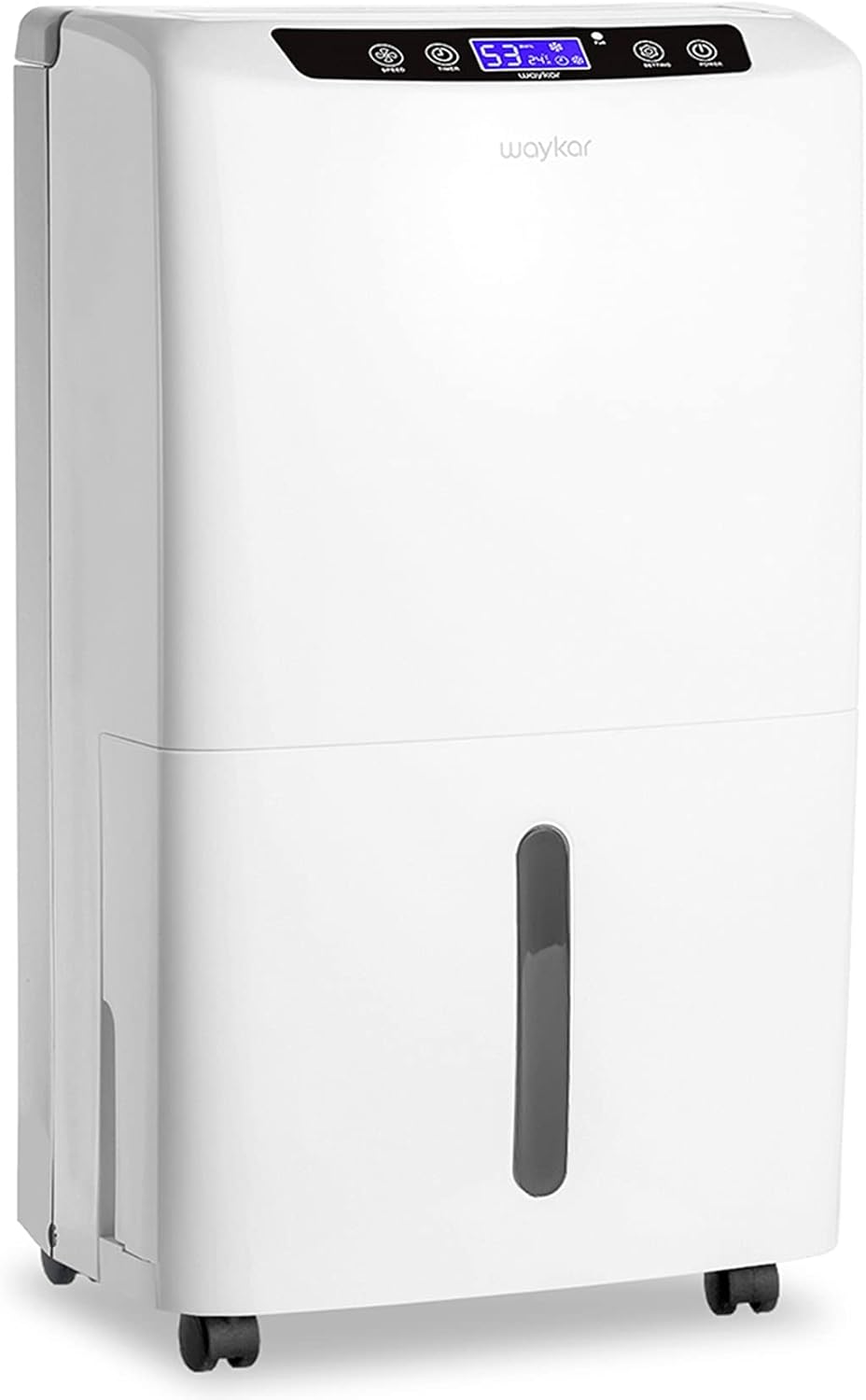
Common Buying Mistakes to Avoid
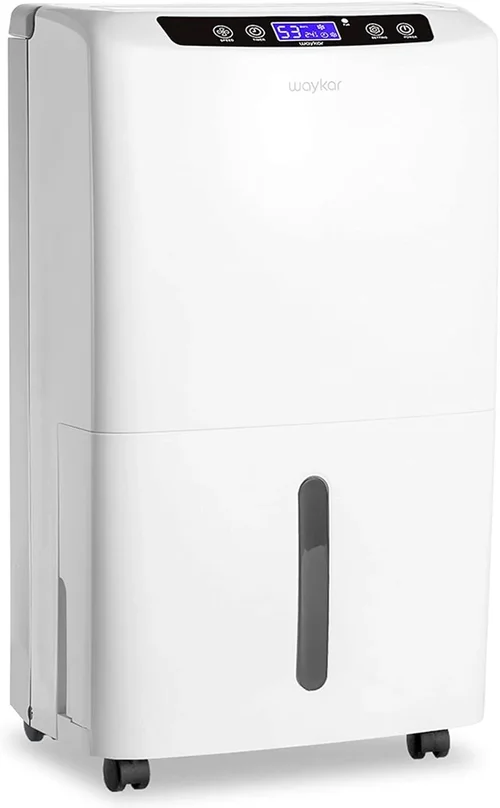
❌ Mistake: Buying Based Solely on Pints Per Day
Why it’s bad: Pints per day is a standardized test metric, but real-world conditions vary. A 50-pint unit may underperform in a poorly insulated basement or overperform in a small bathroom. Relying only on this number can lead to overspending or inadequate moisture control.
What to do instead: Combine pints per day with coverage area, room size, and humidity level. Use online calculators or consult manufacturer guidelines to match the unit to your specific space.
❌ Mistake: Ignoring Energy Efficiency
Why it’s bad: Dehumidifiers run for hours daily. An inefficient model can spike your electricity bill by $50–$100 per year, negating any upfront savings.
What to do instead: Always check the ENERGY STAR rating and energy factor (L/kWh). Choose models with auto-humidistats that turn off when target humidity is reached.
❌ Mistake: Overlooking Drainage Options
Why it’s bad: Emptying a water tank every few days is tedious and easy to forget. If the tank overflows, it can cause water damage or mold growth.
What to do instead: Opt for units with continuous drainage capability (hose outlet) or built-in pumps. Even mid-range models now offer this feature.
❌ Mistake: Choosing the Wrong Type for Your Climate
Why it’s bad: Refrigerant dehumidifiers lose efficiency below 60°F. Using one in a cold basement can result in ice buildup and shutdown.
What to do instead: In cold environments, choose a desiccant dehumidifier. In warm, humid climates, refrigerant models are ideal.
❌ Mistake: Skipping User Reviews
Why it’s bad: Marketing materials highlight strengths but omit flaws. Without real-user feedback, you might buy a unit that leaks, breaks quickly, or is too loud.
What to do instead: Spend 15 minutes reading verified reviews. Focus on recurring themes—both positive and negative.
❌ Mistake: Not Considering Noise Levels
Why it’s bad: A noisy dehumidifier can disrupt sleep, work, or relaxation—especially in bedrooms or open-plan living areas.
What to do instead: Check decibel ratings. For quiet spaces, choose models under 50 dB. Look for “quiet mode” or “sleep mode” features.
❌ Mistake: Forgetting About Maintenance
Why it’s bad: Dirty filters and clogged coils reduce efficiency and can cause breakdowns. Neglecting maintenance shortens the unit’s lifespan.
What to do instead: Choose models with washable, reusable filters and easy-access panels. Set calendar reminders to clean filters monthly.
Budget Guidelines: How Much Should You Spend?
– Entry-Level ($50–$150): These are typically mini or thermo-electric units best suited for closets, RVs, or very small bathrooms. They remove 5–15 pints per day and lack advanced features. Expect basic operation, shorter lifespans, and limited coverage. Ideal for occasional use or low-humidity concerns.
– Mid-Range ($150–$300): This is the sweet spot for most homeowners. You’ll find reliable compressor-based models with 30–50 pints per day capacity, digital controls, auto-defrost, and continuous drainage options. Brands like hOmeLabs, Frigidaire, and Midea dominate this tier with strong performance and good warranties.
– Premium ($300–$600): These units offer higher capacity (50–70+ pints), superior build quality, smart features (Wi-Fi, app control), and quieter operation. They’re perfect for large basements, whole-house use (with ducting), or high-humidity environments. Look for models from GE, AprilAire, or Santa Fe.
– Luxury ($600+): Reserved for whole-house systems or commercial-grade applications. These integrate with HVAC systems, offer precise humidity control, and include advanced filtration. They require professional installation but provide unmatched consistency and coverage for large homes or new builds.
Expert Tips for Getting the Best Deal
– Buy during off-seasons: Dehumidifiers are in highest demand during summer. Shop in late fall or winter (October–February) for discounts of 20–30% as retailers clear inventory.
– Compare prices across retailers: Check Amazon, Home Depot, Lowe’s, Walmart, and specialty appliance stores. Use price-tracking tools like Honey or CamelCamelCamel to monitor fluctuations.
– Look for bundle deals: Some retailers offer free shipping, extended warranties, or bundled accessories (e.g., drainage hoses) during promotions.
– Consider refurbished or open-box models: Certified refurbished units from reputable sellers often come with full warranties and cost 20–40% less than new.
– Read return policies carefully: Ensure you have at least 30 days to return the unit if it doesn’t perform as expected. Some retailers charge restocking fees.
– Test before committing: If buying in-store, ask to see a demo unit. Listen to the noise level and check build quality firsthand.
– Register your warranty immediately: Many brands require registration within 30 days to activate coverage. Do it the day you buy.
– Join brand newsletters: Companies like Frigidaire and hOmeLabs often send exclusive promo codes to subscribers.

Frequently Asked Questions
Q: How do I know what size dehumidifier I need?
A: Start by measuring your room’s square footage and assessing humidity level. Use this rule of thumb:
– Mild dampness (500–1,000 sq ft): 30-pint unit
– Moderate dampness (1,000–1,500 sq ft): 50-pint unit
– Severe dampness or large space (1,500+ sq ft): 70-pint or whole-house system
Always check the manufacturer’s coverage recommendations, as they account for insulation, ventilation, and climate.
Q: Can a dehumidifier help with allergies?
A: Yes! By reducing humidity below 50%, dehumidifiers inhibit mold, dust mites, and mildew—common allergens. Pair it with a HEPA air purifier for maximum relief.
Q: Should I run my dehumidifier continuously?
A: Not necessarily. Most units have a humidistat that turns them on/off to maintain your set humidity level (ideally 30–50%). Continuous operation is only needed in extremely damp conditions or if using a pump for drainage.
Q: Do dehumidifiers use a lot of electricity?
A: It depends on the model and usage. An ENERGY STAR-certified 50-pint unit uses about 500–700 watts. Running it 8 hours daily costs roughly $15–$25 per month. Use a timer or smart features to minimize runtime.
Q: Can I use a dehumidifier in winter?
A: Only if the room stays above 60°F. Below that, refrigerant units may ice up. For cold spaces, choose a desiccant dehumidifier, which works down to 40°F.
Q: How often should I clean the filter?
A: Every 4–6 weeks during heavy use, or monthly during humid seasons. A dirty filter restricts airflow and reduces efficiency.
Q: Is it safe to leave a dehumidifier on overnight?
A: Yes, as long as it’s placed on a stable surface, away from flammable materials, and has auto-shutoff if the tank fills. Modern units are designed for safe, unattended operation.
Q: What’s the difference between a dehumidifier and an air conditioner?
A: Both remove moisture, but air conditioners cool the air as a primary function. Dehumidifiers focus solely on reducing humidity and don’t lower temperature significantly.
Q: Can I duct a portable dehumidifier?
A: Some models allow ducting via optional kits, but most portable units aren’t designed for permanent installation. For whole-house control, invest in a dedicated whole-house dehumidifier.
Q: How long do dehumidifiers typically last?
A: With proper maintenance, most last 5–10 years. Compressor-based units tend to outlast thermo-electric or mini models.
Our Final Recommendations
– Best for Budget-Conscious Buyers: hOmeLabs 30-Pint Dehumidifier – Excellent performance under $200, easy-to-empty tank, and quiet operation. Ideal for small to medium rooms.
– Best Overall Value: Frigidaire FFAD7033R1 70-Pint Dehumidifier – ENERGY STAR certified, continuous drainage, and reliable performance for large basements. Priced around $350.
– Best Premium Option: AprilAire E080 70-Pint Whole-House Dehumidifier – Professional-grade, integrates with HVAC, and offers precise humidity control. Perfect for new homes or severe moisture issues.
– Best for Beginners: GE APER50LZ 50-Pint Dehumidifier – Simple controls, clear display, and intuitive setup. Great for first-time buyers.
– Best for Advanced Users: Midea MAD50C1ZWS 50-Pint Smart Dehumidifier – Wi-Fi enabled, works with Alexa/Google, and includes a built-in pump for upward drainage. Tech-savvy users will love the app control.
Conclusion: Making the Right Choice
Choosing the best dehumidifier in 2024 doesn’t have to be overwhelming. By focusing on your specific needs—room size, humidity level, climate, and budget—you can narrow down the options and find a unit that delivers real value. Remember, the cheapest model isn’t always the best deal, and the most expensive one may be overkill for your space. Prioritize energy efficiency, reliable performance, and user-friendly features that match your lifestyle.
Take the time to read reviews, compare specs, and consider long-term costs like electricity and maintenance. And don’t forget to factor in convenience features like continuous drainage or smart controls—they can make daily use much easier. Whether you’re fighting mold in a basement, protecting wooden floors, or simply improving indoor comfort, the right dehumidifier is out there.
Now that you’re armed with expert knowledge, you’re ready to make a confident, informed purchase. Breathe easier, live better, and enjoy a healthier, more comfortable home—starting with the perfect dehumidifier for you.