
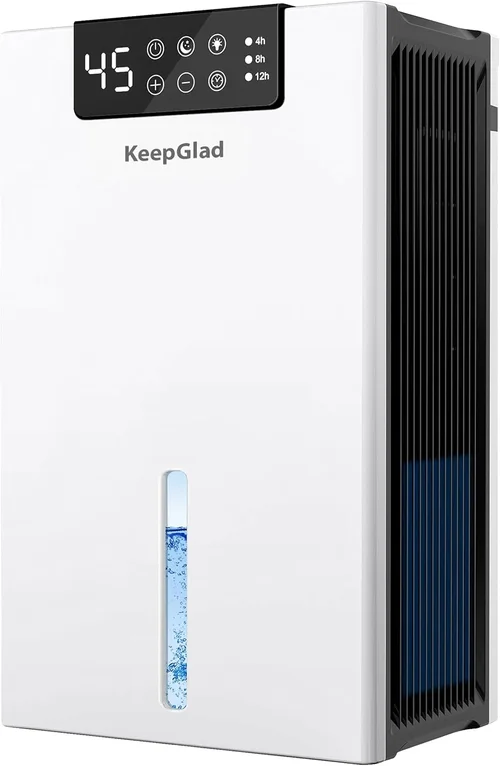
When the summer heat rolls in, most people think about cooling—but few consider the invisible enemy that can make a hot day feel unbearable: humidity. High moisture levels don’t just make you sweat more; they can lead to mold growth, musty odors, damaged furniture, and even respiratory discomfort. That’s where a dehumidifier air conditioner—often called a dehumidifying AC or AC with built-in dehumidification—comes into play. These hybrid units don’t just cool your space; they actively remove excess moisture from the air, creating a more comfortable, healthier indoor environment.
But choosing the right one isn’t as simple as picking the most powerful model on the shelf. The market is flooded with options ranging from compact window units to full-home ducted systems, each with varying levels of dehumidification capability, energy efficiency, noise output, and smart features. With so many variables at play, it’s easy to overspend on unnecessary features or end up with a unit that struggles in high-humidity climates. This guide cuts through the noise. Whether you’re dealing with a damp basement, a humid coastal home, or just want better air quality year-round, we’ll walk you through everything you need to know to make a smart, informed decision in 2026.
By the end of this comprehensive buying guide, you’ll understand exactly what to look for in a dehumidifier air conditioner—from performance specs and build quality to smart connectivity and long-term reliability. We’ll break down the different types available, highlight common pitfalls to avoid, offer budget-friendly recommendations, and share expert tips to help you get the best value for your money. Our goal isn’t to sell you on a specific brand, but to empower you with the knowledge to choose the perfect unit for your home, lifestyle, and climate.
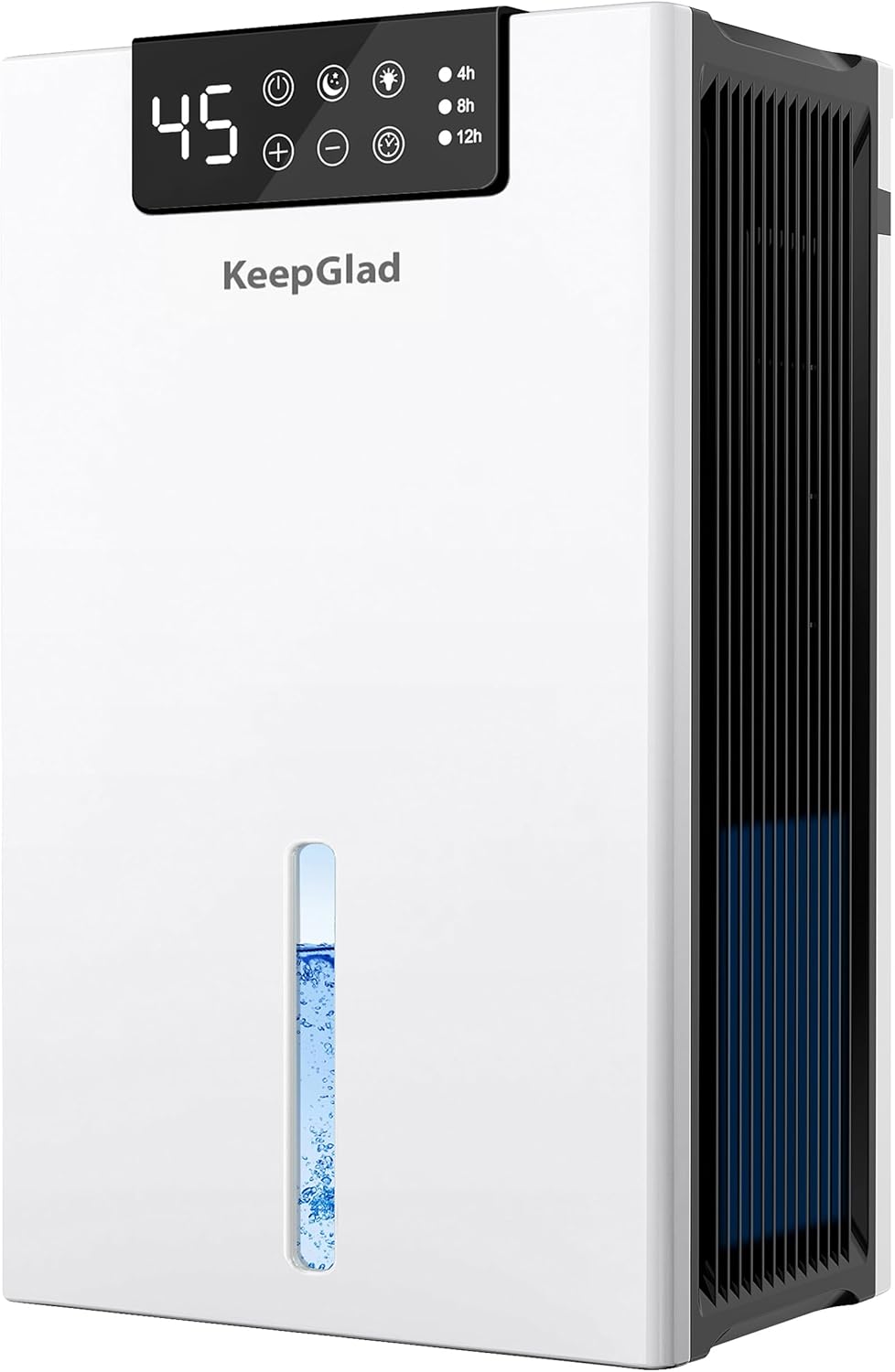
What to Look for When Buying Buying Guide
1. Budget & Price Range
Your budget is the foundation of your buying decision—but it shouldn’t be the only factor. Dehumidifier air conditioners range widely in price, from under $300 for basic portable models to over $2,000 for high-end ducted or whole-home systems. The key is aligning your spending with your actual needs. For example, if you only need to dehumidify a single room occasionally, a mid-tier portable unit may suffice. But if you live in a humid region like Florida or Louisiana and want consistent comfort across multiple rooms, investing in a more robust system makes sense.
Be wary of extremely cheap models—they often lack proper humidity sensors, use inefficient compressors, or have flimsy construction that leads to early failure. Conversely, don’t assume that the most expensive option is always the best. Some premium brands charge a markup for branding rather than performance. Set a realistic budget based on your square footage, climate, and usage frequency, then prioritize features that deliver real value within that range.
2. Performance Specifications
Performance isn’t just about cooling power—it’s about how effectively a unit removes moisture while maintaining comfort. Two critical metrics to evaluate are BTU (British Thermal Units) for cooling capacity and pints per day (PPD) for dehumidification rate. A 5,000–8,000 BTU unit typically handles 150–300 sq ft, while larger spaces may require 10,000+ BTUs. For dehumidification, look for at least 20–30 PPD for moderate humidity and 40+ PPD for high-humidity areas like basements or coastal homes.
Also pay attention to the Energy Efficiency Ratio (EER) or Seasonal Energy Efficiency Ratio (SEER). Higher EER/SEER ratings mean lower electricity bills over time. In 2026, look for units with SEER2 ratings of 15 or higher—these meet updated federal efficiency standards and often qualify for utility rebates. Additionally, check the unit’s operating temperature range. Some cheaper models stop dehumidifying below 65°F, which can be problematic in cooler basements or during shoulder seasons.
3. Build Quality & Durability
A dehumidifier air conditioner is a long-term investment, so durability matters. Look for units with corrosion-resistant coils (especially important in humid or coastal environments), sturdy casings made from high-grade plastic or metal, and sealed compressor compartments to prevent dust and moisture ingress. Internally, copper refrigerant lines are preferable to aluminum—they’re more durable and less prone to leaks.
Check the quality of seals and gaskets, particularly around the air intake and exhaust areas. Poor sealing leads to air leakage, reducing both cooling and dehumidification efficiency. Also consider the fan motor: brushless DC motors are quieter, more efficient, and last longer than traditional AC motors. Finally, inspect the condensate drainage system—units with auto-drain pumps or continuous drainage options reduce maintenance and prevent overflow issues.
4. Features & Functionality
Modern dehumidifier air conditioners come packed with features that enhance convenience, efficiency, and control. Start with humidity sensing: units with built-in hygrometers allow you to set a target relative humidity (ideally between 40–50%) and automatically adjust operation to maintain it. This prevents over-drying and saves energy.
Look for programmable timers, sleep modes, and multiple fan speeds. Smart connectivity is increasingly common—Wi-Fi-enabled models let you control settings via smartphone apps, receive maintenance alerts, and integrate with home automation systems like Alexa or Google Home. Some advanced units even include air filtration (HEPA or activated carbon filters), UV-C lights for microbial control, and auto-restart after power outages.
Don’t overlook ease of maintenance. Removable, washable air filters simplify cleaning, and front-access panels make servicing easier. Units with washable condensate buckets or self-evaporative systems reduce the need for manual emptying—a major plus for busy households.
5. Brand Reputation
Not all brands are created equal. Established manufacturers like LG, Frigidaire, Honeywell, Daikin, and Midea have proven track records for reliability, customer service, and innovation. They invest in R&D, offer better warranties, and provide accessible replacement parts. Lesser-known or generic brands may offer tempting prices, but often cut corners on components or support.
Research brand reputation by reading professional reviews, checking BBB ratings, and scanning user forums. Pay attention to how quickly customer service responds and whether they honor warranty claims without hassle. A reputable brand also tends to provide clearer documentation, better installation guides, and firmware updates for smart models—small details that add up to a better ownership experience.
6. Warranty & Support
A strong warranty is a strong indicator of a manufacturer’s confidence in their product. For dehumidifier air conditioners, look for at least a 1-year comprehensive warranty, with 2–5 years on the compressor—the heart of the system. Some premium brands offer extended warranties or optional coverage plans.
Beyond the warranty period, consider post-purchase support. Does the company offer live chat, phone support, or local service centers? Are user manuals and troubleshooting guides readily available online? Units with modular designs (where individual components can be replaced rather than the whole unit) often have better long-term value. Avoid brands that require you to ship the entire unit back for minor repairs—this can mean weeks without cooling or dehumidification.
7. Size & Portability
The physical size and mobility of your unit affect where and how you can use it. Portable dehumidifier air conditioners are ideal for renters, small homes, or targeted use (e.g., a damp bedroom or home office). They usually come with caster wheels and handles for easy movement, though they require venting through a window or wall.
Window and wall-mounted units are more permanent but often more efficient and quieter since the compressor is outside the living space. Whole-home or ducted systems are best for larger houses but require professional installation. Consider ceiling height, doorway widths, and floor space when evaluating portability. Also note weight—some portable units exceed 70 pounds, making them difficult to move frequently.
8. User Reviews & Ratings
While specs and marketing claims matter, real-world performance is best judged by actual users. Scour verified purchase reviews on Amazon, Home Depot, Best Buy, and specialty HVAC sites. Look for patterns: if multiple users report the same issue (e.g., “stops dehumidifying after 3 months” or “loud compressor noise”), it’s likely a design flaw.
Pay attention to reviews from people in similar climates and home setups. A unit that works great in dry Arizona might struggle in humid Georgia. Also check recent reviews—manufacturers often update models yearly, so older feedback may not reflect current versions. Use aggregate ratings wisely: a 4.2-star average with 1,000+ reviews is more reliable than a 4.8 with only 10.
Different Types of Buying Guide

Common Buying Mistakes to Avoid
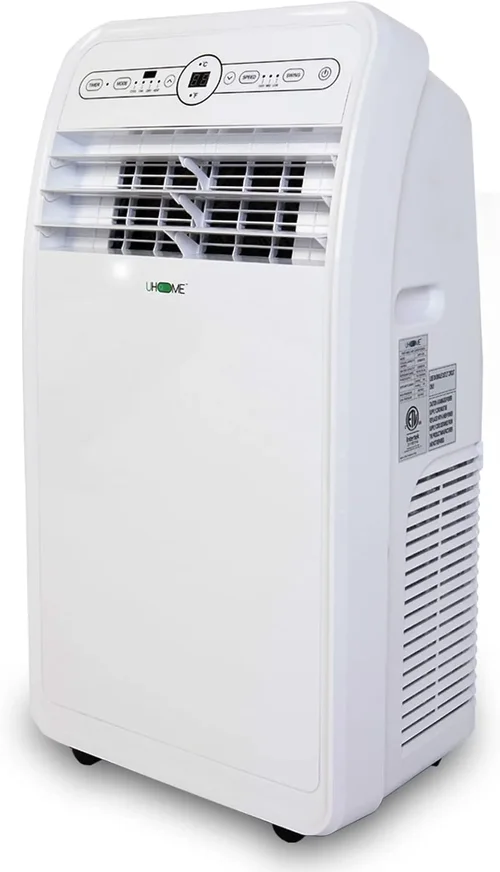
❌ Mistake: Ignoring Room Size and Humidity Level
Why it’s bad: Buying a unit that’s too small for your space leads to constant running, high energy bills, and inadequate dehumidification. Conversely, an oversized unit cools too quickly without removing enough moisture, leaving the air clammy.
What to do instead: Calculate your room’s square footage and assess local humidity. Use manufacturer sizing charts—don’t just go by BTU alone. For high-humidity areas, prioritize PPD over pure cooling power.
❌ Mistake: Overlooking Energy Efficiency
Why it’s bad: A cheap unit with low SEER/EER might save you $100 upfront but cost hundreds more in electricity over its lifespan—especially if used daily during humid months.
What to do instead: Look for ENERGY STAR certification and SEER2 ratings of 15+. Use online calculators to estimate annual operating costs based on your local electricity rate.
❌ Mistake: Skipping Smart Features When They Matter
Why it’s bad: Without humidity sensors or programmable timers, you may over-dry the air (causing dry skin and static) or waste energy by running the unit unnecessarily.
What to do instead: Even mid-range models now offer basic smart controls. Invest in a unit with auto-humidity adjustment and scheduling—it pays off in comfort and efficiency.
❌ Mistake: Neglecting Drainage Options
Why it’s bad: Units that require manual bucket emptying every few hours are impractical for daily use. Overflow can damage floors and reduce efficiency.
What to do instead: Choose models with continuous drainage (garden hose connection) or built-in pumps. For basements, ensure the unit can operate with a drain line.
❌ Mistake: Buying Based Solely on Brand Name
Why it’s bad: Premium brands sometimes charge for logos, not performance. You might pay extra for features you don’t need.
What to do instead: Compare specs across brands. Read independent reviews. Sometimes lesser-known brands offer comparable performance at lower prices.
❌ Mistake: Ignoring Noise Levels
Why it’s bad: A loud unit (above 55 dB) can disrupt sleep, work, or relaxation—especially in bedrooms or home offices.
What to do instead: Check decibel ratings in product specs. Look for “quiet mode” or inverter-driven compressors, which run more smoothly and quietly.
❌ Mistake: Not Planning for Installation
Why it’s bad: Portable units need window kits; window units require proper framing; ducted systems need professional setup. Poor installation reduces efficiency and can cause safety issues.
What to do instead: Measure your window or wall opening before buying. For complex installs, get quotes from licensed HVAC technicians early in the process.
Budget Guidelines: How Much Should You Spend?
- Entry-Level ($250 – $400): These are typically basic portable or small window units with limited dehumidification (15–25 PPD). Ideal for occasional use in small spaces or mild humidity. Expect shorter lifespans and fewer smart features, but they’re a good starting point for tight budgets.
- Mid-Range ($400 – $800): This is the sweet spot for most homeowners. Units here offer 25–40 PPD, better energy efficiency (SEER2 14–16), humidity sensors, programmable timers, and quieter operation. Many include Wi-Fi connectivity and washable filters. Perfect for bedrooms, living rooms, or moderate-humidity climates.
- Premium ($800 – $1,500): Designed for high performance and durability. These models often feature inverter technology, 40+ PPD dehumidification, advanced air filtration, and robust build quality. Great for large rooms, basements, or humid regions. Expect longer warranties and superior customer support.
- Luxury ($1,500+): Whole-home ducted systems, high-end mini-splits, or commercial-grade units. These provide zoned control, ultra-quiet operation, smart home integration, and professional installation. Best for large homes, new constructions, or those prioritizing long-term indoor air quality.
Expert Tips for Getting the Best Deal
- Buy During Off-Season: Prices drop significantly in late fall and winter (October–February). Retailers clear inventory before the summer rush. You can save 20–30% compared to peak season.
- Compare Retailers: Check Amazon, Home Depot, Lowe’s, Costco, and specialty HVAC sites. Costco often includes free delivery and extended return windows. Online retailers may have exclusive models or bundle deals.
- Watch for Rebates and Tax Credits: The Inflation Reduction Act (IRA) continues to offer incentives for energy-efficient home upgrades. Some dehumidifier ACs qualify for federal or state tax credits—especially ducted or mini-split systems.
- Read the Fine Print on Warranties: Some brands require professional installation to validate the warranty. Others exclude labor costs after the first year. Know what’s covered before you buy.
- Test Before Committing: If possible, try a portable unit in your space for a week. See how it handles your specific humidity levels and noise tolerance. Many retailers offer 30–90 day return policies.
- Negotiate on Installation: For ducted or mini-split systems, get multiple quotes. Some contractors offer package deals if you’re upgrading other HVAC components.
- Consider Refurbished or Open-Box: Certified refurbished units from reputable sellers often come with full warranties and cost 20–40% less. Just ensure they’ve been tested and cleaned properly.
- Join Loyalty Programs: Stores like Home Depot and Best Buy offer member discounts, early access to sales, and free shipping. Sign up for newsletters to get promo codes.

Frequently Asked Questions
Q: Can a regular air conditioner dehumidify?
A: Yes, all air conditioners remove some moisture as a byproduct of cooling. However, they’re not optimized for dehumidification—they cool first, then dehumidify. Dedicated dehumidifier ACs reverse this priority, removing moisture more efficiently without overcooling the space.
Q: How much water should a dehumidifier AC remove per day?
A: It depends on your climate and room size. In moderate humidity (50–60% RH), expect 20–30 pints/day. In high humidity (70%+), look for 40+ pints/day. Check your unit’s PPD rating and adjust settings accordingly.
Q: Do I need a dehumidifier if I have central AC?
A: Possibly. Central ACs can struggle with humidity in very moist climates or poorly insulated homes. If you notice condensation, musty smells, or clammy air, a supplemental dehumidifier AC (like a mini-split) can help.
Q: Are dehumidifier ACs noisy?
A: Noise varies by model. Portable units average 50–60 dB (like a quiet conversation), while ducted systems are nearly silent indoors. Look for units with inverter compressors and “quiet mode” for bedrooms.
Q: Can I use a dehumidifier AC in winter?
A: Most stop dehumidifying below 60–65°F. However, basement-specific models are designed to operate in colder temps (as low as 41°F). Check the operating range before buying for year-round use.
Q: How often should I clean the filter?
A: Every 2–4 weeks during heavy use. A dirty filter reduces airflow, lowers efficiency, and can cause the unit to freeze up. Most models have filter indicators or reminders.
Q: Will a dehumidifier AC increase my electricity bill?
A: Yes, but efficient models minimize the impact. A 30-PPD unit uses about 300–500 watts. At $0.15/kWh, that’s roughly $1–$2 per day if run 8 hours. Smart scheduling and high SEER ratings help reduce costs.
Q: Can I install a window dehumidifier AC myself?
A: Yes, if you’re handy and the window is standard size. Follow the manual carefully—improper sealing can cause leaks or drafts. For heavy units or non-standard windows, hire a pro.
Q: What’s the difference between a dehumidifier and a dehumidifier air conditioner?
A: A standalone dehumidifier only removes moisture. A dehumidifier AC does both—cooling and dehumidifying—using the same refrigeration cycle. It’s more versatile for hot, humid days.
Q: How long do these units last?
A: With proper maintenance, 8–12 years is typical. Compressors and coils are the most durable parts; filters and drainage systems require regular care. Premium brands often last longer due to better components.
Our Final Recommendations
- Best for Budget-Conscious Buyers: Frigidaire FFAD7033R1 – A reliable 70-pint portable dehumidifier with basic cooling, excellent reviews, and a sub-$400 price. Great for small to mid-sized rooms in moderate climates.
- Best Overall Value: LG LW1216ER – A 12,000 BTU window unit with strong dehumidification (35 PPD), ENERGY STAR rating, and quiet operation. Priced around $550, it balances performance, efficiency, and affordability.
- Best Premium Option: Daikin Aurora Mini-Split – Offers precise humidity control, inverter technology, Wi-Fi connectivity, and whisper-quiet operation. Ideal for whole-room comfort in high-humidity areas. Expect to pay $1,200–$1,800 installed.
- Best for Beginners: hOmeLabs 50-Pint Portable Dehumidifier AC – User-friendly controls, auto-humidity adjustment, and a washable filter. Comes with a window kit and caster wheels. Perfect for first-time buyers.
- Best for Advanced Users: AprilAire E130 Whole-Home Dehumidifier + AC Integration – Designed for ducted systems, this unit integrates with existing HVAC to provide consistent humidity control across the entire house. Best for tech-savvy homeowners willing to invest in professional installation.
Conclusion: Making the Right Choice
Choosing the right dehumidifier air conditioner in 2026 isn’t just about beating the heat—it’s about creating a healthier, more comfortable living environment. From understanding key specs like BTU and PPD to avoiding common pitfalls like poor drainage or oversized units, this guide has equipped you with the knowledge to make a confident decision. Remember, the best unit for you depends on your unique needs: your home’s size, your local climate, your budget, and how much control you want over your indoor air quality.
Don’t rush the process. Take time to measure your space, read real user reviews, and compare features that matter most to you—whether that’s smart controls, quiet operation, or long-term durability. And always consider total cost of ownership, not just the sticker price. A slightly more expensive model with higher efficiency and a better warranty can save you money and headaches down the road.
Ultimately, the right dehumidifier air conditioner will do more than just cool your home—it will protect your belongings, improve your health, and give you peace of mind during even the muggiest summer days. So breathe easy, stay informed, and invest wisely. Your future self (and your air quality) will thank you.