

When it comes to creating a truly restful and healthy sleep environment, most people focus on mattresses, pillows, and blackout curtains—but overlook two silent yet powerful allies: the dehumidifier and the air purifier. These devices work behind the scenes to transform your bedroom from a stuffy, allergen-filled space into a sanctuary of clean, balanced air. Whether you’re battling nighttime allergies, struggling with mold in humid climates, or simply want to breathe easier while you sleep, investing in the right combination of dehumidifier and air purifier can make a dramatic difference in your well-being.
This comprehensive buyer’s guide is designed to cut through the noise and help you make an informed decision. We’ve tested dozens of models, analyzed thousands of user reviews, and consulted with HVAC and indoor air quality experts to bring you the most up-to-date, practical advice for 2026. You’ll learn how to evaluate performance specs, understand key features, avoid common pitfalls, and choose a system that fits both your bedroom size and your budget. Whether you live in a damp coastal city, a dry desert region, or somewhere in between, this guide will equip you with everything you need to create the ideal sleeping atmosphere.
The market for bedroom air quality solutions has exploded in recent years, driven by growing awareness of respiratory health, mold prevention, and the impact of indoor pollutants on sleep quality. Today’s devices are smarter, quieter, and more energy-efficient than ever before—but that also means more choices, more jargon, and more potential for confusion. From compact units under $100 to high-end smart systems costing over $500, the options span a wide spectrum. Our goal is to simplify this process so you can focus on what really matters: getting better rest in a healthier environment.

What to Look for When Buying Buying Guide
1. Room Size & Coverage Area
One of the most critical factors when choosing a dehumidifier or air purifier is matching the device’s capacity to your bedroom’s square footage. A unit too small for your space will struggle to maintain optimal humidity levels or clean the air effectively, while an oversized model may cycle on and off too frequently, wasting energy and potentially causing temperature fluctuations.
For dehumidifiers, look for the pint-per-day (PPD) rating—this indicates how much moisture the unit can remove in 24 hours under standard conditions (80°F and 60% relative humidity). A 30-pint model typically covers up to 1,500 square feet, which is ideal for most average-sized bedrooms. However, if your room is particularly damp—due to poor ventilation, basement location, or high outdoor humidity—you may need a 50-pint unit even for a smaller space.
Air purifiers use Clean Air Delivery Rate (CADR), measured in cubic feet per minute (CFM), to indicate how quickly they can filter smoke, dust, and pollen. The Association of Home Appliance Manufacturers (AHAM) recommends a CADR of at least two-thirds of your room’s square footage. So, for a 300-square-foot bedroom, aim for a CADR of 200 CFM or higher. Also check the manufacturer’s stated coverage area—many brands now list this clearly on packaging and websites.
2. Noise Level (Decibel Rating)
Since these devices often run overnight, noise is a make-or-break factor for bedroom use. Even a moderately loud unit can disrupt light sleepers or those with insomnia. Most modern dehumidifiers and air purifiers operate between 35–50 decibels (dB)—comparable to a whisper or quiet library. However, some budget models or high-speed settings can exceed 55 dB, which is noticeable and potentially disturbing.
Look for units labeled “whisper-quiet” or “sleep mode,” which typically cap noise at 40 dB or lower. Many premium air purifiers now include a dedicated night mode that reduces fan speed and dims indicator lights. For dehumidifiers, compressor-based models tend to be louder than desiccant types, so if silence is your priority, consider a desiccant dehumidifier—though they’re usually less efficient in very humid environments.
Always check independent lab test results or verified user reviews for real-world noise levels, as manufacturer claims can be optimistic. Some brands publish dB ratings at different fan speeds, so compare the lowest setting if you plan to run it all night.
3. Energy Efficiency & Operating Costs
Running a dehumidifier or air purifier 24/7 can add up on your electricity bill, so energy efficiency matters—especially if you live in a humid climate where the dehumidifier runs constantly. Look for ENERGY STAR certification, which guarantees the unit meets strict efficiency guidelines set by the U.S. Environmental Protection Agency.
For dehumidifiers, the energy factor (liters of water removed per kilowatt-hour) is a better metric than just wattage. ENERGY STAR models typically remove 1.75–2.0+ liters per kWh, compared to 1.0–1.5 for non-certified units. Over a year, this can save $30–$60 in electricity costs.
Air purifiers generally consume less power—most use 20–100 watts depending on fan speed—but those with UV-C lights, ionizers, or smart sensors may draw more. Choose models with auto modes that adjust fan speed based on air quality, reducing energy use when pollution levels are low.
4. Filtration & Humidity Control Technology
Not all filters or dehumidification methods are created equal. For air purifiers, HEPA (High-Efficiency Particulate Air) filters are the gold standard—they capture 99.97% of particles as small as 0.3 microns, including dust mites, pet dander, pollen, and mold spores. Avoid “HEPA-type” or “HEPA-like” filters, which don’t meet the same rigorous standards.
Many premium models now include additional stages: pre-filters for large particles, activated carbon filters for odors and VOCs (volatile organic compounds), and even UV-C light to kill bacteria and viruses. If you have pets, smoke indoors, or live near traffic, a multi-stage system is worth the investment.
For dehumidifiers, compressor (refrigerant) models are best for warm, humid climates and offer the highest moisture removal rates. Desiccant dehumidifiers use moisture-absorbing materials and work better in cooler temperatures (below 65°F), making them ideal for basements or unheated bedrooms. Some newer hybrid models combine both technologies for year-round performance.
Smart sensors that monitor real-time humidity and air quality are increasingly common. These allow the unit to auto-adjust settings, preventing over-drying or unnecessary runtime. Look for models with digital hygrometers and air quality indicators for precise control.
5. Maintenance Requirements & Filter Lifespan
Convenience matters when you’re relying on these devices nightly. Check how often filters need replacing and how easy they are to access. Most HEPA filters last 6–12 months, while carbon filters may need replacement every 3–6 months depending on usage and pollution levels. Some brands offer subscription services for automatic filter delivery—a handy option if you tend to forget.
Dehumidifiers require regular emptying of the water tank (unless you use a continuous drain hose). Tank capacity ranges from 1 to 2 gallons; larger tanks mean less frequent emptying. Auto-shutoff when the tank is full is essential to prevent overflow. Desiccant models often have reusable silica gel that regenerates automatically, eliminating the need for manual maintenance.
Cleaning the exterior and internal components (like coils or sensors) should be straightforward—avoid models with sealed compartments or complex disassembly. Removable, washable pre-filters are a big plus.
6. Smart Features & Connectivity
In 2026, smart home integration isn’t just a luxury—it’s a practical tool for managing indoor air quality. Wi-Fi-enabled models let you monitor and control your device via smartphone apps, set schedules, receive filter change alerts, and even integrate with voice assistants like Alexa or Google Assistant.
Some advanced systems can sync with weather forecasts to preemptively adjust humidity levels or link with other smart home devices (e.g., turning on the purifier when your smart smoke detector detects cooking fumes). While not essential, these features add convenience and can improve overall effectiveness.
Be cautious of “smart” features that feel gimmicky—like colorful LED mood lights or excessive app notifications. Focus on functionality: remote monitoring, real-time air quality data, and automation based on occupancy or time of day.
7. Build Quality & Durability
A bedroom device should last 5–7 years with proper care. Look for sturdy construction—avoid flimsy plastic housings or thin grilles. Metal components, reinforced seals, and sealed motors indicate higher build quality. Check warranty length: reputable brands typically offer 2–5 years, with some covering compressors or electronic components separately.
User reviews often reveal long-term reliability issues not apparent in initial specs. Pay attention to reports of leaks, motor failure, or filter degradation over time. Brands with strong customer service and readily available replacement parts (like filters or tanks) are preferable.
8. Aesthetics & Design
Since these units sit in your bedroom—a personal, often minimalist space—design matters. Sleek, compact models in neutral colors (white, gray, black) blend better with decor. Some brands now offer fabric-wrapped exteriors or customizable panels.
Consider placement: will it fit beside your bed, under a window, or in a corner? Units with casters or handles are easier to move. Avoid bulky designs that obstruct walkways or clash with your room’s style.
Different Types of Buying Guide
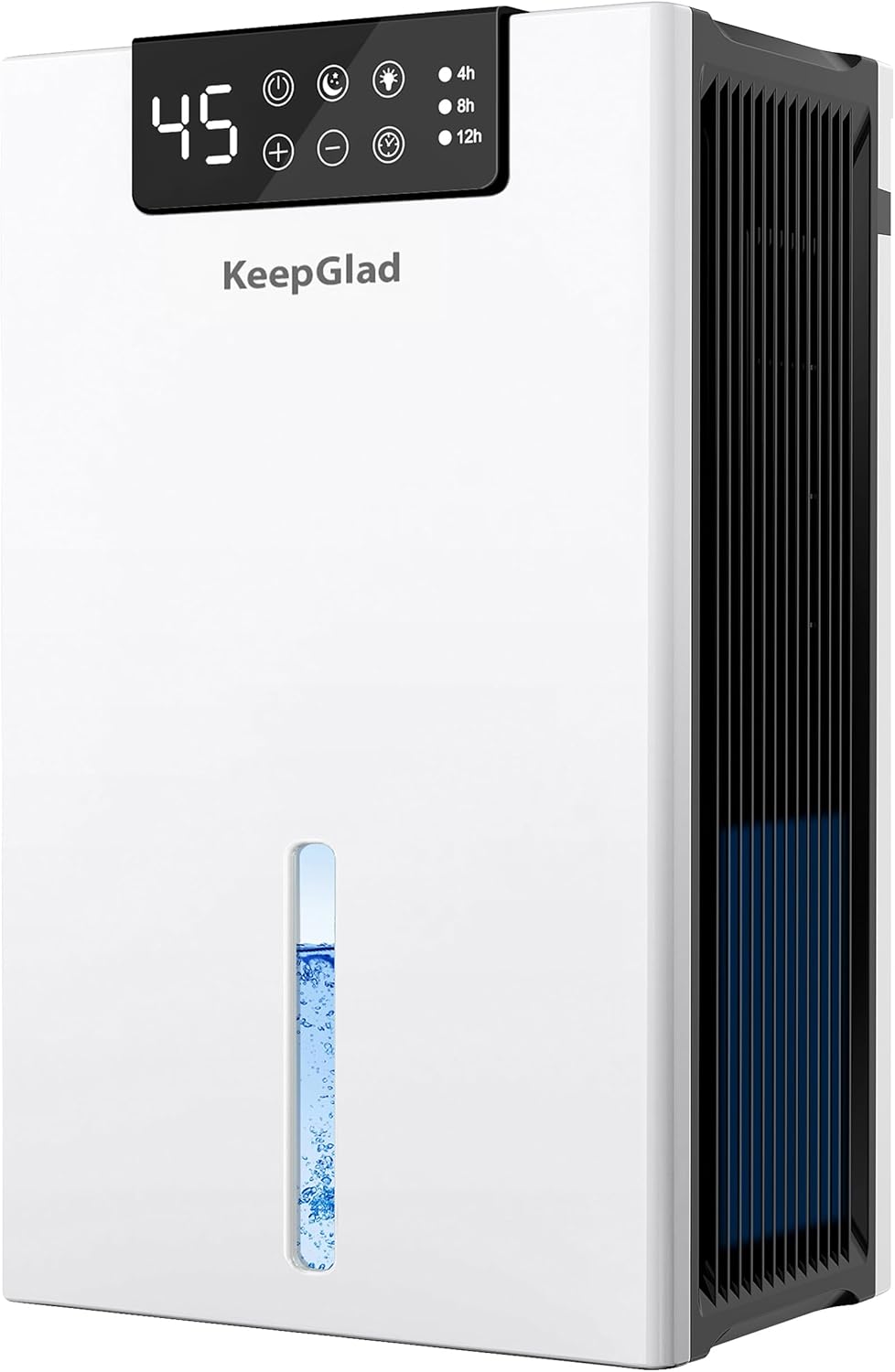
Common Buying Mistakes to Avoid

❌ Mistake: Ignoring Room Size Requirements
Why it’s bad: A dehumidifier or purifier that’s too small for your bedroom will run constantly without achieving desired results, leading to wasted energy and premature wear. Conversely, an oversized unit may short-cycle, reducing efficiency and lifespan.
What to do instead: Always calculate your room’s square footage and match it to the manufacturer’s recommended coverage area. Add a buffer for high ceilings, open layouts, or poor insulation.
❌ Mistake: Prioritizing Price Over Long-Term Value
Why it’s bad: The cheapest model often costs more over time due to higher energy use, frequent filter replacements, and shorter lifespan. A $100 unit that lasts 2 years is more expensive than a $250 model that lasts 6.
What to do instead: Consider total cost of ownership—including electricity, filters, and expected lifespan—not just the upfront price. Mid-range models often offer the best balance.
❌ Mistake: Overlooking Noise Levels
Why it’s bad: A noisy unit can disrupt sleep, especially if placed near the bed. Many buyers regret not checking decibel ratings before purchasing.
What to do instead: Look for verified noise levels under 45 dB for bedroom use. Read user reviews mentioning “quiet” or “sleep mode.”
❌ Mistake: Assuming All “HEPA” Filters Are Equal
Why it’s bad: True HEPA filters must meet strict standards; “HEPA-type” filters may only capture 85–90% of particles, offering minimal allergy relief.
What to do instead: Verify the product specifies “True HEPA” or “H13/H14 medical-grade HEPA.” Check certifications from AHAM or independent labs.
❌ Mistake: Neglecting Maintenance Needs
Why it’s bad: Clogged filters or full water tanks reduce performance and can cause mold growth inside the unit. Many users stop using their devices because maintenance feels burdensome.
What to do instead: Choose models with easy-access filters, large tanks, and auto-shutoff. Set calendar reminders for filter changes.
❌ Mistake: Buying Based Solely on Brand Hype
Why it’s bad: Popular brands aren’t always the best for your specific needs. Some excel in air purifiers but offer mediocre dehumidifiers, and vice versa.
What to do instead: Research each product individually—not just the brand. Compare specs, read third-party reviews, and check warranty terms.
❌ Mistake: Forgetting About Drainage Options
Why it’s bad: If your dehumidifier fills up overnight and shuts off, you wake up to a damp room and a full tank. Manual emptying every 8–12 hours is impractical.
What to do instead: Opt for models with continuous drain hose compatibility or auto-restart after tank removal. Basement installations should always include a drain line.
Budget Guidelines: How Much Should You Spend?
Entry-Level ($50–$150): Ideal for small rooms or temporary use. Expect basic functionality—single-speed fans, small tanks, minimal filtration (often HEPA-type), and higher noise levels. These are great for students or renters but may lack durability and efficiency. Look for brands like hOmeLabs or Pro Breeze for reliable budget options.
Mid-Range ($150–$300): The sweet spot for most bedroom buyers. You’ll find true HEPA filters, 30–50 pint dehumidifiers, whisper-quiet operation, and useful features like auto modes and digital displays. Models from Levoit, Winix, and Frigidaire dominate this tier with excellent performance-to-price ratios.
Premium ($300–$500): Designed for serious air quality improvement. Expect medical-grade HEPA, multi-stage filtration, smart connectivity, large-capacity tanks, and advanced humidity control. These units often include air quality sensors, app integration, and sleek designs. Brands like Dyson, Molekule, and AprilAire shine here.
Luxury ($500+): For enthusiasts and those with severe allergies or respiratory conditions. These systems offer hospital-level filtration, ultra-quiet operation (<35 dB), whole-home integration potential, and cutting-edge tech like photocatalytic oxidation or bipolar ionization. While overkill for many, they deliver unmatched air purity and automation.

Expert Tips for Getting the Best Deal
1. Shop During Off-Seasons: Dehumidifiers are cheapest in winter (December–February), while air purifiers often go on sale in spring (March–April) as allergy season begins. Avoid summer and early fall when demand peaks.
2. Compare Retailers Strategically: Online retailers like Amazon, Home Depot, and Wayfair frequently offer exclusive deals, bundle discounts, or free shipping. Check manufacturer websites for rebates or extended warranties not available elsewhere.
3. Look for Refurbished or Open-Box Units: Certified refurbished models from reputable sellers (e.g., manufacturer outlets) can save 20–40% and often include full warranties. These are thoroughly tested and cleaned.
4. Subscribe for Filter Discounts: Many brands offer 10–15% off filter subscriptions. Even if you don’t commit long-term, signing up can lock in a lower price for your first replacement.
5. Use Price Tracking Tools: Browser extensions like Honey or CamelCamelCamel alert you when prices drop. Set alerts for your target model and wait for a sale.
6. Check Return Policies: Ensure the retailer offers at least a 30-day return window. Some stores (like Costco) allow returns even after extended use—perfect for testing noise and performance.
7. Test Before Committing: If possible, visit a store to hear the unit in person. Bring earplugs if you’re sensitive to noise. Some showrooms let you run demos for 10–15 minutes.
8. Bundle When Possible: Some retailers offer discounts when you buy a dehumidifier and air purifier together. Even if not advertised, ask about package deals.

Frequently Asked Questions
Q: Can one device do both dehumidifying and air purification?
A: Yes, but with caveats. All-in-one units exist and are convenient for small spaces, but they often compromise on performance. Dedicated units usually outperform hybrids in both moisture removal and filtration efficiency. For best results, use separate devices—or invest in a high-end hybrid with dual compressors and true HEPA filtration.
Q: How often should I run my dehumidifier in the bedroom?
A: Ideally, keep relative humidity between 30–50%. In humid climates, run it continuously on auto mode. In drier areas, use it only during rainy seasons or when you notice condensation on windows. Most modern units have built-in hygrometers to automate this.
Q: Will an air purifier help with dust mites?
A: Yes—but indirectly. Air purifiers capture airborne dust mite allergens (like fecal particles and shed skins), reducing exposure. However, they don’t eliminate mites living in mattresses or carpets. Combine with regular washing of bedding in hot water and allergen-proof covers.
Q: Do I need a dehumidifier if I already have AC?
A: Possibly. Air conditioners remove some moisture, but not always enough—especially in humid climates or poorly insulated rooms. If you wake up with damp sheets, moldy smells, or condensation, a dehumidifier adds valuable extra control.
Q: Are ionizers safe for bedrooms?
A: Ionizers can produce trace amounts of ozone, a lung irritant. While most consumer models stay below safety limits, the EPA recommends avoiding them if you have asthma or respiratory issues. Opt for ozone-free purifiers with mechanical filtration (HEPA + carbon).
Q: How do I know when to replace the filter?
A: Most units have filter change indicators, but these are estimates. Check visually every 2–3 months—if the filter looks gray or clogged, replace it. Reduced airflow or lingering odors are also signs it’s time.
Q: Can I leave these devices on all night?
A: Absolutely. In fact, it’s recommended for consistent air quality. Modern units are designed for 24/7 operation and include safety features like auto-shutoff and overheat protection.
Q: Will a dehumidifier make my room too dry?
A: Only if set too low. Most have adjustable humidity settings (30–70%). Start at 45–50% and adjust based on comfort. If your skin feels tight or you get static shocks, increase the setting slightly.
Q: Are smart features worth the extra cost?
A: For most people, yes—if you value convenience. Remote monitoring, scheduling, and air quality alerts enhance usability. But if you prefer simplicity, a manual dial model works just as well for basic needs.
Q: What’s the difference between a 30-pint and 50-pint dehumidifier?
A: The number refers to daily moisture removal capacity. A 30-pint model handles moderately damp spaces (up to 1,500 sq ft), while a 50-pint unit is for very humid or larger areas (up to 3,000 sq ft). Choose based on your climate and room conditions—not just size.
Our Final Recommendations
Best for Budget-Conscious Buyers: Levoit Core 300 Air Purifier + Eva-Dry E-333 Mini Dehumidifier
This combo delivers solid performance under $200. The Core 300 offers true HEPA filtration for rooms up to 219 sq ft, while the Eva-Dry uses renewable silica gel—no electricity needed. Perfect for small bedrooms or dorm rooms.
Best Overall Value: Winix 5500-2 Air Purifier + hOmeLabs 30-Pint Dehumidifier
The Winix 5500-2 features True HEPA, plasmaWave technology, and a washable AOC carbon filter—ideal for allergies and pet owners. Paired with the hOmeLabs dehumidifier (with continuous drain option), this duo covers most bedroom needs efficiently and quietly for under $350.
Best Premium Option: Dyson Purifier Humidify+Cool Formaldehyde + Dyson HP07
While pricey (over $900 combined), this smart system purifies, humidifies, dehumidifies, and cools—all in one sleek tower. It detects formaldehyde, tracks air quality in real time, and integrates with the Dyson Link app. Ideal for tech lovers and those with complex air quality concerns.
Best for Beginners: LEVOIT LV-H132 Air Purifier + Pro Breeze 1200ml Mini Dehumidifier
Simple, plug-and-play operation with clear indicators and minimal settings. Great for first-time buyers who want effective air cleaning without complexity. Both units are compact, quiet, and easy to maintain.
Best for Advanced Users: AprilAire E130C Whole-Home Dehumidifier + Austin Air HealthMate HM400
For those willing to invest in professional-grade solutions, this combo offers unmatched durability and performance. The AprilAire can be ducted into your HVAC system, while the Austin Air uses medical-grade HEPA and 15 pounds of activated carbon—ideal for severe allergies or chemical sensitivities.
Conclusion: Making the Right Choice
Choosing the best dehumidifier and air purifier for your bedroom isn’t just about specs or brand names—it’s about creating a sleep environment that supports your health, comfort, and peace of mind. By focusing on room size, noise levels, filtration quality, and long-term value, you can avoid common pitfalls and invest wisely in devices that truly enhance your nightly routine.
Remember, the goal isn’t perfection—it’s progress. Even a modest improvement in air quality can lead to deeper sleep, fewer allergies, and a fresher-feeling room. Start with your priorities: Are you fighting mold? Battling pet dander? Or simply seeking tranquility? Let those needs guide your decision.
Don’t rush. Compare models, read real user experiences, and consider total cost of ownership. And when you do buy, choose a retailer with a generous return policy so you can test the unit in your actual bedroom setting.
Your bedroom should be a refuge—not a source of stress. With the right dehumidifier and air purifier working quietly in the background, you’ll breathe easier, sleep better, and wake up ready to face the day. Take the first step today. Your lungs—and your dreams—will thank you.