

When it comes to maintaining a healthy, comfortable home environment in Canada, few appliances are as essential—and often overlooked—as the dehumidifier. With long, damp winters, humid summers, and varying regional climates from the Atlantic coast to the Pacific, excess moisture is a year-round challenge for many Canadian households. Whether you’re dealing with musty basements, condensation on windows, or the persistent threat of mold and mildew, a reliable dehumidifier can make a dramatic difference in indoor air quality, comfort, and even energy efficiency.
This comprehensive buying guide is designed to help you navigate the crowded market of dehumidifiers available in Canada in 2026. Whether you’re a first-time buyer or upgrading from an older model, we’ll walk you through everything you need to know—from understanding key performance specs to comparing top brands, avoiding common pitfalls, and finding the best value for your budget. Our goal isn’t just to list products; it’s to empower you with the knowledge to make a confident, informed decision that fits your unique needs, space, and lifestyle.
The Canadian dehumidifier market has evolved significantly in recent years. Energy-efficient models, smart connectivity, and advanced filtration systems are now standard in many mid- to high-end units. At the same time, prices have become more accessible, making quality dehumidification possible even on a tight budget. From compact units for small apartments to heavy-duty machines for large basements or crawl spaces, there’s a solution for nearly every scenario. In this guide, we’ll break down the critical factors to consider, compare different types and technologies, highlight expert tips for getting the best deal, and provide clear, actionable recommendations tailored to Canadian homes and climates.
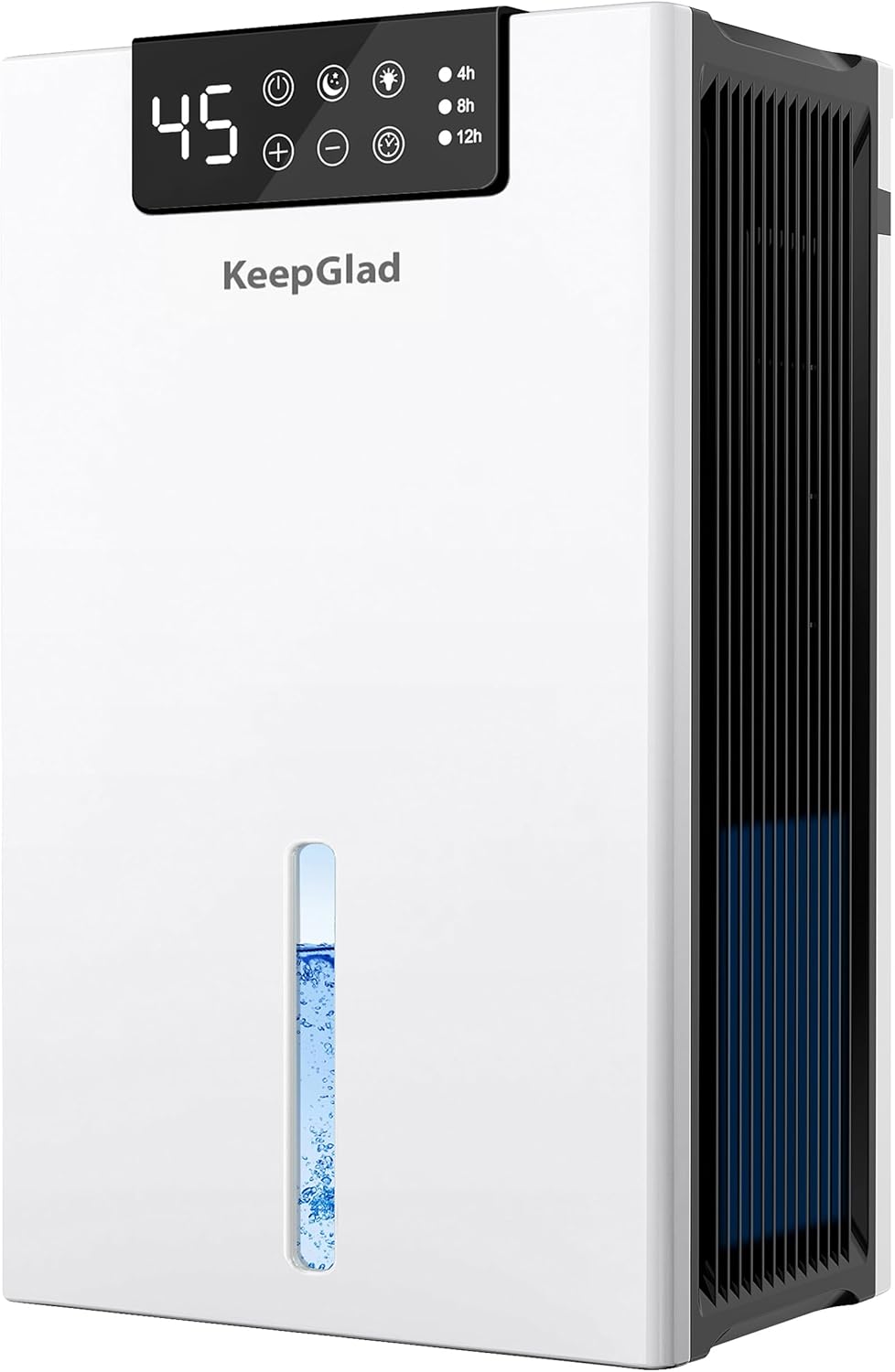
What to Look for When Buying Buying Guide
1. Capacity & Pint Rating
One of the most important factors when choosing a dehumidifier is its capacity, typically measured in “pints per day” (PPD). This number tells you how much moisture the unit can remove from the air in a 24-hour period under standard testing conditions (usually 60% relative humidity at 80°F). For Canadian homes, understanding your space’s moisture level is key.
If you have a damp basement (common in regions like Ontario, Quebec, or the Maritimes), a unit rated between 30–50 pints per day is usually sufficient. For very wet or flooded areas, such as crawl spaces or homes with poor drainage, look for 50+ pint models. Conversely, if you’re using the dehumidifier in a small bedroom, bathroom, or closet, a 15–25 pint unit may be all you need.
It’s important to note that manufacturers often test under ideal conditions, so real-world performance can vary. For example, a 30-pint dehumidifier might only extract 20–25 pints in a cold basement during winter. That’s why experts recommend sizing up slightly—especially in colder climates or uninsulated spaces.
2. Energy Efficiency & Operating Costs
Energy efficiency is a major consideration for Canadian homeowners, especially with rising electricity costs across provinces like British Columbia, Alberta, and Ontario. A dehumidifier that runs continuously can significantly impact your monthly utility bill, so choosing an energy-efficient model isn’t just environmentally responsible—it’s financially smart.
Look for units with the ENERGY STAR® certification, which indicates they meet strict energy performance standards set by Natural Resources Canada. ENERGY STAR dehumidifiers use up to 30% less energy than standard models, which can save you $50–$100 per year depending on usage and local electricity rates.
Pay attention to the “Energy Factor” (EF), measured in liters of water removed per kilowatt-hour (L/kWh). A higher EF means greater efficiency. For example, a unit with an EF of 1.8 is more efficient than one with 1.4. Also, check the wattage—most residential dehumidifiers range from 300 to 700 watts. Lower wattage generally means lower operating costs, but balance this with performance needs.
3. Humidity Control & Auto Features
Manual dehumidifiers require constant monitoring and adjustment, which isn’t practical for most people. Modern units come with built-in humidistats and automatic features that make operation effortless.
A digital humidistat allows you to set your desired humidity level (ideally between 30% and 50% for comfort and mold prevention). The dehumidifier will then run only when needed, turning on and off automatically to maintain the set level. This not only improves comfort but also saves energy.
Additional auto features to look for include:
– Auto-restart: Resumes operation after a power outage.
– Auto-defrost: Prevents ice buildup on coils in cold environments (essential for unheated basements in winter).
– Timer function: Lets you schedule operation (e.g., run for 8 hours overnight).
– Continuous drainage: Allows you to connect a hose for hands-free water removal, ideal for basements or unattended spaces.
Smart dehumidifiers with Wi-Fi connectivity (like those from Frigidaire or GE) let you monitor and control humidity remotely via smartphone apps. While not essential, these features add convenience, especially for vacation homes or rental properties.
4. Build Quality & Durability
A dehumidifier is a long-term investment, so durability matters. Look for models with robust construction, high-quality components, and corrosion-resistant materials—especially important in humid environments where metal parts can rust over time.
Check the type of compressor used. Most residential units use rotary compressors, which are quieter and more efficient than piston types. Also, inspect the coil material: copper coils are more durable and efficient than aluminum, though they may cost more.
The water tank (or bucket) should be easy to remove and clean. Some models feature antimicrobial coatings to prevent mold and bacteria growth inside the tank. For continuous use, consider units with a built-in pump or gravity drainage option to avoid frequent emptying.
Brand reputation plays a role here, too. Established manufacturers like Danby, Frigidaire, and Honeywell are known for reliable, long-lasting units. Avoid ultra-cheap, no-name brands that may fail within a year or two.
5. Noise Level & Quiet Operation
Dehumidifiers can be noisy, especially when running at full capacity. If you plan to use the unit in a living room, bedroom, or home office, noise level is a critical factor.
Most dehumidifiers operate between 45 and 60 decibels (dB). For reference, 45 dB is similar to a quiet library, while 60 dB is like normal conversation. Look for models labeled “quiet” or “low-noise,” and check user reviews for real-world sound levels.
Some units feature multiple fan speeds, allowing you to run them on low for quieter operation during the night. Others use sound-dampening technology or insulated cabinets to reduce noise. If silence is a priority, consider placing the unit in a utility room or basement and using a remote humidistat to monitor levels elsewhere.
6. Portability & Design
Even the best dehumidifier is useless if you can’t move it where it’s needed. Portability features like built-in handles, caster wheels, and compact designs make it easier to relocate the unit between rooms or store it when not in use.
Most residential dehumidifiers weigh between 30 and 50 pounds. Look for models with recessed handles and smooth-rolling wheels—especially if you’re moving it up and down stairs. Some units are designed with a low center of gravity to prevent tipping.
Design also affects usability. A front-loading water tank is easier to access than a top-mounted one. Digital displays should be clear and backlit for visibility in dim basements. Cord storage and hose attachments add convenience.
7. Filtration & Air Quality Features
While the primary function of a dehumidifier is moisture removal, many models also improve air quality through built-in air filters. This is especially beneficial for allergy sufferers or households with pets.
Look for units with washable or replaceable filters that capture dust, pollen, and mold spores. Some high-end models include HEPA or activated carbon filters for advanced purification. However, keep in mind that air filtration is a secondary benefit—don’t choose a dehumidifier solely for its filter unless air quality is a top concern.
Regular filter maintenance is essential. Clogged filters reduce efficiency and can lead to mold growth inside the unit. Most manufacturers recommend cleaning or replacing filters every 1–3 months, depending on usage.
8. Warranty & Customer Support
A good warranty is a strong indicator of a manufacturer’s confidence in their product. Most reputable brands offer at least a one-year limited warranty, with some extending to two or three years on key components like the compressor.
Check what the warranty covers: labor, parts, and shipping. Some companies offer in-home service, while others require you to ship the unit back. Also, verify the availability of customer support—preferably with Canadian-based representatives who understand local climate challenges.
Brands like Danby and Frigidaire have strong service networks across Canada, with authorized repair centers in major cities. Avoid brands with limited support or unclear warranty terms.
Different Types of Buying Guide

Common Buying Mistakes to Avoid

❌ Mistake: Buying Based Solely on Price
Why it’s bad: The cheapest dehumidifier often comes with poor build quality, low efficiency, and limited features. You may end up replacing it within a year or two, costing more in the long run.
What to do instead: Focus on value, not just upfront cost. Consider energy efficiency, warranty, and long-term reliability. A $300 unit that lasts 8 years is better than a $150 one that fails in 2.
❌ Mistake: Ignoring Room Size and Humidity Level
Why it’s bad: A dehumidifier that’s too small won’t effectively reduce moisture, while an oversized unit may cycle too frequently, wasting energy and reducing lifespan.
What to do instead: Measure your space and assess moisture levels. Use a hygrometer to check humidity. Choose a unit with a pint rating appropriate for your square footage and dampness.
❌ Mistake: Overlooking Drainage Options
Why it’s bad: Emptying a water tank every day is inconvenient and easy to forget. If the tank overflows, it can cause water damage or mold.
What to do instead: Opt for models with continuous drainage (hose attachment) or built-in pumps, especially for basements or unattended areas.
❌ Mistake: Neglecting Maintenance
Why it’s bad: Dirty filters and coils reduce efficiency, increase energy use, and can lead to mold growth inside the unit.
What to do instead: Clean the filter monthly, wipe down the tank, and inspect coils annually. Follow the manufacturer’s maintenance schedule.
❌ Mistake: Buying Without Checking Noise Levels
Why it’s bad: A noisy dehumidifier can disrupt sleep or concentration, especially in bedrooms or open-concept living spaces.
What to do instead: Check decibel ratings and read user reviews. Choose a quiet model or place it in a utility area if noise is a concern.
❌ Mistake: Skipping the Warranty Check
Why it’s bad: A short or unclear warranty can leave you stranded if the unit fails prematurely.
What to do instead: Choose brands with at least a 1–2 year warranty and reliable Canadian customer support.
❌ Mistake: Assuming All Dehumidifiers Work in Cold Basements
Why it’s bad: Most compressor dehumidifiers lose efficiency below 65°F (18°C) and may ice up in unheated spaces.
What to do instead: For cold basements, consider a desiccant dehumidifier or a compressor model with auto-defrost.
Budget Guidelines: How Much Should You Spend?
– Entry-Level ($100 – $200): These are basic compressor or mini desiccant units ideal for small spaces like closets, bathrooms, or RVs. Expect limited features, smaller tanks, and lower efficiency. Best for occasional use or mild humidity issues.
– Mid-Range ($200 – $400): This is the sweet spot for most Canadian homeowners. These models offer 30–50 pint capacity, ENERGY STAR certification, digital controls, and auto-defrost. They’re suitable for basements, laundry rooms, and average-sized living areas.
– Premium ($400 – $700): High-performance units with advanced features like Wi-Fi connectivity, built-in pumps, HEPA filters, and ultra-quiet operation. Ideal for large homes, allergy sufferers, or tech enthusiasts.
– Luxury ($700+): Whole-house dehumidifiers or commercial-grade models designed for integration with HVAC systems. These provide centralized humidity control for entire homes and are best for large properties or severe moisture problems.

Expert Tips for Getting the Best Deal
– Buy in Spring or Early Summer: Dehumidifier demand peaks in summer, but retailers often offer discounts in spring to clear inventory. Watch for sales in April and May.
– Shop Canadian Retailers: Stores like Canadian Tire, Home Depot, Rona, and Best Buy carry reliable brands with local warranties and service. Online options include Amazon.ca and manufacturer websites.
– Compare Prices Across Platforms: Use price comparison tools or browser extensions to find the best deal. Don’t forget to factor in shipping and return policies.
– Look for Bundle Deals: Some retailers offer discounts when you buy a dehumidifier with an air purifier or humidifier.
– Check for Rebates: Some provinces (like Ontario and British Columbia) offer energy efficiency rebates for ENERGY STAR appliances. Visit the Natural Resources Canada website for current programs.
– Read Real User Reviews: Focus on Canadian reviews when possible, as climate and usage patterns differ from the U.S. Look for feedback on noise, durability, and performance in cold weather.
– Test Before Committing: If buying in-store, inspect the unit for build quality, ease of use, and noise level. For online purchases, choose retailers with generous return policies.
– Consider Refurbished Models: Certified refurbished dehumidifiers from reputable brands can save 20–30% and often come with the same warranty as new units.

Frequently Asked Questions
Q: How often should I run my dehumidifier?
A: It depends on humidity levels. In most Canadian homes, running it 8–12 hours per day is sufficient. Use a humidistat to automate operation and maintain 30–50% humidity.
Q: Can I use a dehumidifier in winter?
A: Yes, but only if the space is above 65°F (18°C). In cold basements, choose a desiccant model or a compressor unit with auto-defrost.
Q: Will a dehumidifier help with mold?
A: Yes, by reducing moisture, it prevents mold growth. However, existing mold should be cleaned by a professional before using a dehumidifier.
Q: How much does it cost to run a dehumidifier?
A: On average, $0.10–$0.30 per hour, depending on size and electricity rates. A 50-pint ENERGY STAR unit costs about $0.20/hour in Ontario.
Q: Should I buy a dehumidifier with a pump?
A: If you need to drain water uphill or into a sink, a built-in pump is essential. Otherwise, gravity drainage or a hose may suffice.
Q: Can I leave my dehumidifier on all the time?
A: Yes, especially if you use a humidistat. Modern units are designed for continuous operation and will cycle on and off as needed.
Q: What’s the difference between a dehumidifier and an air purifier?
A: A dehumidifier removes moisture; an air purifier removes particles like dust and pollen. Some units combine both functions.
Q: How do I know if my dehumidifier is working?
A: Check the water tank for collected moisture, use a hygrometer to monitor humidity, and listen for the compressor and fan running.
Q: Can I use a dehumidifier in an RV or cottage?
A: Yes, compact or desiccant models are ideal for small, seasonal spaces. Look for low-wattage units that work with generators.
Q: What should I do if my dehumidifier isn’t collecting water?
A: Check the filter, ensure the room is above 65°F, verify the humidistat setting, and inspect for frost on coils (indicating a defrost issue).
Our Final Recommendations
– Best for Budget-Conscious Buyers: Danby DDR050BJPWDB – A reliable 50-pint ENERGY STAR model with auto-defrost and continuous drainage. Priced under $300, it’s a top pick for Canadian basements.
– Best Overall Value: Frigidaire FFAD5033W1 – Offers 50-pint capacity, Wi-Fi connectivity, and a built-in pump. Excellent performance and smart features at a mid-range price.
– Best Premium Option: Honeywell TP70WKN – A 70-pint powerhouse with HEPA filtration, ultra-quiet operation, and app control. Ideal for large homes or severe humidity.
– Best for Beginners: Eva-Dry EDV-1200 – A compact, no-frills 12-pint desiccant unit perfect for small spaces. Easy to use and maintain.
– Best for Advanced Users: AprilAire E080 – A whole-house dehumidifier designed for HVAC integration. Provides centralized control for entire homes.
Conclusion: Making the Right Choice
Choosing the right dehumidifier for your Canadian home doesn’t have to be overwhelming. By focusing on key factors like capacity, energy efficiency, humidity control, and build quality, you can find a unit that delivers lasting comfort and protection against moisture-related issues. Avoid common pitfalls, consider your budget wisely, and take advantage of expert tips to get the best value.
Remember, the best dehumidifier is the one that fits your specific needs—whether that’s a quiet bedroom unit, a basement workhorse, or a smart system for your entire home. With the insights from this guide, you’re now equipped to make a confident, informed decision. Don’t wait for mold to appear or windows to fog—invest in better air quality today. Your home, your health, and your peace of mind will thank you.