
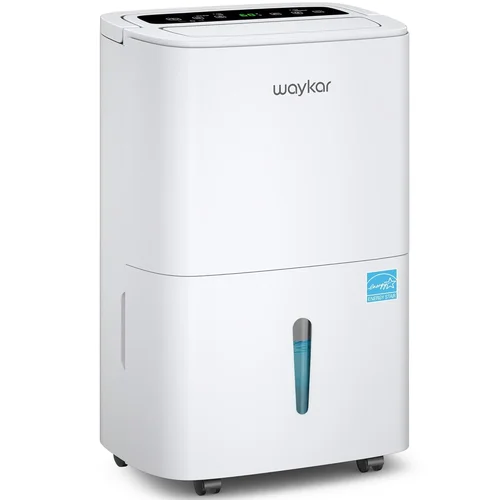
Choosing the right dehumidifier isn’t just about picking a box with a fan and a water tank. It’s about improving your indoor air quality, protecting your home from mold and mildew, reducing allergens, and creating a more comfortable living environment—especially in humid climates or during sticky summer months. With so many brands, models, and features flooding the market in 2026, it’s easy to feel overwhelmed. That’s why this comprehensive buying guide exists: to cut through the noise, eliminate confusion, and help you make a smart, informed decision that fits your specific needs and budget.
In this guide, you’ll learn everything you need to know before buying a dehumidifier—from understanding key performance specs like pint capacity and energy efficiency to comparing top brands, avoiding common pitfalls, and knowing exactly how much to spend. Whether you’re dealing with a damp basement, a musty closet, or whole-house humidity issues, we’ve got you covered. We’ll also break down different types of dehumidifiers, share expert tips for getting the best deal, and answer frequently asked questions based on real user experiences. By the end, you’ll have the confidence to choose a unit that delivers reliable performance, long-term durability, and excellent value.
The dehumidifier market in 2026 is more competitive than ever. Major players like Frigidaire, GE, hOmeLabs, and Midea continue to innovate with smarter controls, Wi-Fi connectivity, and eco-friendly refrigerants, while newer entrants are pushing boundaries with compact designs and ultra-quiet operation. At the same time, rising awareness of indoor air quality and health concerns—especially post-pandemic—has driven demand for high-performance, health-focused appliances. This means more options, but also more complexity. Our goal is to simplify the process, highlight what truly matters, and help you avoid costly mistakes.

What to Look for When Buying Buying Guide
1. Budget & Price Range
Your budget is one of the most important starting points when shopping for a dehumidifier. Prices can range from under $100 for basic portable units to over $1,000 for whole-home systems. But cheaper isn’t always better—and expensive doesn’t always mean superior performance. The key is understanding what you’re paying for and aligning your spending with your actual needs.
Entry-level models (under $150) often lack advanced features, have smaller water tanks, and may not be built to last. They’re fine for small spaces like closets or bathrooms, but they’ll struggle in larger or consistently damp areas. Mid-range units ($150–$350) offer the best balance of performance, durability, and features for most homeowners. These typically include auto-humidistats, continuous drainage options, and energy-efficient operation. Premium models ($350–$600) add smart controls, larger capacities, and quieter operation, making them ideal for basements, crawl spaces, or allergy sufferers. Whole-home dehumidifiers, which integrate with your HVAC system, start around $800 and go up significantly—but they’re only necessary if you’re treating humidity across an entire house.
2. Performance Specifications
Performance specs are where many buyers go wrong—either by underestimating their needs or overbuying for their space. The most critical spec is pint capacity, which refers to how much moisture the unit can remove in 24 hours under standard conditions (typically 60% relative humidity at 80°F). For example, a 30-pint unit is suitable for a 500–1,000 sq. ft. space with moderate humidity, while a 50-pint model is better for larger or wetter areas like basements.
Another key metric is Energy Factor (EF), measured in liters of water removed per kilowatt-hour (L/kWh). Higher EF means greater efficiency. Look for units with an EF of 1.5 or higher—these will cost less to run over time. Also check the AHAM certification, which ensures the unit’s performance claims are tested and verified by an independent body.
Don’t overlook operating temperature range. Most refrigerant-based dehumidifiers work best between 65°F and 95°F. If you’re using it in a cold basement (below 60°F), consider a desiccant dehumidifier, which performs better in low temperatures but uses more energy.
3. Build Quality & Durability
A dehumidifier is a long-term investment, so build quality matters. Look for sturdy construction with thick plastic casings, reinforced coils, and corrosion-resistant components—especially if you’re placing it in a damp environment like a basement or garage. Cheaper models often use thin plastic that cracks over time or compressors that fail after a few seasons.
Check the compressor type: rotary compressors are quieter and more durable than reciprocating ones, making them ideal for living spaces. Also inspect the condenser and evaporator coils—copper coils are more efficient and resistant to corrosion than aluminum.
Warranty length is a strong indicator of durability. Brands that offer 2–5 year warranties (like Frigidaire or GE) are signaling confidence in their product. Avoid brands with only 90-day or 1-year coverage unless you’re buying for very light use.
4. Features & Functionality
Modern dehumidifiers come packed with features, but not all are essential. Focus on what aligns with your lifestyle and needs. Here are the most useful ones:
– Auto-Humidistat: Lets you set your desired humidity level (e.g., 45%), and the unit turns on/off automatically to maintain it.
– Continuous Drainage: Allows you to connect a hose so water drains directly into a floor drain or sump pump—no need to empty the tank.
– Auto-Defrost: Prevents ice buildup on coils in cold environments, ensuring consistent operation.
– Timer & Sleep Mode: Lets you schedule operation or reduce noise at night.
– Wi-Fi & Smart Controls: Some 2026 models (like those from hOmeLabs or AprilAire) offer app control, voice assistant compatibility, and remote monitoring.
– Filter Indicator & Washable Filters: Makes maintenance easier and improves air quality by trapping dust and allergens.
Avoid “gimmick” features like built-in air purifiers unless they’re independently certified (e.g., HEPA filters). Many dehumidifiers claim to “purify” air, but without true filtration, they’re just moving moisture.
5. Brand Reputation
Not all dehumidifier brands are created equal. Some have decades of experience and strong customer support, while others are private-label manufacturers with inconsistent quality. Stick with reputable brands known for reliability and service.
Top-tier brands like Frigidaire, GE Appliances, and AprilAire have proven track records, wide service networks, and strong warranties. hOmeLabs and Midea offer excellent value in the mid-range segment, with modern designs and smart features. Ivation and Eva-Dry are good for compact or specialty units (like RV or closet dehumidifiers).
Avoid unknown brands sold exclusively through third-party Amazon sellers unless they have thousands of verified reviews and a clear return policy. These often lack support and may disappear after a year.
6. Warranty & Support
A solid warranty protects your investment and reflects the manufacturer’s confidence in their product. Most reputable brands offer at least a 1-year limited warranty, but premium models often include 2–5 years of coverage. Pay attention to what’s covered: compressor, coils, labor, and parts.
Also consider customer support accessibility. Can you reach a human quickly? Is there a U.S.-based support team? Check online reviews for complaints about unresponsive service or denied claims. Brands like Frigidaire and GE have extensive service centers, while smaller brands may outsource support overseas.
7. Size & Portability
Dehumidifiers vary widely in size and weight. A 30-pint unit might weigh 30–40 lbs, while a 70-pint model can exceed 60 lbs. If you plan to move the unit between rooms (e.g., from basement to bedroom), look for built-in handles and caster wheels. These make transportation much easier.
Also consider footprint and clearance. Most units need 6–12 inches of space around them for proper airflow. Measure your intended location before buying—especially if it’s a tight crawl space or under stairs.
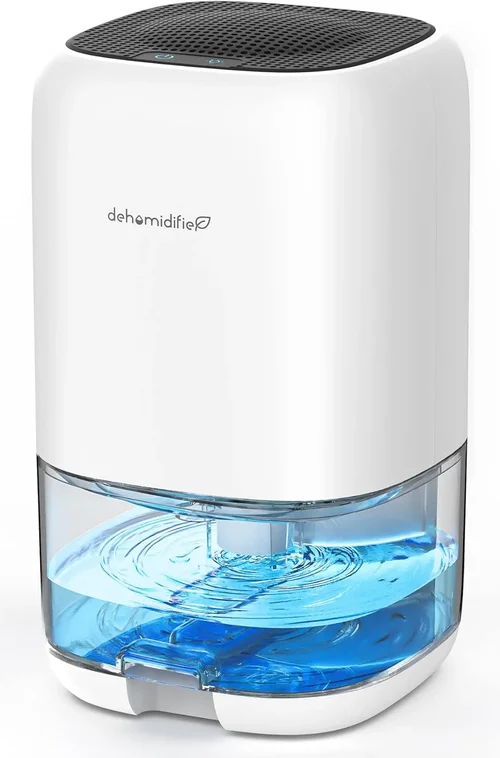
For small spaces like closets, RVs, or boats, consider mini desiccant dehumidifiers (like Eva-Dry E-333). They’re silent, compact, and rechargeable, though they remove far less moisture than full-sized units.
8. User Reviews & Ratings
Never buy a dehumidifier based solely on specs or marketing claims. Real-world performance matters. Read verified purchase reviews on Amazon, Home Depot, or Lowe’s. Look for patterns: Are multiple users reporting loud operation? Frequent breakdowns? Poor customer service?
Pay attention to long-term reviews (6+ months of use). A unit might work great out of the box but fail after a year. Also check for humidity-specific feedback—does it actually lower humidity to the set level? Does it cycle on/off too often?
Use tools like Fakespot or ReviewMeta to detect fake reviews. And don’t rely on aggregate star ratings alone—dig into the details.
Different Types of Buying Guide

Common Buying Mistakes to Avoid
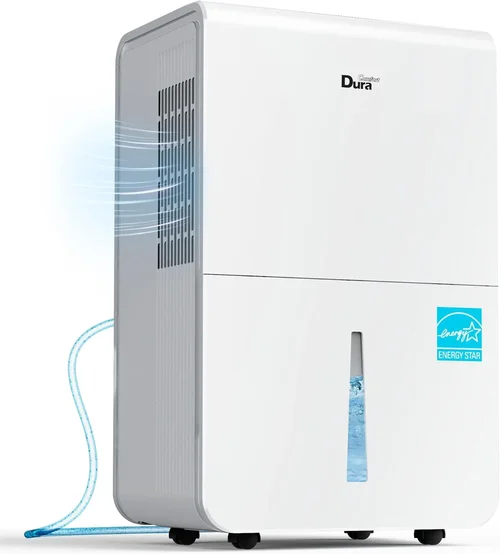
❌ Mistake: Buying Based on Pint Capacity Alone
Why it’s bad: Pint capacity is important, but it’s not the only factor. A 50-pint unit might be overkill for a small bathroom or underpowered for a flooded basement if it lacks proper airflow or auto-defrost. Also, some brands inflate their numbers—always check AHAM-certified ratings.
What to do instead: Match capacity to your space size and humidity level. Use this rule of thumb: 20–30 pints for 500–1,000 sq. ft. (moderate humidity), 30–50 pints for 1,000–2,000 sq. ft. (high humidity), and 50+ pints for large or wet areas.
❌ Mistake: Ignoring Energy Efficiency
Why it’s bad: Dehumidifiers run for hours daily. A unit with low EF can cost $50–$100 more per year in electricity. Over 5 years, that’s $250–$500 extra—often more than the initial price difference.
What to do instead: Look for the Energy Star label and compare EF ratings. Even a small increase in efficiency (e.g., 1.3 to 1.7 L/kWh) adds up over time.
❌ Mistake: Not Planning for Water Removal
Why it’s bad: Emptying a full tank every 8–12 hours is tedious and easy to forget. If you’re away or asleep, the unit shuts off, and humidity rises again.
What to do instead: Choose a model with continuous drainage or a large tank (2+ gallons). If using a hose, ensure it can reach a drain or sump pump.
❌ Mistake: Overlooking Noise Levels
Why it’s bad: Loud dehumidifiers (above 55 dB) disrupt sleep, work, or relaxation—especially in bedrooms or living areas.
What to do instead: Check decibel (dB) ratings. Desiccant and thermo-electric units are quieter (40–50 dB), while compressor models range from 50–60 dB. Look for “quiet mode” or “sleep mode” features.
❌ Mistake: Skipping the Warranty Check
Why it’s bad: Dehumidifiers have mechanical parts that can fail. Without a good warranty, you’re stuck with repair or replacement costs.
What to do instead: Prioritize brands with at least a 2-year warranty. Avoid extended warranties from retailers—they’re often overpriced and limited.
❌ Mistake: Buying the Cheapest Option
Why it’s bad: Ultra-cheap units often use low-grade components, lack safety features, and fail within a year. You end up replacing them, costing more long-term.
What to do instead: Invest in a mid-range model from a reputable brand. The extra $50–$100 is worth it for reliability and performance.
❌ Mistake: Not Considering Installation Needs
Why it’s bad: Whole-home units require professional installation ($200–$500+). Portable units need clearance and ventilation. Ignoring this leads to poor performance or damage.
What to do instead: Measure your space, check power requirements, and consult an HVAC pro if considering a whole-home system.
Budget Guidelines: How Much Should You Spend?
– Entry-Level ($80–$150): Suitable for very small spaces (closets, RVs) or occasional use. Expect basic controls, small tanks, and limited durability. Best for temporary solutions or low-humidity areas.
– Mid-Range ($150–$350): The sweet spot for most homeowners. These units offer reliable performance, auto-humidistats, continuous drainage, and Energy Star efficiency. Ideal for basements, garages, and medium-sized rooms.
– Premium ($350–$600): For those who want advanced features like Wi-Fi, smart sensors, ultra-quiet operation, and longer warranties. Great for allergy sufferers, large homes, or humid climates.
– Luxury ($600+): Includes whole-home systems and high-end portable units with industrial-grade components. Only necessary for large properties, severe moisture issues, or professional use.
Expert Tips for Getting the Best Deal
– Buy in Spring or Early Summer: Retailers often discount dehumidifiers before peak humidity season (July–August). You’ll find the best selection and prices in April–June.
– Shop at Major Retailers: Home Depot, Lowe’s, and Best Buy offer price matching, in-store pickup, and extended return windows. Amazon is good for reviews, but check seller ratings.
– Look for Bundle Deals: Some brands offer free shipping, extended warranties, or accessory kits (like hoses or filters) during promotions.
– Check Manufacturer Rebates: Frigidaire and GE often run rebate programs, especially for Energy Star models. Save $20–$50 instantly.
– Test Before Committing: If possible, buy from a store with a generous return policy (30+ days). Run the unit for a week to test noise, performance, and ease of use.
– Avoid “As-Is” or Refurbished Units: Unless sold directly by the manufacturer with a full warranty, these can be risky.
– Read the Fine Print on Returns: Some retailers charge restocking fees or won’t accept returns if the box is opened.
– Consider Used Models Carefully: Only buy from trusted sources (like Facebook Marketplace with local pickup) and inspect for damage or wear.

Frequently Asked Questions
Q: How do I know what size dehumidifier I need?
A: Calculate your room size in square feet and assess humidity level. Use this guide: 20–30 pints for 500–1,000 sq. ft. (moderate), 30–50 pints for 1,000–2,000 sq. ft. (high), and 50+ pints for large or wet spaces. Always check AHAM-certified ratings, not just manufacturer claims.
Q: Can a dehumidifier help with allergies?
A: Yes. By reducing humidity below 50%, dehumidifiers inhibit mold, dust mites, and mildew—common allergens. Pair it with a HEPA air purifier for best results.
Q: Should I run my dehumidifier continuously?
A: Not necessarily. Use the auto-humidistat to maintain 40–50% humidity. Running nonstop wastes energy and may over-dry the air.
Q: How often should I clean my dehumidifier?
A: Clean the filter monthly and the water tank every 2–3 months with mild soap. Wipe coils annually to maintain efficiency.
Q: Can I use a dehumidifier in winter?
A: Only if the space stays above 60°F. Below that, refrigerant units may ice up. Use a desiccant model for cold areas.
Q: Is it safe to leave a dehumidifier on overnight?
A: Yes, if it has safety features like auto-shutoff, tip-over protection, and thermal overload protection. Choose a quiet model for bedrooms.
Q: Do dehumidifiers use a lot of electricity?
A: It depends. A 50-pint Energy Star unit uses about 500–700 watts. At $0.12/kWh, that’s $0.06–$0.08 per hour. Use a smart plug to monitor usage.
Q: Can I connect a dehumidifier to a sump pump?
A: Yes, via a continuous drain hose. Ensure the hose slopes downward and is secured to prevent leaks.
Q: What’s the difference between a dehumidifier and an air purifier?
A: A dehumidifier removes moisture; an air purifier removes particles like dust, pollen, and smoke. They serve different purposes but can complement each other.
Q: How long do dehumidifiers last?
A: With proper maintenance, most last 5–10 years. Compressor units tend to last longer than desiccant or thermo-electric models.
Our Final Recommendations
– Best for Budget-Conscious Buyers: hOmeLabs 30 Pint Dehumidifier – Excellent performance, Energy Star rated, and under $200. Great for small to medium spaces.
– Best Overall Value: Frigidaire FFAD7033R1 70 Pint – Reliable, efficient, and backed by a strong warranty. Ideal for basements and large rooms.
– Best Premium Option: AprilAire E130 Whole-Home Dehumidifier – Professional-grade, integrates with HVAC, and maintains consistent humidity across your entire house.
– Best for Beginners: GE APER50LZ 50 Pint – Simple controls, auto-drain, and quiet operation. Perfect for first-time buyers.
– Best for Advanced Users: Midea Cube 50 Pint Smart Dehumidifier – Wi-Fi enabled, app-controlled, and ultra-compact design with top-tier efficiency.
Conclusion: Making the Right Choice
Choosing the best dehumidifier in 2026 comes down to understanding your specific needs, environment, and budget. Don’t let flashy features or aggressive marketing sway you—focus on performance, efficiency, and reliability. Remember to consider pint capacity, energy use, noise levels, and long-term support. Avoid common pitfalls like overspending on unnecessary features or underestimating your space’s humidity challenges.
Take the time to read real user reviews, compare warranties, and test units if possible. And when in doubt, lean toward mid-range models from trusted brands—they offer the best balance of quality and value. A good dehumidifier isn’t just an appliance; it’s an investment in your home’s health, comfort, and longevity.
Now that you’re armed with expert knowledge, you’re ready to make a confident, informed decision. Breathe easier, live better, and enjoy a drier, healthier home. Your ideal dehumidifier is out there—go find it.