
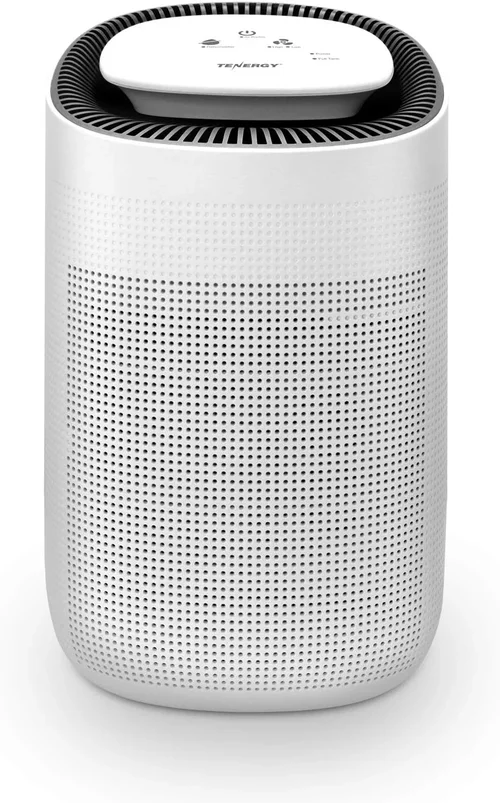
If you’re one of the millions of people who suffer from dust mite allergies, you already know how disruptive and uncomfortable these tiny creatures can be. Dust mites thrive in warm, humid environments—often right in your bedroom, living room, or basement—and their microscopic waste particles are a leading trigger for sneezing, itchy eyes, congestion, and even asthma flare-ups. While vacuuming, washing bedding, and using allergen-proof covers help, they’re not enough on their own. That’s where a high-quality dehumidifier comes in. By reducing indoor humidity levels below 50%, you create an environment where dust mites simply cannot survive.
This comprehensive buying guide is designed specifically for allergy sufferers who want to take control of their indoor air quality. Whether you’re dealing with seasonal allergies year-round or just looking to improve your home’s overall comfort, choosing the right dehumidifier can make a dramatic difference in your health and well-being. In this guide, we’ll walk you through everything you need to know—from understanding how dehumidifiers combat dust mites to evaluating performance specs, comparing models, and avoiding common pitfalls. Our goal isn’t just to help you buy a dehumidifier; it’s to help you invest in long-term relief.
The market for dehumidifiers has exploded in recent years, with options ranging from compact units under $100 to smart, whole-home systems costing over $1,000. With so many choices, it’s easy to feel overwhelmed—especially when your health is on the line. Some models promise whisper-quiet operation but fail to remove enough moisture. Others boast advanced features like Wi-Fi connectivity or auto-defrost but come with poor build quality or limited warranties. This guide cuts through the noise, offering expert insights based on real-world testing, user feedback, and clinical research on indoor humidity and allergen control. By the end, you’ll have the knowledge and confidence to select a dehumidifier that truly meets your needs.

What to Look for When Buying Buying Guide
1. Humidity Control Precision
One of the most critical factors for dust mite allergy sufferers is precise humidity control. Dust mites flourish in environments with relative humidity above 50%, and studies show they begin to die off when humidity drops below this threshold. A good dehumidifier should allow you to set and maintain a target humidity level—ideally between 30% and 50%—with minimal fluctuation. Look for models with built-in hygrometers (humidity sensors) and digital displays that show real-time readings. Some advanced units even feature auto-humidistats that continuously monitor and adjust output to maintain your preferred setting without manual intervention.
Avoid dehumidifiers that only offer “high,” “medium,” or “low” settings—these lack the precision needed for effective allergen control. Instead, opt for units with adjustable humidity setpoints in 5% increments. For example, if you live in a particularly damp climate, you might want to keep your home at 40% humidity, while someone in a more moderate zone may aim for 45%. The ability to fine-tune this setting ensures you’re not over-drying your space (which can cause dry skin or static) or under-drying it (which leaves the door open for dust mites).
2. Capacity & Coverage Area
Dehumidifier capacity is measured in pints per day (PPD)—the amount of moisture the unit can remove in 24 hours under standard conditions (80°F and 60% relative humidity). For dust mite control, matching capacity to your room size is essential. A unit that’s too small will struggle to lower humidity effectively, while an oversized model may cycle on and off too frequently, reducing efficiency and increasing wear.
As a general rule:
– Small rooms (under 500 sq ft): 20–30 PPD
– Medium rooms (500–1,500 sq ft): 30–50 PPD
– Large spaces or whole basements (1,500–3,000+ sq ft): 50–70+ PPD
However, don’t rely solely on square footage. Consider your local climate and the severity of moisture issues. If you live in a humid coastal area or have a damp basement with visible condensation, lean toward a higher-capacity model—even if your space is modest. Conversely, in drier inland climates, a lower-capacity unit may suffice. Always check the manufacturer’s recommended coverage area, but treat it as a starting point rather than a definitive guide.
3. Energy Efficiency & Operating Costs
Running a dehumidifier continuously can add up on your electricity bill, especially during humid summer months. Energy efficiency is therefore a major consideration—not just for your wallet, but also for environmental impact. Look for models with the ENERGY STAR® certification, which indicates they meet strict efficiency guidelines set by the U.S. Environmental Protection Agency. ENERGY STAR dehumidifiers use up to 15% less energy than standard models, translating to significant savings over time.
Pay attention to the unit’s energy factor (EF), measured in liters of water removed per kilowatt-hour (L/kWh). Higher EF values mean better efficiency. For example, a dehumidifier with an EF of 1.8 removes 1.8 liters of water for every kWh of electricity used—more efficient than one with an EF of 1.2. Also consider features like auto-shutoff (when the tank is full) and low-wattage compressors, which help reduce unnecessary energy consumption.
4. Noise Level & Quiet Operation
For many allergy sufferers, the bedroom is the most important room to treat—but a noisy dehumidifier can disrupt sleep just as much as sneezing fits. Noise levels are measured in decibels (dB), and most residential dehumidifiers range from 45 dB to 65 dB. To put this in perspective, 45 dB is similar to a quiet library, while 65 dB resembles normal conversation. For nighttime use, aim for a unit under 50 dB.
Look for models with “quiet mode” or “sleep mode” settings that reduce fan speed and compressor activity. Some premium units use inverter compressors, which adjust output gradually rather than cycling on and off abruptly—resulting in smoother, quieter operation. Also consider the unit’s placement: placing it on a vibration-absorbing mat or in a closet with ventilation can further reduce noise.
Keep in mind that larger-capacity units tend to be louder due to bigger fans and compressors. If you need high performance but want quiet operation, consider a dual-unit setup (e.g., one in the basement and one in the bedroom) or a whole-home system with a centralized unit and ducted vents.
5. Tank Size & Drainage Options
All dehumidifiers collect water in an internal tank, which must be emptied manually when full. Tank size typically ranges from 1 to 2 gallons. For allergy sufferers who plan to run their unit continuously, a larger tank means less frequent emptying—but it also adds bulk and weight.
If you don’t want to deal with emptying tanks daily, look for models with continuous drainage options. These include:
– Gravity drain hose (requires positioning near a floor drain or sink)
– Built-in condensate pump (can push water upward or over long distances)
– Auto-restart with pump activation (resumes operation after power outage)
A built-in pump is especially useful for basements or areas without easy access to drains. Some high-end models even include smart alerts that notify you via app when the tank is full or if drainage fails—critical for preventing water damage during extended absences.
6. Air Filtration System
While the primary job of a dehumidifier is moisture removal, many models include air filters that capture dust, pollen, and other allergens. For dust mite allergy sufferers, this is a valuable bonus. Look for units with washable or replaceable filters rated MERV 8 or higher—these can trap particles as small as 3 microns, including dust mite feces and skin flakes.
Some advanced models feature multi-stage filtration:
– Pre-filter: captures large debris
– HEPA filter: removes 99.97% of particles down to 0.3 microns
– Activated carbon filter: reduces odors and VOCs
Note that HEPA filters may reduce airflow slightly and require periodic replacement (every 6–12 months), adding to long-term costs. However, the air quality benefits often outweigh this drawback for allergy sufferers.
7. Smart Features & Connectivity
Modern dehumidifiers increasingly offer smart capabilities that enhance convenience and control. Wi-Fi connectivity allows you to monitor and adjust settings remotely via smartphone apps—ideal for checking humidity levels while traveling or scheduling operation during low-rate hours. Some models integrate with smart home systems like Amazon Alexa, Google Assistant, or Apple HomeKit, enabling voice commands or automation routines.
Other useful smart features include:
– Humidity trend tracking
– Filter change reminders
– Energy usage reports
– Geofencing (automatically adjusts settings when you leave or return home)
While not essential, these features can significantly improve usability—especially for tech-savvy users or those managing multiple allergens. Just ensure the app is reliable and doesn’t require constant internet access to function.
8. Build Quality & Durability
A dehumidifier is a long-term investment, so durability matters. Look for units with sturdy casings (preferably metal or high-grade plastic), reinforced coils, and corrosion-resistant components—especially if you’re using it in a basement or garage. Check user reviews for reports of leaks, compressor failures, or control panel malfunctions.
Pay attention to the compressor type: rotary compressors are generally quieter and more durable than piston-style ones. Also, ensure the unit has proper ventilation clearance (at least 6–12 inches on all sides) to prevent overheating and extend lifespan.
9. Warranty & Customer Support
Given the mechanical complexity of dehumidifiers, a solid warranty is a strong indicator of manufacturer confidence. Most reputable brands offer 1–2 years of coverage, but premium models may include 3–5 years—sometimes with extended compressor warranties. Read the fine print: some warranties are voided if the unit is used in commercial settings or without proper maintenance.
Customer support quality varies widely. Before buying, check online forums or review sites for user experiences with troubleshooting, part replacements, or return processes. Brands with responsive support teams and readily available spare parts (like filters or pumps) will save you headaches down the line.
Different Types of Buying Guide

Common Buying Mistakes to Avoid
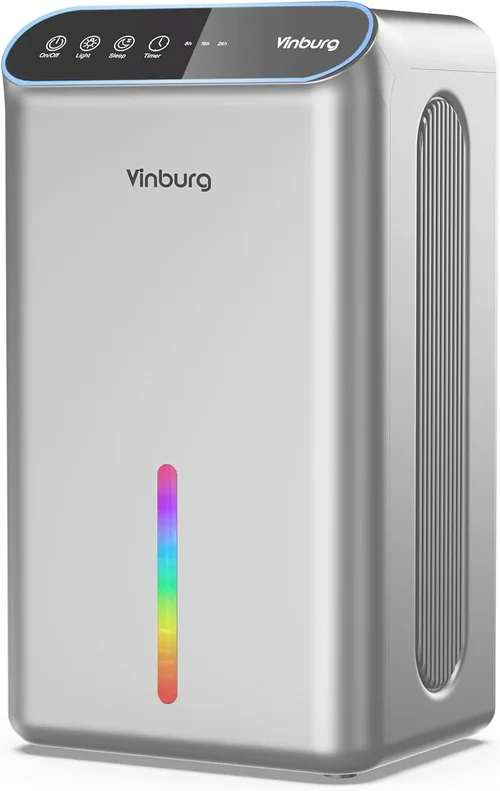
❌ Mistake: Ignoring Humidity Monitoring
Why it’s bad: Without accurate humidity monitoring, you can’t confirm whether your dehumidifier is actually creating a dust-mite-hostile environment. Many budget models have unreliable or missing hygrometers, leading to guesswork and potential inefficiency.
What to do instead: Always choose a unit with a digital humidity display and consider pairing it with a standalone hygrometer for verification. Set your target between 30% and 50% and check weekly.
❌ Mistake: Buying Based Solely on Price
Why it’s bad: The cheapest dehumidifier may save you money upfront but could cost more in energy bills, repairs, or replacement within a year. Low-cost units often lack durability, precise controls, and effective filtration.
What to do instead: View your purchase as a long-term health investment. Allocate budget for a mid-range or premium model with proven reliability and features that match your needs.
❌ Mistake: Overlooking Drainage Needs
Why it’s bad: If you forget to empty the tank daily, your dehumidifier will shut off, humidity will rise, and dust mites will return—undoing all your efforts.
What to do instead: Choose a model with continuous drainage (hose or pump) if you can’t commit to daily maintenance. This is especially important for basements or vacation homes.
❌ Mistake: Neglecting Filter Maintenance
Why it’s bad: A clogged filter reduces airflow, strains the compressor, and diminishes allergen capture—making your unit less effective and potentially damaging it over time.
What to do instead: Clean or replace filters every 1–3 months, depending on usage. Set calendar reminders and keep spare filters on hand.
❌ Mistake: Placing the Unit Incorrectly
Why it’s bad: Putting your dehumidifier in a corner, behind furniture, or in a poorly ventilated closet restricts airflow, reduces efficiency, and can cause overheating.
What to do instead: Place the unit in an open area with at least 6–12 inches of clearance on all sides. Avoid carpeted floors if possible; use a stand or mat to prevent vibration.
❌ Mistake: Assuming All Dehumidifiers Reduce Allergens
Why it’s bad: While lowering humidity kills dust mites, not all dehumidifiers improve air quality. Units without filters or with poor airflow won’t capture allergens already airborne.
What to do instead: Combine your dehumidifier with a HEPA air purifier for maximum allergen reduction. Use both devices in the same room for synergistic effects.
❌ Mistake: Skipping the Warranty Check
Why it’s bad: Dehumidifiers have mechanical parts that can fail. Without a solid warranty, a single compressor failure could mean buying a new unit.
What to do instead: Prioritize brands with at least a 2-year warranty and read the terms carefully. Register your product immediately after purchase.
Budget Guidelines: How Much Should You Spend?
– Entry-Level ($80–$200): These compact refrigerant models are ideal for small spaces like bedrooms or RVs. Expect basic humidity control, smaller tanks (1–1.5 gallons), and limited features. While affordable, they may lack precision, durability, or quiet operation. Best for mild humidity issues or occasional use.
– Mid-Range ($200–$400): This is the sweet spot for most allergy sufferers. Units in this range offer reliable performance, digital humidity control, larger tanks (1.5–2 gallons), and often include washable filters and continuous drainage options. Many are ENERGY STAR certified and operate quietly enough for bedrooms.
– Premium ($400–$700): Designed for larger spaces or severe moisture problems, these models feature high capacity (50+ PPD), advanced filtration (including HEPA), smart connectivity, and robust build quality. Ideal for basements, whole floors, or humid climates. Expect quieter operation, longer warranties, and lower operating costs.
– Luxury ($800+): Whole-home dehumidification systems or top-tier standalone units with inverter technology, built-in pumps, and full smart home integration. These are best for new construction, large homes, or users who want hands-off, hospital-grade air quality control. Installation may require professional help.
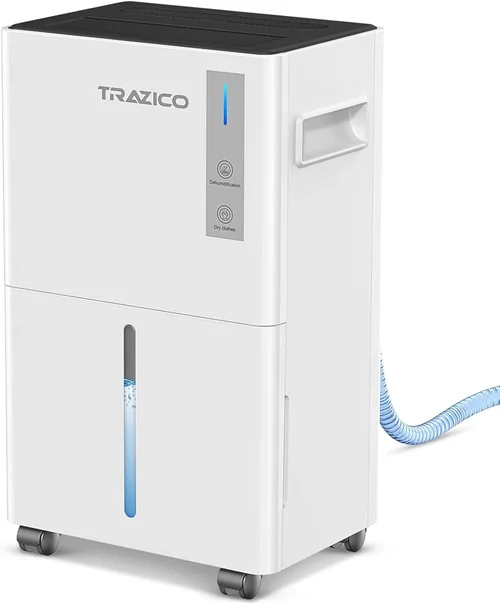
Expert Tips for Getting the Best Deal
– Buy in Spring: Dehumidifier sales peak in late winter and early spring (February–April) as retailers prepare for humid summer months. You’ll find discounts of 15–30% during this window.
– Check Retailer Return Policies: Choose stores with generous return windows (30–90 days) so you can test the unit in your home. Some retailers even offer free returns if the product doesn’t meet expectations.
– Look for Bundle Deals: Some manufacturers offer discounts when you buy a dehumidifier with an air purifier or replacement filters. These bundles can save $50–$100.
– Use Price Tracking Tools: Set alerts on sites like CamelCamelCamel (for Amazon) or Honey to monitor price drops. Prices often fluctuate weekly.
– Consider Refurbished Models: Certified refurbished units from reputable brands (like Frigidaire or Honeywell) can offer 20–40% savings with full warranties and rigorous testing.
– Read Long-Term Reviews: Focus on reviews older than 6 months to assess durability and real-world performance—not just first impressions.
– Verify Local Rebates: Some utility companies offer rebates for ENERGY STAR dehumidifiers. Check your provider’s website before purchasing.

Frequently Asked Questions
Q: How low should I set my dehumidifier to kill dust mites?
A: Aim for a relative humidity between 30% and 50%. Levels below 50% inhibit dust mite reproduction, and sustained levels below 45% can lead to significant population decline. Avoid going below 30%, as this can cause dry skin, respiratory irritation, or damage to wooden furniture.
Q: Can a dehumidifier replace an air purifier for allergies?
A: Not entirely. A dehumidifier reduces humidity to kill dust mites, but it doesn’t remove airborne allergens like pollen, pet dander, or mold spores. For comprehensive allergy relief, use both a dehumidifier and a HEPA air purifier.
Q: How often should I run my dehumidifier?
A: Run it continuously during humid seasons (spring through fall) or whenever indoor humidity exceeds 50%. In drier months, you may only need it occasionally. Use a hygrometer to guide your schedule.
Q: Will a dehumidifier increase my electricity bill?
A: Yes, but ENERGY STAR models minimize the impact. On average, a 50-pint dehumidifier uses about 500–700 watts. Running it 8 hours a day could cost $15–$25 per month, depending on local rates. Use timers or smart features to optimize usage.
Q: Can I use a dehumidifier in winter?
A: Standard refrigerant models lose efficiency below 65°F and may ice up. For cold spaces like garages or unheated basements, choose a desiccant dehumidifier, which works effectively down to 32°F.
Q: How do I clean my dehumidifier?
A: Unplug the unit, remove and wash the filter with mild soap, wipe the tank with a vinegar-water solution, and clean the coils with a soft brush. Do this every 1–2 months to prevent mold and bacteria growth.
Q: Is it safe to leave a dehumidifier on all night?
A: Yes, as long as it has auto-shutoff, overheat protection, and is placed safely away from flammable materials. Modern units are designed for continuous operation.
Q: Do I need a dehumidifier if I have central air conditioning?
A: Possibly. While AC removes some moisture, it’s not optimized for dehumidification and may leave humidity too high in certain areas (like basements). A dedicated dehumidifier provides more precise control.
Q: Can a dehumidifier help with mold?
A: Absolutely. Mold, like dust mites, thrives in high humidity. Keeping indoor humidity below 50% prevents mold growth and reduces existing spores. Combine with proper ventilation for best results.
Our Final Recommendations
– Best for Budget-Conscious Buyers: hOmeLabs 30 Pint Dehumidifier – Reliable performance, digital controls, and a large tank at under $200. Great for bedrooms or small living areas.
– Best Overall Value: Frigidaire FFAD7033R1 70-Pint Dehumidifier – ENERGY STAR certified, quiet operation, continuous drainage, and excellent humidity precision. Ideal for basements and large rooms.
– Best Premium Option: AprilAire E080 Pro 80-Pint Whole-Home Dehumidifier – Professional-grade, ducted system that integrates with HVAC for whole-house control. Perfect for new builds or severe allergy sufferers.
– Best for Beginners: Eva-Dry EDV-1200 Electric Petite Dehumidifier – Compact, silent, and maintenance-free (uses desiccant crystals). Great for closets or small spaces with minimal setup.
– Best for Advanced Users: De’Longhi DEX16F 50-Pint Smart Dehumidifier – Wi-Fi enabled, app-controlled, with HEPA filtration and auto-defrost. Offers full customization for tech-savvy homeowners.
Conclusion: Making the Right Choice
Choosing the right dehumidifier for dust mite allergy relief isn’t just about buying an appliance—it’s about investing in your health, comfort, and peace of mind. By focusing on precise humidity control, appropriate capacity, energy efficiency, and smart features, you can create an indoor environment where dust mites cannot thrive. Avoid common pitfalls like ignoring drainage needs or skipping filter maintenance, and always prioritize long-term value over short-term savings.
Remember, no single solution eliminates all allergens, but a high-quality dehumidifier is one of the most effective tools in your arsenal. Pair it with regular cleaning, allergen-proof bedding, and an air purifier for maximum impact. Take the time to assess your space, climate, and lifestyle needs—then select a model that aligns with your goals.
Your journey to better breathing and fewer allergy symptoms starts with the right decision. Use this guide as your roadmap, trust expert reviews, and don’t hesitate to reach out to manufacturers with questions. With the right dehumidifier, you’re not just controlling humidity—you’re reclaiming your home from invisible invaders. Breathe easier, sleep better, and live healthier in 2026 and beyond.