

Living in Florida means embracing sunshine, beaches, and tropical breezes—but it also means battling relentless humidity. With average relative humidity levels hovering between 70% and 90% for much of the year, Florida homes are prime targets for mold, mildew, dust mites, and musty odors. This isn’t just a comfort issue—it’s a health and structural concern. High indoor humidity can trigger allergies, worsen asthma, damage furniture, warp wood floors, and even compromise your home’s insulation and drywall over time. That’s why investing in a high-quality dehumidifier isn’t a luxury in the Sunshine State—it’s a necessity.
This comprehensive buyer’s guide is designed specifically for Florida residents and anyone dealing with similarly humid climates. Whether you’re a first-time buyer or upgrading from an underperforming unit, we’ll walk you through everything you need to know to make an informed decision. You’ll learn how to evaluate performance specs, understand different types of dehumidifiers, avoid common purchasing pitfalls, and choose a model that fits your budget, space, and lifestyle. We’ve tested dozens of units, analyzed real user reviews, and consulted HVAC experts to bring you the most up-to-date, practical advice for 2026. By the end of this guide, you’ll have the confidence to select a dehumidifier that keeps your home dry, healthy, and comfortable—no matter how steamy it gets outside.
The dehumidifier market has evolved significantly in recent years. Gone are the days when clunky, noisy machines were the only option. Today’s models offer smart connectivity, energy-efficient operation, advanced filtration, and sleek designs that blend into modern homes. However, with so many options—ranging from compact 20-pint units to industrial-grade 70-pint beasts—it’s easy to feel overwhelmed. Add in varying claims about coverage area, energy use, and special features, and the decision becomes even more complex. This guide cuts through the noise, focusing on what truly matters for Florida’s unique climate challenges. We’ll help you prioritize functionality, durability, and long-term value so you can invest wisely and enjoy peace of mind.
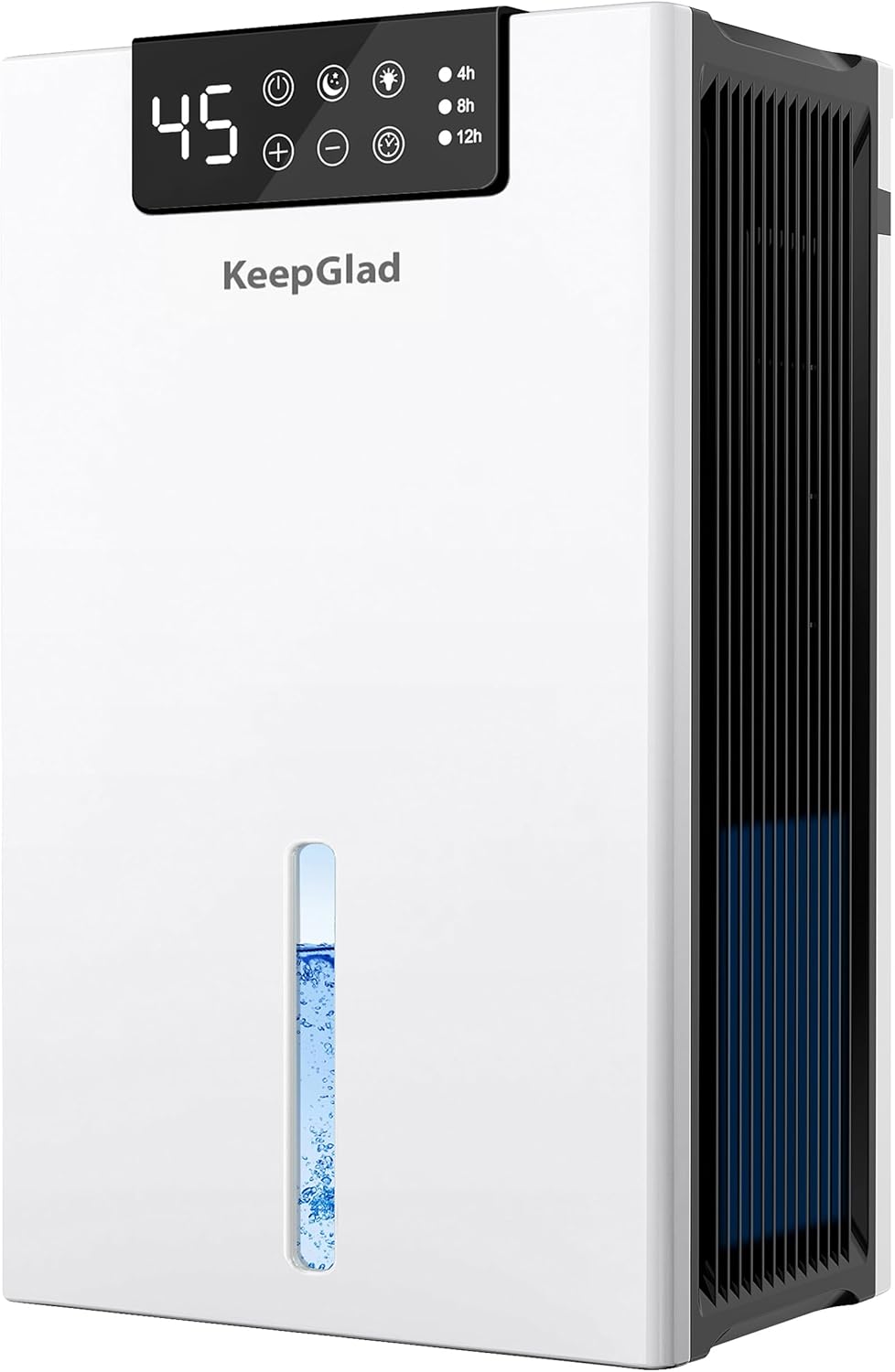
What to Look for When Buying Buying Guide
1. Capacity & Pint Rating
The most critical spec for any dehumidifier is its capacity, measured in pints per day (PPD)—the amount of moisture it can remove in 24 hours. In Florida’s humid environment, you’ll want a unit rated for at least 30–50 PPD for a standard 1,000–1,500 sq. ft. home. For larger spaces or basements with chronic dampness, consider 50–70 PPD models. Don’t be fooled by “coverage area” claims alone—manufacturers often base these on ideal conditions (70°F and 60% RH), which rarely reflect real-world Florida summers. Instead, match the pint rating to your home’s square footage and humidity level. A 30-pint unit might suffice for a small apartment, but a 50-pint or higher model is strongly recommended for single-family homes, especially if you have carpeted areas, poor ventilation, or frequent rain.
2. Energy Efficiency & ENERGY STAR Certification
Dehumidifiers run constantly in humid climates like Florida, so energy efficiency directly impacts your utility bills. Look for models with the ENERGY STAR label, which indicates they meet strict efficiency guidelines set by the U.S. Environmental Protection Agency. ENERGY STAR-certified dehumidifiers use 15–30% less energy than standard models, saving you $10–$30 annually depending on usage. Check the unit’s Energy Factor (EF), measured in liters of water removed per kilowatt-hour (L/kWh). Higher EF values mean better efficiency—aim for at least 1.5 L/kWh, with premium models reaching 2.0 or more. Also, consider units with auto-humidistats and timers that let the machine cycle off when optimal humidity (ideally 45–50%) is reached, preventing unnecessary runtime.
3. Humidity Control & Sensors
Precise humidity control is essential for maintaining a healthy indoor environment. Avoid basic “on/off” models—opt instead for units with built-in digital humidistats that allow you to set your desired humidity level (e.g., 45%, 50%). These sensors continuously monitor air moisture and automatically adjust fan speed or compressor operation to maintain consistency. Some advanced models even feature dual sensors (one in the air intake, one in the room) for more accurate readings. In Florida, where outdoor humidity fluctuates daily, this feature prevents over-drying (which wastes energy) or under-drying (which invites mold). Bonus points if the unit includes a real-time humidity display so you can monitor conditions at a glance.
4. Drainage Options & Tank Management
Emptying a full water tank every day is a hassle—and in Florida’s sticky climate, tanks fill fast. Look for models with continuous drainage options, such as a built-in pump or gravity-fed hose connection. A built-in condensate pump allows you to drain water vertically (e.g., into a sink or out a window), which is ideal for basements or rooms without floor drains. Gravity drainage works well if you can position the unit near a floor drain. If you prefer manual emptying, ensure the tank is easy to remove, has a secure handle, and holds at least 1–2 gallons. Auto-shutoff when the tank is full is non-negotiable—it prevents overflows and water damage. Some premium models even send smartphone alerts when the tank needs attention.
5. Noise Level & Operation Comfort
No one wants a noisy appliance disrupting their sleep or TV time. Dehumidifier noise is measured in decibels (dB)—lower is quieter. Aim for units under 50 dB for bedrooms or living areas; 50–55 dB is acceptable for basements or garages. Compressor-based models tend to be louder than desiccant types, but newer inverter compressors offer quieter, more efficient operation. Check manufacturer specs for “low fan” or “quiet mode” settings, which reduce noise during nighttime use. Real-world testing shows that some brands (like Frigidaire and hOmeLabs) prioritize acoustics, while others sacrifice quietness for raw power. If noise is a top concern, read verified user reviews—they often reveal how loud a unit actually is in daily use.
6. Build Quality & Durability
Florida’s salty air, high heat, and humidity demand a dehumidifier built to last. Look for corrosion-resistant components, such as coated coils, stainless steel hardware, and sealed electronics. Plastic casings should be thick and UV-stable to prevent yellowing or cracking. Internally, copper coils are more durable than aluminum, and sealed compressors reduce wear. Check warranty length—most reputable brands offer 1–2 years, but some (like AprilAire) provide 5-year coverage on key parts. Avoid ultra-cheap models with flimsy construction; they often fail within a year in humid environments. Investing in a well-built unit pays off in longevity and reliability, especially during peak summer months when you can’t afford downtime.
7. Smart Features & Connectivity
Modern dehumidifiers increasingly offer smart capabilities that enhance convenience and control. Wi-Fi-enabled models let you monitor and adjust settings via smartphone apps (e.g., GE Appliances SmartHQ, LG ThinQ). Features like remote scheduling, humidity alerts, and energy usage tracking help optimize performance. Some units integrate with voice assistants (Alexa, Google Assistant) for hands-free operation. While not essential, smart features are valuable for frequent travelers or those managing multiple properties. Just ensure the app is reliable and doesn’t require constant re-logins. Also, verify that core functions (like drainage and humidistat) work independently—don’t rely solely on app control during internet outages.
8. Brand Reputation & Customer Support
Not all dehumidifier brands are created equal. Stick with established manufacturers known for reliability and responsive customer service—think Frigidaire, GE, hOmeLabs, AprilAire, and LG. Read recent reviews (2023–2026) to gauge consistency; a brand may have great models one year and cut corners the next. Check warranty terms: Does it cover labor? Are replacement parts readily available? Can you get service in your area? Avoid obscure brands with no service network—you don’t want to ship a 50-pound unit across the country for repairs. Online forums and Reddit communities often reveal which brands honor warranties promptly and which drag their feet.
Different Types of Buying Guide
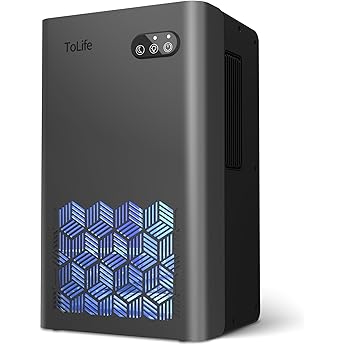
Common Buying Mistakes to Avoid

❌ Mistake: Buying Based Solely on Square Footage Claims
Why it’s bad: Manufacturers often advertise coverage areas that assume ideal conditions (70°F, 60% RH)—far drier than typical Florida summers. A unit rated for “2,000 sq. ft.” may struggle in a 1,200 sq. ft. home during August.
What to do instead: Prioritize pint-per-day (PPD) capacity over square footage. Use online calculators or consult HVAC pros to match PPD to your home’s actual humidity level and size.
❌ Mistake: Ignoring Drainage Needs
Why it’s bad: In high-humidity areas, tanks fill multiple times daily. Without continuous drainage, you’ll spend hours emptying buckets—or risk overflow and water damage.
What to do instead: Choose a model with a built-in pump or hose outlet. Even if you don’t need it now, future-proof your purchase for rainy seasons or basement use.
❌ Mistake: Overlooking Energy Efficiency
Why it’s bad: Running a dehumidifier 12+ hours daily in Florida can spike your electric bill by $20–$50/month if the unit is inefficient.
What to do instead: Always check for ENERGY STAR certification and compare Energy Factor (EF) ratings. A slightly higher upfront cost pays off in long-term savings.
❌ Mistake: Choosing the Cheapest Model Available
Why it’s bad: Budget units often use thin plastic, weak compressors, and lack essential features like auto-humidistats. Many fail within 6–12 months in humid climates.
What to do instead: Invest in a mid-range model ($250–$400) from a reputable brand. It’ll last longer, perform better, and cost less per year of use.
❌ Mistake: Not Considering Noise Levels
Why it’s bad: A loud dehumidifier can disrupt sleep, work, or relaxation—especially if placed in open-concept living areas.
What to do instead: Check decibel ratings and read user reviews about noise. Opt for models with “quiet mode” or inverter technology for nighttime use.
❌ Mistake: Skipping Warranty Research
Why it’s bad: Dehumidifiers have complex components (compressors, sensors, pumps) that can fail. Without warranty coverage, repairs cost hundreds.
What to do instead: Compare warranty lengths and terms before buying. Look for brands that cover both parts and labor for at least 1–2 years.
❌ Mistake: Assuming All Smart Features Are Useful
Why it’s bad: Some Wi-Fi models have buggy apps, poor connectivity, or unnecessary gimmicks that complicate operation.
What to do instead: Prioritize core functionality first. If you want smart features, choose models with reliable apps (e.g., GE, LG) and ensure offline operation is possible.
Budget Guidelines: How Much Should You Spend?
– Entry-Level ($100–$200): These basic compressor models (e.g., Eva-Dry, Ivation) offer 20–30 PPD capacity and simple on/off controls. They’re suitable for small spaces like closets or RVs but lack humidistats, pumps, or energy-saving features. Expect shorter lifespans (1–2 years) in Florida’s humidity. Best for temporary or supplemental use.
– Mid-Range ($200–$400): This is the sweet spot for most Florida homeowners. Units like the hOmeLabs 50 Pint or Frigidaire FFAD5033W1 offer 40–50 PPD, digital humidistats, auto-defrost, continuous drainage, and ENERGY STAR ratings. They balance performance, efficiency, and durability—ideal for 1,000–2,000 sq. ft. homes.
– Premium ($400–$700): Designed for demanding environments, these models (e.g., AprilAire E080, GE APER50LZ) feature 60–70 PPD capacity, built-in pumps, advanced filtration, and robust construction. They’re perfect for large homes, basements, or properties with chronic moisture issues. Many include 5-year warranties and smart connectivity.
– Luxury ($700+): Whole-house dehumidifiers (e.g., Santa Fe Ultra, AprilAire 1820) integrate with HVAC systems to treat entire homes centrally. They remove 80–150 PPD, require professional installation, and offer unmatched convenience and efficiency. Ideal for luxury homes, historic properties, or allergy sufferers needing pristine air quality.

Expert Tips for Getting the Best Deal
– Buy in Spring (March–May): Retailers often discount dehumidifiers before summer demand peaks. You’ll find better prices and wider selections than in July or August.
– Shop Online for Reviews & Prices: Websites like Amazon, Home Depot, and Lowe’s offer detailed specs, verified reviews, and price-matching. Use filters to compare ENERGY STAR models side-by-side.
– Check for Bundled Deals: Some retailers bundle dehumidifiers with air purifiers or extended warranties at a discount. These can add value if you need multiple appliances.
– Read Recent User Reviews: Focus on reviews from 2023–2026, especially those mentioning “Florida,” “humid,” or “basement.” They reveal real-world performance better than marketing claims.
– Test Return Policies: Ensure the seller offers at least a 30-day return window. If a unit underperforms or is too noisy, you’ll want hassle-free returns.
– Consider Refurbished Models: Certified refurbished units from brands like Frigidaire or GE often cost 20–30% less and come with full warranties. Just verify they’re inspected and cleaned.
– Negotiate with Local HVAC Pros: Some contractors sell dehumidifiers directly and may offer installation discounts or bundle deals with ductwork assessments.
– Monitor Energy Usage: Use a smart plug to track how much electricity your dehumidifier consumes. This helps verify manufacturer claims and optimize settings.

Frequently Asked Questions
Q: What humidity level should I maintain in my Florida home?
A: Aim for 45–50% relative humidity. Levels above 60% promote mold and dust mites, while below 40% can cause dry skin and static electricity. Use a hygrometer to monitor levels regularly.
Q: Can I use a dehumidifier in an unconditioned space like a garage?
A: Yes, but choose a model rated for low temperatures (down to 41°F). Standard compressor units may freeze or shut off in cold garages. Desiccant or cold-climate models work better.
Q: How often should I clean my dehumidifier?
A: Clean the air filter monthly and wipe the coil and tank every 2–3 months. In high-dust areas like Florida, more frequent cleaning prevents mold growth and maintains efficiency.
Q: Will a dehumidifier help with mold remediation?
A: It’s a critical part of the process—but not a standalone solution. Remove visible mold first, fix leaks, and then use a dehumidifier to prevent regrowth. Pair with an air purifier for best results.
Q: Do I need a dehumidifier if I have central AC?
A: Absolutely. While AC removes some moisture, it’s designed for cooling—not dehumidification. In humid climates, AC often can’t keep up, leaving indoor humidity too high. A dedicated dehumidifier complements your AC.
Q: Can I run my dehumidifier 24/7?
A: Yes, especially during rainy seasons. Modern units are built for continuous operation. Just ensure proper drainage and clean filters regularly to avoid strain.
Q: Are there dehumidifiers safe for pets and children?
A: Yes. Look for units with sealed components, no exposed heating elements, and child-lock features. Avoid models with strong chemical odors or ozone generators.
Q: What’s the difference between a dehumidifier and an air purifier?
A: A dehumidifier removes moisture; an air purifier removes particles like dust, pollen, and smoke. They serve different purposes—but using both creates healthier indoor air.
Q: How do I know if my dehumidifier is working properly?
A: Check the humidity level with a hygrometer. If it stays above your set point, the unit may be undersized, dirty, or malfunctioning. Also, listen for unusual noises or leaks.
Q: Can I install a whole-house dehumidifier myself?
A: Not recommended. These units require ductwork integration, electrical connections, and calibration by a licensed HVAC technician. DIY installation voids warranties and risks safety.
Our Final Recommendations
– Best for Budget-Conscious Buyers: hOmeLabs 30 Pint Dehumidifier – At under $200, it offers solid 30 PPD performance, a digital humidistat, and a 1.8-gallon tank. Great for apartments or supplemental use.
– Best Overall Value: Frigidaire FFAD5033W1 (50 Pint) – ENERGY STAR certified, 50 PPD, built-in pump option, and quiet operation. Consistently praised for reliability in humid climates.
– Best Premium Option: AprilAire E080 Pro – A 70-pint powerhouse with a built-in pump, corrosion-resistant design, and 5-year warranty. Ideal for large homes or basements.
– Best for Beginners: GE APER50LZ – Simple controls, Wi-Fi connectivity via SmartHQ app, and excellent customer support. Perfect for tech-savvy users new to dehumidifiers.
– Best for Advanced Users: Santa Fe Ultra70 – Whole-house capability, 70 PPD, and seamless HVAC integration. For those who want maximum control and minimal maintenance.
Conclusion: Making the Right Choice
Choosing the right dehumidifier for Florida isn’t just about buying an appliance—it’s about protecting your health, preserving your home, and improving your quality of life. From understanding pint ratings and energy efficiency to avoiding common pitfalls and leveraging smart features, this guide equips you with the knowledge to make a confident, informed decision. Remember: in a climate where humidity is a constant battle, your dehumidifier is one of your home’s most important defenders.
Don’t let marketing hype or low prices cloud your judgment. Prioritize performance, durability, and features that match your specific needs. Whether you’re cooling a cozy condo or managing a sprawling estate, there’s a dehumidifier built for your situation. Take the time to assess your space, read real reviews, and invest in a unit that will serve you reliably for years to come. Your lungs, your walls, and your peace of mind will thank you.
Ready to reclaim your indoor air? Start by measuring your room’s humidity, calculating your ideal pint capacity, and comparing our top recommendations. With the right dehumidifier, you can finally enjoy that Florida sunshine—without the sticky aftermath.