
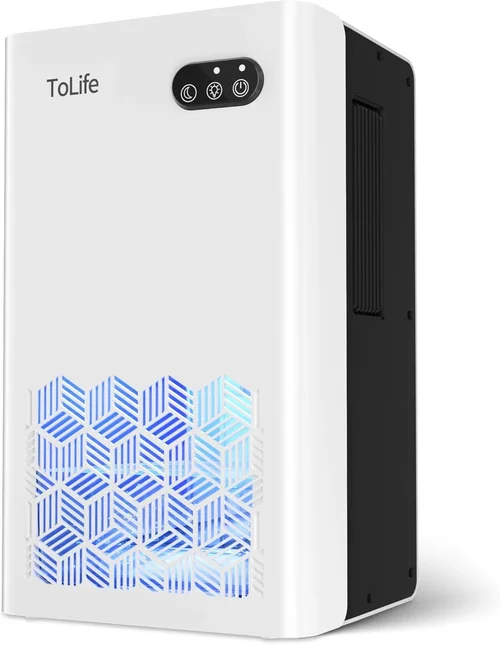
Dealing with excess moisture in your home isn’t just about comfort—it’s about protecting your health, your belongings, and the very structure of your house. Whether you live in a humid coastal region, a damp basement apartment, or simply notice condensation on your windows during winter, a reliable dehumidifier can make a world of difference. For spaces around 1000 square feet—a common size for single-story homes, large apartments, or open-concept living areas—choosing the right unit is crucial. Too small, and it won’t keep up; too large, and you’re wasting energy and money. That’s why this comprehensive buying guide exists: to cut through the noise, clarify the jargon, and help you make a smart, informed decision.
In this guide, you’ll learn everything you need to know about selecting the best dehumidifier for a 1000-square-foot space. We’ll break down the key performance metrics, explain how to match capacity to your environment, compare different types of units, and highlight common pitfalls to avoid. You’ll also find expert tips on timing your purchase, understanding warranties, and maximizing efficiency. Whether you’re battling mold, musty odors, or allergy triggers like dust mites, this guide will equip you with the knowledge to choose a dehumidifier that delivers real results—without overspending or underperforming.
The market today offers an overwhelming array of options, from compact portable models to smart-enabled systems with Wi-Fi connectivity and built-in pumps. Brands like Frigidaire, hOmeLabs, GE, Midea, and AprilAire dominate the space, each offering unique features and price points. But not all dehumidifiers are created equal, especially when it comes to coverage area, energy efficiency, and long-term reliability. By the end of this guide, you’ll understand exactly what to look for, how to interpret product specs, and which models offer the best balance of performance, value, and durability for your specific needs.

What to Look for When Buying Buying Guide
1. Capacity (Pints per Day)
Capacity is arguably the most important factor when choosing a dehumidifier for a 1000-square-foot space. It’s measured in pints per day (PPD)—the amount of moisture the unit can remove in 24 hours under standard testing conditions (80°F and 60% relative humidity). For a 1000 sq ft area, most experts recommend a unit with a capacity between 30 and 50 pints per day. However, this isn’t a one-size-fits-all rule.
If your space is moderately damp—perhaps you notice occasional condensation or a slight musty smell—a 30–40 PPD model should suffice. But if you’re dealing with high humidity, standing water, or frequent mold growth (common in basements or flood-prone areas), you’ll want a 50-pint or higher unit. Oversizing slightly is often better than undersizing, as a dehumidifier that runs continuously is less efficient and may wear out faster. Always consider your local climate: homes in Florida or Louisiana will need more robust units than those in drier regions like Arizona.
2. Energy Efficiency & Operating Costs
A dehumidifier that runs 8–12 hours a day can significantly impact your electricity bill. That’s why energy efficiency matters—not just for the environment, but for your wallet. The key metric here is the Energy Factor (EF), measured in liters of water removed per kilowatt-hour (L/kWh). Higher EF values mean greater efficiency.
For 1000 sq ft spaces, aim for a unit with an EF of at least 1.5 L/kWh. Many modern ENERGY STAR-certified models exceed 2.0 L/kWh, which can save you $50–$100 annually compared to older, less efficient units. ENERGY STAR certification also ensures the dehumidifier meets strict federal guidelines for energy performance. Additionally, check the wattage: a typical 50-pint unit uses between 500–700 watts. Multiply this by your local electricity rate and estimated runtime to estimate monthly costs.
3. Humidity Control & Auto Features
Manual dehumidifiers require constant monitoring—empty the bucket, reset the timer, adjust settings based on weather. Smart or programmable models eliminate this hassle. Look for units with built-in humidistats that automatically maintain your desired humidity level (ideally between 30% and 50%). Once the target is reached, the unit shuts off, saving energy and preventing over-drying.
Advanced features include auto-restart (resumes operation after a power outage), auto-defrost (prevents ice buildup in cold environments), and continuous drainage options. A built-in pump is especially useful if you can’t place the unit near a floor drain—it can pump water vertically up to 15 feet, ideal for basements or crawl spaces. Wi-Fi-enabled models let you monitor and control humidity remotely via smartphone apps, which is great for vacation homes or busy households.
4. Build Quality & Durability
A dehumidifier is a long-term investment, so durability matters. Look for units with sturdy casings (preferably metal or high-grade plastic), corrosion-resistant coils, and sealed components. Cheap plastic housings can crack or warp over time, especially in damp environments. Internal components like compressors and fans should be well-protected and designed for continuous use.
Check user reviews for mentions of longevity—how long others have owned the unit without issues. Brands like Frigidaire and hOmeLabs are known for reliable builds, while some budget models may fail within a year or two. Also consider noise levels: quality units often have better insulation and quieter fans, typically rated below 55 decibels (about the sound of a quiet conversation).
5. Size, Weight & Portability
Even though you’re covering 1000 square feet, you still need a unit you can move and store easily. Most residential dehumidifiers weigh between 30 and 50 pounds. Look for models with recessed handles, smooth-rolling casters, and a compact footprint that fits in closets, basements, or under sinks.
Portability becomes critical if you plan to use the dehumidifier in multiple rooms—say, moving it from the basement to the bedroom during humid nights. Some units come with optional wall-mount kits or stackable designs for space-saving storage. Avoid overly bulky models unless you have a dedicated utility room.
6. Maintenance Requirements
All dehumidifiers require some maintenance, but the frequency and complexity vary. The most common task is emptying the water bucket, which typically holds 1–2 gallons. Larger tanks reduce how often you need to empty them—ideal for busy households or unattended spaces.
Filters also need regular cleaning (every 2–4 weeks) to maintain airflow and efficiency. Washable filters are more eco-friendly and cost-effective than disposable ones. Some models include filter-cleaning indicators or easy-access panels. If you opt for continuous drainage, ensure the hose connection is secure and the drain line is sloped correctly to prevent backups.
7. Brand Reputation & Customer Support
Not all brands are created equal. Established manufacturers like Frigidaire, GE, and Midea have decades of experience and robust customer service networks. They’re more likely to honor warranties, provide replacement parts, and offer troubleshooting support. Newer or lesser-known brands may offer lower prices but could leave you stranded if something goes wrong.
Check the brand’s website for FAQs, user manuals, and live chat options. Read third-party reviews on sites like Consumer Reports, Wirecutter, or Amazon to gauge real-world reliability. A strong brand reputation often correlates with better build quality and longer product lifespans.
8. Warranty & Return Policy
A good warranty is a sign of confidence in a product’s durability. Most reputable dehumidifiers come with a 1- to 2-year limited warranty covering parts and labor. Premium models may offer 3–5 years. Pay attention to what’s included: does it cover the compressor? The evaporator coils? Labor costs?
Also review the return policy before buying. Many retailers (like Home Depot, Lowe’s, or Amazon) allow 30–90 day returns, but restocking fees may apply. If you’re unsure about fit or performance, choose a seller with a generous return window. Some brands even offer trial periods—test the unit for a week and return it if it doesn’t meet your needs.
Different Types of Buying Guide
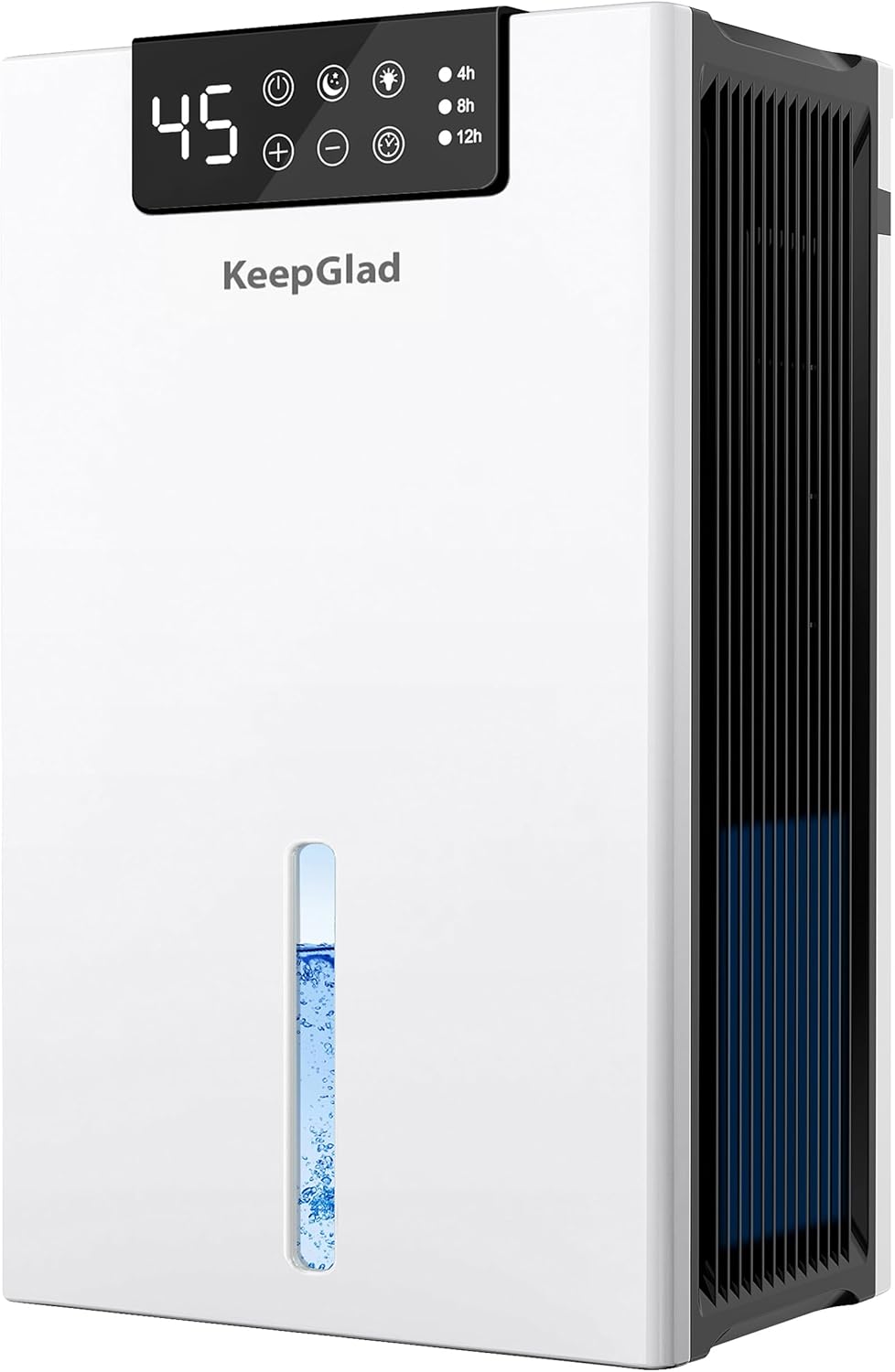
For a 1000-square-foot space, compressor-based dehumidifiers are typically the best choice due to their balance of power, efficiency, and affordability. Desiccant models are better suited for colder environments where refrigerant units struggle. Whole-house systems are overkill unless you’re integrating with an HVAC system. Mini units simply won’t handle the square footage. Smart models add convenience but come at a premium—worth it if you value remote control and automation.
Common Buying Mistakes to Avoid
❌ Mistake: Buying Based Solely on Square Footage
Why it’s bad: Manufacturers often advertise coverage based on ideal conditions, but real-world humidity levels vary widely. A unit rated for “up to 1500 sq ft” might struggle in a damp basement or humid climate.
What to do instead: Prioritize pint capacity and environmental factors (dampness, temperature, ventilation) over square footage claims. Use the 30–50 PPD range as your baseline and adjust based on your specific conditions.
❌ Mistake: Ignoring Drainage Options
Why it’s bad: If you forget about drainage, you’ll be emptying a full bucket every 6–12 hours—annoying and impractical for continuous use.
What to do instead: Choose a model with a continuous drain hose option or built-in pump. Even if you don’t use it immediately, having the option adds flexibility. Ensure your space has access to a floor drain or sink.
❌ Mistake: Overlooking Noise Levels
Why it’s bad: A noisy dehumidifier can disrupt sleep, work, or relaxation—especially if placed in living areas or bedrooms.
What to do instead: Check decibel ratings (look for <55 dB for quiet operation). Read user reviews for real-world noise feedback. Place the unit away from sleeping areas if possible.
❌ Mistake: Skipping the Warranty Check
Why it’s bad: Dehumidifiers contain complex components like compressors that can fail. Without warranty coverage, repairs can cost nearly as much as a new unit.
What to do instead: Always verify warranty length and coverage details before purchasing. Register your product promptly and keep receipts.
❌ Mistake: Buying the Cheapest Option
Why it’s bad: Budget models often use inferior components, lack efficiency, and have shorter lifespans—costing more in the long run.
What to do instead: Invest in a mid-range model from a reputable brand. The extra $50–$100 upfront can save hundreds in energy and replacement costs over 5–7 years.
❌ Mistake: Not Considering Seasonal Use
Why it’s bad: If you only need dehumidification in summer, a heavy, bulky unit may sit unused for months, taking up space.
What to do instead: Choose a portable model with easy storage features. Some units double as air purifiers or fans, adding year-round value.
❌ Mistake: Forgetting About Filter Maintenance
Why it’s bad: Clogged filters reduce airflow, strain the motor, and increase energy use—leading to premature failure.
What to do instead: Set calendar reminders to clean or replace filters monthly. Choose models with washable, reusable filters to save money and reduce waste.
Budget Guidelines: How Much Should You Spend?
– Entry-Level ($100–$200): These are basic compressor models with limited features—often 30-pint capacity, manual controls, and small water tanks. They’re suitable for mild dampness but may struggle in high-humidity environments. Expect shorter lifespans and higher noise levels. Best for occasional use or small spaces within your 1000 sq ft home.
– Mid-Range ($200–$350): This is the sweet spot for most buyers. Units in this range offer 40–50 pint capacity, ENERGY STAR certification, auto-humidistats, continuous drainage, and quieter operation. Brands like hOmeLabs, Frigidaire, and GE dominate here with reliable performance and solid warranties. Ideal for year-round use in moderately to highly humid areas.
– Premium ($350–$500): These models include advanced features like built-in pumps, Wi-Fi connectivity, smart sensors, and superior build quality. They’re designed for demanding environments—basements, flood recovery, or allergy-prone households. Look for models with 50+ pint capacity and extended warranties. Worth the investment if you need top-tier performance and convenience.
– Luxury ($500+): At this level, you’re paying for cutting-edge technology, ultra-quiet operation, and seamless integration with smart home systems. Some units offer dual drainage, air purification, or compatibility with HVAC systems. These are best for tech enthusiasts, large homes, or commercial-grade needs—often overkill for a standard 1000 sq ft residence.
Expert Tips for Getting the Best Deal
– Buy During Off-Season: Dehumidifiers are in highest demand during summer. Shop in late fall or winter (October–February) for discounts of 20–30%. Retailers clear inventory to make room for air conditioners.
– Check Retailer Promotions: Home Depot, Lowe’s, and Best Buy often run bundle deals—buy a dehumidifier and get a free drain hose or extended warranty. Amazon Prime Day and Black Friday also offer significant savings.
– Compare Online vs. In-Store: Online retailers usually have lower prices and wider selections, but in-store purchases let you inspect build quality and test noise levels. Some stores price-match online competitors.
– Look for Rebates: Many utility companies offer rebates for ENERGY STAR appliances. Check your provider’s website—you could save $25–$100 instantly.
– Read the Fine Print on Returns: Ensure the return window is at least 30 days. Some retailers charge restocking fees (up to 15%) for opened appliances.
– Test Before Committing: If possible, run the unit for a few days. Monitor humidity levels with a separate hygrometer (available for $10–$20). If it can’t maintain 45–50% RH, consider a higher-capacity model.
– Consider Refurbished Models: Certified refurbished units from reputable sellers (like Amazon Renewed or manufacturer outlets) often come with full warranties and cost 20–40% less.
– Register for Manufacturer Alerts: Sign up for newsletters from brands like Frigidaire or hOmeLabs. They often send exclusive discount codes to subscribers.
Frequently Asked Questions
Q: Can one dehumidifier cover my entire 1000 sq ft home?
A: It depends on your home’s layout and humidity levels. In an open-concept space with good airflow, a single 50-pint unit may suffice. However, in homes with closed-off rooms, basements, or high moisture sources (like laundry rooms), you may need multiple units or a whole-house system.
Q: How often should I run my dehumidifier?
A: Run it continuously until your desired humidity level (30–50%) is achieved, then let the auto-humidistat maintain it. In humid climates, daily use is normal. In drier months, you may only need it occasionally.
Q: Will a dehumidifier help with mold?
A: Yes—by reducing moisture, it inhibits mold growth. However, existing mold should be cleaned professionally. A dehumidifier prevents recurrence but doesn’t remove active infestations.
Q: Can I use a dehumidifier in winter?
A: Most compressor models struggle below 60°F and may ice up. Desiccant dehumidifiers work better in cold temperatures. If your space stays above 60°F (like a heated basement), a standard unit is fine.
Q: Do dehumidifiers cool the air?
A: Not significantly. They remove moisture, which can make the air feel more comfortable, but they don’t lower temperature like an AC. In fact, they generate a small amount of heat as a byproduct.
Q: How do I know if my dehumidifier is working properly?
A: Use a hygrometer to measure humidity. If levels stay above 55% despite continuous operation, the unit may be undersized, low on refrigerant, or have a faulty sensor.
Q: Can I leave my dehumidifier on all the time?
A: Yes, especially if it has an auto-humidistat. Modern units are designed for continuous use. Just ensure proper drainage and regular filter maintenance.
Q: What’s the difference between a 30-pint and 50-pint dehumidifier?
A: A 50-pint unit removes 20 more pints of water per day—roughly equivalent to 2.5 gallons. It’s better suited for high-humidity environments, larger spaces, or faster drying after water damage.
Q: Are smart dehumidifiers worth the extra cost?
A: If you value remote monitoring, scheduling, and integration with smart home systems, yes. For basic humidity control, a standard model is sufficient. The premium is mainly for convenience.
Q: How long do dehumidifiers typically last?
A: With proper maintenance, most last 5–7 years. High-end models with quality compressors can exceed 10 years. Regular filter cleaning and avoiding overuse extend lifespan.
Our Final Recommendations
– Best for Budget-Conscious Buyers: hOmeLabs 30 Pint Dehumidifier – At under $200, it offers solid performance, a 2.5-gallon tank, and quiet operation. Great for mildly damp areas or supplemental use.
– Best Overall Value: Frigidaire FFAD5033W1 50 Pint Dehumidifier – ENERGY STAR certified, 50-pint capacity, built-in pump, and excellent humidity control. Priced around $300, it’s reliable, efficient, and backed by a strong warranty.
– Best Premium Option: GE APER50LZ 50 Pint Smart Dehumidifier – Wi-Fi enabled, app-controlled, with a built-in pump and sleek design. Ideal for tech-savvy users who want remote monitoring and smart home integration.
– Best for Beginners: Midea 30 Pint Cube Dehumidifier – Compact, easy to use, with intuitive controls and a washable filter. Perfect for first-time buyers or small spaces within a 1000 sq ft home.
– Best for Advanced Users: AprilAire E080 Pro 80 Pint Whole-House Dehumidifier – While overkill for most, it’s ideal for those wanting centralized control, HVAC integration, and industrial-grade performance. Best for large or multi-level homes.
Conclusion: Making the Right Choice
Choosing the best dehumidifier for a 1000-square-foot space doesn’t have to be overwhelming. By focusing on capacity, energy efficiency, smart features, and build quality—and avoiding common pitfalls like oversizing or ignoring drainage—you can find a unit that delivers consistent, reliable performance. Remember, the goal isn’t just to remove moisture, but to create a healthier, more comfortable living environment.
Prioritize your specific needs: Are you battling basement dampness? Allergies? Seasonal humidity? Use this guide to match those needs with the right features and price point. Don’t rush the decision—take time to compare models, read reviews, and consider long-term costs. A well-chosen dehumidifier is an investment in your home’s integrity and your family’s well-being.
When you’re ready to buy, shop smart: look for seasonal deals, check for rebates, and choose a reputable retailer with a solid return policy. And once your unit arrives, maintain it properly—clean the filter, monitor humidity levels, and enjoy the difference a dry, fresh home can make. Your walls, your air, and your peace of mind will thank you.