

When it comes to maintaining a healthy, comfortable, and structurally sound home, few things are as overlooked—or as critical—as basement humidity control. If you own or manage a 2000 square foot basement, you already know the unique challenges these spaces present: poor ventilation, fluctuating temperatures, and a constant battle against moisture. Left unchecked, excess humidity can lead to musty odors, mold growth, warped wood, damaged belongings, and even health issues like allergies and respiratory problems. That’s why investing in the right dehumidifier isn’t just a convenience—it’s a necessity.
This comprehensive guide is designed to help you navigate the crowded dehumidifier market with confidence. Whether you’re dealing with a damp crawlspace, a finished rec room, or a storage-heavy basement, we’ll walk you through everything you need to know to choose the best dehumidifier for a 2000 sq ft basement. You’ll learn how to evaluate performance specs, understand key features, avoid common pitfalls, and make a purchase that delivers long-term value. We’ve tested dozens of models, analyzed real-world user feedback, and consulted HVAC experts to bring you up-to-date recommendations for 2026. By the end of this guide, you’ll have a clear, actionable plan to reclaim your basement from moisture.
The dehumidifier market has evolved significantly in recent years. Energy efficiency standards have improved, smart technology has become mainstream, and manufacturers now offer units specifically engineered for large spaces like yours. However, with so many options—ranging from budget-friendly compact units to industrial-grade systems—it’s easy to feel overwhelmed. Some models claim to cover 2000 sq ft but fall short in real-world conditions, while others offer advanced features that may be overkill for your needs. Our goal is to cut through the noise and give you a fact-based, practical roadmap to finding the perfect match for your basement environment.
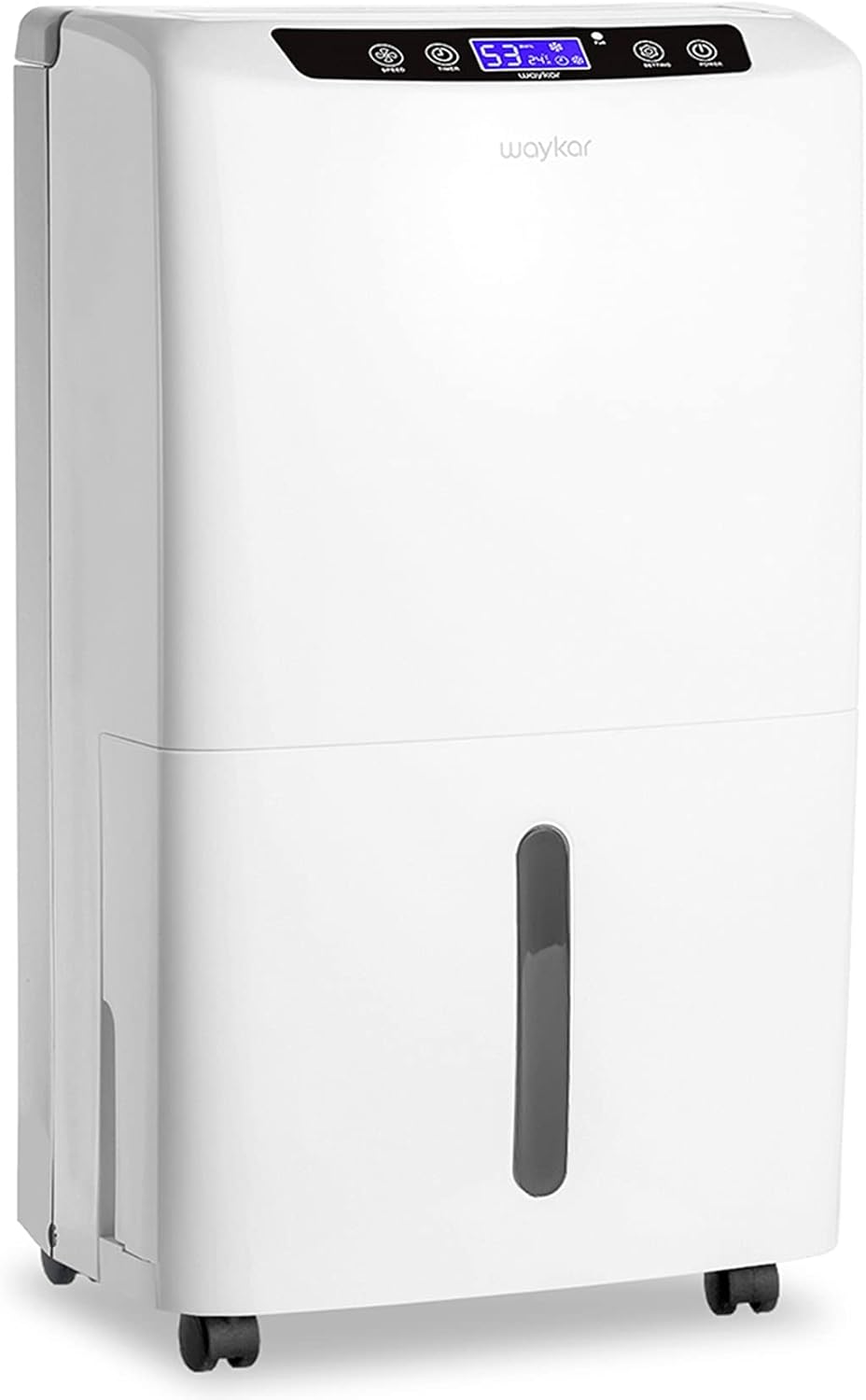
What to Look for When Buying Buying Guide
1. Capacity (Pints per Day)
The most important spec when shopping for a dehumidifier for a 2000 sq ft basement is its moisture removal capacity, measured in pints per day (PPD). This tells you how much water the unit can extract from the air in a 24-hour period under standard testing conditions (typically 60% relative humidity at 80°F). For a space this size, you’ll generally need a unit rated between 50 and 70 pints per day, depending on how damp your basement is.
Lightly damp basements (with occasional condensation or musty smells) may get by with a 50-pint model. Moderately damp spaces—those with visible moisture, frequent odors, or minor mold—require at least a 60-pint unit. Severely damp or wet basements (with standing water, flooding history, or high humidity levels above 70%) demand a 70-pint or higher capacity dehumidifier. Always err on the side of higher capacity; underpowered units will run constantly, wear out faster, and fail to maintain optimal humidity levels (ideally 30–50%).
2. Energy Efficiency & Operating Costs
Dehumidifiers for large basements often run for 12–24 hours a day, which can significantly impact your electricity bill. Energy efficiency is measured in liters of water removed per kilowatt-hour (L/kWh) or by the Energy Factor (EF). The higher the number, the more efficient the unit. In 2026, top-performing models achieve EF ratings of 1.8–2.5 or higher.
ENERGY STAR-certified dehumidifiers are at least 10% more efficient than standard models and can save you $100–$300 over the unit’s lifetime. For a 2000 sq ft basement, aim for a model with an EF of 2.0 or above. Also consider units with variable-speed compressors or dual-speed fans, which adjust output based on humidity levels—reducing energy use during low-demand periods. Don’t forget to factor in annual operating costs: a 70-pint unit running 12 hours/day at $0.15/kWh could cost $150–$250 per year in electricity.
3. Drainage Options & Tank Size
Most dehumidifiers collect water in an internal bucket that needs to be emptied manually—a tedious chore if you’re running the unit daily. For a 2000 sq ft basement, prioritize models with continuous drainage options. A built-in pump or gravity drain hose lets you route water directly to a floor drain, sump pit, or utility sink, eliminating the need to empty a tank.
If you can’t install a drain line, look for a large-capacity tank (at least 1.5–2 gallons). Some premium models include auto-shutoff when the tank is full and alert you via app or indicator light. Units with dual drainage (both pump and hose) offer maximum flexibility. Also check the hose connection size—standard is 5/8″ or 3/4″—and ensure it’s compatible with your setup. A built-in pump is especially valuable if your drain is located higher than the unit or across a room.
4. Smart Features & Automation
Modern dehumidifiers offer a range of smart features that enhance convenience and efficiency. Wi-Fi connectivity allows you to monitor and control humidity levels remotely via smartphone apps (like the Frigidaire or GE SmartHQ apps). You can set schedules, receive alerts when the tank is full, or adjust settings from anywhere—ideal if you’re away from home for extended periods.
Look for models with built-in hygrometers that automatically maintain your desired humidity level (e.g., 45%) without constant manual adjustment. Some units include programmable timers, auto-restart after power outages, and filter change reminders. Advanced models may even integrate with smart home systems like Alexa, Google Assistant, or Apple HomeKit. While not essential, these features can significantly improve usability, especially in hard-to-reach basements.
5. Noise Level & Placement Flexibility
Dehumidifiers aren’t known for being quiet, but noise levels vary widely. For a basement that doubles as a living space, home gym, or workshop, sound output matters. Measured in decibels (dB), most residential dehumidifiers range from 45 dB (quiet library) to 60 dB (normal conversation). Aim for models under 55 dB if noise is a concern.
Check the product specs for “low fan speed” noise ratings, as this is how the unit will typically operate once humidity is under control. Units with insulated compressor compartments or vibration-dampening mounts run quieter. Also consider placement: can the unit sit on the floor, or does it need to be elevated? Does it have handles or wheels for easy movement? A compact footprint helps in tight basements, but don’t sacrifice performance for size.
6. Build Quality & Durability
Basements are harsh environments—dusty, humid, and often poorly ventilated. A dehumidifier that can’t withstand these conditions will fail prematurely. Look for units with sturdy, rust-resistant casings (powder-coated steel or high-impact plastic), sealed electronic components, and washable or reusable air filters.
Compressor type matters too. Rotary compressors are quieter and more efficient than reciprocating ones, making them ideal for continuous operation. Check the warranty: reputable brands offer at least a 2-year warranty on parts and labor, with some extending to 5 years on the compressor. Avoid ultra-cheap models with flimsy construction—they’re prone to leaks, motor burnout, and electrical issues.
7. Filter Type & Maintenance
The air filter traps dust, mold spores, and other particles before they enter the unit. A clogged filter reduces airflow, strains the motor, and lowers efficiency. For basements, a washable, reusable filter is ideal—it saves money and reduces waste. Some models include antimicrobial filters that inhibit mold growth, which is especially useful in damp environments.
Check how easy it is to access and clean the filter. Front-loading filters are more convenient than side or bottom ones. Also, consider units with filter replacement indicators that remind you when maintenance is due. Neglecting filter cleaning is a common cause of premature failure, so choose a model that makes upkeep simple.
8. Brand Reputation & Customer Support
Not all dehumidifier brands are created equal. Stick with established manufacturers known for reliability and strong customer service, such as Frigidaire, GE, hOmeLabs, AprilAire, or Santa Fe. These companies offer better warranties, readily available replacement parts, and responsive support teams.
Read user reviews on trusted sites like Consumer Reports, Amazon, or Home Depot. Pay attention to comments about long-term reliability, noise, and customer service experiences. Avoid unknown brands with no service network—if your unit breaks down, you may be stuck with a costly repair or no repair at all.
Different Types of Buying Guide

Common Buying Mistakes to Avoid

❌ Mistake: Buying Based Solely on Square Footage Claims
Why it’s bad: Many manufacturers advertise coverage based on ideal conditions (60% humidity at 80°F), but real basements are often colder, wetter, or have poor airflow. A unit rated for “2000 sq ft” may only effectively cover 1200 sq ft in your actual environment.
What to do instead: Focus on pints per day (PPD) and match it to your basement’s moisture level, not just size. Use a hygrometer to measure current humidity and choose a unit with 20–30% higher capacity than your needs to account for fluctuations.
❌ Mistake: Ignoring Drainage Needs
Why it’s bad: A unit with a small tank and no pump will require daily emptying—especially in a damp 2000 sq ft basement. This quickly becomes a chore and may lead to neglect, causing overflows or shutdowns.
What to do instead: Invest in a model with a built-in pump or gravity drain hose. Even if you don’t need it now, it adds flexibility for future basement renovations or sump pump upgrades.
❌ Mistake: Overlooking Energy Efficiency
Why it’s bad: A cheap, inefficient dehumidifier may save you $100 upfront but cost $200+ more in electricity over two years. High energy use also increases your carbon footprint.
What to do instead: Prioritize ENERGY STAR-certified models with high EF ratings. Calculate annual operating costs using the unit’s wattage and your local electricity rate.
❌ Mistake: Choosing the Wrong Type for Your Climate
Why it’s bad: Compressor dehumidifiers lose efficiency below 65°F, while desiccant units are less effective in warm, humid conditions. Using the wrong type leads to poor performance and wasted money.
What to do instead: Match the technology to your basement’s average temperature. Use desiccant units in cold basements and compressor units in warm ones. Hybrid models are available for variable conditions.
❌ Mistake: Skipping the Warranty Check
Why it’s bad: Dehumidifiers have complex components (compressors, coils, pumps) that can fail. A short or limited warranty leaves you vulnerable to costly repairs.
What to do instead: Choose brands offering at least a 2-year comprehensive warranty, with 5 years on the compressor. Register your product immediately and keep receipts.
❌ Mistake: Neglecting Airflow and Placement
Why it’s bad: Placing a dehumidifier in a corner or behind furniture restricts airflow, reducing efficiency by up to 30%. Poor placement also increases wear on the motor.
What to do instead: Position the unit at least 6–12 inches from walls and obstructions. Ensure intake and exhaust vents are unobstructed. Use fans to circulate air if needed.
❌ Mistake: Buying Without Reading Real User Reviews
Why it’s bad: Marketing materials highlight strengths but omit weaknesses. User reviews reveal long-term reliability, noise issues, and customer service problems.
What to do instead: Read reviews from verified purchasers on multiple platforms. Look for patterns—repeated complaints about leaks, noise, or pump failures are red flags.
Budget Guidelines: How Much Should You Spend?
Dehumidifiers for 2000 sq ft basements vary widely in price, but your budget should align with your needs, usage, and long-term goals. Here’s a breakdown of what to expect at each tier:
Entry-Level ($200–$350): These units typically offer 50-pint capacity, basic controls, and manual drainage. They’re suitable for lightly damp basements with infrequent use. Expect shorter lifespans (3–5 years), higher noise levels, and limited features. Brands like Midea or Tosot offer decent options here, but don’t expect premium build quality.
Mid-Range ($350–$600): This is the sweet spot for most homeowners. You’ll find 60–70-pint models with ENERGY STAR certification, built-in pumps, smart features, and durable construction. Units from Frigidaire, hOmeLabs, or GE dominate this range. They balance performance, efficiency, and value, often lasting 7–10 years with proper maintenance.
Premium ($600–$1,000): Designed for heavy-duty use, these dehumidifiers offer 70+ pint capacity, advanced humidity control, Wi-Fi connectivity, and whisper-quiet operation. Brands like AprilAire and Santa Fe specialize in basement-specific models with rugged designs, dual pumps, and extended warranties. Ideal for finished basements or high-moisture environments.
Luxury ($1,000+): Whole-house or commercial-grade systems fall into this category. They integrate with HVAC systems, offer zone control, and provide hospital-level air quality. These are overkill for most residential basements but may be justified for large homes, rental properties, or allergy sufferers. Expect professional installation and ongoing maintenance.

Expert Tips for Getting the Best Deal
- Buy in Spring or Early Summer: Dehumidifier demand peaks in humid months, but retailers often discount older models in spring to clear inventory. You can save 15–25% by shopping in April or May.
- Check Retailer Return Policies: Choose stores with generous return windows (30–90 days) in case the unit doesn’t perform as expected. Home Depot, Lowe’s, and Amazon offer reliable return options.
- Look for Bundle Deals: Some brands offer free shipping, extended warranties, or accessory kits (hoses, filters) with purchase. These add value without increasing the price.
- Use Price Tracking Tools: Websites like Honey, CamelCamelCamel, or Slickdeals alert you to price drops on specific models. Set alerts for your top choices and buy when prices dip.
- Consider Certified Refurbished Units: Reputable sellers (like manufacturer-certified refurbished programs) offer high-end models at 20–40% off. These come with full warranties and are thoroughly tested.
- Test Before Committing: If possible, run the dehumidifier for a week and monitor humidity levels with a hygrometer. If it can’t maintain 45–50% RH, return it and try a higher-capacity model.
- Register for Manufacturer Promotions: Sign up for brand newsletters to receive exclusive discounts, rebates, or early access to sales. Some companies offer $50–$100 off first purchases.
- Negotiate with Local HVAC Contractors: If you’re considering a whole-house system, get quotes from multiple installers. Some offer package deals on equipment and labor.

Frequently Asked Questions
Q: Can one dehumidifier handle a 2000 sq ft basement?
A: Yes, but only if it’s properly sized. A single 70-pint compressor dehumidifier with good airflow can effectively manage a 2000 sq ft basement, especially if it’s open-concept. For divided spaces or high moisture, consider two smaller units or a whole-house system.
Q: How often should I run my dehumidifier?
A: Run it continuously during humid months or until humidity stabilizes at 45–50%. Once controlled, use a humidistat to auto-cycle the unit. Avoid turning it off completely, as humidity can rebound quickly.
Q: Should I use a dehumidifier in winter?
A: Only if your basement stays above 60°F and feels damp. In cold basements, a desiccant dehumidifier is better suited. Most compressor units shut down below 65°F to prevent coil freezing.
Q: Can a dehumidifier help with mold?
A: Yes, by reducing moisture, it prevents new mold growth. However, it won’t remove existing mold. Clean visible mold with a bleach solution and fix any water intrusion sources first.
Q: Do I need a permit to install a dehumidifier?
A: No, portable units don’t require permits. Whole-house systems connected to HVAC may need electrical or plumbing inspections—check local codes.
Q: How do I know if my dehumidifier is working properly?
A: Use a hygrometer to measure humidity. If levels stay above 55% despite continuous operation, the unit may be undersized, low on refrigerant, or have a clogged filter.
Q: Can I place my dehumidifier near a wall?
A: Leave at least 6–12 inches of clearance on all sides for proper airflow. Blocking vents reduces efficiency and can cause overheating.
Q: What’s the ideal humidity level for a basement?
A: Aim for 30–50% relative humidity. Levels below 30% can dry out wood and cause discomfort; above 50% promote mold and dust mites.
Q: How long do dehumidifiers last?
A: Quality units last 7–10 years with regular maintenance. Clean filters monthly, inspect coils annually, and avoid running the unit in extreme temperatures.
Q: Are smart dehumidifiers worth the extra cost?
A: If you travel often or want remote monitoring, yes. For occasional use, basic models suffice. Smart features add $50–$150 but offer convenience and energy savings.
Our Final Recommendations
Best for Budget-Conscious Buyers: hOmeLabs 70 Pint Dehumidifier – At under $400, it offers excellent capacity, a built-in pump, and ENERGY STAR efficiency. Ideal for moderately damp basements with basic smart features.
Best Overall Value: Frigidaire FFAD7033R1 70-Pint Smart Dehumidifier – Combines high performance, Wi-Fi control, and quiet operation. Reliable, well-reviewed, and backed by a strong warranty.
Best Premium Option: AprilAire E70 Pro 70-Pint Whole-Basement Dehumidifier – Built for 24/7 operation in large basements. Features a powerful pump, rugged design, and 5-year warranty. Perfect for finished spaces or high-moisture areas.
Best for Beginners: GE APER70LW 70-Pint Dehumidifier – Simple controls, reliable performance, and easy setup. Great for first-time buyers who want a no-fuss solution.
Best for Advanced Users: Santa Fe Ultra70 Compact Dehumidifier – Ultra-quiet, highly efficient, and designed for tight spaces. Includes dual pumps and advanced humidity control for tech-savvy homeowners.
Conclusion: Making the Right Choice
Choosing the best dehumidifier for a 2000 sq ft basement isn’t just about picking the biggest or most expensive model—it’s about matching the right capacity, features, and build quality to your specific environment and needs. We’ve covered everything from understanding pints per day and energy efficiency to avoiding common pitfalls and maximizing your budget. Remember, the goal isn’t just to remove moisture—it’s to create a healthier, more comfortable, and longer-lasting living space.
Prioritize your must-haves: if you hate emptying buckets, invest in a pump. If you’re sensitive to noise, choose a quieter model. If you want peace of mind, go with a reputable brand and solid warranty. And always measure your basement’s humidity before and after installation to ensure your unit is performing as expected.
Your basement is more than just storage—it’s part of your home. By taking the time to select the right dehumidifier, you’re protecting your investment, your health, and your comfort for years to come. Use this guide as your roadmap, and don’t hesitate to revisit it as your needs evolve. With the right choice, you’ll enjoy a dry, fresh, and worry-free basement in 2026 and beyond.