
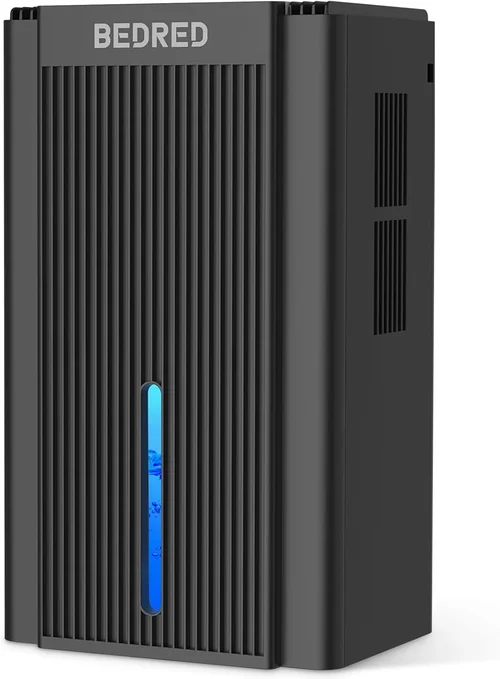
Dealing with excess moisture in your home isn’t just about comfort—it’s about health, safety, and protecting your investment. Whether you’re battling musty odors in a basement, preventing mold growth in a bedroom, or trying to keep your 400 sq ft space feeling fresh and dry, a reliable dehumidifier can make all the difference. But with so many models flooding the market—each boasting different capacities, features, and price points—it’s easy to feel overwhelmed. That’s exactly why this guide exists: to cut through the noise and help you find the right dehumidifier for your specific needs.
In this comprehensive buying guide, we’ll walk you through everything you need to know before making a purchase. You’ll learn how to evaluate performance specs like pint removal capacity and energy efficiency, understand the importance of build quality and smart features, and avoid common pitfalls that lead to buyer’s remorse. We’ll also break down the best options across budget tiers, share expert tips for getting the most value, and answer frequently asked questions based on real user experiences. By the end, you won’t just have a list of products—you’ll have a clear, informed strategy for choosing a dehumidifier that delivers lasting results in your 400 sq ft room.
The dehumidifier market has evolved significantly over the past few years. Compact, energy-efficient models now rival older, bulkier units in performance while offering quieter operation and smarter controls. Brands like Frigidaire, hOmeLabs, GE, and Tosot have raised the bar with features like auto-humidistats, continuous drainage, and Wi-Fi connectivity—even in mid-range units. At the same time, entry-level options have become more accessible without sacrificing core functionality. This means there’s never been a better time to invest in a dehumidifier, especially if you’re targeting a medium-sized space like a 400 sq ft bedroom, home office, or small apartment. Let’s dive into what matters most when making your decision.

What to Look for When Buying Buying Guide
1. Pint Removal Capacity
When shopping for a dehumidifier, the first spec you’ll encounter is “pints per day” (PPD)—this tells you how much moisture the unit can remove in a 24-hour period under standard testing conditions (80°F and 60% relative humidity). For a 400 sq ft room, most experts recommend a unit rated between 20 and 30 pints per day. This range strikes a balance between effectiveness and energy use. A 20-pint model may suffice for moderately damp spaces or seasonal use, while a 30-pint unit is ideal for consistently humid environments, basements, or areas prone to water intrusion.
It’s important not to oversize your dehumidifier. While it might seem logical to go bigger for faster drying, an oversized unit will cycle on and off too frequently, reducing efficiency and potentially shortening the lifespan of internal components. Conversely, an undersized model will run continuously, struggle to maintain target humidity levels, and increase your electricity bill. Always match the PPD rating to your room size and humidity level. If your space feels clammy even after ventilation or has visible condensation on windows, lean toward the higher end of the range.
2. Energy Efficiency & Operating Costs
Dehumidifiers are among the most energy-intensive appliances in a home, especially if run daily. That’s why energy efficiency isn’t just an environmental concern—it directly impacts your wallet. Look for models with the ENERGY STAR® certification, which indicates they meet strict efficiency guidelines set by the U.S. Environmental Protection Agency. ENERGY STAR dehumidifiers use up to 15% less energy than standard models, translating to significant savings over time.
Check the unit’s Energy Factor (EF), measured in liters of water removed per kilowatt-hour (L/kWh). Higher EF values mean better efficiency. For example, a model with an EF of 1.8 is more efficient than one with 1.5. Also consider the wattage: a typical 22-pint dehumidifier draws around 280–350 watts. Running it 8 hours a day at $0.13/kWh would cost roughly $9–$11 per month. While this may seem manageable, inefficient models can double that cost. Always weigh upfront price against long-term operating expenses.
3. Humidity Control & Auto Features
Manual dehumidifiers require constant monitoring—you turn them on when it feels damp and off when it feels dry. Modern units, however, come equipped with built-in humidistats that automatically maintain your desired humidity level (usually adjustable between 30% and 80%). This “set it and forget it” functionality is a game-changer for consistent comfort and mold prevention.
Look for models with digital displays and precise humidity readouts (to the nearest 1%). Some advanced units even offer programmable timers, allowing you to schedule operation during off-peak hours or only when needed. Auto-defrost is another critical feature, especially in cooler environments like basements. It prevents ice buildup on the coils, ensuring uninterrupted performance even at temperatures as low as 41°F. Additionally, auto-restart restores your settings after a power outage—a small but valuable convenience.
4. Drainage Options & Tank Capacity
All dehumidifiers collect water in an internal bucket, but how you manage that water matters. For a 400 sq ft room, a tank capacity of 1–1.5 gallons (roughly 8–12 pints) is typical. If you plan to run the unit continuously, frequent emptying becomes a chore. That’s where continuous drainage shines: simply attach a standard garden hose to the drain port and route it to a floor drain, sink, or sump pump. This eliminates the need to empty the tank manually.
Most mid-to-high-end models include both a removable bucket and a gravity drain hose outlet. Ensure the hose connection is secure and leak-proof—some cheaper units have flimsy fittings that can drip. If your room lacks a nearby drain, consider a model with a built-in pump (rare but available in premium units) or opt for one with a large, easy-to-carry tank with a splash-proof lid. Also check the bucket’s design: wide openings and ergonomic handles make emptying much easier.
5. Noise Level & Placement Flexibility
Dehumidifiers aren’t silent—they use compressors and fans, which generate noise. In a 400 sq ft bedroom or living area, a loud unit can disrupt sleep or concentration. Look for models rated below 50 decibels (dB); anything above 55 dB may be noticeable in quiet environments. Manufacturers often list noise levels in their specs, but real-world performance can vary. User reviews are invaluable here—many report whether a unit is “library quiet” or “audible from another room.”
Placement also affects perceived noise. Units with rear or side vents allow you to position them against a wall without blocking airflow, reducing echo and vibration. Compact designs (under 30 lbs) are easier to move between rooms or store when not in use. Casters or recessed handles add convenience, especially if you’re placing the dehumidifier in a closet or corner. Remember: even the quietest model will sound louder in an empty room with hard surfaces, so consider acoustic factors in your space.
6. Build Quality & Durability
A dehumidifier is a long-term investment, so durability matters. Cheaper models often use thin plastic housings and lower-grade internal components that degrade faster under constant use. Look for reinforced casings, rust-resistant coatings (especially important in basements), and sealed compressor compartments. Metal coils (copper or aluminum) last longer than plastic alternatives and transfer heat more efficiently.
Check the warranty length—most reputable brands offer 1–2 years of coverage, with some extending to 5 years on compressors. A longer warranty often signals confidence in build quality. Also inspect customer service reputation: responsive support teams can save you headaches if issues arise. Avoid no-name brands with vague return policies or limited service networks. Real-world longevity matters more than marketing claims.
7. Smart Features & Connectivity
Wi-Fi-enabled dehumidifiers are no longer reserved for luxury models. Many 2026 units offer app control via iOS or Android, letting you monitor humidity levels, adjust settings, or receive alerts when the tank is full—all from your phone. This is especially useful if you’re away from home or managing multiple zones.
Some models integrate with smart home ecosystems like Alexa, Google Assistant, or Apple HomeKit, enabling voice commands (“Hey Google, set humidity to 45%”). Others include air quality sensors that detect pollutants or allergens, triggering enhanced filtration modes. While not essential, these features add convenience and future-proof your purchase. Just ensure the app is reliable—some early smart dehumidifiers suffered from connectivity drops or clunky interfaces.
8. Filter Maintenance & Air Quality
Most dehumidifiers include a washable or replaceable air filter that traps dust, pet dander, and mold spores. Regular cleaning (every 2–4 weeks) maintains airflow and efficiency. Look for easy-access filter compartments—some require tools or disassembly, which discourages maintenance.
Higher-end models may include multi-stage filtration: a pre-filter for large particles, followed by activated carbon or HEPA layers for odor and allergen removal. If you have allergies or asthma, this extra layer of purification can improve indoor air quality significantly. However, HEPA filters increase cost and may reduce airflow slightly. Balance your air quality needs against budget and maintenance effort.
Different Types of Buying Guide

Common Buying Mistakes to Avoid
❌ Mistake: Choosing Based Solely on Price
Why it’s bad: The cheapest dehumidifier often lacks essential features like auto-humidistat, efficient drainage, or durable construction. You may end up replacing it within a year, costing more in the long run.
What to do instead: Focus on total cost of ownership—including energy use, maintenance, and expected lifespan. A $200 mid-range model with ENERGY STAR certification often outperforms a $100 bargain that runs inefficiently.
❌ Mistake: Ignoring Room Conditions
Why it’s bad: A dehumidifier sized for a mildly damp bathroom won’t handle a chronically wet basement. Matching capacity to actual humidity levels prevents underperformance.
What to do instead: Use a hygrometer to measure your room’s relative humidity. If it’s consistently above 60%, choose a higher-capacity unit (25–30 PPD). For seasonal use or light dampness, 20 PPD may suffice.
❌ Mistake: Overlooking Drainage Needs
Why it’s bad: Emptying a full bucket every 6–8 hours is tedious and easy to forget. If the unit shuts off due to a full tank, moisture accumulates unchecked.
What to do instead: Invest in a model with continuous drainage or ensure easy bucket access. If using a hose, verify the outlet height allows gravity flow to a drain.
❌ Mistake: Buying Without Checking Noise Levels
Why it’s bad: A loud dehumidifier in a bedroom can disrupt sleep, especially if placed near the bed. Many buyers regret not researching decibel ratings.
What to do instead: Read verified user reviews for noise feedback. Opt for units under 50 dB for quiet spaces. Consider placing the unit farther from sleeping areas if noise is a concern.
❌ Mistake: Skipping Warranty & Support Research
Why it’s bad: Dehumidifiers contain complex electronics and compressors. Without solid warranty coverage, repairs can be costly or impossible.
What to do instead: Choose brands with at least a 1-year full warranty and accessible customer service. Check online forums for common failure points and brand responsiveness.
❌ Mistake: Assuming All “22-Pint” Units Are Equal
Why it’s bad: Pint ratings are tested under standardized conditions (80°F/60% RH). Real-world performance varies based on temperature, airflow, and coil design.
What to do instead: Compare Energy Factor (EF) ratings and user-reported performance in similar environments. Look for models with auto-defrost for cooler spaces.
❌ Mistake: Neglecting Filter Maintenance
Why it’s bad: Clogged filters reduce airflow, strain the compressor, and increase energy use. Many users don’t realize filters need regular cleaning.
What to do instead: Set calendar reminders to clean or replace filters monthly. Choose models with washable, reusable filters to save money and waste.
Budget Guidelines: How Much Should You Spend?
Entry-Level ($80–$150): These compact refrigerant models are ideal for light-duty use in small, moderately damp spaces. Expect basic controls, smaller tanks (under 1 gallon), and limited features. Noise levels may be higher, and build quality is often lighter. Best for seasonal use or supplemental drying. Examples include the Eva-Dry E-333 (mini desiccant) or basic Frigidaire units. While affordable, they may lack durability for daily operation.
Mid-Range ($150–$250): This is the sweet spot for most 400 sq ft rooms. You’ll find ENERGY STAR-certified models with 20–30 PPD capacity, digital humidistats, auto-defrost, and continuous drainage options. Brands like hOmeLabs, Tosot, and GE dominate this tier with reliable performance and solid warranties. These units offer the best balance of price, efficiency, and features—perfect for year-round use in bedrooms, offices, or basements.
Premium ($250–$350): Designed for demanding environments or tech-savvy users, premium models include Wi-Fi connectivity, advanced filtration (carbon/HEPA), larger tanks, and quieter operation. They often feature sleek designs, app-based scheduling, and integration with smart home systems. Ideal if you want remote monitoring, low noise, or enhanced air purification. The Frigidaire Gallery FGAC5044W1 and hOmeLabs HME020034N are standout examples.
Luxury ($350+): These are professional-grade units built for extreme conditions—flood recovery, large basements, or whole-home integration. They boast high-capacity compressors, industrial casters, and extended warranties (up to 5 years). Some include built-in pumps for vertical drainage or compatibility with HVAC systems. Unless you have severe moisture issues or plan to use the unit commercially, this tier is likely overkill for a 400 sq ft space.

Expert Tips for Getting the Best Deal
1. Shop During Off-Seasons: Dehumidifiers are in highest demand during summer and rainy seasons. Prices drop significantly in late fall and winter (October–February). Retailers often clear inventory to make room for heaters and air conditioners. You can save 20–30% by buying off-season.
2. Compare Online vs. In-Store: Online retailers (Amazon, Home Depot, Lowe’s) frequently offer exclusive discounts, bundle deals, or free shipping. However, in-store purchases let you inspect build quality and test noise levels. Use online research to narrow choices, then visit a store to compare finalists.
3. Watch for Rebates & Incentives: Many utility companies offer rebates for ENERGY STAR appliances. Check your local provider’s website—some programs reimburse $25–$50 for qualifying dehumidifiers. These can effectively lower your net cost.
4. Read Recent Reviews (Not Just Ratings): A 4.5-star average can hide recent quality declines. Focus on reviews from the past 6–12 months. Look for patterns: recurring complaints about leaks, noise, or app issues signal red flags.
5. Prioritize Return Policies: Even the best research can’t predict how a unit will perform in your specific environment. Choose retailers with generous return windows (30+ days) and free return shipping. Avoid marketplace sellers with restrictive policies.
6. Test Before Committing Long-Term: Run the dehumidifier for at least a week. Monitor humidity levels, noise, and ease of use. If it struggles to maintain 45–50% RH or wakes you at night, return it. Your comfort is worth the effort.
7. Consider Refurbished or Open-Box: Certified refurbished units from reputable sellers (like Amazon Renewed or manufacturer outlets) often come with full warranties at 20–40% off. These are rigorously tested and ideal for budget-conscious buyers.
8. Bundle with Other Purchases: Some retailers offer discounts when buying multiple appliances. If you’re also upgrading your air purifier or humidifier, ask about package deals.

Frequently Asked Questions
Q: How often should I run my dehumidifier in a 400 sq ft room?
A: It depends on humidity levels. In moderately damp conditions, running it 8–12 hours daily is typical. Use the built-in humidistat to maintain 45–50% RH—the unit will auto-cycle as needed. In very humid climates, it may run nearly continuously during peak months.
Q: Can I use a dehumidifier in winter?
A: Yes, but only if the room temperature stays above 65°F. Most refrigerant dehumidifiers shut down below 41°F to prevent coil freezing. If your space is cooler (like an unheated basement), choose a model with auto-defrost or consider a desiccant unit, which works efficiently in cold temps.
Q: Will a dehumidifier help with mold?
A: Absolutely—but only if humidity is consistently controlled below 60%. A dehumidifier prevents new mold growth by removing moisture from the air. However, it won’t remove existing mold. Clean visible mold first, then use the dehumidifier to prevent recurrence.
Q: How much electricity does a dehumidifier use?
A: A typical 22-pint ENERGY STAR model uses about 300 watts. Running it 8 hours/day costs roughly $9–$12/month (at $0.13/kWh). Larger or less efficient units can double that cost. Always check the EnergyGuide label for estimated annual usage.
Q: Should I leave windows open while using a dehumidifier?
A: No—this lets humid outdoor air in, forcing the unit to work harder. For best results, close windows and doors. If ventilation is needed, use an exhaust fan briefly, then resume dehumidifier operation.
Q: Can I place my dehumidifier in a closet?
A: Only if the closet has adequate airflow (vents or open doors). Dehumidifiers need space around all sides for air intake and exhaust. Blocking airflow reduces efficiency and can cause overheating.
Q: How do I know if my dehumidifier is working properly?
A: Use a hygrometer to verify humidity levels drop to your set point (e.g., 45%). Check the water tank—if it’s filling steadily, the unit is removing moisture. Listen for consistent compressor cycles; constant running or frequent shutdowns may indicate a problem.
Q: Are desiccant dehumidifiers better than refrigerant ones?
A: Each has strengths. Desiccants are quieter, work in cold temps, and are lighter—but less efficient in warm, humid climates. Refrigerants remove more moisture per watt in ideal conditions (70°F+). For a 400 sq ft room in a temperate zone, refrigerant is usually the better choice.
Q: Do I need a dehumidifier if I have central air conditioning?
A: Possibly. AC removes some moisture, but not enough in very humid climates or poorly insulated homes. If you still feel clammy or see condensation, a supplemental dehumidifier can improve comfort and reduce AC workload.
Q: How long do dehumidifiers typically last?
A: With proper maintenance, most last 5–8 years. Compressor failure is the most common end-of-life issue. Regular filter cleaning, avoiding extreme temperatures, and using continuous drainage can extend lifespan.
Our Final Recommendations
Best for Budget-Conscious Buyers: Frigidaire FFAD2233W1 – At under $160, this 22-pint ENERGY STAR model delivers reliable performance with a digital humidistat, auto-defrost, and 1.7-gallon tank. It’s quiet (48 dB), efficient, and backed by Frigidaire’s solid reputation. Perfect for occasional use or light dampness.
Best Overall Value: hOmeLabs 22-Pint Dehumidifier (HME020034N) – Priced around $190, this unit excels in real-world performance. It features a large 1.8-gallon tank, continuous drainage, washable filter, and operates at just 47 dB. Users praise its durability and consistent humidity control—ideal for daily use in a 400 sq ft space.
Best Premium Option: Frigidaire Gallery FGAC5044W1 – For those wanting smart features, this Wi-Fi-enabled 23-pint model ($280) offers app control, Alexa compatibility, and a sleek design. It includes a 5-year compressor warranty and advanced air filtration. Great for tech lovers who want remote monitoring and voice commands.
Best for Beginners: Tosot 22-Pint Dehumidifier – Simple controls, clear display, and straightforward setup make this $170 unit ideal for first-time buyers. It has auto-humidistat, auto-defrost, and a user-friendly bucket. No frills, just dependable moisture removal.
Best for Advanced Users: hOmeLabs 30-Pint Smart Dehumidifier – With Wi-Fi, a built-in pump for vertical drainage, and a 2.5-gallon tank, this $320 model handles tough jobs. The app provides detailed humidity logs and alerts. Perfect for basements or users who want granular control.
Conclusion: Making the Right Choice
Choosing the best dehumidifier for your 400 sq ft room doesn’t have to be overwhelming. By focusing on key factors—like pint capacity, energy efficiency, drainage options, and noise level—you can narrow your options to models that truly meet your needs. Avoid common pitfalls like oversizing, ignoring maintenance, or prioritizing price over performance. Remember, the goal isn’t just to remove moisture—it’s to create a healthier, more comfortable living environment that protects your home and your well-being.
Your ideal dehumidifier depends on your specific conditions: Is your space prone to high humidity? Do you need quiet operation for a bedroom? Are you willing to invest in smart features for convenience? Use the budget tiers and expert tips in this guide to make an informed decision. And don’t rush—take time to read recent reviews, compare warranties, and test the unit once it arrives.
Ultimately, the right dehumidifier is one that runs efficiently, requires minimal upkeep, and keeps your air fresh and dry year-round. With the insights from this guide, you’re equipped to find that perfect balance of performance, value, and reliability. Breathe easier, sleep better, and enjoy a mold-free home—starting today.