
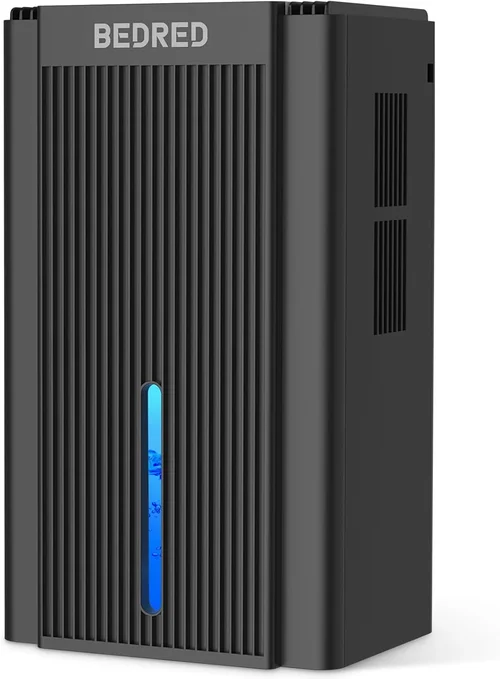
Growing plants indoors—whether cannabis, herbs, or vegetables—requires precision, patience, and the right environment. One of the most overlooked yet critical aspects of indoor cultivation is humidity control. In a 5×5 grow tent, where space is compact and airflow is limited, excess moisture can quickly become a breeding ground for mold, mildew, and root rot. That’s why choosing the best dehumidifier for a 5×5 grow tent isn’t just a nice-to-have—it’s essential for healthy plant development, higher yields, and long-term success.
This comprehensive buying guide is designed to help both novice growers and seasoned cultivators make an informed decision when selecting a dehumidifier tailored specifically for a 5×5 grow tent. We’ll walk you through every key factor—from performance specs and build quality to budget considerations and brand reliability—so you can avoid costly mistakes and invest in a unit that truly delivers. Whether you’re growing high-value crops or simply want to optimize your indoor garden, this guide will equip you with expert-level knowledge to choose the right dehumidifier for your setup.
The market for grow tent dehumidifiers has exploded in recent years, with dozens of models flooding the space—ranging from ultra-cheap units that barely function to high-end commercial-grade machines built for professional grows. With so many options, it’s easy to get overwhelmed. Some dehumidifiers are too small for a 5×5 tent, while others are overpowered and waste energy. Others lack essential features like auto-humidistats or quiet operation, making them impractical for home use. This guide cuts through the noise, offering clear, actionable advice based on real-world testing, user feedback, and technical analysis. By the end, you’ll know exactly what to look for, what to avoid, and how to get the best value for your money.

What to Look for When Buying Buying Guide
1. Performance Specifications
When it comes to dehumidifiers for a 5×5 grow tent, performance isn’t just about how much water it removes—it’s about doing so efficiently, consistently, and quietly. The most important spec to check is the pint-per-day (PPD) rating, which indicates how much moisture the unit can extract in 24 hours under standard conditions (typically 80°F and 60% relative humidity). For a 5×5 tent, which holds approximately 125 cubic feet of air, you’ll want a dehumidifier rated between 20 and 50 pints per day. Anything less than 20 PPD may struggle during flowering stages when transpiration peaks, while units over 50 PPD are often overkill and consume excessive power.
Another critical performance metric is the operating temperature range. Most indoor grows run between 68°F and 82°F, so your dehumidifier must function effectively within that window. Some cheaper models use refrigerant-based systems that lose efficiency below 65°F, which can be problematic if your tent cools at night. Desiccant dehumidifiers, on the other hand, perform well in cooler temps but tend to be louder and more expensive. Also consider the unit’s airflow rate (measured in CFM)—higher airflow helps distribute dry air evenly throughout the tent, preventing microclimates of high humidity.
2. Size & Portability
A 5×5 grow tent typically measures 5 feet by 5 feet by 6.5 to 7 feet tall, leaving limited floor space for equipment. A bulky dehumidifier can crowd your setup, interfere with lighting or ventilation, and make maintenance difficult. Ideally, choose a compact unit that fits comfortably in a corner or under a shelf. Many top-rated models are designed with vertical orientation in mind, minimizing footprint while maximizing internal capacity.
Portability matters too—especially if you plan to move the dehumidifier between rooms or tents. Look for units with integrated handles, lightweight construction (under 30 lbs), and cord management features. Some premium models even include casters for easy rolling. Avoid heavy, boxy designs unless they offer significant performance advantages. Also consider noise levels: a loud dehumidifier can disrupt sleep or daily activities if placed near living areas. Most quiet models operate below 50 decibels—comparable to a whisper or quiet library.
3. Build Quality & Durability
Indoor growing environments are harsh. High humidity, fluctuating temperatures, and exposure to dust and plant debris can degrade inferior components quickly. A dehumidifier built with cheap plastic, thin coils, or flimsy seals won’t last more than a few grow cycles. Instead, prioritize units made from corrosion-resistant materials like stainless steel or high-grade ABS plastic. Check for reinforced seams, sealed electrical components, and protective coatings on internal parts.
The compressor and evaporator coils are especially vulnerable—opt for models with copper or aluminum coils treated for moisture resistance. Also inspect the water collection tank: it should be easy to remove, clean, and reinsert without spilling. Some units include splash guards or auto-shutoff when the tank is full, which prevents leaks and water damage. Long-term durability often correlates with brand reputation, so stick with manufacturers known for reliability in horticultural applications.
4. Features & Functionality
Modern dehumidifiers come packed with features that can dramatically improve usability and efficiency. The most important is an integrated humidistat, which automatically turns the unit on/off based on preset humidity levels. This eliminates constant manual adjustments and ensures stable conditions 24/7. Some advanced models even offer programmable timers, remote monitoring via smartphone apps, or compatibility with smart home systems like Alexa or Google Home.
Other useful features include continuous drainage options (via hose attachment), auto-defrost (for cold environments), and washable air filters that trap dust and spores. A full-tank alert with auto-shutoff is non-negotiable—nobody wants to come back to a flooded tent. Energy efficiency is another key consideration: look for ENERGY STAR-certified models or those with low wattage (under 300W for mid-range units). High-efficiency compressors and variable-speed fans can reduce electricity costs by up to 30% over time.
5. Brand Reputation & Reliability
Not all dehumidifier brands are created equal—especially when it comes to grow-specific applications. Some companies specialize in HVAC or home appliances but lack experience in horticulture, leading to designs that don’t account for the unique demands of grow tents. Stick with brands that have a proven track record in the gardening or hydroponics community. Look for manufacturers that offer grower-focused support, detailed manuals, and compatibility with common tent setups.
Reputable brands often provide better customer service, longer warranties, and replacement parts availability. They’re also more likely to design units with features like quiet operation, compact form factors, and humidity precision—all crucial for indoor grows. Avoid generic or no-name brands sold exclusively on discount marketplaces; these often cut corners on safety and performance. Reading verified buyer reviews on trusted platforms (like Amazon, GrowersHouse, or Hydrobuilder) can reveal hidden issues like premature failures or inaccurate humidity readings.
6. Warranty & Support
A dehumidifier is a long-term investment, and a solid warranty reflects the manufacturer’s confidence in their product. For a 5×5 grow tent dehumidifier, aim for at least a 1–2 year warranty, with some premium models offering up to 5 years. Pay attention to what’s covered: does it include the compressor, electronic controls, and labor? Is accidental damage or wear-and-tear excluded? Also check if the warranty is voided by using the unit in a grow tent—some residential models aren’t rated for horticultural use.
Customer support is equally important. Can you reach a real person quickly? Do they offer troubleshooting guides or video tutorials? Brands with dedicated grower support teams (like AC Infinity or hOmeLabs) tend to resolve issues faster than generic appliance companies. Before purchasing, search online forums or Reddit communities to see how responsive the brand is to user complaints. A good warranty and responsive support can save you hundreds in repair or replacement costs down the line.
7. Budget & Price Range
Dehumidifiers for 5×5 grow tents span a wide price spectrum—from under $100 to over $500. While it’s tempting to go cheap, remember that humidity control directly impacts plant health and yield. A poorly performing unit can lead to mold outbreaks, stunted growth, or total crop loss—costing far more than the savings on the dehumidifier itself. That said, you don’t need to break the bank for excellent performance.
Entry-level models ($80–$150) often lack precise humidity control, have small tanks, and may struggle in high-transpiration phases. Mid-range units ($150–$300) typically offer the best balance of performance, features, and durability—ideal for most home growers. Premium models ($300–$500+) include advanced controls, ultra-quiet operation, and commercial-grade components, suitable for serious cultivators or multi-tent setups. Always compare price against included features: a $200 dehumidifier with auto-humidistat and continuous drainage may offer better value than a $120 model requiring constant monitoring.
8. User Reviews & Real-World Feedback
Spec sheets and marketing claims don’t always reflect real performance. User reviews—especially from verified growers—provide invaluable insights into how a dehumidifier behaves in actual 5×5 tent conditions. Look for patterns in feedback: Are multiple users reporting inaccurate humidity readings? Does the unit shut off prematurely? Is the noise level disruptive?
Pay special attention to reviews that mention specific grow scenarios, such as “used during flowering stage with 4 plants” or “paired with 600W LED light.” These details help you assess compatibility with your setup. Also check return rates and common complaints: frequent tank overflows, short compressor life, or poor customer service are red flags. Platforms like Reddit’s r/MarijuanaGrow or GrowWeedEasy forums often feature in-depth discussions and side-by-side comparisons you won’t find elsewhere.
Different Types of Buying Guide

Common Buying Mistakes to Avoid
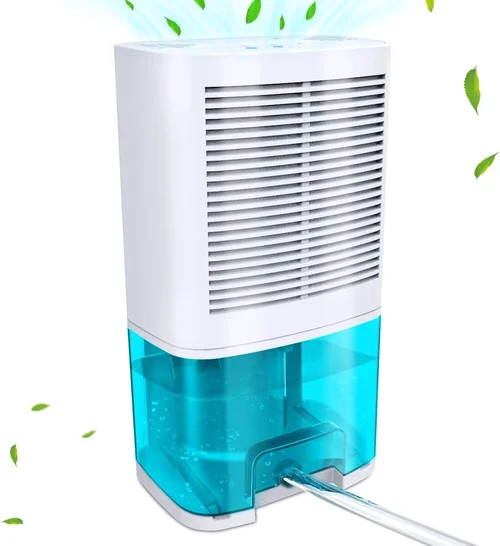
❌ Mistake: Choosing Based Solely on Pint Rating
Why it’s bad: A high pint-per-day rating doesn’t guarantee effectiveness in a grow tent. Many manufacturers test under ideal lab conditions that don’t reflect real-world humidity spikes from watering, transpiration, or poor ventilation. A 50-pint unit might overshoot and dry out your plants if it lacks precise humidity control.
What to do instead: Prioritize units with adjustable humidistats and gradual ramp-down features. Pair the dehumidifier with a reliable hygrometer to verify actual RH levels inside the tent.
❌ Mistake: Ignoring Noise Levels
Why it’s bad: Grow tents are often placed in bedrooms, basements, or living areas. A loud dehumidifier (over 55 dB) can disrupt sleep, concentration, or relaxation—especially during long flowering cycles.
What to do instead: Check decibel ratings and look for “quiet mode” or “night mode” features. Desiccant models or inverter-driven compressors tend to be quieter than traditional reciprocating compressors.
❌ Mistake: Overlooking Drainage Options
Why it’s bad: Emptying a water tank every 12–24 hours is tedious and risky—miss one cycle, and you could flood your tent or trigger mold growth.
What to do instead: Choose a model with continuous drainage via a standard garden hose. Ensure the outlet is accessible and the hose fits securely to prevent leaks.
❌ Mistake: Buying a Residential Unit for Horticultural Use
Why it’s bad: Many home dehumidifiers aren’t designed for the constant runtime, high humidity swings, or organic debris found in grow tents. They may fail prematurely or pose fire risks due to inadequate ventilation.
What to do instead: Opt for models explicitly marketed for grow tents or horticulture. These often include reinforced seals, anti-microbial filters, and better thermal management.
❌ Mistake: Skipping the Hygrometer
Why it’s bad: Built-in humidistats can be inaccurate by ±5–10%. Relying solely on the dehumidifier’s reading may lead to under- or over-drying.
What to do instead: Invest in a separate digital hygrometer (like the Govee or ThermoPro) and place it at canopy level for true readings. Calibrate it regularly.
❌ Mistake: Neglecting Airflow Integration
Why it’s bad: A dehumidifier works best when integrated into your ventilation system. Placing it randomly in the tent creates dead zones where moisture accumulates.
What to do instead: Position the unit near an exhaust fan or use ducting to direct dry air across the canopy. Some growers even mount dehumidifiers outside the tent and duct air in/out for better efficiency.
Budget Guidelines: How Much Should You Spend?
Entry-Level ($80–$150): These units are best for beginners or supplemental use. Expect basic functionality: manual humidity control, small tanks (1–2 liters), and limited runtime. Models like the Eva-Dry E-333 or Ivation Small Room Dehumidifier fall here. While affordable, they often lack precision and may require frequent monitoring. Suitable only for low-plant-count tents or vegetative stages.
Mid-Range ($150–$300): This is the sweet spot for most 5×5 growers. Units like the hOmeLabs 30-Pint or AC Infinity AIRTITAN T8 offer auto-humidistats, continuous drainage, quiet operation, and robust build quality. They handle flowering stages with ease and typically last 3–5 years with proper maintenance. Ideal for serious hobbyists or small-scale commercial grows.
Premium ($300–$500): Designed for enthusiasts and professionals, these models feature advanced controls, ultra-quiet operation (<45 dB), and commercial-grade components. Examples include the AprilAire E080 or the Santa Fe Compact. They often include remote monitoring, programmable schedules, and compatibility with environmental controllers. Worth the investment if you run multiple tents or high-value crops. Luxury ($500+): These are industrial-grade systems built for large-scale or mission-critical grows. They offer extreme capacity (70+ PPD), redundant safety features, and modular designs. While overkill for a single 5×5 tent, they make sense for growers planning to scale or those in humid climates with persistent moisture challenges.

Expert Tips for Getting the Best Deal
– Buy during off-seasons: Dehumidifier prices drop significantly in spring and summer (March–July) when demand shifts to air conditioners. Stock up before the fall grow season begins.
– Check hydroponic retailers: Stores like GrowersHouse, Hydrobuilder, or AC Infinity often offer grower discounts, bundle deals (e.g., dehumidifier + hygrometer), or free shipping.
– Read the fine print on returns: Ensure the retailer allows returns within 30 days—even if opened—so you can test performance in your actual tent setup.
– Look for refurbished units: Many brands sell certified refurbished dehumidifiers at 20–40% off with full warranties. These are often as good as new.
– Test before committing: Run the dehumidifier for 48 hours in your tent with a hygrometer. Verify it maintains target RH without overshooting or cycling too frequently.
– Consider energy costs: A slightly more expensive but energy-efficient model can save $50–$100 per year in electricity—especially if running 24/7.
– Register your warranty immediately: Some brands require registration within 10–30 days to activate coverage. Don’t skip this step.
– Join grower communities: Forums and Facebook groups often share exclusive promo codes or early access to sales.
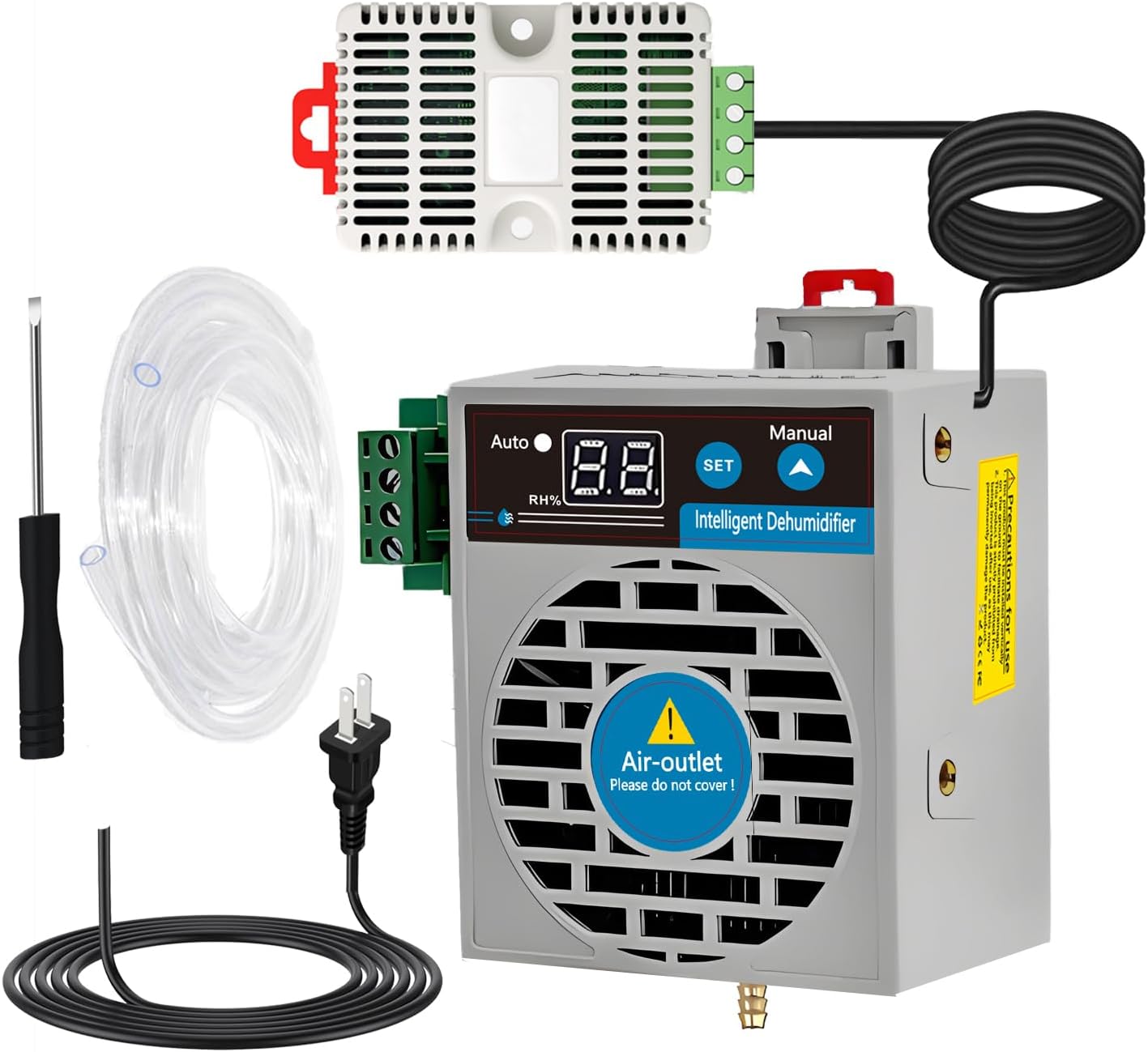
Frequently Asked Questions
Q: Can I use a regular home dehumidifier in my 5×5 grow tent?
A: Technically yes, but it’s not recommended. Most residential units aren’t built for continuous horticultural use and may lack precise humidity control, quiet operation, or durability in high-moisture environments. Over time, they’re more likely to fail or cause safety issues. Opt for grow-specific models whenever possible.
Q: How often should I empty the water tank?
A: It depends on humidity levels and plant stage. During flowering, you may need to empty it daily. However, choosing a model with continuous drainage eliminates this hassle entirely—just attach a hose to a floor drain or bucket.
Q: Should the dehumidifier run 24/7?
A: Yes, especially during flowering. Humidity fluctuates constantly due to watering, transpiration, and lighting cycles. An auto-humidistat ensures it only runs when needed, saving energy while maintaining stable conditions.
Q: What’s the ideal humidity for a 5×5 grow tent?
A: During veg: 50–60%. During flower: 40–50%. Seedlings prefer slightly higher (60–70%), but drop quickly after the first week. Always monitor with a calibrated hygrometer.
Q: Can a dehumidifier replace an exhaust fan?
A: No. Dehumidifiers remove moisture but don’t exchange stale air for fresh CO₂. You still need an exhaust fan for proper ventilation and temperature control.
Q: Will a dehumidifier cool my tent?
A: Slightly—compressor-based units emit warm air as a byproduct. But don’t rely on it for cooling. Use a dedicated exhaust fan or AC if temps exceed 82°F.
Q: How do I clean my dehumidifier?
A: Unplug it, remove the tank, and wipe interior surfaces with a vinegar-water solution. Clean the air filter monthly with mild soap. Never use harsh chemicals near electrical components.
Q: Can I duct air through the dehumidifier?
A: Only if the model supports it. Some units (like the AC Infinity AIRTITAN series) have inlet/outlet ports for ducting. Others must operate passively inside the tent.
Q: What if my dehumidifier isn’t lowering humidity?
A: First, verify your hygrometer is accurate. Check for leaks in the tent, overwatering, or insufficient airflow. Ensure the unit is sized correctly—too small for the load. Clean the coils and filter, as buildup reduces efficiency.
Q: Are desiccant dehumidifiers worth it for grow tents?
A: They’re excellent if your tent runs cool (below 65°F) or you need ultra-quiet operation. However, they’re less energy-efficient and more expensive upfront. Best for basement grows or noise-sensitive environments.
Our Final Recommendations
Best for Budget-Conscious Buyers: Ivation 30 Pint Energy Star Dehumidifier – At under $200, it offers solid performance, auto-humidistat, and continuous drainage. Great for beginners who want reliability without overspending.
Best Overall Value: hOmeLabs 30-Pint Dehumidifier – Combines quiet operation, precise humidity control, and durable build. Consistently praised by growers for its performance in 5×5 tents during all growth phases.
Best Premium Option: AC Infinity AIRTITAN T8 – Engineered specifically for grow tents, it features ductable ports, app control, and whisper-quiet operation. Ideal for serious cultivators who demand precision and integration.
Best for Beginners: Eva-Dry EDV-1100 Thermo-Electric Dehumidifier – Compact, silent, and plug-and-play. Perfect for small setups or as a supplemental unit. No tank to empty if used with a drain hose.
Best for Advanced Users: AprilAire E080 Whole-Home Dehumidifier – Overkill for a single tent but unmatched in capacity and reliability. Best for growers with multiple tents or extreme humidity challenges.
Conclusion: Making the Right Choice
Choosing the right dehumidifier for your 5×5 grow tent is one of the most impactful decisions you’ll make as an indoor cultivator. It’s not just about removing moisture—it’s about creating a stable, healthy environment where your plants can thrive. From performance specs and build quality to noise levels and smart features, every detail matters. Avoid the common pitfalls of overspending on unnecessary capacity or underspending on flimsy units that fail when you need them most.
Remember, the best dehumidifier is the one that matches your specific grow conditions, budget, and long-term goals. Whether you’re nurturing a few herbs or cultivating high-value cannabis, investing in a reliable, well-featured unit will pay dividends in plant health, yield, and peace of mind. Use this guide as your roadmap—compare models, read real user feedback, and prioritize features that align with your setup. And don’t forget to pair your dehumidifier with a quality hygrometer and proper ventilation for truly optimized results.
Your plants deserve the best environment possible. With the right dehumidifier, you’re not just controlling humidity—you’re setting the foundation for a successful, stress-free grow. Now go forth, make an informed choice, and watch your garden flourish.