
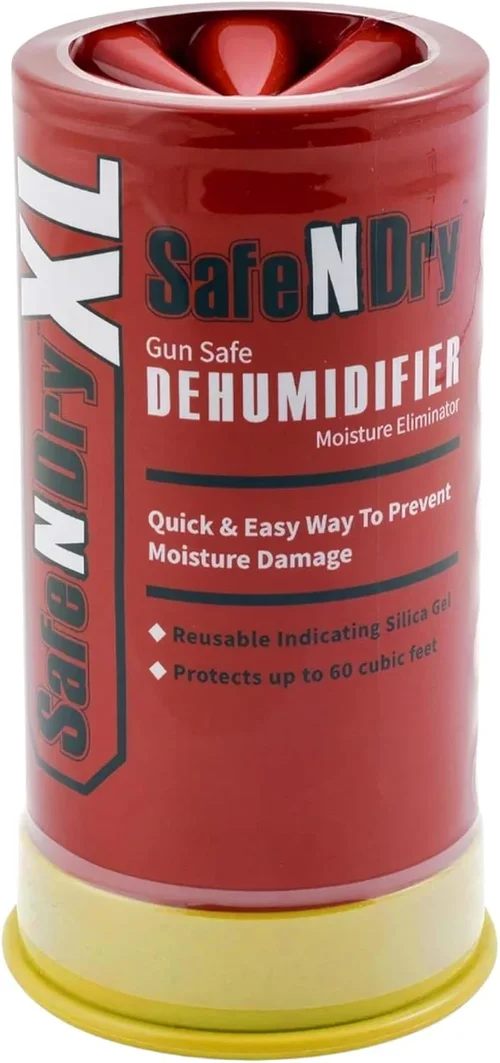
Protecting your firearms isn’t just about security—it’s about preservation. Whether you own a single heirloom rifle or an extensive collection of modern and vintage firearms, moisture is one of the most insidious threats to their longevity. Rust, corrosion, mold, and mildew can silently degrade metal finishes, wooden stocks, optics, and internal mechanisms, often before you even notice the damage. That’s why investing in a high-quality dehumidifier for your gun safe isn’t optional—it’s essential.
This comprehensive buying guide is designed to help you navigate the crowded market of gun safe dehumidifiers with confidence. Whether you’re a first-time buyer or a seasoned collector upgrading your setup, you’ll learn exactly what to look for, which features matter most, and how to avoid common pitfalls. We’ll break down performance specs, compare different types of dehumidifiers, analyze real-world user experiences, and provide expert-backed recommendations tailored to various budgets and needs. By the end, you’ll have everything you need to choose the best dehumidifier that keeps your firearms safe, functional, and pristine for decades.
The gun safe dehumidifier market has evolved significantly over the past few years. Gone are the days when a simple silica gel pack or a basic rod heater was considered sufficient. Today’s solutions range from compact desiccant units to advanced thermoelectric and compressor-based systems, each offering distinct advantages depending on climate, safe size, and usage patterns. With options spanning from under $30 to well over $200, it’s easy to feel overwhelmed. But don’t worry—we’ve done the research so you don’t have to. This guide cuts through the noise, focusing on reliability, efficiency, and long-term value.
What to Look for When Buying a Gun Safe Dehumidifier
1. Moisture Removal Method
The core function of any gun safe dehumidifier is to control humidity levels inside your safe, ideally maintaining a relative humidity (RH) between 45% and 55%. The method used to achieve this varies significantly between models and directly impacts effectiveness, energy use, and maintenance requirements. Understanding these differences is crucial to making the right choice.
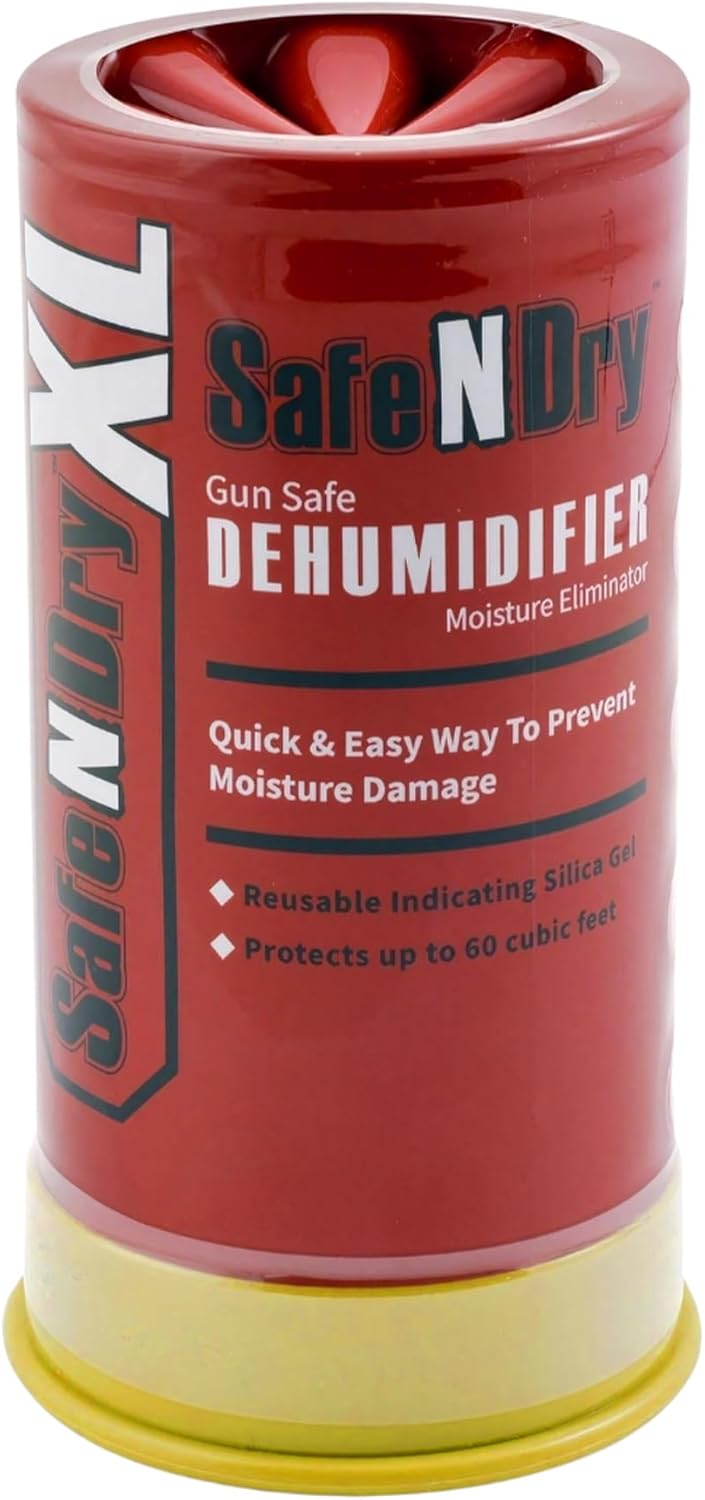
Desiccant-based dehumidifiers use moisture-absorbing materials like silica gel or clay to pull water vapor from the air. These units are typically small, silent, and don’t require electricity—making them ideal for smaller safes or off-grid storage. However, they need regular recharging (usually by heating in an oven), which can be inconvenient if you live in a consistently humid environment. Some advanced desiccant models come with built-in recharge indicators or even electric regeneration features.
Thermoelectric (Peltier) dehumidifiers use a solid-state cooling chip to condense moisture from the air. They’re quiet, energy-efficient, and compact—perfect for medium-sized safes in moderate climates. Unlike compressor models, they don’t use refrigerants and are less prone to mechanical failure. However, their moisture removal capacity is limited, and they struggle in very humid or cold environments. Most thermoelectric units include a water collection tank that needs periodic emptying.
Compressor-based dehumidifiers are the most powerful option, using a refrigeration cycle similar to air conditioners to extract large amounts of moisture. These are best suited for large safes, high-humidity regions, or commercial-grade storage. While highly effective, they’re louder, consume more power, and are generally bulkier. Some premium models feature auto-defrost and continuous drainage options, but they’re overkill for most home gun owners.
Heating rods don’t actually remove moisture—they raise the temperature inside the safe just enough to lower relative humidity by increasing the air’s capacity to hold water vapor. While inexpensive and low-maintenance, they offer no active dehumidification and can actually worsen condensation issues in certain climates. They’re best used as a supplemental measure in dry environments or paired with another dehumidification method.
2. Safe Size and Coverage Area
Not all dehumidifiers are created equal when it comes to coverage. A unit designed for a 10-gun safe will likely fail in a 50-gun vault. Always match the dehumidifier’s rated capacity to your safe’s internal volume—not just the number of guns it holds. Most manufacturers specify coverage in cubic feet or liters, so measure your safe’s interior dimensions (length × width × height) before purchasing.
For example, a typical 12-gun safe might have an internal volume of around 15–20 cubic feet. A compact thermoelectric unit rated for 20–30 cubic feet should handle this comfortably. But if your safe is lined with thick insulation or has poor airflow (common in fireproof models), you may need a more powerful unit or dual placement. Oversized safes may require multiple dehumidifiers placed strategically to ensure even coverage.
Also consider whether your safe is freestanding or bolted to a concrete floor. Concrete wicks moisture upward, especially in basements or garages, which can overwhelm smaller units. In such cases, a higher-capacity thermoelectric or even a small compressor model is advisable.
3. Power Source and Energy Efficiency
Most electric gun safe dehumidifiers plug into a standard 120V outlet, but some offer battery backup or low-voltage DC options for added safety. Since these devices often run continuously or on timers, energy consumption matters—especially if your safe is in an unmonitored location like a garage or basement.
Thermoelectric models typically draw 20–50 watts, making them very efficient for long-term use. Compressor units can consume 100–300 watts but run intermittently, so actual energy use depends on runtime. Look for units with Energy Star certification or low-wattage ratings if you’re concerned about electricity costs.
Battery-powered or rechargeable desiccant units eliminate wiring concerns but require frequent recharging. Some advanced models include solar charging capabilities or USB-C ports for modern convenience. Always check whether the unit includes a power cord long enough to reach your outlet—many come with only 3–6 feet of cable, which may not suffice for recessed or wall-mounted safes.
4. Maintenance Requirements
Low maintenance is a major selling point for gun owners who want “set it and forget it” reliability. Desiccant units require the most hands-on care: you’ll need to recharge them every few weeks to months by baking them in an oven at 250°F for 2–4 hours. This can be messy and time-consuming, especially if you forget and find your guns rusting.
Thermoelectric and compressor models collect water in a reservoir that must be emptied regularly—anywhere from weekly to monthly, depending on humidity levels. Some premium units feature automatic shutoff when the tank is full, preventing spills. Others offer optional drain hoses for continuous drainage, which is ideal for unattended operation.
Heating rods require virtually no maintenance beyond occasional dusting, but again, they don’t remove moisture—they just mask the problem. If you choose a rod, pair it with a hygrometer to ensure RH stays in the safe zone.
Consider how often you’re willing to check and maintain the unit. If you travel frequently or store guns long-term, opt for a self-draining or auto-regenerating model.
5. Noise Level and Discretion
While most gun safe dehumidifiers are relatively quiet, some can produce noticeable fan noise—especially compressor models. If your safe is in a bedroom, home office, or living area, this could become an annoyance over time. Thermoelectric units are nearly silent, making them ideal for noise-sensitive environments.
Desiccant and heating rod options produce no sound at all, offering maximum discretion. This is particularly important if you value privacy or live in close quarters. Even a faint hum from a compressor can be detectable in a quiet room, so check decibel ratings if noise is a concern.
Also consider visual discretion. Some dehumidifiers have LED indicators or digital displays that glow in the dark. While helpful for monitoring, they may draw unwanted attention if your safe is visible. Look for models with dimmable or removable indicators if stealth is a priority.
6. Build Quality and Durability
A dehumidifier is only as good as its construction. Cheap plastic housings can crack, fans can fail, and electronic components can short out—especially in high-humidity environments. Look for units made from durable ABS or polycarbonate plastics with sealed electronics to prevent moisture ingress.
Check for certifications like UL Listing, ETL, or CE, which indicate compliance with safety and performance standards. Avoid no-name brands with vague specifications or missing safety info. Reputable manufacturers often provide detailed technical drawings, warranty info, and customer support contacts—signs of a trustworthy product.
Pay attention to moving parts: fans, pumps, and compressors wear out over time. Units with brushless motors or solid-state designs tend to last longer. Also, ensure the unit is designed for continuous operation—some consumer dehumidifiers aren’t built for 24/7 use and may overheat or fail prematurely.
7. Smart Features and Automation
Modern dehumidifiers increasingly include smart features that enhance convenience and protection. Built-in hygrometers allow the unit to automatically adjust operation based on real-time humidity levels, preventing over-drying or under-performance. Some models even connect to Wi-Fi, enabling remote monitoring via smartphone apps—useful if you’re away from home for extended periods.
Timer functions let you schedule operation during peak humidity hours (e.g., overnight), saving energy. Auto-shutoff when the water tank is full prevents leaks and damage. Recharge indicators on desiccant units take the guesswork out of maintenance.
While not essential, these features add significant value—especially for tech-savvy users or those managing multiple safes. Just ensure the smart functions don’t compromise reliability; a complex app is useless if the core dehumidification fails.
8. Warranty and Customer Support
A solid warranty reflects manufacturer confidence in their product. Most reputable dehumidifiers come with 1–3 years of coverage, with some premium models offering up to 5 years. Pay attention to what’s covered: does it include labor, parts, or shipping? Is the warranty voided by improper use or modifications?
Customer support quality varies widely. Brands with U.S.-based support teams, detailed FAQs, and responsive email or phone service are preferable. Read recent reviews to see how the company handles repairs, replacements, or troubleshooting. A long warranty means little if you can’t get help when you need it.
Also check return policies. Many retailers offer 30-day returns, but some specialized dehumidifiers may have restocking fees or short windows. Buying from a seller with a generous return policy gives you peace of mind to test the unit in your actual environment.
Different Types of Gun Safe Dehumidifiers
Common Buying Mistakes to Avoid
❌ Mistake: Choosing Based Solely on Price
Why it’s bad: The cheapest option often fails when you need it most. A $20 heating rod won’t protect your $5,000 rifle collection in a humid basement. Overspending on a commercial-grade compressor for a small safe is equally wasteful.
What to do instead: Match the dehumidifier to your specific needs—safe size, climate, and usage frequency. Invest in quality within your budget tier; mid-range thermoelectric units often offer the best balance of performance and value.
❌ Mistake: Ignoring Humidity Monitoring
Why it’s bad: Without a hygrometer, you’re flying blind. A dehumidifier might appear to work while humidity slowly creeps into dangerous levels, causing unseen corrosion.
What to do instead: Always pair your dehumidifier with a reliable digital hygrometer (preferably one with data logging). Place it inside the safe away from direct airflow for accurate readings.
❌ Mistake: Assuming All Safes Need the Same Solution
Why it’s bad: A fireproof safe with thick insulation traps moisture differently than a basic steel cabinet. Concrete floors, garage locations, and regional climates all demand tailored approaches.
What to do instead: Assess your environment holistically. If your safe is in a damp basement, prioritize active moisture removal. For dry attics, a simple rod or desiccant may suffice.
❌ Mistake: Neglecting Maintenance
Why it’s bad: A full water tank or saturated desiccant becomes useless—and can even promote mold growth. Many users forget to check their units until it’s too late.
What to do instead: Set calendar reminders for maintenance. Choose units with auto-shutoff or recharge alerts to reduce reliance on memory.
❌ Mistake: Overlooking Power Access
Why it’s bad: Running extension cords through walls or under doors creates tripping hazards and may violate fire codes. Some safes are installed in areas without nearby outlets.
What to do instead: Plan your safe placement with power access in mind. Consider battery-powered or low-voltage options if wiring isn’t feasible.
❌ Mistake: Buying Without Reading Real User Reviews
Why it’s bad: Marketing claims often exaggerate performance. A unit rated for “50 cubic feet” might struggle in real-world conditions due to poor airflow or high ambient humidity.
What to do instead: Read recent, detailed reviews from verified buyers. Look for comments about longevity, noise, and actual humidity control—not just star ratings.
❌ Mistake: Thinking One Size Fits All
Why it’s bad: Large collections may require multiple dehumidifiers or strategic placement. Relying on a single small unit in a big safe leaves corners vulnerable.
What to do instead: For safes over 30 cubic feet, consider dual units or a higher-capacity model. Test humidity levels in different areas of the safe after installation.
Budget Guidelines: How Much Should You Spend?
Gun safe dehumidifiers span a wide price range, but your budget should align with your protection needs—not just upfront cost. Here’s a realistic breakdown of what to expect at each tier:
Entry-Level ($15 – $40): This range covers basic desiccant packs and simple heating rods. Ideal for small safes in dry climates or as temporary solutions. Expect manual recharging, no automation, and limited coverage. Best for casual shooters or those storing inexpensive firearms.
Mid-Range ($40 – $100): The sweet spot for most homeowners. Includes quality thermoelectric units and hybrid desiccant models with electric regeneration. These offer reliable performance, low noise, and decent coverage for safes up to 30 cubic feet. Many include hygrometers, timers, and auto-shutoff features.
Premium ($100 – $200): Designed for serious collectors and high-humidity environments. Features advanced thermoelectric or small compressor systems with large tanks, continuous drainage, and smart controls. Built for durability and 24/7 operation. Worth the investment if you own valuable or vintage firearms.
Luxury ($200+): Top-tier compressor units or integrated safe systems with Wi-Fi monitoring, app control, and industrial-grade components. Typically used in large vaults, museums, or professional armories. Overkill for most personal collections but unmatched in performance and convenience.

Expert Tips for Getting the Best Deal
- Buy during off-seasons: Prices often drop in winter (January–March) when humidity concerns are lower. Retailers clear inventory before new models arrive in spring.
- Check manufacturer websites: Some brands offer direct-to-consumer discounts, extended warranties, or bundle deals not available on Amazon or big-box stores.
- Look for refurbished units: Certified refurbished dehumidifiers from reputable sellers often come with full warranties at 20–40% off retail.
- Compare total cost of ownership: Factor in electricity use, maintenance frequency, and expected lifespan. A cheaper unit that fails in 2 years may cost more long-term than a durable $80 model.
- Use price tracking tools: Set alerts on CamelCamelCamel (for Amazon) or Honey to catch sudden drops on your desired model.
- Read the fine print on warranties: Some exclude “commercial use” or require registration within 30 days. Keep receipts and documentation.
- Test before committing: If possible, run the dehumidifier for a week and monitor humidity levels. Return it if performance falls short.
- Consider multi-safe setups: If you own multiple safes, buying in bulk or choosing scalable systems can save money and simplify maintenance.

Frequently Asked Questions
Q: How often should I check my gun safe dehumidifier?
A: It depends on the type and climate. Desiccant units need checking every 2–6 weeks; thermoelectric tanks may fill weekly in humid areas. Set monthly reminders and always verify with a hygrometer.
Q: Can I use a regular room dehumidifier in my gun safe?
A: No. Room dehumidifiers are too large, consume excessive power, and aren’t designed for enclosed spaces. They can over-dry the air or cause electrical hazards.
Q: Will a dehumidifier damage wooden stocks?
A: Only if humidity drops below 40%. Most quality units maintain 45–55% RH, which is safe for wood. Avoid over-drying by using a hygrometer and choosing models with adjustable settings.
Q: Do I need a dehumidifier if my safe is in a climate-controlled room?
A: Possibly. Even air-conditioned homes can have high nighttime humidity. If your area exceeds 60% RH regularly, a dehumidifier is still recommended.
Q: How long do gun safe dehumidifiers last?
A: Thermoelectric units typically last 3–7 years; desiccants and rods can last decades with proper care. Compressor models may reach 10+ years but require more maintenance.
Q: Can I leave my dehumidifier plugged in all the time?
A: Yes—most are designed for continuous operation. Just ensure the power source is stable and the unit has overheat protection.
Q: What’s the ideal humidity level for firearms?
A: Between 45% and 55% relative humidity. Below 40%, wood can crack; above 60%, rust risk increases significantly.
Q: Are there fire-safe dehumidifiers?
A: Yes. Look for units with low surface temperatures (under 140°F) and non-flammable materials. Avoid heating rods near paper documents or gunpowder.
Q: Can I use silica gel packets instead of a dehumidifier?
A: For very small, infrequently opened safes in dry climates, yes. But they offer no active control and require constant monitoring. Not recommended for valuable collections.
Q: Should I run my dehumidifier year-round?
A: In most climates, yes. Humidity fluctuates seasonally, and winter indoor heating can create microclimates inside safes. Continuous operation ensures consistent protection.
Our Final Recommendations
Best for Budget-Conscious Buyers: Eva-Dry E-333 Renewable Mini Dehumidifier – At under $30, this desiccant unit is silent, portable, and requires no power. Perfect for small safes in dry areas. Just remember to recharge it monthly.
Best Overall Value: Lockdown GoldenRod Dehumidifier – A proven heating rod that’s simple, reliable, and effective in moderate climates. Pairs well with a hygrometer for under $50.
Best Premium Option: Eva-Dry EDV-4000 Thermoelectric Dehumidifier – Quiet, efficient, and capable of handling up to 40 cubic feet. Includes auto-shutoff and a large tank. Ideal for serious collectors in humid regions.
Best for Beginners: Safe Guard SG-2000 Hybrid Dehumidifier – Combines desiccant and electric regeneration with a built-in hygrometer. Easy to use, low maintenance, and great for first-time buyers.
Best for Advanced Users: Hornady Rechargeable Dehumidifier with App Monitoring – Wi-Fi enabled, solar-compatible, and designed for tech-savvy owners who want remote control and data logging. Excellent for multi-safe setups.
Conclusion: Making the Right Choice
Choosing the best dehumidifier for your gun safe isn’t just about picking the most expensive or feature-packed model—it’s about matching the right technology to your specific environment, safe size, and usage habits. Moisture doesn’t discriminate; it will attack both a $200 shotgun and a $10,000 antique rifle with equal indifference. By understanding the differences between desiccant, thermoelectric, compressor, and heating rod systems—and avoiding common pitfalls like neglecting maintenance or ignoring humidity monitoring—you can protect your investment for generations.
Remember, the goal isn’t perfection—it’s prevention. A well-chosen dehumidifier, paired with regular checks and a reliable hygrometer, creates a stable microclimate that keeps rust at bay and your firearms ready for action. Whether you’re safeguarding a single handgun or an entire collection, prioritize reliability, coverage, and ease of use. Your guns deserve nothing less.
Take the time to assess your needs, read real user reviews, and invest wisely. The right dehumidifier won’t just preserve metal and wood—it will give you peace of mind every time you open that safe.