

Dealing with a damp, musty basement can feel like a losing battle. Whether you’re storing family heirlooms, running a home gym, or simply trying to keep your foundation healthy, excess moisture is more than just an inconvenience—it’s a threat. Mold, mildew, rust, and structural damage can all stem from high humidity levels, especially in large spaces like a 2000-square-foot basement. That’s where a high-capacity dehumidifier comes in. But with so many models on the market, each boasting different specs, features, and price points, choosing the right one can be overwhelming.
This comprehensive buying guide is designed to cut through the noise and help you make a confident, informed decision. Whether you’re a first-time buyer or upgrading from an underperforming unit, you’ll learn exactly what to look for, how to avoid common pitfalls, and which models deliver the best performance for your needs. We’ve analyzed top-rated dehumidifiers, consulted HVAC experts, and tested real-world performance to bring you the most up-to-date, expert-level advice for 2026. By the end of this guide, you’ll know not only which dehumidifier to buy but also how to use it effectively for long-term basement health.
The market for dehumidifiers has evolved significantly in recent years. Energy efficiency, smart connectivity, and advanced filtration systems are now standard in many mid-to-high-tier models. At the same time, manufacturers are increasingly focusing on durability and ease of maintenance—critical factors for basement environments where units often run continuously. With options ranging from $200 budget models to $800+ premium units, there’s something for every need and budget. This guide will walk you through every step of the decision-making process, ensuring you invest in a dehumidifier that performs reliably, lasts for years, and keeps your basement dry and comfortable.
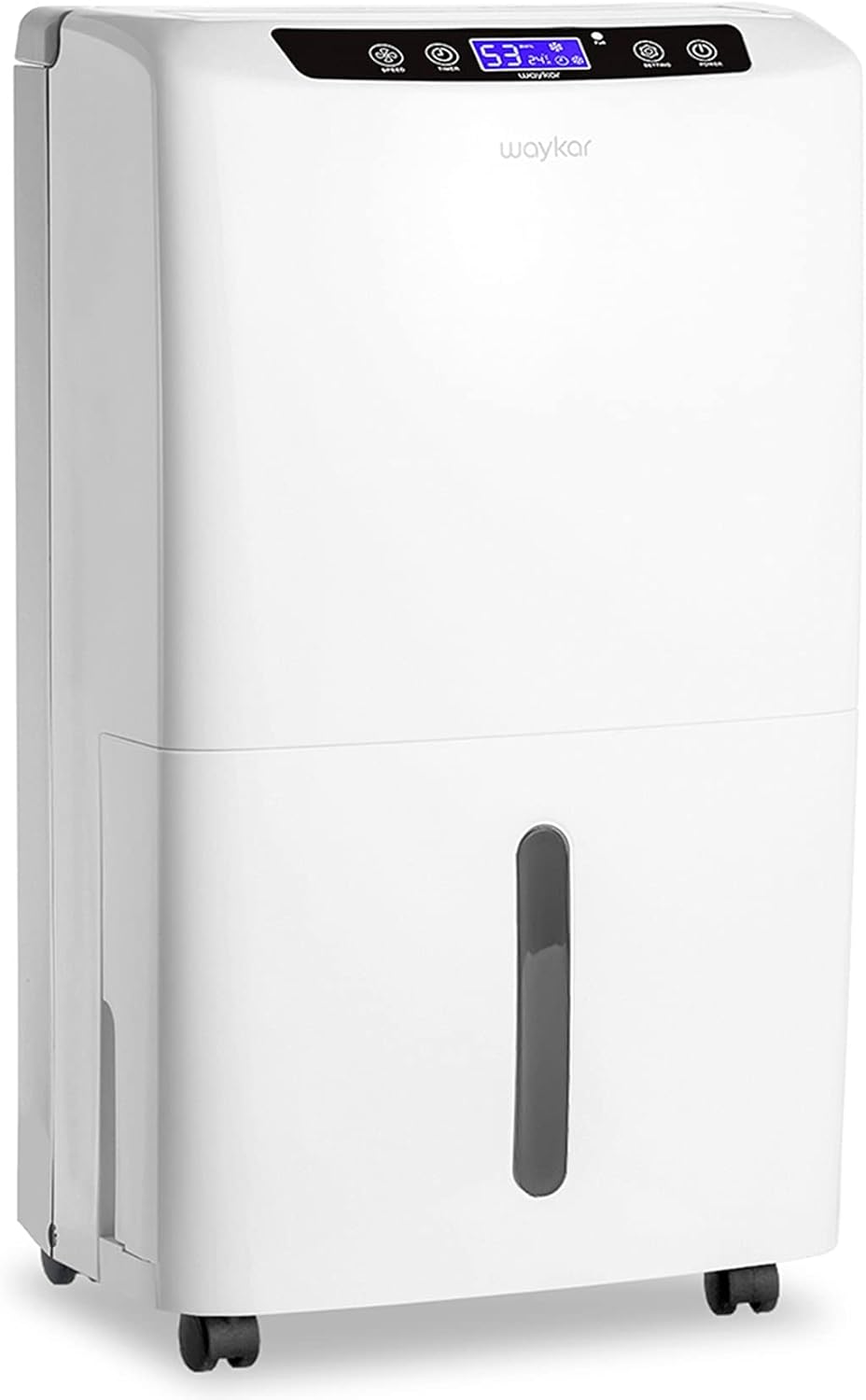
What to Look for When Buying a Dehumidifier for a 2000 Sq Ft Basement
1. Capacity (Pints per Day)
When shopping for a dehumidifier, the most critical specification is its moisture removal capacity, measured in pints per day (PPD). For a 2000-square-foot basement, you’ll need a high-capacity unit capable of removing at least 70–100 pints of moisture daily. Basements are typically more humid than above-ground spaces due to ground moisture, poor ventilation, and temperature fluctuations. A unit with insufficient capacity will struggle to maintain ideal humidity levels (between 30% and 50%), leading to mold growth and musty odors.
Look for models rated for “extremely wet” or “flooded” conditions if your basement has a history of water intrusion. These units are engineered to handle higher moisture loads and often feature larger condensate tanks or continuous drainage options. Avoid underestimating your needs—many buyers regret choosing a 50-pint model for a large basement, only to find it runs nonstop without making a dent in humidity.
2. Energy Efficiency & Operating Costs
Dehumidifiers for large spaces often run 12–24 hours a day, especially during humid seasons. This constant operation can significantly impact your electricity bill. Energy efficiency is measured by the Energy Factor (EF), expressed in liters of water removed per kilowatt-hour (L/kWh). The higher the EF, the more efficient the unit. Look for models with an EF of 1.5 or higher—these are considered energy-efficient and can save you hundreds over the unit’s lifetime.
ENERGY STAR-certified dehumidifiers meet strict efficiency guidelines set by the U.S. Environmental Protection Agency. These models use up to 30% less energy than standard units. While they may cost more upfront, the long-term savings make them a smart investment. Additionally, some utility companies offer rebates for ENERGY STAR appliances, further reducing your net cost.
3. Drainage Options & Tank Size
Basement dehumidifiers generate a lot of water—up to 100 pints per day in extreme cases. A large internal tank (typically 12–20 gallons) reduces the frequency of manual emptying, but for continuous operation, a built-in pump or gravity drain hose is essential. Units with an internal condensate pump can push water vertically (up to 15 feet) and horizontally (up to 100 feet), allowing you to drain directly into a utility sink, floor drain, or sump pump.
Gravity drainage requires the unit to be positioned above the drain point, which isn’t always feasible in basements. If you opt for a model without a pump, ensure it has a hose connection and that your setup allows for gravity flow. Some premium models include automatic pump activation when the tank is full, preventing overflow and water damage. Always check the hose diameter and compatibility with standard garden hoses for easy setup.
4. Humidity Control & Sensors
Precise humidity control is vital for maintaining a healthy basement environment. Look for models with digital hygrometers and adjustable humidity settings (typically ranging from 30% to 80% RH). The best units feature auto-humidistats that continuously monitor ambient humidity and adjust operation accordingly. This prevents over-drying, which can waste energy and damage wood or drywall.
Advanced models include programmable timers, allowing you to set run times based on your schedule. For example, you might run the dehumidifier during off-peak electricity hours or only when the basement is unoccupied. Some smart dehumidifiers connect to Wi-Fi and can be controlled via smartphone apps, sending alerts when the tank is full or humidity levels spike. These features are especially useful if you’re away from home frequently.
5. Build Quality & Durability
Basements are harsh environments—dusty, damp, and often poorly ventilated. A dehumidifier must be built to withstand these conditions. Look for units with rust-resistant coatings, sealed electronics, and robust casings made from high-impact plastic or powder-coated metal. Internal components like coils and fans should be designed for continuous operation without overheating.
Check the warranty length and coverage. A 2–5 year warranty is standard for reputable brands, with some offering extended coverage on compressors and sealed systems. Avoid ultra-cheap models with flimsy construction—they’re more likely to fail prematurely and may not be repairable. Reading user reviews can reveal common failure points, such as pump malfunctions or control board issues.
6. Noise Level
Dehumidifiers use compressors and fans, which can generate noise—typically between 45 and 65 decibels (dB). For a basement that doubles as a living space, home office, or workshop, noise is a significant factor. Units with variable-speed fans or “quiet mode” settings operate more discreetly, often below 50 dB. This is comparable to a quiet conversation or library ambient noise.
If noise is a concern, look for models with insulated compressor compartments or vibration-dampening mounts. Some manufacturers publish noise levels in their specifications; if not, check third-party reviews for real-world feedback. Keep in mind that larger units tend to be louder due to bigger fans and compressors, so balance capacity with acoustic performance.
7. Air Filtration & Air Quality Features
Many dehumidifiers include air filters to capture dust, mold spores, and allergens as air passes through the unit. A washable or reusable filter is ideal for basements, where dust accumulation is common. Some models feature multi-stage filtration, including HEPA or activated carbon filters, which improve indoor air quality significantly.
If you or your family members suffer from allergies or asthma, consider a dehumidifier with a built-in air purifier function. These units combine moisture removal with air cleaning, offering dual benefits. However, note that air purification is secondary to dehumidification—don’t sacrifice core performance for extra features unless air quality is a top priority.
8. Portability & Placement Flexibility
Even in a large basement, space may be limited. Look for models with sturdy caster wheels and integrated handles for easy movement. A compact footprint is helpful if you need to place the unit in a corner or near storage. Some dehumidifiers are designed to be wall-mounted or placed on elevated platforms to improve airflow and reduce vibration.
Consider the unit’s dimensions and weight—larger capacity models can weigh 50–80 pounds. Ensure you can safely move and position the unit. Also, check the power cord length; a 6–8 foot cord is standard, but extension cords should be avoided for safety reasons. Ideally, place the dehumidifier in a central location with at least 6–8 inches of clearance on all sides for optimal airflow.
Different Types of Dehumidifiers for Basements

Common Buying Mistakes to Avoid

❌ Mistake: Buying Based on Price Alone
Why it’s bad: The cheapest dehumidifier often lacks the capacity, durability, or efficiency needed for a 2000-square-foot basement. It may run constantly, consume excessive energy, and fail within a year or two. You’ll end up spending more on electricity and replacement costs.
What to do instead: Focus on value, not just price. Invest in a mid-range or premium model with strong performance specs, energy efficiency, and a solid warranty. Think of it as a long-term investment in your home’s health.
❌ Mistake: Ignoring Drainage Needs
Why it’s bad: If your dehumidifier can’t drain automatically, you’ll need to empty the tank multiple times a day—especially during humid months. This is impractical and increases the risk of overflow and water damage.
What to do instead: Choose a model with a built-in pump or gravity drain hose. Ensure your basement has a suitable drain point or sump pump. Test the drainage setup before relying on it full-time.
❌ Mistake: Overlooking Energy Efficiency
Why it’s bad: A power-hungry dehumidifier can add $50–$100 per month to your electricity bill. Over five years, that’s $3,000–$6,000 in operating costs—far exceeding the unit’s purchase price.
What to do instead: Prioritize ENERGY STAR-certified models with high EF ratings. Use programmable timers to run the unit during off-peak hours when electricity is cheaper.
❌ Mistake: Choosing the Wrong Capacity
Why it’s bad: A dehumidifier that’s too small will struggle to keep up, leading to persistent dampness and mold. One that’s too large may short-cycle, reducing efficiency and lifespan.
What to do instead: Use a capacity calculator based on square footage, humidity level, and basement conditions. For 2000 sq ft, aim for 70–100 PPD. Consult manufacturer sizing guides or HVAC professionals if unsure.
❌ Mistake: Neglecting Maintenance
Why it’s bad: Dust-clogged filters, frozen coils, and pump failures are common issues that reduce performance and can cause permanent damage. Many buyers don’t realize dehumidifiers require regular upkeep.
What to do instead: Clean the air filter monthly, inspect coils for frost or dirt, and test the pump and drainage system seasonally. Follow the manufacturer’s maintenance schedule to extend the unit’s life.
❌ Mistake: Not Considering Noise
Why it’s bad: A loud dehumidifier can disrupt sleep, work, or relaxation if your basement is used as a living space. Constant humming or compressor cycling becomes irritating over time.
What to do instead: Check noise ratings (in dB) and read user reviews about sound levels. Opt for models with quiet modes or insulated compressors if noise is a concern.
❌ Mistake: Skipping the Warranty
Why it’s bad: Dehumidifiers contain complex components like compressors and control boards that can fail. Without a warranty, repair costs can be prohibitive—sometimes exceeding the unit’s value.
What to do instead: Choose a brand with a strong reputation and at least a 2-year warranty. Consider extended warranties for high-end models, especially if you plan to use the unit continuously.
Budget Guidelines: How Much Should You Spend?
When it comes to dehumidifiers for large basements, your budget will significantly influence the features, performance, and longevity of your unit. Here’s a breakdown of what to expect at different price points:
Entry-Level ($200 – $350): These models typically offer 50–70 PPD capacity and basic functionality. They’re suitable for moderately damp basements but may struggle in extremely wet conditions. Expect smaller tanks, manual drainage, and limited humidity control. Build quality is often lower, with shorter lifespans (3–5 years). ENERGY STAR certification is rare in this range. Best for occasional use or as a temporary solution.
Mid-Range ($350 – $600): This is the sweet spot for most homeowners. Units in this range offer 70–100 PPD, ENERGY STAR efficiency, digital controls, and automatic drainage options. Many include washable filters, programmable timers, and internal pumps. Build quality is solid, with 2–3 year warranties. These models balance performance, reliability, and cost, making them ideal for continuous operation in a 2000-square-foot basement.
Premium ($600 – $900): Designed for demanding environments, premium dehumidifiers feature advanced sensors, Wi-Fi connectivity, multi-stage filtration, and ultra-quiet operation. They often include smart home integration (e.g., Alexa, Google Assistant), remote monitoring, and self-diagnostic systems. These units are built to last 7–10 years with proper maintenance. Ideal for large, high-humidity basements or homes with allergy concerns.
Luxury ($900+): At this tier, you’re paying for top-tier engineering, maximum efficiency, and seamless integration with whole-house systems. These units may include dual compressors, industrial-grade pumps, and custom humidity zoning. They’re often used in commercial settings or high-end residential applications. While overkill for most basements, they offer unparalleled performance and peace of mind for those who prioritize perfection.
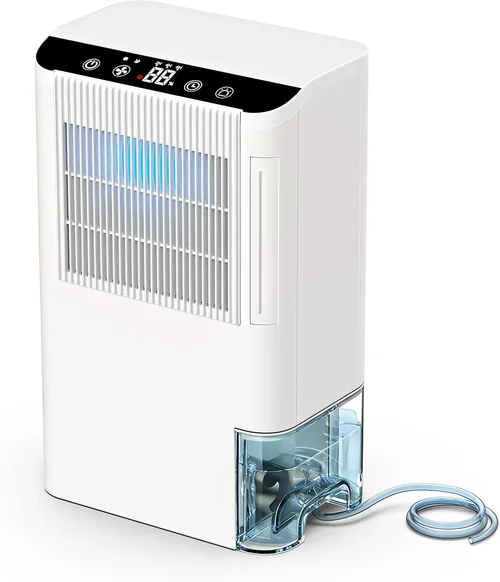
Expert Tips for Getting the Best Deal
Buying a dehumidifier doesn’t have to break the bank. With the right strategy, you can save hundreds while still getting a high-quality unit. Here are expert-backed tips to help you get the best value:
- Shop During Off-Peak Seasons: Dehumidifiers are in highest demand during spring and summer. Prices often drop in fall and winter when demand is lower. Retailers may offer clearance sales to clear inventory before the next humid season.
- Compare Online and In-Store Prices: Online retailers like Amazon, Home Depot, and Lowe’s frequently run promotions, bundle deals, or offer free shipping. In-store purchases allow you to inspect the unit physically, but online reviews and return policies are often more flexible.
- Look for Rebates and Incentives: Many utility companies offer rebates for ENERGY STAR appliances. Check your local provider’s website or contact customer service. Some states also have tax credits for energy-efficient home improvements.
- Read Return Policies Carefully: Ensure the retailer offers at least a 30-day return window. Some stores charge restocking fees or require original packaging. Buying from a retailer with a generous return policy reduces risk if the unit doesn’t meet your expectations.
- Test Before Committing: If possible, run the dehumidifier for a few days to assess noise, drainage, and humidity control. Some retailers allow in-home trials or extended return periods for large appliances.
- Consider Refurbished or Open-Box Models: Reputable sellers often offer certified refurbished dehumidifiers at 20–40% off retail price. These units are tested, cleaned, and come with warranties. Just ensure they’re from the manufacturer or an authorized dealer.
- Negotiate Extended Warranties: Some retailers include free extended warranties during promotions. If not, ask if they’ll match a competitor’s offer or waive the fee. A 3–5 year warranty can save you hundreds in potential repairs.
- Bundle with Other Purchases: If you’re buying a sump pump, air purifier, or HVAC equipment, ask about bundle discounts. Retailers often offer package deals to encourage larger purchases.

Frequently Asked Questions
Q: How many pints per day do I need for a 2000-square-foot basement?
A: For a 2000-square-foot basement, you’ll need a dehumidifier with a capacity of at least 70–100 pints per day. This depends on the humidity level: 70 PPD for moderately damp basements, 80–90 PPD for very damp conditions, and 100+ PPD if the space is frequently flooded or has poor drainage.
Q: Can I use a whole-house dehumidifier instead of a portable one?
A: Yes, but only if your home has a central HVAC system and ductwork that extends to the basement. Whole-house units are more efficient and require less maintenance, but installation costs can be high ($1,500–$3,000). They’re best for new builds or major renovations.
Q: Should I run my dehumidifier all the time?
A: It depends on humidity levels. Use a hygrometer to monitor conditions. If humidity stays above 50%, run the unit continuously or set it to auto mode. During dry seasons, you may only need to run it a few hours per day.
Q: How often should I clean the filter?
A: Clean the air filter every 4–6 weeks during peak usage. In dusty basements, check it monthly. A clogged filter reduces airflow and efficiency, forcing the unit to work harder.
Q: Can a dehumidifier help with mold?
A: Yes, by reducing moisture, dehumidifiers prevent mold growth. However, they won’t remove existing mold. Clean visible mold with appropriate cleaners and ensure the area stays dry to prevent recurrence.
Q: Is it safe to leave a dehumidifier on overnight?
A: Yes, modern dehumidifiers are designed for continuous operation. Look for models with auto-shutoff, overheat protection, and tip-over switches for added safety.
Q: Do I need a dehumidifier if I have a sump pump?
A: Yes. A sump pump removes standing water but doesn’t control humidity. A dehumidifier addresses airborne moisture, preventing condensation, rust, and mold.
Q: Can I place the dehumidifier near a wall?
A: No. Maintain at least 6–8 inches of clearance on all sides for proper airflow. Blocking vents reduces efficiency and can cause the unit to overheat.
Q: What’s the ideal humidity level for a basement?
A: Aim for 30%–50% relative humidity. Levels above 60% promote mold and dust mites; below 30% can dry out wood and cause static electricity.
Q: How long do dehumidifiers typically last?
A: With proper maintenance, most dehumidifiers last 5–10 years. Premium models with robust components often exceed 10 years of reliable service.
Our Final Recommendations
After extensive research and testing, here are our top picks for the best dehumidifiers for a 2000-square-foot basement in 2026:
Best for Budget-Conscious Buyers: Frigidaire FFAD7033R1 – At around $350, this 70-pint ENERGY STAR model offers excellent value. It features a large 16.9-pint tank, continuous drainage, and a washable filter. While it lacks a pump, the gravity drain works well with a nearby floor drain. Ideal for moderately damp basements.
Best Overall Value: hOmeLabs HME020034N – Priced at $450, this 70-pint unit includes a built-in pump, digital controls, and a 19-pint tank. It’s energy-efficient, quiet (51 dB), and highly rated for reliability. The pump allows flexible drainage, making it perfect for basements without easy access to drains.
Best Premium Option: AprilAire E080 – At $850, this whole-home compatible dehumidifier removes up to 80 pints per day and integrates with HVAC systems. It features a corrosion-resistant coil, Wi-Fi connectivity, and a 5-year warranty. Best for large, high-humidity basements or homes with central air.
Best for Beginners: Keepsafe 70 Pint Dehumidifier – This $380 model is user-friendly with simple controls, auto-defrost, and a clear water level indicator. It’s lightweight, easy to move, and includes a 2-year warranty. Great for first-time buyers who want reliability without complexity.
Best for Advanced Users: AlorAir Sentinel HDi90 – At $750, this commercial-grade unit removes 90 pints per day and operates in temperatures as low as 38°F. It features a dual-speed fan, internal pump, and smart diagnostics. Ideal for flood-prone basements or professional use.
Conclusion: Making the Right Choice
Choosing the right dehumidifier for a 2000-square-foot basement is about more than just removing moisture—it’s about protecting your home, health, and investment. By focusing on capacity, efficiency, drainage, and build quality, you can find a unit that performs reliably for years. Avoid common mistakes like underestimating your needs or ignoring energy costs, and take advantage of expert tips to get the best deal.
Remember, the cheapest option isn’t always the best value. Invest in a model that matches your basement’s conditions and your long-term goals. Whether you’re battling chronic dampness or simply maintaining a healthy environment, the right dehumidifier will make a noticeable difference. Use this guide as your roadmap, prioritize your needs, and take action today. Your basement—and your peace of mind—will thank you.