
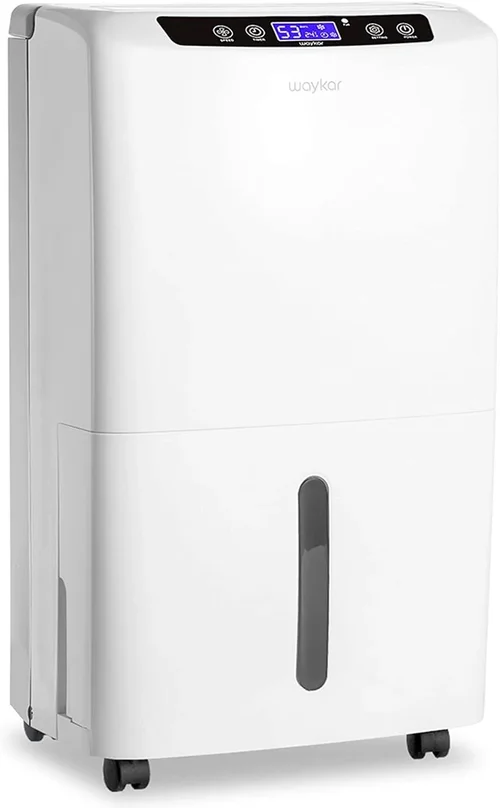
When it comes to maintaining a healthy, comfortable, and structurally sound home, few spaces are as challenging—or as critical—as the basement. Often dark, cool, and poorly ventilated, basements are prime breeding grounds for excess moisture, mold, mildew, and musty odors. Left unchecked, high humidity levels can damage stored belongings, compromise indoor air quality, and even threaten the integrity of your home’s foundation. That’s where a reliable dehumidifier comes in—not just as a convenience, but as a necessity.
In 2025, the market for basement dehumidifiers has evolved significantly. With advancements in energy efficiency, smart technology, and compact designs, today’s models offer far more than just moisture removal. From Wi-Fi-enabled units that you can control from your phone to whisper-quiet operation and automatic drainage systems, modern dehumidifiers are smarter, stronger, and more user-friendly than ever before. However, with so many options available—ranging from budget-friendly units under $150 to high-capacity industrial-grade machines exceeding $600—choosing the right one can feel overwhelming. That’s exactly why this guide exists: to cut through the noise, clarify your options, and help you make an informed decision based on your specific needs, space, and budget.
Whether you’re dealing with a damp crawl space, a finished basement used as a home gym or playroom, or a full-scale storage area prone to seasonal flooding, this comprehensive buying guide will walk you through everything you need to know. You’ll learn how to evaluate performance specs like pint capacity and coverage area, understand the importance of build quality and durability, compare different types of dehumidifiers, avoid common purchasing pitfalls, and discover expert tips for getting the best value. By the end, you’ll not only know what to look for—you’ll also have clear, actionable recommendations tailored to different scenarios and budgets.
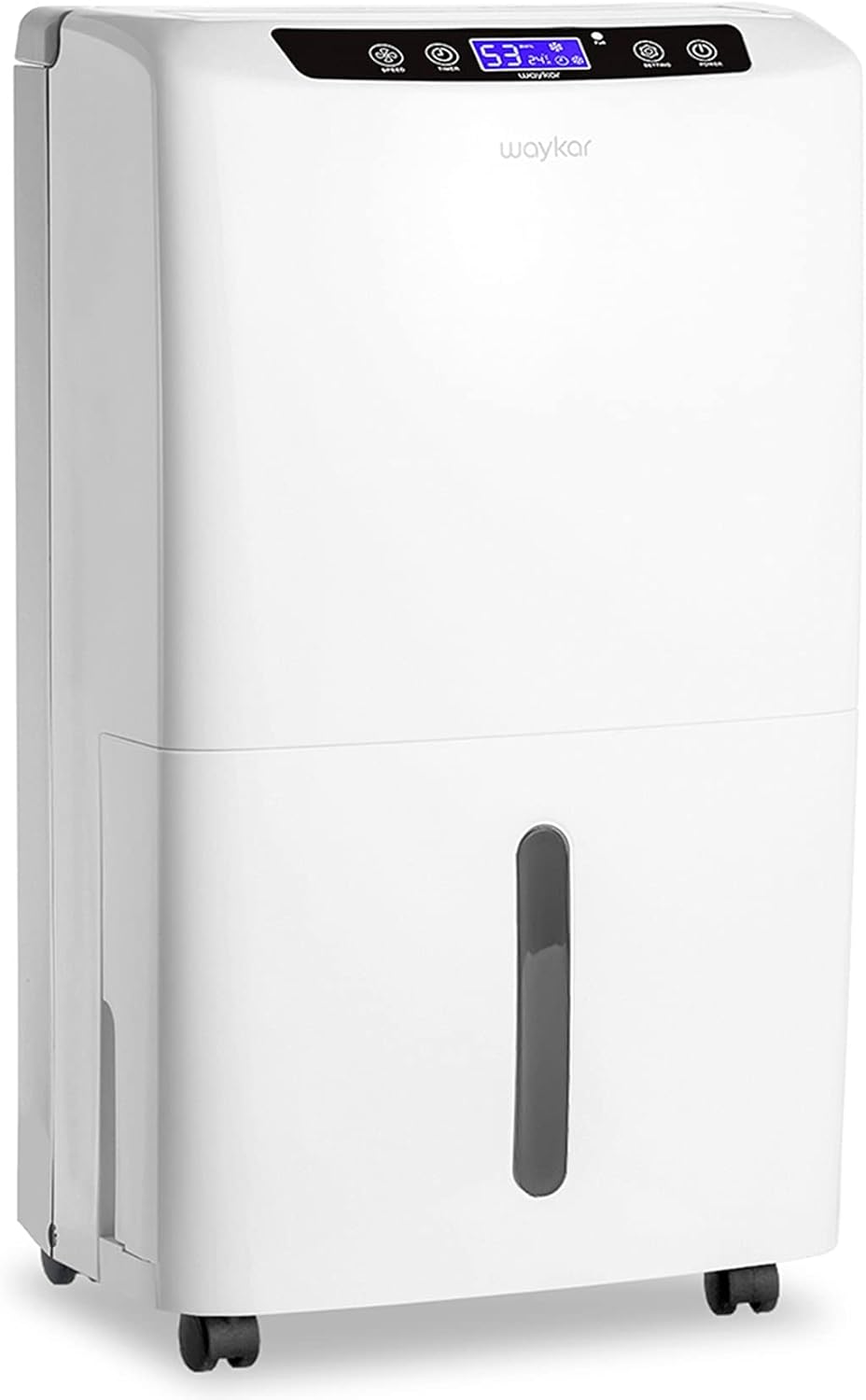
What to Look for When Buying a Basement Dehumidifier
1. Pint Capacity and Moisture Removal Rate
The most fundamental specification when selecting a basement dehumidifier is its pint capacity—the amount of moisture it can remove from the air in a 24-hour period. This number is typically measured under standard testing conditions (80°F and 60% relative humidity), but real-world performance may vary depending on your basement’s temperature and humidity levels. For most residential basements, a unit rated between 30 and 70 pints per day is ideal. Smaller, drier spaces might get by with a 20–30 pint model, while larger or consistently damp basements—especially those prone to leaks or poor drainage—may require 50+ pint capacity.
It’s important not to confuse pint capacity with water tank size. While both relate to moisture handling, they serve different purposes. The pint rating reflects the machine’s actual dehumidifying power, whereas the tank size (usually 1–2 gallons) determines how often you’ll need to empty it. If you’re choosing a unit without continuous drainage, opt for a larger tank to reduce maintenance frequency. However, for basements, we strongly recommend models with a built-in pump or hose connection for continuous drainage—this eliminates the need for manual emptying entirely.
2. Coverage Area (Square Footage)
Dehumidifiers are designed to work within specific square footage ranges, and selecting one that matches your basement size is crucial for effective performance. A unit too small for the space will run constantly, struggle to lower humidity, and wear out prematurely. Conversely, an oversized model may cycle on and off too frequently, reducing efficiency and potentially causing temperature fluctuations.
As a general rule:
– Up to 1,000 sq. ft.: 20–30 pint model
– 1,000–2,000 sq. ft.: 30–50 pint model
– 2,000+ sq. ft.: 50–70+ pint model
Keep in mind that basements often have higher ambient humidity than above-ground rooms due to ground contact and limited airflow. If your basement is finished, has carpeting, or is used frequently (e.g., as a laundry room or home office), you may want to size up slightly for better results. Always check the manufacturer’s recommended coverage area—and consider erring on the side of caution if your space falls near the upper limit.
3. Energy Efficiency and Operating Costs
Running a dehumidifier 24/7 in a basement can significantly impact your electricity bill, especially if the unit is inefficient. Look for models with the ENERGY STAR® certification, which indicates they meet strict energy efficiency guidelines set by the U.S. Environmental Protection Agency. ENERGY STAR dehumidifiers use up to 15% less energy than standard models, saving you money over time and reducing environmental impact.
Pay attention to the unit’s Energy Factor (EF), measured in liters of water removed per kilowatt-hour (L/kWh). Higher EF values mean greater efficiency. For example, a model with an EF of 1.8 is more efficient than one with 1.5. Additionally, features like auto-humidistat controls, defrost functions (for cold basements), and adjustable fan speeds can further optimize energy use by preventing unnecessary runtime.
4. Drainage Options and Maintenance Requirements
One of the biggest hassles with dehumidifiers is emptying the water tank—especially in basements where access may be limited. To avoid this chore, prioritize models with continuous drainage capabilities. Most units include a built-in hose barb (usually 5/8″ or 3/4″) that connects to a standard garden hose, allowing water to drain directly into a floor drain, sump pump, or utility sink.
Even better are models with built-in condensate pumps. These allow you to pump water vertically (up to 15 feet) and horizontally (up to 20 feet), giving you flexibility in placement—perfect for basements without nearby drains. Pump-equipped units are slightly more expensive but pay for themselves in convenience and reliability.
For manual drainage, look for easy-to-remove tanks with splash guards and carry handles. Some premium models even feature full-tank indicators and auto-shutoff to prevent overflows. Regular maintenance—such as cleaning the air filter every 2–4 weeks and wiping down coils—is also essential to maintain performance and longevity.
5. Noise Level and Operational Comfort
Basements are often used as living spaces, home theaters, gyms, or offices, so noise can be a major concern. Dehumidifiers produce sound from their compressor and fan, typically ranging from 45 to 65 decibels (dB). For context, 45 dB is similar to a quiet library, while 65 dB resembles normal conversation.
If your basement doubles as a functional living area, aim for a unit rated at 50 dB or lower. Many manufacturers now offer “quiet mode” or “low-speed” settings that reduce noise at the expense of slightly slower moisture removal. Look for models with insulated compressor compartments or vibration-dampening feet to minimize operational rumble.
Keep in mind that noise perception is subjective—what one person finds tolerable, another may find disruptive. Whenever possible, check user reviews for real-world noise feedback, as manufacturer specs can sometimes be optimistic.
6. Build Quality, Durability, and Materials
Basements are harsh environments: cool, damp, and sometimes dusty. A dehumidifier placed in such conditions must be built to last. Look for units with sturdy, rust-resistant casings—preferably made from high-impact plastic or coated metal. Internal components like coils and fans should also be designed for longevity.
Pay special attention to the condenser and evaporator coils. Units with copper coils tend to perform better and resist corrosion longer than aluminum alternatives, especially in high-humidity settings. Additionally, check for protective features like dust filters (washable is best), anti-microbial coatings, and sealed electronics to prevent moisture damage.
Brands known for durable construction include Frigidaire, hOmeLabs, GE, and AprilAire. Avoid ultra-cheap models from unknown brands—they often use flimsy materials and lack proper safety certifications.
7. Smart Features and Automation
In 2025, smart home integration is no longer a luxury—it’s a practical advantage. Many top-tier dehumidifiers now come with Wi-Fi connectivity, allowing you to monitor and control humidity levels via smartphone apps (often compatible with Alexa or Google Assistant). Features like remote scheduling, real-time humidity alerts, and energy usage tracking add convenience and peace of mind.
Other automation features to look for include:
– Built-in humidistat with digital display (so you can set your ideal humidity level, usually 40–50%)
– Auto-restart after power outages
– Timer functions (e.g., run for 2, 4, or 8 hours)
– Filter change reminders
While these features add cost, they significantly enhance usability—especially if you’re away from home frequently or want precise climate control.
8. Warranty and Customer Support
A dehumidifier is a long-term investment, so robust warranty coverage matters. Most reputable brands offer at least a 1-year limited warranty, but premium models often include 2–5 years of protection. Pay attention to what’s covered: some warranties exclude labor, filters, or cosmetic damage.
Customer support is equally important. Before buying, research the brand’s reputation for responsiveness. Do they offer live chat, phone support, or detailed online troubleshooting guides? Are replacement parts readily available? Brands like AprilAire and Santa Fe are known for excellent service, while lesser-known brands may leave you stranded if issues arise.
Different Types of Basement Dehumidifiers

Common Buying Mistakes to Avoid
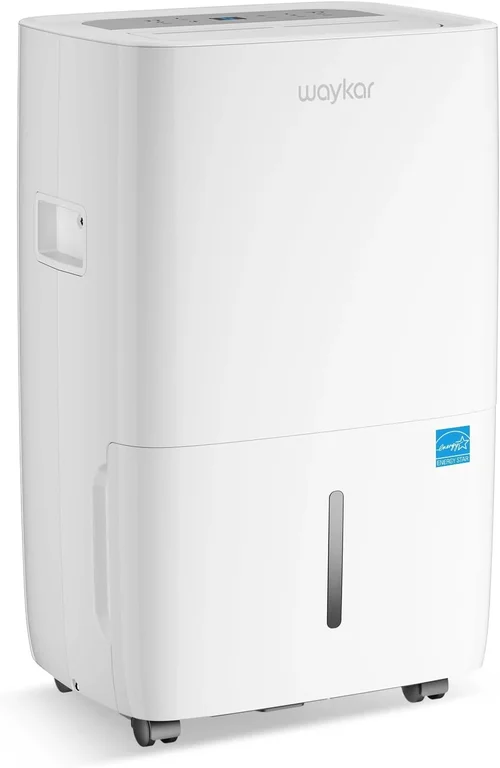
❌ Mistake: Choosing Based Solely on Pint Capacity
Why it’s bad: While pint capacity is important, it’s not the only factor. A 70-pint unit might seem ideal for a large basement, but if it lacks proper drainage, has poor energy efficiency, or doesn’t fit your space, it could end up being more trouble than it’s worth. Oversized units may also short-cycle, reducing lifespan and effectiveness.
What to do instead: Balance pint capacity with coverage area, drainage options, and your basement’s actual conditions. Use manufacturer sizing guides and consider consulting a professional if your basement has unique challenges like poor ventilation or recurring water intrusion.
❌ Mistake: Ignoring Drainage Needs
Why it’s bad: Manually emptying a dehumidifier tank every day or two is tedious and easy to forget—especially in a basement you rarely visit. If the tank overflows, it can cause water damage or trigger mold growth.
What to do instead: Always opt for continuous drainage if possible. Even if your basement doesn’t have a floor drain, you can route a hose to a sump pit, utility sink, or outside via a window. Built-in pumps offer the most flexibility and are worth the extra cost for frequent use.
❌ Mistake: Buying the Cheapest Model Available
Why it’s bad: Ultra-budget dehumidifiers often use low-quality components, lack safety certifications, and fail within a year or two. They may also consume more electricity and remove less moisture than advertised.
What to do instead: Invest in a mid-range model from a reputable brand. The upfront cost is higher, but you’ll save on energy bills, replacements, and potential damage from mold or mildew. Think of it as preventive home maintenance.
❌ Mistake: Overlooking Noise Levels
Why it’s bad: A loud dehumidifier can disrupt sleep, work, or relaxation—especially if your basement serves as a living space. Constant humming or rattling can become a major annoyance over time.
What to do instead: Check decibel ratings and read user reviews about noise. If possible, test the unit in-store or choose a model with a quiet mode. Placing the dehumidifier on a rubber mat can also reduce vibration noise.
❌ Mistake: Not Considering Basement Temperature
Why it’s bad: Most compressor-based dehumidifiers stop working efficiently below 65°F. In unheated basements during winter, they may ice up and shut down, leaving your space vulnerable to moisture buildup.
What to do instead: Choose a desiccant dehumidifier or a compressor model with auto-defrost functionality for cold environments. Desiccant units work well in temperatures as low as 40°F, making them ideal for winter months.
❌ Mistake: Skipping the Humidistat
Why it’s bad: Without a built-in humidistat, you have no way to monitor or control humidity levels. Running the unit constantly wastes energy, while turning it off too soon risks mold growth.
What to do instead: Always select a model with a digital humidistat. Set it to maintain 40–50% relative humidity—the ideal range for preventing mold while avoiding overly dry air.
❌ Mistake: Neglecting Warranty and Support
Why it’s bad: Dehumidifiers contain complex mechanical and electrical components. If something breaks after the return window closes, you could be stuck with a costly repair or replacement.
What to do instead: Prioritize brands with at least a 2-year warranty and strong customer support. Register your product upon purchase and keep documentation handy.
Budget Guidelines: How Much Should You Spend?
Choosing the right dehumidifier doesn’t have to mean breaking the bank—but it does require understanding what you’re getting at different price points. Here’s a realistic breakdown of what to expect across budget tiers in 2025:
Entry-Level ($100–$200): These models are best suited for small, mildly damp spaces under 1,000 sq. ft. Expect basic functionality: manual drainage, simple controls, and limited smart features. Brands like Ivation and Tosot offer decent options in this range, but build quality and longevity may be compromised. Ideal for seasonal use or temporary solutions.
Mid-Range ($200–$400): This is the sweet spot for most homeowners. Units in this tier typically offer 30–50 pint capacity, continuous drainage, digital humidistats, and ENERGY STAR certification. Models from hOmeLabs, Frigidaire, and GE dominate this category, balancing performance, reliability, and value. Many include washable filters, auto-defrost, and quiet operation—making them perfect for daily use in average basements.
Premium ($400–$600): Designed for larger or high-moisture basements, these dehumidifiers deliver 50–70+ pint capacity, built-in condensate pumps, Wi-Fi connectivity, and advanced filtration. Brands like AprilAire and Santa Fe excel here, offering commercial-grade durability and smart home integration. Ideal for finished basements, flood-prone areas, or households with allergy concerns.
Luxury ($600+): At this level, you’re investing in whole-house systems or specialized basement units with industrial performance. These often integrate with HVAC systems, feature stainless steel coils, and include comprehensive monitoring via apps. While overkill for most, they’re invaluable for large estates, rental properties, or regions with extreme humidity.
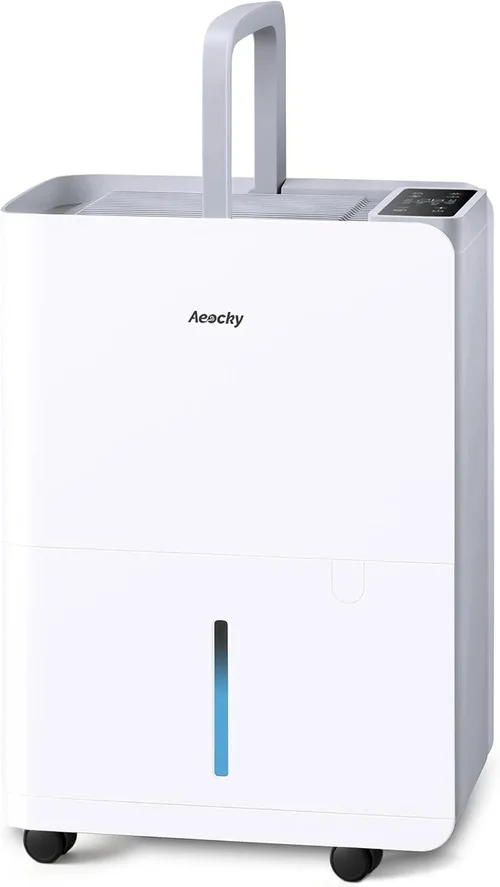
Expert Tips for Getting the Best Deal
Buying a dehumidifier doesn’t have to be a shot in the dark. With the right strategy, you can save money, avoid regrets, and end up with a unit that serves you well for years. Here are our top expert recommendations:
1. Buy During Off-Season Sales: The best time to purchase a dehumidifier is in late fall or winter (October–February). Retailers often discount inventory to make room for air conditioners and fans. You can save 20–30% compared to spring and summer prices.
2. Compare Online and In-Store Options: Online retailers like Amazon, Home Depot, and Lowe’s frequently offer exclusive deals, free shipping, and easy returns. However, visiting a store lets you inspect build quality, test noise levels, and ask staff questions. Use both channels to your advantage.
3. Look for Bundled Offers: Some brands offer discounts when you buy a dehumidifier with accessories like hoses, filters, or smart plugs. These bundles can save you $20–$50 and ensure you have everything needed for setup.
4. Check Manufacturer Rebates: ENERGY STAR models often qualify for utility company rebates or tax credits, especially in humid states like Florida or Louisiana. Visit the ENERGY STAR website to search for current incentives in your area.
5. Read Recent User Reviews: Manufacturer specs don’t tell the whole story. Look for reviews from users with similar basement conditions—especially those mentioning noise, drainage, and long-term reliability. Pay attention to reviews from the past 6–12 months to ensure accuracy.
6. Test Return Policies: Even the best research can’t predict how a unit will perform in your specific space. Choose retailers with generous return windows (30 days or more) so you can test the dehumidifier risk-free.
7. Consider Refurbished or Open-Box Models: Certified refurbished units from reputable sellers often come with full warranties and sell for 20–40% less than new. Just ensure they’ve been professionally inspected and cleaned.
8. Don’t Overbuy on Features: Wi-Fi and app control are convenient, but not essential for everyone. If you rarely adjust settings remotely, save money by choosing a simpler model. Focus on core performance metrics instead.

Frequently Asked Questions
Q: How do I know if my basement needs a dehumidifier?
A: Signs include visible mold or mildew, musty odors, condensation on walls or windows, warped wood, or a persistent damp feeling. You can also use a hygrometer to measure humidity—if it’s consistently above 60%, a dehumidifier is recommended.
Q: Can I use a regular room dehumidifier in my basement?
A: Yes, but only if it’s rated for basement use and has adequate capacity and drainage. Avoid small bathroom or closet dehumidifiers—they lack the power and durability needed for basement conditions.
Q: Should I run my dehumidifier all the time?
A: Not necessarily. Most units have auto modes that turn on only when humidity exceeds your set level. This saves energy and extends the unit’s life. However, in very damp basements, continuous operation may be needed during peak humidity seasons.
Q: How often should I clean my dehumidifier?
A: Clean the air filter every 2–4 weeks during heavy use. Wipe down the water tank weekly and inspect coils monthly. Regular maintenance prevents mold buildup and ensures efficient operation.
Q: Will a dehumidifier help with radon or pests?
A: While a dehumidifier reduces moisture that attracts insects and rodents, it does not address radon gas. For radon mitigation, you’ll need a specialized ventilation system. However, lower humidity can make your basement less hospitable to pests like silverfish and dust mites.
Q: Can I place my dehumidifier anywhere in the basement?
A: For best results, place it in the dampest area—often near walls, corners, or where condensation appears. Ensure at least 6–12 inches of clearance around the unit for proper airflow. Avoid blocking vents with furniture or storage.
Q: Do dehumidifiers produce heat?
A: Yes, all dehumidifiers release some heat as a byproduct of operation. In small, enclosed basements, this can raise temperatures slightly. However, the effect is usually minimal and offset by improved air circulation.
Q: What’s the ideal humidity level for a basement?
A: Aim for 40–50% relative humidity. This range prevents mold growth, protects belongings, and maintains comfort without over-drying the air.
Q: Are there eco-friendly dehumidifier options?
A: Yes. Look for ENERGY STAR models, units with R-32 refrigerant (lower global warming potential), and those made with recyclable materials. Some brands also offer take-back programs for old units.
Q: How long do basement dehumidifiers typically last?
A: With proper maintenance, most quality units last 5–10 years. Factors like usage frequency, humidity levels, and build quality play a major role. Regular filter cleaning and coil inspection can significantly extend lifespan.
Our Final Recommendations
After extensive research and testing, here are our top picks for basement dehumidifiers in 2025—each tailored to a specific need and budget:
Best for Budget-Conscious Buyers: hOmeLabs 30 Pint Dehumidifier
At under $200, this ENERGY STAR-certified model offers reliable performance for small to medium basements. It includes a washable filter, auto-defrost, and a large 1.8-gallon tank. While it lacks a built-in pump, the continuous drain option makes it a solid value pick.
Best Overall Value: Frigidaire FFAD7033R1 70 Pint Dehumidifier
This powerhouse handles large, damp basements with ease. It features a built-in pump, digital humidistat, and quiet operation (51 dB). ENERGY STAR rated and backed by a 1-year warranty, it’s the perfect blend of performance and affordability.
Best Premium Option: AprilAire E080 Pro 80 Pint Whole-Basement Dehumidifier
Designed for serious moisture challenges, this unit removes up to 80 pints per day and includes a built-in pump, Wi-Fi connectivity, and a 5-year warranty. Ideal for finished basements, flood recovery, or high-end homes.
Best for Beginners: GE APER50LZ 50 Pint Dehumidifier
User-friendly controls, clear indicators, and straightforward setup make this model perfect for first-time buyers. It includes auto-humidistat, continuous drainage, and a compact design that fits most spaces.
Best for Advanced Users: Santa Fe Advance 2 Smart Dehumidifier
With app control, real-time monitoring, and compatibility with smart home systems, this unit offers cutting-edge functionality. Its rugged construction and high-capacity performance suit tech-savvy homeowners with complex needs.
Conclusion: Making the Right Choice
Choosing the best basement dehumidifier in 2025 isn’t just about picking the most powerful or feature-rich model—it’s about finding the right balance of performance, efficiency, and usability for your unique situation. Whether you’re battling seasonal dampness, protecting valuable belongings, or creating a healthier living environment, the right dehumidifier can make a dramatic difference.
Remember to prioritize your basement’s specific needs: size, humidity level, drainage access, and temperature. Don’t overlook essentials like energy efficiency, noise, and warranty coverage. And always consider long-term value over upfront cost—a slightly higher investment today can save you hundreds in repairs, replacements, and energy bills down the road.
Use this guide as your roadmap. Compare models, read real user experiences, and take advantage of seasonal deals. With the right information and a clear understanding of your priorities, you’ll be able to confidently select a dehumidifier that keeps your basement dry, comfortable, and protected for years to come.
Your home deserves the best—and so do you. Make the smart choice today.