
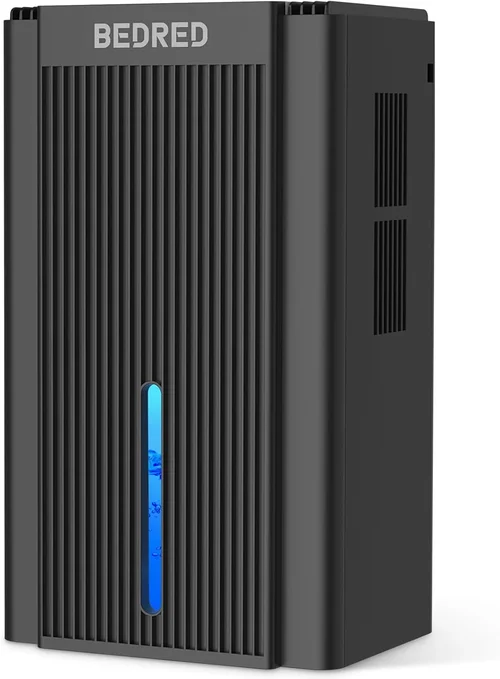
If you live in a basement apartment, you already know the struggle—damp walls, musty odors, and that constant feeling of moisture clinging to your skin. Basements are notorious for high humidity levels due to poor ventilation, groundwater seepage, and limited sunlight. Left unchecked, excess moisture can lead to mold growth, structural damage, and even health issues like allergies or respiratory problems. That’s why investing in a reliable dehumidifier isn’t just a luxury—it’s a necessity for maintaining a healthy, comfortable living space.
This comprehensive buying guide is designed to help you navigate the crowded market of dehumidifiers and make an informed decision tailored specifically to your basement apartment needs. Whether you’re dealing with a small studio or a larger finished basement, we’ll walk you through everything you need to know—from performance specs and energy efficiency to noise levels and smart features. By the end of this guide, you’ll understand exactly what to look for, how much to spend, and which models offer the best value for your unique situation.
The dehumidifier market has evolved significantly in recent years, with advancements in compressor technology, smart connectivity, and eco-friendly refrigerants. Brands like Frigidaire, hOmeLabs, GE, and Midea now offer units ranging from compact 20-pint models ideal for tight spaces to heavy-duty 70-pint beasts capable of handling large, damp areas. But not all dehumidifiers are created equal—especially when it comes to basement environments, where consistent performance, durability, and low maintenance are critical. This guide cuts through the noise and delivers expert-level insights so you can choose the right unit with confidence.

What to Look for When Buying Buying Guide
1. Capacity (Pint Rating)
The most important factor when choosing a dehumidifier for your basement apartment is its capacity, measured in pints per day (PPD). This number tells you how much moisture the unit can remove from the air in a 24-hour period under standard testing conditions (typically 60% relative humidity at 80°F). For basement apartments, which often suffer from moderate to severe dampness, you’ll generally want a unit rated between 30 and 70 pints per day.
To determine the right size, consider both the square footage of your space and the severity of the moisture problem. A lightly damp 500-square-foot basement might only need a 30-pint model, while a large, chronically wet 1,000-square-foot space could require a 50- or 70-pint unit. Oversizing slightly is usually better than undersizing—running a dehumidifier at full capacity for short bursts is more efficient than running an undersized one nonstop. However, avoid going excessively overboard, as oversized units may short-cycle (turn on and off too frequently), reducing efficiency and lifespan.
2. Energy Efficiency & Operating Costs
Basement dehumidifiers often run for many hours each day, so energy efficiency directly impacts your monthly electricity bill. Look for units with the ENERGY STAR® certification, which indicates they meet strict efficiency guidelines set by the U.S. Environmental Protection Agency. ENERGY STAR models use up to 15% less energy than standard units, translating into real savings over time.
Pay attention to the unit’s Energy Factor (EF), measured in liters of water removed per kilowatt-hour (L/kWh). Higher EF values mean better efficiency. For example, a dehumidifier with an EF of 1.8 is more efficient than one with 1.5. Also, check the wattage—most residential dehumidifiers draw between 300 and 700 watts. While higher-capacity units naturally consume more power, newer inverter-driven compressors and variable-speed fans help optimize energy use based on real-time humidity levels.
Don’t forget to consider operating costs beyond electricity. Some models include built-in pumps for continuous drainage, eliminating the need to manually empty tanks—a convenience that can save time and prevent overflows. However, pump-equipped units may cost slightly more upfront.
3. Drainage Options & Tank Size
One of the biggest hassles with dehumidifiers is emptying the water tank. In a basement apartment, where access to drains or utility sinks may be limited, this becomes even more critical. Most units come with a built-in bucket that needs manual emptying when full—typically every 8 to 24 hours depending on humidity levels.
For hassle-free operation, opt for a model with continuous drainage capability. This usually involves connecting a standard garden hose to a drain port, allowing water to flow directly into a floor drain, sump pump, or utility sink. Many mid-to-high-end models also include an internal condensate pump, which actively pushes water upward (even against gravity) to a sink or window—ideal for basements without floor drains.
If you prefer manual emptying, choose a unit with a large, easy-to-carry tank (at least 1–2 gallons) and a comfortable handle. Look for features like auto-shutoff when the tank is full and a transparent water level indicator so you know when it’s time to empty it.
4. Noise Level
Basement apartments are often used as living spaces—bedrooms, home offices, or entertainment rooms—so noise matters. Dehumidifiers produce sound from their compressors, fans, and refrigerant cycles. While some hum is unavoidable, excessive noise can disrupt sleep or concentration.
Check the manufacturer’s decibel (dB) rating, typically listed in the product specifications. Most residential dehumidifiers operate between 45 and 60 dB. For context, 45 dB is comparable to a quiet library, while 60 dB resembles normal conversation. If you plan to run the unit overnight or in a shared living area, aim for a model under 55 dB. Some premium units feature “quiet mode” or insulated compressor compartments to reduce noise further.
Keep in mind that noise can increase if the unit is placed on an uneven surface or near reflective walls. Placing it on a rubber mat or carpet can help dampen vibrations and lower perceived sound.
5. Humidity Control & Sensors
Effective humidity control goes beyond just removing moisture—it’s about maintaining a consistent, healthy indoor environment. The ideal relative humidity (RH) for a basement apartment is between 30% and 50%. Too low, and you risk dry skin and static electricity; too high, and mold thrives.
Look for a dehumidifier with a built-in hygrometer (humidity sensor) and adjustable humidity settings. Most models allow you to set your desired RH level (e.g., 45%), and the unit will automatically turn on or off to maintain it. This prevents over-drying and saves energy.
Advanced models may include digital displays, programmable timers, and even Wi-Fi connectivity for remote monitoring via smartphone apps. While not essential, these features add convenience—especially if you’re away from home frequently or want to track humidity trends over time.
6. Build Quality & Durability
Basements are harsh environments—cool, damp, and sometimes dusty. Your dehumidifier needs to withstand these conditions without breaking down prematurely. Pay attention to the materials used in construction. Look for rust-resistant coatings on coils and frames, especially if your basement has high condensation levels.
Sealed compressors and protective grilles help prevent dust and debris from entering internal components. Units with washable or reusable air filters are easier to maintain and reduce long-term costs compared to disposable filters.
Also consider the warranty length and coverage. A longer warranty (3–5 years) often reflects the manufacturer’s confidence in the product’s durability. Avoid ultra-cheap models with flimsy plastic housings or minimal warranties—they’re more likely to fail within a year or two.
7. Portability & Placement Flexibility
Even in a basement, you may need to move your dehumidifier occasionally—for cleaning, rearranging furniture, or targeting specific damp zones. Choose a model with sturdy caster wheels and a compact footprint that fits through doorways and around obstacles.
Weight matters too. Most dehumidifiers weigh between 30 and 60 pounds. If you have mobility concerns or live alone, look for lighter models (under 40 lbs) with ergonomic handles. Some units feature top-mounted controls and cord wraps for easier transport.
Placement is equally important. Avoid blocking airflow by keeping the unit at least 6–12 inches away from walls and furniture. Ensure the intake and exhaust vents aren’t obstructed—this maximizes efficiency and prevents overheating.
8. Smart Features & Connectivity
Modern dehumidifiers are getting smarter. Wi-Fi-enabled models let you monitor and control humidity levels remotely using apps like Frigidaire SmartHQ or hOmeLabs Home. You can receive alerts when the tank is full, adjust settings from your phone, or integrate with smart home systems like Alexa or Google Assistant.
Other useful features include:
– Auto-defrost: Prevents ice buildup on coils in cold basements (below 65°F)
– Filter change indicator: Reminds you when to clean or replace the air filter
– Timer function: Schedule operation during off-peak hours to save energy
– Dual-speed fans: Offer quieter low-speed mode for nighttime use
While smart features add convenience, they’re not necessary for everyone. If you prioritize simplicity and reliability, a basic mechanical control panel may suffice.
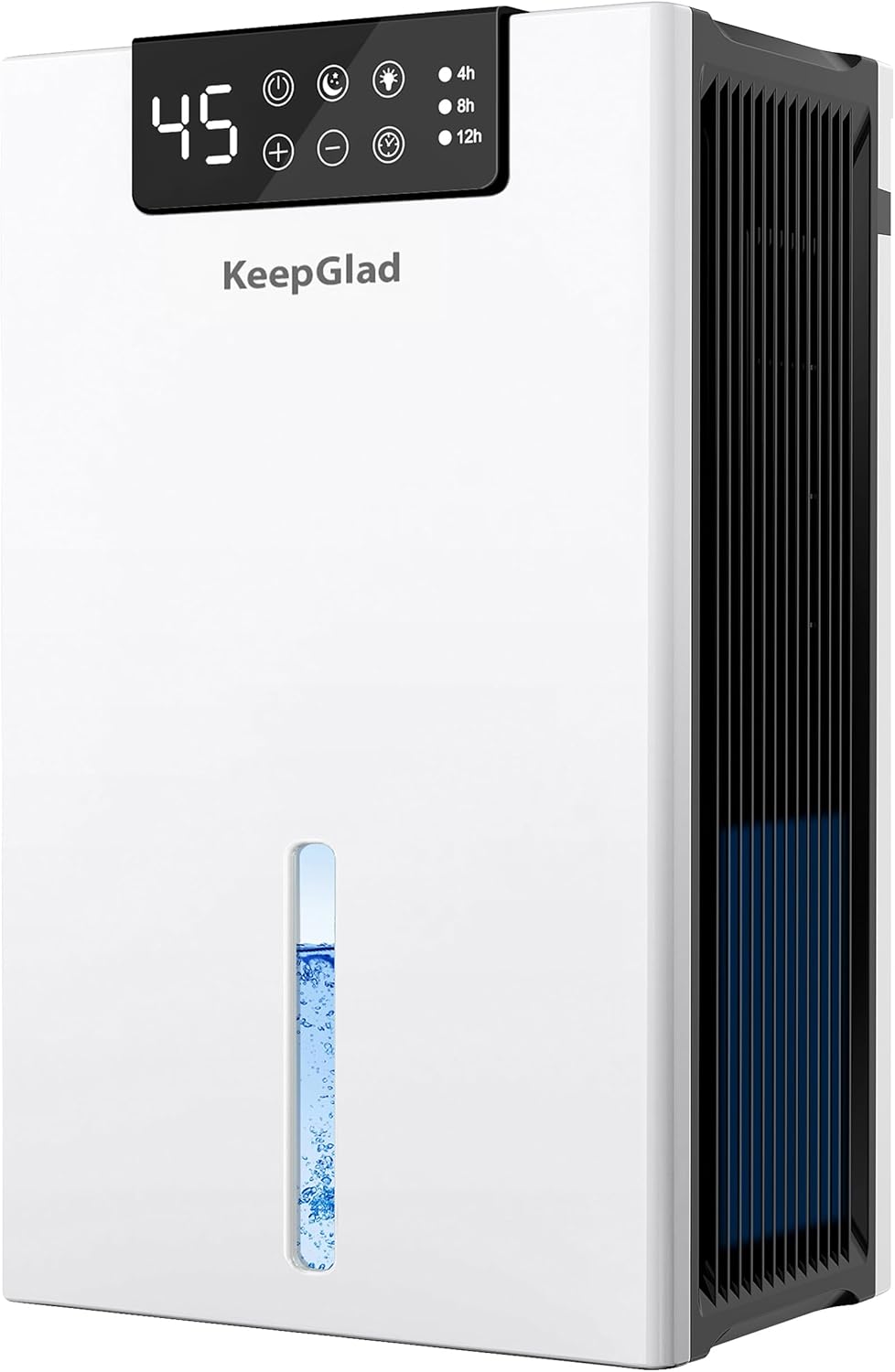
Different Types of Buying Guide
Common Buying Mistakes to Avoid
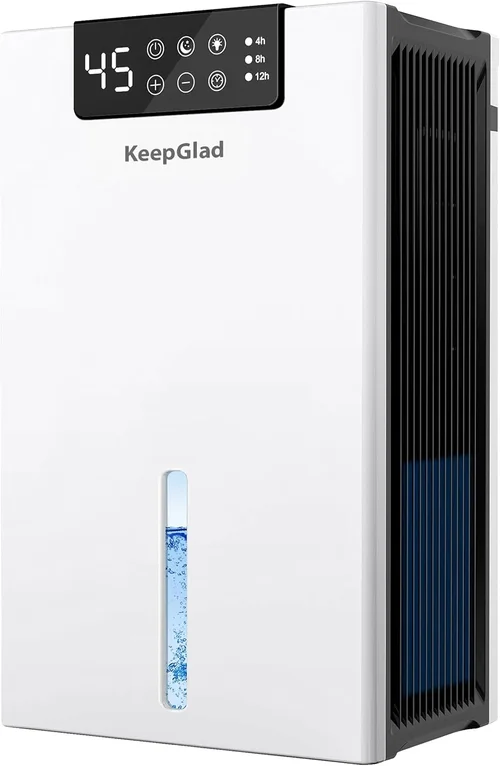
❌ Mistake: Choosing Based Solely on Price
Why it’s bad: The cheapest dehumidifier often lacks essential features like auto-humidity control, continuous drainage, or durable construction. It may also be inefficient, noisy, or prone to breakdowns—costing you more in repairs and electricity over time.
What to do instead: Focus on total cost of ownership, not just upfront price. Invest in a mid-range model with good reviews, solid warranty, and energy-efficient operation. A $300 unit that lasts 8 years is better value than a $150 one that fails after 2.
❌ Mistake: Ignoring Room Size and Humidity Level
Why it’s bad: An undersized unit will run constantly, overheat, and fail to control moisture. An oversized one may short-cycle, wasting energy and failing to properly dehumidify.
What to do instead: Measure your basement’s square footage and assess dampness (e.g., condensation, musty smell, visible mold). Use a hygrometer to check current humidity levels. Then match these factors to the manufacturer’s recommended capacity chart.
❌ Mistake: Overlooking Drainage Needs
Why it’s bad: If you forget to empty the tank daily, the unit will shut off, humidity will rise, and mold can grow. In a basement apartment, this cycle can happen quickly—especially during rainy seasons.
What to do instead: Prioritize models with continuous drainage or built-in pumps. Even if you don’t have a floor drain now, consider installing a small sump pit or using a condensate pump to route water to a sink or window.
❌ Mistake: Neglecting Maintenance Requirements
Why it’s bad: Dirty filters and clogged coils reduce efficiency, increase energy use, and can cause the unit to freeze or overheat. Many users assume dehumidifiers are “set it and forget it,” but they require regular care.
What to do instead: Choose a model with a washable filter and easy-access panels. Clean the filter monthly and inspect coils annually. Keep the area around the unit clear of dust and debris.
❌ Mistake: Buying Without Checking Noise Levels
Why it’s bad: A loud dehumidifier can disrupt sleep, work, or relaxation—especially in open-concept basement apartments where sound carries easily.
What to do instead: Read verified customer reviews that mention noise. Look for dB ratings under 55 for quiet operation. Test the unit in-store if possible, or check return policies in case it’s too loud.
❌ Mistake: Assuming All ENERGY STAR Models Are Equal
Why it’s bad: While ENERGY STAR certification ensures baseline efficiency, some models perform significantly better than others within the same category.
What to do instead: Compare Energy Factor (EF) ratings and annual operating costs listed on the ENERGY STAR website. Choose the most efficient model within your budget and capacity needs.
❌ Mistake: Skipping the Warranty Check
Why it’s bad: Dehumidifiers contain complex components like compressors and circuit boards that can fail. Without a solid warranty, repair costs can exceed the unit’s value.
What to do instead: Opt for brands offering at least a 2-year warranty, with 3–5 years on the compressor. Register your product promptly and keep receipts. Avoid extended warranties unless they cover labor and parts comprehensively.
Budget Guidelines: How Much Should You Spend?
– Entry-Level ($100–$200): These are typically 20–30 pint units suitable for small, mildly damp basements. Expect basic controls, manual tank emptying, and limited features. Brands like Midea and Ivation offer decent options here, but build quality and longevity may be lower. Ideal for temporary solutions or supplemental use.
– Mid-Range ($200–$350): This is the sweet spot for most basement apartment dwellers. You’ll find 35–50 pint models with digital humidity controls, continuous drainage options, auto-defrost, and better energy efficiency. Frigidaire, hOmeLabs, and GE dominate this segment with reliable, well-reviewed units. Expect 3–5 year lifespans with proper maintenance.
– Premium ($350–$500): Designed for large or severely damp basements, these 50–70 pint units often include built-in pumps, Wi-Fi connectivity, quiet operation, and advanced filtration. Look for models from Frigidaire Gallery, Tosot, or AlorAir. They’re built to last 7+ years and handle heavy workloads without breaking a sweat.
– Luxury ($500+): At this tier, you’re paying for top-tier engineering, smart home integration, and commercial-grade durability. Whole-house systems or desiccant units for extreme conditions fall here. Only necessary for very large spaces, chronic flooding issues, or professional applications.
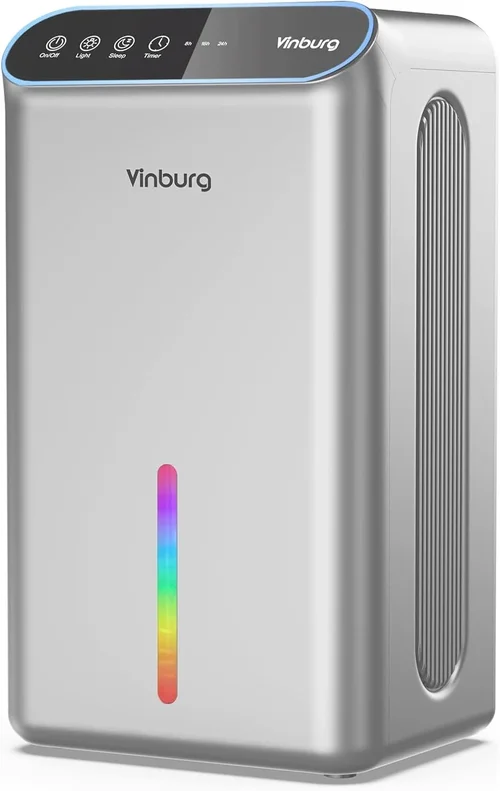
Expert Tips for Getting the Best Deal
– Buy in Spring or Early Summer: Retailers often discount dehumidifiers in spring (March–May) as demand shifts toward air conditioners. You can save 15–30% compared to winter prices when humidity concerns peak.
– Shop Online for Better Selection and Reviews: Websites like Amazon, Home Depot, and Lowe’s offer detailed specs, customer photos, and verified reviews. Use filters to compare noise, capacity, and features side-by-side.
– Check for Rebates and Incentives: Some utility companies offer rebates for ENERGY STAR dehumidifiers. Visit the ENERGY STAR rebate finder tool to see if you qualify for local incentives.
– Read the Fine Print on Returns: Ensure the retailer allows returns within 30–60 days, especially if you’re unsure about size or noise. Some stores charge restocking fees, so confirm policies before buying.
– Test Before Committing (If Possible): If shopping in-store, listen to the unit run. Feel the airflow and check build quality. Online buyers should look for video reviews showing real-world operation.
– Bundle with Other Purchases: Some retailers offer discounts when you buy a dehumidifier with an air purifier, humidifier, or HVAC filter. Stack deals to maximize savings.
– Consider Refurbished or Open-Box Models: Certified refurbished units from reputable sellers often come with full warranties and significant discounts (20–40% off). Just ensure they’re tested and include original accessories.
– Register for Manufacturer Alerts: Brands like Frigidaire and hOmeLabs occasionally send exclusive promo codes to email subscribers. Sign up before you buy to catch flash sales.

Frequently Asked Questions
Q: How often should I run my basement dehumidifier?
A: Run it continuously until your desired humidity level (30–50%) is achieved, then let the auto-humidity control maintain it. In humid climates or during rainy seasons, it may run 12–24 hours daily. In drier months, it might cycle on only a few hours per day.
Q: Can I use a dehumidifier in a cold basement?
A: Standard refrigerant dehumidifiers lose efficiency below 65°F and may freeze. For cold basements, choose a model with auto-defrost or consider a desiccant dehumidifier, which works effectively down to 40°F.
Q: Will a dehumidifier help with mold?
A: Yes—by reducing moisture, it prevents new mold growth. However, it won’t remove existing mold. Clean visible mold with appropriate cleaners first, then use the dehumidifier to keep humidity low and prevent recurrence.
Q: Should I leave windows open while running a dehumidifier?
A: No. Open windows introduce humid outdoor air, counteracting the dehumidifier’s work. Keep windows and doors closed for maximum efficiency.
Q: How much does it cost to run a dehumidifier per month?
A: It depends on size, usage, and local electricity rates. A 50-pint ENERGY STAR unit running 12 hours/day might cost $15–$25/month. Use the formula: (Watts ÷ 1,000) × Hours × Days × Rate = Monthly Cost.
Q: Can I place my dehumidifier anywhere in the basement?
A: Place it centrally for even air circulation, away from walls and furniture. Avoid corners or enclosed spaces that restrict airflow. Ensure the drain hose (if used) has a clear path to the drain.
Q: Do I need a dehumidifier if my basement feels dry?
A: Use a hygrometer to check. If humidity is consistently above 50%, a dehumidifier can prevent hidden moisture issues like wood rot or insulation damage—even if you don’t “feel” dampness.
Q: Are smart dehumidifiers worth the extra cost?
A: Only if you value remote monitoring, alerts, and automation. For most users, a basic digital model with auto-humidity control offers 90% of the benefit at half the price.
Q: How long do dehumidifiers typically last?
A: With proper maintenance, most last 5–8 years. High-quality models with sealed compressors and rust-resistant parts can exceed 10 years.
Q: Can I use a dehumidifier as an air purifier?
A: No. While some include basic filters, they don’t remove allergens, smoke, or VOCs like true air purifiers. Use both devices if air quality is a concern.
Our Final Recommendations
– Best for Budget-Conscious Buyers: Midea 30-Pint Cube – At under $200, this compact, ENERGY STAR-certified unit offers excellent efficiency, quiet operation, and a unique vertical design that saves floor space. Ideal for small basements with mild dampness.
– Best Overall Value: Frigidaire FFAD7033R1 70-Pint – A powerhouse for large or very damp basements, featuring a built-in pump, digital controls, and robust construction. Priced around $400, it delivers professional-grade performance with minimal maintenance.
– Best Premium Option: hOmeLabs 50-Pint Smart Dehumidifier – Combines Wi-Fi connectivity, app control, and a sleek design with reliable moisture removal. Perfect for tech-savvy users who want remote monitoring and smart home integration.
– Best for Beginners: GE APER50LZ 50-Pint – Simple mechanical controls, large tank, and straightforward setup make this a great first dehumidifier. Reliable, affordable (~$250), and easy to maintain.
– Best for Advanced Users: AlorAir Sentinel HDi90 – Built for extreme conditions, this commercial-grade unit handles high humidity, cold temps, and continuous operation. Includes a built-in pump, heavy-duty casing, and 5-year warranty. Ideal for serious moisture problems.
Conclusion: Making the Right Choice
Choosing the right dehumidifier for your basement apartment isn’t just about picking the biggest or most expensive model—it’s about matching the unit’s capabilities to your specific environment, lifestyle, and budget. From capacity and drainage to noise and smart features, every detail matters when you’re trying to create a healthy, comfortable living space below ground level.
Remember: the goal isn’t to eliminate all moisture—it’s to maintain a balanced humidity level that prevents mold, protects your belongings, and supports your well-being. Take the time to assess your basement’s unique challenges, read real user reviews, and prioritize features that align with your daily routine.
Whether you’re battling seasonal dampness or chronic groundwater issues, the right dehumidifier can transform your basement from a damp, musty cave into a dry, inviting retreat. Use this guide as your roadmap, trust your instincts, and invest wisely. Your future self—and your lungs—will thank you.