
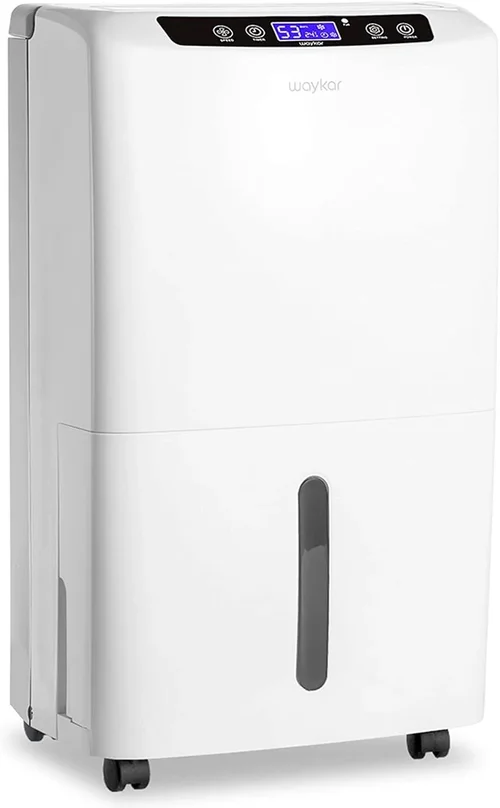
If you’ve ever walked into your basement and been greeted by a musty smell, damp walls, or that unmistakable feeling of clammy air clinging to your skin, you know how quickly moisture can turn a usable space into a problem zone. Basements are naturally prone to high humidity due to their below-grade location, poor ventilation, and exposure to groundwater. Left unchecked, excess moisture doesn’t just create an uncomfortable environment—it can lead to mold growth, structural damage, ruined belongings, and even health issues like allergies or respiratory problems. That’s where a reliable dehumidifier comes in. But with dozens of models on the market, each boasting different capacities, features, and price points, choosing the right one can feel overwhelming. This guide is designed to cut through the noise and help you make a confident, informed decision based on real performance, expert testing, and consumer feedback.
In this comprehensive buyer’s guide, you’ll learn everything you need to know to select the best basement dehumidifier for your specific needs. We’ll walk you through the most critical factors to consider—from pint capacity and energy efficiency to build quality and smart features—so you can match a unit to your basement’s size, humidity level, and usage patterns. You’ll also discover the different types of dehumidifiers available, common pitfalls to avoid, budget guidelines that reflect actual value, and expert tips for getting the most bang for your buck. Whether you’re dealing with a small, occasionally damp crawlspace or a large, frequently flooded basement, this guide will equip you with the knowledge to choose a model that delivers consistent, long-term performance. By the end, you’ll not only understand what makes a great dehumidifier—you’ll know exactly which one is right for you.
The basement dehumidifier market has evolved significantly in recent years. Gone are the days when consumers had to choose between bulky, inefficient units that drained manually and noisy machines that barely made a dent in humidity levels. Today’s models offer advanced compressor technology, automatic drainage options, Wi-Fi connectivity, and energy-efficient operation—all while maintaining compact, user-friendly designs. Brands like Frigidaire, hOmeLabs, GE, Midea, and AprilAire have raised the bar with rigorously tested units that perform well in real-world conditions. Consumer Reports and independent labs now evaluate dehumidifiers not just on paper specs, but on actual moisture removal rates, noise levels, ease of use, and durability over time. This means buyers have access to more reliable data than ever before. However, with innovation comes complexity. Features like auto-defrost, humidistats, and continuous drainage can be lifesavers—or unnecessary expenses—depending on your situation. Our goal is to simplify the process so you can focus on what truly matters: creating a dry, healthy, and usable basement space.
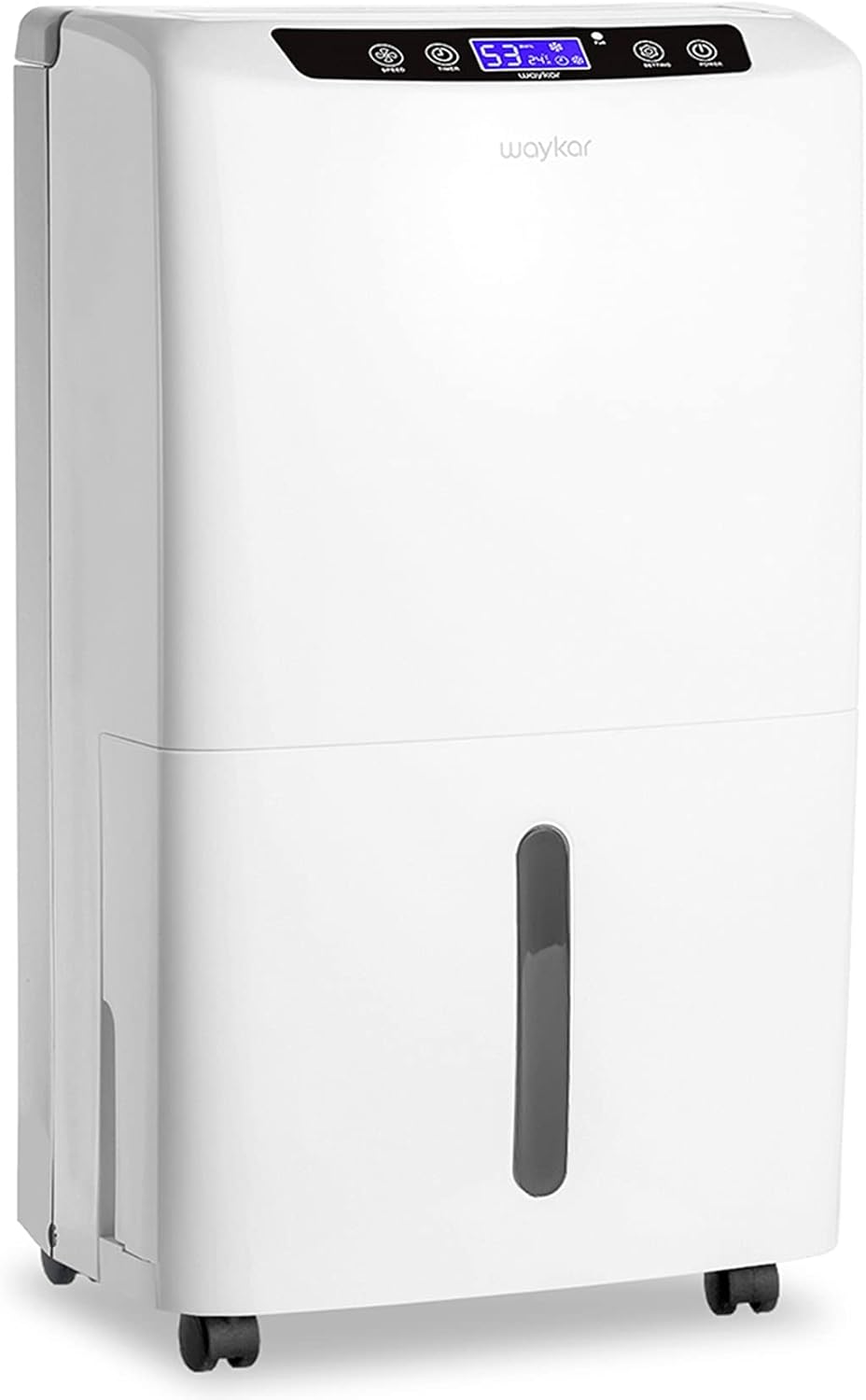
What to Look for When Buying a Basement Dehumidifier
1. Pint Capacity and Room Size Compatibility
The single most important specification when choosing a basement dehumidifier is its pint capacity—the amount of moisture it can remove from the air in 24 hours under standard conditions (typically 60% relative humidity at 80°F). This number directly correlates with the size of the space it can effectively treat. For example, a 30-pint unit is generally suitable for areas up to 1,500 square feet with moderate dampness, while a 70-pint model may be needed for larger or excessively wet basements over 2,500 square feet. However, don’t rely solely on square footage. Consider the severity of your moisture problem: a small basement with chronic flooding or high humidity will need a higher-capacity unit than a large, dry basement with only occasional dampness. Always check the manufacturer’s recommended coverage area and cross-reference it with independent testing data from sources like Consumer Reports, which often reveals discrepancies between advertised and actual performance.
2. Energy Efficiency and Operating Costs
Dehumidifiers run for hours each day, especially in humid climates or during wet seasons, so energy consumption directly impacts your utility bill. Look for models with the ENERGY STAR certification, which indicates they meet strict efficiency guidelines set by the U.S. Environmental Protection Agency. ENERGY STAR dehumidifiers use up to 15% less energy than standard models, saving you money over time. Pay attention to the Energy Factor (EF), measured in liters of water removed per kilowatt-hour (L/kWh)—higher numbers mean better efficiency. For instance, a unit with an EF of 1.8 is more efficient than one with 1.2. Also consider the wattage: a 500-watt model will cost significantly more to operate than a 300-watt one, even if both remove the same amount of moisture. Over a full season, this difference can add up to $50 or more in electricity costs.
3. Drainage Options and Maintenance Requirements
One of the biggest hassles with dehumidifiers is emptying the water tank. Most units come with a built-in bucket that needs manual emptying every 12–24 hours when running continuously. For basements, this is impractical—especially if you don’t visit the space daily. That’s why drainage options are crucial. Look for models with a continuous drainage port (usually a hose connection) that allows you to route water directly into a floor drain, sump pump, or utility sink. Some high-end units even include built-in pumps for upward drainage. If continuous drainage isn’t feasible, choose a model with a large-capacity tank (at least 1.5 gallons) and an auto-shutoff feature that turns off the unit when the bucket is full. Additionally, check how easy it is to remove and clean the filter—regular maintenance prevents mold buildup and ensures optimal airflow.
4. Humidity Control and Smart Features
A good basement dehumidifier should let you set and maintain your desired humidity level automatically. Look for models with a built-in humidistat (hygrometer) that measures ambient humidity and adjusts operation accordingly. Ideal basement humidity ranges from 30% to 50%—any higher encourages mold; any lower can cause wood to crack or electronics to malfunction. Advanced units offer digital displays, programmable timers, and even Wi-Fi connectivity so you can monitor and control settings via a smartphone app. Features like auto-restart (which resumes operation after a power outage) and auto-defrost (which prevents ice buildup in cold basements) are also valuable. While smart features add convenience, they’re not essential for everyone. Focus on core functionality first, then consider extras based on your lifestyle and tech preferences.
5. Noise Level and Placement Flexibility
Basements are often used as laundry rooms, home gyms, or living spaces, so noise matters. Dehumidifiers produce sound from their compressor and fan, typically ranging from 45 to 65 decibels (dB). For context, 50 dB is similar to a quiet conversation; 60 dB is like background music. If your basement doubles as a bedroom or office, aim for a model under 55 dB. Check manufacturer specs, but note that real-world noise can differ from lab tests. Some brands publish “quiet mode” settings that reduce fan speed at the cost of slightly lower efficiency. Also consider placement: can the unit sit flat on the floor? Does it need clearance from walls? Is it lightweight enough to move if needed? A well-designed dehumidifier should fit comfortably in tight spaces without obstructing walkways or vents.
6. Build Quality and Durability
Basements are harsh environments—dusty, damp, and sometimes cold. A dehumidifier must withstand these conditions without failing prematurely. Look for sturdy construction: metal coils (rather than aluminum), sealed electrical components, and rust-resistant coatings. Consumer Reports often highlights models with robust internal components that resist corrosion and overheating. Pay attention to warranty length—most reputable brands offer at least a one-year warranty, with some extending to two or three years. Longer warranties often indicate confidence in durability. Avoid ultra-cheap models from unknown brands; they may save you money upfront but cost more in repairs or replacements down the line. Reading long-term user reviews can reveal common failure points like compressor burnout or sensor drift.
7. Brand Reputation and Customer Support
Not all dehumidifier brands are created equal. Established names like Frigidaire, GE, hOmeLabs, and Midea have proven track records for reliability and customer service. These companies invest in R&D, adhere to safety standards, and provide accessible support channels. Check online reviews on trusted platforms like Consumer Reports, Amazon, and Home Depot for recurring themes—positive or negative. Are customers praising ease of use? Complaining about poor instructions? Struggling to get replacements under warranty? A brand’s responsiveness to issues can make or break your experience. Also verify that replacement parts (like filters or hoses) are readily available and affordable. Avoid brands with no U.S. presence or limited service networks—you don’t want to be stuck with a broken unit and no way to fix it.
8. User Reviews and Real-World Performance
Spec sheets tell part of the story, but real user experiences reveal the rest. Look beyond star ratings and read detailed reviews that describe long-term use. Does the unit actually reach the advertised pint capacity in a real basement? Does it struggle in cold temperatures? Is the humidistat accurate? Consumer Reports conducts controlled tests that simulate real conditions, providing unbiased performance data. Cross-referencing their findings with customer feedback gives you a balanced view. Pay special attention to reviews from people with similar basement setups—same size, same humidity issues, same climate. This helps you predict how a model will perform in your home. Remember: a dehumidifier that works great in a dry Arizona basement may fail in a humid Florida crawlspace.
Different Types of Basement Dehumidifiers

Common Buying Mistakes to Avoid
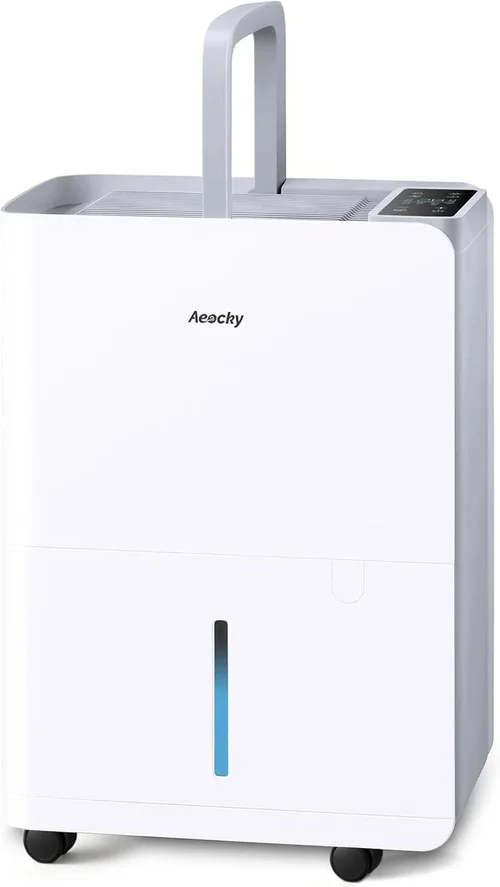
❌ Mistake: Choosing Based Solely on Pint Capacity
Why it’s bad: A higher pint rating doesn’t always mean better performance. Some manufacturers inflate numbers using non-standard testing conditions. A 70-pint model might only remove 50 pints in real-world basement conditions, leaving you with lingering dampness.
What to do instead: Cross-check pint claims with independent test results from Consumer Reports or AHAM (Association of Home Appliance Manufacturers). Match capacity to your basement’s actual needs—consider size, humidity level, and temperature—not just the biggest number on the box.
❌ Mistake: Ignoring Drainage Needs
Why it’s bad: If you forget to empty the bucket daily, the dehumidifier stops working, and moisture builds up again. This defeats the entire purpose and can lead to mold growth.
What to do instead: Opt for a model with continuous drainage capability or a large tank with auto-shutoff. If your basement has a floor drain or sump pit, invest in a unit with a built-in pump for hassle-free operation.
❌ Mistake: Overlooking Energy Efficiency
Why it’s bad: Running an inefficient dehumidifier 24/7 can spike your electricity bill by $100+ per season, especially in humid regions.
What to do instead: Prioritize ENERGY STAR-certified models with high Energy Factor ratings. Calculate annual operating costs using the wattage and local electricity rates to compare long-term value.
❌ Mistake: Buying for Warm Climates Only
Why it’s bad: Most compressor dehumidifiers lose efficiency below 60°F and may ice up in unheated winter basements, rendering them useless when you need them most.
What to do instead: If your basement gets cold, choose a desiccant model or a compressor unit with auto-defrost. Check the operating temperature range before buying.
❌ Mistake: Skipping the Warranty Check
Why it’s bad: Dehumidifiers have complex components like compressors and sensors that can fail. Without a solid warranty, repairs can cost nearly as much as a new unit.
What to do instead: Choose brands offering at least a 2-year warranty. Register your product immediately and keep receipts. Avoid extended warranties unless they cover specific high-failure parts.
❌ Mistake: Not Testing Humidity Levels First
Why it’s bad: You might buy an oversized or undersized unit if you don’t know your baseline humidity. Too small = ineffective; too large = short cycling and wasted energy.
What to do instead: Use a hygrometer (often included with dehumidifiers or available for $10–$20) to measure your basement’s current humidity. Aim for 30–50% and select a unit capable of maintaining that range.
❌ Mistake: Assuming All Brands Are Equal
Why it’s bad: Unknown brands may use inferior components, lack safety certifications, or offer no customer support, leaving you stranded if something goes wrong.
What to do instead: Stick with reputable manufacturers tested by Consumer Reports. Read user reviews focusing on reliability and service experiences, not just initial impressions.
Budget Guidelines: How Much Should You Spend?
Dehumidifiers vary widely in price, but your budget should align with your basement’s needs, not just your wallet. Here’s a realistic breakdown of what to expect at each tier:
- Entry-Level ($100–$200): These are basic compressor models ideal for small, mildly damp basements (under 1,000 sq ft). They typically have manual drainage, simple controls, and limited features. While affordable, they may lack durability and efficiency. Best for occasional use or temporary solutions.
- Mid-Range ($200–$350): This is the sweet spot for most homeowners. Units in this range offer 50–70 pint capacity, continuous drainage options, digital humidistats, auto-defrost, and ENERGY STAR certification. Brands like hOmeLabs and Frigidaire dominate here with reliable performance and good warranties. Perfect for average-sized basements with moderate to high humidity.
- Premium ($350–$600): Designed for large or problematic basements, these models feature advanced controls, Wi-Fi connectivity, built-in pumps, and superior build quality. They often exceed advertised capacity in real-world tests and include extended warranties. Ideal for flood-prone areas, finished basements, or those seeking smart-home integration.
- Luxury ($600+): Whole-house dehumidifiers or commercial-grade units fall here. They integrate with HVAC systems, handle entire homes, and offer professional installation. Only necessary for large properties, historic homes, or severe moisture issues requiring centralized control.
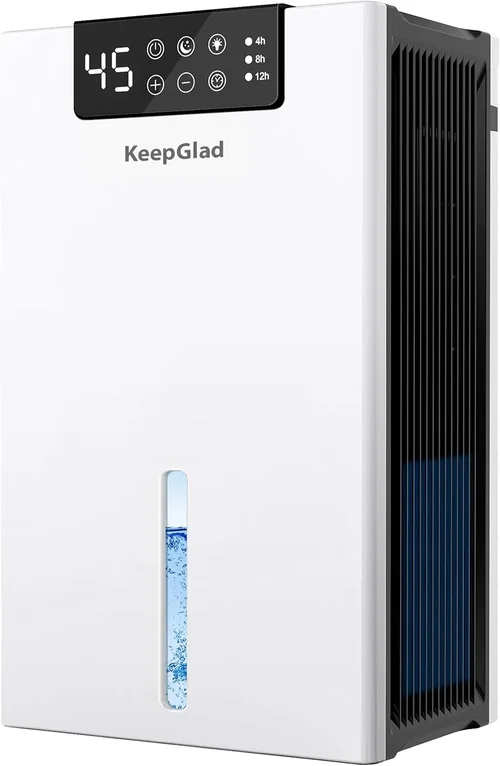
Expert Tips for Getting the Best Deal
- Buy During Off-Peak Seasons: Prices drop significantly in fall and winter when demand is low. Retailers often discount summer inventory between October and February. Set price alerts on Amazon, Home Depot, or Lowe’s to catch sales.
- Shop at Authorized Retailers: Purchase from stores that carry manufacturer warranties—Amazon (sold by Amazon, not third parties), Home Depot, Lowe’s, or Best Buy. Avoid eBay or unknown online sellers that may sell refurbished or counterfeit units.
- Check for Rebates and Incentives: Some utility companies offer rebates for ENERGY STAR dehumidifiers. Visit the ENERGY STAR website or contact your local provider to see if you qualify for savings.
- Read the Fine Print on Returns: Ensure the retailer allows returns within 30–90 days, especially if the unit doesn’t perform as expected. Some stores charge restocking fees, so confirm policies before buying.
- Test Before Committing Long-Term: Run the dehumidifier for at least a week. Check if it maintains your target humidity, drains properly, and doesn’t overheat or make excessive noise. If it fails, return it promptly.
- Consider Refurbished Models: Certified refurbished units from reputable brands often come with full warranties and cost 20–30% less. Just verify they’re tested and cleaned by the manufacturer.
- Bundle with Other Purchases: Some retailers offer discounts when you buy a dehumidifier with a sump pump, air purifier, or HVAC service. Look for package deals during seasonal promotions.
- Register for Manufacturer Updates: Sign up for newsletters from brands like Frigidaire or GE. They often send exclusive promo codes or notify customers of flash sales.
Frequently Asked Questions
Q: How do I know what size dehumidifier I need for my basement?
A: Start by measuring your basement’s square footage. Then assess the moisture level: if it’s just slightly damp, a 30–50 pint unit may suffice; if it’s very wet or has standing water, go for 70+ pints. Use a hygrometer to check humidity—ideally, it should stay between 30% and 50%. Always refer to the manufacturer’s coverage chart and cross-check with Consumer Reports’ real-world testing data.
Q: Can I use a dehumidifier in a cold basement?
A: Standard compressor dehumidifiers struggle below 60°F and may ice up. For cold basements, choose a desiccant model or a compressor unit with auto-defrost. Desiccant dehumidifiers work well in temperatures as low as 34°F and are quieter, though less energy-efficient in warm conditions.
Q: Should I drain the dehumidifier manually or use a hose?
A: If your basement has a floor drain, sump pit, or utility sink, use continuous drainage with a hose. It’s the most convenient option for daily operation. If not, choose a model with a large tank (1.5+ gallons) and auto-shutoff to prevent overflow.
Q: How often should I clean my dehumidifier?
A: Clean the air filter every 2–4 weeks during heavy use. Wipe down the water tank monthly with a mild bleach solution to prevent mold. Check coils and vents for dust buildup quarterly. Regular maintenance ensures efficiency and longevity.
Q: Will a dehumidifier help with mold?
A: Yes, but only if humidity is controlled. A dehumidifier prevents new mold growth by keeping moisture low. However, it won’t remove existing mold—you must clean visible mold with appropriate cleaners and fix any water sources first.
Q: Are smart dehumidifiers worth the extra cost?
A: If you want remote monitoring, scheduling, or integration with smart home systems, yes. But if you just need basic humidity control, a standard model with a humidistat is sufficient and more cost-effective.
Q: How much does it cost to run a dehumidifier?
A: It depends on wattage, runtime, and local electricity rates. A 500-watt unit running 12 hours/day at $0.12/kWh costs about $22/month. ENERGY STAR models can cut this by 15–20%. Use an online calculator to estimate your specific costs.
Q: Can I leave my dehumidifier on all the time?
A: Yes, most modern units are designed for continuous operation. Just ensure proper drainage and regular maintenance. Set the humidistat to your desired level (e.g., 45%) so it cycles on and off automatically.
Q: What’s the difference between AHAM and manufacturer pint ratings?
A: AHAM (Association of Home Appliance Manufacturers) tests dehumidifiers under standardized conditions (80°F, 60% RH), providing consistent, comparable data. Manufacturer ratings may use different conditions, leading to inflated numbers. Always trust AHAM or Consumer Reports data over marketing claims.
Q: Do I need a dehumidifier if I have a sump pump?
A: Yes. A sump pump removes standing water but doesn’t control airborne humidity. A dehumidifier addresses the residual moisture that leads to musty smells, warped wood, and mold—even after flooding.
Our Final Recommendations
- Best for Budget-Conscious Buyers: hOmeLabs 30 Pint Dehumidifier – At under $200, it offers reliable performance for small to mid-sized basements, ENERGY STAR certification, and a large 1.8-gallon tank. Great value for occasional dampness.
- Best Overall Value: Frigidaire FFAD7033R1 70 Pint Dehumidifier – Consistently top-rated by Consumer Reports, this model removes up to 70 pints daily, features continuous drainage, auto-defrost, and a washable filter. Ideal for large, humid basements.
- Best Premium Option: GE APER50LZ 50 Pint Smart Dehumidifier – With Wi-Fi connectivity, Alexa compatibility, and precise humidity control, this unit blends performance with modern convenience. Perfect for tech-savvy homeowners.
- Best for Beginners: Midea MAD50C1ZWS 50 Pint Dehumidifier – Simple controls, quiet operation, and excellent efficiency make this a user-friendly choice. Includes a built-in pump for upward drainage—ideal for basements without floor drains.
- Best for Advanced Users: AprilAire E080 Pro 80 Pint Whole-House Dehumidifier – For those with serious moisture issues or large homes, this professionally installed unit integrates with HVAC systems and delivers unmatched capacity and reliability.
Conclusion: Making the Right Choice
Choosing the best basement dehumidifier isn’t just about picking the biggest or most expensive model—it’s about finding the right balance of capacity, efficiency, features, and durability for your specific situation. By understanding key factors like pint rating, drainage options, energy use, and real-world performance, you can avoid common pitfalls and invest in a unit that truly solves your moisture problems. Remember, a dehumidifier is a long-term investment in your home’s health and comfort. Don’t rush the decision. Take time to assess your basement’s needs, read independent reviews, and compare models using the guidelines in this guide. Whether you’re battling chronic dampness or just want to protect your belongings, the right dehumidifier will keep your basement dry, safe, and usable year-round. Start today—your future self (and your walls) will thank you.