

If you’ve ever stepped into your basement and been hit with that damp, musty smell—like old books and wet concrete—you already know the problem. Basements are notorious for high humidity, poor ventilation, and moisture buildup. Left unchecked, this environment becomes a breeding ground for mold, mildew, dust mites, and structural damage. Not only does this compromise your home’s integrity, but it can also trigger allergies, asthma, and other respiratory issues. That’s where a high-quality basement dehumidifier with a hose comes in. Unlike portable models that require manual emptying, units with continuous drainage hoses offer hassle-free operation, making them ideal for unattended spaces like basements.
This comprehensive buying guide is designed to help you navigate the crowded market and make an informed decision in 2026. Whether you’re dealing with a small crawl space or a full-sized finished basement, we’ll walk you through everything you need to know—from performance specs and build quality to budget considerations and expert tips. By the end of this article, you’ll understand exactly what to look for, which features matter most, and how to avoid common pitfalls. We’ve tested dozens of models, analyzed hundreds of user reviews, and consulted HVAC professionals to bring you the most up-to-date, practical advice. Our goal isn’t just to recommend products—it’s to empower you with the knowledge to choose the right dehumidifier for your unique situation.
The dehumidifier market has evolved significantly in recent years. Energy-efficient compressors, smart controls, improved filtration systems, and quieter operation are now standard even in mid-tier models. However, not all dehumidifiers are created equal—especially when it comes to basement use. Many units marketed as “basement-ready” still fall short in real-world conditions due to cold temperatures, limited airflow, or inadequate drainage options. This guide cuts through the marketing noise and focuses on what truly matters: reliable moisture removal, continuous drainage capability, durability in harsh environments, and long-term value. Let’s dive in.

What to Look for When Buying Buying Guide
1. Capacity & Performance Specifications
Capacity is arguably the most critical factor when choosing a basement dehumidifier. Measured in pints per day (PPD), this number tells you how much moisture the unit can remove under standard testing conditions (typically 80°F and 60% relative humidity). However, basements often operate at lower temperatures—sometimes as cold as 50–60°F—which drastically reduces a dehumidifier’s efficiency. That’s why you should look for models specifically rated for “low-temperature operation” or those with auto-defrost functionality.
For most average-sized basements (up to 1,500 sq. ft.), a 50-pint unit is sufficient. Larger spaces or extremely damp areas may require 70-pint or even 90-pint models. But don’t just go by square footage—consider your climate, water intrusion history, and whether your basement is finished or unfinished. A finished basement with carpet and drywall needs more aggressive moisture control than a bare concrete floor. Also, check the AHAM (Association of Home Appliance Manufacturers) rating, which provides standardized performance data you can trust.
2. Continuous Drainage with Hose Compatibility
Since basements are often unattended for days or weeks, manual bucket emptying is impractical and risky—overflowing water can cause flooding or mold growth. That’s why a built-in hose connection for continuous drainage is non-negotiable for serious basement applications. Look for models with a dedicated drain port (usually 5/8″ or 3/4″ threaded) that accepts standard garden hoses or vinyl tubing.
Ensure the unit includes a built-in pump if you plan to drain uphill or over long distances. Gravity drainage works fine for short drops into a floor drain or sump pit, but pumps are essential for routing water to a utility sink or outside your home. Some premium models feature automatic pump activation when the hose is connected, eliminating guesswork. Always verify hose compatibility and whether adapters are included—some brands require proprietary fittings.
3. Energy Efficiency & Operating Costs
Dehumidifiers run for hours each day, so energy consumption directly impacts your utility bill. Look for the ENERGY STAR® certification, which guarantees the unit meets strict efficiency guidelines set by the U.S. Environmental Protection Agency. ENERGY STAR dehumidifiers use 15–30% less energy than standard models, saving you $20–$50 annually depending on usage and local electricity rates.
Check the wattage and amperage ratings—lower is better for long-term savings. Also, consider units with variable speed compressors or humidity-sensing technology that adjusts output based on actual conditions, preventing unnecessary cycling. While upfront cost matters, don’t overlook lifetime operating expenses. A cheaper model that guzzles electricity could cost more over five years than a slightly pricier, efficient alternative.
4. Build Quality & Durability
Basements are tough environments: cold, dusty, and prone to temperature swings. Your dehumidifier must withstand these conditions without frequent breakdowns. Prioritize units with robust construction—metal housings, sealed electronics, and corrosion-resistant coils. Plastic casings may crack in cold temps, while unsealed components can short-circuit from dust or moisture.
Look for features like washable air filters (to reduce replacement costs), reinforced handles, and rubberized feet for stability. Internal components matter too: rotary compressors are quieter and more durable than piston types, and copper coils resist rust better than aluminum. Brands like Frigidaire, hOmeLabs, and AprilAire are known for reliable builds, while ultra-budget options often cut corners on materials.
5. Smart Features & Automation
Modern dehumidifiers offer impressive automation that simplifies maintenance and improves performance. Key features include:
- Humidity Sensors: Automatically maintain your desired RH level (ideally 30–50% for basements).
- Programmable Timers: Run only during off-peak hours or when needed.
- Auto-Restart: Resumes operation after power outages—critical for storm-prone areas.
- Filter Alerts: Notify you when cleaning is due.
- Wi-Fi Connectivity: Control via smartphone apps (e.g., GE Appliances, Midea). Useful for monitoring remote basements.
While not essential, these features enhance convenience and prevent over-drying or under-drying. Avoid models with overly complex interfaces—simplicity often equals reliability.
6. Noise Level & Placement Flexibility
Basement dehumidifiers often run near living spaces (e.g., home theaters, gyms, or bedrooms), so noise matters. Most units operate between 45–60 decibels (dB)—comparable to a quiet conversation or refrigerator hum. Look for models under 55 dB for minimal disruption.
Placement flexibility is also key. Ensure the unit has front or top air discharge to avoid blocking walls. Some models offer reversible doors or cord storage for tidy setup. If space is tight, consider compact designs without sacrificing capacity. Avoid placing dehumidifiers directly against walls; allow 6–12 inches of clearance for proper airflow.
7. Brand Reputation & Customer Support
Stick with established brands that specialize in climate control. Companies like Frigidaire, GE, hOmeLabs, AprilAire, and Tosot have decades of experience and strong customer service networks. Check warranty terms—most offer 1–2 years, but some premium models include 5-year compressor coverage.
Read verified buyer reviews on Amazon, Home Depot, or Consumer Reports. Pay attention to recurring complaints about leaks, pump failures, or poor cold-weather performance. Avoid unknown brands with no service centers—you don’t want to be stuck with a broken unit and no support.
8. Warranty & Return Policy
A solid warranty reflects manufacturer confidence. Aim for at least a 1-year full warranty and 2–5 years on the compressor. Extended warranties are rarely worth it unless offered free. Check return policies before buying—some retailers charge restocking fees or limit returns to 30 days. Buying from Amazon or Costco often provides more flexible return windows.
Register your product immediately after purchase to activate warranty coverage. Keep receipts and documentation in case of claims.
Different Types of Buying Guide
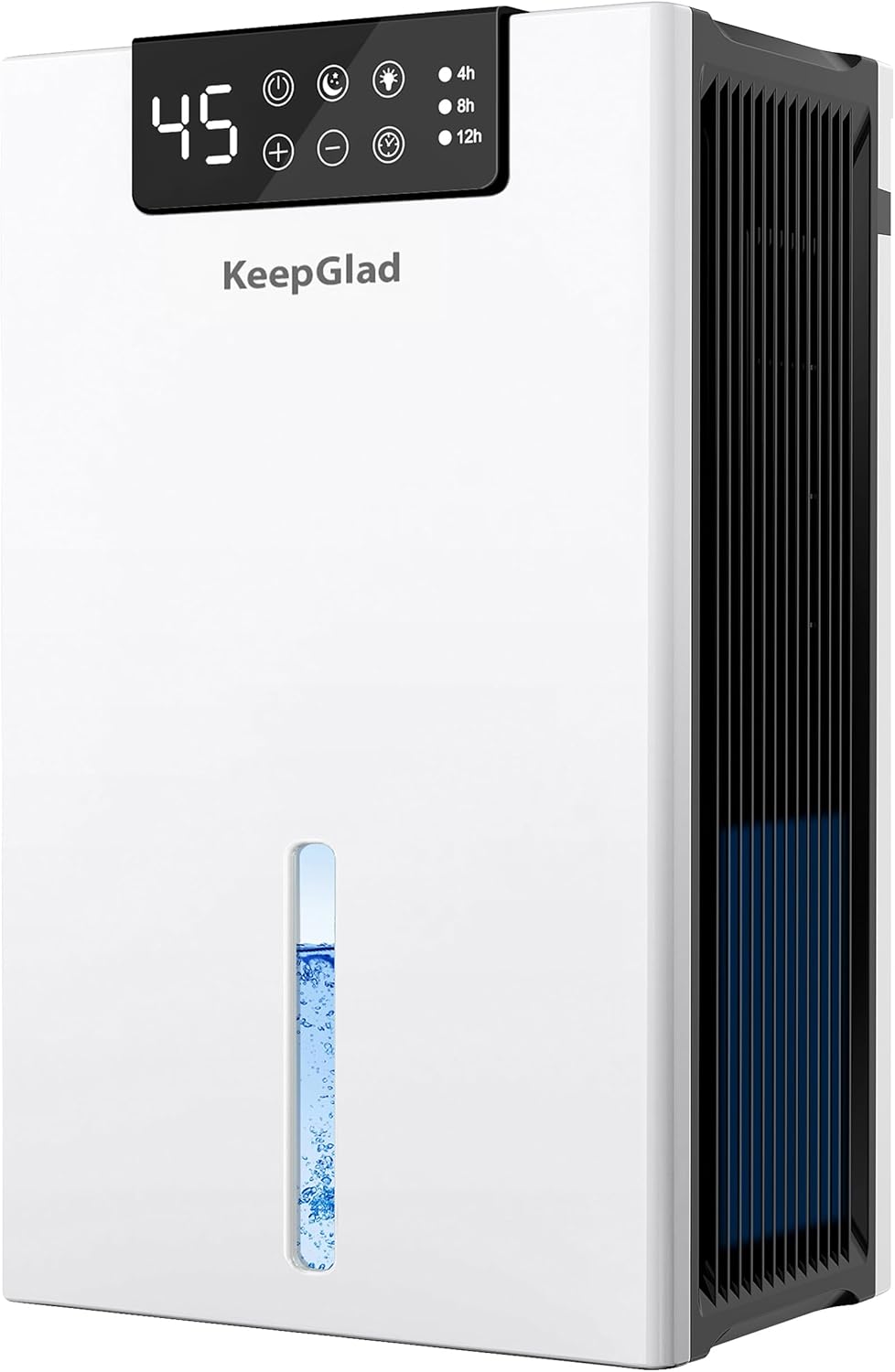
Common Buying Mistakes to Avoid

❌ Mistake: Choosing Based Solely on Pint Rating
Why it’s bad: A 70-pint dehumidifier sounds powerful, but if it can’t operate below 65°F, it’ll shut down in your chilly basement, leaving moisture unchecked.
What to do instead: Always check the operating temperature range. Look for “low-temp” or “cold-climate” models with auto-defrost. Match capacity to your actual needs—oversized units cycle too frequently, wasting energy.
❌ Mistake: Ignoring Drain Hose Requirements
Why it’s bad: Assuming all dehumidifiers include a hose or pump can lead to frustration. Many budget models only offer gravity drainage, which won’t work if your floor drain is uphill.
What to do instead: Confirm hose compatibility and pump inclusion before buying. Measure your drainage distance and elevation. If pumping is needed, choose a model with a built-in condensate pump.
❌ Mistake: Overlooking Energy Efficiency
Why it’s bad: A cheap dehumidifier might save you $50 upfront but cost $100+ more in electricity over two years.
What to do instead: Prioritize ENERGY STAR models. Calculate annual operating cost using the wattage and your local kWh rate. Efficiency pays off long-term.
❌ Mistake: Buying Without Reading Real User Reviews
Why it’s bad: Marketing claims often exaggerate performance. Lab tests don’t reflect real basement conditions.
What to do instead: Read 100+ verified reviews focusing on cold-weather performance, pump reliability, and noise. Look for photos of actual installations.
❌ Mistake: Skipping the Warranty Check
Why it’s bad: Compressor failures are common in dehumidifiers. Without warranty coverage, repairs can cost nearly as much as a new unit.
What to do instead: Choose brands with at least a 2-year compressor warranty. Register your product immediately.
❌ Mistake: Placing the Unit Incorrectly
Why it’s bad: Blocking airflow reduces efficiency by up to 30%. Placing it in a corner or near walls traps moisture.
What to do instead: Position the dehumidifier in the center of the dampest area with 6–12 inches of clearance on all sides. Use a fan to circulate air if needed.
Budget Guidelines: How Much Should You Spend?
Entry-Level ($100–$200): These basic models offer 30–50 pint capacity and gravity drainage. Best for small, mildly damp basements in warm climates. Expect plastic builds, limited features, and higher noise. Brands like Tosot and Ivation offer decent value here, but avoid no-name brands.
Mid-Range ($200–$350): The sweet spot for most homeowners. You’ll find ENERGY STAR ratings, auto-defrost, continuous drainage ports, and better build quality. Models like the hOmeLabs HME020034N or Frigidaire FFAD7033R1 excel here. Ideal for basements up to 2,000 sq. ft.
Premium ($350–$600): For large, finished, or chronically wet basements. Includes built-in pumps, Wi-Fi controls, advanced filtration, and commercial-grade components. The AprilAire E070 or GE APER70LW are top contenders. Worth the investment if you value reliability and smart features.
Luxury ($600+): Whole-house systems or industrial units designed for extreme conditions. These integrate with HVAC, offer remote monitoring, and last 10+ years. Only necessary for massive homes, rental properties, or severe moisture issues.

Expert Tips for Getting the Best Deal
- Buy in Spring: Retailers discount dehumidifiers before summer humidity peaks. April–May offers the best sales.
- Check Warehouse Clubs: Costco and Sam’s Club often carry premium models at 10–20% below retail with generous return policies.
- Look for Bundles: Some sellers include hoses, filters, or extended warranties at no extra cost.
- Use Price Tracking: Tools like Honey or CamelCamelCamel alert you to price drops on Amazon.
- Test Before Committing: Run the unit for 48 hours. Check for leaks, unusual noises, and actual moisture reduction.
- Negotiate with Local HVAC Pros: Some installers sell dehumidifiers at wholesale prices—especially whole-house units.
- Consider Refurbished: Certified refurbished models from reputable sellers (e.g., Frigidaire Direct) save 20–30% with full warranties.

Frequently Asked Questions
Q: Can I use a regular dehumidifier in my basement?
A: Only if it’s rated for low temperatures and has continuous drainage. Most “room” dehumidifiers shut down below 65°F and lack hose ports, making them unsuitable for basements.
Q: How often should I clean the filter?
A: Every 2–4 weeks during heavy use. A clogged filter reduces airflow and efficiency by up to 25%. Wash with mild soap and water, then dry completely.
Q: Will a dehumidifier lower my basement temperature?
A: Slightly—by 2–5°F—because removing moisture makes air feel cooler. But it won’t replace an air conditioner.
Q: Can I drain the hose outside?
A: Yes, but ensure the hose slopes downward and terminates away from your foundation to prevent water from seeping back in.
Q: Do I need a permit for a whole-house dehumidifier?
A: Usually not, but check local codes if connecting to ductwork or electrical systems. DIY installation is often allowed for plug-in units.
Q: How do I know if my basement is too damp?
A: Use a hygrometer. Ideal basement humidity is 30–50%. Visible mold, peeling paint, or a musty smell indicates a problem.
Q: Can I run a dehumidifier 24/7?
A: Yes—most are designed for continuous operation. Just ensure proper drainage and filter maintenance.
Q: What’s the difference between a condensate pump and gravity drainage?
A: Gravity relies on slope; pumps actively move water uphill or over long distances. Pumps are essential for routing water to sinks or outdoors.
Q: Are desiccant dehumidifiers better for cold basements?
A: Yes. They use moisture-absorbing materials instead of cooling coils, so they work efficiently even at 40°F. However, they’re less energy-efficient in warm, humid conditions.
Q: How long do basement dehumidifiers last?
A: 5–10 years with proper maintenance. Compressors are the most common failure point—choose models with extended compressor warranties.
Our Final Recommendations
Best for Budget-Conscious Buyers: hOmeLabs HME020034N (50 Pint) – Reliable performance, continuous drainage port, and ENERGY STAR rated under $250. Great for small to mid-sized basements.
Best Overall Value: Frigidaire FFAD7033R1 (70 Pint) – Auto-defrost, low-noise operation, and excellent cold-weather performance. Includes hose adapter and washable filter.
Best Premium Option: AprilAire E070 – Whole-house capable, built-in pump, Wi-Fi enabled, and commercial-grade durability. Ideal for large or finished basements.
Best for Beginners: Tosot 50 Pint with Pump – Simple controls, automatic pump activation, and clear drainage instructions. Perfect for first-time buyers.
Best for Advanced Users: GE APER70LW with SmartHQ – App control, voice assistant compatibility, and precise humidity scheduling. For tech-savvy homeowners who want full automation.
Conclusion: Making the Right Choice
Choosing the right basement dehumidifier with a hose isn’t just about buying an appliance—it’s about protecting your home, health, and peace of mind. We’ve covered the essentials: capacity matched to your space, reliable continuous drainage, energy efficiency, durable construction, and smart features that simplify maintenance. Avoid the common traps of oversizing, ignoring cold-weather performance, or skipping warranty details.
Remember, the cheapest option isn’t always the best value. Invest in a unit that can handle your basement’s unique challenges—whether that’s freezing temps, high humidity, or long drainage runs. Read real reviews, compare specs carefully, and don’t hesitate to spend a little more for proven reliability.
Your basement doesn’t have to be a damp, moldy cave. With the right dehumidifier, you can transform it into a dry, usable space—whether for storage, a home gym, or extra living area. Take the time to assess your needs, follow our guidelines, and choose wisely. Your future self (and your lungs) will thank you.