
Bathrooms are notorious for their high humidity levels. Every shower, bath, or even just running hot water releases moisture into the air. Without proper ventilation or moisture control, this damp environment becomes a breeding ground for mold, mildew, and musty odors. Over time, these issues don’t just affect air quality—they can damage walls, grout, paint, and even structural elements. That’s why investing in a reliable bathroom dehumidifier isn’t just a luxury; it’s a necessity for maintaining a healthy, comfortable, and long-lasting home.
This comprehensive buying guide is designed to help you navigate the often-confusing world of bathroom dehumidifiers. Whether you’re dealing with persistent condensation on mirrors, peeling wallpaper, or that ever-present damp smell, we’ll walk you through everything you need to know to make an informed decision. From understanding key performance specs to comparing different types and avoiding common pitfalls, this guide covers all the bases. We’ll also share expert tips on budgeting, timing your purchase, and getting the best value—so you don’t end up overspending on features you don’t need or underspending on a unit that can’t handle your space.
The market today offers a wide range of dehumidifiers, from compact, portable models perfect for small bathrooms to high-capacity units built for larger spaces or multi-room use. Some are whisper-quiet, others come with smart controls, and a few even double as air purifiers. With so many options, it’s easy to feel overwhelmed. But by the end of this guide, you’ll have the knowledge and confidence to choose the right dehumidifier for your specific needs, space, and lifestyle.
What to Look for When Buying Buying Guide
1. Moisture Removal Capacity (Pints per Day)
One of the most critical factors when selecting a bathroom dehumidifier is its moisture removal capacity, typically measured in pints per day (PPD). This number tells you how much water the unit can extract from the air in a 24-hour period under standard conditions (usually 60% relative humidity at 80°F). For bathrooms, which are typically smaller and more humid than other rooms, a capacity between 10 and 30 pints per day is usually sufficient.
Small bathrooms (under 50 sq. ft.) may only need a 10–15 PPD unit, especially if they have a window or exhaust fan. Medium-sized bathrooms (50–100 sq. ft.) often benefit from 15–25 PPD models, while larger or poorly ventilated spaces might require up to 30 PPD. It’s important not to oversize the unit, as an overly powerful dehumidifier can cycle on and off too quickly, reducing efficiency and failing to maintain consistent humidity levels. Conversely, an undersized unit will run continuously, increasing energy costs and wear on the compressor.
Look for models that specify performance at 60% RH and 80°F, as these are industry-standard test conditions. Avoid units that only list performance at higher humidity levels (like 80% or 90%), as they’ll perform significantly worse in real-world bathroom conditions. Also, consider the unit’s ability to operate efficiently at lower temperatures—some dehumidifiers struggle below 65°F, which can be an issue in unheated bathrooms during winter.
2. Size and Portability
Bathrooms come in all shapes and sizes, and so should your dehumidifier. A compact, lightweight unit is ideal for small spaces where every inch counts. Look for models that can fit under sinks, on countertops, or in corners without obstructing movement or storage. Many modern bathroom dehumidifiers are designed with sleek, low-profile builds and discreet aesthetics to blend into home environments.
Portability is another key consideration. Units with built-in handles, caster wheels, or carrying grips make it easy to move the dehumidifier between rooms—say, from the bathroom to the basement or laundry room during colder months when humidity shifts. This flexibility adds long-term value, especially if you don’t want to buy multiple units.
Weight matters too. A dehumidifier under 20 pounds is generally easy to carry, while anything over 30 pounds may require two people or a dolly. If you plan to store the unit when not in use, check its dimensions and whether it can be stored vertically or horizontally. Some models are designed to be wall-mounted or tucked into cabinets, which can save floor space in tight quarters.
3. Noise Level (Decibel Rating)
Bathrooms are often adjacent to bedrooms, living areas, or home offices, so noise can be a major concern. A loud dehumidifier can disrupt sleep, conversations, or concentration, especially if it runs frequently. Most modern units operate between 35 and 50 decibels (dB), which is comparable to a whisper or quiet library.
For bathrooms near bedrooms or used during nighttime routines, aim for a model under 45 dB. Some premium dehumidifiers feature “sleep mode” or “quiet mode” settings that reduce fan speed and compressor noise during low-humidity periods. These modes can extend runtime slightly but significantly improve comfort.
Check manufacturer specifications for noise ratings, but also read user reviews. Real-world performance can differ from lab tests, especially under varying humidity and temperature conditions. If possible, test the unit in-store or choose a model with a generous return policy so you can evaluate noise levels at home.
4. Energy Efficiency and Operating Costs
Dehumidifiers can be energy hogs, especially if they run for hours each day. Look for units with the ENERGY STAR certification, which indicates they meet strict efficiency guidelines set by the U.S. Environmental Protection Agency. ENERGY STAR-certified dehumidifiers use 15–30% less energy than standard models, which translates to lower electricity bills over time.
Pay attention to the unit’s wattage and annual energy consumption (usually listed in kWh/year). A typical bathroom dehumidifier uses between 200 and 500 watts, depending on size and settings. Multiply the wattage by your local electricity rate and estimated daily runtime to estimate monthly costs. For example, a 300-watt unit running 8 hours a day at $0.12/kWh would cost about $8.64 per month.
Some models include energy-saving features like auto-shutoff, humidity sensors, and timers. These help prevent unnecessary runtime and reduce waste. Also, consider the type of compressor: rotary compressors are generally more efficient and quieter than piston types, though they may cost more upfront.
5. Humidity Control and Sensors
Precise humidity control is essential for maintaining a healthy bathroom environment. The ideal relative humidity (RH) range for bathrooms is between 30% and 50%. Levels above 60% encourage mold and mildew growth, while levels below 30% can cause dry skin and respiratory irritation.
Look for dehumidifiers with built-in hygrometers (humidity sensors) and adjustable humidity settings. These allow you to set a target RH level (e.g., 45%) and let the unit automatically cycle on and off to maintain it. Some models even feature digital displays that show current humidity in real time.
Advanced units may include programmable timers, allowing you to run the dehumidifier only during peak humidity times (like after showers). Others offer “continuous drain” options, where a hose can be attached to bypass the water tank and drain directly into a sink or floor drain—ideal for unattended operation.
Avoid models without humidity sensors, as they may over-dry the air or fail to respond to changing conditions. Manual-only units often require constant monitoring and adjustment, which defeats the purpose of automation.
6. Water Tank Capacity and Drainage Options
All dehumidifiers collect moisture in a water tank, which must be emptied periodically. Tank size varies from 0.5 gallons (about 4 pints) to over 2 gallons (16+ pints). For bathrooms, a tank between 1 and 1.5 gallons is usually sufficient, especially if the unit runs only a few hours per day.
However, if you plan to run the dehumidifier continuously or in a high-humidity environment, consider a model with a larger tank or continuous drainage. Continuous drain models use a standard garden hose to empty water directly into a sink, bathtub, or floor drain, eliminating the need to empty the tank manually.
Check the tank’s design: a removable, spill-proof bucket with a handle makes emptying easier and safer. Some tanks include float switches that automatically shut off the unit when full, preventing overflow. Others have transparent windows so you can see the water level without opening the unit.
7. Build Quality and Durability
Bathrooms are harsh environments—high humidity, temperature swings, and occasional splashes can take a toll on electronics and materials. A well-built dehumidifier should feature a rust-resistant casing, sealed electrical components, and durable internal parts.
Look for models with metal or high-grade plastic housings that resist warping and corrosion. Internal components like coils and compressors should be protected from moisture ingress. Some premium units include anti-corrosion coatings or sealed refrigerant systems for added longevity.
Check the warranty length and coverage. A longer warranty (3–5 years) often indicates confidence in the product’s durability. Avoid units with only a 1-year warranty unless they’re very inexpensive and intended for short-term use.
Also, consider the filter. Most dehumidifiers include a washable or replaceable air filter that traps dust and allergens. A high-quality filter improves air quality and protects the internal components. Look for models with easy-access filter doors and filters that can be cleaned with water or vacuumed.
8. Additional Features and Smart Capabilities
Modern dehumidifiers come with a range of features that enhance convenience and performance. While not essential, these can make a big difference in daily use.
Smart features like Wi-Fi connectivity allow you to control the unit via a smartphone app, set schedules, receive alerts when the tank is full, or monitor humidity levels remotely. Some models integrate with smart home systems like Alexa or Google Assistant for voice control.
Other useful features include:
– Auto-defrost: Prevents ice buildup on coils in cold environments.
– Laundry mode: Increases fan speed to dry clothes faster.
– Air purification: Built-in HEPA or carbon filters remove allergens and odors.
– LED indicators: Show power status, tank full, or filter change alerts.
While these features add cost, they can improve usability and efficiency. Decide which ones align with your lifestyle and needs.
Different Types of Buying Guide

Common Buying Mistakes to Avoid
❌ Mistake: Buying Based Solely on Price
Why it’s bad: The cheapest dehumidifier often lacks essential features like humidity sensors, auto-shutoff, or durable construction. It may also be inefficient, noisy, or prone to breakdowns, leading to higher long-term costs.
What to do instead: Focus on value, not just upfront cost. Consider energy efficiency, warranty, and features. A mid-range unit that lasts 5+ years and saves on electricity is often a better investment than a $50 model that fails in six months.
❌ Mistake: Ignoring Room Size and Humidity Levels
Why it’s bad: A dehumidifier that’s too small won’t effectively reduce moisture, while one that’s too large may short-cycle, wasting energy and failing to maintain stable humidity.
What to do instead: Measure your bathroom’s square footage and assess humidity levels. Use a hygrometer to check RH. Choose a unit with a capacity appropriate for your space and usage patterns.
❌ Mistake: Overlooking Noise Levels
Why it’s bad: A loud dehumidifier can be disruptive, especially in homes where bathrooms are near bedrooms or living areas. Constant humming or buzzing can become a nuisance.
What to do instead: Check the decibel rating and read user reviews about noise. Opt for models under 45 dB or those with quiet/sleep modes.
❌ Mistake: Neglecting Drainage Options
Why it’s bad: Frequent tank emptying is inconvenient and increases the risk of spills. In high-humidity environments, a full tank can shut off the unit when you need it most.
What to do instead: If possible, choose a model with continuous drain capability. Even if you don’t use it immediately, it adds flexibility for future needs.
❌ Mistake: Skipping the Warranty Check
Why it’s bad: Dehumidifiers contain complex components like compressors and coils that can fail. A short or limited warranty leaves you vulnerable to repair costs.
What to do instead: Always check the warranty length and coverage. Look for at least a 2-year warranty, and consider extended protection plans for premium units.
❌ Mistake: Buying Without Reading Reviews
Why it’s bad: Specifications don’t tell the whole story. Real-world performance, reliability, and customer service experiences are best learned from user feedback.
What to do instead: Read reviews on multiple platforms (Amazon, Home Depot, Reddit). Look for patterns in complaints or praise, especially regarding durability and noise.
❌ Mistake: Assuming All Dehumidifiers Work the Same
Why it’s bad: Different technologies (desiccant vs. compressor) perform differently in various conditions. A desiccant unit may be better in cold bathrooms, while a compressor excels in warm, humid spaces.
What to do instead: Understand the pros and cons of each type. Match the technology to your climate and bathroom conditions.
Budget Guidelines: How Much Should You Spend?
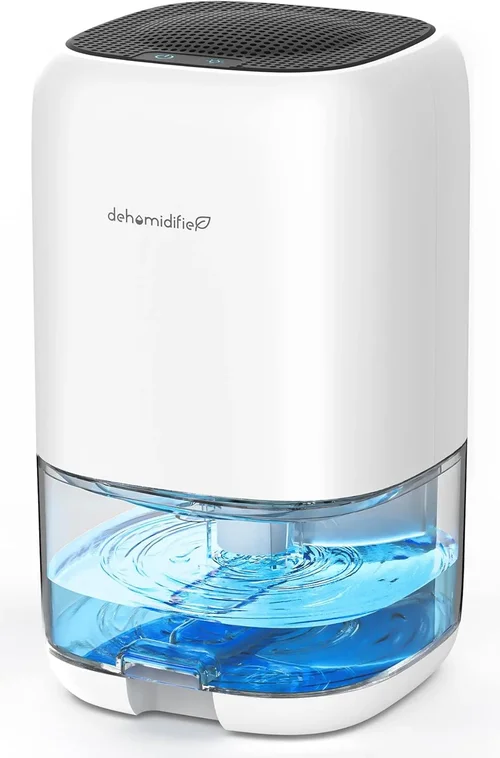
Entry-Level ($50 – $100): These are typically mini electric or basic desiccant dehumidifiers. They’re ideal for very small spaces or occasional use. Expect limited capacity (under 10 PPD), small tanks, and minimal features. They’re quiet and portable but may struggle in high-humidity environments. Best for closets, RVs, or as a temporary solution.
Mid-Range ($100 – $250): This is the sweet spot for most bathroom buyers. These units offer 15–30 PPD capacity, built-in hygrometers, auto-shutoff, and sometimes continuous drain options. They’re energy-efficient, reasonably quiet, and built to last. Look for ENERGY STAR models in this range for the best balance of performance and value.
Premium ($250 – $500): These dehumidifiers include advanced features like Wi-Fi connectivity, air purification, programmable timers, and high-capacity tanks. They’re built with durable materials and often come with longer warranties. Ideal for large bathrooms, multi-room use, or tech-savvy homeowners who want automation and remote control.
Luxury ($500+): At this level, you’re paying for top-tier performance, smart home integration, and premium design. These units may include HEPA filters, voice control, app-based scheduling, and industrial-grade components. They’re overkill for most bathrooms but suitable for whole-home systems or commercial applications.

Expert Tips for Getting the Best Deal
– Buy during off-season sales: Dehumidifiers are in highest demand during humid summer months. Shop in late fall or winter (October–February) for discounts of 20–40%.
– Check retailer return policies: Choose stores with at least a 30-day return window. This gives you time to test noise, performance, and fit in your space.
– Look for bundle deals: Some retailers offer discounts when you buy a dehumidifier with an air purifier, hygrometer, or smart plug.
– Compare online and in-store prices: Online retailers often have lower prices, but in-store purchases let you inspect build quality and noise levels.
– Sign up for price alerts: Use tools like Honey, CamelCamelCamel, or Google Shopping to track price drops on specific models.
– Consider refurbished or open-box units: These can save 20–50% and often come with the same warranty as new models.
– Read the fine print on warranties: Some cover parts only, while others include labor and shipping. Check what’s included and how to file a claim.
– Test before committing: If possible, run the dehumidifier for a few days to evaluate noise, effectiveness, and ease of use.
Frequently Asked Questions
Q: Do I really need a dehumidifier in my bathroom if I have an exhaust fan?
A: An exhaust fan helps, but it’s often not enough—especially in small or poorly ventilated bathrooms. Fans remove moist air but don’t actively extract moisture from the air like a dehumidifier. For best results, use both: run the fan during and after showers, and use a dehumidifier to maintain consistent humidity levels.
Q: Can I use a regular room dehumidifier in the bathroom?
A: Yes, but ensure it’s designed for high-humidity environments and has moisture-resistant components. Avoid placing it directly in water or steam. A bathroom-specific model is ideal, but many room dehumidifiers work well if used properly.
Q: How often should I empty the water tank?
A: It depends on humidity levels and tank size. In high-humidity bathrooms, you may need to empty it daily. In drier conditions, every 2–3 days. Models with continuous drain eliminate this task entirely.
Q: Will a dehumidifier increase my electricity bill?
A: Yes, but the increase is usually modest—typically $5–$15 per month for a bathroom unit. ENERGY STAR models minimize this cost. The benefits of reduced mold and improved air quality often outweigh the expense.
Q: Can a dehumidifier help with mold removal?
A: It can prevent mold growth by reducing moisture, but it won’t remove existing mold. For active mold, clean the affected area with a mold-killing solution and fix the source of moisture. A dehumidifier helps prevent recurrence.
Q: Should I run the dehumidifier all the time?
A: Not necessarily. Use a model with a humidistat to maintain 30–50% RH. It will cycle on and off automatically. Running it continuously wastes energy unless humidity is consistently high.
Q: Are desiccant dehumidifiers better than compressor types?
A: It depends. Desiccant units are quieter, work in cold temperatures, and are more compact—ideal for small, cool bathrooms. Compressor types remove more moisture efficiently in warm, humid conditions. Choose based on your climate and space.
Q: Can I leave a dehumidifier on overnight?
A: Yes, as long as it’s in a safe location and has auto-shutoff when the tank is full. Choose a quiet model if noise is a concern.
Q: Do dehumidifiers need maintenance?
A: Yes. Clean the air filter every 2–4 weeks, empty and rinse the tank regularly, and check for dust buildup on coils. Proper maintenance extends lifespan and ensures efficient operation.
Q: What’s the ideal humidity level for a bathroom?
A: Between 30% and 50%. This range prevents mold growth while keeping the air comfortable. Use a hygrometer to monitor levels.
Our Final Recommendations
Best for Budget-Conscious Buyers: Eva-Dry E-333 Mini Dehumidifier – At under $50, this compact desiccant unit is perfect for small bathrooms or under-sink use. It’s silent, portable, and requires no batteries. While it won’t handle high humidity alone, it’s great for maintenance between showers.
Best Overall Value: hOmeLabs 22-Pint Dehumidifier – Priced around $180, this ENERGY STAR-certified compressor model offers excellent moisture removal, a 1.8-gallon tank, auto-humidistat, and quiet operation. It’s ideal for medium to large bathrooms and includes a continuous drain option.
Best Premium Option: AprilAire E080 Pro – At $450+, this whole-home capable unit is overkill for most bathrooms but excels in performance, durability, and smart features. It includes Wi-Fi control, a 7-gallon tank, and professional-grade components. Best for large homes or chronic moisture issues.
Best for Beginners: Frigidaire FFAD2233W1 – This 22-pint model is user-friendly, with a digital display, washable filter, and easy-to-empty tank. It’s reliable, quiet, and priced under $200—perfect for first-time buyers.
Best for Advanced Users: Tosot 30-Pint Smart Dehumidifier – With Wi-Fi connectivity, app control, and a 2.5-gallon tank, this model offers high capacity and smart automation. It’s ideal for tech enthusiasts who want remote monitoring and scheduling.
Conclusion: Making the Right Choice
Choosing the best dehumidifier for your bathroom doesn’t have to be overwhelming. By focusing on key factors like moisture removal capacity, size, noise, energy efficiency, and drainage options, you can narrow down your choices and find a unit that fits your space and lifestyle. Avoid common pitfalls like overspending on unnecessary features or undersizing for your needs.
Remember, the goal isn’t just to remove moisture—it’s to create a healthier, more comfortable environment that protects your home and well-being. Whether you’re dealing with persistent mold, musty odors, or just want to keep your towels dry, the right dehumidifier can make a world of difference.
Take the time to assess your bathroom’s unique conditions, set a realistic budget, and prioritize features that matter most to you. With the insights from this guide, you’re equipped to make a confident, informed decision. Your bathroom—and your home—will thank you.