

When it comes to creating a comfortable, healthy sleeping environment in your bedroom, few things are as important as controlling indoor humidity. Excess moisture in the air doesn’t just make your room feel clammy or sticky—it can also trigger allergies, promote mould growth, damage furniture and fabrics, and even disrupt your sleep quality. In the UK, where damp weather is a year-round reality for many households, a reliable dehumidifier isn’t a luxury—it’s a necessity. Whether you live in a modern flat with poor ventilation, an older property prone to condensation, or simply want to breathe easier at night, choosing the right bedroom dehumidifier can make a world of difference.
This comprehensive buying guide is designed to help you navigate the crowded market and find the best dehumidifier for your specific needs. We’ll walk you through every critical factor—from performance specs and noise levels to energy efficiency and smart features—so you can make an informed decision with confidence. You’ll learn how to match your room size to the right capacity, understand the differences between compressor and desiccant models, avoid common purchasing pitfalls, and even discover when and where to get the best deals. By the end of this guide, you’ll have a clear roadmap to selecting a quiet, efficient, and effective dehumidifier that fits seamlessly into your bedroom routine.
The UK dehumidifier market has evolved significantly in recent years, with manufacturers focusing on quieter operation, smarter controls, and eco-friendly refrigerants. Brands like Meaco, EcoAir, Pro Breeze, and Delonghi now offer models specifically engineered for bedroom use—prioritizing low decibel ratings, compact designs, and automatic shut-off features. Yet, with so many options available—ranging from under £50 to over £300—it’s easy to feel overwhelmed. That’s why we’ve done the research for you. Drawing on expert reviews, real-user feedback, and technical specifications, this guide cuts through the noise to deliver actionable advice tailored to UK homes and lifestyles.
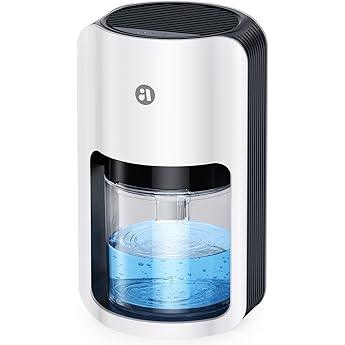
What to Look for When Buying a Bedroom Dehumidifier
1. Room Size & Moisture Level
One of the most common mistakes buyers make is choosing a dehumidifier that’s either too small or too large for their bedroom. To get this right, you need to consider two key variables: the square footage (or cubic metres) of your room and the severity of the moisture problem. Most UK bedrooms range from 10m² to 20m², but older properties or north-facing rooms may suffer from persistent dampness due to poor insulation or condensation on cold walls.
Dehumidifiers are typically rated by their daily water extraction capacity—measured in litres per 24 hours (L/day). For a standard bedroom (10–15m²) with moderate humidity, a 10–12L model is usually sufficient. However, if you’re dealing with visible mould, peeling wallpaper, or a musty smell, you may need a higher-capacity unit (15–20L). Always check the manufacturer’s “recommended room size” guide, but treat it as a starting point—real-world conditions like window exposure, ventilation, and seasonal weather can all impact performance.
2. Noise Level (Decibel Rating)
Since your dehumidifier will likely run while you sleep, noise is arguably the most important factor for bedroom use. Even a moderately loud unit can disrupt light sleepers or those with insomnia. Most modern dehumidifiers operate between 35 dB and 50 dB—comparable to a whisper (30 dB) or a quiet library (40 dB). However, compressor-based models tend to be louder during startup and defrost cycles, while desiccant units are generally quieter but may produce a faint humming sound.
Look for models explicitly marketed as “bedroom-friendly” or “ultra-quiet.” Brands like Meaco and EcoAir often publish detailed noise specifications, including decibel levels at different fan speeds. For optimal sleep comfort, aim for a unit that runs below 42 dB on its lowest setting. Some premium models even include a “night mode” that reduces fan speed and dims indicator lights.
3. Energy Efficiency & Running Costs
Dehumidifiers can be energy-intensive appliances, especially if run continuously. In the UK, where electricity prices remain high, choosing an energy-efficient model can save you significantly over time. Check the appliance’s energy rating—look for A++ or A+++ labels, though note that not all dehumidifiers carry official EU energy labels anymore due to regulatory changes. Instead, focus on the wattage (W) and estimated annual energy consumption (kWh/year).
A typical 12L dehumidifier uses between 200W and 300W. At the current UK average of around £0.28 per kWh, running such a unit for 8 hours a day would cost roughly £160–£240 per year. However, many newer models feature auto-humidistats that turn the unit off once the target humidity is reached, drastically reducing runtime. Some also include timers or eco-modes that further cut power usage. Always factor in long-term running costs—not just the upfront price.
4. Tank Capacity & Auto-Shutoff
The water collection tank is a practical consideration that affects how often you’ll need to empty it. Most bedroom dehumidifiers have tanks ranging from 1.5L to 3L. A larger tank means less frequent emptying, which is convenient—but it also increases the unit’s size and weight. For nightly use, a 2L–2.5L tank is usually a good balance.
More importantly, ensure the dehumidifier has an automatic shut-off feature when the tank is full. This prevents overflow, water damage, and unnecessary noise from a struggling pump. Some models go a step further with audible alarms or LED indicators when the tank needs emptying. High-end units may even include continuous drainage options via a hose, allowing you to bypass the tank entirely—ideal for unattended operation or very damp rooms.
5. Type of Dehumidifier: Compressor vs. Desiccant
There are two main types of dehumidifiers available for home use: refrigerant (compressor) and desiccant. Each has distinct advantages depending on your climate and usage needs.
Compressor dehumidifiers work by cooling air to condense moisture—similar to how an air conditioner functions. They’re highly effective in warm, humid conditions (above 15°C) and offer excellent water extraction rates per watt of energy. However, they can struggle in colder rooms and tend to be slightly noisier due to the compressor motor.
Desiccant dehumidifiers, on the other hand, use a moisture-absorbing material (like silica gel) to pull water from the air. They perform better in cooler temperatures (even down to 5°C), are generally quieter, and don’t require refrigerant gases—making them more eco-friendly. The trade-off? They’re usually less energy-efficient at higher humidity levels and may cost more upfront.
For most UK bedrooms—which rarely drop below 10°C—a compressor model is usually the better choice for efficiency and value. But if you live in a particularly cold or poorly heated room, or prioritize ultra-quiet operation, a desiccant unit might be worth the extra cost.
6. Smart Features & Controls
Modern dehumidifiers come with a range of intelligent features that enhance convenience and precision. Look for models with digital humidistats that let you set your desired humidity level (e.g., 50%) and automatically maintain it. This prevents over-drying, which can cause static electricity and dry skin.
Other useful features include programmable timers (so you can set it to run only at night), washable air filters (to capture dust and allergens), and washable or reusable water tanks (for easier cleaning). Some premium models now offer Wi-Fi connectivity and smartphone app control, allowing you to monitor humidity levels remotely or receive tank-full alerts—though these are still rare in the sub-£200 range.
Even without smart tech, intuitive controls matter. Avoid units with confusing button layouts or vague indicator lights. A clear LCD display showing current humidity, fan speed, and tank status makes daily use much smoother.
7. Build Quality & Design
A dehumidifier is a long-term investment, so durability matters. Look for sturdy plastic housings, well-sealed components, and reputable brand names with a track record in climate control. Avoid flimsy models with loose panels or weak handles—you’ll be moving it occasionally for cleaning or storage.
Design-wise, consider footprint and portability. Bedrooms often have limited floor space, so compact, upright units are preferable. Integrated carry handles and smooth-gliding wheels (even small ones) make relocation easier. Also, check the inlet and outlet vent placement—side or top vents are better for tight spaces than rear-facing ones that require wall clearance.
Finally, pay attention to filter accessibility. A washable, easy-to-remove filter saves money and maintenance hassle compared to proprietary replacements that cost £10–£20 each.
8. Warranty & Customer Support
Given the mechanical complexity of dehumidifiers, a solid warranty is essential. Most reputable UK brands offer 2-year warranties, with some (like Meaco) extending to 5 years on select models. Check what’s covered—motor, compressor, electronics—and whether labour costs are included.
Equally important is customer service. Read reviews about post-purchase support: Are replacement parts readily available? Is there a UK-based helpline? Brands with local service centres (e.g., in Manchester or Birmingham) tend to resolve issues faster than those relying on overseas distributors. Avoid unknown brands with no verifiable support network—even if the price seems tempting.
Different Types of Bedroom Dehumidifiers

Common Buying Mistakes to Avoid

❌ Mistake: Ignoring Noise Levels
Why it’s bad: A dehumidifier that sounds like a refrigerator cycling on and off will ruin your sleep, no matter how effective it is. Many buyers focus solely on capacity and price, only to regret their purchase when the unit keeps them awake.
What to do instead: Always check the decibel rating—and read user reviews mentioning nighttime use. Opt for models with a dedicated “sleep mode” or desiccant technology if silence is your top priority.
❌ Mistake: Buying Based Solely on Price
Why it’s bad: The cheapest dehumidifiers often lack essential features like auto-shutoff, accurate humidistats, or durable components. They may also consume more electricity, costing you more in the long run.
What to do instead: Set a realistic budget that balances upfront cost with long-term value. A £120 model with a 5-year warranty and low running costs is often smarter than a £60 unit that fails in 18 months.
❌ Mistake: Overlooking Tank Size and Drainage
Why it’s bad: If you forget to empty a full tank overnight, the unit stops working—and you wake up to a damp room. Small tanks require daily attention, which becomes tedious.
What to do instead: Choose a model with at least a 2L tank and auto-shutoff. For heavy moisture issues, consider one with a continuous drainage hose option.
❌ Mistake: Choosing the Wrong Type for Your Climate
Why it’s bad: Using a compressor dehumidifier in a cold bedroom (below 10°C) drastically reduces its efficiency—and may cause frost buildup on the coils.
What to do instead: If your bedroom is unheated or very cold, go for a desiccant model. Otherwise, stick with a compressor for better energy performance.
❌ Mistake: Neglecting Filter Maintenance
Why it’s bad: Clogged filters reduce airflow, strain the motor, and can lead to mould growth inside the unit—defeating its purpose.
What to do instead: Buy a model with a washable, reusable filter. Clean it monthly with mild soap and water to maintain peak performance.
❌ Mistake: Assuming All “Bedroom” Models Are Equal
Why it’s bad: Some brands label any quiet dehumidifier as “bedroom-friendly,” even if it lacks key features like precise humidity control or night mode.
What to do instead: Look beyond marketing claims. Verify specs like dB rating, tank capacity, and control options before buying.
❌ Mistake: Not Checking Return Policies
Why it’s bad: If the unit doesn’t perform as expected or is too loud, you don’t want to be stuck with it. Some retailers have strict return windows or restocking fees.
What to do instead: Purchase from retailers with at least a 30-day return policy (e.g., Amazon, Argos, Currys). Test the dehumidifier within the first week to ensure it meets your needs.
Budget Guidelines: How Much Should You Spend?
When shopping for a bedroom dehumidifier in the UK, your budget will significantly influence the features, performance, and longevity of your purchase. Here’s a realistic breakdown of what to expect at different price points:
Entry-Level (£30 – £80): These are typically mini desiccant or Peltier units. They’re compact and silent but have very low water extraction rates (often under 0.5L/day). Best suited for small wardrobes, caravans, or as temporary solutions. Not recommended for full bedroom use unless humidity is extremely mild. Expect limited controls, small tanks (under 1L), and no warranty beyond 12 months.
Mid-Range (£80 – £150): This is the sweet spot for most UK households. You’ll find reliable compressor models from trusted brands like Pro Breeze, EcoAir, and Meaco (entry-tier). Expect 10–12L daily capacity, 2–2.5L tanks, digital humidistats, auto-shutoff, and noise levels around 40–45 dB. Many include washable filters and 2-year warranties. These units offer the best balance of performance, quiet operation, and value.
Premium (£150 – £250): Ideal for larger bedrooms, severe dampness, or users who prioritize advanced features. Models in this range often boast 15–20L capacity, ultra-quiet operation (under 40 dB), continuous drainage, timer functions, and robust build quality. Brands like Meaco (Duluxe range) and Delonghi dominate here, with extended warranties (up to 5 years) and superior energy efficiency.
Luxury (£250+): These are top-tier units with smart connectivity, app control, air purification modes, and industrial-grade components. While overkill for most bedrooms, they’re worth considering if you have asthma, live in a coastal area with extreme humidity, or simply want the best technology available. Expect near-silent operation, precise humidity maintenance (±2%), and sleek designs that blend into modern interiors.

Expert Tips for Getting the Best Deal
Finding the right dehumidifier is only half the battle—getting it at the best price requires strategy. Here are proven tips from appliance experts and savvy UK shoppers:
- Shop During Off-Peak Seasons: Demand for dehumidifiers peaks in autumn and winter. Buy in spring or early summer (March–June) when retailers discount old stock to make room for air conditioners. You can often save 20–30% during these clearance periods.
- Compare Retailers Beyond Price: While Amazon and eBay offer convenience, don’t overlook specialist retailers like Appliances Direct, Dehumidifier Shop UK, or even John Lewis. They often include free delivery, extended warranties, or bundled accessories (e.g., extra filters).
- Sign Up for Price Alerts: Use tools like Google Shopping, Keepa (for Amazon), or PriceRunner to track price drops on specific models. Set alerts for your shortlisted dehumidifiers and buy when they hit your target price.
- Check for Cashback and Vouchers: Websites like TopCashback or Quidco offer 3–8% cashback on appliance purchases. Combine this with voucher codes from Retailmenot or HotUKDeals for extra savings.
- Consider Refurbished or Ex-Display Models: Reputable sellers (e.g., Currys Outlet, AO.com) sell certified refurbished dehumidifiers with full warranties at 20–40% off. These are thoroughly tested and often indistinguishable from new units.
- Read the Fine Print on Warranties: Some brands require product registration within 14 days to activate the full warranty. Others exclude certain components (like filters) from coverage. Always register your purchase and keep receipts.
- Test Before Committing: If possible, buy from a retailer with a generous return policy. Run the dehumidifier for a few nights to assess noise, effectiveness, and ease of use. If it doesn’t meet expectations, return it hassle-free.
- Bundle with Other Purchases: Some retailers offer discounts when you buy multiple items (e.g., dehumidifier + air purifier). Even if you don’t need both, the combined deal might still be cheaper than buying separately.

Frequently Asked Questions
Q: Can a dehumidifier help with asthma or allergies?
A: Yes. By reducing humidity below 60%, dehumidifiers inhibit the growth of dust mites, mould, and mildew—common triggers for asthma and allergic rhinitis. Many models also include HEPA or activated carbon filters that capture airborne allergens, providing dual benefits for respiratory health.
Q: How often should I run my bedroom dehumidifier?
A: It depends on your humidity levels. In most UK bedrooms, running it for 6–8 hours nightly (e.g., while sleeping) is sufficient. Use the built-in humidistat to maintain 45–55% RH. Avoid running it continuously unless you have a serious damp issue.
Q: Will a dehumidifier dry out my skin or sinuses?
A: Only if humidity drops below 40%. Most modern units prevent this by auto-regulating based on your set point. If you experience dryness, increase the target humidity slightly (to 50–55%) or use a humidifier in winter when indoor air becomes too dry from heating.
Q: Can I leave a dehumidifier on all night?
A: Yes, provided it has auto-shutoff and is placed on a stable, level surface away from flammable materials. Ensure the room is reasonably ventilated, and never block the air intake or outlet.
Q: Do I need a dehumidifier if I have double glazing?
A: Double glazing reduces condensation but doesn’t eliminate internal moisture from breathing, showering, or cooking. If you notice damp patches, musty smells, or mould, a dehumidifier is still beneficial—even in well-insulated homes.
Q: How do I clean my dehumidifier?
A: Unplug the unit and empty the tank. Wash the tank with warm, soapy water weekly. Clean the air filter monthly (washable types) or replace disposable ones as needed. Wipe the exterior with a damp cloth. Never use harsh chemicals near the internal components.
Q: Are dehumidifiers covered by home insurance?
A: Generally, no—unless the dehumidifier itself causes damage (e.g., leaks due to faulty design). However, using one to prevent mould or structural damp may help maintain your property’s condition and avoid future claims.
Q: Can I use a dehumidifier in winter?
A: Yes, but compressor models become less efficient below 15°C. If your bedroom is cold, choose a desiccant dehumidifier. Alternatively, run it during warmer parts of the day or in conjunction with background heating.
Q: What’s the difference between a dehumidifier and an air purifier?
A: A dehumidifier removes moisture from the air; an air purifier removes particles like pollen, dust, and smoke. They serve different purposes, though some premium models combine both functions.
Q: How long do dehumidifiers typically last?
A: With proper maintenance, a quality dehumidifier should last 5–7 years. Compressor units may require refrigerant top-ups after 3–4 years, while desiccant models have fewer moving parts and often last longer.
Our Final Recommendations
After evaluating dozens of models based on performance, noise, efficiency, and user feedback, here are our top picks for UK bedrooms in 2026:
Best for Budget-Conscious Buyers: Pro Breeze 12L Compressor Dehumidifier (£89)
A no-frills workhorse with reliable moisture extraction, 2.5L tank, and 42 dB noise level. Ideal for small to medium bedrooms with moderate dampness. Includes auto-shutoff and washable filter.
Best Overall Value: Meaco Arete One 10 (£139)
Combines whisper-quiet operation (38 dB), precise humidity control, and Meaco’s renowned reliability. The 2.2L tank and 5-year warranty make it a standout in the mid-range segment.
Best Premium Option: Delonghi DEX16F (£199)
Features a 3L tank, continuous drainage, and ultra-low 36 dB night mode. Its sleek design and advanced filtration system make it perfect for larger bedrooms or allergy sufferers.
Best for Beginners: EcoAir DC18 (£119)
User-friendly controls, clear LCD display, and straightforward maintenance. Great for first-time buyers who want effective performance without complexity.
Best for Advanced Users: Meaco Arete Two 20 Smart (£279)
Wi-Fi enabled with app control, real-time humidity tracking, and energy usage reports. For tech enthusiasts who want full oversight of their indoor climate.
Conclusion: Making the Right Choice
Choosing the best dehumidifier for your bedroom isn’t just about picking the most powerful or cheapest model—it’s about finding the right balance of quiet operation, efficient moisture removal, and long-term reliability tailored to your home and lifestyle. In the UK’s damp climate, a quality dehumidifier can transform your sleep environment, protect your health, and preserve your belongings. By focusing on key factors like room size, noise level, energy efficiency, and tank capacity—and avoiding common pitfalls—you’ll be well-equipped to make a confident, informed decision.
Remember, the ideal dehumidifier fits seamlessly into your nightly routine without demanding constant attention. Whether you’re battling black mould on window sills, waking up with a stuffy nose, or simply wanting to breathe cleaner, cooler air, there’s a model out there that’s perfect for you. Use this guide as your roadmap, prioritize your specific needs, and don’t hesitate to invest a little more for peace of mind and better sleep. Your bedroom—and your well-being—will thank you.