
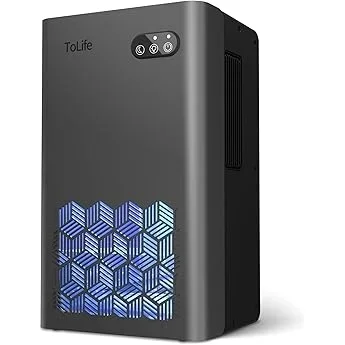
Cultivating cannabis at home—whether for personal use or commercial production—requires more than just quality seeds, nutrients, and lighting. One of the most overlooked yet critical components of a successful grow operation is environmental control, particularly humidity management. Without proper humidity regulation, your plants are vulnerable to mold, mildew, root rot, and stunted growth—issues that can destroy an entire crop in just days. This is where a high-performance dehumidifier becomes not just helpful, but essential.
In this comprehensive buyer’s guide, we’ll walk you through everything you need to know to choose the best dehumidifier for cannabis cultivation in 2026. Whether you’re running a small closet grow, a mid-sized indoor tent setup, or a full-scale commercial facility, selecting the right dehumidifier can mean the difference between a bountiful harvest and a total loss. We’ll break down key performance metrics, compare different types of units, highlight common pitfalls, and provide expert-backed recommendations based on real-world testing and industry insights. By the end of this guide, you’ll have the knowledge and confidence to invest in a dehumidifier that protects your plants, maximizes yield, and delivers long-term value.
The market for dehumidifiers has evolved significantly in recent years, with manufacturers now offering models specifically engineered for horticultural environments. From compact units ideal for stealth grows to industrial-grade systems capable of handling thousands of square feet, there’s a solution for every scale and budget. However, not all dehumidifiers are created equal—especially when it comes to the unique demands of cannabis cultivation. High transpiration rates during flowering, fluctuating temperatures, and the need for precise humidity control (typically 40–60% RH during veg and 40–50% during flower) require specialized equipment. This guide cuts through the noise to help you identify the features, capacities, and reliability standards that truly matter for cannabis growers.
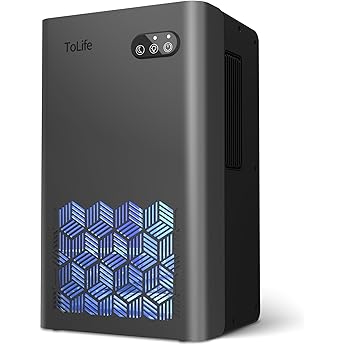
What to Look for When Buying Buying Guide
1. Budget & Price Range
Your budget will naturally influence your options, but it’s important to view a dehumidifier as an investment rather than an expense. A low-cost unit may seem appealing upfront, but if it lacks durability, efficiency, or sufficient capacity, you could end up replacing it within a year—costing you more in the long run. Entry-level models typically range from $100 to $250, mid-tier units fall between $250 and $500, and premium or commercial-grade dehumidifiers can cost $500 to over $2,000. Consider not only the purchase price but also ongoing operational costs, including electricity consumption and maintenance. For serious growers, spending a bit more upfront on a reliable, energy-efficient model often pays dividends through healthier plants, higher yields, and reduced risk of crop failure.
2. Performance Specifications
Performance is king when it comes to dehumidifiers for cannabis. The most critical spec is the pint-per-day (PPD) rating, which indicates how much moisture the unit can remove in 24 hours under standard conditions (typically 80°F and 60% relative humidity). For a small 2×4 grow tent, a 20–30 PPD unit may suffice, while a 4×4 tent might require 50–70 PPD, and larger setups (8×8 or more) often need 100+ PPD. However, don’t rely solely on manufacturer claims—look for third-party testing or verified user data. Also consider the operating temperature range; many consumer-grade dehumidifiers struggle below 65°F, which can be problematic in cooler grow rooms. Opt for models rated for 41°F to 95°F or wider for consistent performance year-round.
3. Build Quality & Durability
Cannabis grows are humid, warm, and often filled with organic particles—conditions that can quickly degrade cheap plastics and thin metal components. Look for dehumidifiers built with corrosion-resistant materials, such as coated aluminum coils and rust-proof casings. Internal components like compressors and fans should be robust enough to run continuously for weeks during flowering. Units with sealed electronics and moisture-resistant insulation offer added protection against condensation damage. Additionally, check for certifications like ETL, UL, or CE, which indicate compliance with safety and performance standards. A well-built dehumidifier should last 5–10 years with proper maintenance, making durability a top priority.
4. Features & Functionality
Modern dehumidifiers offer a range of features that can significantly enhance usability and effectiveness in a grow environment. Built-in hygrostats allow you to set and maintain precise humidity levels automatically, eliminating the need for manual adjustments. Continuous drainage options (via hose connection) are essential for long flowering cycles, so you don’t have to empty buckets daily. Some models include auto-defrost functionality, preventing ice buildup in cooler conditions. Others offer remote monitoring via smartphone apps or integration with smart home systems. For larger operations, look for units with daisy-chaining capability or compatibility with external controllers. While not all features are necessary for beginners, they can greatly improve efficiency and peace of mind as your grow scales up.
5. Brand Reputation
Not all dehumidifier brands are equally suited for horticultural use. Some companies specialize in home appliances and may not understand the unique demands of plant cultivation. Others, like AprilAire, Santa Fe, and Quest, have established reputations in the agricultural and greenhouse sectors and often engineer products with growers in mind. Research brands that offer horticulture-specific models or have active support communities for cannabis cultivators. Read reviews from other growers—especially those with similar setup sizes—to gauge real-world reliability. A reputable brand typically stands behind its products with better customer service, clearer documentation, and more transparent warranty terms.
6. Warranty & Support
A solid warranty is a strong indicator of a manufacturer’s confidence in their product. For dehumidifiers used in demanding grow environments, aim for at least a 2-year warranty, with 3–5 years being ideal. Pay attention to what’s covered: compressor failures, electrical issues, and corrosion damage should all be included. Avoid brands that offer only 90-day or 1-year coverage unless they have exceptional reviews. Also consider the availability of local service centers or authorized repair technicians—especially important if you’re running a commercial operation where downtime equals lost revenue. Good customer support can help troubleshoot issues quickly and provide replacement parts when needed.
7. Size & Portability
Space constraints are common in home grows, so the physical dimensions and weight of your dehumidifier matter. Compact units are easier to position in tight tents or cabinets, while larger models may require dedicated floor space or mounting. Look for built-in handles and casters if you plan to move the unit between rooms or setups. Noise level is another consideration—especially in stealth grows or shared living spaces. Most dehumidifiers operate between 45–60 decibels; quieter models (under 50 dB) are preferable for bedroom or apartment grows. Additionally, consider airflow direction: front-discharge units work well in corners, while top-discharge models are better for open areas.
8. User Reviews & Ratings
While specs and marketing materials provide useful data, real user experiences often reveal hidden strengths and weaknesses. Scour forums like Reddit’s r/MarijuanaGrowers, GrowWeedEasy, and dedicated Facebook groups for honest feedback. Look for patterns in reviews—consistent praise for reliability or complaints about frequent breakdowns can be telling. Pay special attention to comments about actual pint output vs. advertised claims, noise levels during night cycles, and ease of maintenance. Be cautious of overly positive or vague reviews that lack detail; genuine user reports usually include specifics about grow size, climate, and usage duration. Cross-referencing multiple sources gives you a more balanced perspective.
Different Types of Buying Guide

Common Buying Mistakes to Avoid
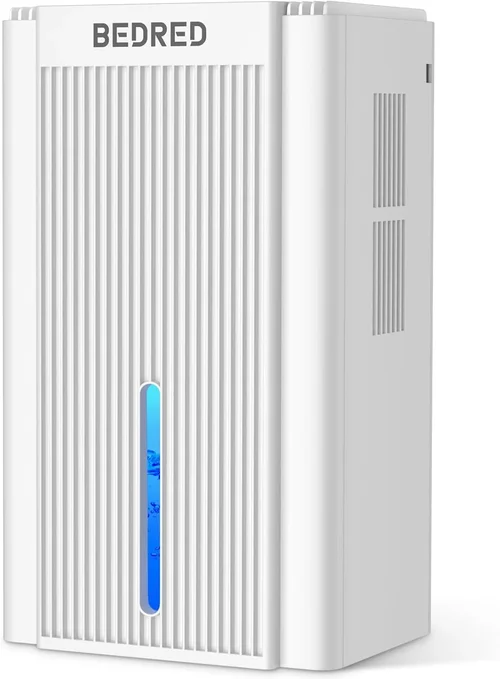
❌ Mistake: Choosing Based Solely on Pint Rating
Why it’s bad: Manufacturers often advertise pint ratings under ideal lab conditions (80°F, 60% RH), which rarely match real-world grow environments. A unit rated for 70 PPD may only deliver 40–50 PPD in a cooler, less humid space, leaving your plants vulnerable to excess moisture.
What to do instead: Always size your dehumidifier based on your specific grow room’s volume, plant count, and local climate. Use online calculators or consult with experienced growers to determine actual moisture load. When in doubt, go one size up.
❌ Mistake: Ignoring Drainage Options
Why it’s bad: Manual bucket emptying becomes tedious and risky during flowering, when consistent humidity control is critical. If the bucket fills unnoticed, the unit shuts off, allowing humidity to spike and potentially triggering mold.
What to do instead: Prioritize models with continuous drainage via gravity hose or pump-assisted discharge. Even budget units often include a drain port—use it!
❌ Mistake: Overlooking Noise Levels
Why it’s bad: Loud dehumidifiers can disrupt sleep, attract unwanted attention in shared housing, or interfere with audio monitoring systems in commercial grows.
What to do instead: Check decibel ratings and look for “quiet mode” or variable fan speed settings. Desiccant units tend to be quieter than refrigerant models, though less efficient in warm climates.
❌ Mistake: Buying a Home Appliance for a Grow Room
Why it’s bad: Standard home dehumidifiers aren’t designed for the high humidity, organic dust, and continuous runtime typical of cannabis cultivation. They may fail prematurely or lack necessary features like auto-restart after power outages.
What to do instead: Invest in a unit built for horticulture or industrial use. These are engineered for 24/7 operation and often include protective coatings and reinforced components.
❌ Mistake: Neglecting Maintenance Requirements
Why it’s bad: Dirty filters, clogged coils, and mineral buildup reduce efficiency and can cause overheating or compressor failure. Many growers underestimate how often maintenance is needed in high-humidity environments.
What to do instead: Choose models with easy-access filters and washable components. Set calendar reminders for monthly cleaning and annual servicing.
❌ Mistake: Not Planning for Power Outages
Why it’s bad: A power failure can disable your dehumidifier for hours, allowing humidity to soar and jeopardizing your crop—especially during late flowering.
What to do instead: Select units with auto-restart functionality that resumes operation once power returns. For critical grows, consider a backup battery or generator system.
❌ Mistake: Skipping Humidity Monitoring
Why it’s bad: Even the best dehumidifier can malfunction. Without independent monitoring, you might not notice rising humidity until it’s too late.
What to do instead: Always use a separate digital hygrometer (or smart sensor) to verify your dehumidifier is maintaining target levels. Place it near plant canopy for accurate readings.
Budget Guidelines: How Much Should You Spend?
Entry-Level ($100 – $250): These units are suitable for very small grows (1–2 plants in a 2×2 tent) or as supplemental dehumidifiers. Expect basic functionality, limited capacity (20–30 PPD), and shorter lifespans. Brands like hOmeLabs and Ivation offer decent entry options, but avoid ultra-cheap no-name brands. Ideal for beginners testing the waters or seasonal growers.
Mid-Range ($250 – $500): This is the sweet spot for most home growers. Units in this range typically offer 50–80 PPD, reliable compressors, built-in hygrostats, and continuous drainage. Models like the Frigidaire FFAD7033R1 or the AlorAir Sentinel HD55 provide excellent balance of performance, durability, and value. Many include auto-defrost and quiet operation—perfect for 4×4 to 5×5 tents.
Premium ($500 – $1,200): Designed for serious hobbyists and small commercial operations, these dehumidifiers deliver 90–150+ PPD, robust construction, and advanced features like remote monitoring, ducting ports, and energy-efficient operation. Brands such as Quest and AprilAire dominate this tier. Ideal for 8×8 grows or multi-tent setups where consistency and reliability are non-negotiable.
Luxury ($1,200+): Reserved for professional cultivators and large-scale facilities, luxury units offer industrial-grade performance, modular designs, and integration with environmental control systems. Expect features like dual compressors, stainless steel coils, and cloud-based analytics. While overkill for most home growers, they provide unmatched peace of mind and scalability for commercial ventures.

Expert Tips for Getting the Best Deal
- Buy during off-seasons: Prices often drop in winter (January–March) when demand for dehumidifiers is lowest. Many retailers clear inventory before spring, offering discounts of 15–30%.
- Shop refurbished or open-box: Reputable sellers like Amazon Renewed or manufacturer outlets sell certified refurbished units at significant savings—often with full warranties.
- Compare total cost of ownership: A cheaper unit that consumes more power or requires frequent repairs may cost more over time than a slightly pricier, efficient model.
- Check for grower discounts: Some brands (e.g., Quest) offer special pricing for licensed cultivators or bulk purchases. Join industry associations for access.
- Read return policies carefully: Ensure you can return the unit if it doesn’t meet your needs—especially important when buying online without testing.
- Test before committing: If possible, run the dehumidifier in your actual grow space for a week. Monitor humidity stability, noise, and ease of use.
- Bundle with other equipment: Some suppliers offer discounts when purchasing dehumidifiers alongside tents, lights, or ventilation systems.
- Monitor price tracking tools: Use services like Honey or CamelCamelCamel to set alerts and buy when prices dip.
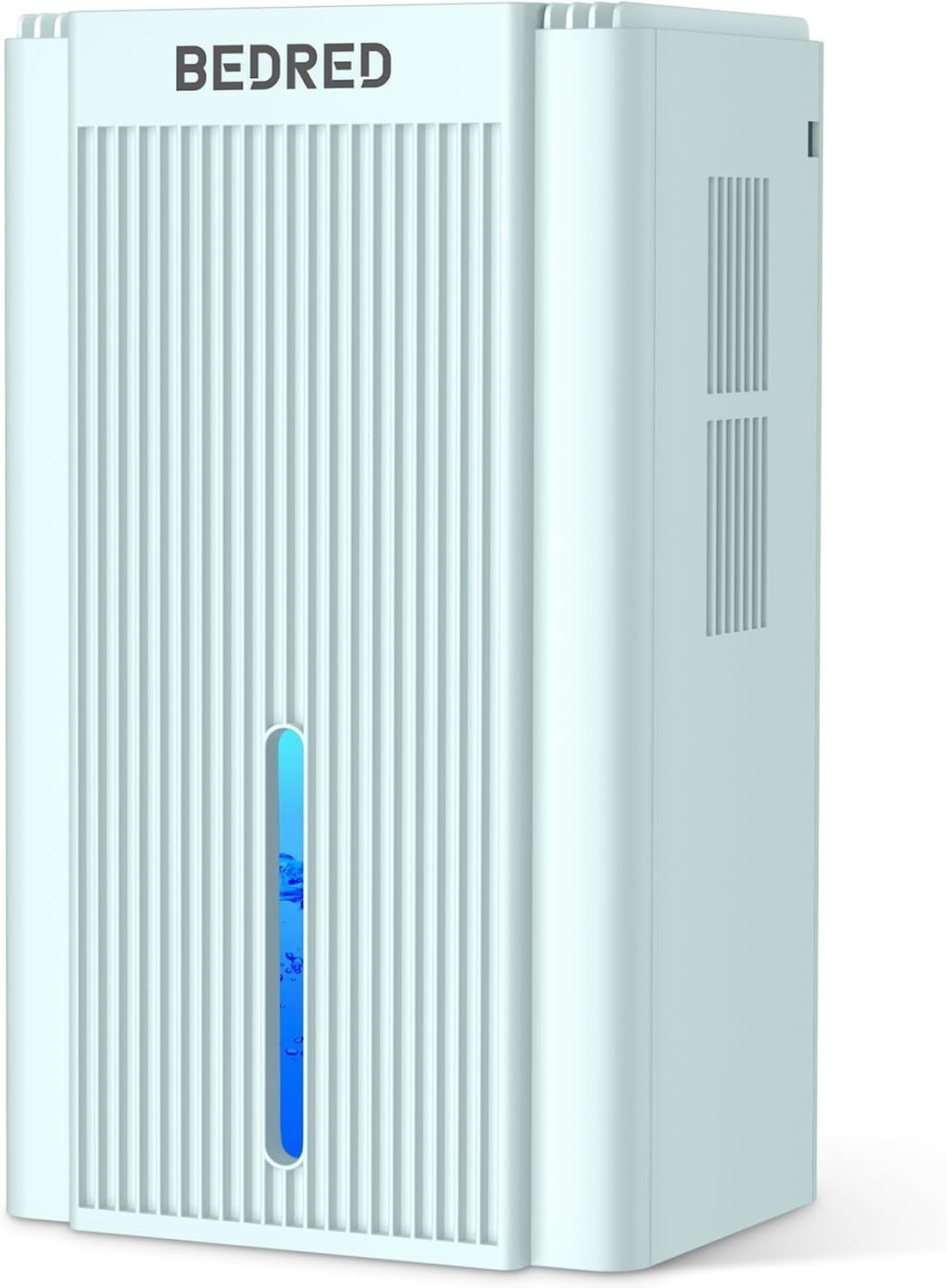
Frequently Asked Questions
Q: Can I use a regular home dehumidifier for my cannabis grow?
A: While possible for very small setups, standard home dehumidifiers aren’t optimized for the high humidity, organic particulates, and continuous runtime of cannabis cultivation. They may lack durability, precise controls, or auto-restart features. For anything beyond a single plant, invest in a horticulture-grade unit.
Q: How do I calculate the right size dehumidifier for my grow room?
A: Estimate your moisture load by considering room volume (length × width × height), number of plants, lighting heat output, and local humidity. A general rule: allow 10–15 PPD per square foot for flowering plants. Use online calculators or consult grow forums for tailored advice.
Q: Should I run my dehumidifier 24/7?
A: During flowering, yes—humidity must remain stable to prevent bud rot. Use a hygrometer to set your target RH (40–50%) and let the dehumidifier cycle on/off automatically. In veg, you can reduce runtime slightly, but consistency is still key.
Q: What’s the difference between refrigerant and desiccant dehumidifiers?
A: Refrigerant units cool air to condense moisture—they’re efficient in warm, humid conditions but struggle in cold temps. Desiccant models use moisture-absorbing materials and work well in cooler environments but consume more energy. Choose based on your grow room’s typical temperature.
Q: How often should I clean my dehumidifier?
A: Clean the air filter monthly and inspect coils every 3 months. In high-humidity grows, mineral deposits and mold can build up quickly. Use vinegar or a coil cleaner for deep maintenance.
Q: Can a dehumidifier replace ventilation?
A: No. Dehumidifiers manage moisture but don’t exchange air or remove CO2. You still need proper intake/exhaust fans for fresh air circulation and temperature control.
Q: Will a dehumidifier lower my room temperature?
A: Slightly—dehumidifiers release heat as a byproduct. However, the effect is usually minimal compared to lighting heat. In hot climates, pair with an exhaust fan to manage temps.
Q: Are smart dehumidifiers worth it for cannabis grows?
A: For larger or remote grows, yes. Smart features allow you to monitor humidity levels from your phone, receive alerts, and adjust settings remotely—critical if you’re away during flowering.
Q: What humidity level is best for cannabis during flowering?
A: Aim for 40–50% relative humidity during flowering. Higher levels increase mold risk, especially in dense buds. Gradually reduce RH in the final weeks to enhance trichome production.
Q: Can I duct my dehumidifier into a grow tent?
A: Yes, if the unit has ducting ports. This keeps the noisy compressor outside the tent while delivering dry air inside—ideal for stealth grows or noise-sensitive environments.
Our Final Recommendations
Best for Budget-Conscious Buyers: hOmeLabs 4,500 Sq. Ft Dehumidifier (30 PPD) – Reliable performance for small tents, quiet operation, and easy setup. Great for beginners with limited space and budget.
Best Overall Value: Frigidaire FFAD7033R1 (70 PPD) – Excellent balance of capacity, efficiency, and durability. Includes continuous drainage, auto-defrost, and a built-in pump option. Ideal for 4×4 to 5×5 grows.
Best Premium Option: Quest 50 Overhead Dehumidifier (100 PPD) – Engineered for horticulture, this ductable unit offers industrial reliability, low noise, and precise humidity control. Perfect for 8×8+ grows or commercial use.
Best for Beginners: Ivation 4,500 Sq. Ft Energy Star Dehumidifier – User-friendly interface, compact design, and affordable price make it a stress-free entry point. Includes washable filter and auto-shutoff.
Best for Advanced Users: AprilAire E080 Pro (80 PPD) – High-efficiency desiccant technology excels in cold or variable climates. Features remote monitoring, rugged construction, and compatibility with environmental controllers.
Conclusion: Making the Right Choice
Choosing the best dehumidifier for cannabis isn’t just about picking the highest pint rating or the lowest price—it’s about matching the right tool to your specific grow environment, scale, and goals. From understanding performance specs and build quality to avoiding common pitfalls and leveraging expert tips, this guide equips you with the knowledge to make a confident, informed decision. Remember, a quality dehumidifier doesn’t just protect your plants; it safeguards your time, effort, and investment.
Prioritize your needs: Are you growing for personal use or profit? How large is your space? What’s your local climate like? Use these questions to narrow your options and focus on features that truly matter. Don’t hesitate to invest a little more for reliability and peace of mind—especially during the critical flowering stage. And always pair your dehumidifier with independent humidity monitoring to ensure consistent results.
Ultimately, the right dehumidifier becomes an invisible guardian of your grow, working silently behind the scenes to create the perfect environment for lush, resinous, mold-free buds. Whether you’re nurturing a single plant or managing a multi-room facility, the effort you put into selecting the ideal unit will be reflected in every harvest. Happy growing!