

Cellars are notorious for being damp, dark, and prone to moisture buildup—conditions that can wreak havoc on stored items, structural integrity, and even indoor air quality. Whether you’re using your cellar for wine storage, preserving canned goods, housing appliances, or simply as extra living space, uncontrolled humidity is one of the biggest threats to both comfort and longevity. Excess moisture encourages mold growth, rust, musty odors, and wood rot, all of which can lead to costly repairs and health concerns. That’s why investing in a high-quality dehumidifier designed specifically for cellar environments isn’t just a luxury—it’s a necessity.
This comprehensive buying guide is crafted to help you navigate the crowded market of dehumidifiers and make an informed decision tailored to your unique cellar needs. We’ll walk you through the essential features to look for, compare different types of units, highlight common pitfalls to avoid, and provide expert-backed recommendations based on real-world performance. By the end of this guide, you’ll understand not only what makes a dehumidifier suitable for cellars but also how to balance performance, durability, energy efficiency, and budget. Whether you’re dealing with a small crawl space or a large underground storage area, this guide equips you with the knowledge to choose the best cellar dehumidifier in 2026.
The dehumidifier market has evolved significantly over the past few years, with manufacturers introducing smarter controls, more efficient compressors, and ruggedized designs built to withstand the harsh conditions typical of basements and cellars. From compact thermoelectric models to heavy-duty refrigerant-based systems capable of extracting over 70 pints of moisture per day, there’s a wide spectrum of options available. However, not all dehumidifiers are created equal—especially when it comes to low-temperature operation, continuous drainage capabilities, and long-term reliability in unheated spaces. This guide cuts through the marketing noise and focuses on what truly matters for cellar applications, ensuring you get a unit that performs consistently year-round, even during cold winter months when many standard models struggle or shut down entirely.
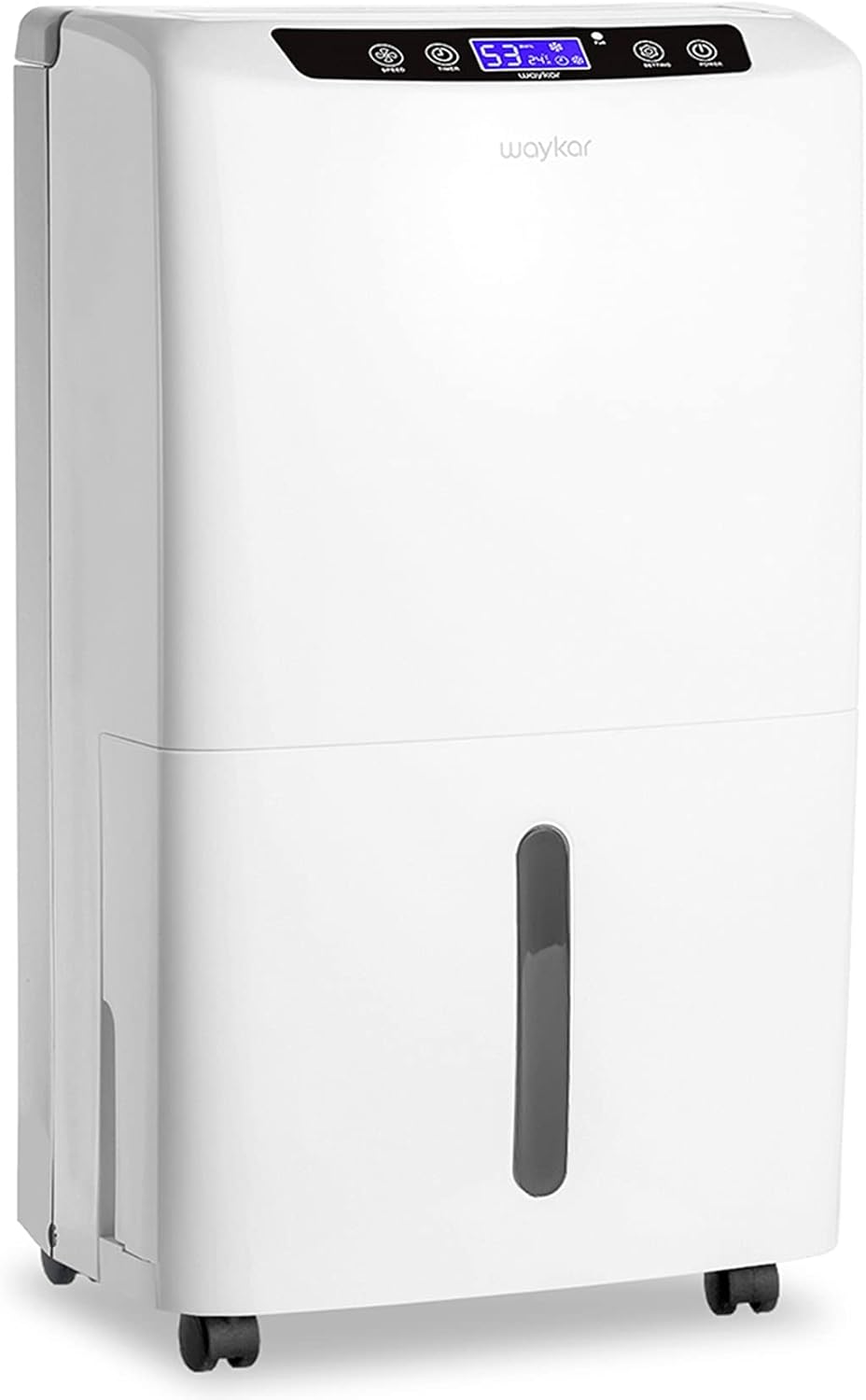
What to Look for When Buying Buying Guide
1. Capacity & Moisture Removal Rate
The most critical specification for any cellar dehumidifier is its moisture removal capacity, typically measured in pints per day (PPD). This number tells you how much water the unit can extract from the air within a 24-hour period under standardized conditions (usually 80°F and 60% relative humidity). For cellars, which often experience higher baseline humidity and lower temperatures, selecting a unit with adequate capacity is essential. A small 30-pint model might suffice for a modest 500-square-foot cellar with minimal moisture intrusion, but larger or more problematic spaces may require 50–70+ pint units.
However, don’t rely solely on the manufacturer’s stated PPD rating. Many brands advertise performance under ideal lab conditions that don’t reflect real-world cellar environments. Look for units tested and rated by independent bodies like AHAM (Association of Home Appliance Manufacturers), which provides standardized ratings such as “Energy Star Certified” or “AHAM Verified.” These certifications ensure the quoted capacity is accurate and achievable in typical home settings. Additionally, consider the actual square footage and moisture level of your cellar—flood-prone areas, earth floors, or poorly insulated walls will demand higher-capacity units.
2. Low-Temperature Operation
One of the biggest challenges in cellar dehumidification is cold ambient air. Most standard dehumidifiers use refrigerant-based systems that rely on cooling coils to condense moisture. When temperatures drop below 65°F (18°C), these coils can frost over, causing the unit to cycle off or operate inefficiently. In unheated cellars—especially those below ground level—winter temperatures can hover around 50–55°F (10–13°C), rendering many consumer-grade dehumidifiers ineffective.
For reliable year-round performance, prioritize models specifically engineered for low-temperature operation. Look for features like auto-defrost technology, which periodically heats the coils to melt ice buildup, or dual-mode systems that switch between dehumidifying and heating as needed. Some premium units even include cold-climate compressors or specialized refrigerants that maintain efficiency down to 41°F (5°C). If your cellar regularly dips below 60°F, avoid basic models without defrost functions—they’ll spend more time thawing than drying.
3. Drainage Options & Continuous Operation
Cellars rarely have convenient access to sinks or plumbing, so manual bucket emptying becomes a tedious chore—especially if your dehumidifier runs frequently. A built-in pump or gravity drainage system is almost non-negotiable for hassle-free operation. Gravity drainage allows you to route a hose from the unit to a floor drain, sump pit, or utility sink, enabling continuous operation without supervision. For cellars without floor drains, look for models with integrated condensate pumps that can push water vertically up to 15 feet, giving you flexibility in hose placement.
Check the hose connection size and compatibility—most units accept standard ⅝-inch garden hoses. Also, verify whether the pump is included or sold separately; some brands bundle it as an accessory. Automatic shutoff when the bucket is full is another useful safety feature, preventing overflows during power outages or hose blockages. For truly hands-off performance, consider smart dehumidifiers with Wi-Fi connectivity that send alerts to your phone when maintenance is needed.
4. Energy Efficiency & Operating Costs
Dehumidifiers can be significant energy consumers, especially if they run continuously. Over time, an inefficient unit can add $50–$150 annually to your electricity bill, depending on local rates and usage patterns. To minimize long-term costs, look for Energy Star-certified models, which meet strict efficiency guidelines set by the U.S. Environmental Protection Agency. These units typically use 15–30% less energy than non-certified counterparts while delivering comparable performance.
Pay attention to the unit’s energy factor (EF), measured in liters of water removed per kilowatt-hour (L/kWh). Higher EF values indicate better efficiency. For example, a dehumidifier with an EF of 2.0 removes twice as much moisture per unit of electricity as one with an EF of 1.0. Also, consider units with variable-speed compressors or humidity-sensing controls that adjust fan speed and runtime based on actual conditions, rather than running at full blast constantly. This not only saves energy but also reduces wear and tear on components.
5. Build Quality & Durability
Cellars are harsh environments—dusty, damp, and often poorly ventilated. A dehumidifier that works well in a living room may fail prematurely when subjected to these conditions. Look for models with robust construction: rust-resistant coatings on internal components, sealed electronics to prevent moisture damage, and sturdy casings made from high-impact plastic or powder-coated metal. Internal parts like coils, fans, and pumps should be designed for continuous duty, not occasional use.
Check user reviews for reports of corrosion, motor burnout, or control panel failures after a few months in basement settings. Brands known for industrial or commercial-grade durability—such as AprilAire, Santa Fe, or Dri-Eaz—often outperform consumer brands in longevity. While they may cost more upfront, their extended lifespan and lower failure rates justify the investment, especially in critical applications like wine cellars or archival storage.
6. Noise Level & Placement Flexibility
While cellars are typically isolated from living areas, excessive noise can still be disruptive—particularly if your cellar doubles as a home gym, workshop, or guest room. Dehumidifier noise is measured in decibels (dB), with most residential units ranging from 45 dB (quiet library) to 60 dB (normal conversation). For quiet operation, aim for models under 55 dB.
Fan design plays a major role in noise output. Units with larger, slower-spinning fans tend to be quieter than those with small, high-RPM blowers. Some premium models include insulated compressor compartments or vibration-dampening mounts to further reduce sound. Placement also matters: avoid positioning the dehumidifier directly against walls or in corners, as this can amplify noise and restrict airflow. If possible, place it on a rubber mat to minimize vibrations.
7. Humidity Control & Smart Features
Precise humidity control is vital for protecting sensitive items like wine, documents, or electronics. Look for digital hygrostats that allow you to set and maintain a target relative humidity (RH) level—ideally between 45% and 55% for most cellars. Mechanical dials are less accurate and harder to calibrate, while digital displays offer real-time feedback and finer adjustments.
Advanced models now include programmable timers, auto-restart after power outages, and Wi-Fi connectivity for remote monitoring via smartphone apps. These features let you check humidity levels, adjust settings, or receive maintenance alerts from anywhere. Some even integrate with smart home systems like Alexa or Google Home. While not essential, smart capabilities add convenience and peace of mind, especially for vacation homes or unattended storage areas.
8. Warranty & Customer Support
A dehumidifier is a long-term investment, so warranty coverage matters. Most reputable brands offer 1–2 years of limited warranty, but premium models often include 3–5 years, sometimes with extended coverage on key components like compressors. Read the fine print: some warranties exclude damage from improper installation, lack of maintenance, or use in commercial settings.
Equally important is customer support responsiveness. Check online forums and review sites for user experiences with repair requests, replacement parts availability, and technical assistance. Brands with dedicated support lines, online troubleshooting guides, and authorized service centers provide better long-term value. Avoid no-name brands with vague warranty terms or no U.S.-based support—you don’t want to be stuck with a broken unit and no recourse.
Different Types of Buying Guide
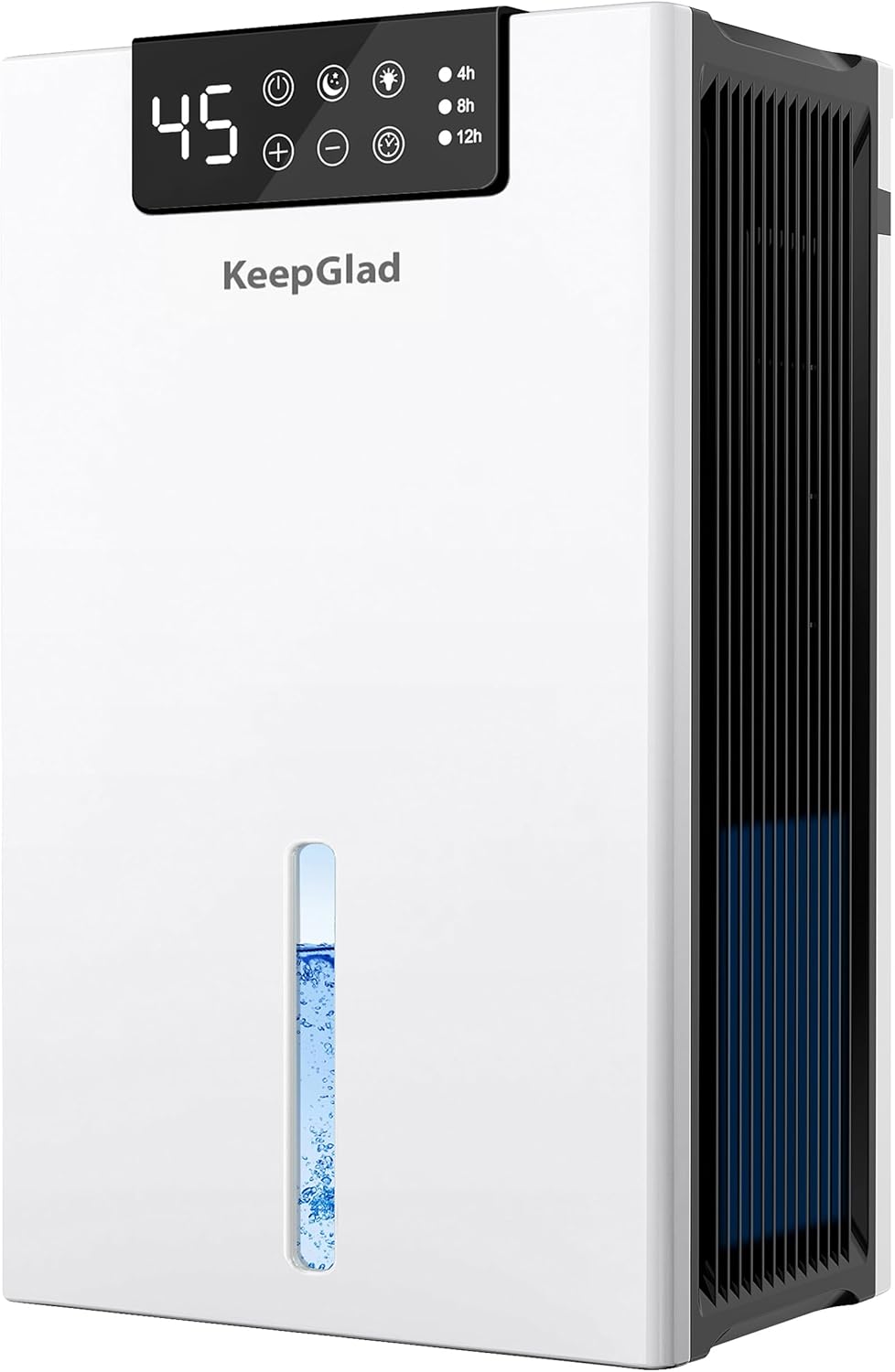
Common Buying Mistakes to Avoid

❌ Mistake: Choosing Based Solely on Price
Why it’s bad: Opting for the cheapest dehumidifier often leads to poor performance, frequent breakdowns, and higher long-term costs due to inefficiency and repairs. Budget models frequently lack essential features like auto-defrost, continuous drainage, or accurate humidity control—critical for cellar environments.
What to do instead: Treat the dehumidifier as a long-term investment. Allocate at least $300–$500 for a reliable mid-range unit with proven cellar compatibility. Read reviews from users with similar setups and prioritize features over upfront savings.
❌ Mistake: Ignoring Low-Temperature Performance
Why it’s bad: Many dehumidifiers advertise high pint ratings but fail to specify performance in cold conditions. In a chilly cellar, a unit rated for 50 pints/day might only extract 20–25 pints, leaving your space damp and vulnerable to mold.
What to do instead: Always check the operating temperature range. Choose models explicitly rated for 41°F or lower, and look for auto-defrost functionality. When in doubt, consult the product manual or contact the manufacturer directly.
❌ Mistake: Overlooking Drainage Needs
Why it’s bad: Manual bucket emptying is impractical for cellars, especially if the unit runs daily. Overflowing buckets can cause water damage, and forgetting to empty them renders the dehumidifier useless.
What to do instead: Ensure the model supports continuous drainage via gravity hose or built-in pump. Verify hose compatibility and pump lift height before purchasing. If your cellar lacks a floor drain, a pump is essential.
❌ Mistake: Buying Without Measuring Space & Moisture Level
Why it’s bad: A dehumidifier too small for your cellar will run constantly without achieving target humidity, while an oversized unit may short-cycle, wasting energy and reducing lifespan.
What to do instead: Measure your cellar’s square footage and assess moisture severity (e.g., standing water, damp walls, musty smell). Use online calculators or consult sizing charts from reputable brands to match capacity to your needs.
❌ Mistake: Neglecting Maintenance Requirements
Why it’s bad: Dirty filters, clogged coils, and stagnant water in buckets create breeding grounds for bacteria and reduce efficiency. Many users assume dehumidifiers are “set it and forget it,” leading to premature failure.
What to do instead: Choose models with washable, reusable filters and easy-access components. Commit to monthly cleaning and annual professional servicing if recommended. Keep the area around the unit clear for proper airflow.
❌ Mistake: Falling for “Wine Cellar Specific” Marketing
Why it’s bad: Some brands market dehumidifiers as “wine cellar approved,” but these are often rebranded residential units with minor tweaks. True wine cellar dehumidifiers require precise humidity control (55–65% RH) and minimal vibration—features not always guaranteed.
What to do instead: If storing wine, prioritize units with ±3% RH accuracy, vibration-dampening designs, and quiet operation. Consider standalone wine cooling systems with integrated dehumidification for optimal results.
❌ Mistake: Not Checking Warranty & Support
Why it’s bad: A dehumidifier is useless if it breaks down and you can’t get it repaired. Many budget brands offer minimal warranty coverage or no U.S. service network.
What to do instead: Stick with established brands that provide at least a 2-year warranty and accessible customer support. Read warranty terms carefully and register your product upon purchase.
Budget Guidelines: How Much Should You Spend?
Entry-Level ($100–$250): These units are best suited for very small, lightly damp cellars (under 500 sq ft) or seasonal use. Expect basic features: manual bucket, limited capacity (20–30 pints), and no auto-defrost. Energy efficiency is typically low, and build quality may be questionable. Ideal for occasional dampness but not reliable for year-round protection.
Mid-Range ($250–$500): This is the sweet spot for most homeowners. Units in this range offer 30–50 pint capacity, auto-defrost, digital controls, and continuous drainage options. Many are Energy Star certified and built with rust-resistant materials. Look for models from Frigidaire, hOmeLabs, or GE—they balance performance, durability, and value.
Premium ($500–$900): Designed for demanding cellar environments, these dehumidifiers feature high-capacity compressors (50–70+ pints), advanced humidity sensors, Wi-Fi connectivity, and robust construction. Brands like AprilAire and Santa Fe dominate this tier, offering extended warranties and superior cold-weather performance. Perfect for large cellars, wine storage, or flood-prone areas.
Luxury ($900+): Reserved for commercial applications or discerning enthusiasts, luxury units include whole-house integration, industrial-grade components, and professional installation services. These systems offer unparalleled reliability and precision, often with remote monitoring and automated maintenance alerts. Justified only for critical storage or large-scale operations.

Expert Tips for Getting the Best Deal
- Shop During Off-Peak Seasons: Dehumidifier prices tend to drop in late fall and winter when demand is lowest. Retailers often clear inventory before spring, offering discounts of 15–30% on previous-year models.
- Compare Online Retailers: Amazon, Home Depot, Lowe’s, and specialty HVAC sites frequently run promotions. Sign up for price alerts using tools like Honey or CamelCamelCamel to catch flash sales.
- Look for Bundled Accessories: Some sellers include free condensate pumps, extension hoses, or replacement filters—adding $50–$100 in value. Always check what’s included before comparing prices.
- Consider Refurbished or Open-Box Units: Certified refurbished models from reputable brands come with warranties and are often 20–40% cheaper. Ideal if you’re on a tight budget but want reliable performance.
- Verify Return Policies: Ensure the retailer offers at least a 30-day return window. Test the unit in your cellar immediately to confirm it meets your needs—some issues (like noise or inadequate drainage) only appear in real-world use.
- Check for Rebates: Utility companies and government programs sometimes offer rebates for Energy Star appliances. Visit the ENERGY STAR website to search for current incentives in your area.
- Read Long-Term Reviews: Focus on reviews older than 6 months to gauge durability. A unit that works great for two weeks may fail after six months in a damp cellar.
- Negotiate with Local HVAC Dealers: For premium or commercial units, local dealers may offer price matching or installation discounts if you bundle with other services.

Frequently Asked Questions
Q: Can I use a regular room dehumidifier in my cellar?
A: It depends. Standard room dehumidifiers often lack auto-defrost and may shut down in temperatures below 65°F. If your cellar stays above 60°F year-round and has a floor drain, a basic model might work. However, for cold or high-moisture cellars, a dedicated low-temperature unit is strongly recommended.
Q: How often should I clean my dehumidifier?
A: Clean the air filter every 2–4 weeks during heavy use and rinse the water bucket monthly to prevent mold and bacteria growth. Wipe down coils and vents quarterly with a soft brush or vacuum. Always unplug the unit before cleaning.
Q: Will a dehumidifier heat up my cellar?
A: Yes, but minimally. All dehumidifiers release some heat as a byproduct of operation—typically 1–3°F above ambient temperature. This is rarely enough to affect comfort but can help prevent freezing in very cold cellars.
Q: Do I need a humidistat if my dehumidifier has one built-in?
A: Most modern dehumidifiers include digital hygrostats, so an external one isn’t necessary. However, for critical applications like wine storage, consider a standalone hygrometer to cross-check accuracy and ensure consistency.
Q: Can I run a dehumidifier 24/7?
A: Yes, and it’s often recommended for problem cellars. Continuous operation maintains stable humidity levels and prevents moisture spikes. Just ensure proper drainage and regular maintenance to avoid wear.
Q: What’s the ideal humidity level for a cellar?
A: Aim for 45–55% relative humidity. This range prevents mold, rust, and odors while avoiding excessive dryness that can damage wood or cork. Wine cellars may require slightly higher levels (55–65%) to preserve cork integrity.
Q: Are desiccant dehumidifiers better for cold cellars?
A: Generally, yes. Desiccant units use moisture-absorbing materials instead of cooling coils, making them effective down to 41°F. They’re also quieter but consume more energy and have lower overall capacity than refrigerant models.
Q: How do I know if my cellar needs a dehumidifier?
A: Signs include condensation on walls or pipes, musty smells, peeling paint, rust on metal objects, or visible mold. Use a hygrometer to measure humidity—if it consistently reads above 60%, a dehumidifier is needed.
Q: Can a dehumidifier replace a sump pump?
A: No. Dehumidifiers remove airborne moisture, not standing water. If your cellar floods, you need a sump pump for drainage and a dehumidifier for post-flood drying and ongoing humidity control.
Q: Should I insulate my cellar before installing a dehumidifier?
A: Absolutely. Proper insulation reduces moisture infiltration and improves dehumidifier efficiency. Focus on walls, ceilings, and any cold joints where condensation forms. Sealing cracks and installing a vapor barrier also helps.
Our Final Recommendations
Best for Budget-Conscious Buyers: hOmeLabs 4,500 Sq. Ft Dehumidifier (50 Pint) – At under $300, this Energy Star-certified unit offers excellent value with auto-defrost, digital controls, and continuous drainage. Ideal for moderately damp cellars up to 1,500 sq ft.
Best Overall Value: Frigidaire FFAD7033R1 70-Pint Dehumidifier – Reliable, efficient, and packed with features like a washable filter, programmable timer, and robust build. Consistently praised for performance in cold basements and large spaces.
Best Premium Option: AprilAire E080 Pro 80-Pint Dehumidifier – Built for professionals, this ductable unit handles extreme humidity and operates flawlessly in temperatures as low as 41°F. Includes a 5-year warranty and integrates with whole-home systems.
Best for Beginners: GE APER50LZ 50-Pint Dehumidifier – User-friendly interface, quiet operation, and reliable performance make this a great entry point. Comes with a built-in pump and easy-to-read humidity display.
Best for Advanced Users: Santa Fe Compact 70 Dehumidifier – Engineered for crawl spaces and tight cellars, this Energy Star model features a slim profile, high-efficiency compressor, and exceptional cold-weather performance. Perfect for tech-savvy homeowners who want precision and durability.
Conclusion: Making the Right Choice
Choosing the best dehumidifier for your cellar isn’t just about picking the most powerful or cheapest model—it’s about matching the right technology to your specific environment, usage, and long-term goals. From understanding capacity requirements and low-temperature operation to prioritizing drainage options and build quality, every decision impacts how effectively your dehumidifier protects your space. Avoid common pitfalls like overlooking warranty terms or ignoring real-world performance data, and always consider total cost of ownership, not just the sticker price.
Remember, a well-chosen dehumidifier does more than just reduce humidity—it preserves your belongings, safeguards your home’s structure, and improves indoor air quality. Whether you’re storing vintage wines, protecting family heirlooms, or simply creating a more comfortable basement, investing in the right unit pays dividends for years to come. Use this guide as your roadmap, prioritize your needs, and don’t hesitate to consult professionals if you’re unsure. With the right dehumidifier in place, your cellar can finally live up to its full potential—dry, clean, and worry-free.