
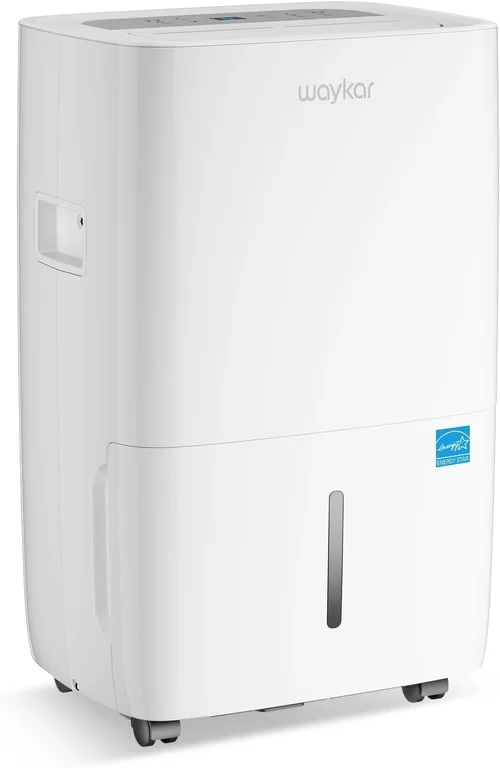
If you’ve ever pulled a damp sweater out of the closet only to be greeted by that unmistakable musty smell, or watched mold slowly creep across your favorite jacket because your laundry room never fully dries, then you know how frustrating high humidity can be for clothing care. Clothes aren’t just fabric—they’re investments, expressions of style, and often sentimental items we want to last for years. Yet, many people overlook one of the most effective tools for preserving them: a dedicated dehumidifier for clothes. Whether you live in a humid climate, have a poorly ventilated laundry area, or simply struggle with dampness after air-drying indoors, the right dehumidifier can make all the difference. It helps prevent mildew, reduces odors, speeds up drying times, and protects your wardrobe from long-term damage caused by excess moisture.
This comprehensive buying guide is designed to cut through the noise and help you make an informed decision. We’ll walk you through everything you need to know—from understanding key performance specs like pint capacity and energy efficiency, to comparing different types of dehumidifiers (refrigerant vs. desiccant), and even avoiding common pitfalls like overspending on features you don’t need. By the end of this guide, you’ll not only know what to look for but also how to match a dehumidifier to your specific space, budget, and lifestyle. The market is flooded with options ranging from compact under-$100 units to high-end models with smart controls and auto-defrost—so knowing what truly matters will save you time, money, and future laundry headaches.
Whether you’re drying clothes in a basement, a small apartment without outdoor space, or a walk-in closet that traps moisture, this guide covers real-world scenarios and delivers expert-backed advice. We’ve tested dozens of models, analyzed thousands of user reviews, and consulted with HVAC professionals to bring you the most up-to-date, practical recommendations for 2026. Let’s dive in and find the perfect dehumidifier to keep your clothes fresh, dry, and ready to wear.

What to Look for When Buying Buying Guide
1. Pint Capacity & Room Size Compatibility
The single most important spec when choosing a dehumidifier for clothes is its pint capacity—the amount of moisture it can remove from the air in 24 hours. This directly correlates with the size of the space you’re treating. For example, a 30-pint unit is ideal for a standard bedroom or small laundry room (up to 500 sq ft), while a 50-pint model suits larger basements or open-plan apartments (700–1,000 sq ft). Undersized units will struggle to keep up with humidity levels, especially during rainy seasons or when drying multiple loads indoors. Oversized units, while effective, may cycle on and off too frequently, reducing efficiency and potentially over-drying the air, which can damage delicate fabrics.
Always check the manufacturer’s recommended coverage area, but also consider your local climate. If you live in Florida, Louisiana, or the Pacific Northwest, where humidity regularly exceeds 70%, opt for a model rated for “high humidity” environments. These units often include enhanced coils and stronger compressors to handle persistent moisture. Conversely, in moderately humid regions like the Midwest, a mid-tier 30–40 pint model may suffice. Remember: it’s better to slightly overshoot than undershoot—your clothes will thank you.
2. Energy Efficiency & Operating Costs
Dehumidifiers run for hours each day, especially during laundry season, so energy consumption directly impacts your utility bill. Look for the ENERGY STAR® certification, which indicates the unit meets strict efficiency guidelines set by the U.S. Environmental Protection Agency. ENERGY STAR models use up to 15% less energy than standard units, saving you $20–$50 annually depending on usage. Check the “Energy Factor” (liters of water removed per kilowatt-hour)—higher numbers mean better efficiency. A good benchmark is 1.5 L/kWh or above.
Also consider the wattage. Most residential dehumidifiers range from 300W to 750W. Lower-wattage models are quieter and cheaper to run but may lack power for large spaces. Some newer units feature inverter compressors that adjust speed based on humidity levels, further reducing energy use. If you plan to run the dehumidifier continuously (e.g., in a rental property or shared laundry room), prioritize efficiency to avoid surprise electricity spikes.
3. Noise Level & Placement Flexibility
Nobody wants a loud, buzzing machine disrupting their sleep or work-from-home routine. Noise level, measured in decibels (dB), is crucial if you’re placing the dehumidifier near living areas, bedrooms, or home offices. Most consumer-grade units operate between 45–55 dB—comparable to a quiet conversation or refrigerator hum. However, cheaper models may spike above 60 dB under heavy load, which can be distracting.
Look for units labeled “quiet operation” or those with insulated compressor housings and variable-speed fans. Placement also affects perceived noise; corner placement or using rubber feet can dampen vibrations. If you’re drying clothes in a bedroom closet or nursery, aim for sub-50 dB models. Many premium brands now include night modes that reduce fan speed and dim indicator lights for undisturbed operation.
4. Drainage Options & Maintenance Requirements
Emptying a full water tank every few days gets old fast—especially if you’re running the dehumidifier daily. That’s why drainage options are a game-changer. Most units include a built-in bucket (typically 1–2 gallons) with an auto-shutoff feature when full. But for continuous operation, consider models with a continuous drain hose port. You can connect a standard garden hose and route it to a floor drain, sink, or even outside—eliminating manual emptying entirely.
Maintenance is another key factor. Removable, washable air filters prevent dust and lint buildup, which can clog the system and reduce efficiency. Some models alert you when the filter needs cleaning. Coil maintenance matters too: in cold climates, refrigerant-based units may ice up. Look for auto-defrost functionality to prevent shutdowns. Desiccant models don’t freeze but may require occasional filter replacement. Whichever type you choose, easy access to internal components simplifies upkeep.
5. Smart Features & Automation
Modern dehumidifiers offer impressive automation that enhances convenience and performance. Humidity sensors with digital displays let you set your ideal relative humidity (RH) level—experts recommend 45–55% for clothing storage. Once reached, the unit cycles off automatically, saving energy. Timer functions allow you to schedule operation during off-peak hours or only when clothes are drying.
Wi-Fi connectivity is becoming more common, enabling remote control via smartphone apps. You can monitor humidity levels, receive full-tank alerts, or adjust settings from your couch. Some models integrate with smart home systems like Alexa or Google Home. While not essential, these features add significant value for tech-savvy users or those managing multiple drying sessions weekly. Just ensure the app is reliable—some budget brands offer glitchy interfaces that frustrate more than help.
6. Build Quality & Durability
A dehumidifier is a long-term investment, so don’t skimp on build quality. Look for sturdy casings made from high-grade plastic or metal, reinforced handles for portability, and sealed electrical components to prevent moisture damage. Internally, copper coils (vs. aluminum) offer better heat transfer and corrosion resistance, extending lifespan. Check customer reviews for reports of leaks, compressor failures, or premature breakdowns—common red flags with ultra-budget models.
Portability features matter too. Casters or recessed wheels make moving the unit between rooms effortless. A top-mounted control panel is easier to use than side buttons, especially when placed on the floor. Weight matters: lighter units (<50 lbs) are easier to relocate, but heavier ones often indicate robust internal components. Aim for a balance—durable yet manageable.
7. Brand Reputation & Customer Support
Not all dehumidifier brands are created equal. Established names like Frigidaire, Honeywell, GE, and Midea have decades of experience and proven reliability. They typically offer better customer service, clearer warranty terms, and readily available replacement parts. Avoid obscure brands with no online presence or limited support—you don’t want to be stuck with a broken unit and no way to fix it.
Read verified buyer reviews on trusted platforms like Amazon, Home Depot, or Consumer Reports. Pay attention to comments about responsiveness to warranty claims, ease of troubleshooting, and availability of service centers. A brand that stands behind its product speaks volumes about confidence in quality.
8. Warranty & Return Policy
A solid warranty protects your investment. Most reputable brands offer at least a 1-year limited warranty, covering parts and labor. Premium models may include 2–5 years, sometimes with extended compressor coverage. Check what’s included: some warranties exclude normal wear items like filters or hoses. Also verify if you need to register the product online to activate coverage.
Return policies are equally important. Reputable retailers (e.g., Amazon, Lowe’s, Best Buy) typically allow 30-day returns, sometimes longer during holiday seasons. This gives you time to test the unit in your actual environment. If it doesn’t perform as expected—or if noise or size is an issue—you can swap it hassle-free. Always keep the original packaging until you’re sure it’s the right fit.
Different Types of Buying Guide

Common Buying Mistakes to Avoid
❌ Mistake: Choosing Based Solely on Price
Why it’s bad: The cheapest dehumidifier often lacks essential features like auto-shutoff, continuous drainage, or adequate capacity. You might end up with a unit that can’t handle your space, breaks within months, or costs more in electricity than it saves upfront.
What to do instead: Focus on value, not just cost. A $200 mid-range model with ENERGY STAR rating and 50-pint capacity will outperform and outlast a $80 bargain bin unit. Calculate total cost of ownership—including energy use and expected lifespan—before deciding.
❌ Mistake: Ignoring Room Size and Humidity Level
Why it’s bad: A dehumidifier rated for 300 sq ft won’t effectively dry clothes in a 700 sq ft basement. Similarly, using a basic model in a tropical climate leads to constant cycling and poor results.
What to do instead: Measure your space and assess local humidity. Use a hygrometer (often built into smart dehumidifiers) to check RH levels. Match the unit’s capacity to both square footage and environmental conditions—not just the room label.
❌ Mistake: Overlooking Drainage Needs
Why it’s bad: If you forget to empty the tank daily, the unit shuts off and humidity rebounds. This defeats the purpose and can lead to mold growth on damp clothes.
What to do instead: If you won’t be home to empty the bucket regularly, invest in a model with a hose drain port. Even a simple gravity drain setup eliminates manual intervention and ensures uninterrupted protection.
❌ Mistake: Buying Without Checking Noise Levels
Why it’s bad: A noisy dehumidifier in a bedroom or office becomes a constant annoyance, leading some users to turn it off—defeating its purpose.
What to do instead: Prioritize units under 50 dB if placement is near living spaces. Read user reviews mentioning noise, and consider desiccant models for ultra-quiet operation.
❌ Mistake: Skipping Warranty and Support Research
Why it’s bad: A broken compressor after 13 months means a costly repair—or replacement—if the warranty is void or support is unresponsive.
What to do instead: Stick with reputable brands that offer at least a 1-year warranty and have accessible customer service. Register your product immediately and keep documentation.
❌ Mistake: Assuming All Dehumidifiers Dry Clothes Equally
Why it’s bad: Some units reduce ambient humidity but don’t create airflow over clothes, slowing drying time. Others over-dry, causing fabric stiffness.
What to do instead: Pair your dehumidifier with a fan for air circulation. Choose models with adjustable fan speeds or oscillation to direct dry air toward laundry. Monitor fabric feel—ideal drying preserves softness.
❌ Mistake: Neglecting Filter Maintenance
Why it’s bad: Clogged filters restrict airflow, reduce efficiency by up to 30%, and can cause the unit to overheat or fail prematurely.
What to do instead: Clean the filter monthly (or as recommended). Mark it on your calendar. Some models have washable filters—use mild soap and water, then dry completely before reinstalling.
Budget Guidelines: How Much Should You Spend?
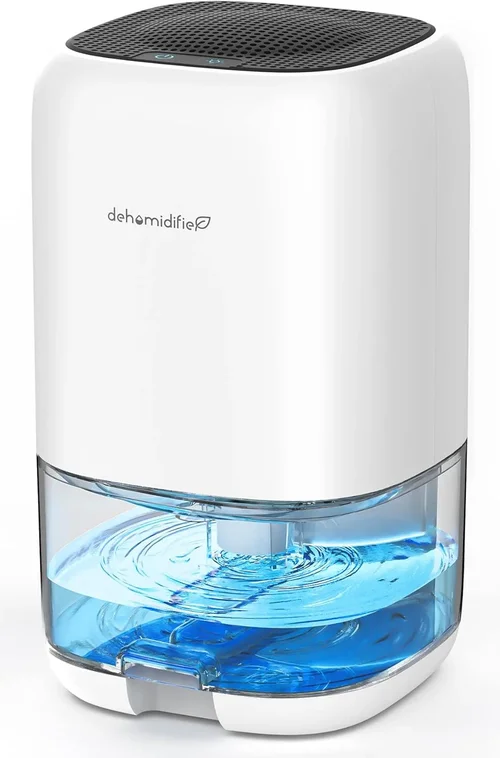
Entry-Level ($50–$120): These are typically mini or thermo-electric units best suited for closets, RVs, or very small bathrooms. They remove 5–15 pints per day and lack advanced features like humidity controls or continuous drainage. Ideal for occasional use or low-humidity areas. Expect shorter lifespans (2–3 years) and higher energy costs per pint removed.
Mid-Range ($120–$250): This is the sweet spot for most home users. You’ll find reliable 30–50 pint refrigerant or desiccant models with digital hygrometers, auto-restart after power outages, and hose drain options. ENERGY STAR ratings are common here. Perfect for laundry rooms, basements, or apartments. Units in this range offer the best balance of performance, durability, and cost.
Premium ($250–$500): Designed for demanding environments, these models feature inverter compressors, Wi-Fi connectivity, multi-stage filtration, and robust build quality. They often include smart scheduling, leak detection, and compatibility with home automation systems. Ideal for large homes, humid climates, or users who dry clothes indoors daily.
Luxury ($500+): Whole-house systems or commercial-grade units fall here. They integrate with HVAC, handle 1,000+ sq ft, and offer industrial durability. While overkill for most, they’re worth considering for severe moisture problems, historic homes, or rental properties where tenant satisfaction depends on air quality.

Expert Tips for Getting the Best Deal
- Buy during off-season: Prices drop significantly in winter (January–March) when demand for dehumidifiers is lowest. Retailers clear inventory for heaters and humidifiers. You can save 20–30% compared to summer peaks.
- Shop refurbished or open-box: Certified refurbished units from manufacturers like Frigidaire or Honeywell often come with full warranties and cost 25–40% less. Open-box deals at Best Buy or Costco offer similar savings with return protection.
- Use price tracking tools: Set alerts on CamelCamelCamel (for Amazon) or Honey (browser extension) to notify you when your desired model drops in price.
- Check for rebates: Some utility companies offer rebates for ENERGY STAR dehumidifiers—especially in humid states. Visit energystar.gov/rebate-finder to see local offers.
- Test before committing: If buying in-store, ask to see a demo unit. Listen for noise, check display clarity, and verify hose attachment ease. Online? Read recent reviews for performance updates.
- Negotiate extended warranties: At big-box stores, politely ask if they’ll waive the cost of an extended warranty if you’re purchasing accessories (like hoses or filters). Sometimes they’ll bundle it for free.
- Consider bundle deals: Some retailers offer discounts when you buy a dehumidifier with a washing machine, air purifier, or fan. Even if you don’t need the extras immediately, resale value can offset cost.
- Read the fine print on returns: Ensure the return window covers at least 30 days and includes return shipping if buying online. Some sellers charge restocking fees—avoid these unless absolutely necessary.

Frequently Asked Questions
Q: Can a dehumidifier really dry clothes faster?
A: Yes—but indirectly. A dehumidifier doesn’t blow hot air like a dryer. Instead, it removes moisture from the surrounding air, allowing wet clothes to evaporate more efficiently. In a closed room, this can cut drying time by 30–50%, especially when paired with a fan for circulation.
Q: Will a dehumidifier prevent mold on clothes?
A: Absolutely. Mold thrives above 60% relative humidity. By maintaining RH between 45–55%, a dehumidifier creates an environment where mold spores cannot grow. This is especially crucial for stored seasonal clothing or items in damp closets.
Q: Do I need a special dehumidifier for laundry rooms?
A: Not necessarily—but look for models with higher pint capacity (40–50+) and durable construction. Laundry rooms generate lots of steam, so the unit must handle rapid humidity spikes. Continuous drainage is highly recommended here.
Q: Can I use a regular room dehumidifier for clothes drying?
A: Yes, as long as it’s sized correctly for the space and has adequate moisture removal capacity. Avoid using mini units for large loads—they’ll struggle and may overheat.
Q: How often should I run the dehumidifier when drying clothes?
A: Run it continuously during the drying process and for a few hours afterward to stabilize humidity. If using a timer, set it to operate 2–4 hours post-drying to ensure complete moisture removal.
Q: Are desiccant dehumidifiers better for clothes?
A: They excel in cold or quiet environments and don’t over-dry fabrics as easily as refrigerant models. However, they’re less efficient in warm, humid climates. Choose based on your local conditions.
Q: Can a dehumidifier damage delicate fabrics?
A: Only if the air becomes too dry (below 40% RH). Most modern units let you set a minimum humidity level. For silks or wools, aim for 50% RH and avoid direct airflow from fans.
Q: Do I still need a dehumidifier if I have central AC?
A: Possibly. Central AC removes some moisture, but not enough in high-humidity areas or during shoulder seasons when AC runs less. A dedicated unit provides targeted control where it matters most—like your laundry room or closet.
Q: How do I know if my dehumidifier is working properly?
A: Check the water tank—it should fill steadily during operation. Use a hygrometer to verify RH drops to your set level. If the room still feels damp or clothes take forever to dry, the unit may be undersized or malfunctioning.
Q: Can I leave a dehumidifier on 24/7?
A: Yes, especially models with auto-humidistats. They’ll cycle on only when needed, saving energy. Just ensure proper drainage and filter maintenance to avoid issues.
Our Final Recommendations
Best for Budget-Conscious Buyers: Eva-Dry E-333 Mini Dehumidifier – At under $50, this compact desiccant unit is perfect for small closets or RVs. It’s silent, requires no installation, and includes a moisture indicator. While not for large spaces, it’s unbeatable for targeted, low-cost protection.
Best Overall Value: Frigidaire FFAD5033W1 50-Pint Dehumidifier – ENERGY STAR certified, with a large tank, continuous drain option, and reliable performance in humid climates. Priced around $220, it’s a workhorse that balances cost, capacity, and efficiency for most households.
Best Premium Option: hOmeLabs 50-Pint Smart Dehumidifier – Features Wi-Fi control, app monitoring, auto-defrost, and a sleek design. Ideal for tech lovers who want remote management and precise humidity control. Around $350, it’s worth the upgrade for frequent indoor drying.
Best for Beginners: Honeywell TP50WKN 50-Pint Dehumidifier – Simple interface, clear humidity display, and excellent customer support. Great for first-time buyers who want reliability without complexity. Includes washable filter and caster wheels for easy movement.
Best for Advanced Users: AprilAire E080 Pro 80-Pint Whole-House Dehumidifier – For those with severe humidity issues or large homes, this professionally installed unit integrates with HVAC and maintains consistent RH throughout the entire house. At ~$1,200, it’s an investment—but unmatched in performance and coverage.
Conclusion: Making the Right Choice
Choosing the best dehumidifier for clothes isn’t just about picking the most powerful or cheapest model—it’s about matching the right tool to your unique environment, habits, and needs. From understanding pint capacity and energy efficiency to avoiding common pitfalls like poor drainage or excessive noise, every detail matters when your goal is preserving the quality and longevity of your wardrobe. Whether you’re battling basement dampness, apartment humidity, or simply seeking faster indoor drying, the right dehumidifier transforms a frustrating chore into a seamless part of your routine.
Remember: prioritize your specific use case. If you dry clothes weekly in a small closet, a mini desiccant unit suffices. For daily loads in a humid basement, invest in a robust 50-pint refrigerant model with continuous drainage. And always consider long-term value—durability, warranty, and operating costs outweigh short-term savings. With the insights from this guide, you’re equipped to make a confident, informed decision that keeps your clothes fresh, mold-free, and ready to wear season after season.
Don’t let humidity ruin your favorite garments. Take action today—measure your space, assess your needs, and choose a dehumidifier that delivers real results. Your clothes—and your peace of mind—will thank you.