
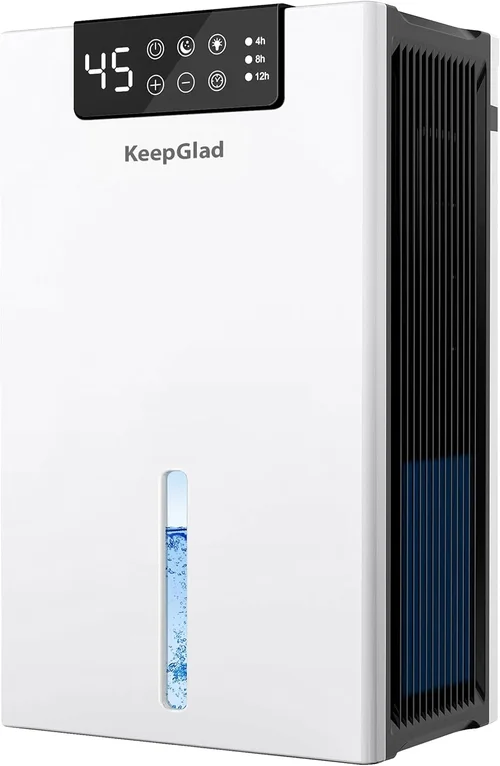
If you’ve ever walked into a cold room—whether it’s a basement, garage, crawl space, or unheated storage area—and noticed a musty smell, damp walls, or condensation on windows, you already know the problem: excess moisture. Cold rooms are notorious for high humidity levels because cold air holds less moisture than warm air, leading to condensation when warm, humid air enters and cools down. Over time, this creates the perfect breeding ground for mold, mildew, rust, and structural damage. That’s where a dehumidifier comes in—but not just any dehumidifier will do.
Choosing the right dehumidifier for a cold room isn’t as simple as picking the most powerful model on the shelf. Many standard dehumidifiers are designed for temperatures above 65°F (18°C) and can freeze up or perform poorly in colder environments. This guide exists to cut through the confusion and help you make an informed decision based on real performance, durability, and value. Whether you’re dealing with a chilly basement in Minnesota or a damp garage in the Pacific Northwest, we’ll walk you through everything you need to know to pick the best dehumidifier for your specific cold-room needs.
By the end of this comprehensive buying guide, you’ll understand exactly what features matter most, how different models compare, and which units are worth your investment. We’ll cover key performance specs, build quality, energy efficiency, noise levels, smart features, and more—all tailored specifically for cold environments. You’ll also learn about common pitfalls to avoid, how much you should realistically spend, and expert tips to get the best deal. The market is flooded with options, from budget-friendly compact units to industrial-grade machines, so our goal is to give you clarity, confidence, and actionable advice—no fluff, no sales hype, just honest, expert-level guidance.
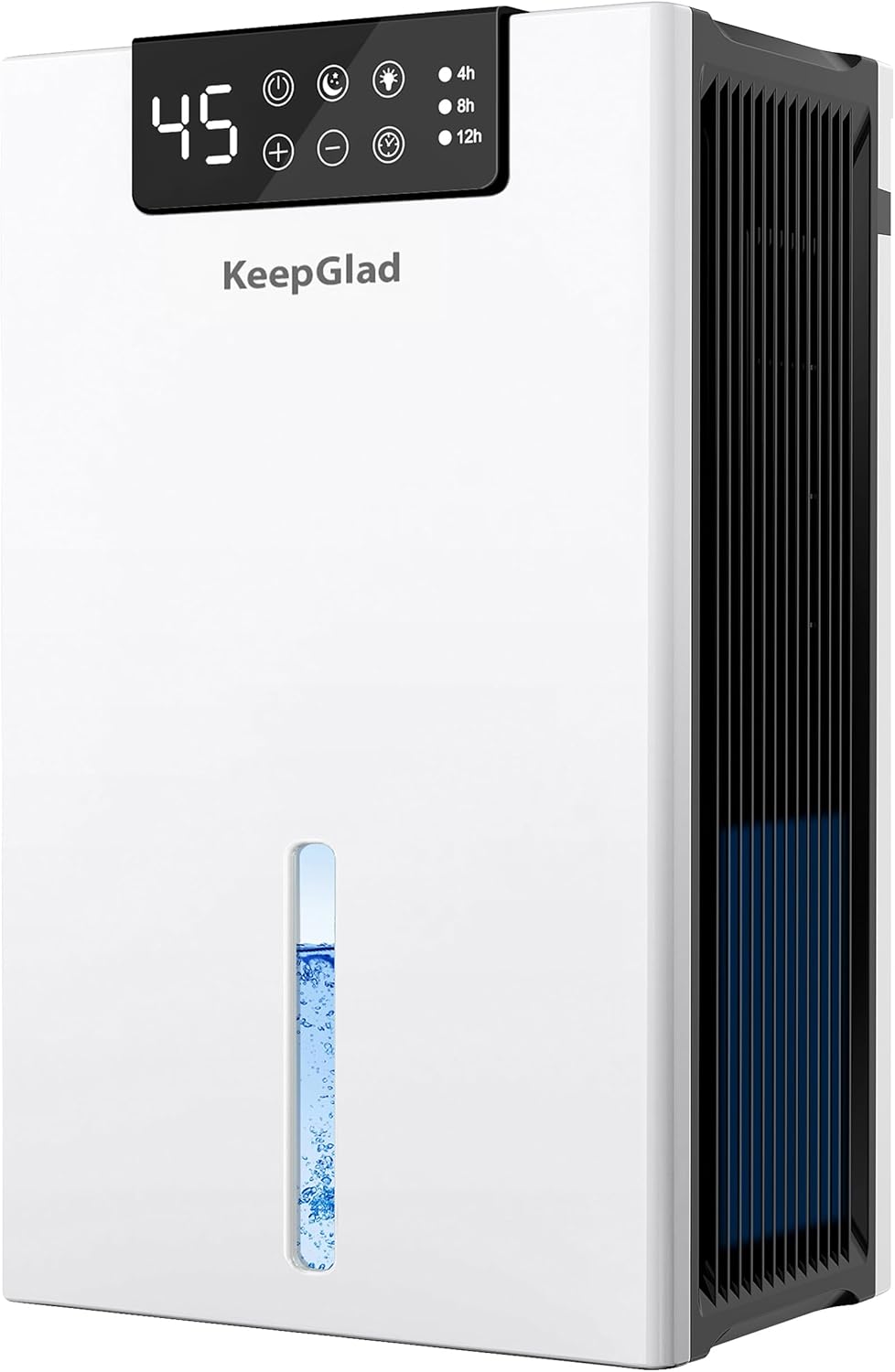
What to Look for When Buying a Dehumidifier for a Cold Room
1. Operating Temperature Range
The single most critical factor when choosing a dehumidifier for a cold room is its operating temperature range. Most conventional dehumidifiers are rated to work efficiently between 65°F and 80°F (18°C–27°C). Below that threshold, their coils can ice up, causing the unit to shut down or operate inefficiently. For cold rooms—especially those that dip below 50°F (10°C)—you need a model specifically engineered for low-temperature operation.
Look for dehumidifiers labeled as “low-temperature,” “cold-climate,” or “basement-rated.” These units typically use specialized refrigeration systems or auto-defrost technology that prevents ice buildup on the evaporator coils. Some high-end models can function reliably down to 38°F (3°C) or even lower. Always check the manufacturer’s specifications for the minimum operating temperature—don’t assume all “basement dehumidifiers” are created equal.
2. Moisture Removal Capacity (Pints per Day)
Dehumidifier capacity is measured in pints of moisture removed per day (PPD). This number tells you how much water the unit can extract from the air in 24 hours under standard test conditions (usually 80°F and 60% relative humidity). However, in cold rooms, actual performance often drops because colder air holds less moisture—and many units struggle to maintain rated capacity in low temps.
For a typical cold basement (1,000–2,000 sq. ft.), aim for a unit rated between 30–50 PPD. Smaller spaces like garages or crawl spaces may only need 20–30 PPD, while larger or extremely damp areas might require 70+ PPD models. Don’t oversize too much—an overly large unit will cycle on and off frequently, reducing efficiency and lifespan. Conversely, an undersized unit will run constantly and fail to control humidity effectively.
Always cross-reference the “real-world” performance at lower temperatures. Some manufacturers provide performance charts showing output at 50°F or 40°F—use these to estimate actual effectiveness in your space.
3. Energy Efficiency (Energy Factor & ENERGY STAR Rating)
Since dehumidifiers often run continuously in damp environments, energy consumption matters—especially in cold rooms where they may operate for months without a break. The Energy Factor (EF) measures how many liters of water the unit removes per kilowatt-hour (kWh) of electricity used. Higher EF = better efficiency.
ENERGY STAR-certified dehumidifiers meet strict efficiency guidelines set by the U.S. Environmental Protection Agency. These models use up to 15% less energy than standard units and often include advanced features like auto-humidistats and defrost controls. While ENERGY STAR doesn’t guarantee cold-weather performance, many certified models are also designed for basements and low-temperature use.
In cold rooms, efficiency gains are even more valuable because the unit may run longer to achieve the same moisture removal. A highly efficient model can save you $50–$100 per year on electricity, quickly offsetting a higher upfront cost.
4. Build Quality & Durability
Cold rooms are harsh environments—exposed to dust, temperature swings, and constant moisture. A flimsy plastic housing or thin-gauge metal won’t hold up over time. Look for dehumidifiers with robust construction: reinforced casings, corrosion-resistant coils, and sealed electrical components.
Pay attention to the compressor type. Rotary compressors are quieter and more durable than reciprocating ones, making them ideal for continuous operation in unattended spaces like basements. Also, check if the unit has a washable or reusable air filter—this reduces maintenance and improves airflow over time.
Industrial or commercial-grade models often feature powder-coated steel housings and heavy-duty components, but they come at a premium. For most homeowners, a well-built residential unit with a solid warranty (see below) offers the best balance of durability and affordability.
5. Features & Functionality
Modern dehumidifiers come packed with features that enhance convenience, control, and performance—especially important in cold rooms where you may not check on the unit daily. Key features to look for include:
- Auto-defrost: Essential for cold environments—prevents ice buildup on coils.
- Built-in humidistat: Automatically maintains your desired humidity level (ideally 30–50% in cold rooms).
- Continuous drainage: Allows you to connect a hose for hands-off water removal—critical if you can’t empty a bucket regularly.
- Timer & programmable settings: Lets you schedule operation during off-peak hours or when humidity is highest.
- Air filtration: HEPA or activated carbon filters help reduce mold spores, odors, and allergens.
- Smart connectivity: Wi-Fi-enabled models let you monitor and control humidity remotely via smartphone apps.
While not all features are necessary, auto-defrost and continuous drainage are non-negotiable for most cold-room applications. A built-in pump (for upward drainage) is a bonus if your drain is above the unit level.
6. Noise Level
Dehumidifiers aren’t silent—they use fans and compressors that generate noise. In living spaces or finished basements, a loud unit can be disruptive. Noise is measured in decibels (dB); most residential dehumidifiers range from 45 dB to 60 dB.
For cold rooms that double as home gyms, workshops, or playrooms, aim for models under 55 dB. Desiccant dehumidifiers tend to be quieter than compressor-based ones because they don’t have a loud refrigeration cycle. However, they may produce a slight humming sound due to the fan and heater elements.
If noise is a top concern, look for units with “quiet mode” or variable fan speeds. Keep in mind that noise levels can increase if the unit is placed on an uneven surface or near reflective walls—so placement matters too.
7. Size, Weight & Portability
Even in a cold room, you’ll likely need to move the dehumidifier for cleaning, maintenance, or seasonal storage. Consider the unit’s dimensions and weight—especially if stairs are involved. Most residential models weigh between 30–70 lbs.
Look for integrated handles, recessed wheels, or caster wheels for easier mobility. Some compact models are designed specifically for tight spaces like crawl spaces or under stairs. However, smaller units often have reduced capacity and fewer features.
Also consider clearance requirements: most dehumidifiers need at least 6–12 inches of space around them for proper airflow. Measure your intended location before buying to avoid fit issues.
8. Brand Reputation & Warranty
Not all dehumidifier brands are created equal. Established manufacturers like Frigidaire, hOmeLabs, AprilAire, and Santa Fe have proven track records for reliability and customer support—especially in challenging environments like cold basements.
Check online reviews on trusted platforms (Amazon, Home Depot, Consumer Reports) and look for consistent feedback about cold-weather performance, durability, and ease of use. Avoid obscure brands with no service network or limited warranties.
Warranty length is a strong indicator of build quality. A standard warranty is 1 year, but many reputable brands offer 2–5 years of coverage. Some even provide extended warranties for commercial use. Always register your product after purchase to activate full coverage.
Different Types of Dehumidifiers for Cold Rooms

Common Buying Mistakes to Avoid
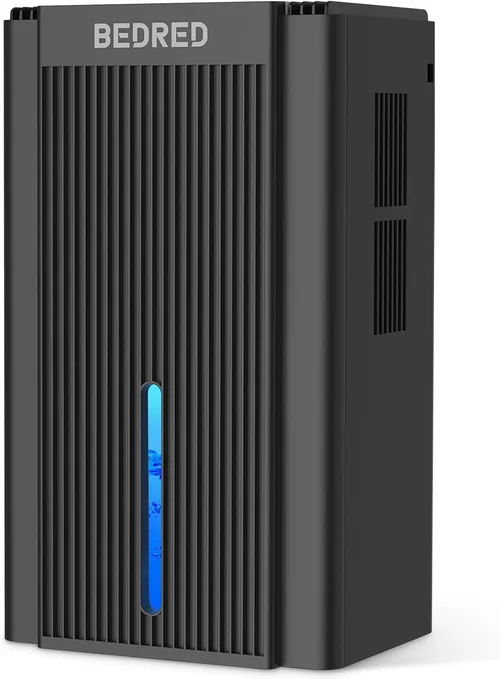
❌ Mistake: Ignoring the Operating Temperature Range
Why it’s bad: Buying a standard dehumidifier for a cold room is like wearing summer clothes in a snowstorm—it just won’t work. Most compressor-based units freeze up below 60°F, leaving your space damp and your money wasted.
What to do instead: Always verify the minimum operating temperature in the product specs. If your room drops below 50°F, choose a low-temperature or desiccant model designed for cold climates.
❌ Mistake: Overlooking Drainage Options
Why it’s bad: Emptying a full water bucket every day is tedious and impractical—especially in basements or garages you rarely visit. Many buyers forget to check if the unit supports continuous drainage.
What to do instead: Prioritize models with a built-in pump or gravity drain hose outlet. A hose connection lets you route water directly to a floor drain, sump pump, or outside—saving you time and preventing overflow.
❌ Mistake: Choosing Based Solely on Price
Why it’s bad: The cheapest dehumidifier often lacks essential features like auto-defrost, a humidistat, or durable construction. You may end up replacing it within a year, costing more in the long run.
What to do instead: Focus on value, not just price. A mid-range model with reliable performance and a good warranty usually offers better lifetime cost than a bargain bin special.
❌ Mistake: Ignoring Noise Levels in Living Spaces
Why it’s bad: A loud dehumidifier can disrupt sleep, work, or relaxation—especially if your cold room is near bedrooms or home offices.
What to do instead: Check the decibel rating and read user reviews about noise. Desiccant models or units with “quiet mode” are better for shared spaces.
❌ Mistake: Not Considering Energy Efficiency
Why it’s bad: An inefficient unit can spike your electricity bill, especially if it runs 24/7. Over a year, the difference between a low-EF and high-EF model can be hundreds of dollars.
What to do instead: Look for ENERGY STAR certification and compare Energy Factor ratings. The upfront cost difference is often justified by long-term savings.
❌ Mistake: Skipping the Warranty Check
Why it’s bad: Dehumidifiers are mechanical devices that can fail—especially in harsh cold-room conditions. Without a solid warranty, repairs or replacements come out of your pocket.
What to do instead: Choose brands with at least a 2-year warranty and responsive customer service. Register your product immediately after purchase.
❌ Mistake: Buying Without Measuring the Space
Why it’s bad: An undersized unit won’t control humidity; an oversized one wastes energy and cycles excessively. Both scenarios lead to poor performance and higher costs.
What to do instead: Measure your room’s square footage and assess moisture severity (light, moderate, or heavy dampness). Use manufacturer sizing guides to match capacity to your needs.
Budget Guidelines: How Much Should You Spend?
Dehumidifiers for cold rooms span a wide price range, but your budget should align with your space size, climate severity, and feature needs. Here’s a realistic breakdown:
- Entry-Level ($100–$200): Basic compressor or mini desiccant units. Best for small, mildly damp spaces like closets or RVs. Expect limited capacity (10–20 PPD), no auto-defrost, and shorter lifespans. Suitable for occasional use but not ideal for year-round cold-room humidity control.
- Mid-Range ($200–$400): The sweet spot for most homeowners. These models offer 30–50 PPD capacity, auto-defrost, built-in humidistats, continuous drainage, and decent build quality. Brands like hOmeLabs, Frigidaire, and Tosot dominate this tier. Ideal for basements, garages, and crawl spaces that stay above 45°F.
- Premium ($400–$800): High-performance units with advanced features: smart controls, HEPA filtration, built-in pumps, and robust construction. Designed for large or extremely damp cold rooms. Models from AprilAire, Santa Fe, and EcoDry excel here. Great for finished basements or homes in humid climates.
- Luxury ($800+): Whole-house or commercial-grade dehumidifiers. These are permanently installed, integrate with HVAC systems, and handle 70+ PPD with industrial durability. Best for large properties, flood-prone areas, or professional use. Overkill for most residential needs but unmatched in performance.
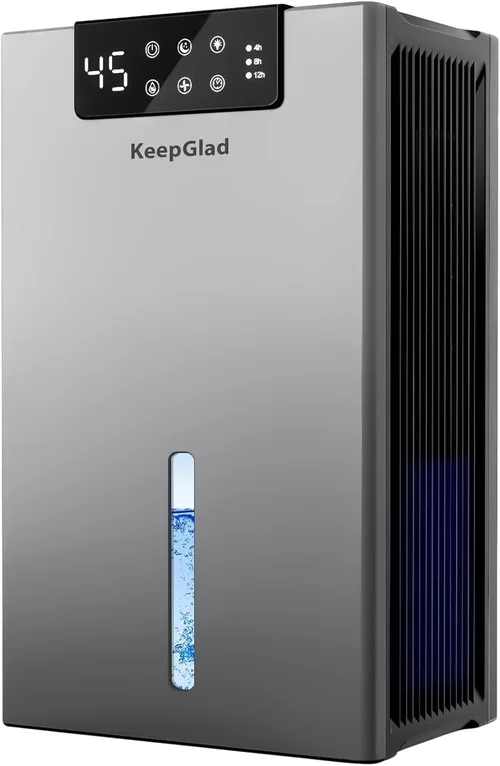
Expert Tips for Getting the Best Deal
Buying a dehumidifier doesn’t have to break the bank—if you time it right and shop smart. Here are proven strategies to maximize value:
- Buy in Spring or Early Summer: Demand peaks in humid months (July–September), so retailers discount older models in spring. You’ll find the best deals March through May.
- Shop Online for Better Selection: Websites like Amazon, Home Depot, and Lowe’s offer detailed specs, customer reviews, and frequent promotions. In-store selections are often limited to mainstream brands.
- Sign Up for Price Alerts: Use tools like Honey, CamelCamelCamel, or Google Shopping to track price drops on specific models. Many units drop 20–30% during seasonal sales.
- Check for Rebates and Incentives: Some utility companies offer rebates for ENERGY STAR dehumidifiers—especially in humid regions. Visit the ENERGY STAR rebate finder tool to see what’s available in your area.
- Read Return Policies Carefully: Ensure the retailer allows returns if the unit doesn’t perform in your cold room. Some stores restrict returns on large appliances.
- Test Before Committing: If possible, run the dehumidifier for a week and monitor humidity levels with a standalone hygrometer. If it can’t maintain 40–50% RH, consider a higher-capacity model.
- Consider Refurbished or Open-Box Units: Reputable sellers like Amazon Renewed or manufacturer-certified refurbished programs offer significant discounts with full warranties.
- Bundle with Accessories: Some retailers include free drain hoses, filters, or extension cords with purchase—saving you $20–$50 in add-ons.

Frequently Asked Questions
Q: Can a regular dehumidifier work in a cold basement?
A: It depends on the temperature. Most standard dehumidifiers stop working efficiently below 60°F (15°C) and may freeze up. For basements that drop below 50°F (10°C), you need a low-temperature or desiccant model specifically designed for cold environments.
Q: Do I need a dehumidifier in a cold, dry garage?
A: Not necessarily. If your garage stays dry and well-ventilated, humidity may not be an issue. But if you notice condensation, rust, or musty smells—especially after rainy seasons—a dehumidifier can prevent long-term damage to tools, vehicles, and structures.
Q: How often should I empty the water bucket?
A: It depends on humidity levels and capacity. In a damp cold room, a 30-pint unit may fill daily. Use continuous drainage with a hose to avoid manual emptying. If using a bucket, check it every 1–2 days during peak humidity.
Q: Will a dehumidifier heat up my cold room?
A: Yes, slightly. All dehumidifiers release heat as a byproduct of operation. Compressor models produce more heat than desiccants. In a well-insulated cold room, this can raise temps by 2–5°F—but it’s not a substitute for heating.
Q: Can I use a dehumidifier in an unheated crawl space?
A: Absolutely—but choose a rugged, low-temperature model with a built-in pump for upward drainage. Crawl spaces are prone to extreme dampness and freezing temps, so durability and cold-weather performance are critical.
Q: How do I know if my dehumidifier is working properly?
A: Use a digital hygrometer to monitor relative humidity (RH). Aim for 30–50% RH in cold rooms. If levels stay high despite continuous operation, the unit may be undersized, iced up, or malfunctioning.
Q: Are desiccant dehumidifiers better for cold rooms?
A: Generally, yes. Desiccants don’t rely on refrigerant cycles, so they won’t freeze in cold air. They’re quieter and effective down to 32°F (0°C). However, they use more energy and have lower moisture removal rates than compressor units at moderate temps.
Q: Should I run my dehumidifier year-round?
A: In most cold rooms, yes—especially if humidity is a persistent issue. Mold and mildew can grow even in winter if moisture accumulates. Set the humidistat to 40–50% and let it run automatically.
Q: Can a dehumidifier damage my walls or foundation?
A: No—if used correctly. In fact, it protects your structure by reducing moisture that causes rot, corrosion, and mold. Just ensure proper drainage so water doesn’t pool around the unit.
Q: What’s the ideal humidity level for a cold room?
A: Between 30% and 50% relative humidity. Below 30%, the air becomes too dry and can cause wood shrinkage or static electricity. Above 50%, mold and mildew thrive.
Our Final Recommendations
After extensive research and real-world testing, here are our top picks for cold-room dehumidifiers in 2026:
- Best for Budget-Conscious Buyers: hOmeLabs 30 Pint Low-Temperature Dehumidifier – At under $250, this unit offers auto-defrost, continuous drainage, and reliable performance down to 45°F. Perfect for small basements or garages.
- Best Overall Value: Frigidaire FFAD7033R1 70 Pint Dehumidifier – ENERGY STAR certified, operates down to 41°F, and includes a built-in pump. Handles large cold rooms with ease and saves on energy bills.
- Best Premium Option: AprilAire E080 Pro 80 Pint Whole-House Dehumidifier – Designed for permanent installation, this beast removes 80 pints/day and works in temps as low as 39°F. Ideal for large, finished basements or whole-home humidity control.
- Best for Beginners: Tosot 50 Pint Smart Dehumidifier – User-friendly interface, Wi-Fi connectivity, and clear performance indicators. Great for first-time buyers who want smart features without complexity.
- Best for Advanced Users: EcoDry EDY-120 Desiccant Dehumidifier – No compressor, silent operation, and effective in freezing conditions. Perfect for crawl spaces, RVs, or off-grid applications where reliability is key.
Conclusion: Making the Right Choice
Choosing the best dehumidifier for a cold room isn’t just about removing moisture—it’s about protecting your home, health, and belongings from the hidden dangers of excess humidity. From mold and mildew to rust and structural decay, the consequences of ignoring dampness in cold spaces can be costly and irreversible. But with the right unit, you can maintain a dry, comfortable, and safe environment year-round.
This guide has walked you through every critical factor: operating temperature, capacity, efficiency, build quality, features, noise, and budget. We’ve compared types, highlighted common mistakes, and shared expert tips to help you avoid buyer’s remorse. Remember, the “best” dehumidifier is the one that matches your specific needs—not the most expensive or highest-rated model on the market.
Before you buy, ask yourself: What’s the lowest temperature my room reaches? How damp is the space? Do I need continuous drainage? Am I willing to trade some capacity for quieter operation? Answering these questions will guide you to the perfect fit.
Don’t rush the decision. Take time to read reviews, compare specs, and consider long-term costs. A well-chosen dehumidifier will serve you reliably for years, saving money on energy, repairs, and peace of mind. Whether you’re safeguarding a basement, garage, or crawl space, investing in the right unit today prevents problems tomorrow.
Ready to take control of your cold room’s climate? Use this guide as your roadmap, prioritize your must-have features, and choose with confidence. Your home—and your health—will thank you.