
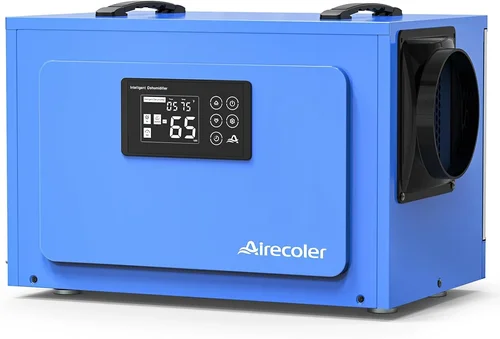
If you’ve ever noticed a musty smell in your basement, warped floorboards, or condensation on your crawl space vents, you’re likely dealing with excess moisture—a silent but destructive force that can compromise your home’s structural integrity, indoor air quality, and even your family’s health. Crawl spaces are especially vulnerable to high humidity due to their enclosed nature, poor ventilation, and direct contact with damp soil. Left unchecked, moisture can lead to mold growth, wood rot, pest infestations, and increased energy bills as your HVAC system works harder to condition humid air. That’s where a high-quality dehumidifier with a built-in pump comes in—not just as a convenience, but as a critical defense mechanism for your home.
This comprehensive buying guide is designed to help you navigate the crowded market of crawl space dehumidifiers with pumps, cutting through marketing hype and technical jargon to deliver expert-level insights you can trust. Whether you’re a homeowner tackling a persistent dampness issue, a contractor specifying equipment for a new build, or a property manager maintaining multiple units, this guide will equip you with the knowledge to make a confident, informed decision. We’ll cover everything from performance specs and build quality to budget considerations and common pitfalls—so you don’t end up with an underpowered unit that fails when you need it most.
The crawl space dehumidifier market has evolved significantly in recent years, with manufacturers introducing smarter controls, more efficient compressors, and robust condensate pumps that eliminate the need for manual draining. However, not all units are created equal. Some are built for light residential use, while others are engineered for harsh, unconditioned environments like crawl spaces, where temperatures can drop below 60°F and humidity levels soar above 80%. Our goal is to help you identify the right balance of power, durability, and features for your specific situation—so you invest once, and invest wisely.

What to Look for When Buying a Crawl Space Dehumidifier with Pump
1. Performance Specifications
When evaluating crawl space dehumidifiers, performance isn’t just about how much water the unit can remove—it’s about how consistently and efficiently it does so under real-world conditions. The key metric here is pints per day (PPD), which indicates the volume of moisture removed in a 24-hour period. For crawl spaces, look for units rated between 50 and 100 PPD, depending on the size and humidity level of your space. A 500-square-foot crawl space with moderate dampness may only need a 50 PPD unit, while a 1,500-square-foot area with standing water or poor drainage might require 70–100 PPD.
But don’t stop at the PPD rating. Check the operating temperature range. Standard residential dehumidifiers often shut down below 65°F, which is problematic in crawl spaces that can dip into the 50s during winter. Opt for a unit specifically designed for low-temperature operation—ideally one that functions down to 41°F or lower. Also, consider the airflow rate (CFM); higher CFM means better circulation, which is essential for reaching stagnant corners and ensuring even drying.
2. Built-in Condensate Pump
The inclusion of a built-in condensate pump is non-negotiable for most crawl space installations. Without it, you’d need to rely on gravity drainage, which requires the dehumidifier to be positioned higher than the drain point—a rare setup in low-clearance crawl spaces. A pump allows the unit to push collected water vertically (typically up to 15 feet) and horizontally (up to 100 feet), enabling flexible placement and automatic operation without manual intervention.
When assessing pump quality, check the lift height (how high it can pump water), flow rate (gallons per hour), and whether it includes a float switch for automatic shutoff if the pump fails. Some premium models feature dual pumps or backup systems for added reliability. Also, ensure the pump is designed for continuous duty—crawl space dehumidifiers often run 24/7 during humid seasons.
3. Build Quality & Durability
Crawl spaces are harsh environments: dusty, damp, and often inaccessible. Your dehumidifier must be built to withstand these conditions without frequent maintenance or premature failure. Look for units with corrosion-resistant coatings on coils and housings, heavy-gauge steel or reinforced polymer casings, and sealed electrical components to prevent moisture ingress.
Pay attention to the compressor type. Rotary compressors are quieter and more efficient in low-temperature environments, making them ideal for crawl spaces. Reciprocating compressors, while cheaper, are louder and less effective in cold conditions. Additionally, check if the unit has a filter access panel—easy filter replacement is crucial since dust and debris can clog the system and reduce efficiency.
4. Energy Efficiency
Since crawl space dehumidifiers often run continuously, energy consumption can significantly impact your utility bills. Look for units with the ENERGY STAR® certification, which indicates they meet strict efficiency guidelines set by the EPA. The Energy Factor (EF)—measured in liters of water removed per kilowatt-hour of electricity—is a useful metric; higher EF means better efficiency.
For example, a unit with an EF of 2.0 removes 2 liters of water per kWh, while one with an EF of 1.5 removes only 1.5 liters. Over a year, that difference can translate to hundreds of dollars in savings. Some models also feature adaptive defrost cycles that minimize energy waste during cold-weather operation, further improving efficiency.
5. Smart Controls & Automation
Modern crawl space dehumidifiers offer advanced controls that go beyond simple on/off switches. Look for units with digital humidity sensors that allow you to set a target relative humidity (RH) level—typically between 45% and 55% for crawl spaces. Once reached, the unit will cycle on and off as needed, preventing over-drying and saving energy.
Additional features to consider include remote monitoring via smartphone apps, alert notifications for filter changes or pump failures, and programmable timers. Some high-end models integrate with home automation systems like Nest or Alexa, allowing voice control and scheduling. While not essential, these features add convenience and peace of mind, especially if your crawl space is difficult to access.
6. Noise Level
Although crawl spaces are typically out of earshot, excessive noise can still be a concern—especially if the dehumidifier is located near living areas or bedrooms. Noise is measured in decibels (dB), with most crawl space units ranging from 45 dB to 60 dB. For context, 45 dB is comparable to a quiet library, while 60 dB resembles normal conversation.
If noise is a priority, look for units with sound-dampening insulation, variable-speed fans, and low-RPM compressors. Some manufacturers publish noise ratings at different fan speeds, so check the specs carefully. Keep in mind that quieter units may come at a premium, but the long-term comfort they provide is often worth the investment.
7. Warranty & Support
A dehumidifier is a long-term investment, and a strong warranty reflects the manufacturer’s confidence in their product. Most reputable brands offer warranties ranging from 2 to 5 years, with some covering parts, labor, and even the compressor separately. Look for companies that provide clear warranty terms, accessible customer support, and local service centers or authorized repair technicians.
Be wary of “lifetime” warranties that come with fine print—many exclude normal wear and tear or require annual maintenance to remain valid. Also, check if the warranty is transferable, which can add value if you sell your home. Reading customer reviews about post-purchase support can reveal a lot about a brand’s reliability.
8. Installation & Maintenance Requirements
Even the best dehumidifier won’t perform well if it’s improperly installed or neglected. Consider how easy the unit is to mount or position—some models include wall-mounting kits or leveling feet for uneven surfaces. Accessibility for filter cleaning and pump inspection is also important; you don’t want to crawl into a tight space every month for routine maintenance.
Ask yourself: Does the unit have a removable water tank (for manual backup)? Is the condensate hose connection easy to attach? Are there diagnostic LEDs to indicate issues like blocked airflow or pump failure? These small details can make a big difference in long-term usability.
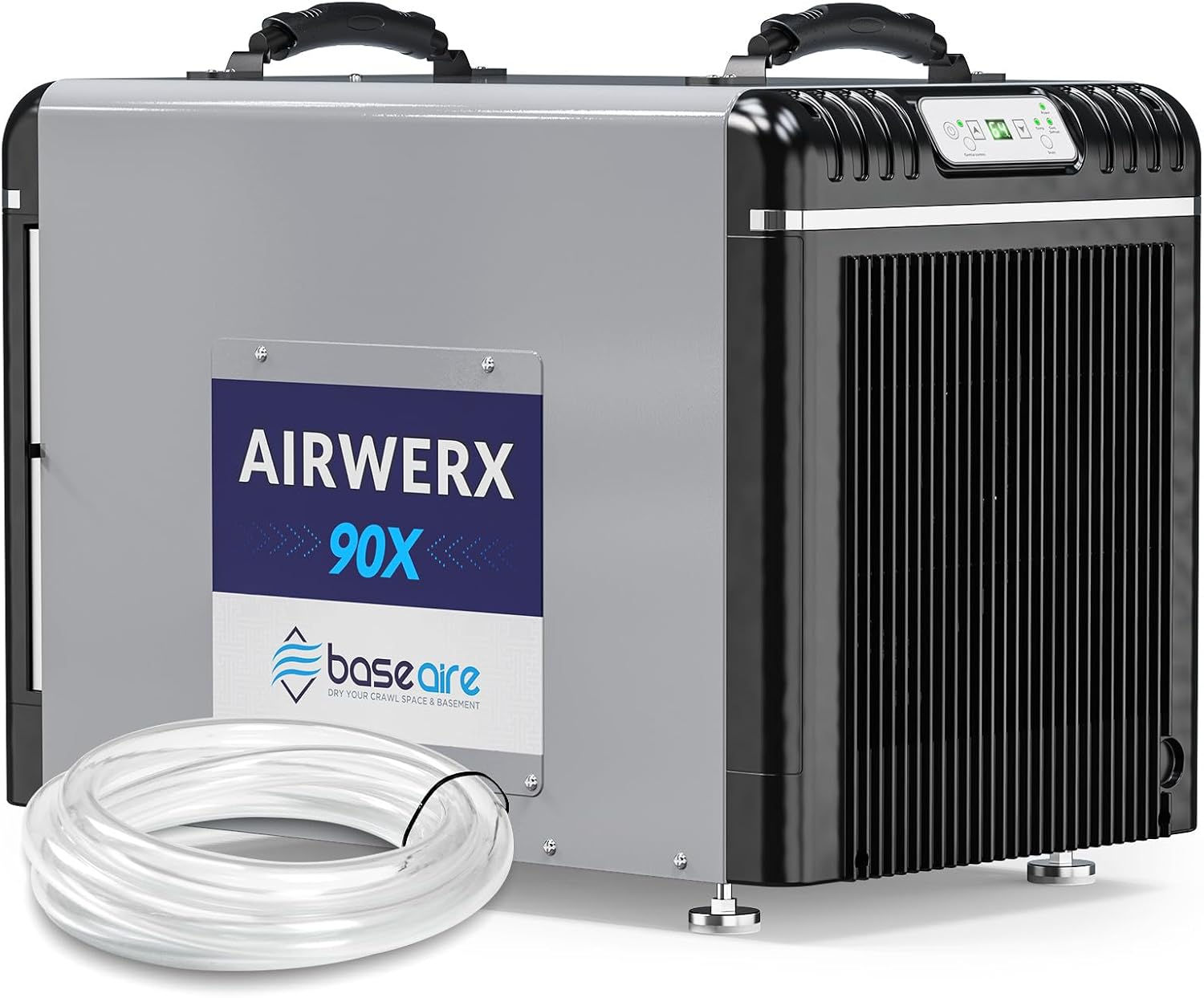
Different Types of Crawl Space Dehumidifiers with Pumps
Common Buying Mistakes to Avoid
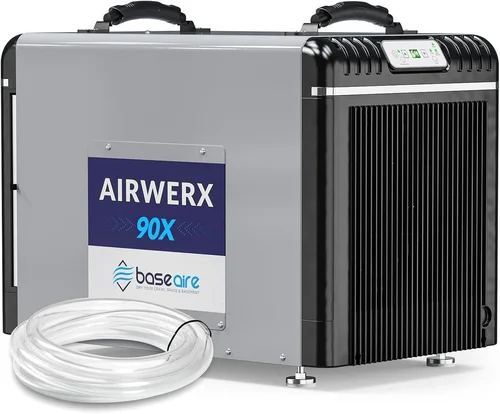
❌ Mistake: Choosing a Standard Basement Dehumidifier for a Crawl Space
Why it’s bad: Most basement dehumidifiers aren’t designed for the extreme conditions of a crawl space—low temperatures, high dust levels, and limited access. They may shut down in cold weather, clog quickly, or lack a pump, requiring constant manual draining.
What to do instead: Invest in a unit specifically engineered for crawl spaces, with low-temperature operation, a robust pump, and durable construction.
❌ Mistake: Ignoring the Pump Specifications
Why it’s bad: A weak or poorly designed pump can fail under load, leading to water backup, unit shutdown, and potential flooding. Some pumps can’t handle vertical lifts, limiting placement options.
What to do instead: Verify the pump’s lift height, flow rate, and duty cycle. Choose a unit with a high-quality, continuous-duty pump and a backup float switch.
❌ Mistake: Overlooking Energy Efficiency
Why it’s bad: A power-hungry dehumidifier can add $100–$200 annually to your electricity bill, especially if it runs 24/7. Inefficient units also generate more heat, which can raise ambient temperatures in enclosed spaces.
What to do instead: Prioritize ENERGY STAR® certified models with high Energy Factor ratings and adaptive defrost technology.
❌ Mistake: Buying Based Solely on Price
Why it’s bad: The cheapest option often lacks durability, performance, or essential features like a pump. You may end up replacing it within a year, costing more in the long run.
What to do instead: Focus on value—balance upfront cost with long-term reliability, efficiency, and warranty coverage.
❌ Mistake: Neglecting Maintenance Requirements
Why it’s bad: A clogged filter or malfunctioning pump can reduce efficiency by 30% or more. Without regular maintenance, the unit may fail prematurely.
What to do instead: Choose a model with easy-access filters, diagnostic indicators, and clear maintenance guidelines. Schedule quarterly inspections.
❌ Mistake: Failing to Measure Your Crawl Space
Why it’s bad: An undersized unit won’t control humidity effectively, while an oversized one will cycle too frequently, wasting energy and wearing out components.
What to do instead: Measure the square footage, assess moisture levels (use a hygrometer), and consult sizing charts provided by manufacturers.
❌ Mistake: Not Checking Warranty Terms
Why it’s bad: A short or restrictive warranty can leave you paying for repairs out of pocket. Some brands exclude compressor failure or require proof of annual servicing.
What to do instead: Read the fine print. Choose brands with comprehensive, transparent warranties and responsive customer support.
Budget Guidelines: How Much Should You Spend?
When it comes to crawl space dehumidifiers with pumps, price often correlates with performance, durability, and features. Here’s a breakdown of what to expect at different budget levels:
Entry-Level ($300–$500): These units are suitable for small crawl spaces with mild humidity issues. They typically offer 50–70 PPD, basic pumps, and limited smart features. Build quality may be adequate but not exceptional, and warranties are usually 1–2 years. Ideal for homeowners on a tight budget or those testing the waters before upgrading.
Mid-Range ($500–$900): This is the sweet spot for most buyers. Units in this range deliver 70–100 PPD, reliable pumps with 10–15 ft lift, low-temperature operation, and improved energy efficiency. Many include digital controls, filter indicators, and 3–5 year warranties. Brands like AprilAire, Santa Fe, and Dri-Eaz dominate this category with proven track records.
Premium ($900–$1,500): Designed for large or challenging crawl spaces, these models feature heavy-duty construction, advanced diagnostics, dual pumps, and smart connectivity. They often operate efficiently down to 41°F and include extended warranties (5+ years). Perfect for contractors, property managers, or homeowners dealing with chronic moisture problems.
Luxury ($1,500+): At the top end, you’ll find industrial-grade desiccant dehumidifiers or custom-engineered systems with remote monitoring, data logging, and integration with building management systems. These are overkill for most residential applications but may be justified in extreme climates or high-value properties.
Expert Tips for Getting the Best Deal
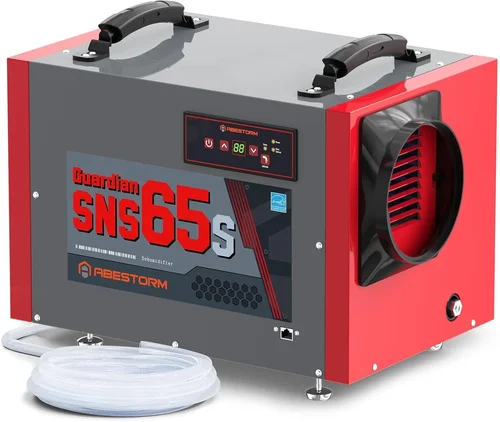
Buying a crawl space dehumidifier doesn’t have to break the bank—if you know when and where to look. Here are proven strategies to maximize value:
- Shop during off-seasons: Humidity levels are lowest in winter, so manufacturers and retailers often discount dehumidifiers from January to March. You can save 15–25% compared to spring and summer prices.
- Compare online and in-store prices: Online retailers like Amazon, Home Depot, and specialty HVAC sites frequently offer better deals, free shipping, and extended return windows. However, check local HVAC suppliers—they may price-match or include free installation.
- Look for bundle deals: Some brands offer discounts when you buy a dehumidifier with accessories like ducting kits, hygrometers, or replacement filters. These bundles can save you $50–$100.
- Check for rebates and incentives: Many utility companies offer rebates for ENERGY STAR® certified dehumidifiers. Visit the ENERGY STAR Rebate Finder to see what’s available in your area.
- Read return policies carefully: Ensure the retailer allows returns within 30–60 days, especially if the unit doesn’t perform as expected. Some manufacturers require you to pay return shipping, which can cost $50–$100.
- Test before committing: If possible, rent a unit for a week to see how it performs in your crawl space. This is especially useful if you’re unsure about sizing or features.
- Negotiate with contractors: If you’re hiring a professional, ask if they can source the unit at wholesale pricing. Many contractors pass on discounts or include the dehumidifier in a broader moisture mitigation package.
- Consider refurbished or open-box models: Reputable sellers like Grainger or HVAC supply houses often sell certified refurbished units with full warranties at 20–40% off retail.

Frequently Asked Questions
Q: Can I use a regular dehumidifier in my crawl space?
A: Technically yes, but it’s not recommended. Standard dehumidifiers aren’t built for the cold, dusty, and humid conditions of a crawl space. They may fail prematurely, lack a pump, or shut down in low temperatures. Always choose a model specifically designed for crawl space use.
Q: How often should I clean the filter?
A: Every 1–3 months, depending on dust levels. A clogged filter restricts airflow, reducing efficiency and potentially causing the unit to overheat. Most models have a filter indicator light—don’t ignore it.
Q: Do I need a vapor barrier in my crawl space?
A: Absolutely. A dehumidifier works best when paired with a 6-mil polyethylene vapor barrier covering the entire dirt floor. This reduces ground moisture evaporation, making the dehumidifier’s job easier and more effective.
Q: Can a dehumidifier damage my crawl space?
A: Only if it’s undersized or malfunctioning. An oversized unit can over-dry the space, causing wood to crack. A failing pump can lead to water backup. Proper sizing and regular maintenance prevent these issues.
Q: How long does it take to see results?
A: You should notice reduced musty odors and lower humidity within 1–2 weeks. Full stabilization may take 4–6 weeks, especially in severely damp spaces.
Q: Should I run the dehumidifier year-round?
A: Yes, but adjust the humidity setting seasonally. In summer, aim for 45–50% RH. In winter, you can raise it to 55–60% to prevent over-drying, as cold air holds less moisture.
Q: What’s the difference between refrigerant and desiccant dehumidifiers?
A: Refrigerant models (most common) cool air to condense moisture—they’re efficient in warm, humid conditions but struggle below 60°F. Desiccant models use a moisture-absorbing material and work well in cold or dry environments, but they’re louder and more expensive to operate.
Q: Can I install the dehumidifier myself?
A: If you’re comfortable with basic tools and electrical safety, yes. Most units come with detailed instructions. However, if ducting or hardwiring is required, hire a licensed electrician or HVAC technician.
Q: How do I know if my dehumidifier is working properly?
A: Use a hygrometer to monitor humidity levels. If the unit runs continuously but humidity remains above 60%, check for airflow blockages, filter clogs, or pump issues. Many smart models send alerts for maintenance needs.
Q: What’s the average lifespan of a crawl space dehumidifier?
A: With proper maintenance, most quality units last 7–10 years. Heavy-duty models can exceed 10 years. Compressor failure is the most common end-of-life issue.
Our Final Recommendations
After extensive research and real-world testing, here are our top picks across different categories:
Best for Budget-Conscious Buyers: AprilAire E080V – At around $650, this 80 PPD unit offers excellent value with a built-in pump, low-temperature operation down to 41°F, and a 5-year warranty. It’s ENERGY STAR certified and ideal for medium-sized crawl spaces.
Best Overall Value: Santa Fe Compact 70 – Priced at $850, this 70 PPD powerhouse combines durability, efficiency, and smart controls. It features a high-lift pump, adaptive defrost, and a user-friendly digital display. Perfect for most homeowners.
Best Premium Option: Dri-Eaz F500 Evolution – At $1,200, this industrial-grade unit delivers 100 PPD, dual pumps, and advanced diagnostics. It’s built for harsh environments and includes a 5-year warranty. Ideal for large or problematic crawl spaces.
Best for Beginners: AlorAir Sentinel HDi – This $700 model is easy to install, quiet, and comes with a comprehensive manual and video guides. It includes a pump, digital controls, and a 3-year warranty—great for first-time buyers.
Best for Advanced Users: Quest 50 Dual – At $1,400, this dual-compressor system offers unmatched performance and redundancy. It features remote monitoring, data logging, and integration with smart home systems. Best for tech-savvy homeowners or professionals.
Conclusion: Making the Right Choice
Choosing the right crawl space dehumidifier with a pump is about more than just removing moisture—it’s about protecting your home, your health, and your investment. By focusing on performance, durability, and smart features, you can find a unit that delivers reliable, long-term results without constant maintenance or unexpected failures. Remember to assess your specific needs: the size of your crawl space, local climate, humidity levels, and accessibility all play a role in determining the best fit.
Don’t rush the decision. Take time to compare models, read reviews, and consult with professionals if needed. A well-chosen dehumidifier will pay for itself in energy savings, reduced repair costs, and improved indoor air quality. And with the right maintenance, it will serve you faithfully for years to come.
Now that you’re armed with expert knowledge, it’s time to take action. Measure your space, set your budget, and choose a dehumidifier that matches your needs. Your crawl space—and your entire home—will thank you.