
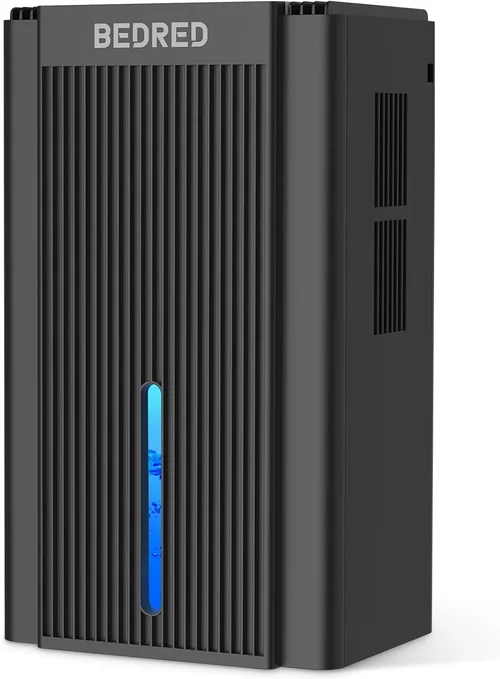
Flood damage is one of the most devastating and disruptive events a homeowner or property manager can face. Beyond the immediate destruction of furniture, flooring, and personal belongings, the hidden threat lies in the moisture left behind. Standing water may be pumped out, but residual dampness seeps into walls, subfloors, insulation, and even structural wood—creating the perfect breeding ground for mold, mildew, and bacteria. Left unchecked, this can lead to long-term health risks, structural deterioration, and costly repairs down the line. That’s where a high-performance dehumidifier becomes not just a convenience, but a critical tool in recovery.
In the aftermath of a flood, time is of the essence. The faster you remove excess moisture from the air and materials, the greater your chances of salvaging your property and preventing secondary damage. However, not all dehumidifiers are created equal—especially when it comes to handling the extreme humidity levels and large-scale drying needs that follow a flood. Standard residential models simply aren’t built for this kind of workload. You need a unit that’s powerful, durable, efficient, and capable of running continuously under harsh conditions. This comprehensive guide is designed to help you navigate the complex world of flood recovery dehumidifiers, so you can make an informed decision that protects your home, your health, and your investment.
Whether you’re dealing with a basement inundated by heavy rains, a first-floor flood from a burst pipe, or widespread water damage after a storm, choosing the right dehumidifier can mean the difference between a full recovery and ongoing problems. In this guide, we’ll walk you through everything you need to know: from understanding key performance metrics and build quality to comparing different types of units and avoiding common pitfalls. We’ll also break down budget considerations, share expert tips for getting the best value, and answer frequently asked questions based on real-world flood recovery scenarios. By the end, you’ll have the knowledge and confidence to select the best dehumidifier for your specific flood damage situation—and get your space back to safe, dry, and livable conditions as quickly as possible.

What to Look for When Buying Buying Guide
1. Performance Specifications
When it comes to flood damage, performance isn’t just about how much water a dehumidifier can remove—it’s about how quickly and effectively it can do so under extreme conditions. The most critical specification is the pint-per-day (PPD) rating, which indicates how many pints of moisture the unit can extract from the air in 24 hours. For flood recovery, you’ll want a commercial-grade or restoration-grade dehumidifier with a minimum capacity of 70–100 PPD, though larger spaces may require units rated at 150 PPD or more. Keep in mind that these ratings are typically measured at standard conditions (80°F and 60% relative humidity), so real-world performance in cooler or less humid post-flood environments may vary.
Another key metric is the airflow rate, measured in cubic feet per minute (CFM). Higher CFM means the unit can circulate and process more air, which is essential for drying out saturated materials like drywall, carpet padding, and subfloors. Look for models with adjustable fan speeds and directional vents to target specific areas. Additionally, check the operating temperature range—flood-damaged basements or garages can be cold, and many residential dehumidifiers shut down below 65°F. Industrial units often operate efficiently down to 40°F or lower, making them far more suitable for flood scenarios.
2. Build Quality & Durability
Flood recovery is hard on equipment. You’re not just running a dehumidifier—you’re deploying it in a potentially dirty, wet, and corrosive environment filled with silt, debris, and microbial contaminants. That’s why build quality matters more than ever. Opt for units constructed with heavy-duty materials like powder-coated steel housings, rust-resistant coils, and sealed electrical components. These features protect against moisture ingress and extend the lifespan of the unit, especially if it’s being used in unheated or unfinished spaces.
Also consider the internal components: compressor type, refrigerant used, and whether the unit has protective features like automatic defrost (essential for cold environments) and overload protection. Commercial dehumidifiers often use rotary compressors instead of reciprocating ones because they’re quieter, more efficient, and better suited for continuous operation. Additionally, look for models with washable or replaceable air filters—these help trap mold spores and particulates, improving indoor air quality during the drying process.
3. Features & Functionality
Advanced features can significantly improve efficiency and ease of use during flood recovery. One of the most important is a built-in condensate pump, which automatically removes collected water—no need to manually empty a bucket every few hours. This is crucial for unattended operation, especially in large or hard-to-reach areas. Some high-end models even offer remote monitoring via smartphone apps, allowing you to check humidity levels and receive alerts if the unit malfunctions.
Other useful features include programmable humidistats (so the unit turns on/off based on target humidity), automatic restart after power outages (common during storms), and hose hookups for continuous drainage. For large-scale jobs, consider units with daisy-chain capabilities—multiple dehumidifiers can be connected to a central control system for coordinated drying. Noise level is also worth noting; while industrial units aren’t silent, some are quieter than others, which matters if the space is still partially occupied.
4. Size & Portability
Even the most powerful dehumidifier is useless if you can’t move it where it’s needed. Flood damage rarely affects just one room—it often spans basements, crawl spaces, garages, and multiple floors. Therefore, portability is a major consideration. Look for units with sturdy wheels (preferably locking casters), ergonomic handles, and a compact footprint that fits through standard doorways. Weight matters too: while commercial units can weigh 80–150 pounds, well-designed models balance heft with maneuverability.
For very tight spaces like crawl spaces or under stairs, low-profile or crawl space-specific dehumidifiers may be necessary. These are typically smaller, ductable, and designed to run continuously in confined areas. Conversely, for open-plan flooding, larger wheeled units with wide coverage areas are ideal. Always measure your access points and work zones before purchasing to ensure the unit can be deployed effectively.
5. Energy Efficiency & Operating Costs
Dehumidifiers for flood damage often run 24/7 for days or even weeks, so energy consumption becomes a significant factor—both environmentally and financially. Check the unit’s energy factor (liters of water removed per kilowatt-hour) or look for ENERGY STAR certification, though note that most commercial flood dehumidifiers aren’t certified due to their specialized nature. Still, more efficient models can save hundreds of dollars in electricity over a multi-week drying period.
Also factor in maintenance costs: filter replacements, potential refrigerant top-offs, and wear-and-tear on moving parts. Units with easy-access panels and user-serviceable components reduce long-term ownership costs. If you’re renting rather than buying (a common choice for one-time flood events), compare rental rates and included services—some companies offer free delivery, setup, and pickup, which can offset higher daily fees.
6. Brand Reputation & Industry Recognition
Not all dehumidifier brands are equipped to handle flood restoration. Some specialize in residential comfort, while others focus on industrial, medical, or restoration applications. Stick with manufacturers known for reliability in disaster recovery: brands like Dri-Eaz, AprilAire, Quest, and AlorAir have strong reputations among restoration professionals. These companies often design their products with input from certified restorers and comply with industry standards set by the IICRC.
Reading user reviews is helpful, but prioritize feedback from people who’ve used the unit in actual flood scenarios—not just for everyday basement dampness. Look for mentions of durability under continuous use, customer service responsiveness, and ease of troubleshooting. A brand that stands behind its products with responsive technical support can be a lifesaver when you’re racing against mold growth.
7. Warranty & Support
A solid warranty is a strong indicator of a manufacturer’s confidence in its product—and your peace of mind during a stressful time. For flood dehumidifiers, aim for at least a 1–2 year comprehensive warranty covering parts and labor. Premium models may offer extended coverage or pro-rated warranties. More importantly, assess the quality of customer support: Is there a dedicated hotline for restoration professionals? Do they offer same-day troubleshooting? Can you get replacement parts shipped quickly?
If you’re buying used or refurbished, verify that the warranty is transferable and still valid. Some manufacturers void warranties if the unit has been used in commercial or flood settings, so read the fine print carefully. For rentals, ensure the provider offers service guarantees—meaning they’ll replace a malfunctioning unit within hours, not days.
8. User Reviews & Real-World Performance
While specs and features provide a theoretical foundation, real-world performance tells the true story. Scour forums like Reddit’s r/HomeImprovement, restoration contractor blogs, and Amazon/Q&A sections for detailed accounts of how a dehumidifier performed during actual flood events. Pay attention to comments about reliability over long durations, noise levels in occupied homes, and how well the unit handled fluctuating humidity and temperature.
Be wary of overly positive or generic reviews—they may be incentivized or fake. Instead, look for balanced feedback that mentions both strengths and limitations. For example, a reviewer might praise a unit’s drying power but note that its filter clogs quickly in dusty environments. That kind of insight is invaluable when deciding between two similarly priced models.
Different Types of Buying Guide

Common Buying Mistakes to Avoid
❌ Mistake: Choosing a Standard Home Dehumidifier
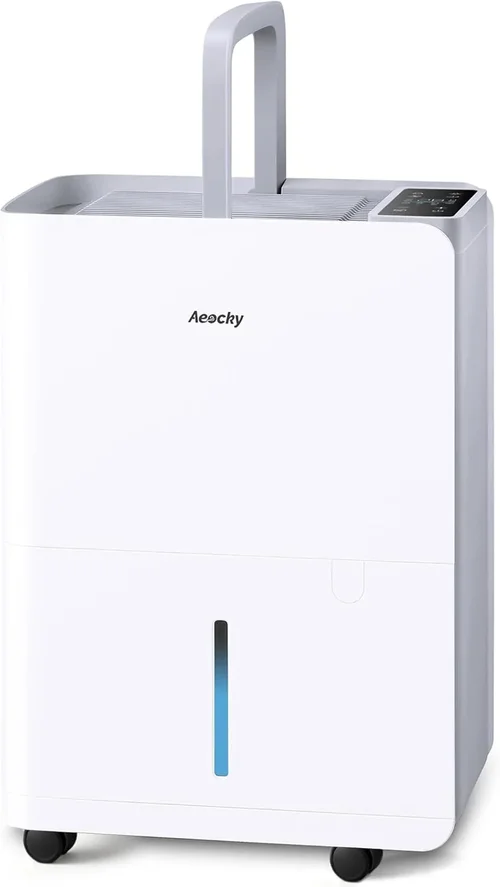
Why it’s bad: Most residential dehumidifiers are designed for maintaining comfort in mildly damp basements—not for extracting hundreds of gallons of moisture after a flood. They lack the capacity, durability, and features needed for restoration work and may overheat or fail within days of continuous use.
What to do instead: Invest in a commercial or restoration-grade unit specifically built for flood damage. These are engineered for 24/7 operation, have higher PPD ratings, and include critical features like condensate pumps and automatic defrost.
❌ Mistake: Ignoring the Condensate Pump
Why it’s bad: Without a built-in pump, you’ll need to manually empty the water tank every few hours—a impractical task during a multi-day drying process, especially if you’re not on-site constantly.
What to do instead: Always choose a model with an integrated condensate pump or ensure it has a hose hookup for continuous drainage. This allows unattended operation and prevents overflow-related shutdowns.
❌ Mistake: Overlooking Operating Temperature Range
Why it’s bad: Many dehumidifiers stop working below 65°F, which is common in flooded basements or garages during cooler months. Using an incompatible unit wastes time and delays drying.
What to do instead: Verify the unit’s minimum operating temperature. For cold environments, select a desiccant or LGR dehumidifier rated for 40°F or lower.
❌ Mistake: Buying Based Solely on Price
Why it’s bad: The cheapest option often lacks the power, durability, or features needed for effective flood recovery. You may end up buying a second unit or hiring professionals anyway.
What to do instead: Balance budget with performance needs. Consider renting a high-end unit if it’s a one-time event, or invest in a mid-range commercial model if you live in a flood-prone area.
❌ Mistake: Not Planning for Airflow and Coverage
Why it’s bad: A powerful dehumidifier won’t dry effectively if stagnant air prevents moisture from reaching the coils. Poor airflow slows drying and increases the risk of mold.
What to do instead: Use fans to circulate air and position the dehumidifier centrally. For large areas, deploy multiple units or choose a model with high CFM and adjustable vents.
❌ Mistake: Skipping Professional Assessment
Why it’s bad: DIY drying without understanding the extent of damage can lead to incomplete moisture removal, hidden mold growth, and structural issues.
What to do instead: Consult a certified restoration professional for an initial assessment. They can recommend the right number and type of dehumidifiers and monitor progress with moisture meters.
❌ Mistake: Neglecting Air Filtration
Why it’s bad: Floodwaters often contain contaminants, sewage, or chemicals. Running a dehumidifier without proper filtration can spread harmful particles through the air.
What to do instead: Use units with HEPA or antimicrobial filters, and consider pairing with air scrubbers for contaminated floods.
Budget Guidelines: How Much Should You Spend?
Entry-Level ($300–$800): These are typically residential desiccant or small refrigerant units. Suitable only for minor water intrusions or small crawl spaces. Expect limited capacity (30–50 PPD), manual drainage, and shorter lifespans under heavy use. Best for temporary or supplemental drying.
Mid-Range ($800–$1,800): This is the sweet spot for most homeowners dealing with moderate flood damage. These commercial-grade units offer 70–120 PPD, continuous drainage, robust construction, and reliable performance in varied temperatures. Models like the AlorAir Sentinel HDi or AprilAire E130 fit here and provide excellent value.
Premium ($1,800–$3,500): Designed for serious flooding or professional use, these LGR or industrial desiccant units deliver 100–200+ PPD, advanced controls, remote monitoring, and superior durability. Ideal for large basements, whole-house floods, or recurring moisture issues. Brands like Dri-Eaz and Quest dominate this tier.
Luxury ($3,500+): Top-tier restoration equipment used by disaster recovery teams. These systems offer maximum drying power, modular designs, data logging, and integration with other restoration tools. Overkill for most homeowners but essential for severe structural damage or commercial properties.

Expert Tips for Getting the Best Deal
- Buy or Rent During Off-Peak Seasons: Demand for dehumidifiers spikes after storms and hurricanes. Purchase or rent in late winter or early spring when prices are lower and inventory is higher.
- Check Restoration Equipment Rental Companies: Firms like SERVPRO, BELFOR, or local contractors often rent high-quality units at competitive rates, including delivery and setup.
- Look for Bundled Packages: Some retailers offer dehumidifier + air mover + hygrometer kits at a discount—ideal for comprehensive drying.
- Verify Return and Exchange Policies: Ensure you can return or exchange the unit if it doesn’t meet your needs, especially since flood conditions can be unpredictable.
- Inspect Before Buying Used: If purchasing refurbished, request service records and test the unit’s compressor, pump, and controls.
- Negotiate with Local HVAC or Restoration Pros: Some offer equipment sales alongside services—ask if they have demo or overstock units available.
- Consider Energy Rebates: In some regions, energy-efficient dehumidifiers qualify for utility rebates—check your provider’s website.
- Read the Manual Before Deployment: Understand maintenance requirements, error codes, and safety protocols to avoid downtime during critical drying phases.
Frequently Asked Questions
Q: How long should I run a dehumidifier after a flood?
A: Typically 7–14 days, depending on the extent of damage, materials affected, and ambient conditions. Use a moisture meter to monitor progress—drying is complete when moisture content matches unaffected areas (usually 12–15% for wood, <20% for drywall).
Q: Can I use a regular dehumidifier for flood damage?
A: Only for very minor incidents. Standard units lack the capacity, durability, and features needed for effective flood recovery and may fail prematurely under continuous load.
Q: Should I run the dehumidifier with windows open?
A: No. Keep windows and doors closed to prevent humid outside air from entering. Use exhaust fans sparingly—only if outdoor humidity is significantly lower than indoors.
Q: How many dehumidifiers do I need?
A: As a rule of thumb, one 100-PPD unit covers about 1,000–1,500 square feet of moderately flooded space. Larger or more saturated areas may require multiple units or higher-capacity models.
Q: Will a dehumidifier remove mold?
A: No—it prevents mold by reducing moisture. Existing mold must be professionally cleaned or removed before drying begins.
Q: Can I place the dehumidifier directly on wet carpet?
A: Avoid it if possible. Elevate the unit on a pallet or stand to prevent water ingress and ensure proper airflow underneath.
Q: Is it safe to run a dehumidifier 24/7?
A: Yes, especially commercial-grade units designed for continuous operation. Just ensure proper ventilation and monitor for overheating.
Q: What’s the difference between refrigerant and desiccant dehumidifiers?
A: Refrigerant units cool air to condense moisture—best for warm, humid environments. Desiccants use moisture-absorbing materials and work better in cold or low-humidity conditions.
Q: Do I need a permit to run a dehumidifier during flood recovery?
A: Generally no, but check local regulations if using industrial equipment in occupied buildings or if electrical modifications are needed.
Q: Can insurance cover the cost of a dehumidifier?
A: Possibly. Many homeowner policies cover temporary equipment rental as part of mitigation expenses. Keep receipts and document usage for claims.
Our Final Recommendations
Best for Budget-Conscious Buyers: AlorAir Sentinel HDi 70 Pint – Offers commercial-grade performance at a mid-range price, with a built-in pump, auto-defrost, and durable construction. Ideal for small to medium floods.
Best Overall Value: AprilAire E130 Crawl Space Dehumidifier – Combines high capacity (130 PPD), energy efficiency, and quiet operation. Excellent for basements and crawl spaces with persistent moisture issues.
Best Premium Option: Dri-Eaz F500 LGR Dehumidifier – A restoration industry staple with 150+ PPD, advanced controls, and rugged design. Perfect for severe flooding or professional use.
Best for Beginners: hOmeLabs 70 Pint Desiccant Dehumidifier – User-friendly, portable, and effective in cold spaces. Great for first-time users tackling minor flood damage.
Best for Advanced Users: Quest Dual 155 Overhead Dehumidifier – High-capacity, ductable, and designed for large-scale structural drying. Requires some setup knowledge but delivers unmatched performance.
Conclusion: Making the Right Choice
Recovering from flood damage is overwhelming, but choosing the right dehumidifier doesn’t have to be. By focusing on performance, durability, and features tailored to flood conditions—not just everyday humidity—you can dramatically improve your chances of a full and safe restoration. Remember, speed matters: the longer moisture lingers, the greater the risk of mold, structural decay, and health hazards.
Prioritize your specific needs—whether it’s a small basement leak or a whole-house inundation—and match them to the appropriate type and capacity of dehumidifier. Don’t cut corners on build quality or key functionalities like continuous drainage and cold-weather operation. And when in doubt, consult a professional restorer for guidance.
Ultimately, the best dehumidifier for flood damage is the one that gets your home dry, safe, and livable again—quickly and reliably. With the insights from this guide, you’re now equipped to make that choice with confidence. Act fast, stay informed, and reclaim your space from the aftermath of water damage.